

Health Boosting Vitamins
(0 Results)
Discover a diverse range of health boosting vitamins designed to support your wellness journey. These vitamins may help you achieve optimal health by filling nutritional gaps and promoting overall well-being. Whether aiming to improve energy, support immune function, or maintain a balanced lifestyle, incorporating health boosting vitamins into your daily routine could be an excellent choice. Explore our selection and find the perfect vitamins to complement your unique health needs.

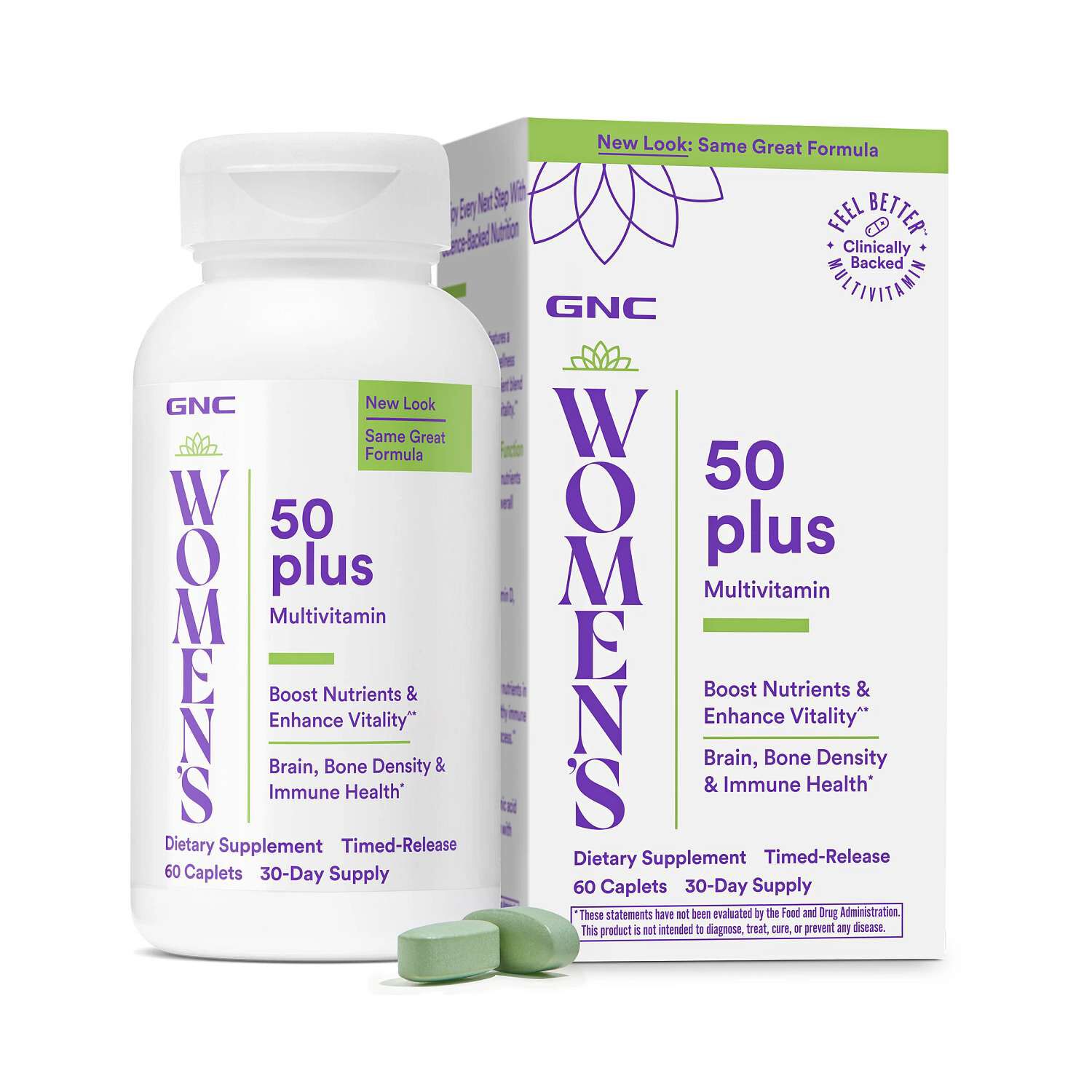
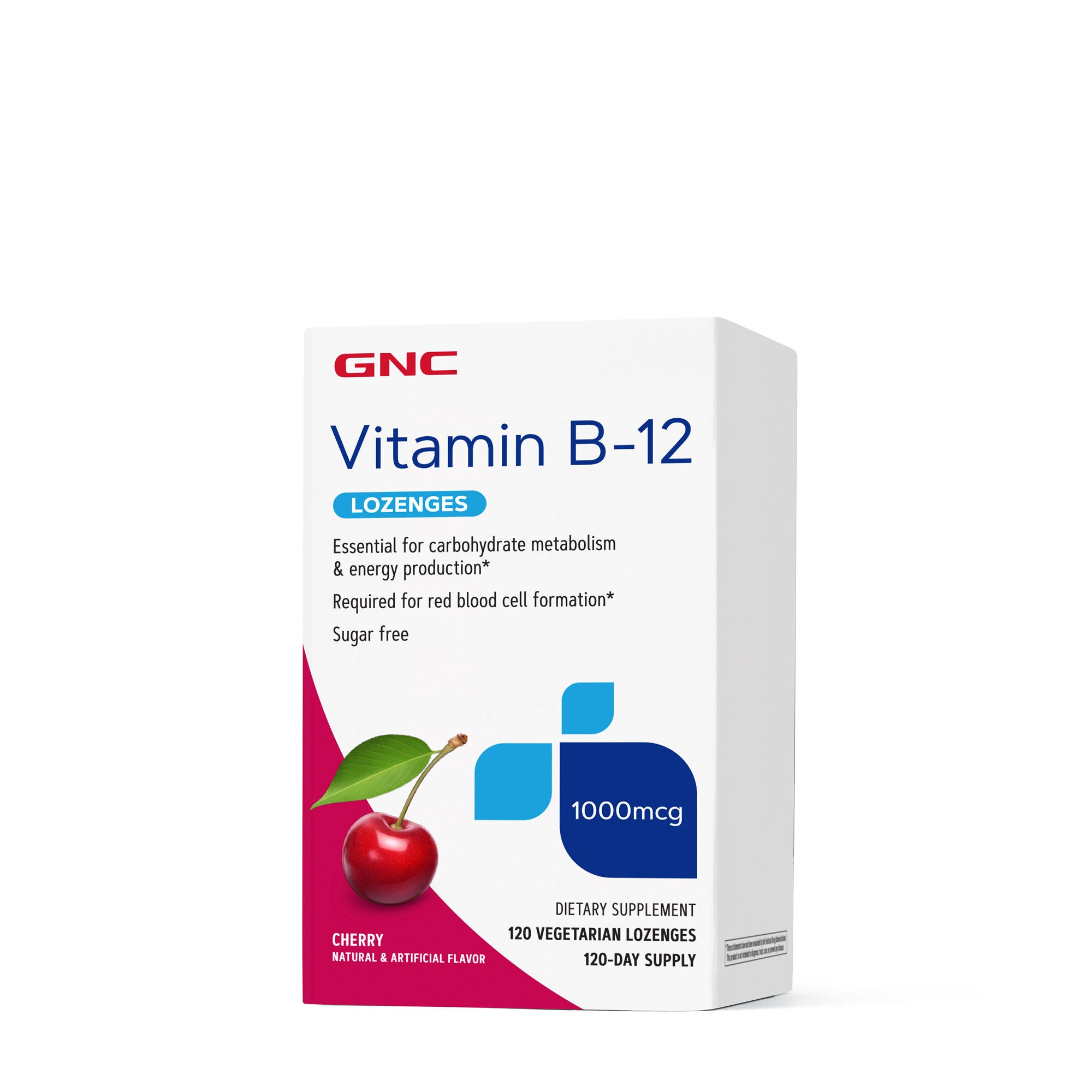
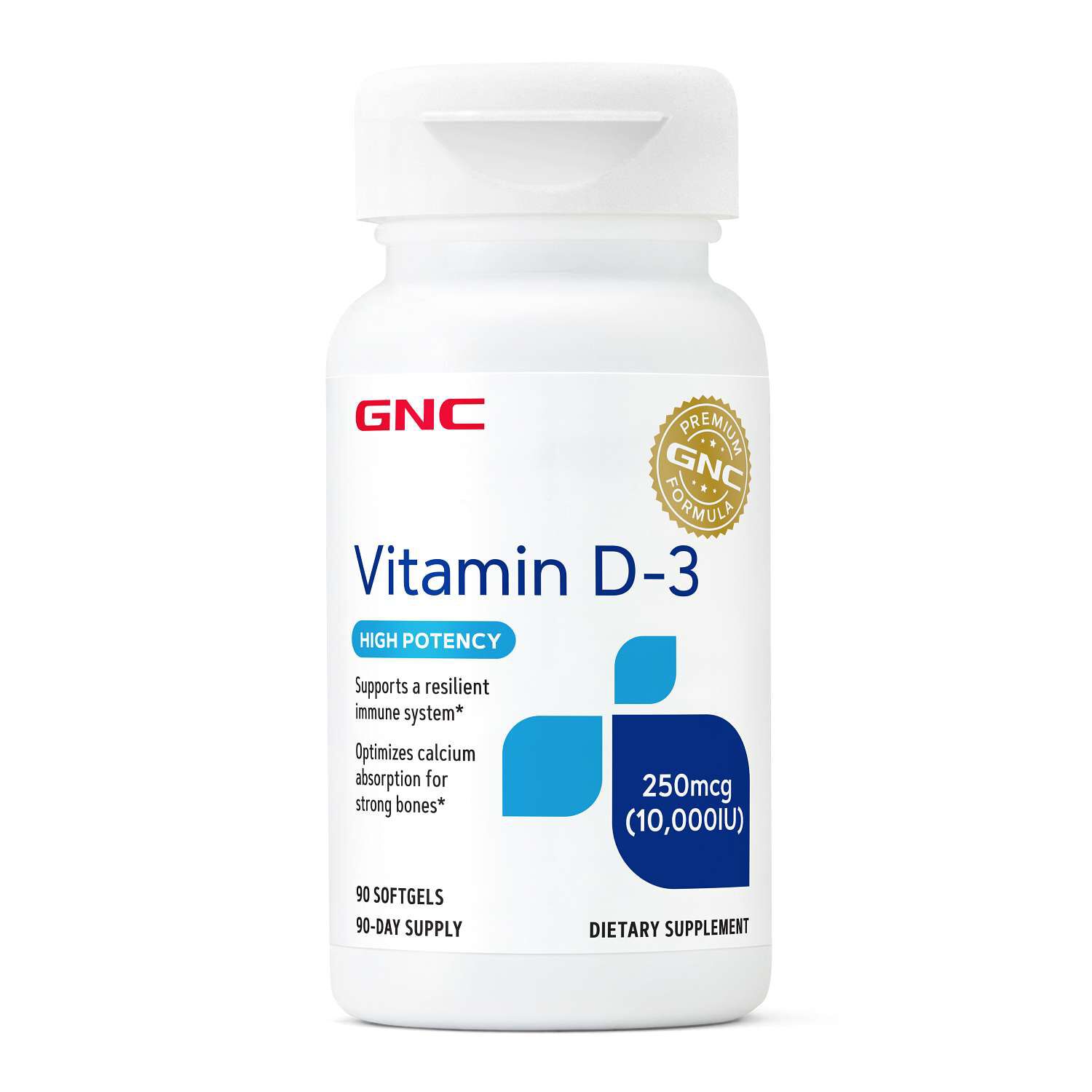
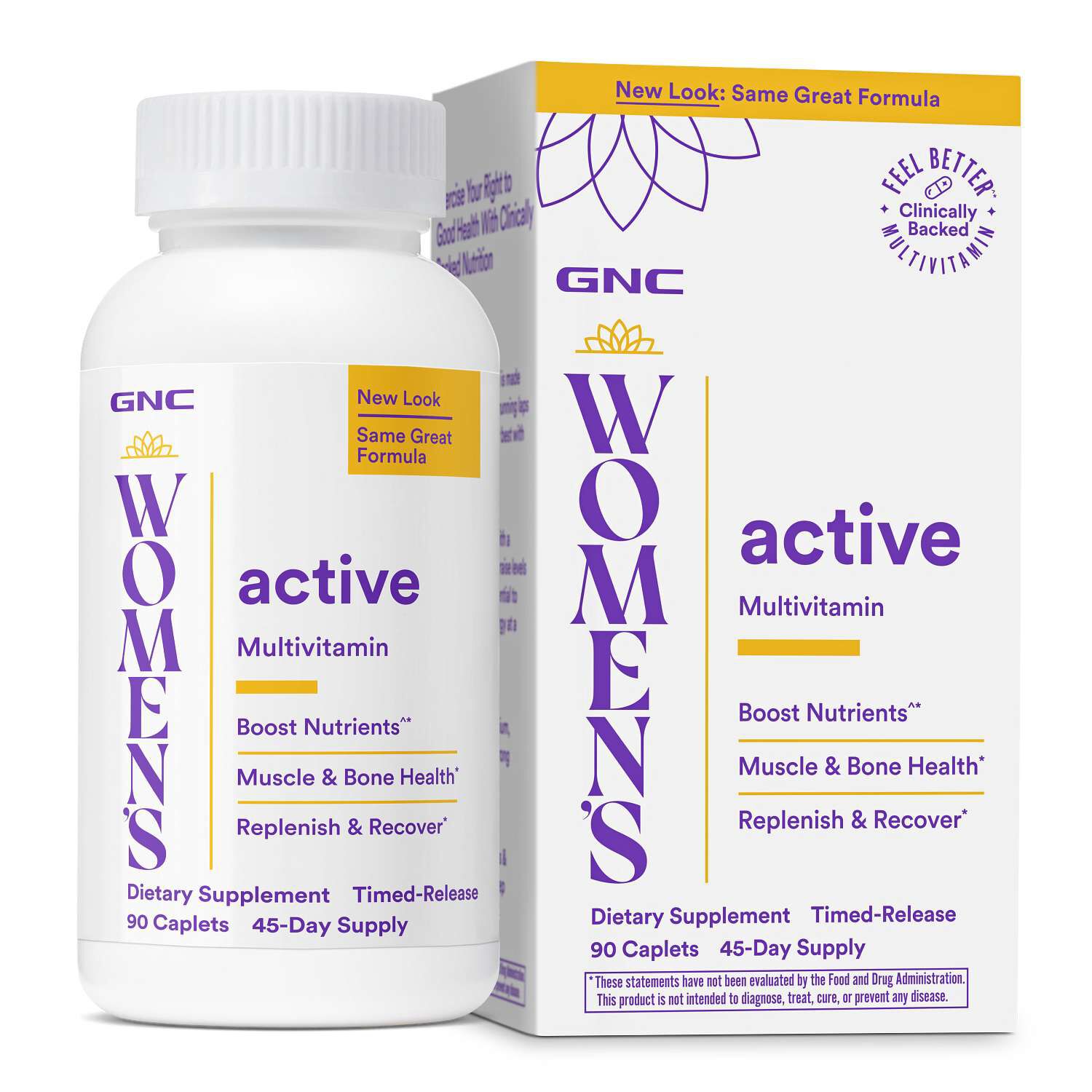
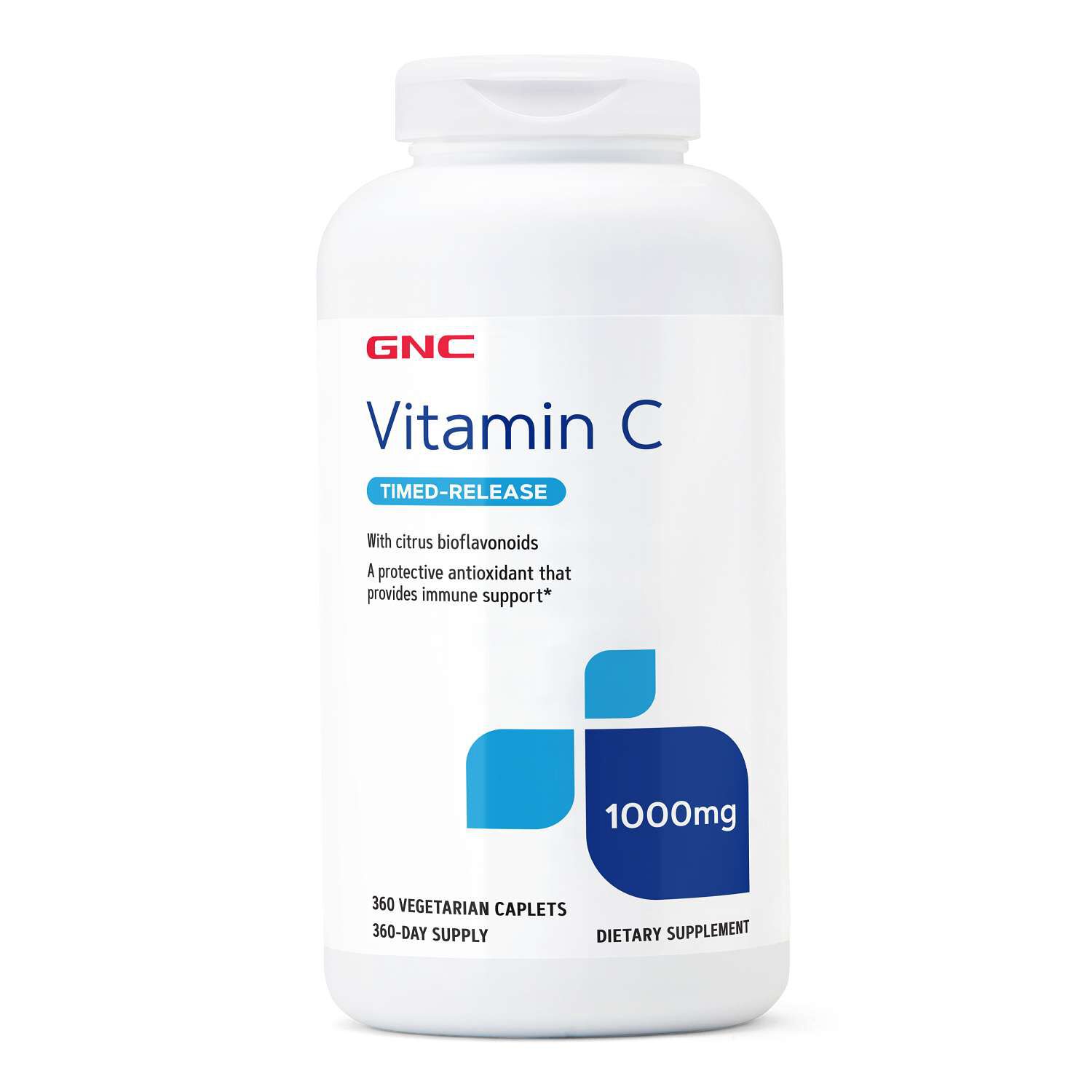

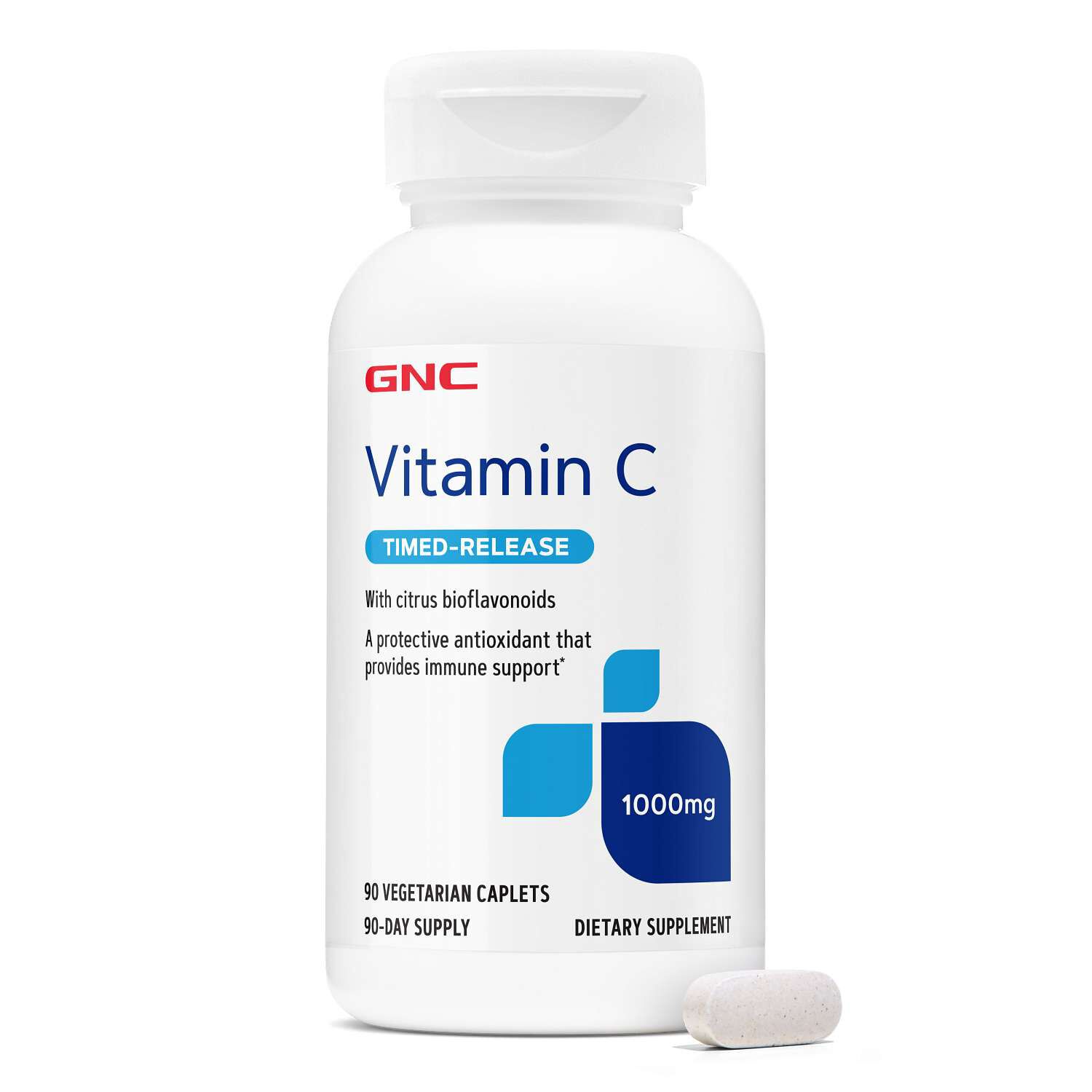

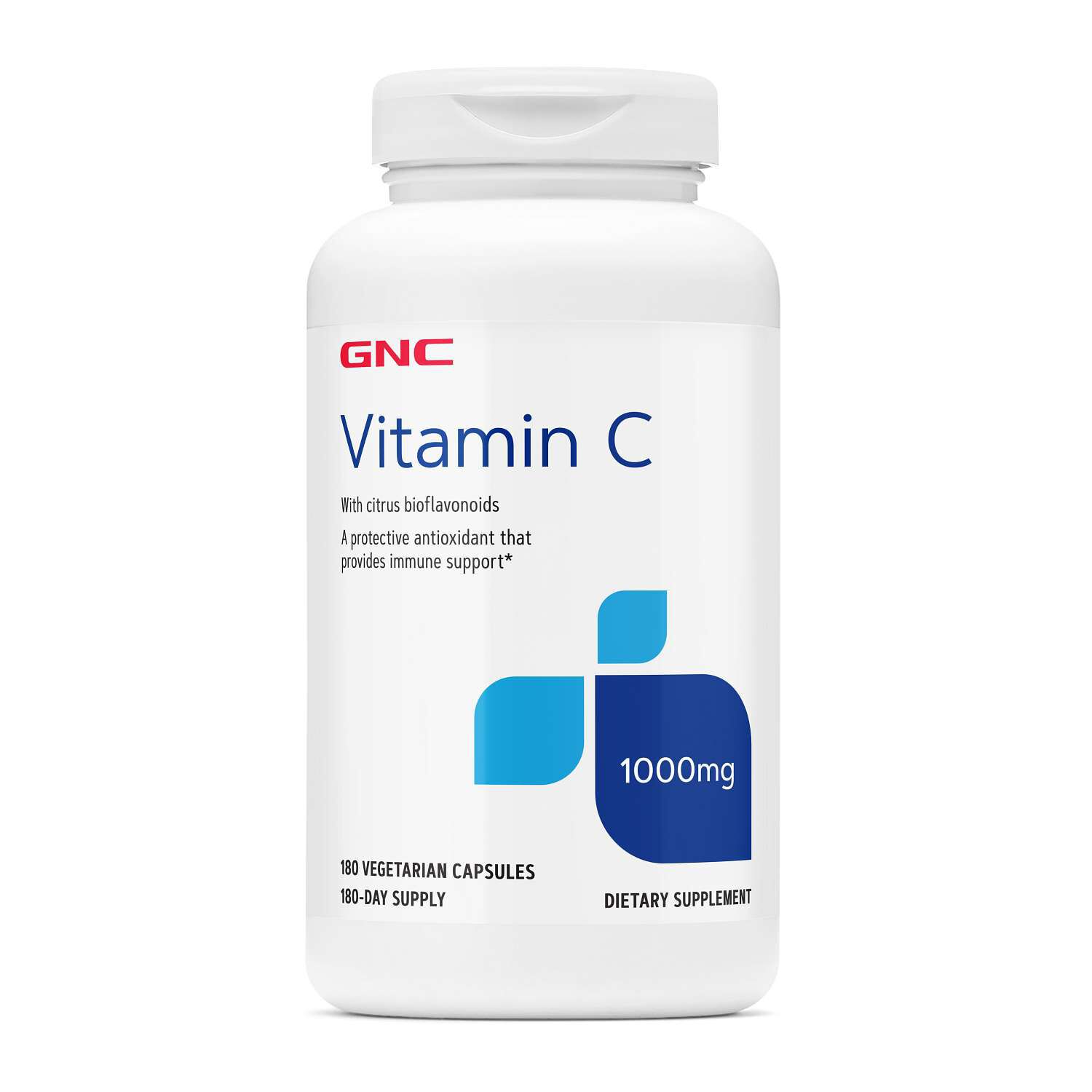
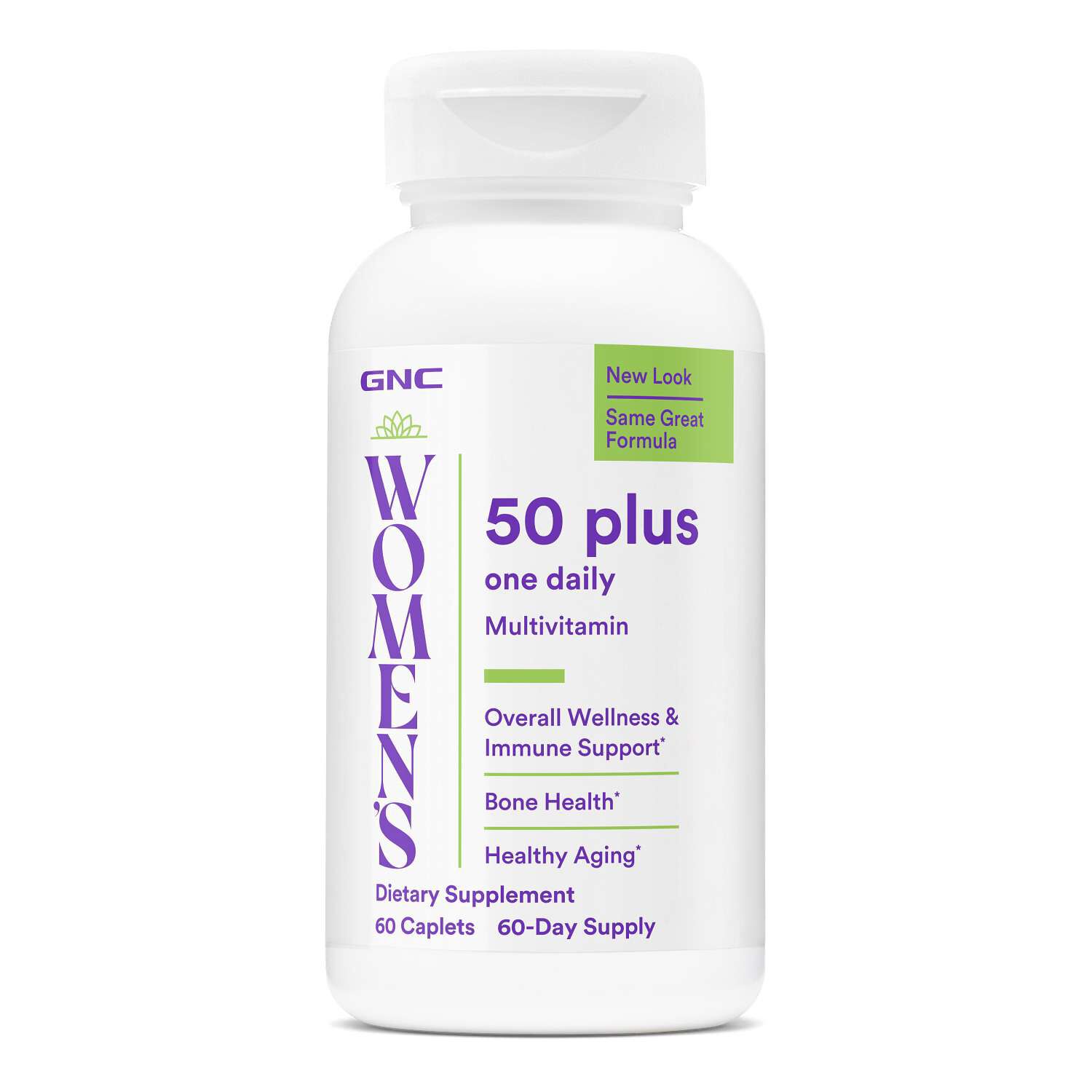


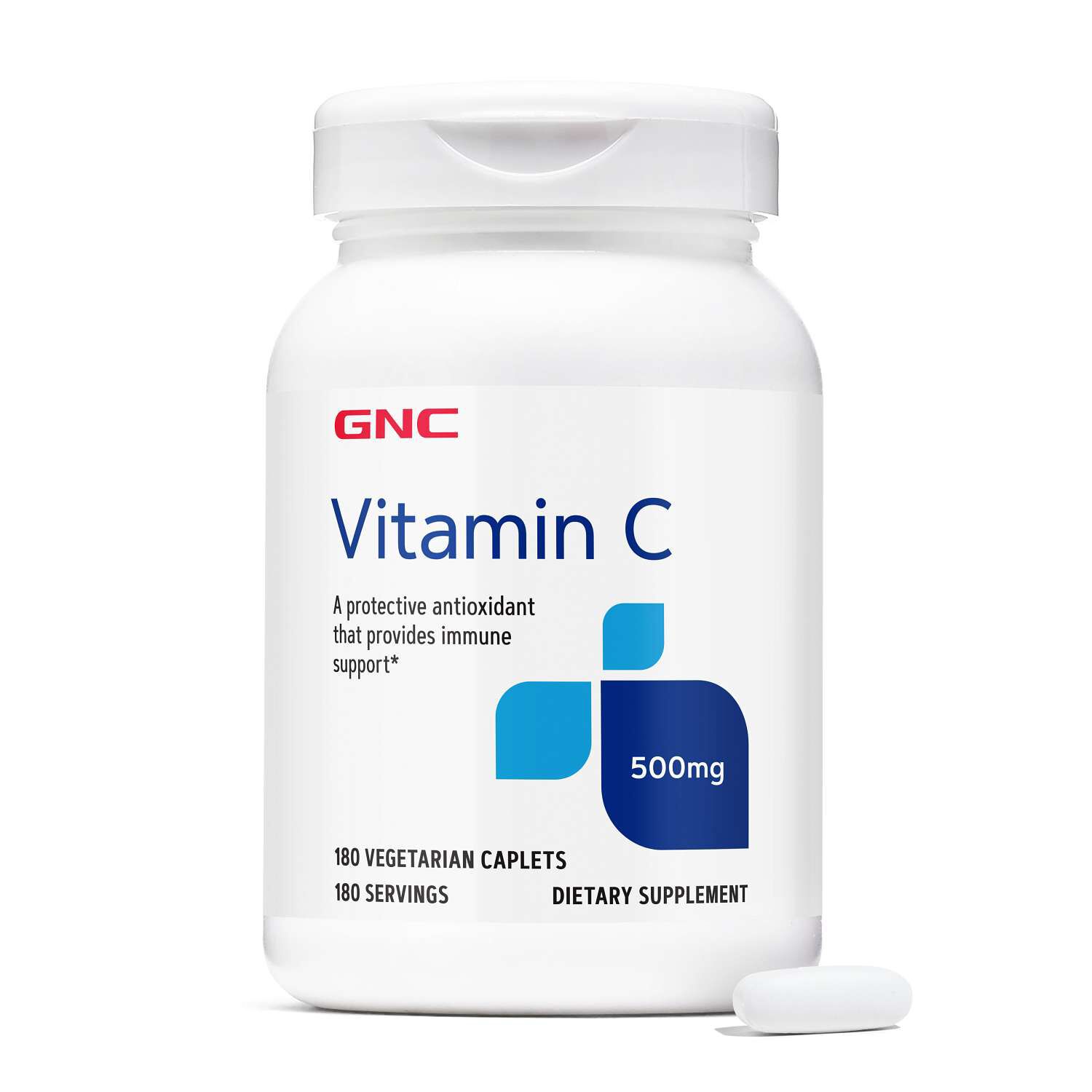
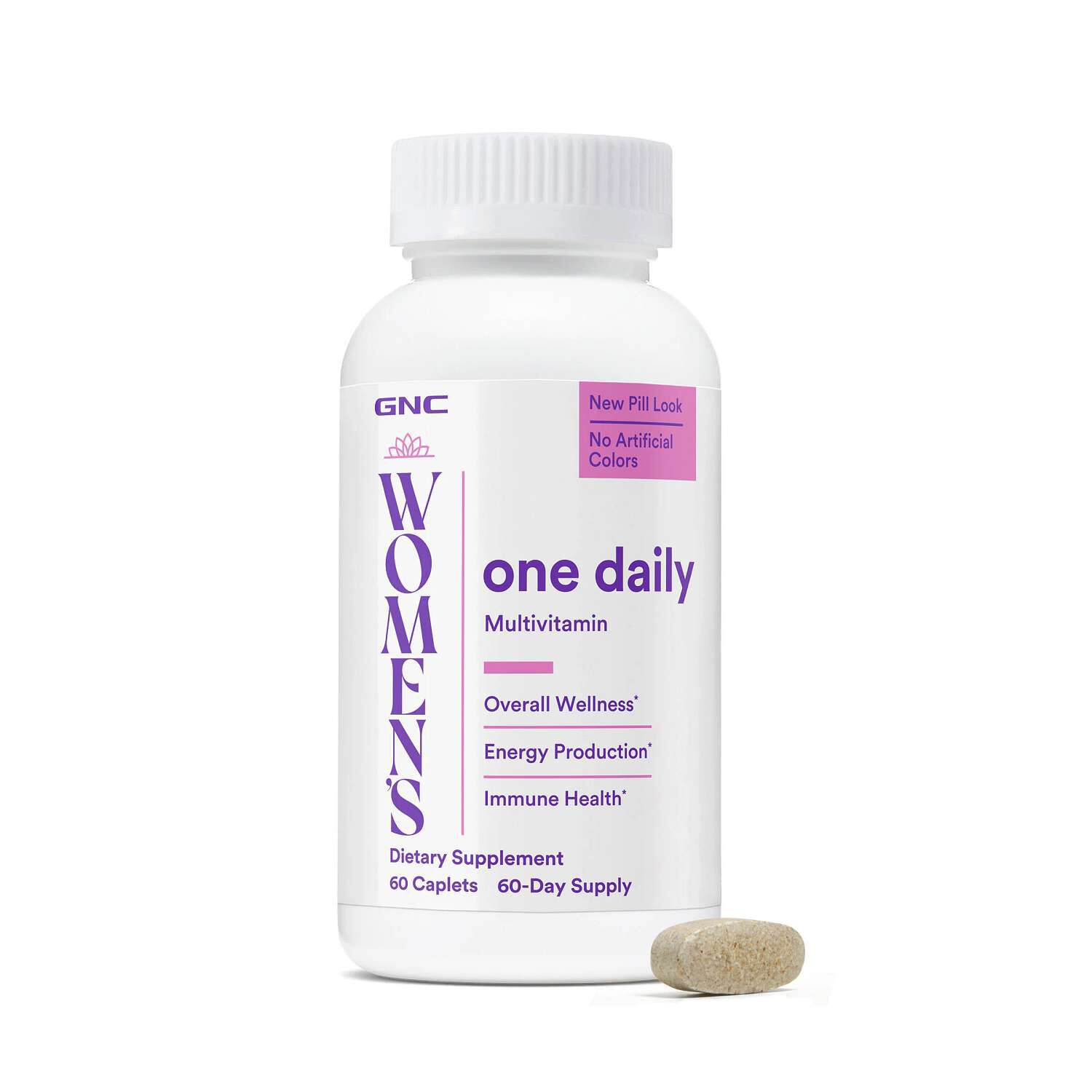
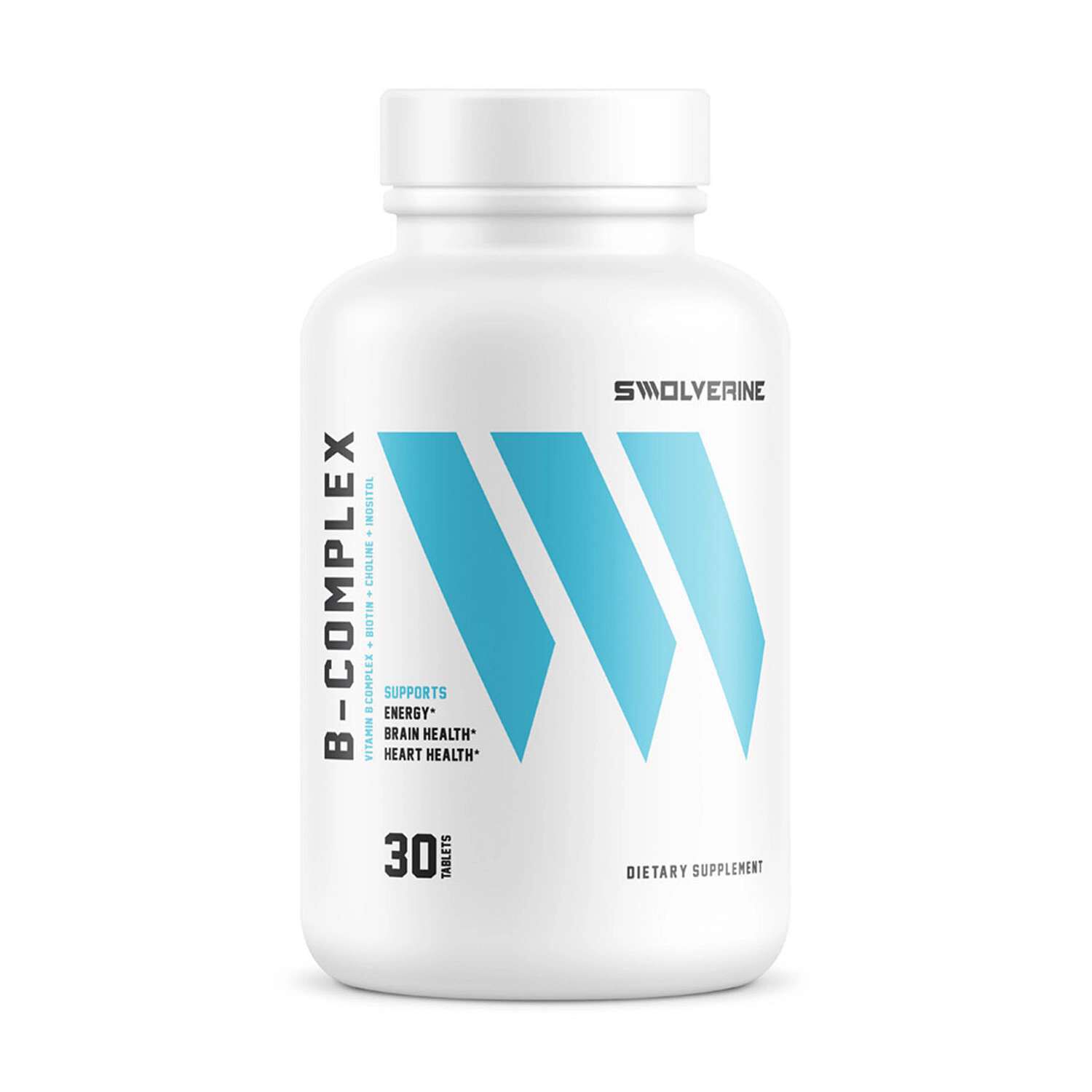
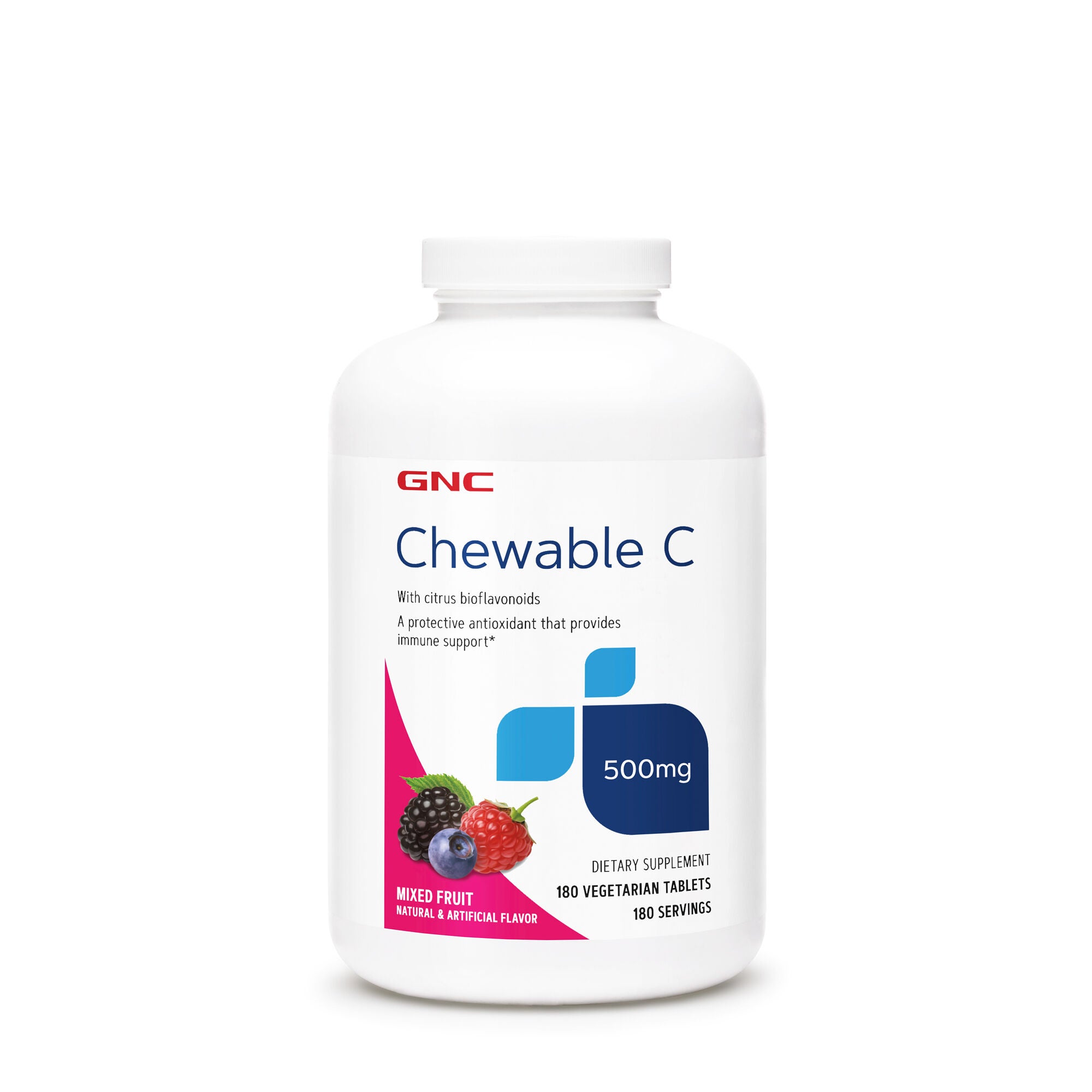

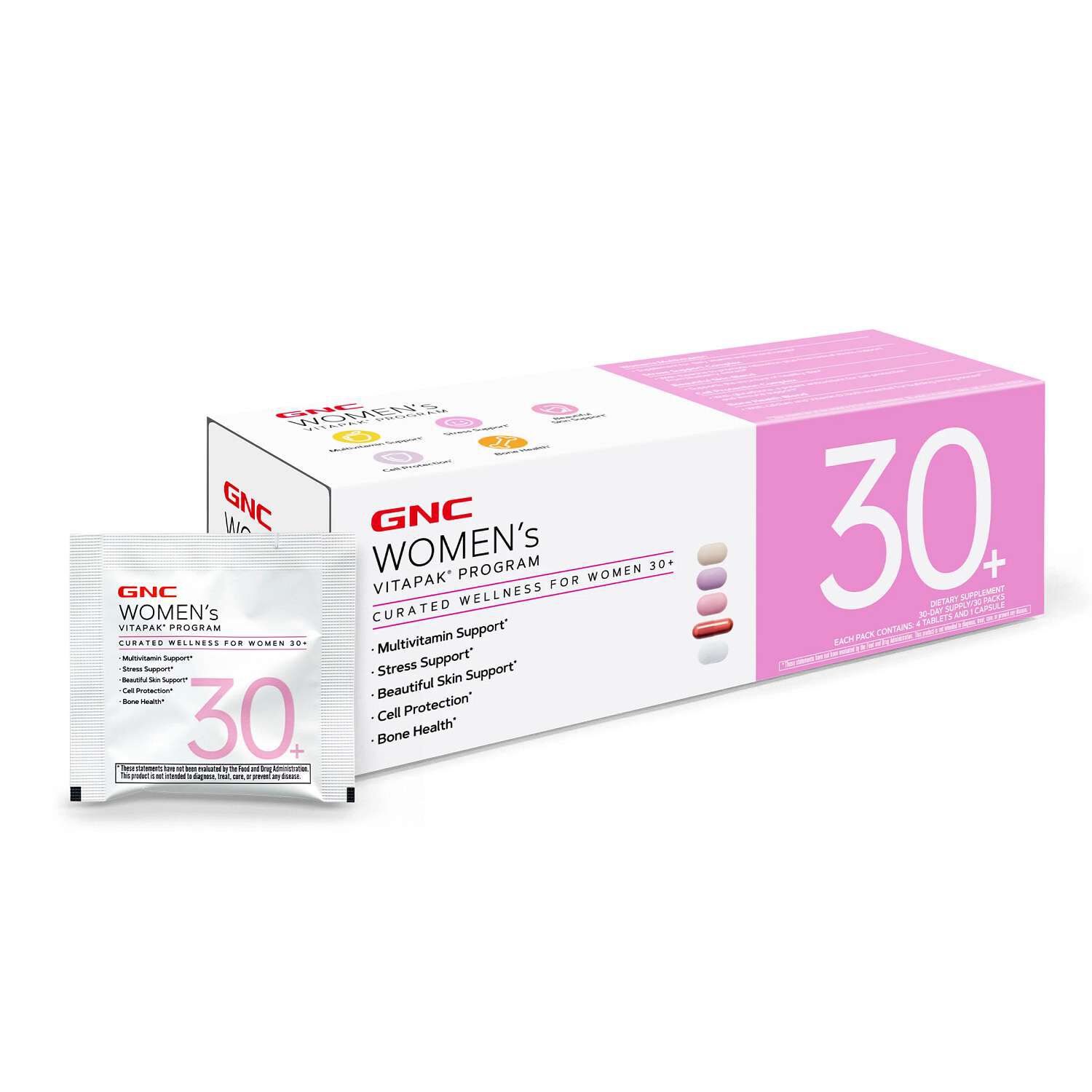
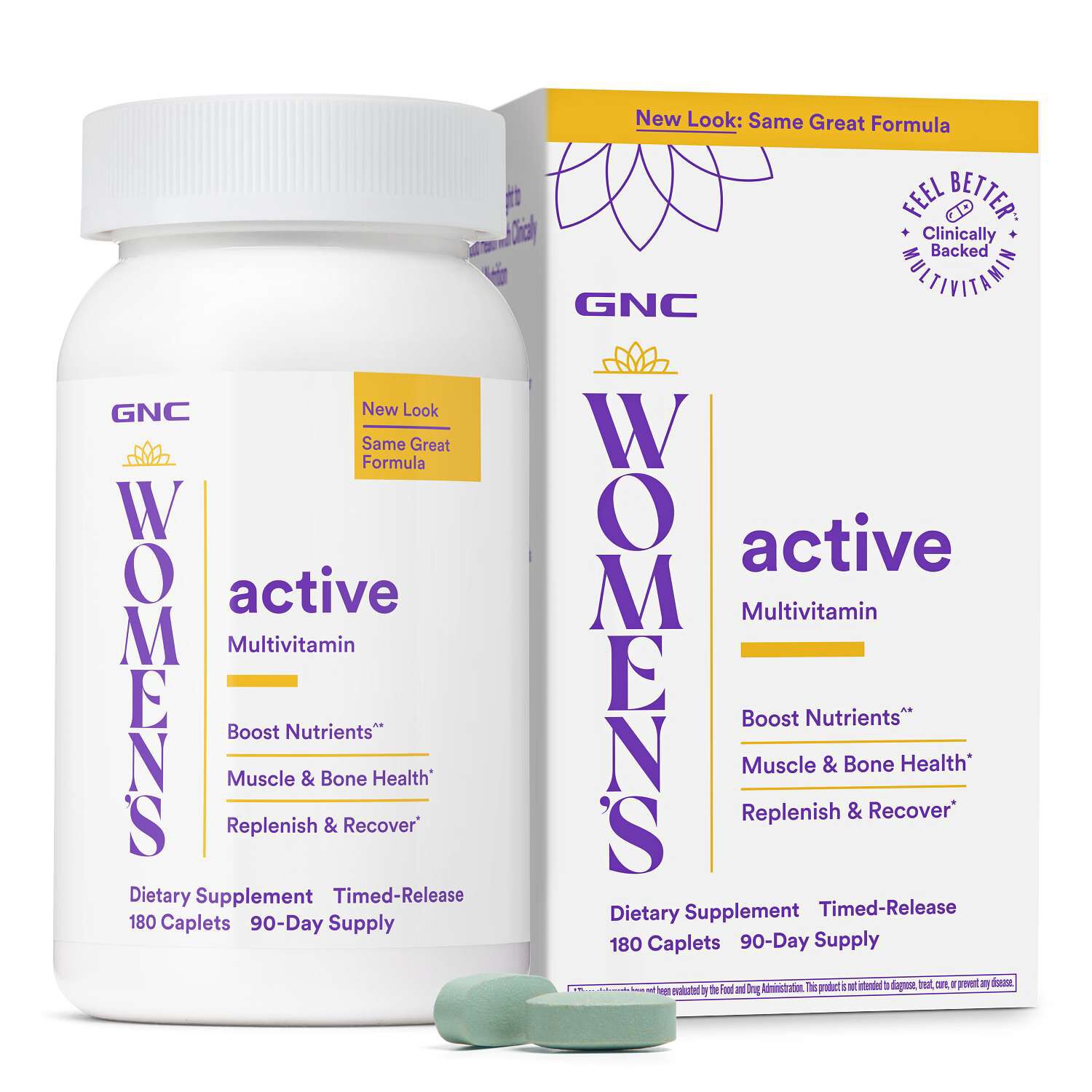


Vitamins for everyday wellness come in a range of formulas, from multivitamins that combine several nutrients to more focused options built around a particular vitamin or mineral. The distinction matters when comparing supplements for a daily routine: a broad formula and a single-nutrient formula serve different shopping preferences, even when their ingredient lists overlap. Common nutrients in this category include vitamins A, C, D, and B6, along with minerals such as zinc. Although vitamins and minerals often appear together on the same label, they are separate types of nutrients. Familiar food sources offer useful context for these ingredients. Citrus fruits and bell peppers contain vitamin C; fatty fish, egg yolks, and certain fortified foods contain vitamin D; and carrots and sweet potatoes contain beta-carotene, which the body can convert into vitamin A. Chickpeas and salmon provide vitamin B6, while beef, oysters, and pumpkin seeds contain zinc. These connections place supplements within the broader picture of everyday eating rather than apart from it. A supplement may complement a varied diet, but it is not a substitute for the variety of nutrients found in food. For shoppers, a practical comparison begins with what a formula contains, how it is taken, and whether its format fits an ordinary day. Someone who eats breakfast at home may prefer a bottle kept in an appropriate kitchen cabinet, while someone with an early commute may value packaging that is easy to organize alongside other daily necessities. During the cooler months, when schedules can include travel, gatherings, and more time indoors, those small details may become especially relevant. Shoppers exploring a narrower part of this category can also browse vitamins for immune-focused routines and compare their ingredients, serving formats, and label directions. The useful distinction is not how ambitious the wording on a bottle sounds, but how clearly the label describes the formula and its intended use.
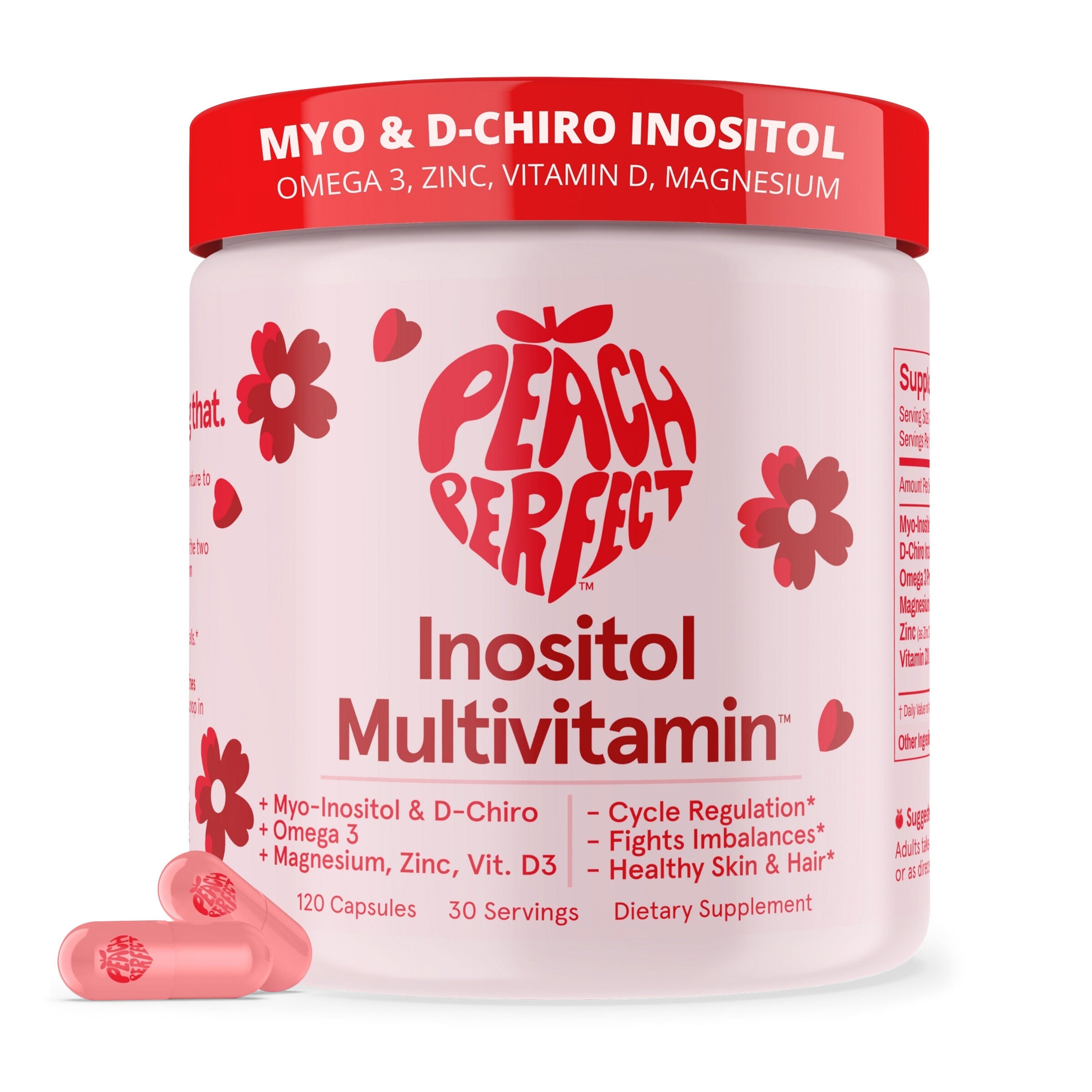
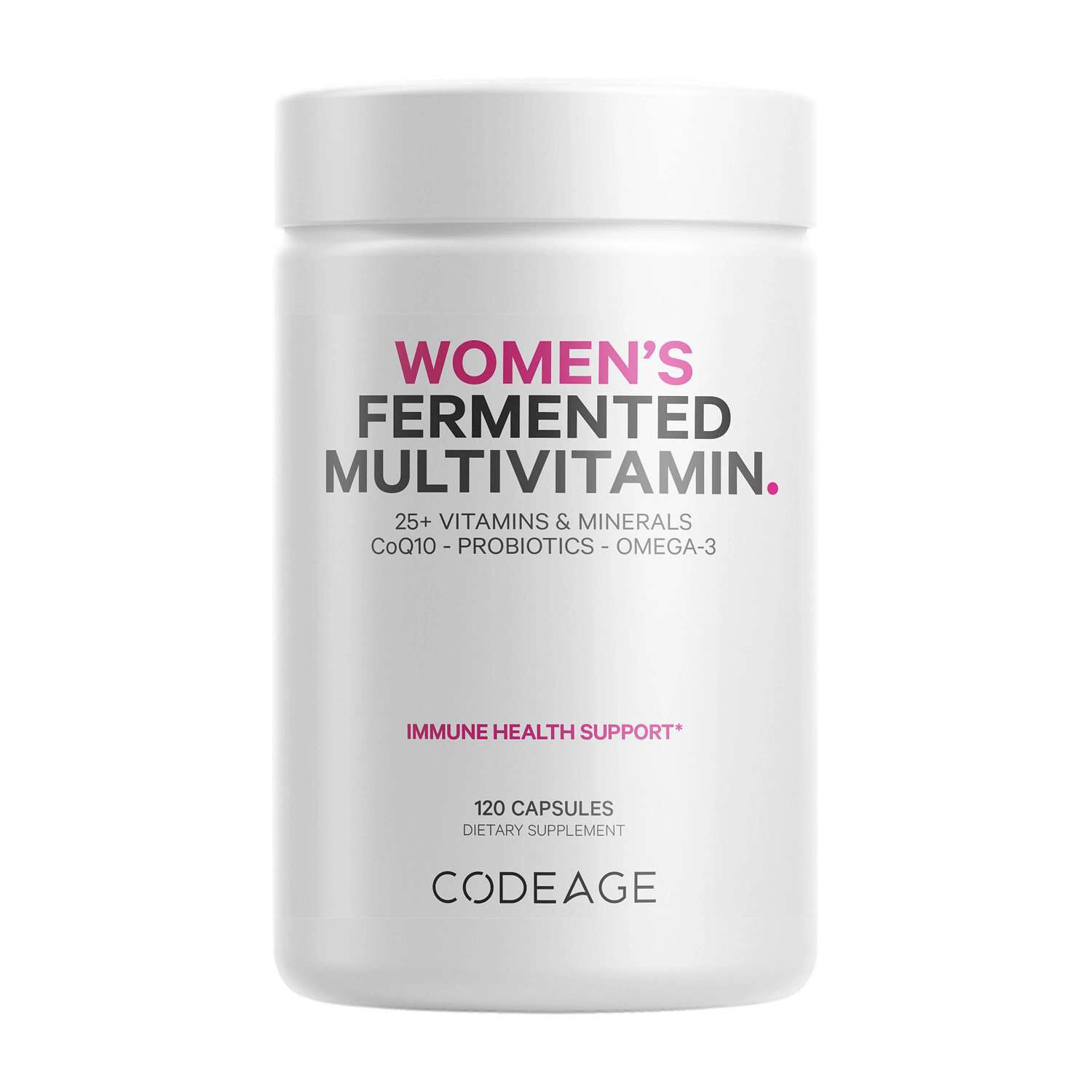
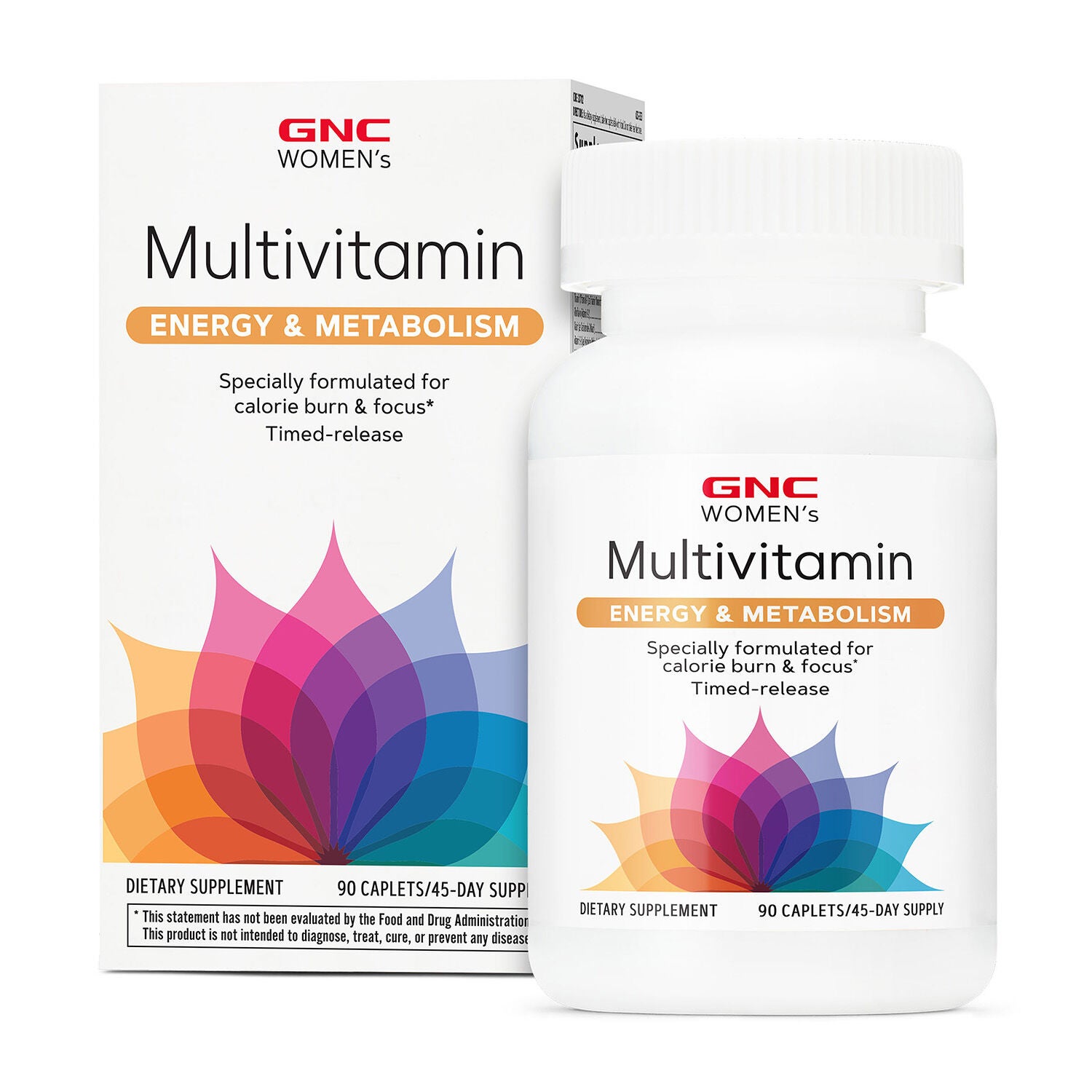
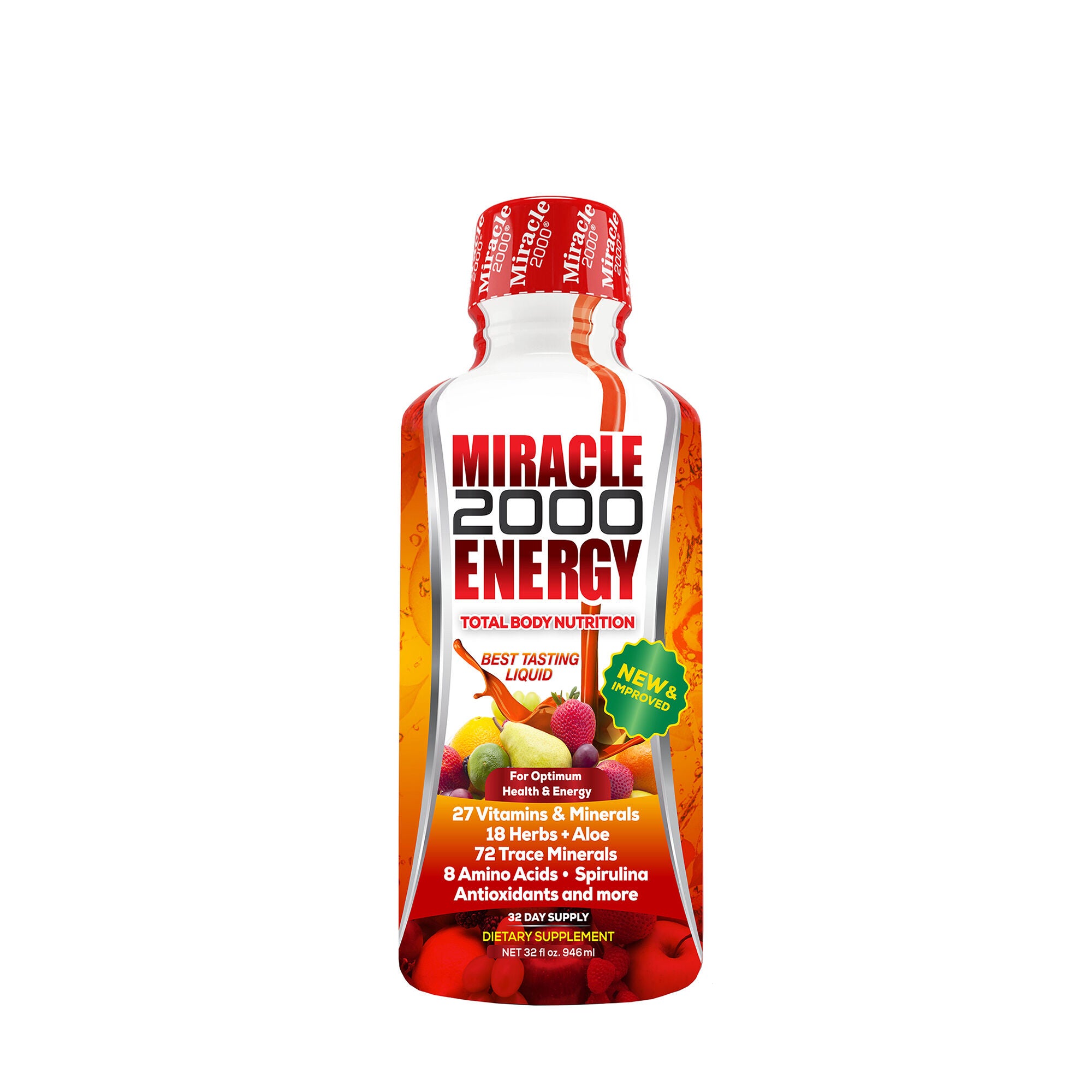
Format is often the detail that makes one vitamin supplement more appealing than another. Tablets, capsules, softgels, gummies, chewables, liquids, and powders each bring a different experience to a routine. Tablets can vary in size, shape, and coating, while capsules may use gelatin or plant-derived shell materials. Softgels often contain an oil-based filling, making their ingredient lists worth examining when dietary preferences matter. Gummies and chewables bring flavor and texture into the decision, with differences in sweetness, firmness, and the number included in a labeled serving. A serving is not necessarily one piece, capsule, or tablet, so comparing containers by appearance alone can be misleading. Liquids may require a measuring device, and powders may involve mixing, which adds another step to a morning or evening routine. A person who prefers a simple setup may view that preparation differently from someone who already makes a smoothie every day. Flavor also deserves attention: a citrus-flavored chewable and an unflavored capsule offer very different experiences, even if both contain the same named nutrient. Beyond the main vitamins and minerals, the Other Ingredients section can identify sweeteners, colors, flavorings, coatings, and capsule materials. Dietary statements and allergen information provide additional details for shoppers who have specific preferences or restrictions. A vegan eating pattern, for example, can make the source of a capsule shell or a vitamin ingredient relevant. The Supplement Facts panel provides the serving size, amounts of listed nutrients, and percent Daily Value where established. Percent Daily Value is a label reference, not a personalized target, and a larger number alone does not establish that a formula is a better match. Comparing the same serving basis across options gives a clearer picture than comparing only the front labels. Adults, children, and other intended audiences may also have distinct labeling, so the age designation and directions belong in the comparison alongside flavor, form, and ingredient choices.
Storage, packaging, and everyday handling deserve as much attention as the initial format choice. Unlike a reusable accessory, a vitamin supplement has a dated shelf life and labeled storage conditions; its packaging is part of how it is meant to be kept between servings. Heat, moisture, and direct sunlight are relevant considerations, and a bathroom shelf, sunny windowsill, or parked car can present different conditions from a dry interior cabinet. The container’s directions provide the appropriate reference for storage, including whether a liquid requires refrigeration after opening. Keeping a bottle securely closed and retaining its original label preserves access to the ingredient list, serving information, and date markings. For travel, the original packaging also keeps those details together instead of separating a supplement from the information needed to identify it. Package dimensions matter in practical ways: a tall bottle may not fit a shallow cabinet, a large powder container may occupy valuable counter space, and a liquid bottle may require more planning in a travel bag. Those are useful differences to consider before choosing a format simply because it looks convenient online. Intended use is equally important. Some shoppers are comparing an everyday multivitamin, while others are looking for a particular nutrient they have already decided to explore. Formulas marketed to different age groups or life stages can vary, so their labels should not be treated as interchangeable. Personal suitability is a separate consideration from taste or packaging, particularly when an individual has health circumstances that call for professional input. Vitamins are also a personal purchase rather than an automatic gift choice. If someone has expressly requested a supplement, the exact format, dietary preferences, and intended audience matter more than a general wellness theme. Across this category, thoughtful shopping comes down to concrete details: recognizable nutrient names, transparent ingredient information, a manageable serving format, and storage requirements that fit the household. Together, those details make it easier to compare vitamin supplements on their actual characteristics rather than on broad language about wellness.