





Iron Supplements
(0 Results)
Iron is an essential mineral that plays a vital role in various bodily functions, including oxygen transport, energy production, and immune system support. Iron deficiency can lead to fatigue, weakness, and decreased cognitive function. Our selection of iron supplements offers a convenient way to ensure you meet your daily iron needs and maintain optimal health. Whether you're looking to boost your iron levels or prevent deficiency, explore our range of iron supplements to support your overall well-being.
-
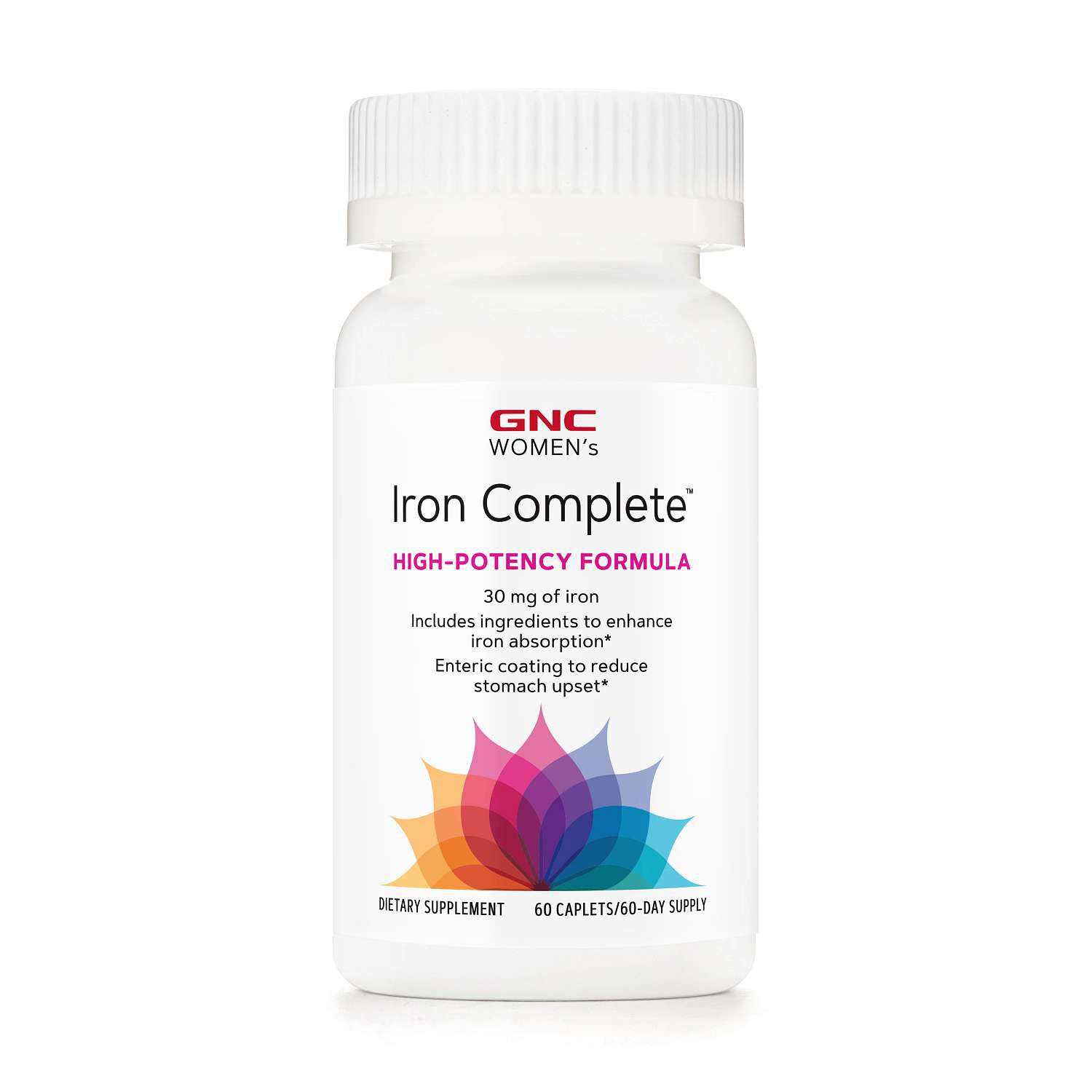
-

-

-
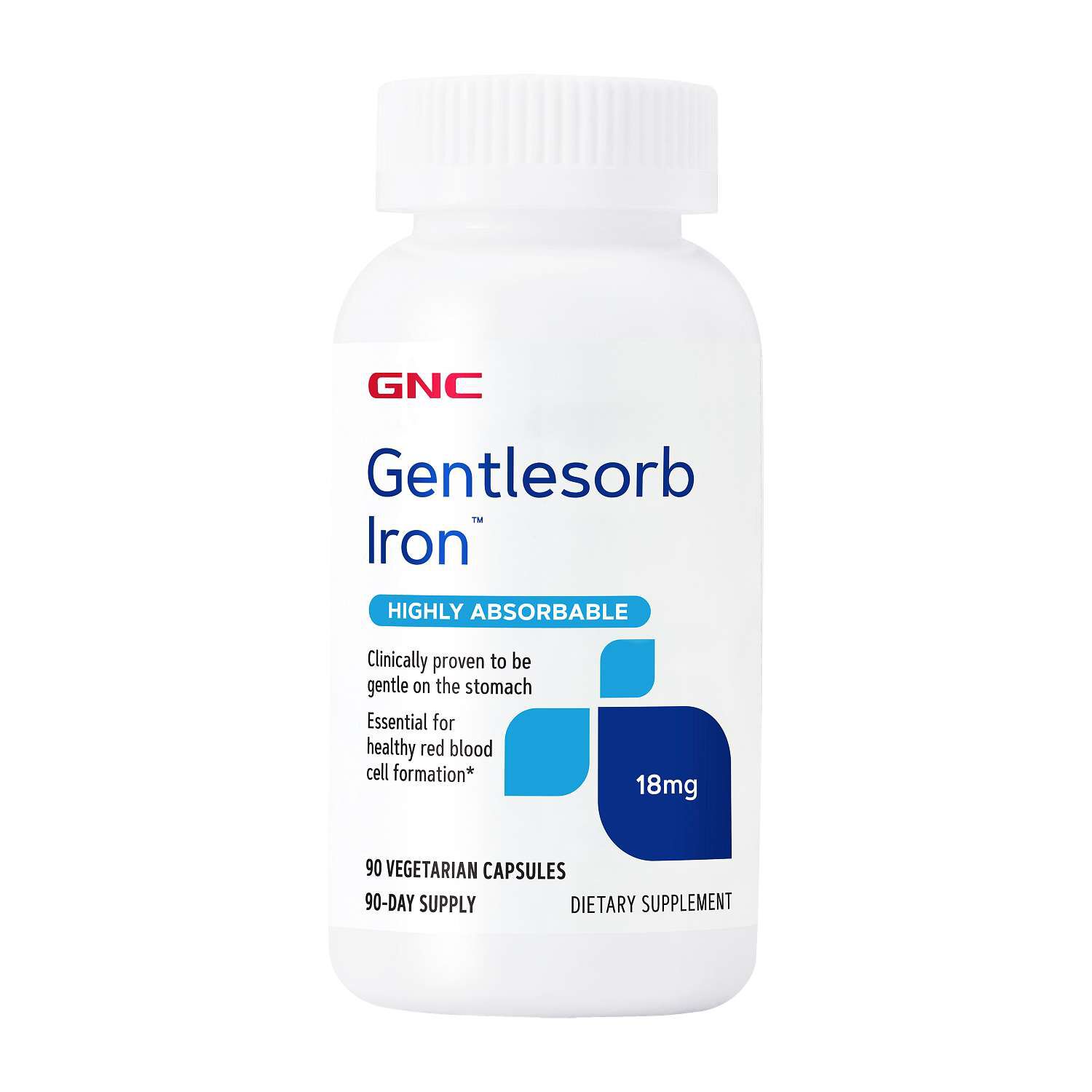
-
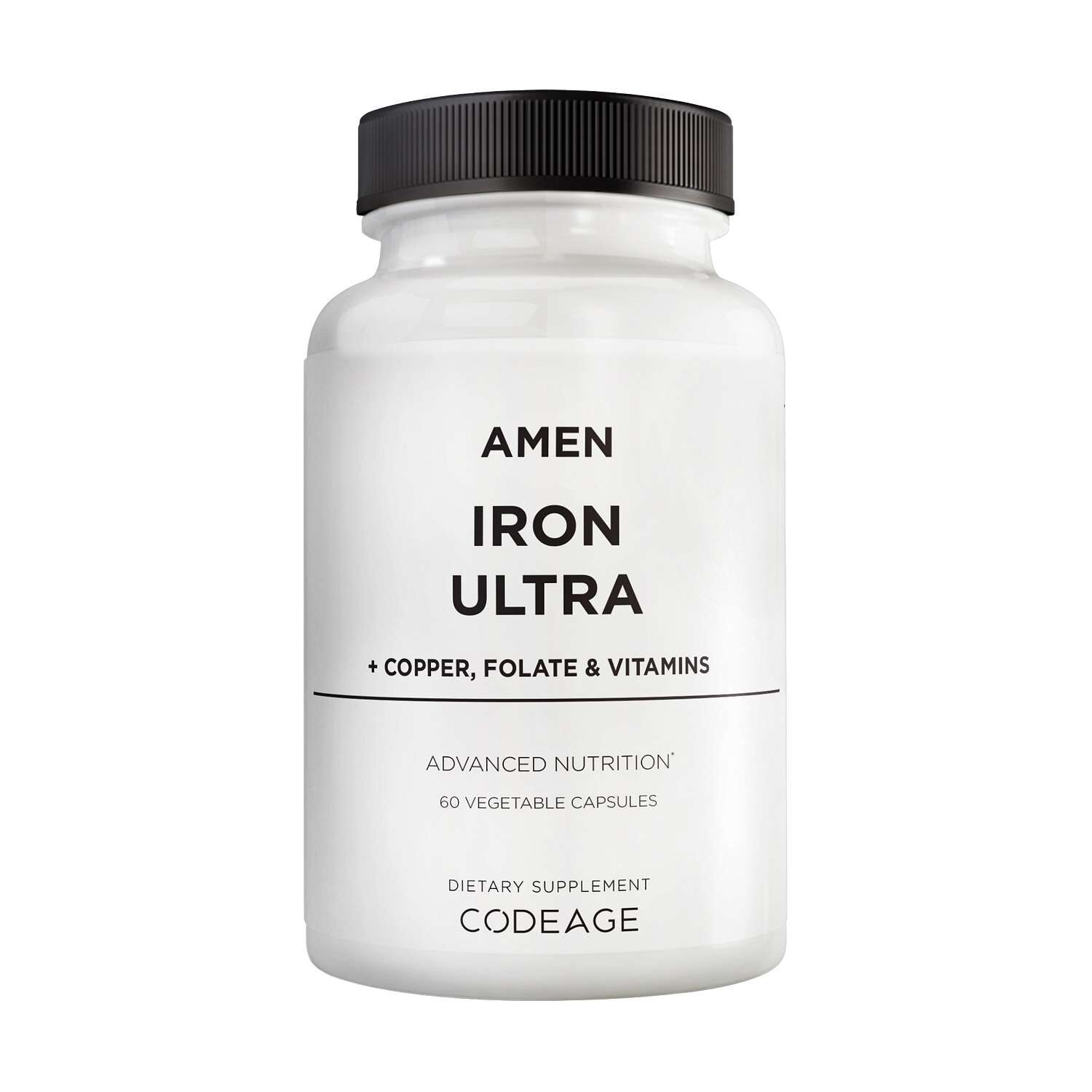
-
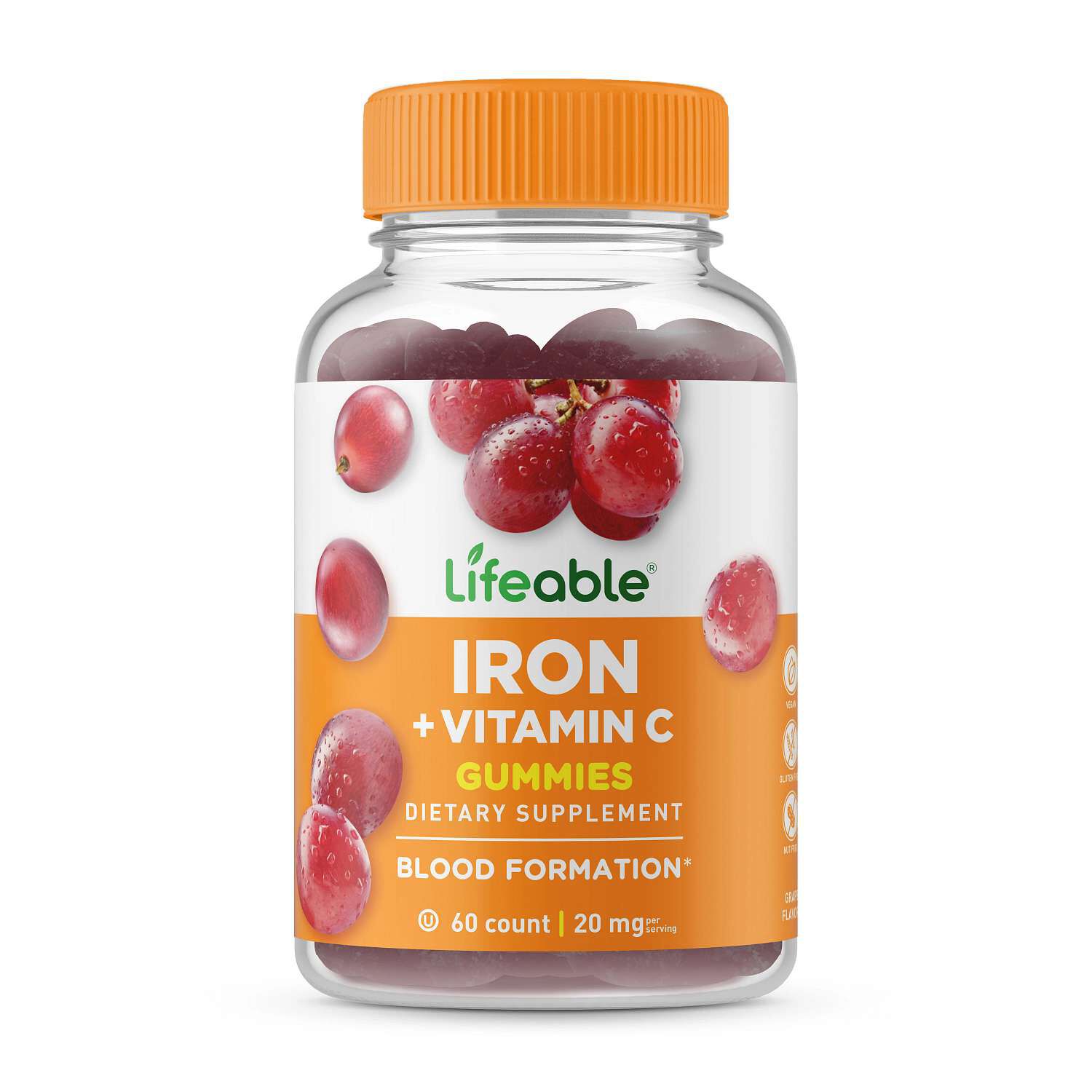
-
 $17.99
 -
-

-
-

-
-


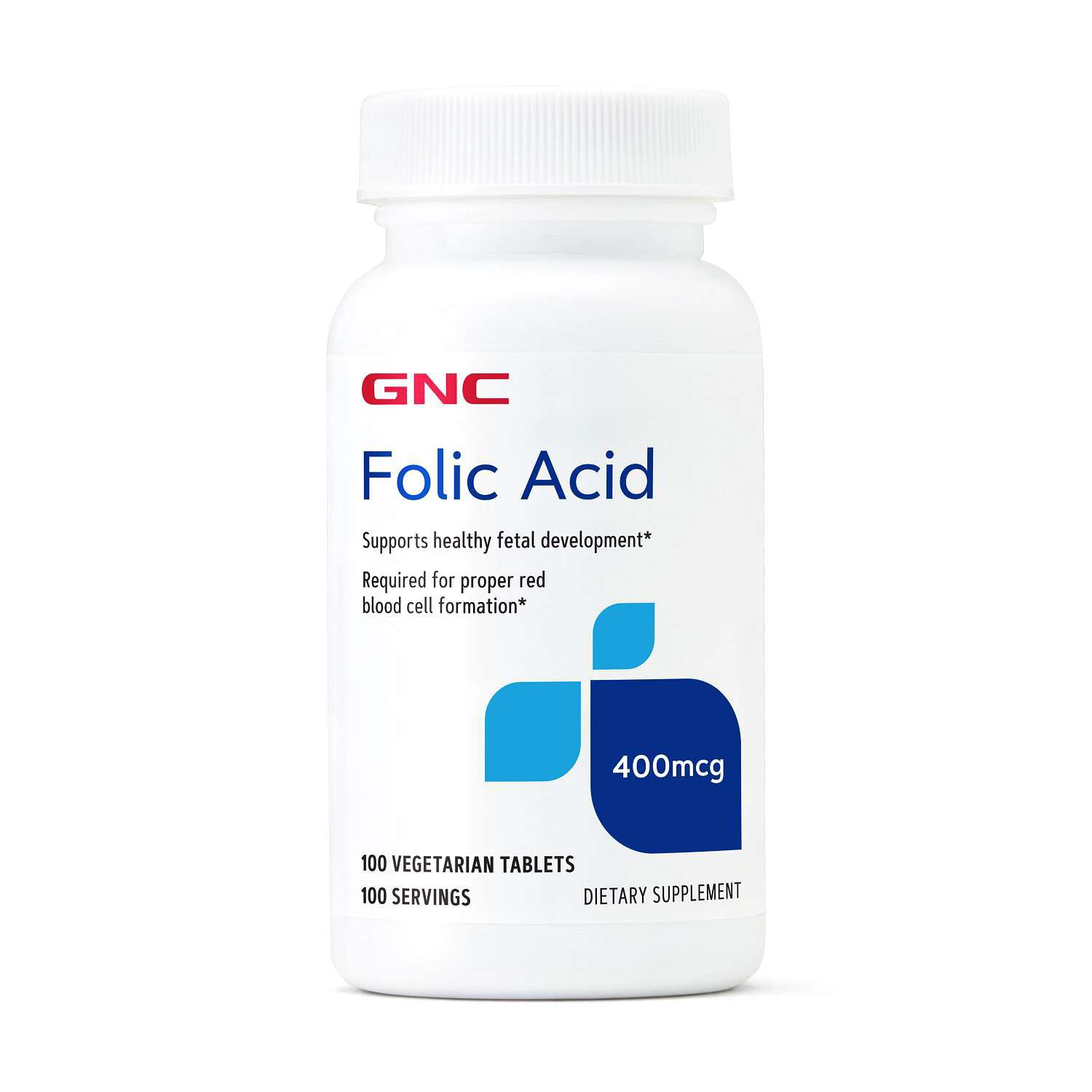
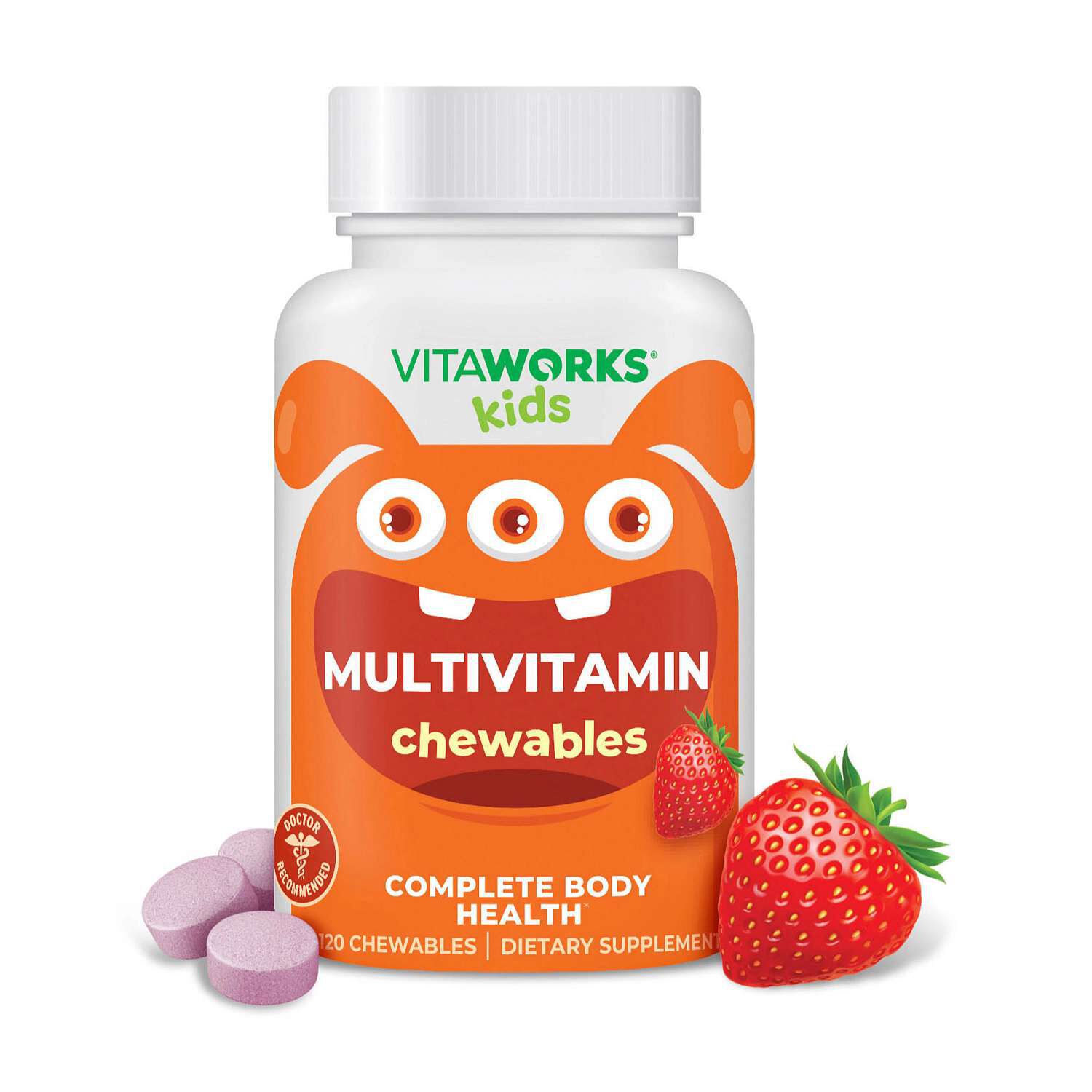
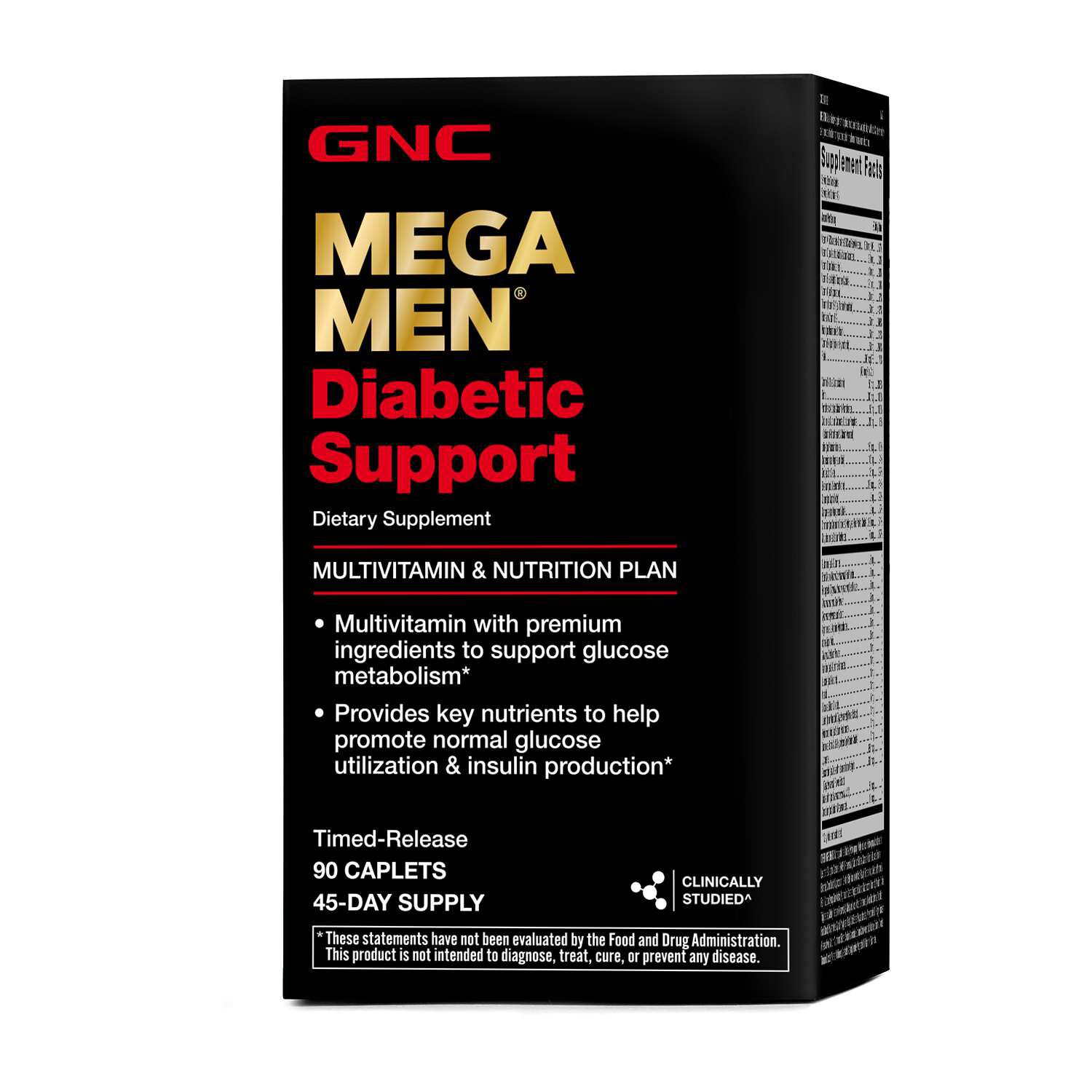
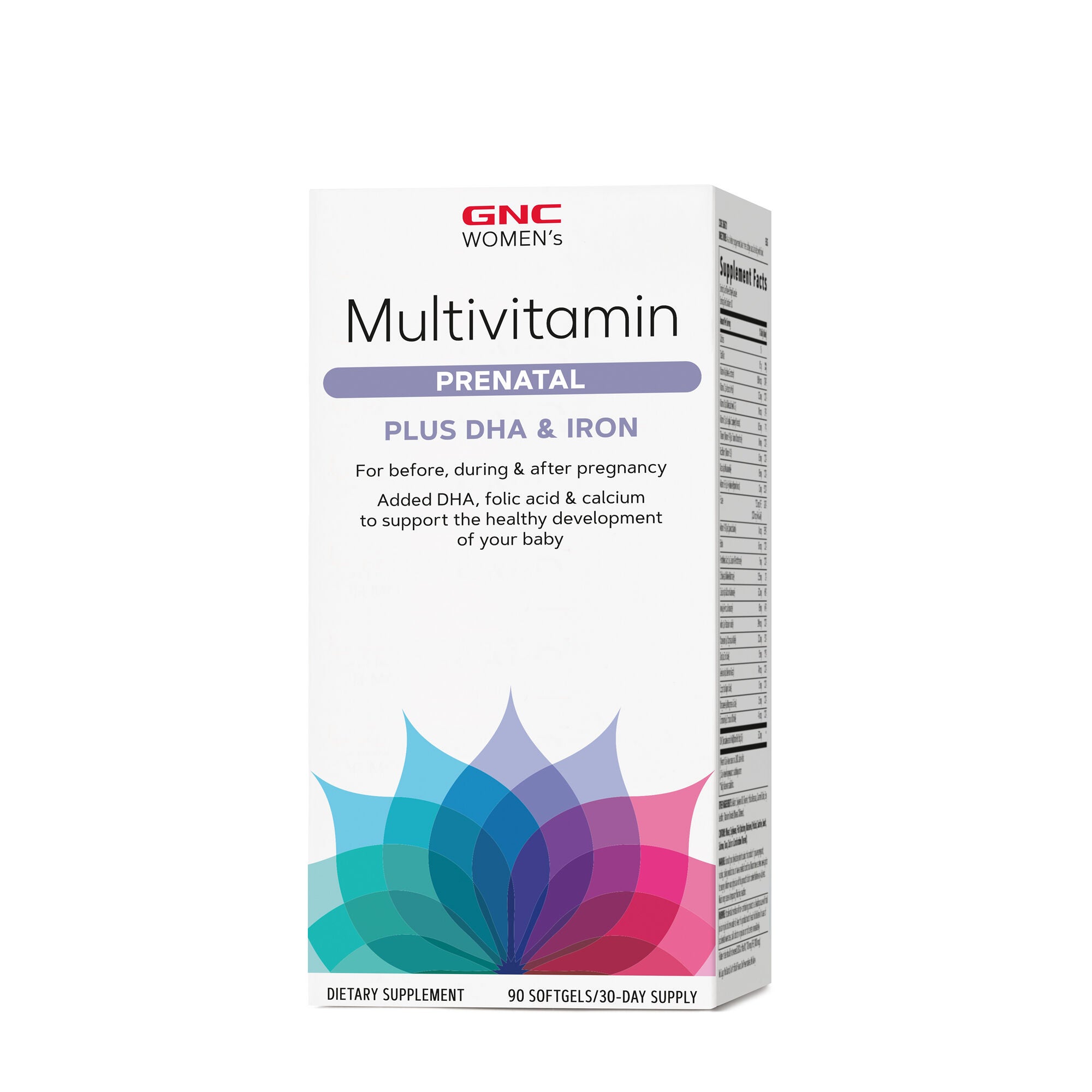
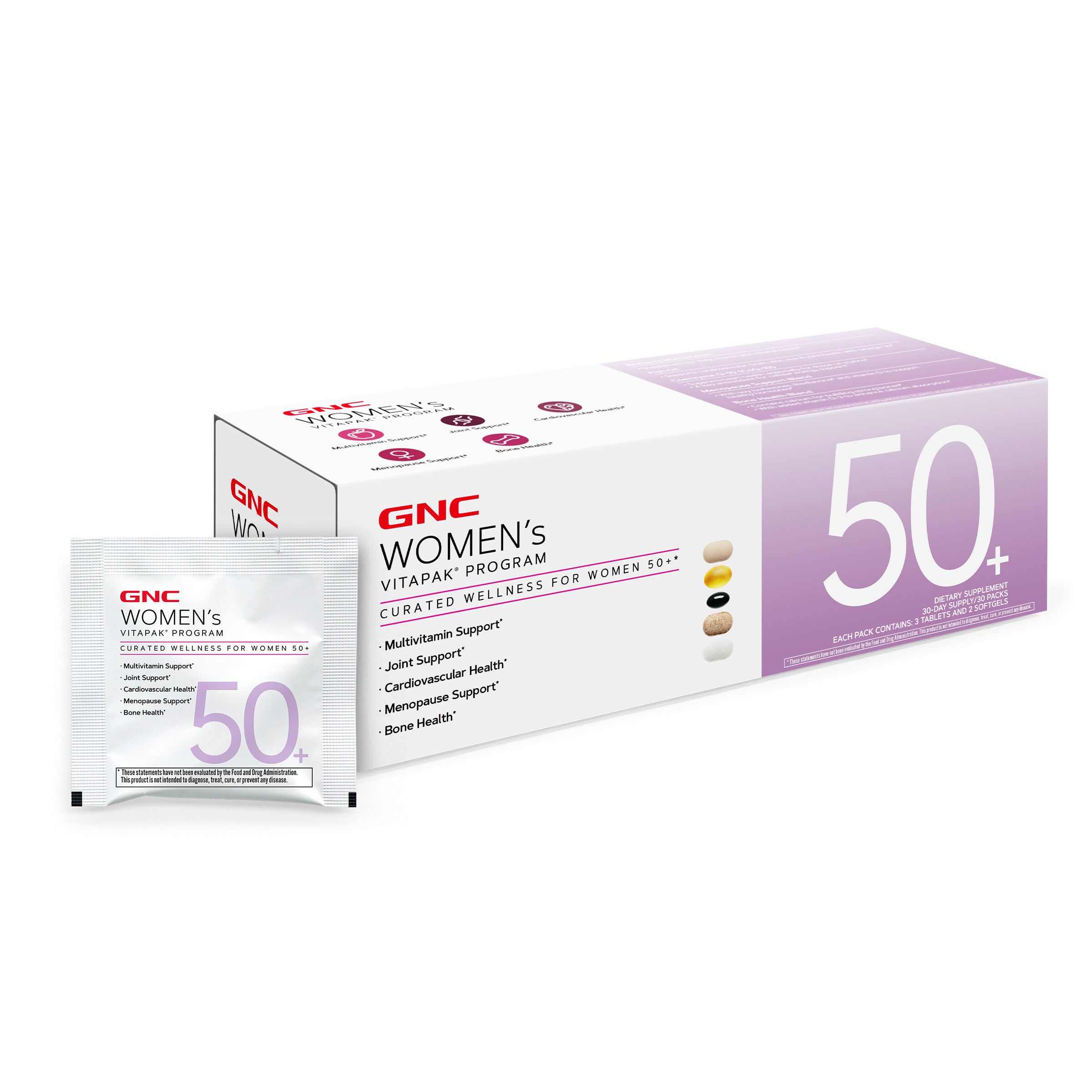
Iron supplements are dietary supplements that provide iron, a mineral found in foods such as meat, seafood, beans, lentils, and fortified cereals. The category includes tablets, capsules, chewables, gummies, and liquids, with differences in iron source, serving size, flavor, and supporting ingredients. Some formulas feature iron on its own, while others combine it with nutrients such as vitamin C, folate, or vitamin B12. Those distinctions make the Supplement Facts panel a useful starting point for understanding what a formula contains. One important detail is the amount of elemental iron: this is the iron itself, rather than the weight of the compound that contains it. Ferrous sulfate, ferrous fumarate, ferrous gluconate, and iron bisglycinate are examples of ingredient names shoppers may encounter. Because these compounds contain different proportions of iron, the compound name alone does not tell the whole story. The amount of iron listed per serving provides a clearer point of comparison, especially when two bottles use different sources or serving sizes. Milligrams describe the quantity of iron, while the percentage Daily Value puts that amount in the context of a general nutrition-label reference. Neither the largest number nor the longest ingredient list automatically makes a formula the right fit for a particular person. Iron supplements are not interchangeable simply because the front labels share the same mineral name. A bottle containing 60 capsules, for example, does not necessarily contain 60 servings; the serving size determines how the count translates into intended use. Looking at the iron amount, serving size, and ingredient list together gives a more accurate picture than comparing bottle counts alone. The same distinction matters when comparing a single-nutrient supplement with a multivitamin that includes iron alongside other vitamins and minerals. Intended audience and package directions also belong in that comparison, since products within this category can have different labeling and use requirements.
Format is another meaningful part of choosing among iron supplements, particularly for shoppers who have preferences about tablet size, capsule materials, taste, or measuring a liquid. Tablets are compressed solid forms and may have coatings, while capsules use a shell to contain the ingredients. Capsule shells can be made from gelatin or plant-derived materials, so the other-ingredients list matters for shoppers following vegetarian or vegan eating patterns. A plant-derived shell does not, by itself, describe every ingredient in the formula; the full label provides the broader picture. Chewable iron and iron gummies introduce additional considerations, including flavor, texture, sweeteners, and the number of pieces in a serving. Liquid iron has its own practical details, such as the serving volume, bottle closure, and whether the package includes a marked measuring tool. A liquid serving and a tablet serving cannot be compared by appearance or physical size; their labeled iron amounts are the relevant information. For someone organizing a small kitchen cabinet, a compact bottle may suit the space better than a larger liquid container. For someone who dislikes flavored supplements, an unflavored format may be a more appealing option than a berry-flavored chewable. These are preferences about the product experience, not evidence that one format offers better results. Packaging photographs and label details can also clarify whether a tablet is coated, how many capsules make up a serving, or whether a liquid has special storage directions after opening. Descriptions such as chelated identify a feature of the iron ingredient, but they do not replace the rest of the label information. Likewise, added vitamin C or a blend of B vitamins changes the composition of a formula without making the formulas directly equivalent. A straightforward comparison keeps those differences visible: iron source, iron amount per serving, additional nutrients, other ingredients, and format. This approach leaves room for personal preferences without confusing flavor, packaging, or a longer ingredient list with suitability. It also helps distinguish meaningful product details from front-label language that may say little about what is inside the bottle.
Iron supplements are often grouped by intended audience as well as by format, with labels written for adults or other specified age groups. Shoppers browsing women-focused formulas can explore Iron Supplement For Women for a more focused view of that category. Audience labeling is useful context, but it does not mean every person in that group has the same needs or that every formula contains the same ingredients. Preferences related to dietary patterns, capsule materials, added nutrients, and serving format still matter. Someone who already keeps a multivitamin in a daily organizer, for instance, has a different label-comparison task from someone browsing a single-nutrient formula for the first time. The products may share ingredients even when their front labels emphasize different features. Iron is also a personal-use purchase rather than a casual gift choice, since taste and packaging preferences alone do not establish whether it belongs in another person's routine. Once a product is selected, care centers on preserving the condition of its contents and keeping its labeling accessible. The original container carries the Supplement Facts panel, directions, storage information, and date markings, all of which remain useful after purchase. Storage requirements vary, particularly between solid and liquid formats, so the package instructions matter more than a general assumption about where supplements belong. A steamy bathroom shelf, a sunny windowsill, or a vehicle exposed to changing temperatures may not match those instructions. Closures should remain secure, and iron supplements should be kept out of reach of children, including flavored liquids and chewable forms. A cap with a protective closure is not a substitute for secure storage. For everyday organization, a designated location away from food preparation clutter can make the original bottle and its directions easier to find. Whether the preference is a simple capsule, a coated tablet, or a measured liquid, the most informative details remain consistent across the category: what form of iron is used, how much each serving contains, what else is included, who the label is written for, and how the product is intended to be stored and used.