





Iron Supplement For Women
(0 Results)
Iron is an essential mineral that plays a crucial role in maintaining overall health, especially for women. Iron deficiency is one of the most common nutritional deficiencies worldwide, and women are particularly at risk due to factors such as menstruation, pregnancy, and breastfeeding. Supplementing with iron can help prevent fatigue, support energy levels, and promote healthy red blood cell production. Explore our selection of iron supplements specifically formulated to meet women's unique nutritional needs and support optimal well-being.
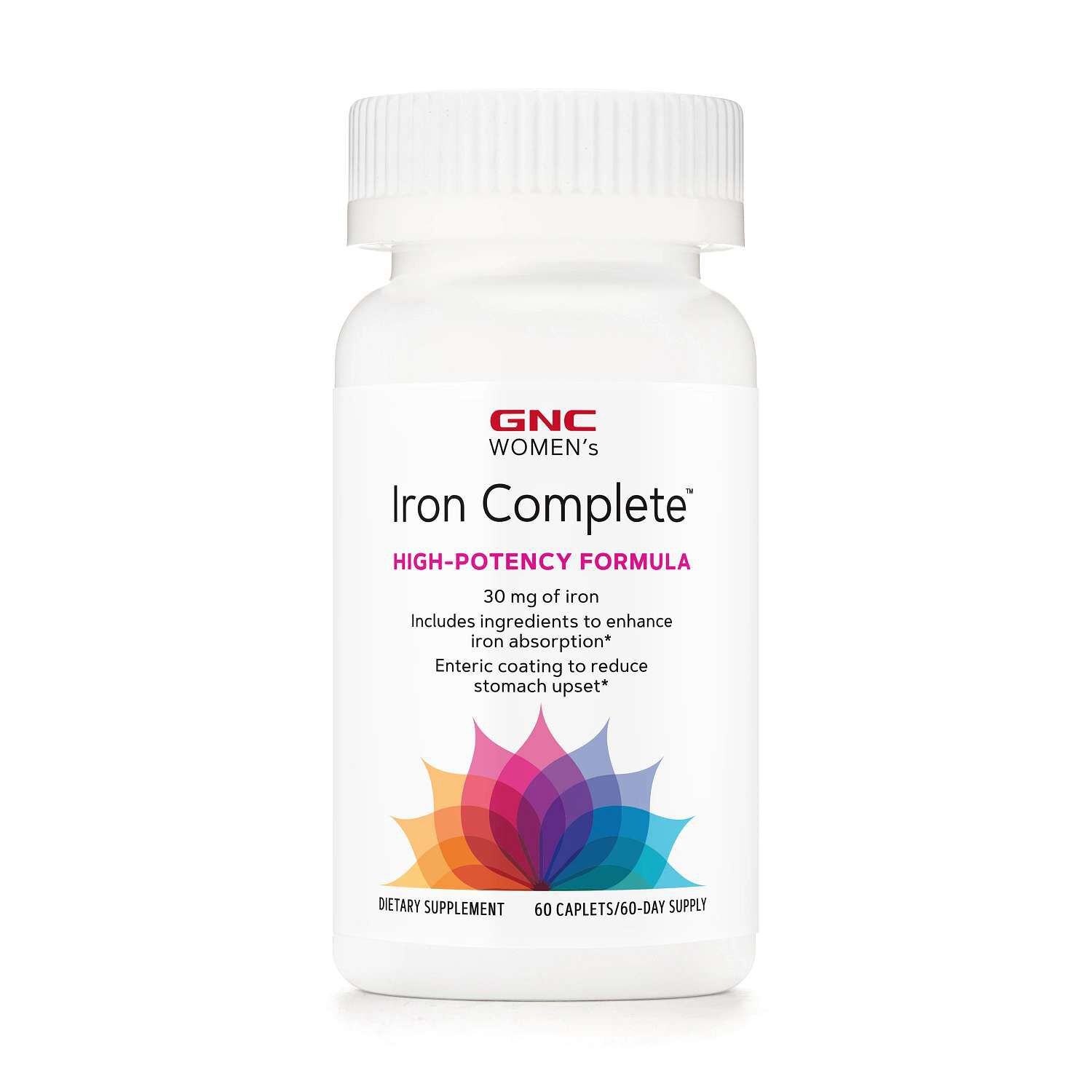
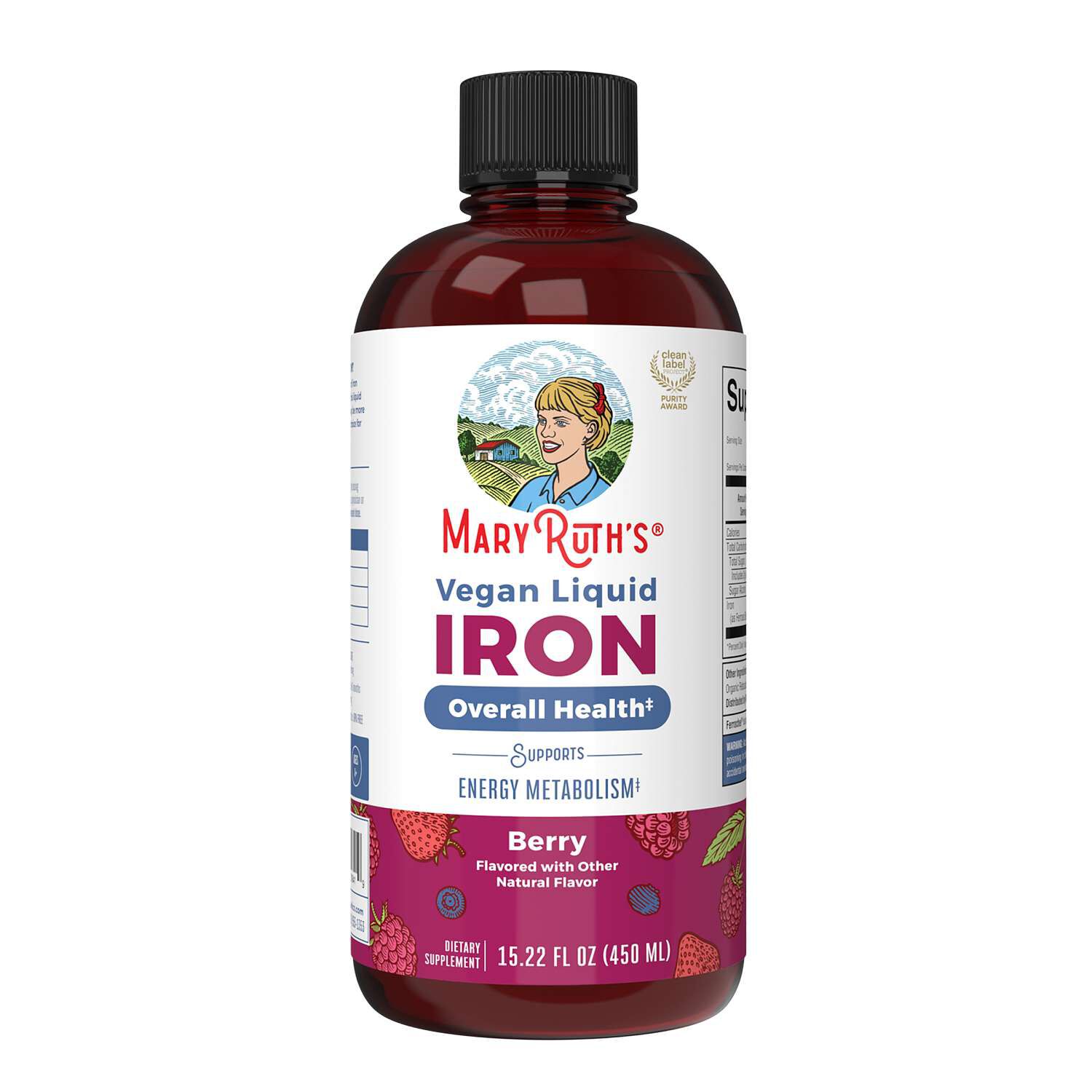
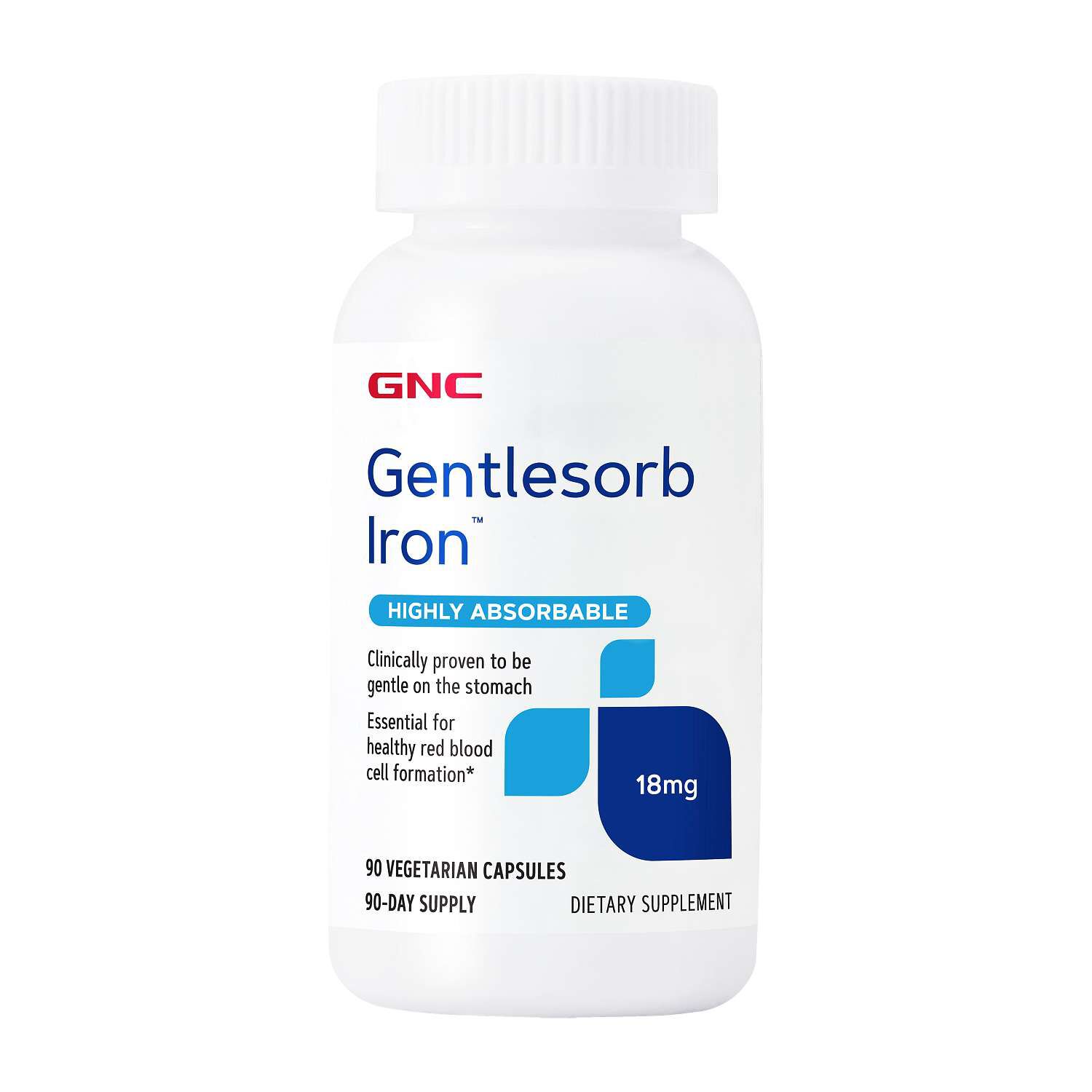


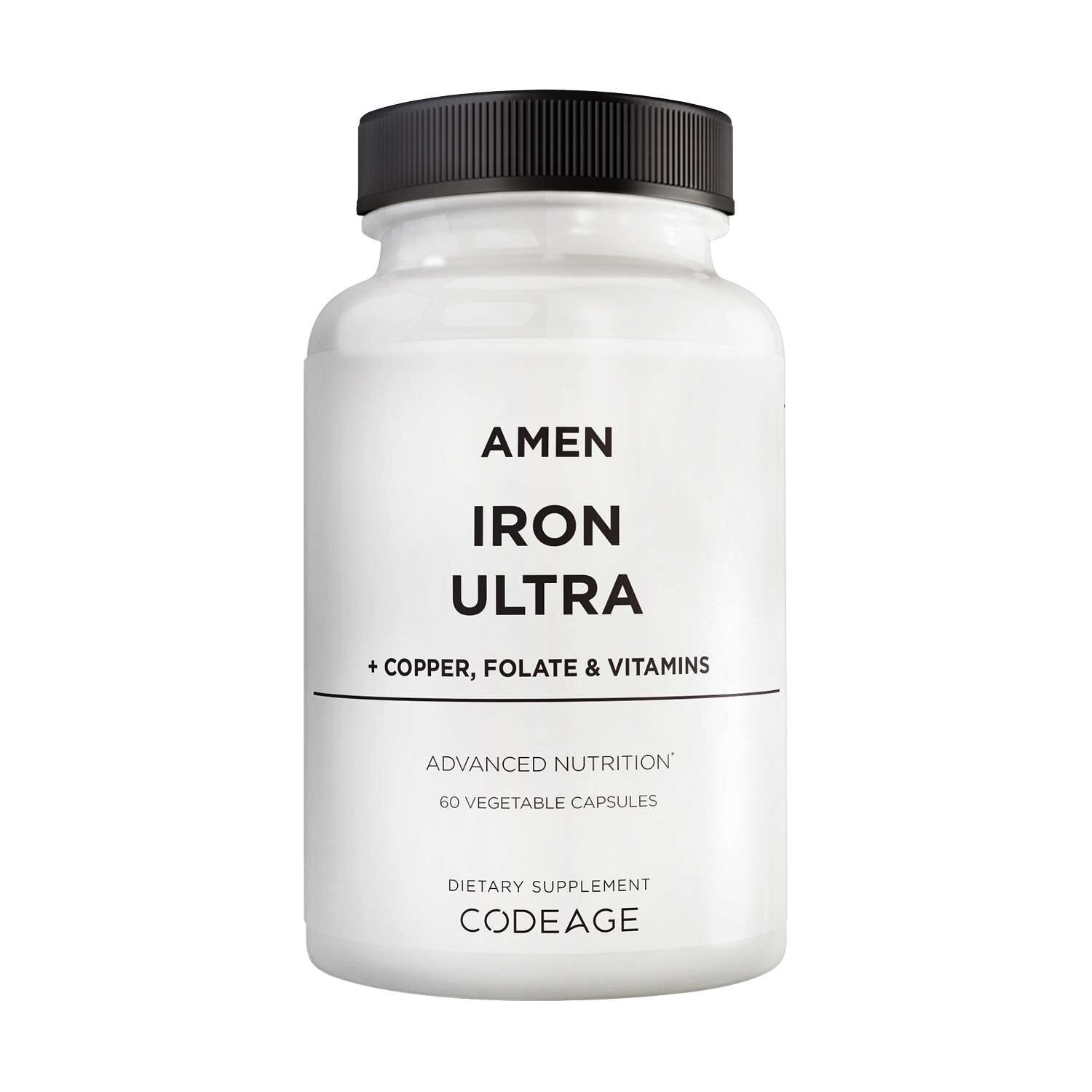

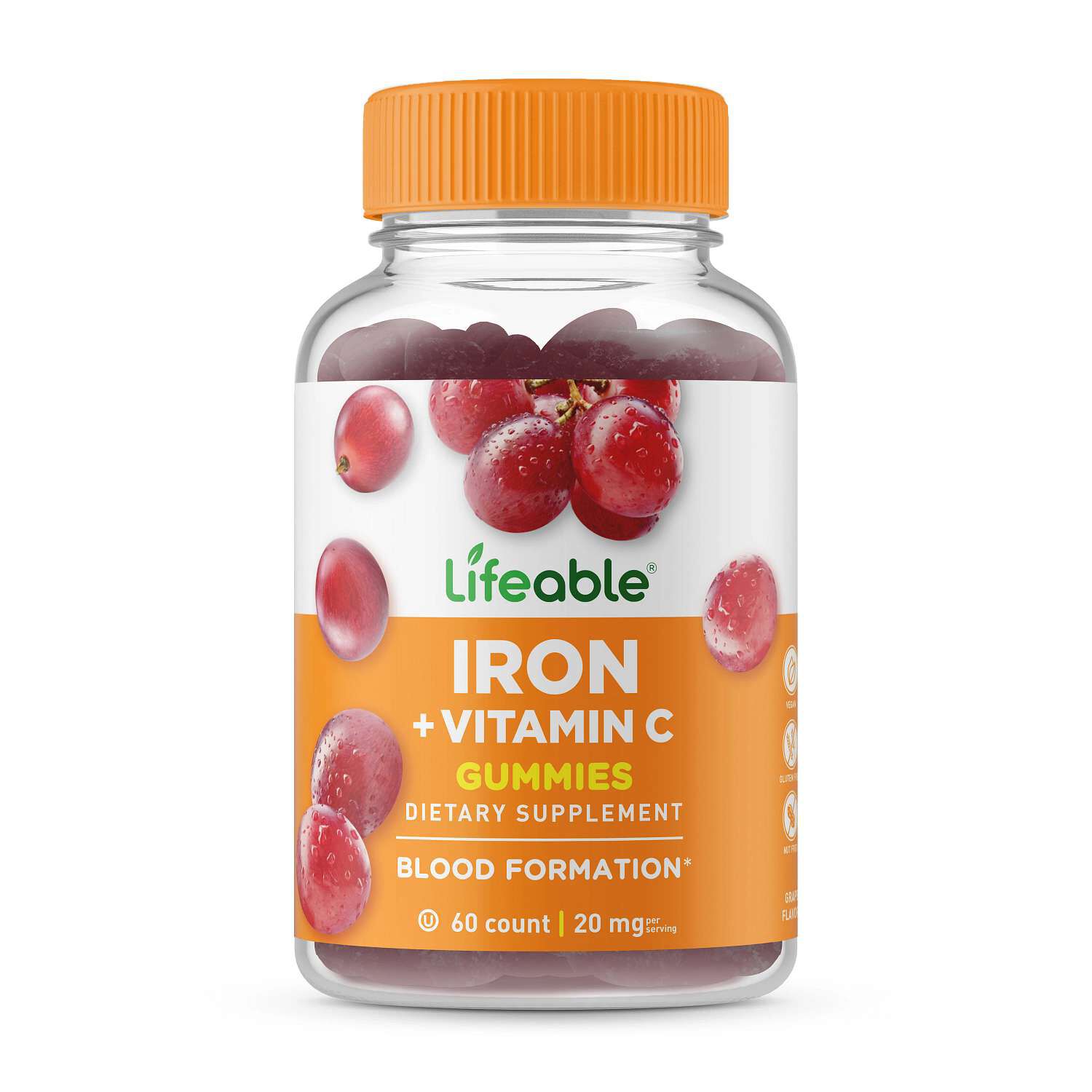
Iron supplements for women come in several mineral forms and serving formats, with differences that extend beyond the wording on the front of a bottle. Iron is a dietary mineral found in foods such as meat, beans, lentils, and fortified cereals. Supplements provide a labeled amount of this mineral in a defined serving, sometimes on its own and sometimes alongside other nutrients. Common ingredient names include ferrous sulfate, ferrous gluconate, ferrous fumarate, and iron bisglycinate. These names identify different iron compounds rather than interchangeable descriptions of the same ingredient. Iron bisglycinate, for example, is a chelated form in which iron is bound to glycine, an amino acid. The amount of elemental iron is another important distinction: it refers to the iron itself, rather than the weight of the entire compound containing it. On a U.S. Supplement Facts panel, the iron amount is listed in milligrams per serving, along with a percentage Daily Value. That percentage is a standardized labeling reference, not a personalized assessment of an individual woman’s needs. Serving size adds another layer of context because one serving might consist of one tablet, two capsules, or a measured quantity of liquid. Package count and serving count therefore describe different things. An iron-only formula also differs from a multivitamin that contains iron, even when both are marketed toward women. Some formulas pair iron with vitamin C, folate, or vitamin B12, while others keep the nutrient list shorter. Those companion ingredients are part of the comparison, not a reason to assume that a longer ingredient list is a better match. For shoppers comparing an iron supplement for women, the most useful product details are concrete: the iron compound, elemental iron amount, serving size, accompanying nutrients, and directions on the package. Together, these details describe what is in a serving more clearly than broad language about strength or a formula’s intended audience. They also make comparisons between different formats more meaningful.
Tablets, capsules, chewables, gummies, and liquids each have practical characteristics that matter in an everyday routine. A tablet has a defined size and shape, while a capsule has an outer shell that may be made with gelatin or plant-derived cellulose. For someone who pays close attention to ingredient sources, that shell can be as relevant as the mineral inside it. Tablet coatings, binders, colors, and other ingredients are typically listed separately from the nutrients in the Supplement Facts panel. Chewables and gummies bring flavor, texture, and sweetener choices into the comparison; a fruit flavor does not describe the iron compound or the amount per serving. Their serving sizes also deserve attention because a serving can include more than one piece. Liquid iron has its own details, including the amount listed per measured serving, the measuring device provided, and any shaking or storage directions. A dropper and a measuring cup are different tools, so the measurements printed on the package matter. Taste and texture are personal preferences rather than dependable measures of a formula’s composition. A flavored liquid might appeal to someone who prefers a measured serving, while a capsule might suit someone who would rather avoid a flavored format. Neither preference establishes that one form is appropriate for everyone. Packaging can also shape the experience: a screw-top bottle, a dropper closure, and individually enclosed servings require different handling and storage space. A small kitchen cabinet, a shared bathroom shelf, or a frequently packed travel bag presents different practical considerations. The package’s storage instructions remain relevant in each setting. Dietary preferences add another layer, especially for shoppers looking for vegetarian capsule materials or reviewing ingredients such as gelatin, milk, soy, or wheat. Clear ingredient statements and relevant package certifications are more informative than assumptions based on a product’s color, flavor, or women-focused design. These details help distinguish formulas that otherwise look similar at a glance, without relying on appearance or front-label wording alone.
The intended audience for women’s iron supplements spans different ages, eating patterns, and personal circumstances, rather than one uniform nutritional profile. Someone who eats a plant-focused diet may approach the category with different questions than someone whose meals regularly include meat, and a woman comparing an iron-only formula has a different shopping task from someone reviewing the nutrients already listed on a multivitamin. Age-related labels provide context, but they do not establish an individual requirement. Women over 40, for example, are not all at the same life stage or following the same routine. The Iron Supplements for Women Over 40 collection offers a more age-focused way to browse, while the same distinctions in mineral form, serving amount, and accompanying ingredients remain relevant. Questions about personal suitability, pregnancy, breastfeeding, or combining supplements are individual matters for a qualified healthcare professional rather than something a category name can resolve. A busy schedule, an active lifestyle, or a particular birthday is not, by itself, a basis for choosing an iron amount. The practical side of ownership matters as well. Original packaging keeps the ingredient list, directions, lot information, and expiration date together, which is useful when a bottle moves between a cabinet and a travel bag. A legible label and an intact closure make those details easier to preserve throughout use. Storage requirements vary by format, particularly when comparing a dry tablet with a liquid that has instructions for handling after opening. Iron supplements should remain out of children’s reach and should not be presented as candy, even when they have a sweet flavor or gummy texture. The best-defined comparison is ultimately a specific one: what the serving contains, how it is measured, which other ingredients are included, and what the package requires for storage and handling. Those details keep the focus on the actual characteristics of women’s iron supplements, rather than treating every formula with a similar name as the same choice.
