





Iron Supplements For Menstruation
(0 Results)
Iron supplements for menstruation are a popular choice for those looking to support their wellness routine during their monthly cycle. Many people seek out these supplements as part of their daily regimen, especially when focusing on maintaining overall well-being. With a variety of options available, finding the right iron supplements for menstruation may help you feel your best throughout the month. Explore different forms and strengths to discover what fits your lifestyle and preferences.
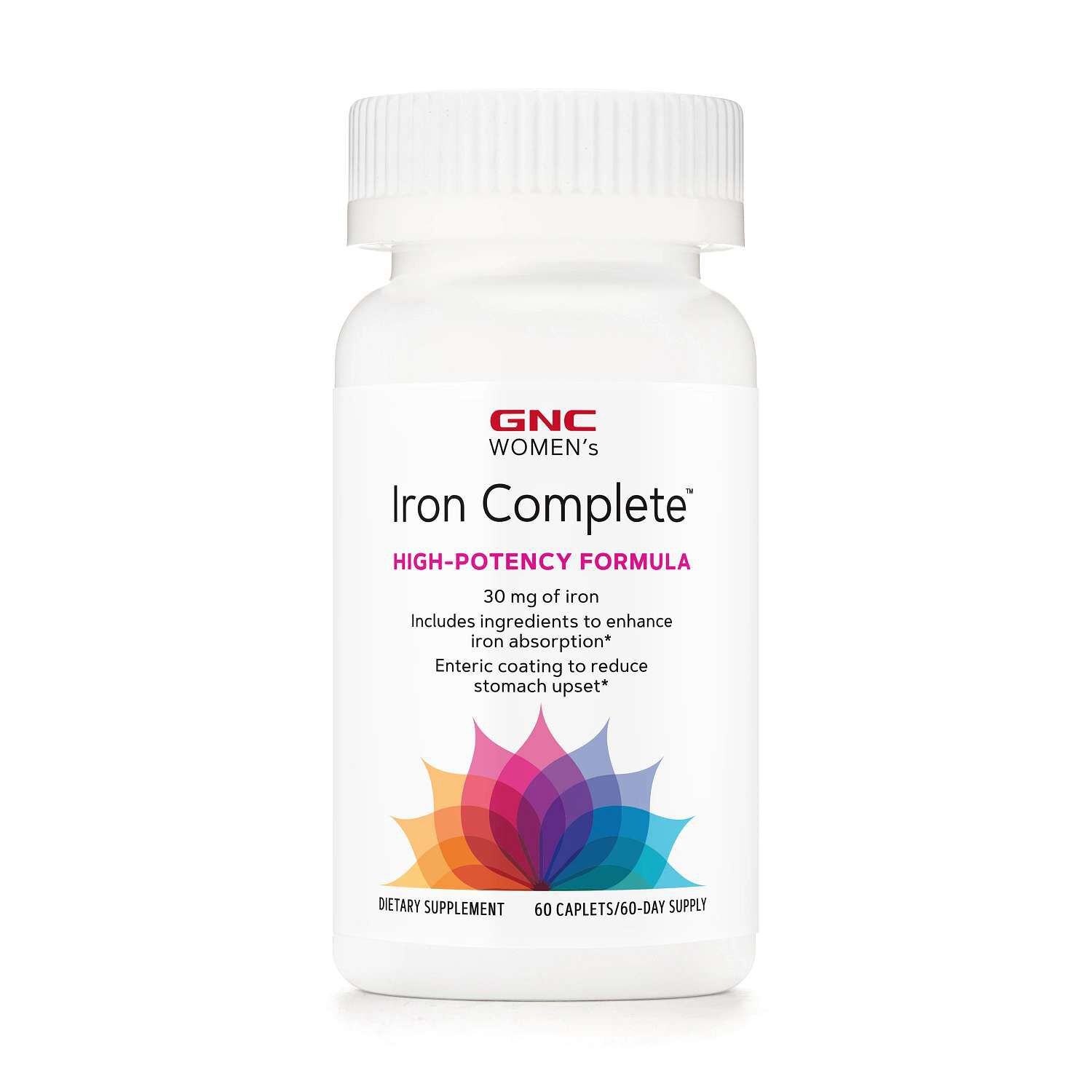
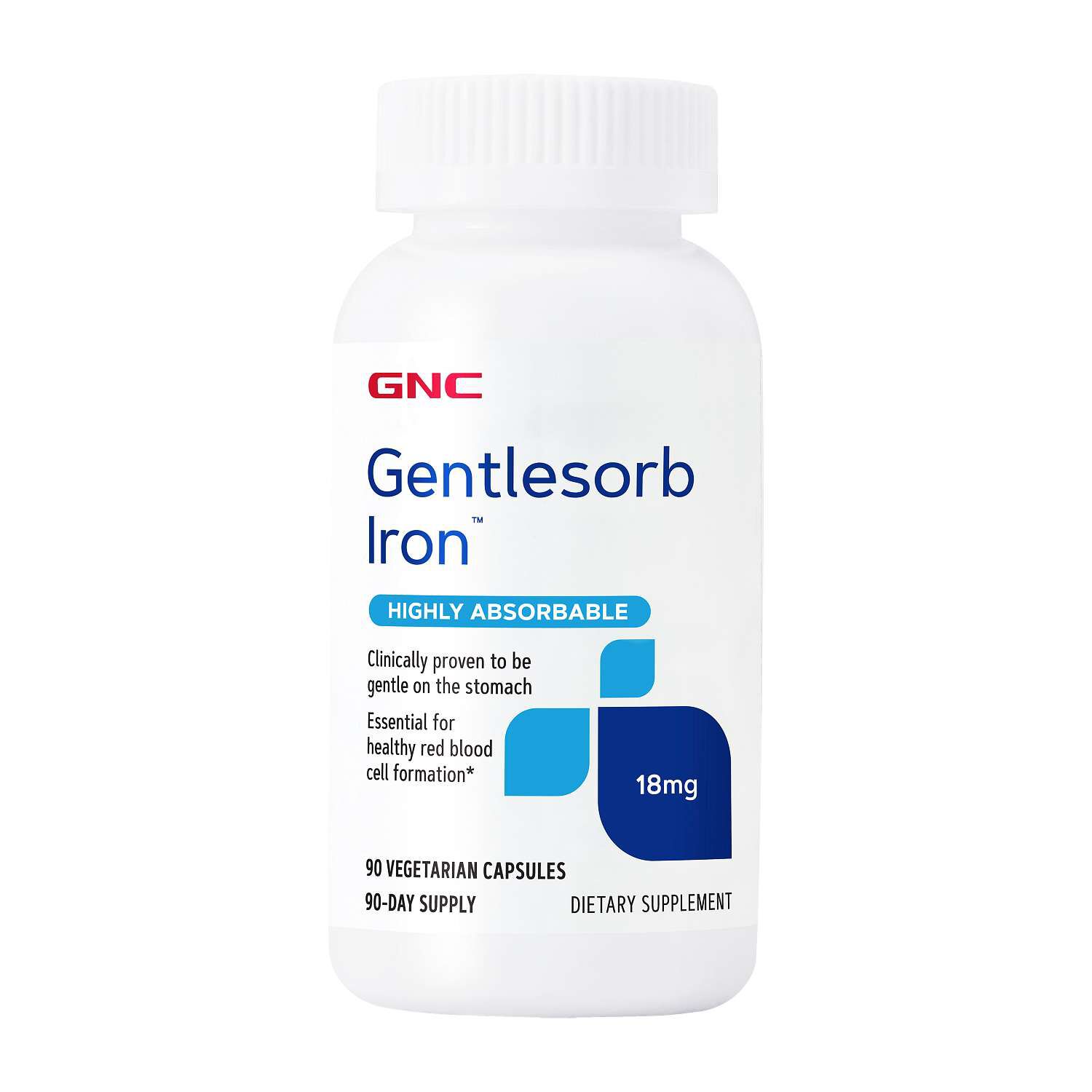
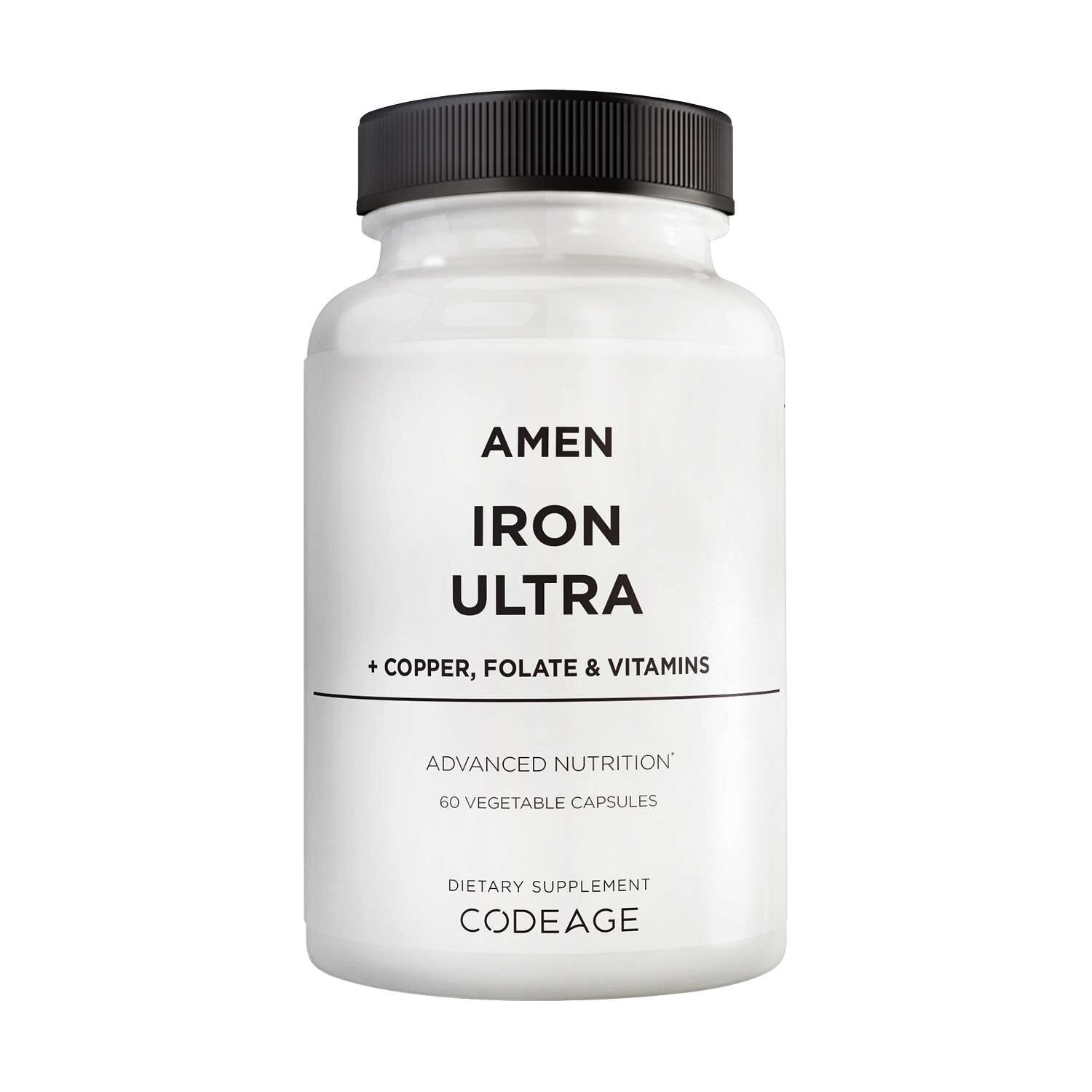
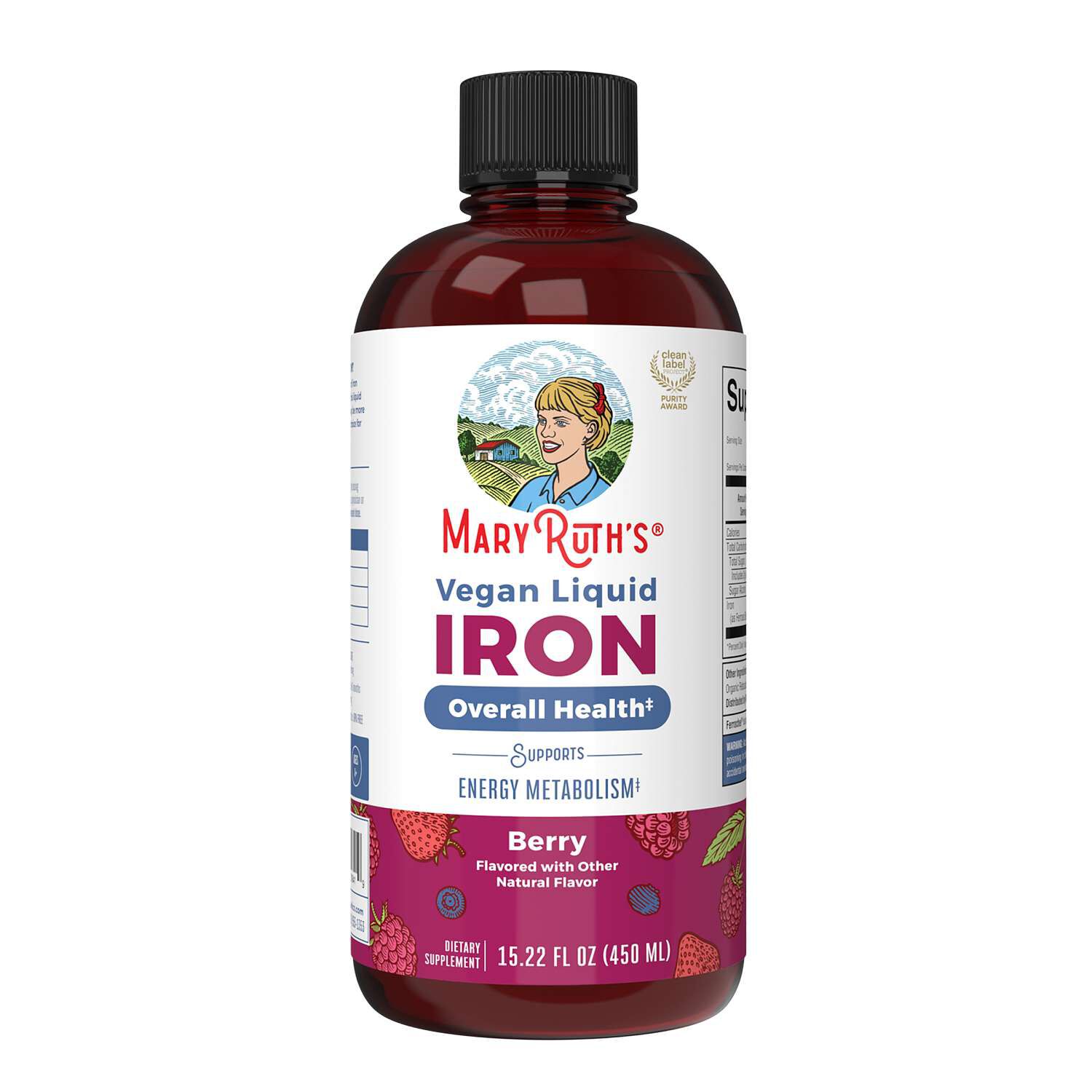


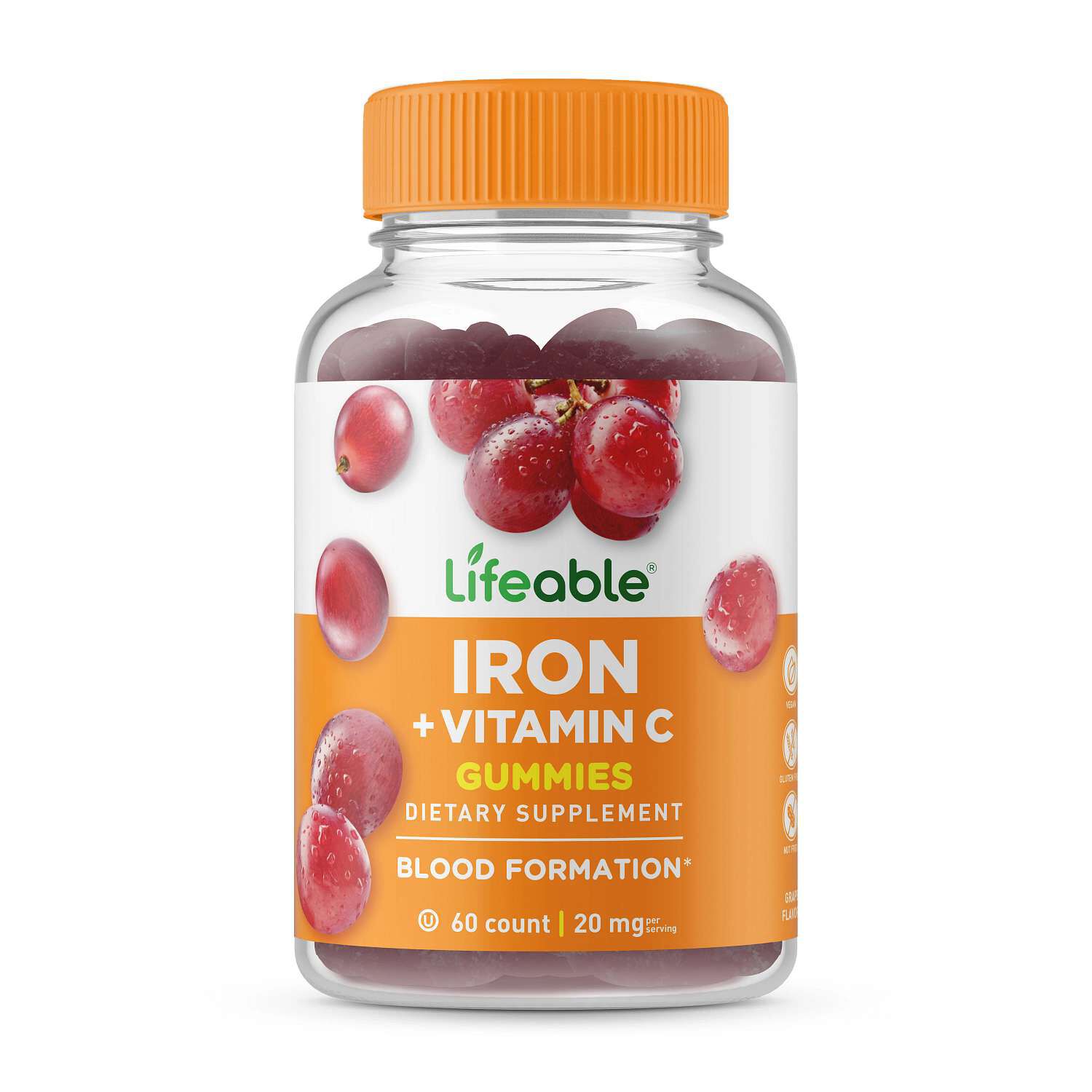

Iron supplements for menstruation may complement dietary iron intake when an additional source of this mineral is appropriate for someone’s nutritional needs. The connection between iron and menstruation starts with blood: iron is part of hemoglobin, the protein in red blood cells that carries oxygen, and menstrual blood loss includes iron. That connection does not mean every person who menstruates needs an iron supplement. Menstrual patterns, eating habits, life stage, and an existing supplement routine all provide context for an individual choice. Someone who eats a varied diet that includes meat has a different food pattern from someone whose meals center on beans, lentils, tofu, and fortified grains. Both patterns can include dietary iron, although the forms of iron found in animal and plant foods differ. Supplements represent another source rather than a replacement for varied meals. For shoppers browsing iron supplements for menstruation, the relevant details extend beyond a prominent number on the front of a bottle. The serving size, iron form, ingredient list, and format each describe a different aspect of the product. A tablet intended to be swallowed, a chewable option, and a measured liquid can contain iron while offering distinctly different experiences. Within the broader category of Iron Supplements, a menstruation-focused selection brings attention to those practical distinctions without assuming that everyone has the same requirements. This is a personal nutrition category, with choices shaped by individual circumstances rather than a single universal formula. A conversation with a qualified healthcare professional can provide context for whether supplemental iron belongs in that picture. The most useful product information is specific and readable: what form of iron is present, how much elemental iron a serving contains, and what else appears in the formula. Those details give this category its meaning beyond the general association between iron and a menstrual cycle.
Format is often the first noticeable difference among iron supplements. Tablets and capsules are familiar options for people accustomed to swallowing supplements, but their dimensions, outer coatings, and serving sizes can vary. A serving may consist of one tablet or more than one capsule, so the count on the bottle and the number of servings describe different things. Chewable formats bring texture and flavor into the decision, with ingredients that may include sweeteners, colors, or flavorings. Gummies have their own consistency and ingredient profiles, while liquids involve a measured portion rather than a tablet count. A liquid’s serving is expressed by volume, and the packaging may include a measuring accessory. For someone who prefers not to swallow a capsule, those physical differences can matter just as much as the appearance of the container. Iron also comes in several ingredient forms, including ferrous sulfate, ferrous fumarate, ferrous gluconate, and iron bisglycinate. These names identify the iron source; they are not interchangeable descriptions of the elemental iron amount. Elemental iron refers to the actual iron provided, rather than the full weight of the compound containing it. The Supplement Facts panel distinguishes the amount per serving from other numbers that may appear elsewhere on the package. A larger number associated with an ingredient’s weight does not necessarily mean a larger amount of elemental iron. Formula composition adds another layer of detail. Some iron supplements contain iron as the primary nutrient, while others pair it with nutrients such as vitamin C, folate, or vitamin B12. Those combinations have different ingredient profiles and should not be treated as identical simply because iron appears on each label. Capsule shells, binders, coatings, and flavoring ingredients are also part of the product’s composition. For shoppers with dietary preferences, a clear ingredient list can be especially relevant to the decision. These are tangible differences between formats and formulas, not a ranking in which one style is automatically the right choice for every person who menstruates.
An iron supplement also has a place in an everyday setting, whether that is a kitchen cabinet, a shared apartment, or a bag packed for an overnight stay. Packaging, handling, and storage are practical parts of that experience. Bottles have different closures and opening sizes; liquids may involve a cap, dropper, or separate measuring tool; and chewable formats require attention to the storage directions provided for that formula. Package instructions address conditions such as moisture, light, and temperature, along with any directions that apply after opening. Original packaging retains the ingredient information, serving directions, lot information, and date markings in one place. Secure storage out of children’s reach is particularly important with iron supplements. For travel, a clearly labeled container may be more practical than loose tablets or an unmarked portion of liquid, especially when several people share a bathroom or overnight bag. The broader supplement routine matters as well. A multivitamin may already contain iron, and a combination formula may repeat other nutrients found elsewhere in someone’s routine. That overlap is relevant context for a discussion with a qualified healthcare professional, rather than a reason to assume that more is a better fit. Menstruation itself does not establish a serving amount or determine which formula suits an individual. Product labels describe the contents and intended use, while personal questions about nutritional needs belong in an individualized conversation. For this category, useful distinctions remain concrete: a manageable serving format, clearly stated elemental iron content, ingredients consistent with personal dietary preferences, and packaging suited to the way the supplement will be stored and handled. Iron supplements for menstruation are best understood within that wider nutritional and practical context. The focus is not simply on choosing a bottle associated with a monthly cycle, but on understanding what the formula contains and how its stated use relates to an established personal routine.
- Q: What are iron supplements for menstruation?
A: Iron supplements for menstruation are dietary products that may help support your body's iron needs during your menstrual cycle. - Q: Why might someone consider iron supplements during their period?
A: Some individuals choose iron supplements during menstruation to help maintain their daily iron intake, as the menstrual cycle may increase the body's need for this mineral. - Q: How do you choose an iron supplement for menstruation?
A: When selecting an iron supplement, you might look at factors such as the form of iron, additional ingredients, and whether it fits your dietary preferences or restrictions. - Q: Can iron supplements be taken with other vitamins or minerals?
A: Many people take iron supplements alongside other vitamins and minerals, but it's helpful to check the product label or consult with a healthcare professional about combining supplements. - Q: Are there different types of iron used in supplements for menstruation?
A: Yes, iron supplements may contain various forms of iron, such as ferrous sulfate, ferrous gluconate, or plant-based sources. Each type may have unique characteristics.
