Chronic Fatigue Supplements
(0 Results)
Struggling with constant tiredness and lack of energy can be challenging, but chronic fatigue supplements might offer a solution. These specially formulated products could help support your body's natural energy production and combat persistent fatigue. Incorporating chronic fatigue supplements into your daily routine may make a difference in how you feel, potentially leading to improved overall well-being. Explore the variety of options available to find the right supplement that suits your needs and lifestyle.
-
-
-
-
 185$24.99
 -
-
-
-

-
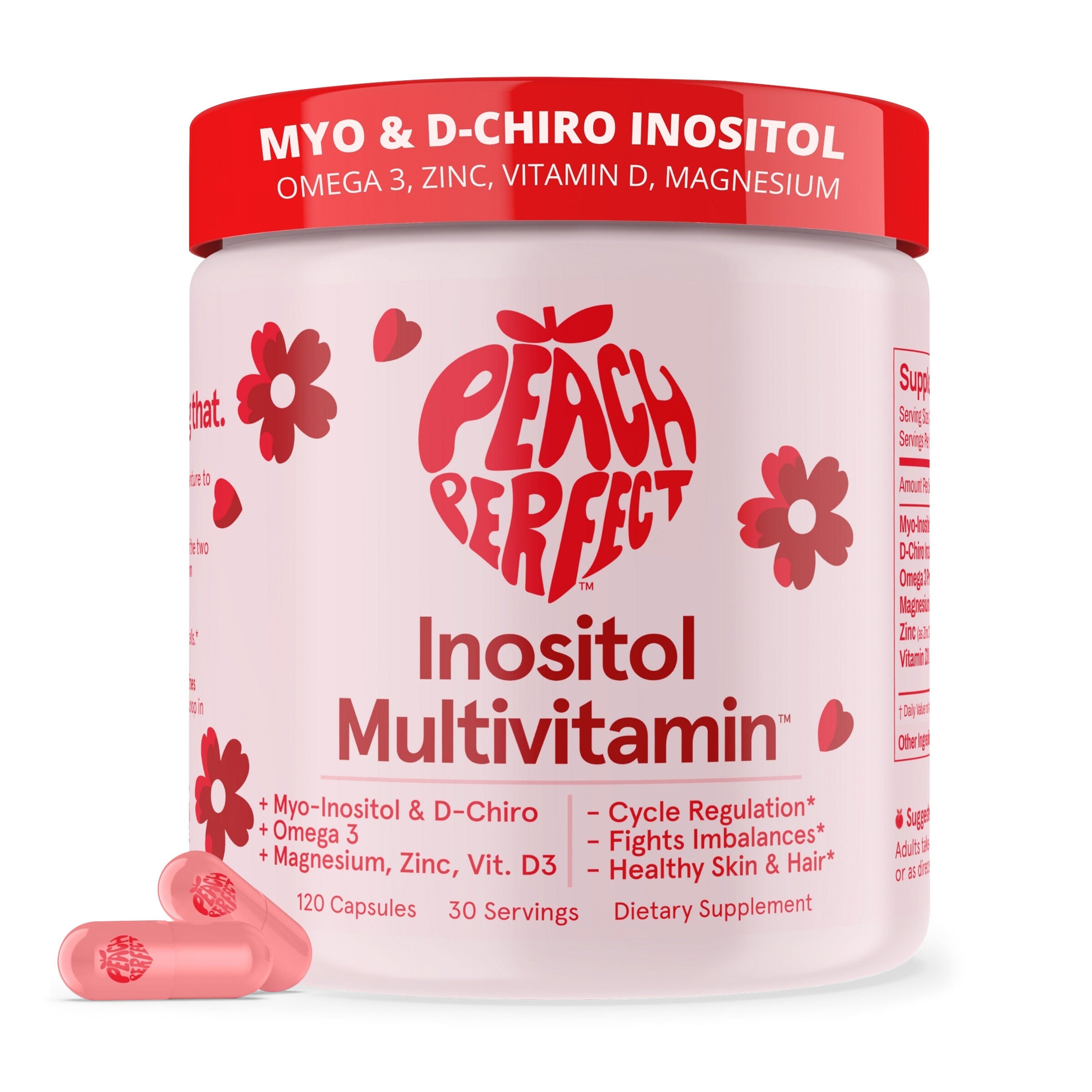
-
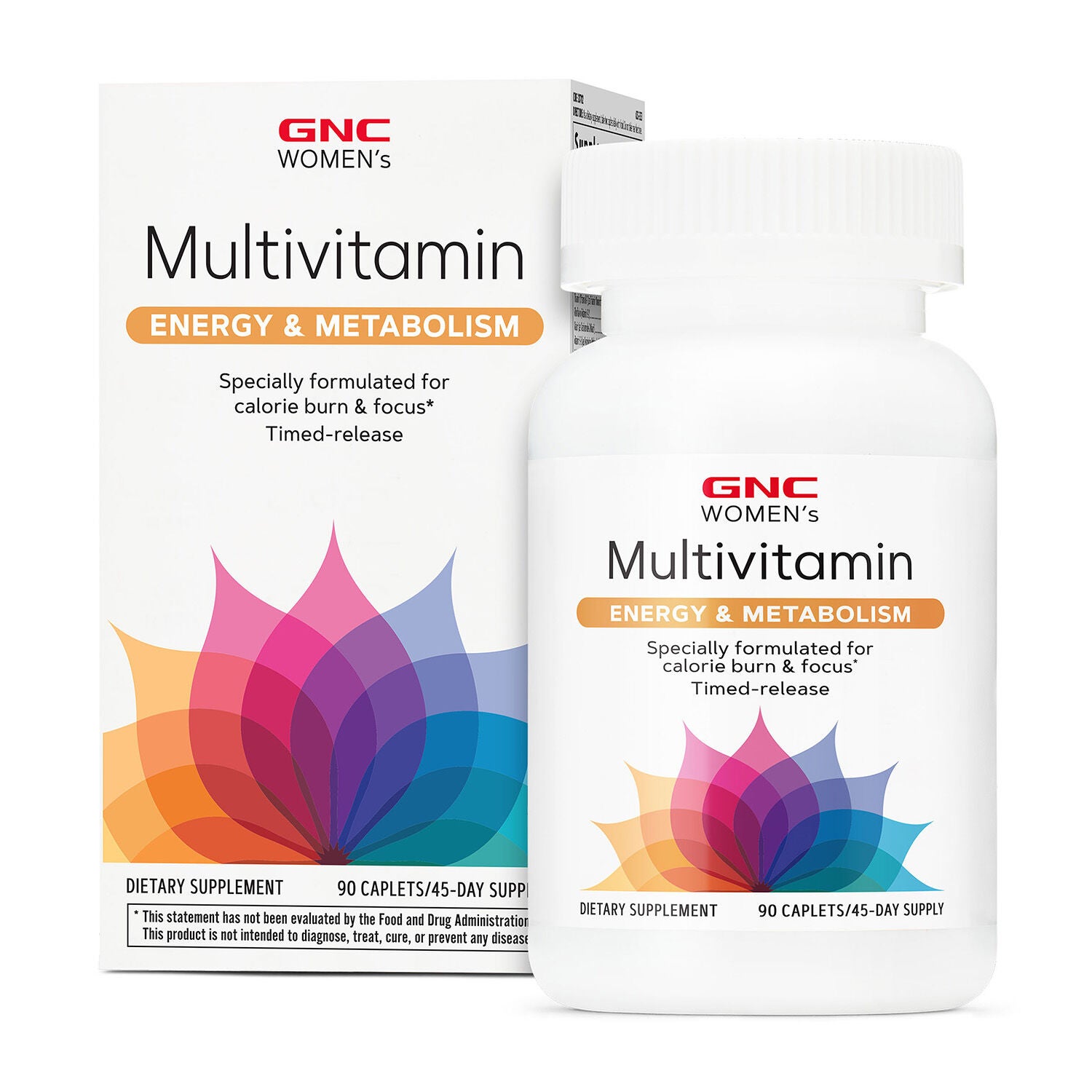
-
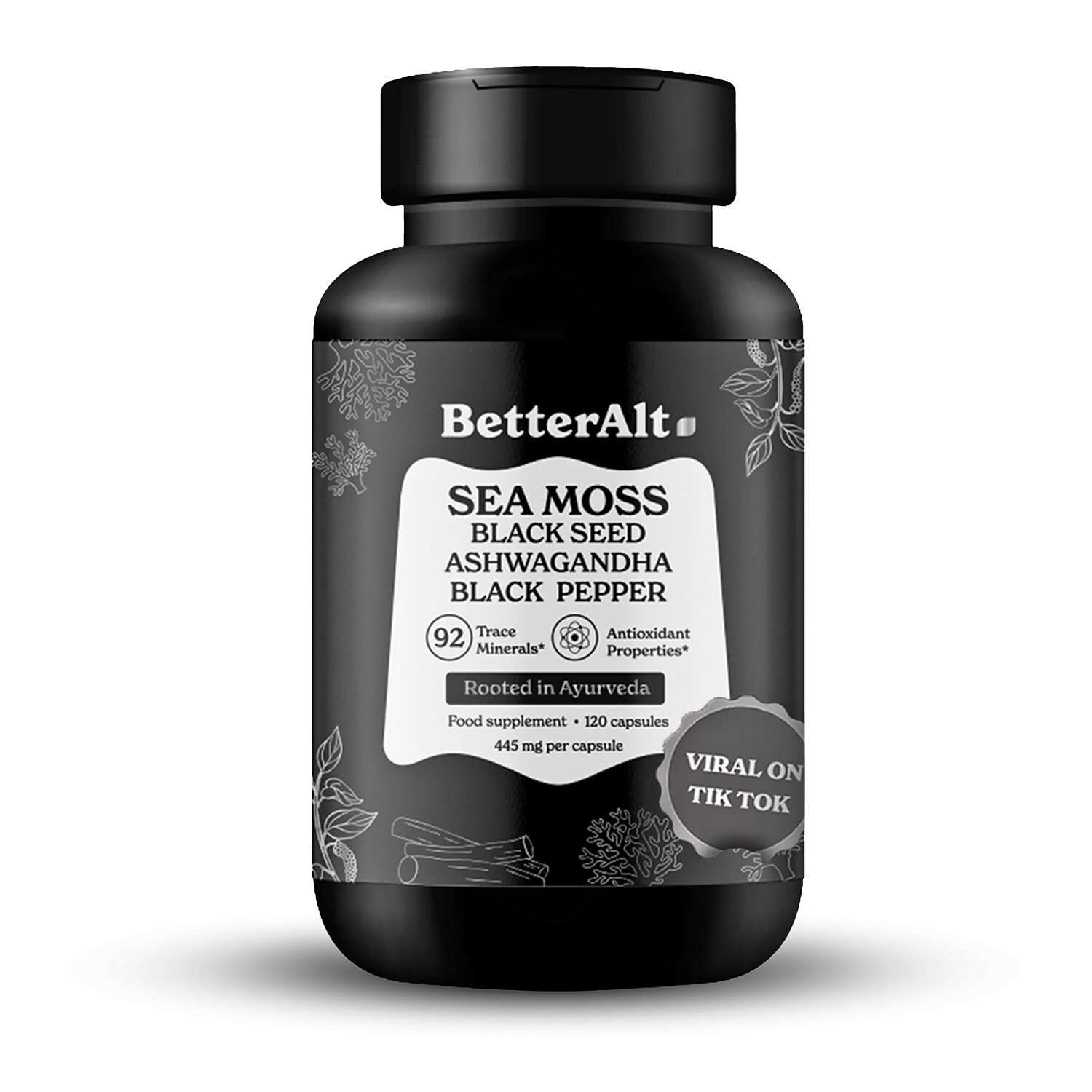
-
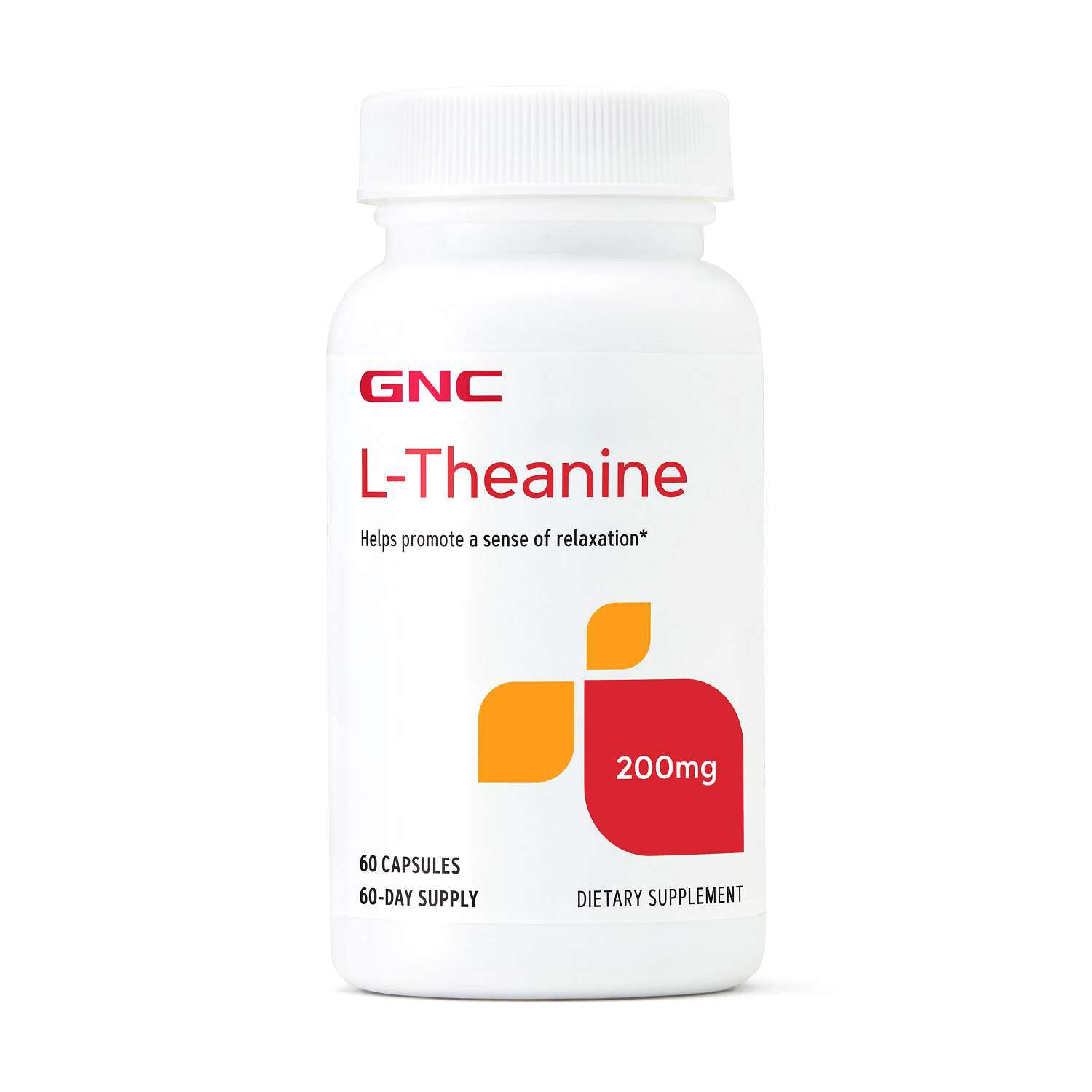
-
 Purity Products$39.99
 -

-

-
-

-

-
 Sprayology$38.99
 -
-

-

-

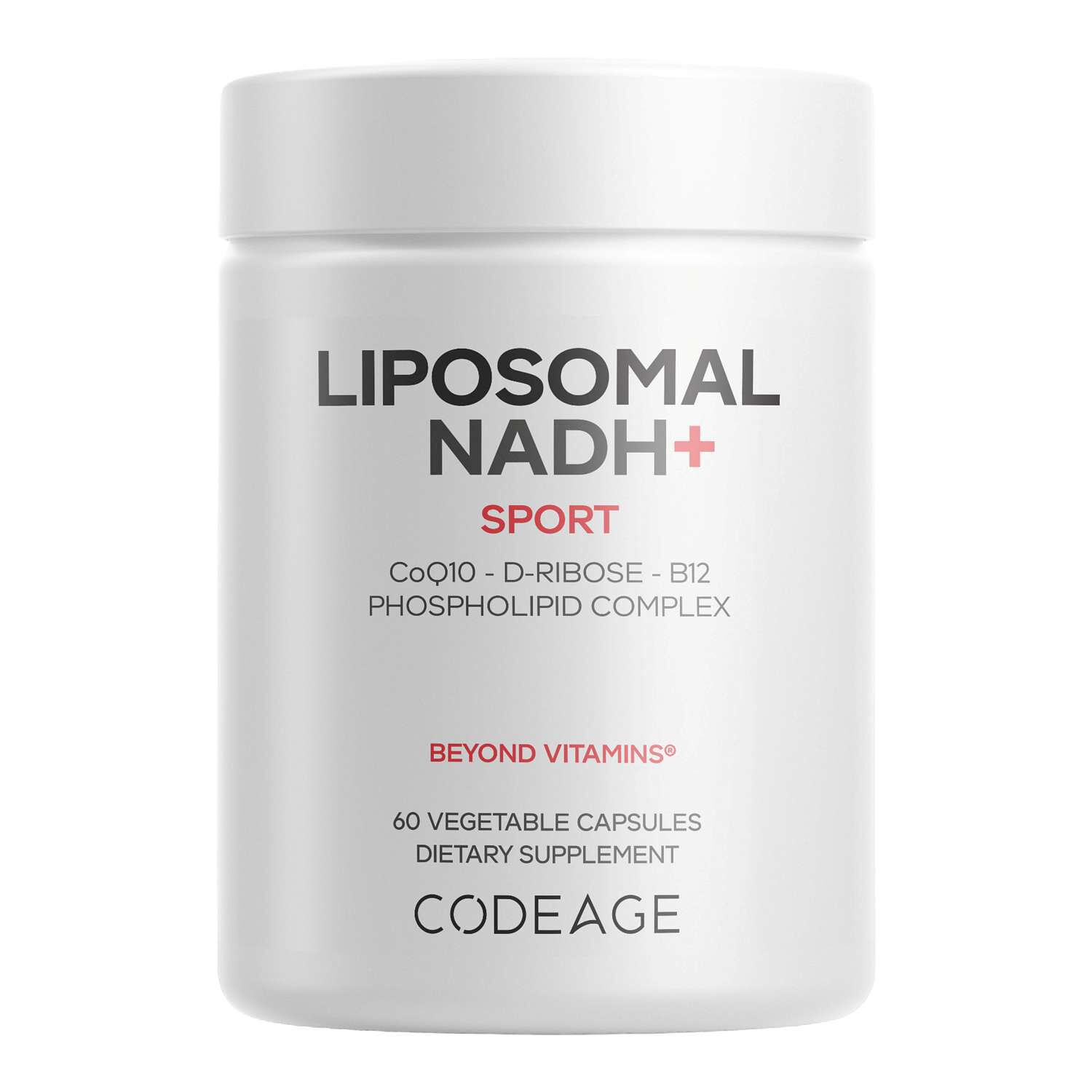
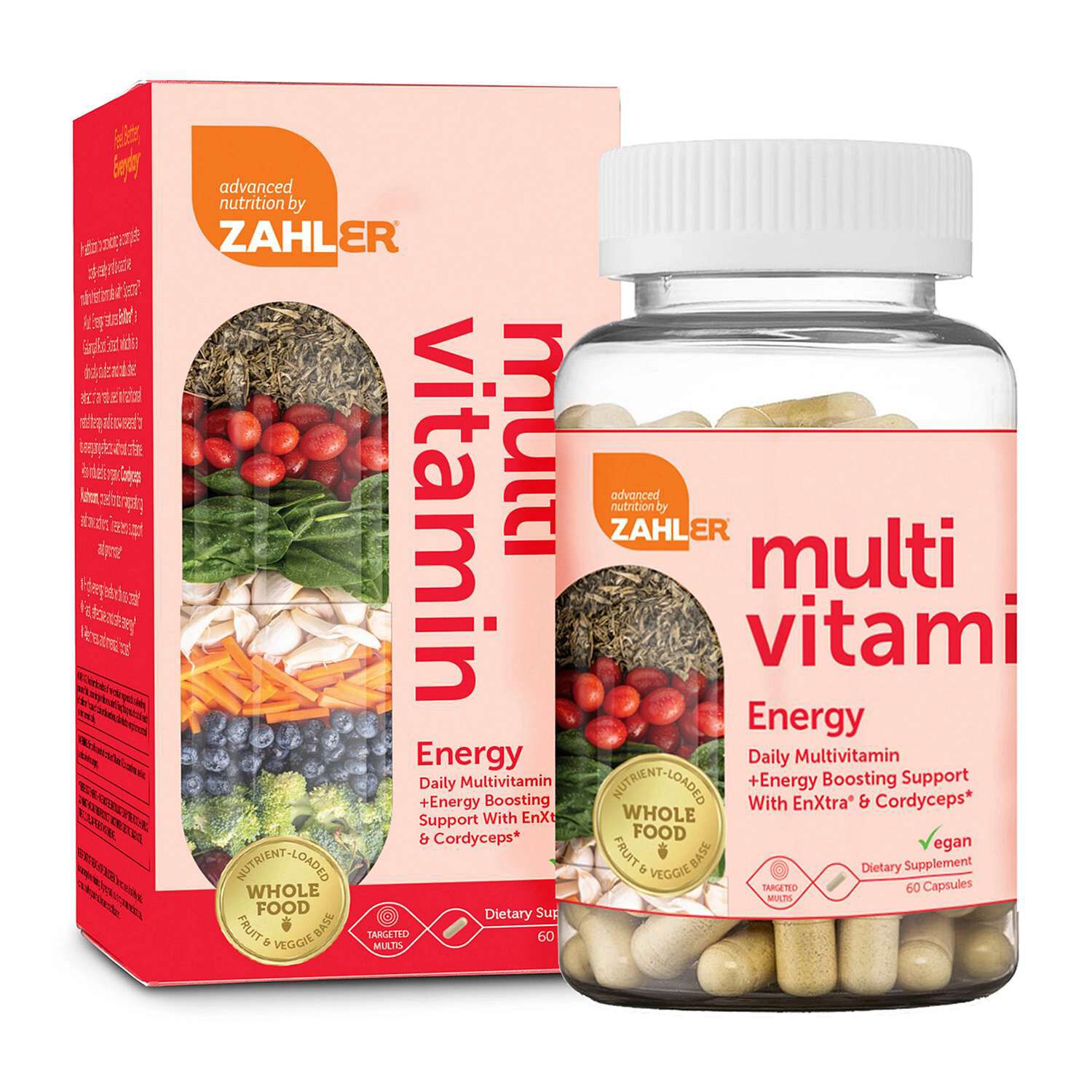
Chronic fatigue supplements bring together several types of dietary supplements that shoppers may explore when comparing options for everyday energy and nutritional support. The phrase describes a shopping interest rather than one ingredient, one formula, or one expected outcome. Within this broad category, common areas of interest include B vitamins, coenzyme Q10, NADH, magnesium, carnitine, and botanical blends. These ingredients are not interchangeable, and a capsule containing a single nutrient is different from a formula combining vitamins, minerals, and plant extracts. B vitamins may support normal energy metabolism, while coenzyme Q10, also called CoQ10, may support cellular energy production. These potential roles do not establish that a supplement will address ongoing fatigue or that a larger serving will deliver a better experience. A useful comparison begins with what a formula contains, how much is provided per serving, and how that serving fits the intended use printed on the label. Someone who prefers a straightforward nutritional routine might gravitate toward a single-ingredient formula, while another shopper might prefer a combination with clearly listed ingredient amounts. Neither format is automatically a better match simply because its ingredient list is longer. The distinction between nutritional support and a stimulating ingredient also matters: an energy-oriented label does not necessarily mean a formula contains caffeine, and a botanical formula is not necessarily without it. Looking at the actual ingredients offers a clearer picture than relying on the front label alone. A bottle intended for a kitchen cabinet, a powder mixed into a drink, and individually packaged servings carried in a work bag each present different practical considerations. For a category centered on everyday routines, those details deserve as much attention as a familiar ingredient name. The most meaningful product descriptions make the composition, serving format, and intended audience easy to understand without treating persistent fatigue as a simple shopping problem.
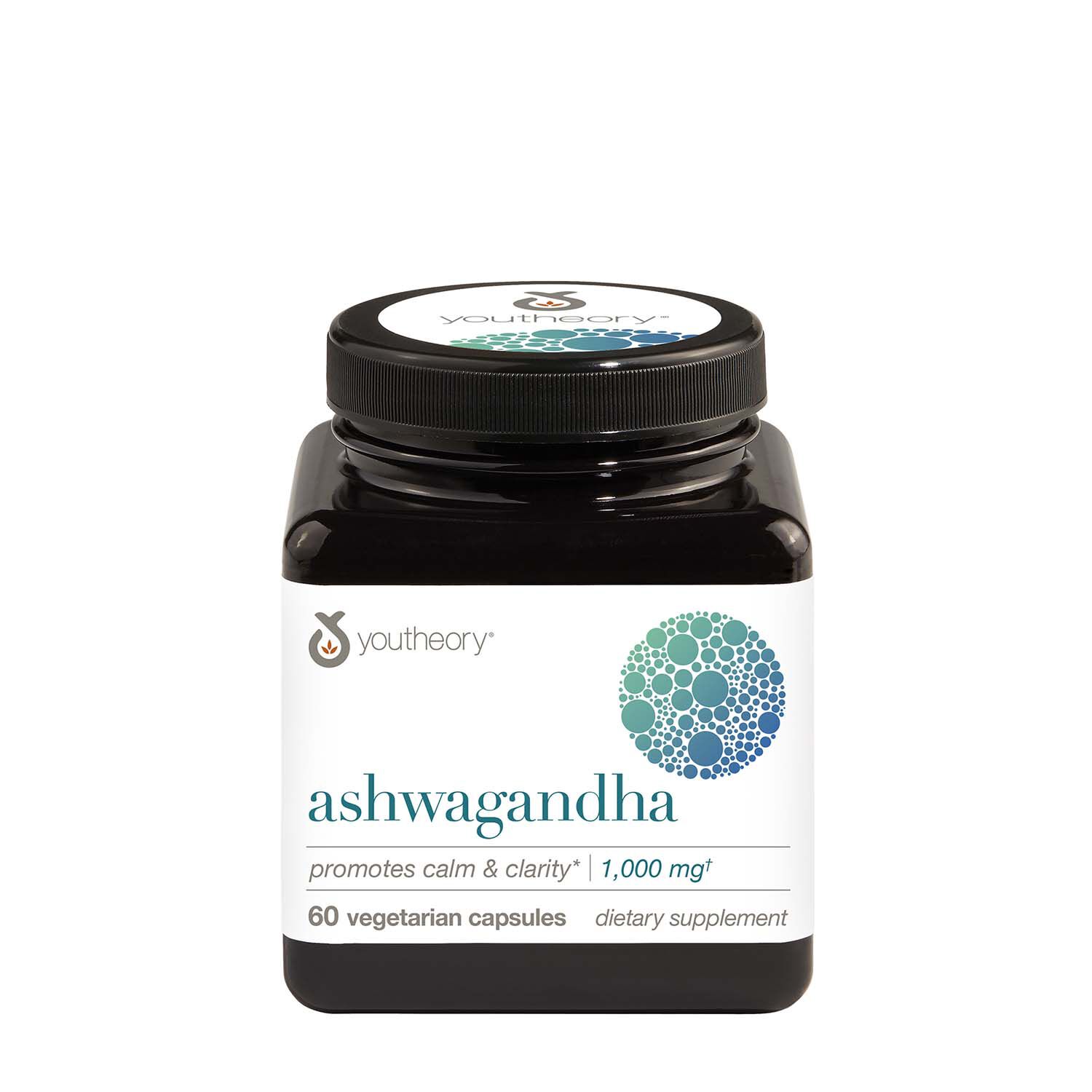
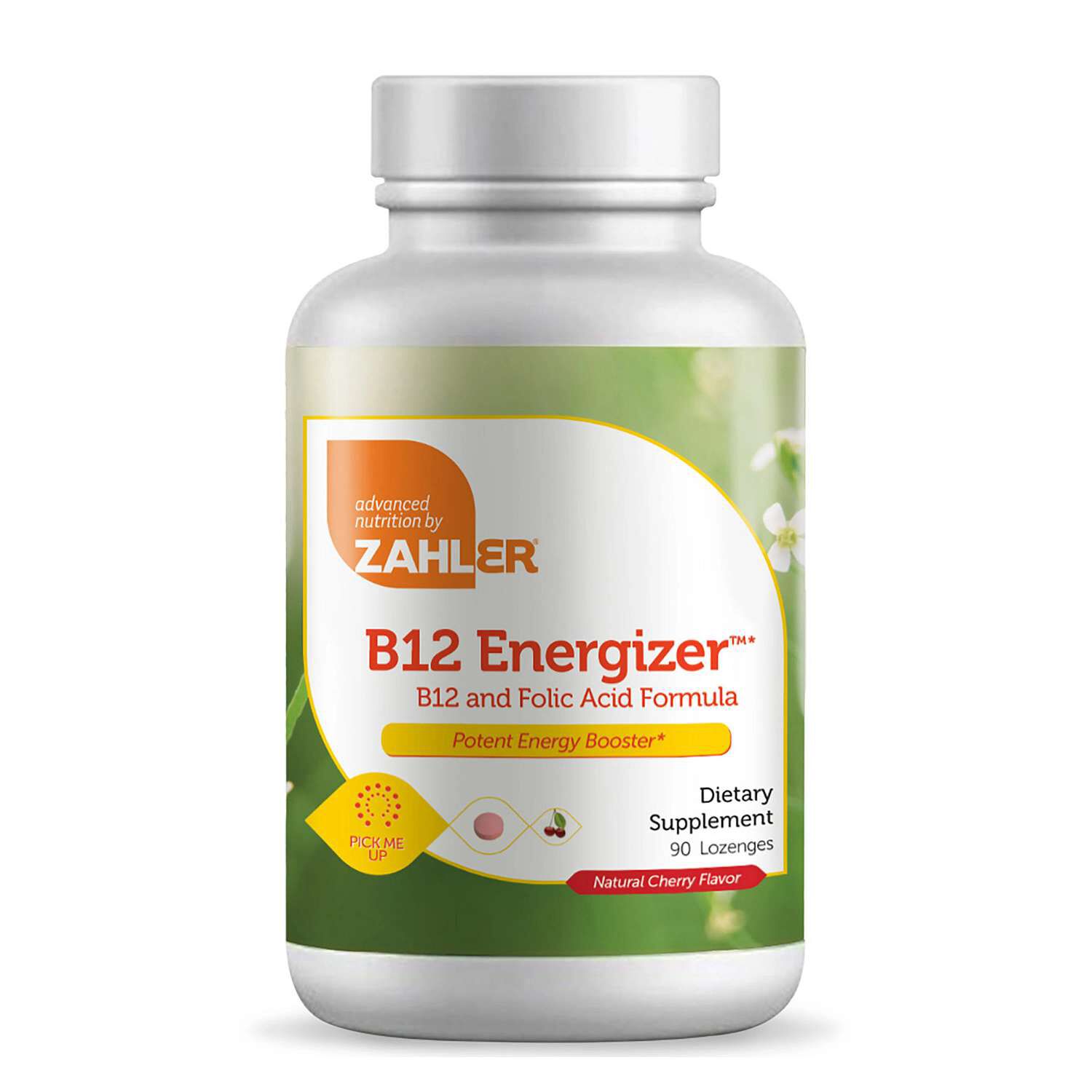
Ingredient names provide another way to distinguish formulas when browsing supplements associated with fatigue and energy support. A B-complex generally contains several B vitamins, while a B12 formula centers on that individual vitamin; folate may appear on its own or within a broader blend. The Supplement Facts panel identifies the nutrients and their amounts, making it possible to compare formulas without assuming similar names mean similar contents. CoQ10 labels may identify ubiquinone or ubiquinol, so the precise form is worth noting alongside the stated amount and serving size. NADH is a separate ingredient, not another name for CoQ10, even when both appear in the same formulation. Carnitine labels may distinguish L-carnitine from acetyl L-carnitine, another example of why reading beyond the category name matters. Magnesium supplements also differ by form, including magnesium glycinate and magnesium citrate. On the Supplement Facts panel, the listed magnesium amount refers to the magnesium supplied rather than the weight of the entire compound. That distinction makes the nutrient amount more useful for comparison than a prominent number elsewhere on the package. Botanical options introduce a different set of details, including the plant species, plant part, extract amount, and any stated standardization. Ashwagandha and rhodiola are examples of botanicals shoppers may encounter in this broader area, but a shared botanical category does not make their formulas equivalent. For a closer look at that portion of the assortment, Herbal Supplements For Fatigue And Stress offers a related category to explore. With any combination formula, individually disclosed ingredient amounts provide a different degree of detail than a blend listed only by its combined weight. These label distinctions are useful for comparing composition, not for predicting a personal result. Familiarity, a concentrated extract, or a longer list of ingredients should not be confused with a demonstrated match for an individual shopper. The clearest comparisons keep nutrient forms, botanical details, and serving amounts separate rather than treating every formula marketed around energy as the same kind of supplement.
Format, packaging, and day-to-day handling round out the comparison. Capsules, tablets, softgels, gummies, liquids, and powders each have characteristics that may matter to the person using them. A shopper who dislikes flavored supplements may prefer a capsule or tablet, while someone who already prepares a daily beverage may find a powder more convenient. Powders also involve measuring, mixing, and cleaning a cup or shaker; flavored versions bring sweetness, texture, and taste into the decision. Gummies have their own ingredient considerations, including sweeteners, added sugars, and the number needed for a labeled serving. A serving may consist of more than one piece, capsule, or tablet, so the package count and number of servings are different pieces of information. Capsule shells may contain gelatin or plant-derived materials, and softgels may include oils or other carrier ingredients. The other ingredients list is the place to compare those details, along with flavorings, colors, and ingredients relevant to personal dietary preferences. Package design matters, too. A liquid with a marked measuring device differs from a dropper bottle, while a powder in a resealable pouch has different handling needs from one in a rigid container. For someone carrying a supplement between home and work, closure design, package dimensions, and legible directions can be meaningful selection factors. Unlike a reusable accessory, a supplement is better assessed for package integrity and labeled shelf life than for durability. Storage directions, the printed date, and the condition of the seal provide practical information about care and handling; bathroom humidity or prolonged time in a parked car may not match the labeled storage conditions. Quality information deserves equally careful reading. A stated independent certification or testing program is most informative when its scope is clear, whether it concerns ingredient identity, manufacturing practices, or particular testing criteria. Such information does not establish an outcome for fatigue. Ultimately, a thoughtful comparison of chronic fatigue supplements rests on transparent labeling, suitable formats, and realistic expectations. Ingredient clarity and practical fit offer a more grounded basis for browsing than dramatic language or an assumption that every energy-focused formula serves the same purpose.
Best Sellers
-
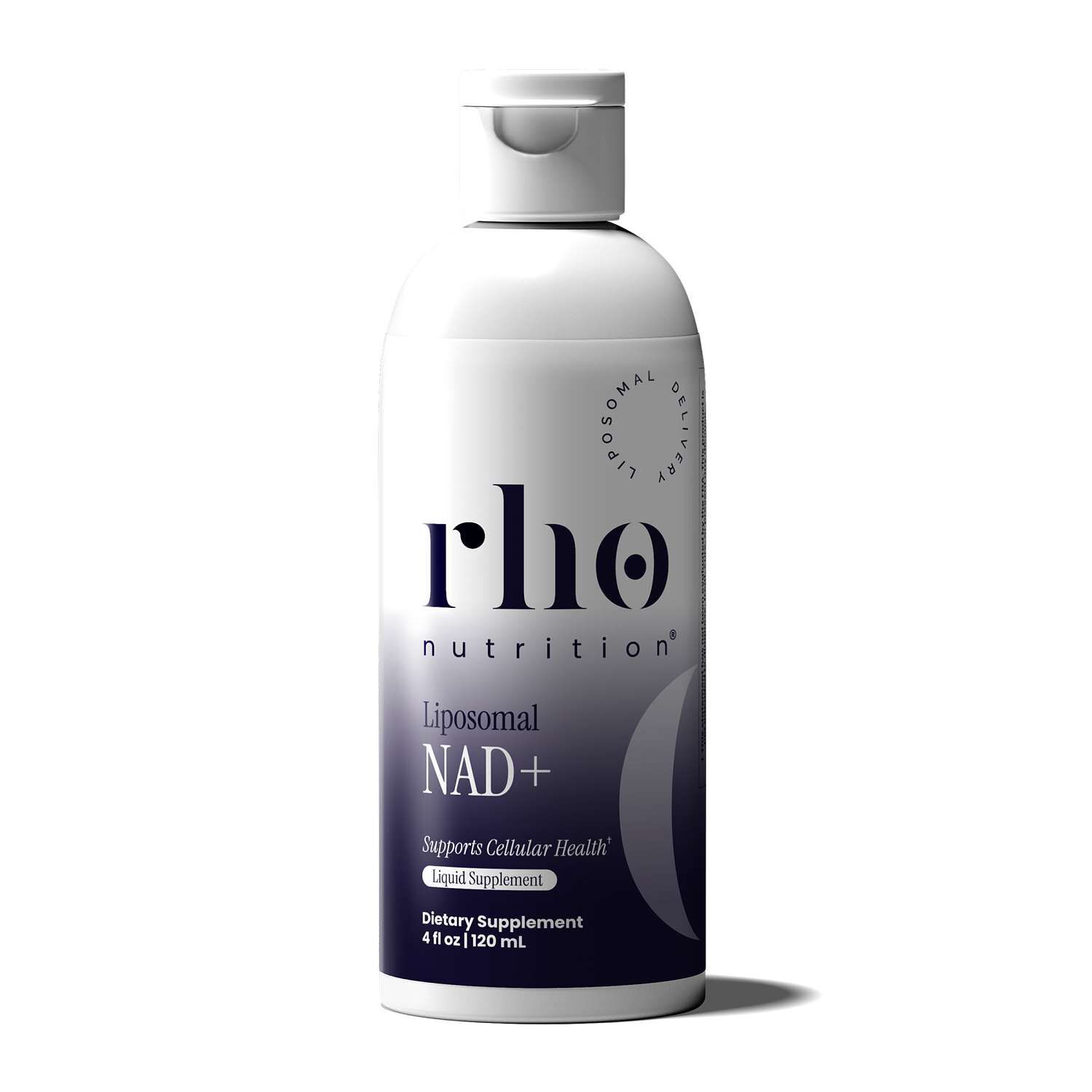 Rho Nutrition
 -
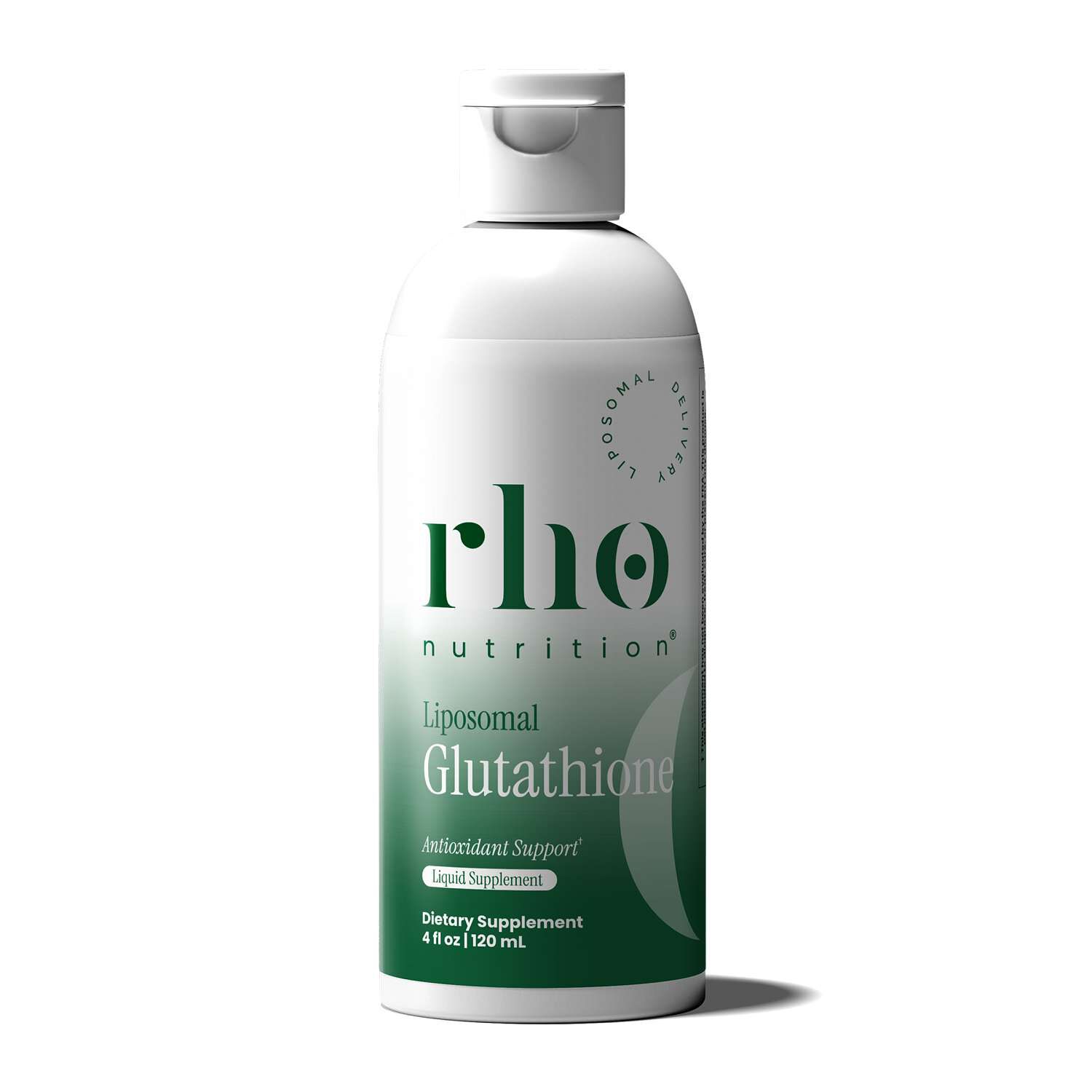 Rho Nutrition
 -
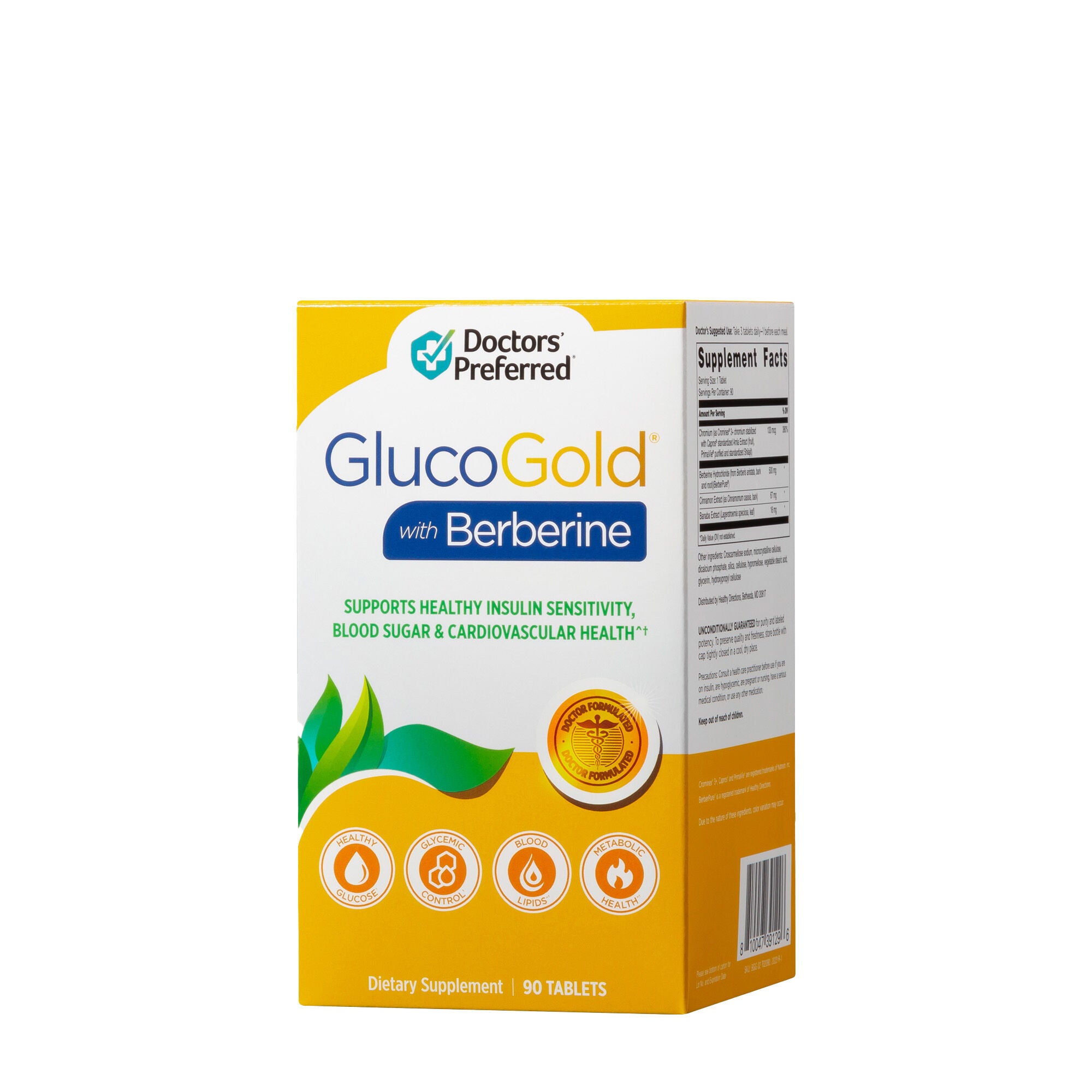 Doctors' Preferred