





Herbal Supplements For Fatigue And Stress
(0 Results)
Herbal supplements for fatigue and stress are a popular choice for those looking to support their overall well-being and maintain balance during busy days. These plant-based options may offer a natural approach to help manage the demands of everyday life. Whether you’re navigating a hectic schedule or simply seeking additional support, exploring herbal supplements for fatigue and stress could be a step toward finding your sense of calm and vitality.
-
 185$24.99
-
-
-

-

-
-

-
-
-
-

-

-
-

-
-
-
-

-
-

-

-

-
-
 Goli Nutrition$18.99
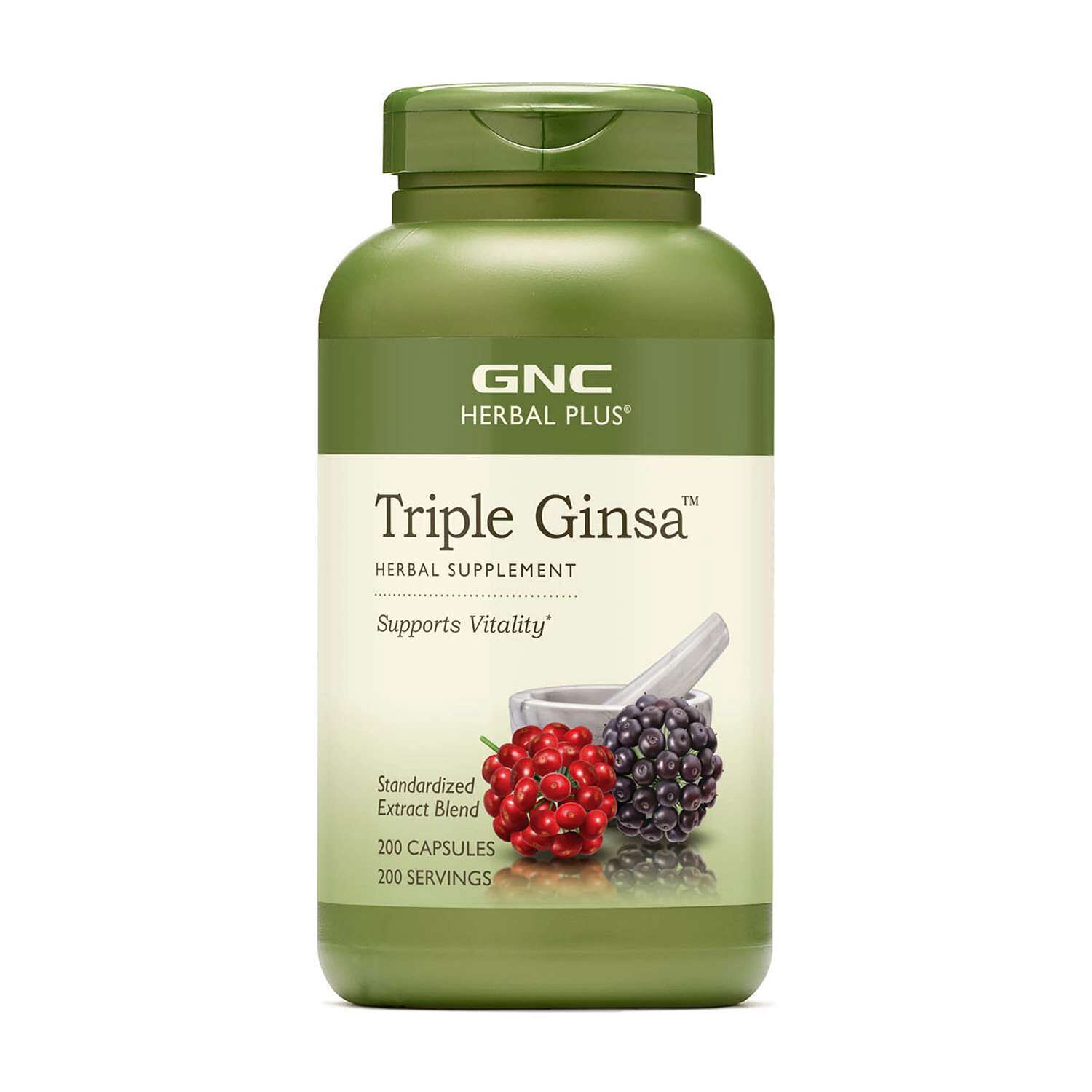
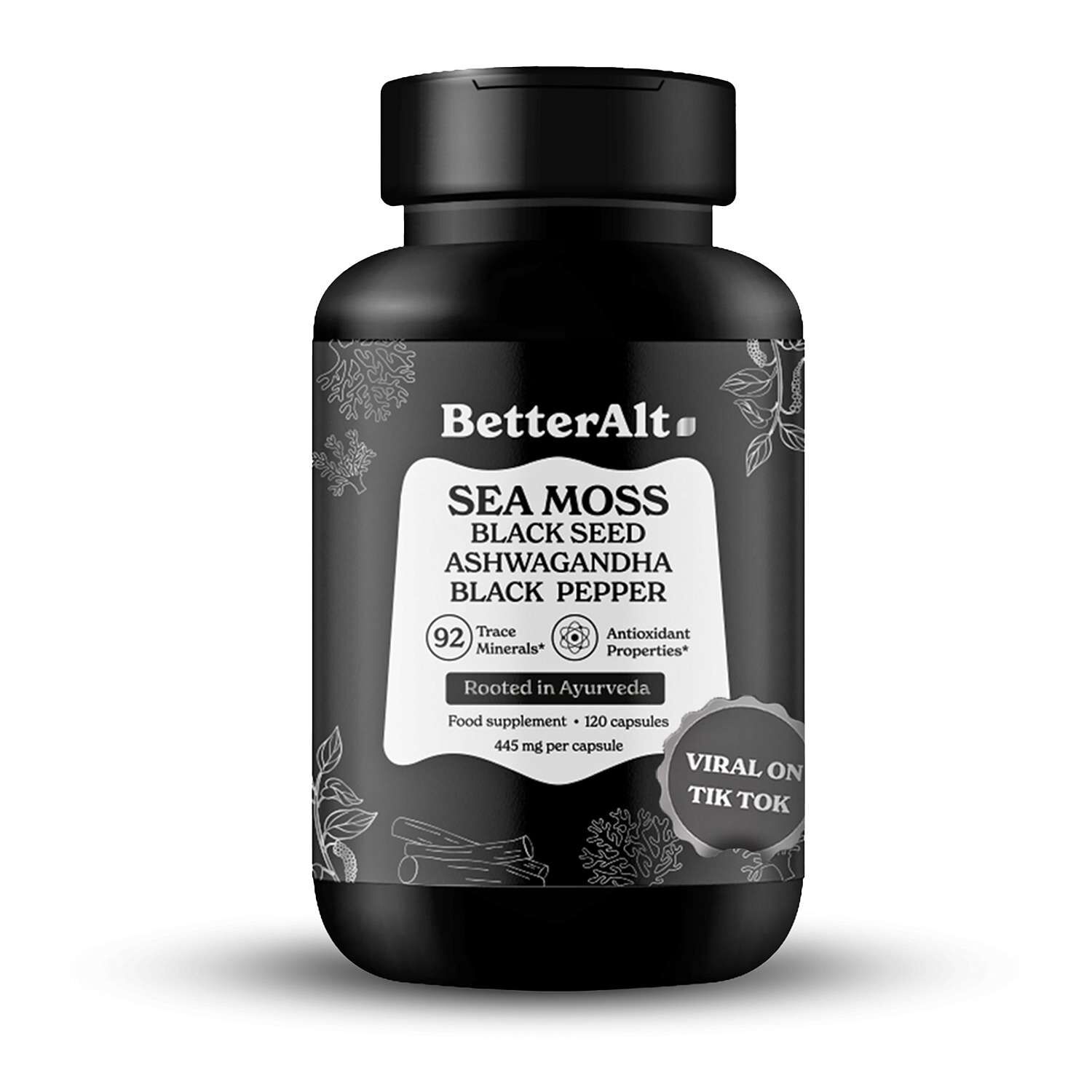
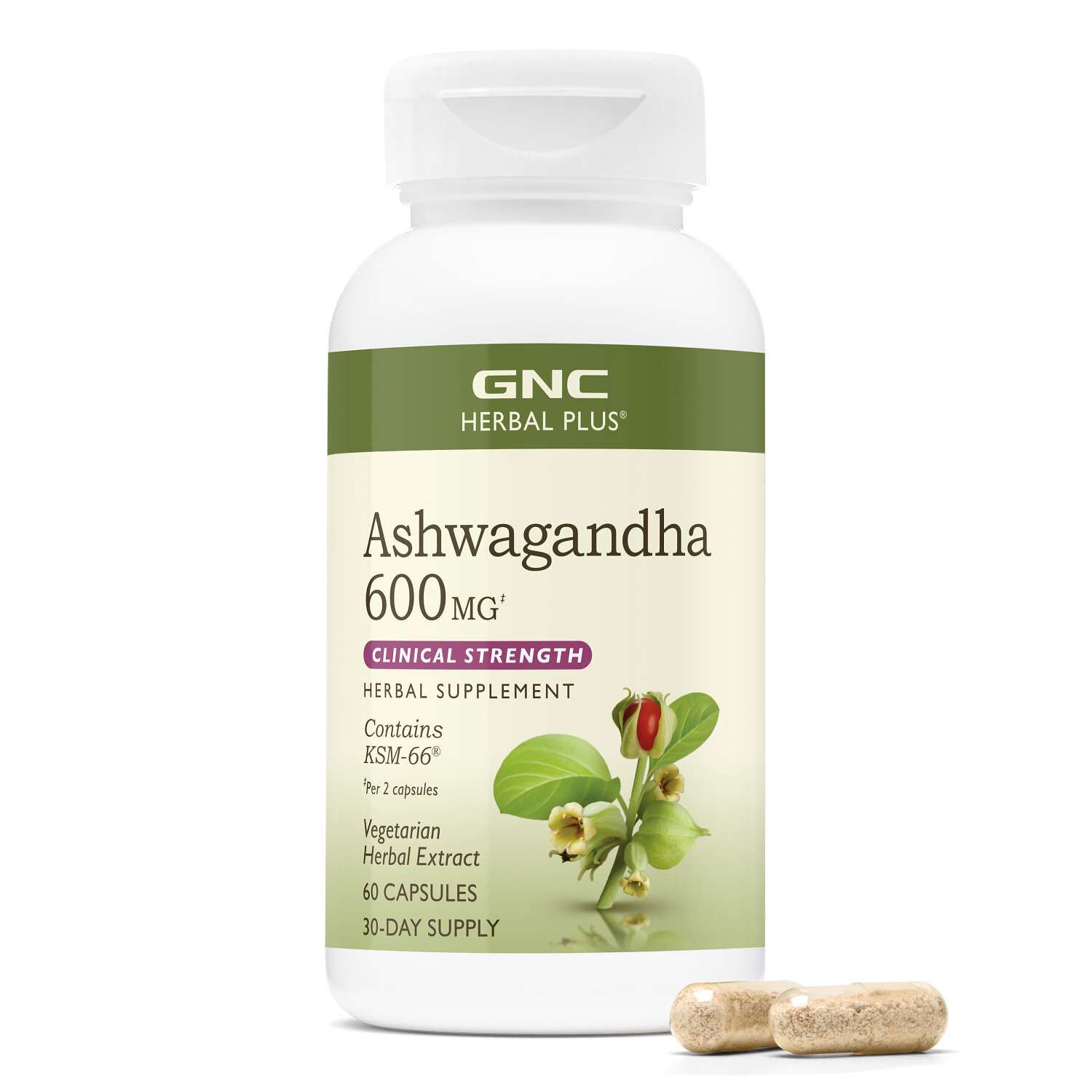
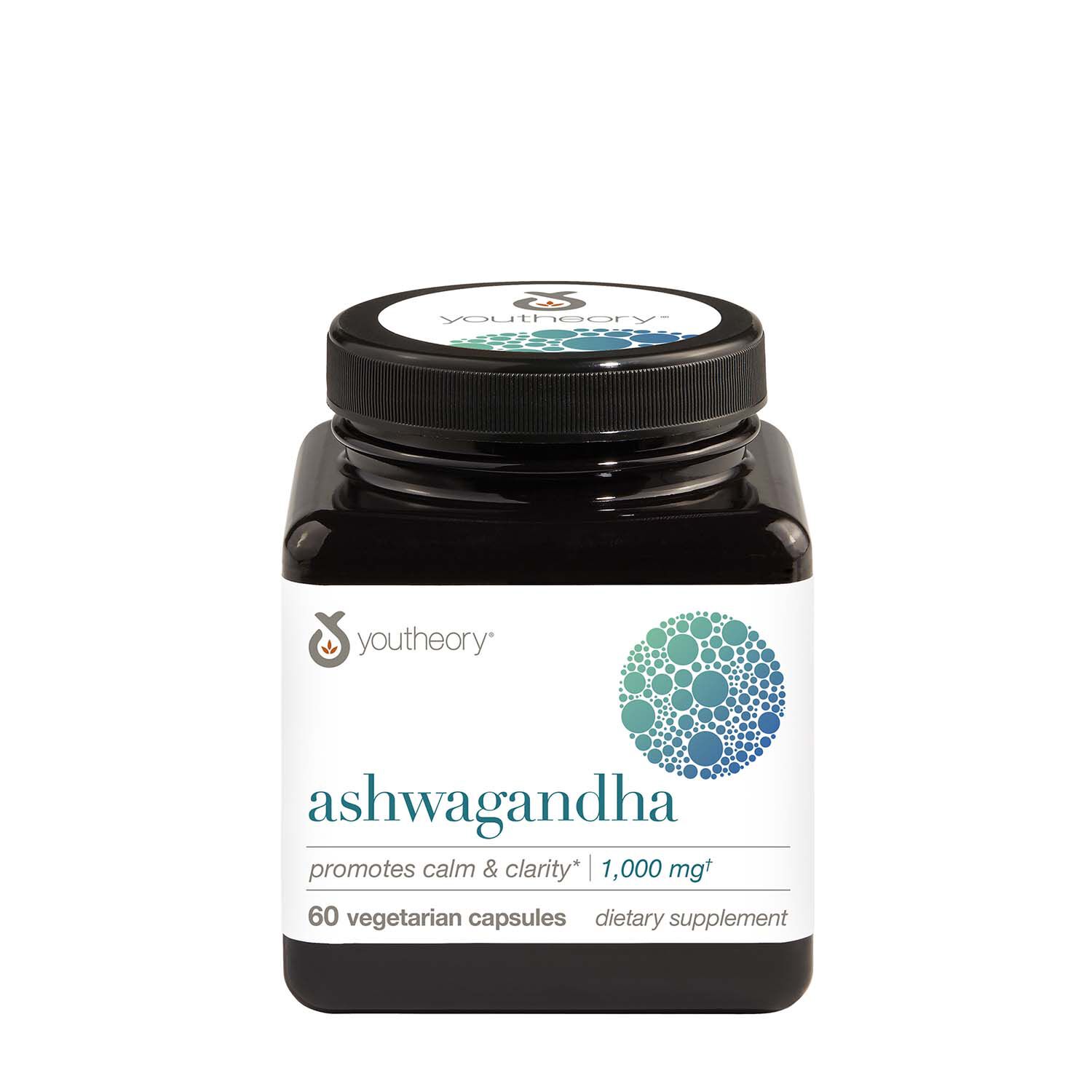
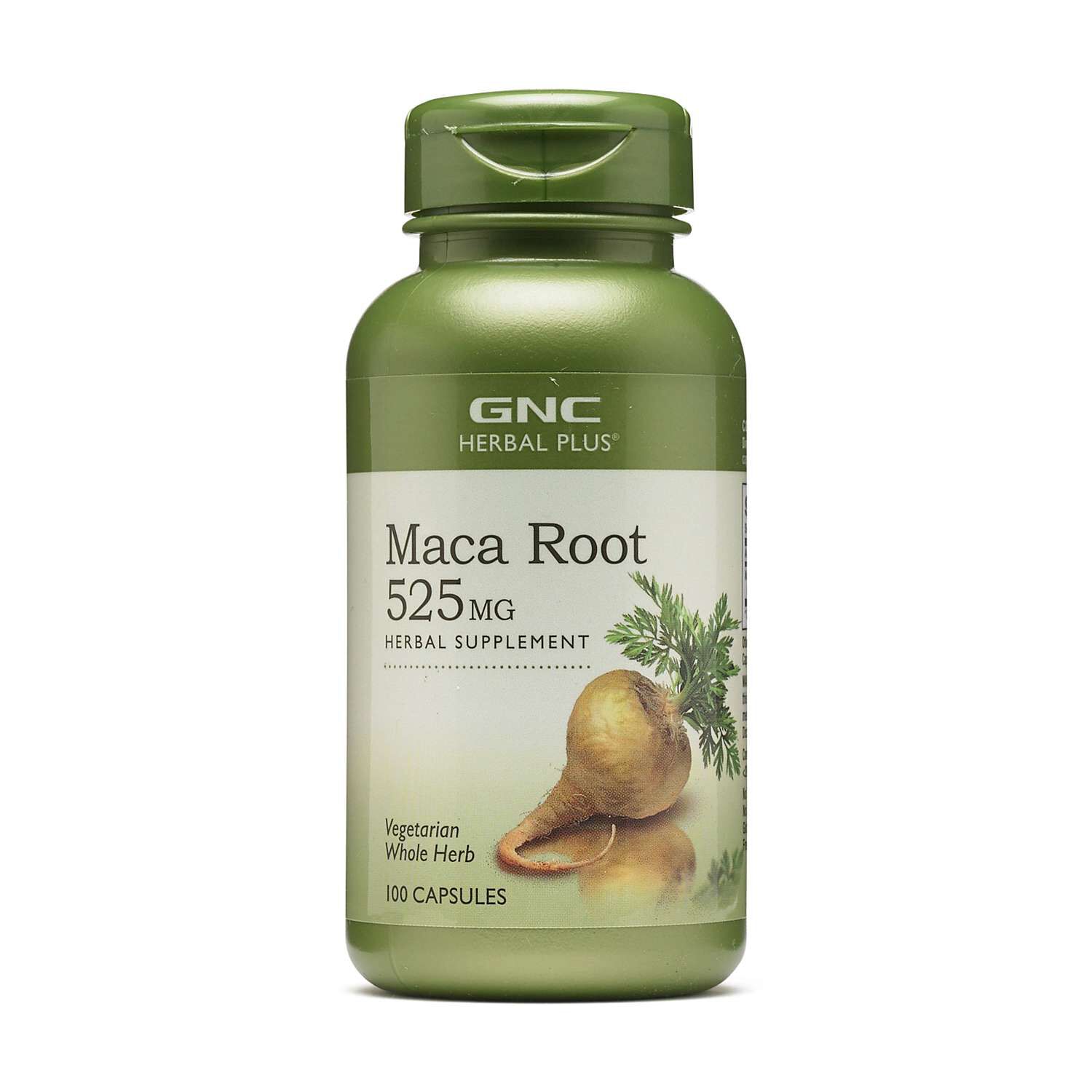
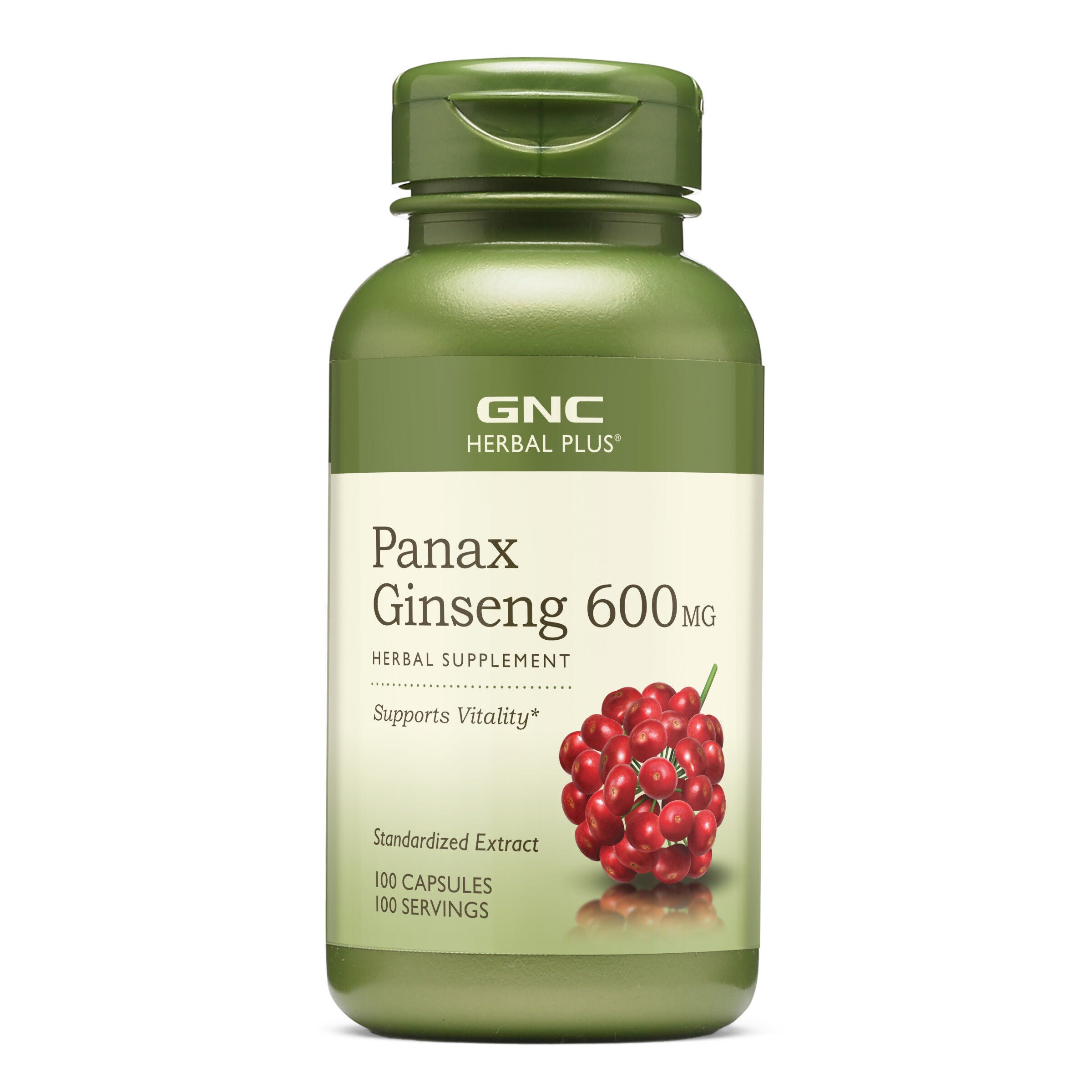
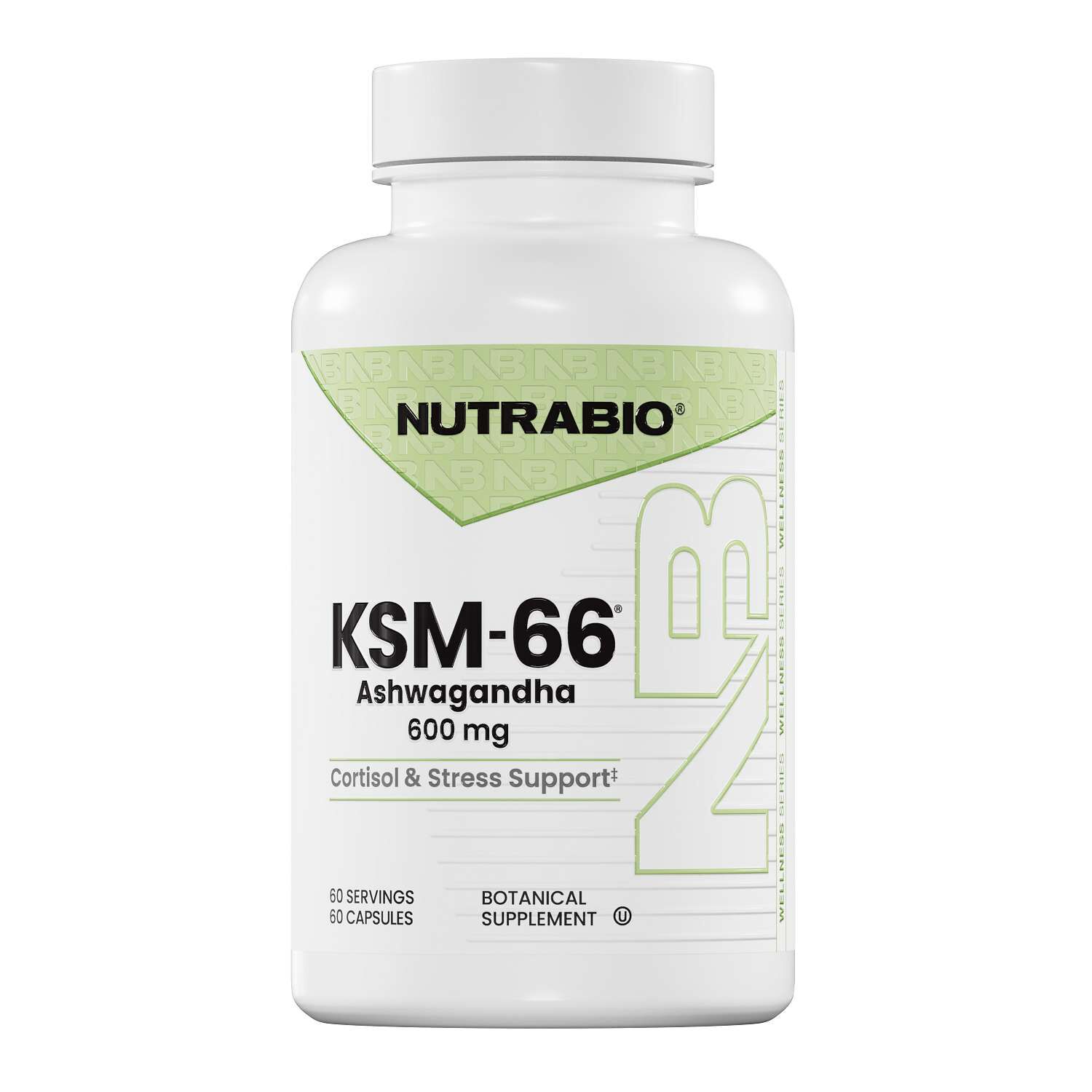
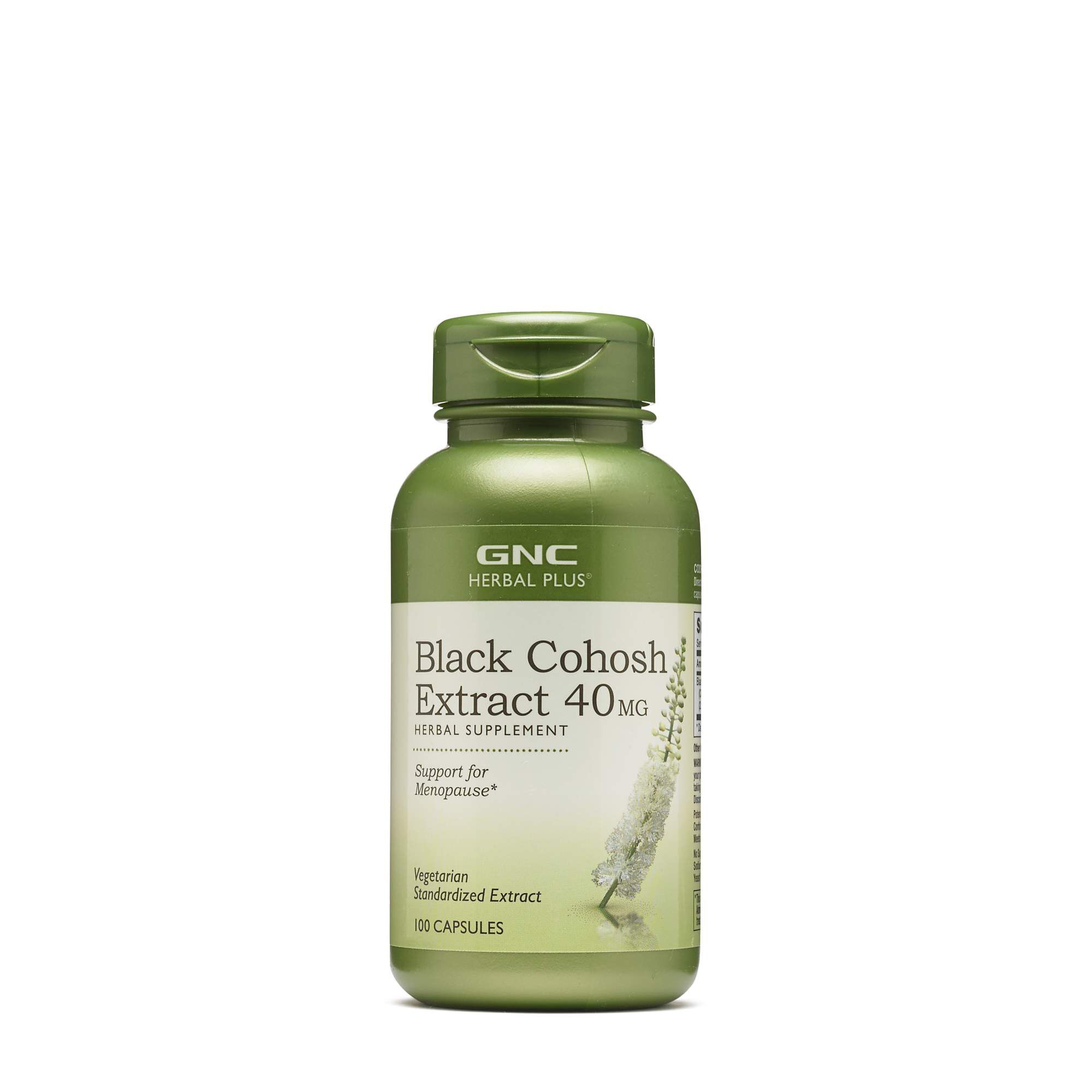
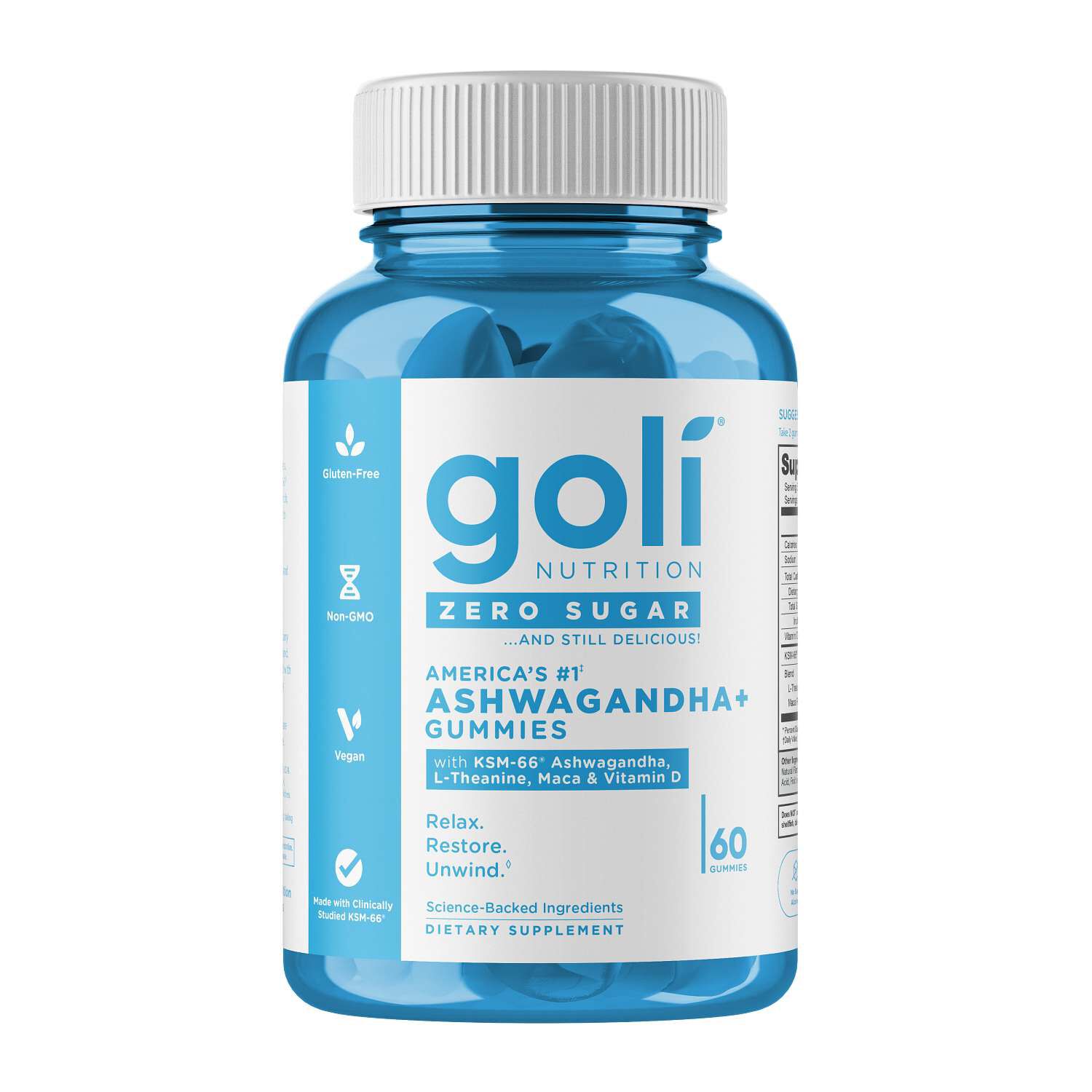
Herbal supplements for fatigue and stress are botanical dietary supplements intended for routines centered on everyday energy, relaxation, and general well-being. Depending on the ingredients, a formula may support a sense of calm or everyday vitality, but the category covers many plants and preparations rather than one consistent blend. Ashwagandha, rhodiola, ginseng, lemon balm, and passionflower are examples of botanicals found in this category. Some appear in formulas described as adaptogens, while others are featured in blends positioned for quiet moments or a busy daily schedule. An important distinction is not simply the herb’s familiar name, but also which part of the plant is used and how it is prepared. Roots, leaves, flowers, and other plant parts can have different compositions, and a ground botanical powder is not the same preparation as a concentrated extract. An extract ratio describes the relationship between the starting plant material and the resulting extract; it does not, by itself, establish which formula is a better match for someone’s preferences. Some labels also identify a measured amount of a particular plant compound, offering another detail about the preparation. These distinctions matter when two containers feature the same herb on the front but provide different information on the back. Intended use also varies: a formula positioned for daytime vitality may look quite different from one designed around an evening routine. Certain botanical blends include caffeine from plant sources, while others do not, so the word herbal alone does not describe every ingredient or characteristic. For someone moving between meetings, family responsibilities, and a full calendar, convenience may be an important consideration. For someone who enjoys a quieter evening ritual, taste and preparation may matter more. Both situations highlight why the category name is a starting point for understanding a formula, rather than a description of everything inside the container.
The physical format shapes the everyday experience of using herbal supplements, from how they are stored to how much preparation they involve. Capsules and tablets provide measured portions without mixing, while powders and liquids introduce different textures, flavors, and measuring requirements. Capsule shells can be made with gelatin or plant-derived materials such as cellulose, a distinction that matters to shoppers with particular dietary preferences. Tablets may include binders or coatings, and gummies and chewables can contain sweeteners, flavorings, colors, or ingredients that affect texture. Those details belong to the formula just as much as the featured botanical does. A powder may have the earthy aroma of a root or the grassy character of a leaf, although the finished taste also depends on other ingredients. Liquid preparations vary in their base ingredients and concentration, and their labels describe the appropriate measuring method. Serving size deserves attention across formats: a listed serving might consist of more than one capsule, tablet, or gummy, or a specified measure of liquid or powder. A compact bottle may suit an established kitchen-counter routine, while another format may involve a shaker, spoon, or measuring dropper. Packaging also matters beyond its appearance. A secure closure, readable directions, and a container that protects its contents from moisture are practical considerations for repeated use. The original packaging keeps the ingredient list, lot information, and date markings together, which can be useful throughout the life of the bottle. Storage directions vary, so the label remains the reference for handling and care. A damp bathroom shelf or a container left open beside the sink introduces conditions that may not match those directions. For powders, dry measuring utensils and a properly closed lid are straightforward handling considerations. These everyday details help distinguish a format that looks appealing from one that fits comfortably into a person’s routine.
Ingredient transparency provides another useful point of comparison within herbal supplements for fatigue and stress. A single-botanical formula keeps the featured ingredient list relatively focused, while a blend brings several botanicals together and may also include vitamins, minerals, or other dietary ingredients. Neither arrangement describes the entire character of the formula on its own. The botanical name, plant part, preparation, and amount per serving provide more specific information than a broad phrase on the front label. Scientific names can help distinguish plants that share similar common names, and a clearly identified root extract is more descriptive than an unspecified reference to an herb. When a label groups ingredients within a blend, the amount stated for that blend may not identify the individual amount of every component. The Supplement Facts panel and the other-ingredients list answer different questions: one describes the listed dietary ingredients and serving information, while the other identifies additional components used in the finished format. Manufacturing information and testing statements can provide further context when they explain what was evaluated in specific terms. For adults browsing this category, those details may matter as much as whether the packaging emphasizes a daytime or evening theme. A familiar capsule format might suit someone who prefers a brief routine before leaving for work, while a measured powder might appeal to someone who already sets aside time to prepare a drink according to its label. Botanical supplements may complement personal wellness habits, but their intended role is supplementary rather than a replacement for meals, rest, or time away from daily demands. Related collections, including Herbal Supplements For Summer Fatigue, provide another way to explore this broader category by intended use. Across these collections, the most informative details remain concrete: the plants included, their preparation, the serving format, and the directions supplied with the formula.
Best Sellers
-
GNC Herbal Plus
-
GNC Herbal Plus
Related Pages
Top Collections
- Zinc Supplements | Top Brands at Great Prices | GNC
- Cortisol Supplements
- Joint Mobility Supplement Packs
- NAD+ Supplement Tablets
- Best Brand of Magnesium Glycinate
- Top Rated Collagen | Shop Customer Favorites | GNC
- Iron Supplements
- Peptide Supplements
- Protein Powders For Muscle Growth Support
- Vitamins That Help Support Weight Gain