





Herbal Anti Fatigue Capsules
(0 Results)
Herbal anti fatigue capsules offer a convenient way to explore the potential benefits of traditional botanicals that may support your daily routine. Formulated with carefully selected herbal ingredients, these capsules are designed for those seeking natural options to help manage everyday tiredness. Whether you’re navigating a busy schedule or looking to maintain your energy levels, herbal anti fatigue capsules could be a helpful addition to your wellness journey. Discover options that fit your lifestyle and preferences as you prioritize feeling your best.
-
-
 185$24.99
-

-
-
-

-
-

-

-

-
-
-
-
-
-

-

-
-

-
-
-

-

-
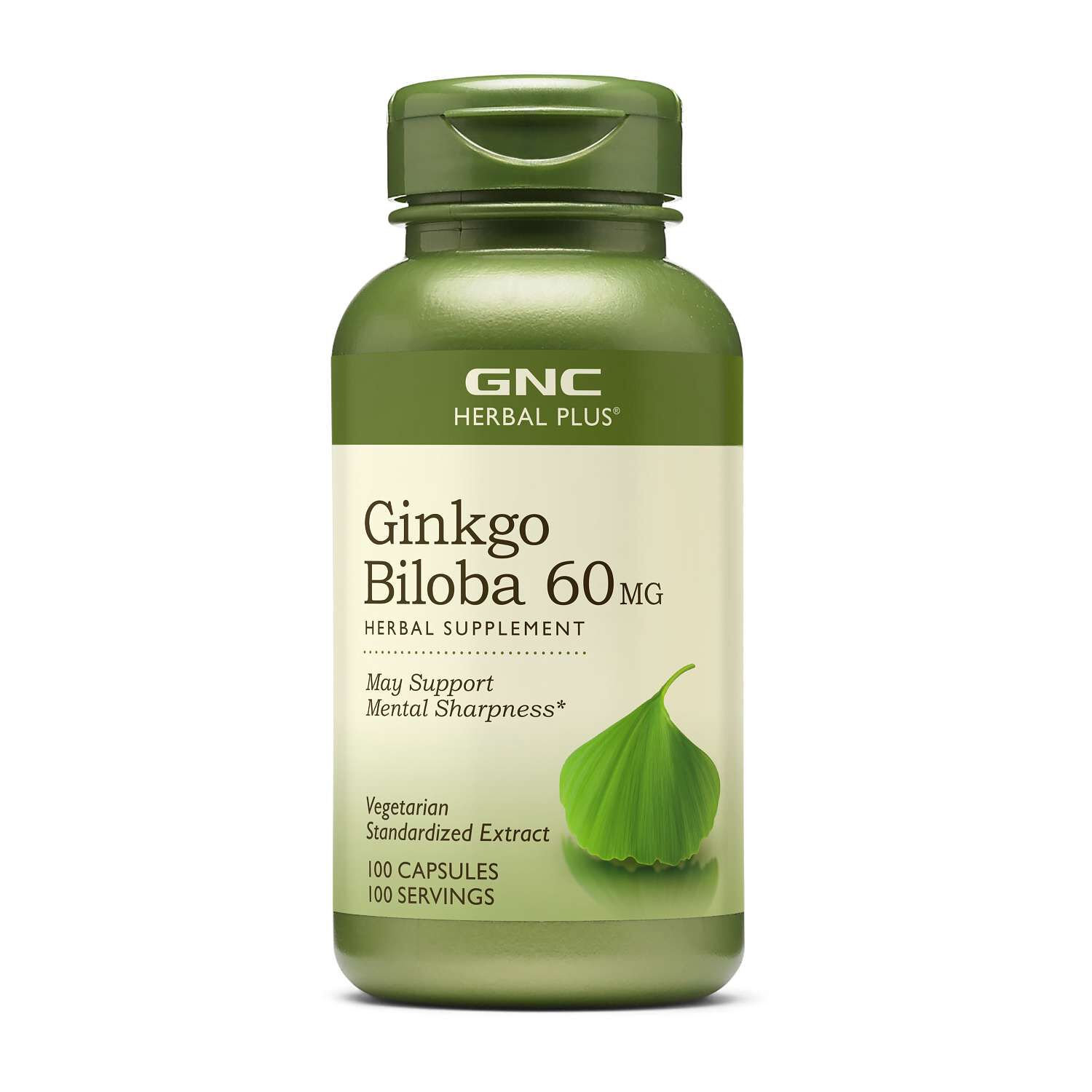
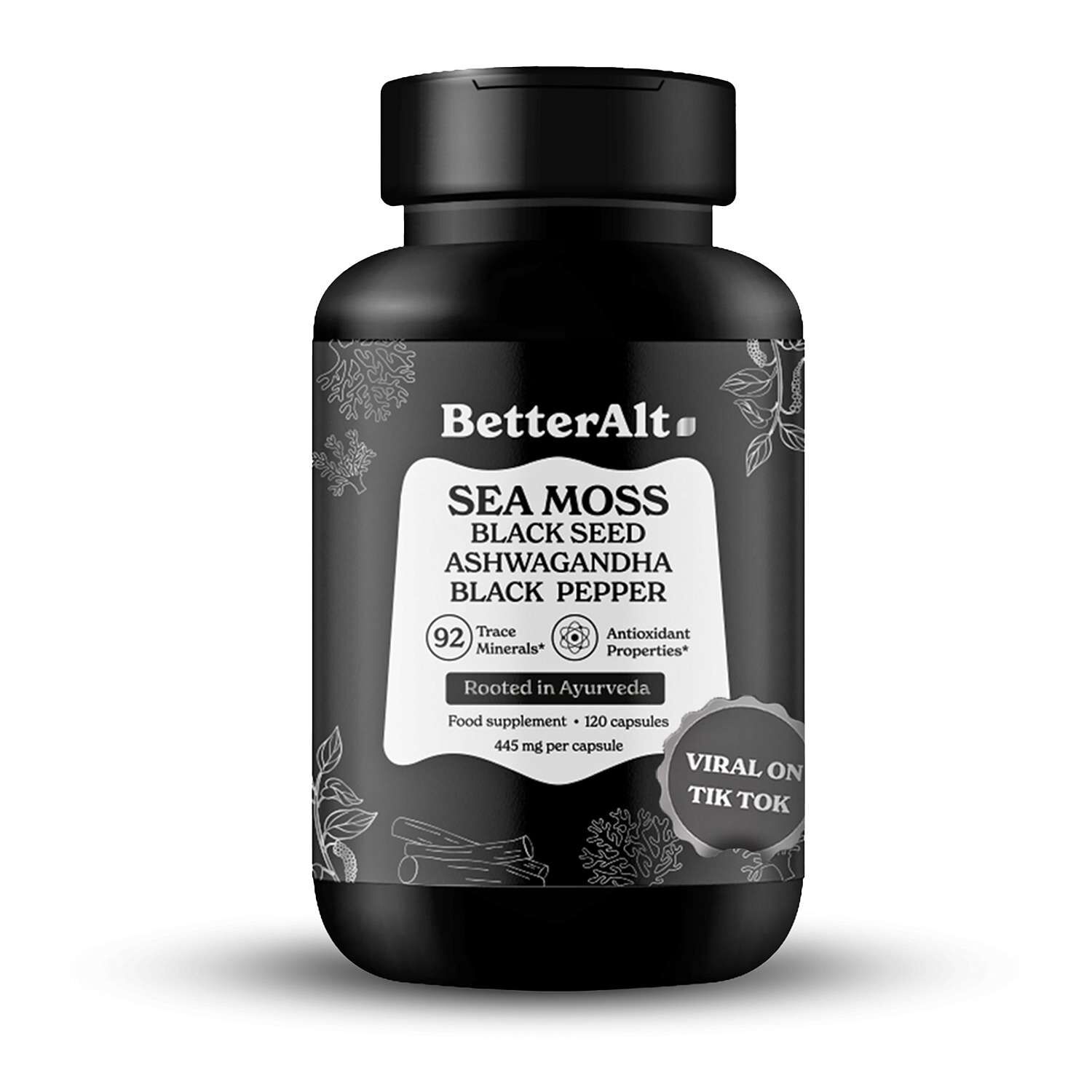
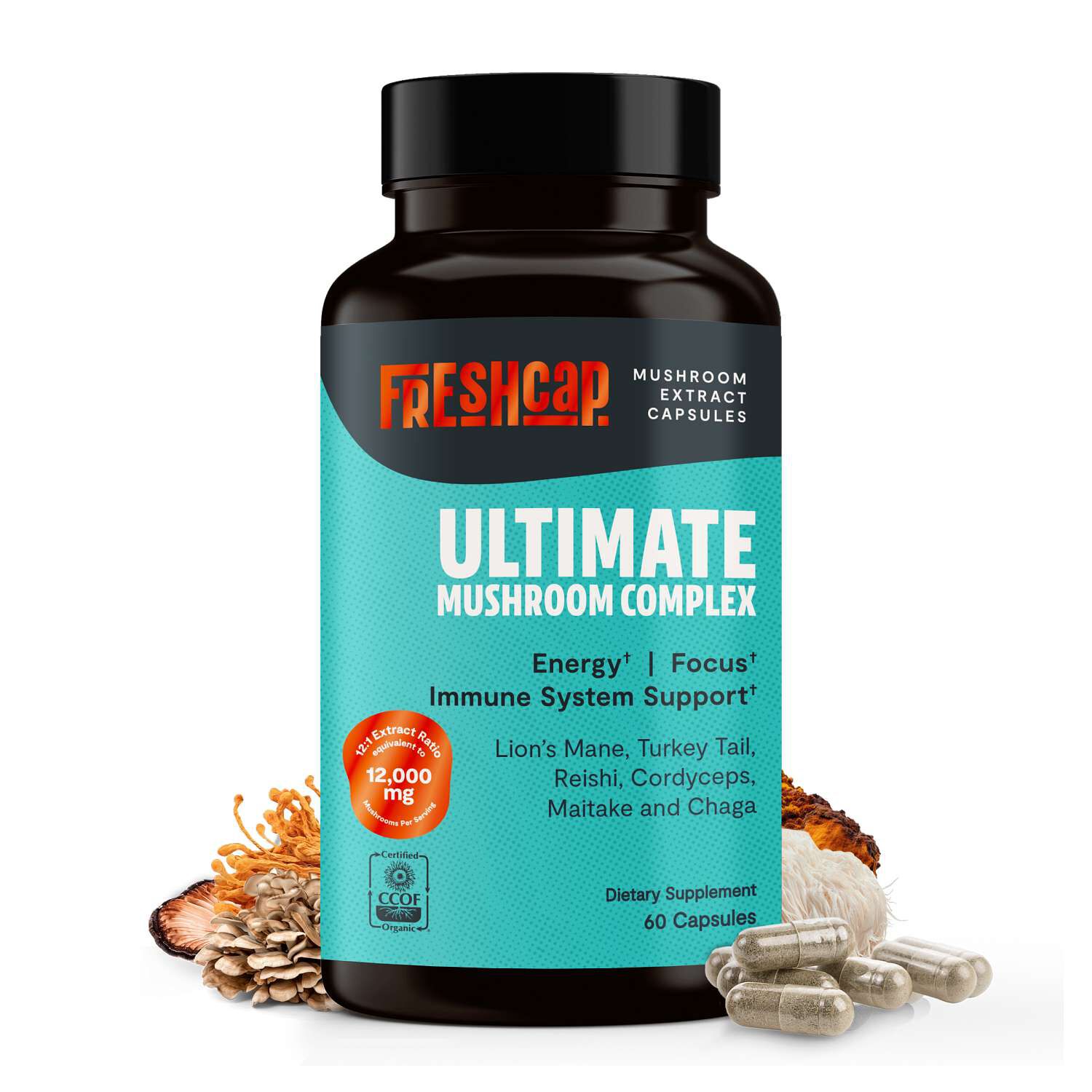
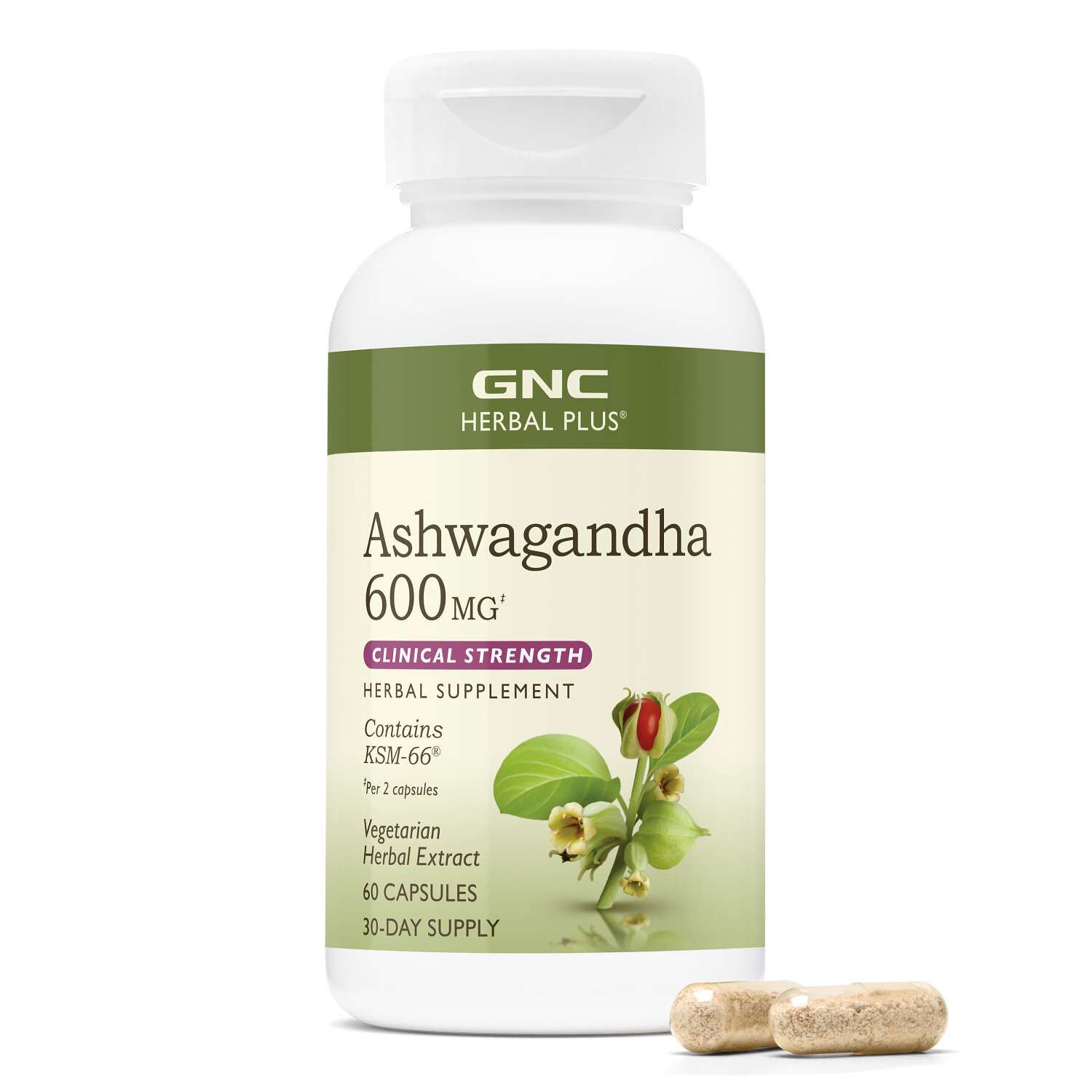
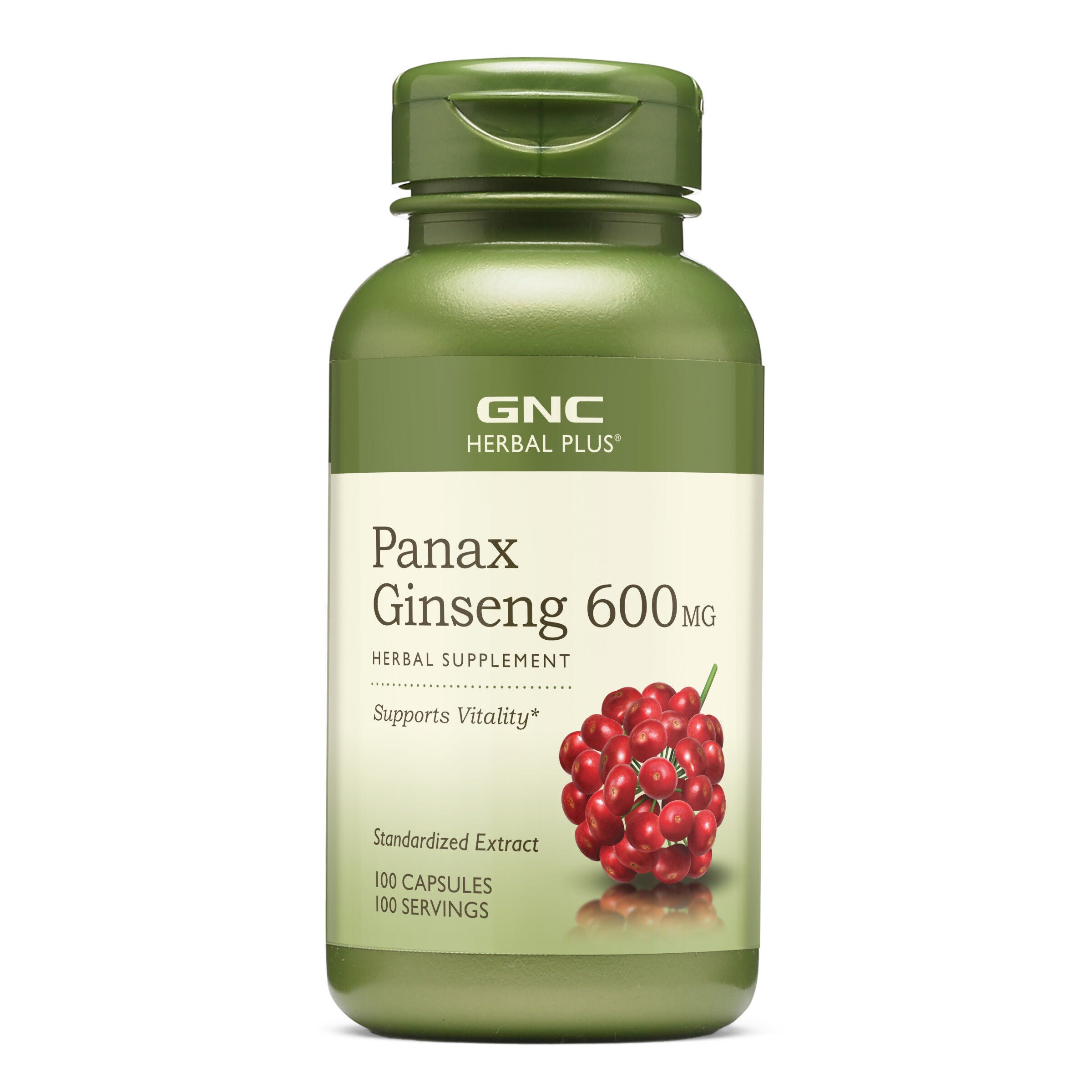
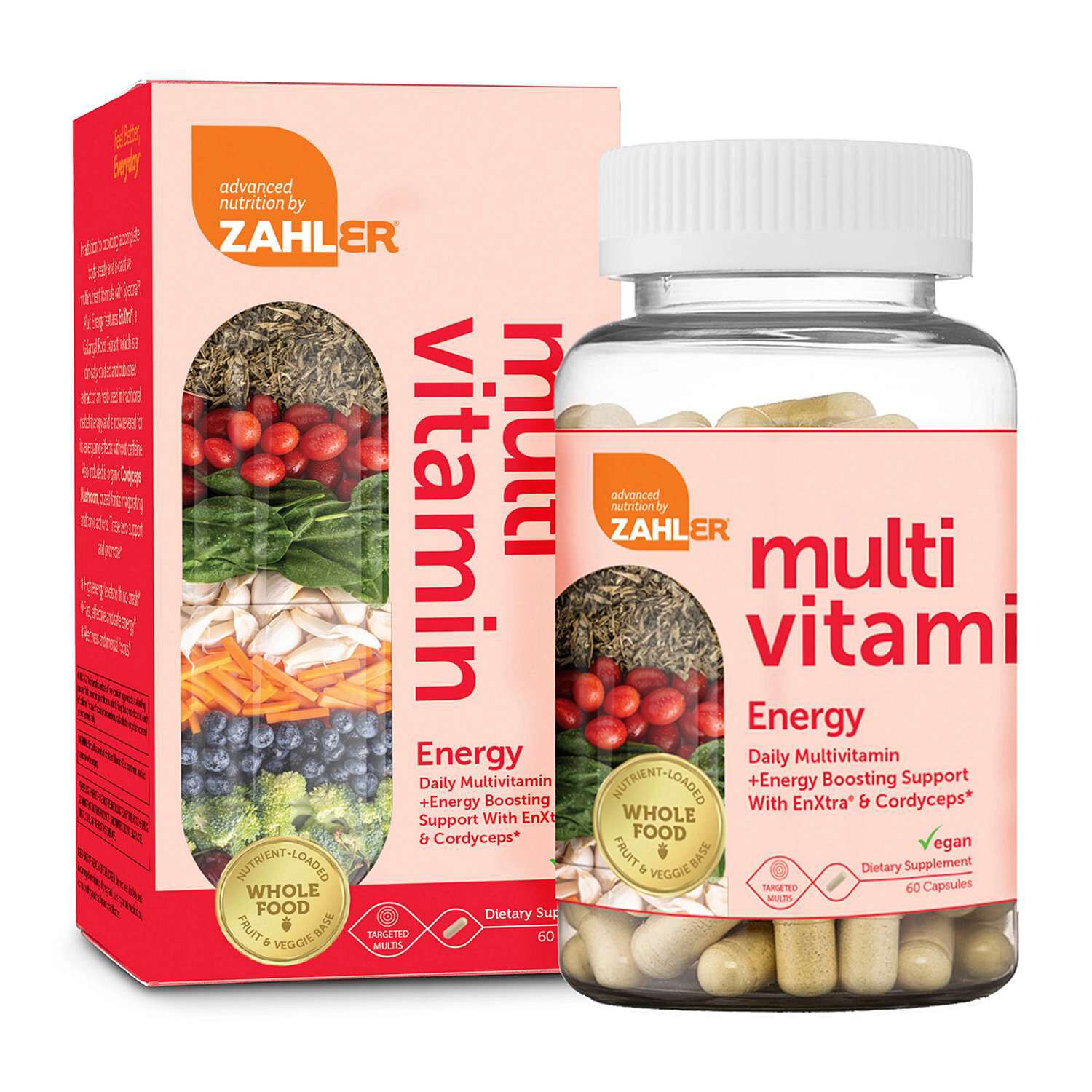
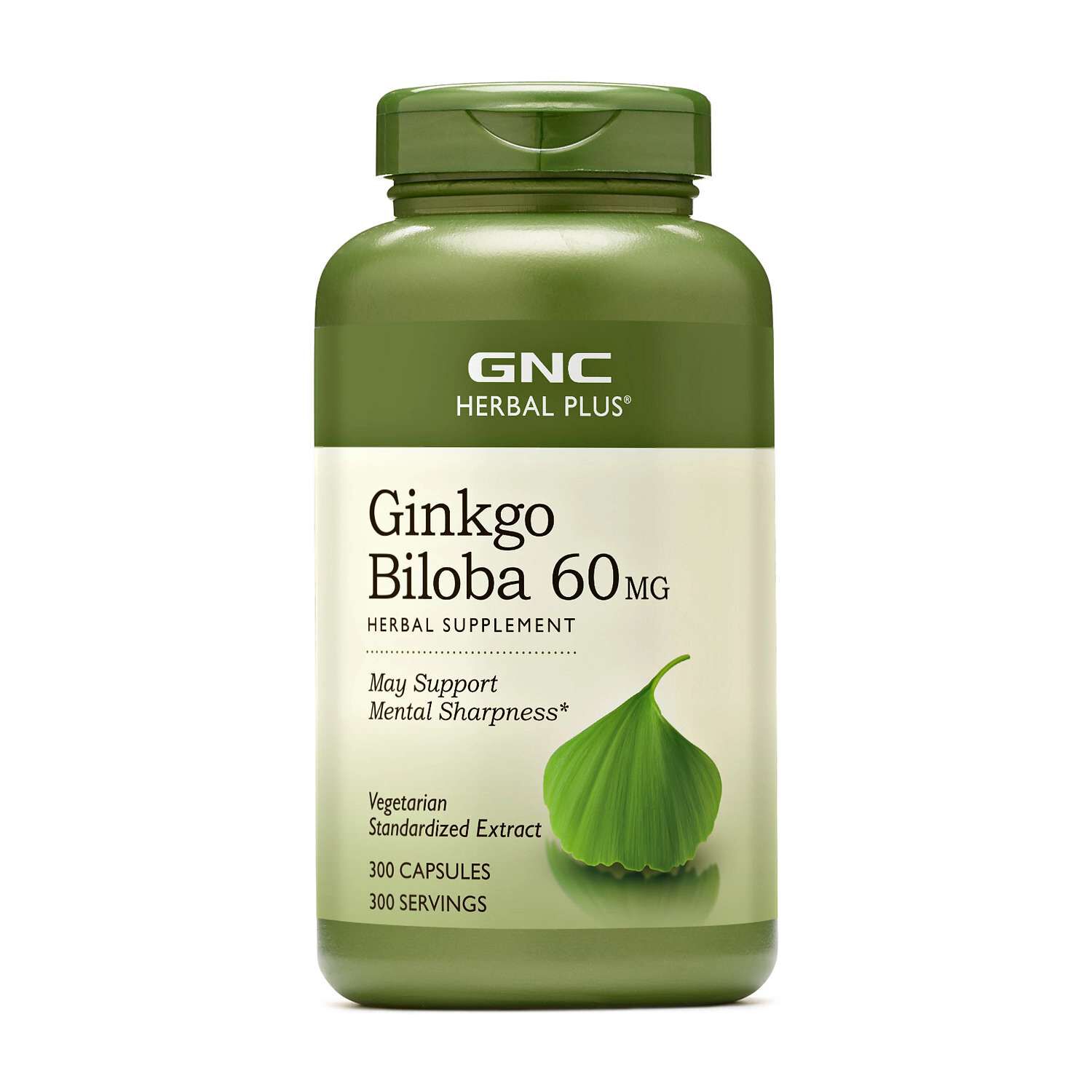
Herbal anti-fatigue capsules are botanical dietary supplements intended for adults exploring options for everyday energy support. The name describes a broad shopping category rather than one fixed formula: ingredients, serving sizes, caffeine content, and capsule materials can differ considerably. Some formulas feature a single herb, while others combine several botanicals or include vitamins and minerals. Familiar ingredients in this category include rhodiola, Panax ginseng, eleuthero, green tea, and guarana, although the presence of any ingredient depends on the individual label. Rhodiola and certain other herbs are often described as adaptogens, a term used for a group of botanicals rather than a uniform ingredient or preparation. Green tea and guarana can contribute caffeine, so an herbal formula is not necessarily a formula without caffeine. Depending on their ingredients, some capsules may support everyday energy or alertness, but the category name alone does not establish what a particular formula might offer. For someone balancing a morning commute, an afternoon of meetings, and household responsibilities, the practical appeal may be a measured serving in a compact format. Capsules do not require mixing powder into a beverage, and there is no flavored drink to fit around a preferred breakfast or lunch. That convenience is separate from the purpose of the ingredients inside. A botanical capsule also differs from an energy drink, a powdered drink mix, or a multivitamin, even when their ingredient lists overlap. The most useful context comes from the actual formula, not simply words associated with energy on the front of a bottle. Adults comparing these supplements may have different preferences: a short botanical ingredient list, a formula without caffeine, or a capsule shell made from plant-derived materials. Those preferences help distinguish the options without assuming that every herbal supplement has the same intended use. Rest, regular meals, and hydration remain part of an everyday routine; a capsule is a separate dietary choice, not a substitute for those habits.
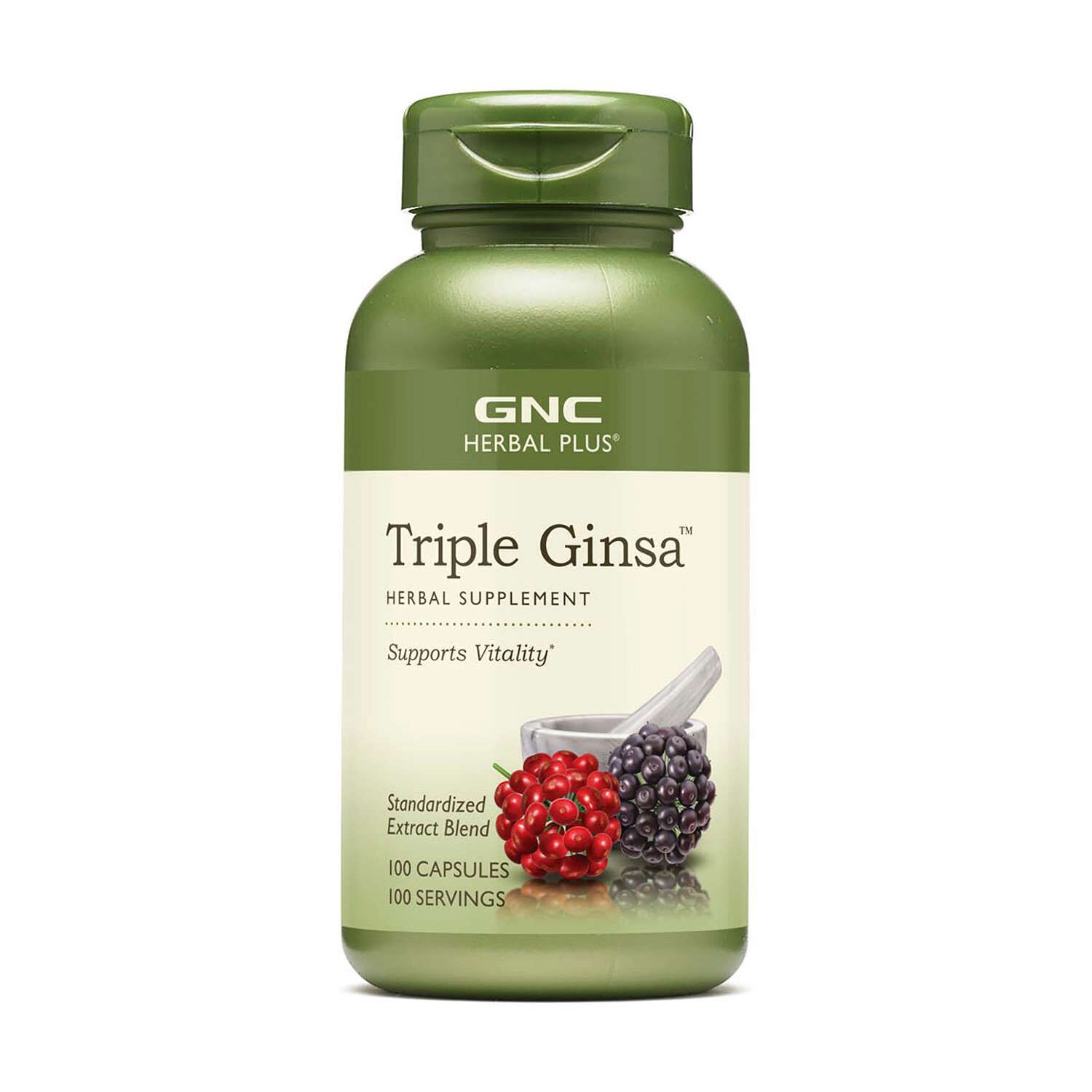
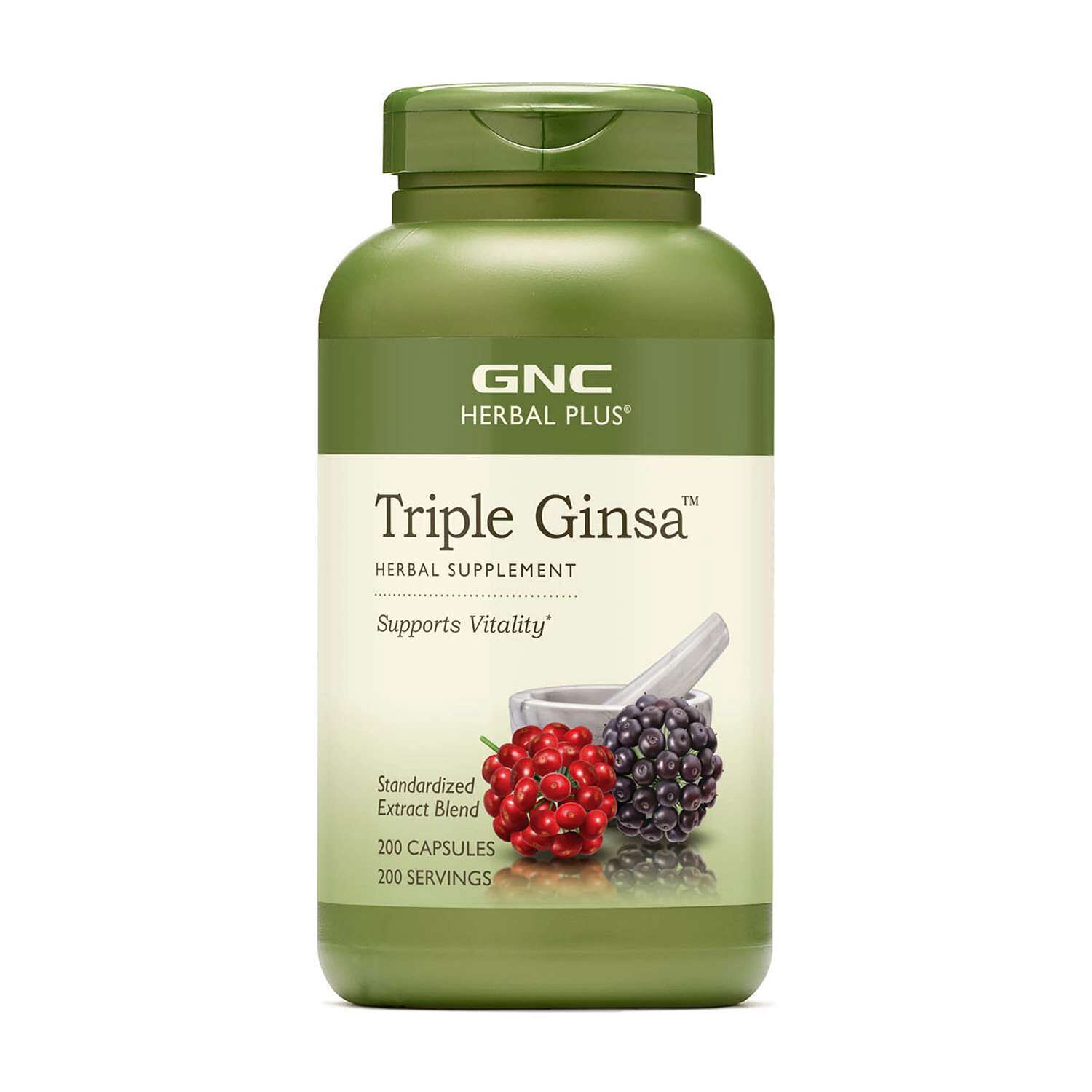
Ingredient details provide a clearer picture of herbal anti-fatigue capsules than the number of botanicals listed on the package. An herb may appear as ground plant material, an extract, or a combination of preparations, and those descriptions are not interchangeable. The plant part matters as well: a root, leaf, seed, or fruit identifies a different starting material. When an extract is standardized, the label may identify a measured constituent, giving shoppers another point of comparison between formulas. An extract ratio describes a different aspect of the preparation and should not be read as the serving amount itself. Likewise, a larger milligram number does not, by itself, establish that one botanical preparation is a better match than another. The amount per serving deserves attention alongside the number of capsules in that serving, since a bottle count and a serving count describe different things. Blends can add another distinction: some labels list separate amounts for individual ingredients, while others provide an amount for a named blend. For formulas with caffeine, the declared caffeine amount and its sources are useful details, especially for adults whose routines already include coffee, tea, or other caffeinated beverages. A formula described as having no added caffeine can still contain a botanical that naturally supplies it, making the full label more informative than a brief front-panel description. Capsule construction is another practical consideration. Gelatin shells and plant-derived shells, such as those made with cellulose or pullulan, offer different options for dietary preferences. Botanical ingredients inside a capsule do not automatically mean that the shell is plant-derived. Other ingredients may serve manufacturing purposes, such as helping a powder flow consistently during filling. Capsule dimensions, the number taken per labeled serving, and any stated dietary attributes can all influence how comfortably a format fits an established routine. These are useful distinctions for shoppers who prefer capsules but want more detail than a familiar herb name alone can provide.
Everyday use also involves the less noticeable details of packaging, storage, and consistency. A bottle that fits neatly in a kitchen cabinet may be convenient for someone who keeps supplements alongside breakfast supplies, while a carefully packed original container may suit an adult who regularly moves between home and an office. The original label keeps the serving directions, ingredient list, cautions, lot information, and date markings together rather than separating the capsules from their identifying details. Storage directions vary, and the package instructions are the appropriate reference for protecting the contents from conditions the manufacturer advises against. A tightly closed container, dry handling, and attention to the printed storage instructions are practical considerations for preserving the capsules’ physical condition. A product’s date markings also matter when deciding whether a larger bottle fits the intended pace of use. The most convenient format is not necessarily the largest container; it is one whose capsule count, serving size, and packaging make sense for the shopper’s routine. For adults comparing adjacent options, herbal energy capsules provide a related category to explore, with the same attention to botanical identity, caffeine information, and capsule materials. Preferences can be quite specific: one shopper may value a single-herb formula with individually listed amounts, while another may prefer a botanical blend and a plant-derived shell. Neither preference establishes a universal choice. Label directions and cautions remain part of the product information, particularly when comparing formulas with different ingredients or serving instructions. A supplement selected for a familiar daily routine deserves the same scrutiny as one considered for occasional use. Clear labeling, understandable ingredient descriptions, suitable packaging, and a manageable capsule format give shoppers concrete points of comparison. Together, those details make the category easier to navigate without treating every botanical blend as interchangeable or assuming that an energy-focused name tells the whole story.
Best Sellers
-
GNC Herbal Plus
-
GNC Herbal Plus
Related Pages

Top Collections
- Zinc Supplements | Top Brands at Great Prices | GNC
- Cortisol Supplements
- Joint Mobility Supplement Packs
- NAD+ Supplement Tablets
- Best Brand of Magnesium Glycinate
- Top Rated Collagen | Shop Customer Favorites | GNC
- Iron Supplements
- Peptide Supplements
- Protein Powders For Muscle Growth Support
- Vitamins That Help Support Weight Gain