Burnout Support Supplements
(0 Results)
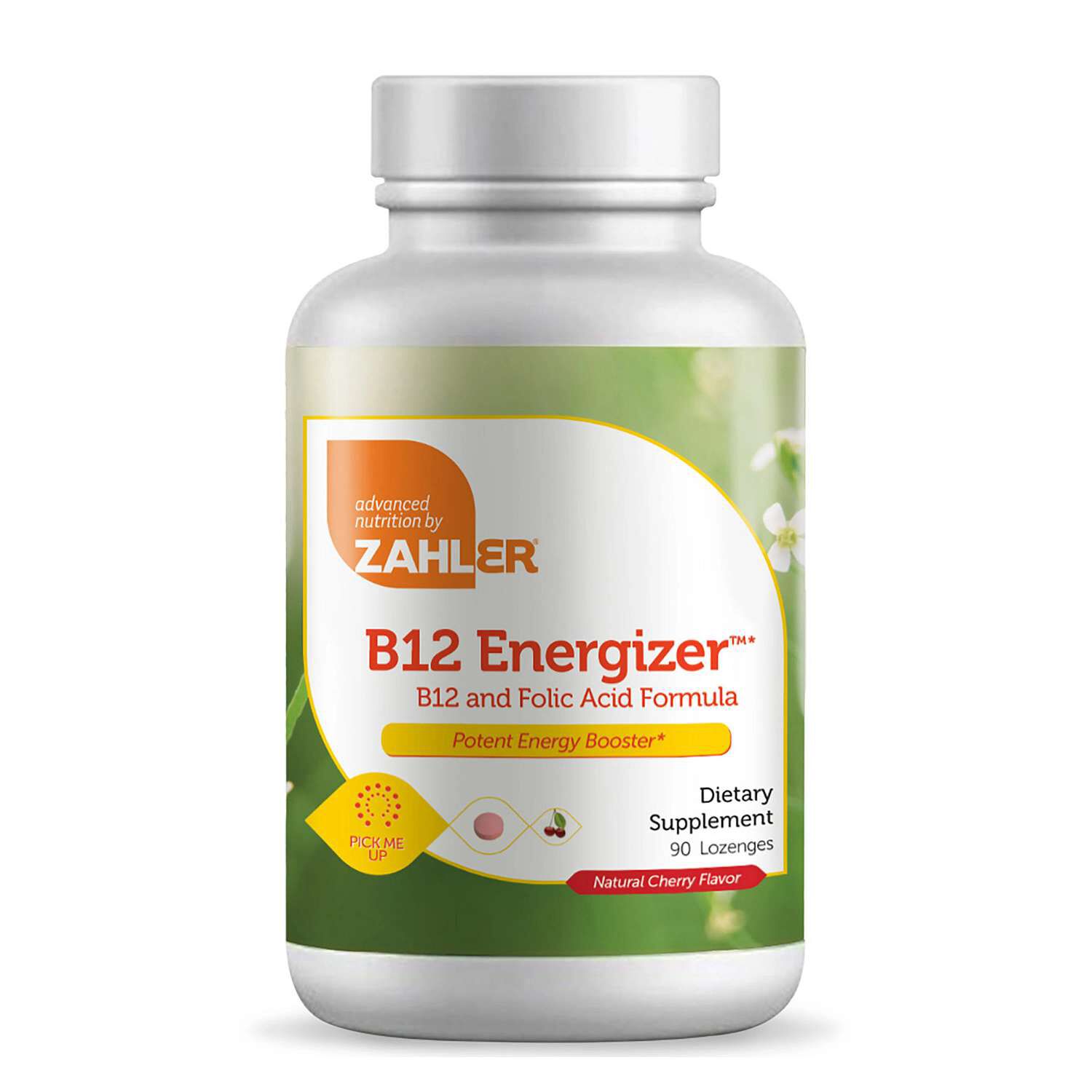
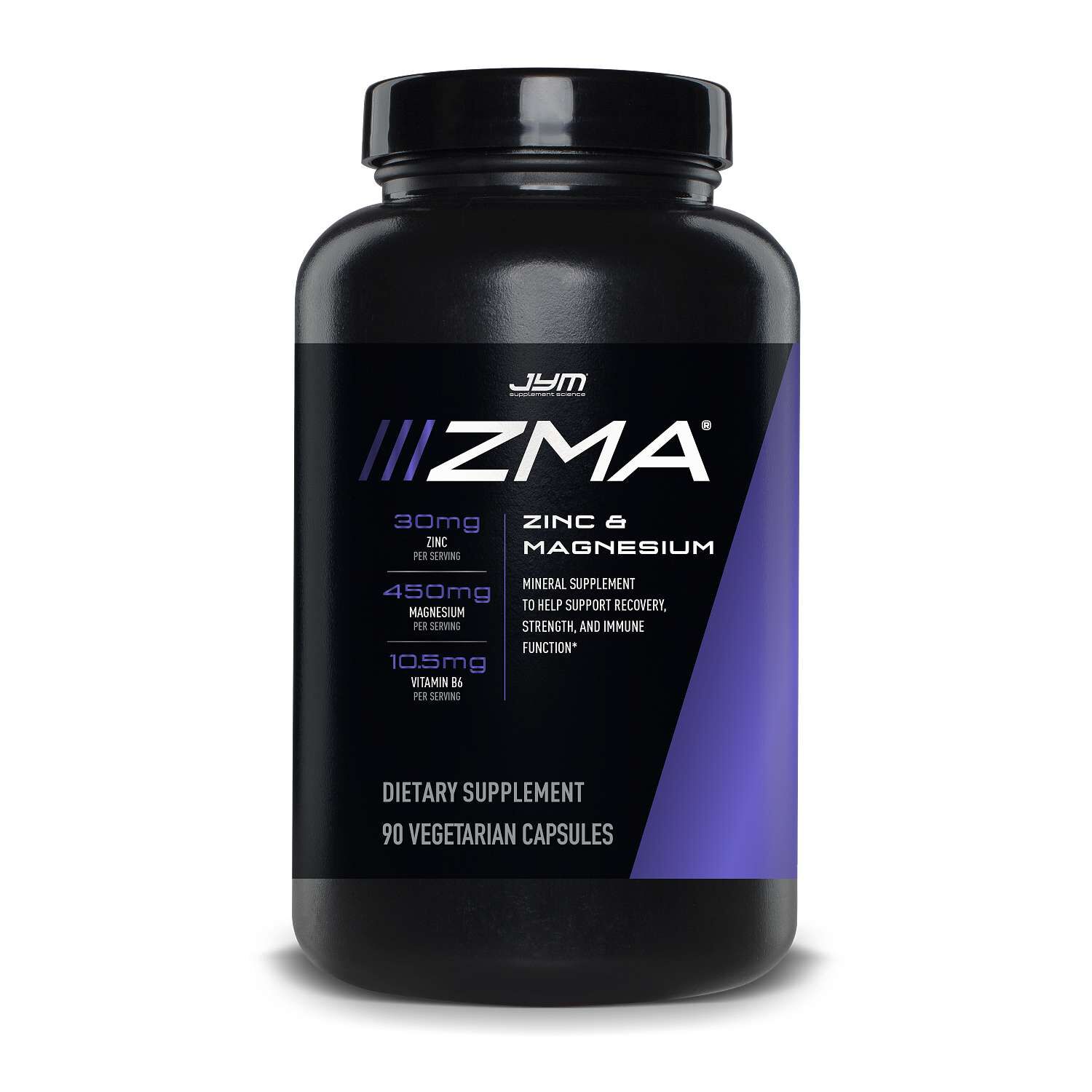
Feeling drained and fatigued from a hectic lifestyle? Our Burnout Supplements are designed to provide you with a natural energy boost and support your body's stress response. Packed with essential vitamins, minerals, and adaptogenic herbs, these supplements are formulated to help you combat exhaustion and reclaim your vitality. Whether you're juggling work, family, or fitness goals, our Burnout Supplements can be a valuable addition to your daily routine to help you feel more energized and focused throughout your day.
-

-

-
-
-

-

-
 Basic Supplements$29.99
 -

-

-
-
-

-

-
-

-

-
-
-

-
-

-
 $34.99
 -
 Basic Supplements$29.99
 -
 Sprayology$38.99
Burnout support supplements bring together vitamins, minerals, amino acids, and botanical ingredients for adults looking to make everyday wellness part of a demanding schedule. The category often overlaps with supplements for relaxation, focus, energy metabolism, and nighttime routines, but those purposes are not interchangeable. A person moving between meetings and family responsibilities may be looking for a different format and ingredient profile than someone balancing coursework with a part-time job. Shopping this category starts with understanding what a formula contains rather than treating burnout as a single nutritional need. Common ingredients include magnesium, B-complex vitamins, ashwagandha, rhodiola rosea, L-theanine, and coenzyme Q10, also called CoQ10. Magnesium may support normal muscle and nerve function, while B vitamins may support the body’s normal process of converting food into usable energy. L-theanine may support relaxation, and botanical ingredients such as ashwagandha and rhodiola appear in formulas intended for everyday stress support. CoQ10 may support normal cellular energy production; that role is different from the immediate sensation associated with a caffeinated drink. None of these descriptions means a supplement can resolve an overloaded calendar or replace time for meals, rest, and personal connection. Burnout support is most useful as a shopping theme that brings related nutritional options into view, not as a uniform outcome attached to every bottle. Someone seeking a quieter transition after work might prioritize a relaxation-oriented formula, while someone interested in nutritional coverage might compare vitamin and mineral options. The distinction matters because a product positioned for daytime use can have a very different composition from one designed around bedtime. Clear labeling, recognizable ingredient names, and an understandable serving size offer a more concrete basis for comparison than broad language about feeling refreshed. The best fit for a daily routine involves both the intended use of the supplement and the practical details of taking and storing it.
Ingredient forms and serving information add useful detail when comparing burnout support supplements. Magnesium glycinate and magnesium malate are different forms of the same mineral, and the Supplement Facts panel identifies the amount of magnesium supplied per serving. The compound name alone does not describe the entire formula. B-complex supplements combine several B vitamins, often including B5, B6, and B12, while other formulas feature an individual vitamin alongside minerals or botanical ingredients. Comparing the amount of each nutrient with its listed Daily Value helps distinguish a broad nutritional formula from one centered on selected ingredients. With botanicals, the plant name, plant part, and preparation provide important context. Ashwagandha root powder and a labeled root extract, for example, are different preparations, so the number of milligrams is not the only detail worth comparing. Rhodiola rosea labels may also describe the plant part and extract composition. When an extract is standardized, the label identifies a measured amount or proportion of a particular constituent; that information describes the ingredient rather than predicting an individual experience. L-theanine is an amino acid found in tea, but a supplement containing it is not necessarily the same as drinking tea, and its label should distinguish it from added caffeine. CoQ10 formulas may identify ubiquinone or ubiquinol, making the ingredient form another point of comparison. Single-ingredient options offer a straightforward ingredient panel, while blends bring several components into one serving. Neither approach establishes a universal match for every shopper. A blend also deserves a closer look when a daily routine already includes a multivitamin, an energy-oriented supplement, or a nighttime formula, since ingredient lists can overlap. For shoppers comparing this category with options centered on attention and mental performance, Brain and Cognitive Health Support Supplements provides a related shopping category with a different emphasis. The useful connection is the intended purpose of the formulas, not an assumption that every relaxation, energy, or focus supplement does the same thing.
Format can be just as important as ingredient selection when a supplement needs to fit into an ordinary day. Capsules and tablets offer measured servings without mixing, although one serving may require more than one capsule or tablet. Powders involve preparation and may suit someone who already keeps a cup and spoon near a breakfast station. Their flavor, texture, mixing directions, and serving utensil all shape the experience. Gummies offer a chewable format, with sweeteners, added sugars, and serving count providing additional points of comparison. Liquids have their own measuring directions and storage requirements, so bottle design and the included measuring tool deserve attention. A compact container may fit neatly into a work bag, but storage directions still matter when a daily commute includes several stops. Packaging materials, a secure closure, a readable label, and an intact seal are more relevant to supplement care than the durability considerations used for clothing or equipment. Following the labeled storage conditions and keeping the original packaging can preserve access to serving information, ingredient details, and the expiration date. Some formulas have additional instructions after opening. The other ingredients section is also worth reviewing: capsule shells may contain gelatin or plant-derived materials, and powders or chewable formats may include flavors, colors, or sweeteners. Clearly stated dietary attributes and allergen information are more useful than assumptions based on the front of the package. For a shared household, distinct packaging and a designated storage spot can make each person’s routine easier to organize, while storage should remain out of children’s reach. These products are personal purchases, and choosing a supplement as a gift makes the most sense when the recipient has already expressed a preference for that type of formula. A familiar format and an explicitly requested ingredient profile are more considerate than selecting a supplement based on how busy someone appears. Across burnout support supplements, thoughtful comparison comes down to a few tangible details: what is inside, how much constitutes a serving, what the formula is intended for, and whether its preparation and storage requirements suit everyday life. Those details keep the shopping experience grounded in the product rather than an expectation of an overnight change.