Supplements For Balance
(0 Results)
Achieving balance in life is essential for overall well-being, and incorporating supplements into your daily routine can help support a harmonious equilibrium. Whether you're seeking to enhance mental clarity, promote emotional stability, or boost physical vitality, our selection of supplements for balance offers a variety of options to meet your unique needs. From adaptogens that help combat stress to probiotics that support gut health, these carefully curated products are designed to assist you in feeling your best from within. Explore our range of quality supplements and take a step towards achieving greater balance in all aspects of your life.
-
-

-

-

-
-

-
 BioXgenic$35.99
 -
 BetterAlt$39.99
 -
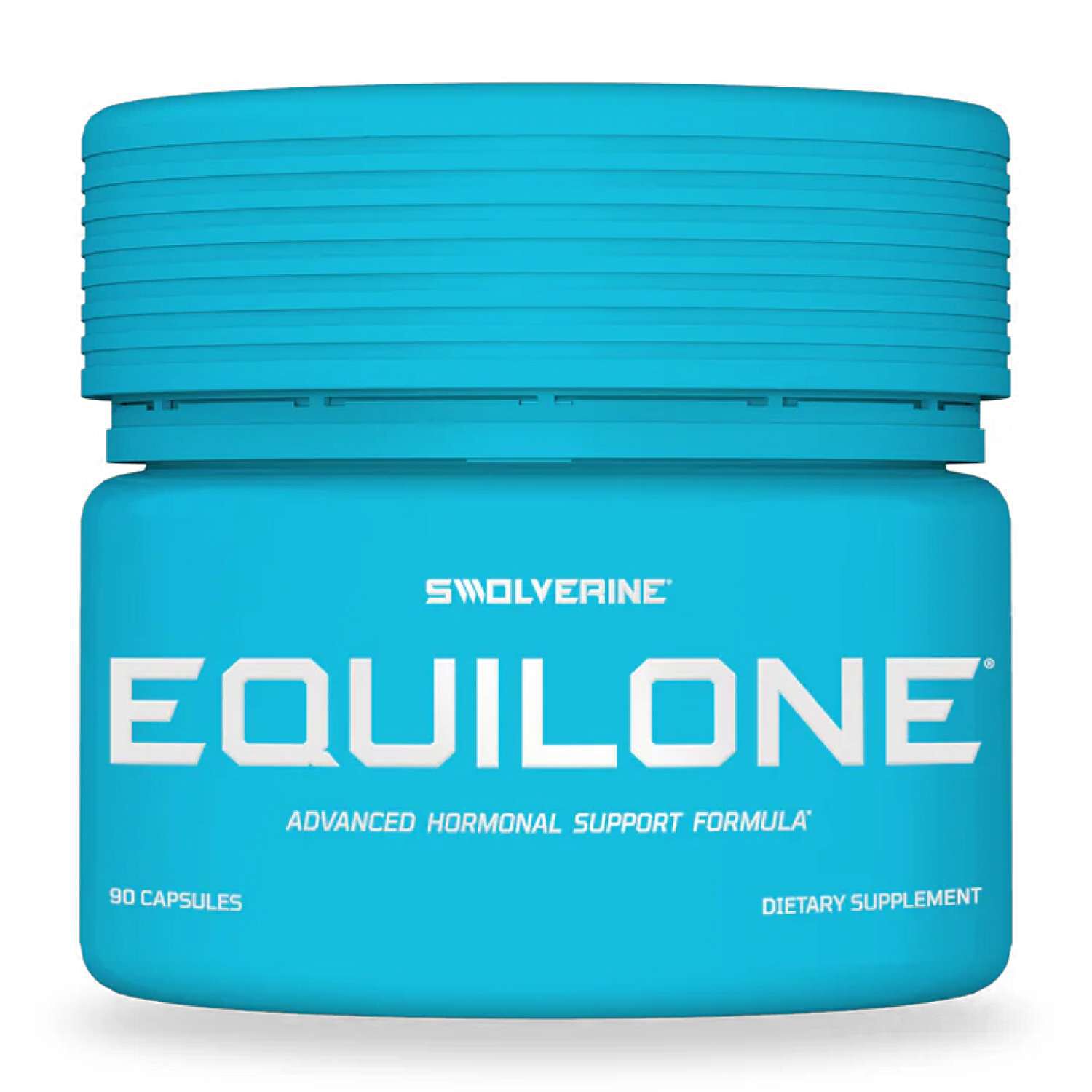 Swolverine$64.99
 -
-

-

-

-

-
-

-

-

-

-

-

-
 1$14.99

Supplements for balance bring together a broad interest in nutrition with the practical details of an everyday routine. Balance can mean making room for varied foods, movement, rest, and personal time, with supplements serving as one part of that larger picture. The phrase describes a shopping theme rather than one standardized formula, so the ingredient list matters more than the name on the front of a bottle. Vitamins, minerals, and botanical ingredients represent different categories, each with its own serving information and intended use. Vitamin D, magnesium, and vitamin B12 are examples of nutrients shoppers may encounter when exploring this theme, but they are distinct ingredients rather than interchangeable choices. A formula centered on one nutrient differs from a blend containing several ingredients, even when both appear in a similar shopping category. Some shoppers prefer a short ingredient list that is easy to review; others look for a combination that matches their established preferences. Neither approach makes the number of ingredients a reliable measure of suitability. The amount per serving, the serving size, and the other ingredients provide a more useful picture of what is inside. For example, a bottle containing sixty capsules does not necessarily contain sixty servings, and two formulas featuring the same nutrient can list different amounts per serving. The Supplement Facts panel separates those details from the broader language used to describe a formula. Units also matter: milligrams and micrograms are different measurements, so matching the number alone can miss an important distinction. Reading the serving information alongside the ingredient list makes comparisons more meaningful. For shoppers who value a considered approach to everyday nutrition, this collection theme offers a starting point for examining those differences without treating every formula as if it has the same purpose. The most relevant details are the ones that connect a formula’s labeled use with the shopper’s existing routine, format preferences, and expectations.
Format is another important part of choosing supplements for balance, especially when a purchase needs to fit into a familiar morning or evening. Capsules and tablets offer measured portions without mixing, although the number required for a labeled serving varies. Powders involve a different experience: opening a container, measuring the stated portion, and preparing it according to the package directions. Liquids have their own measuring instructions, while chewable formats bring flavor and texture into the decision. A shopper who enjoys a leisurely breakfast may not mind a mixing step, while someone packing a work bag before sunrise may prefer less preparation. These are differences in convenience and personal preference, not evidence that one format is inherently better. Physical size, flavor, texture, and packaging all influence how a supplement fits into daily life. With flavored formats, a fruit description on the label offers only part of the picture; sweeteners, acids, and other ingredients help explain the formulation. Capsule shells can also vary in composition, making the other-ingredients section relevant for shoppers with dietary preferences. Gelatin and plant-derived capsule materials are examples of details that may matter beyond the featured nutrient. Allergen statements and any stated dietary attributes deserve the same attention as serving amounts. Packaging has a practical role as well. A wide jar requires different storage space than a narrow bottle, and a powder container may call for a clean, dry measuring utensil. Individually portioned packaging can simplify packing, while a larger container may fit more naturally on a designated shelf at home. Labeling remains important whichever format is chosen, particularly when containers look similar. Clear serving directions, readable ingredient information, and an identifiable date marking are useful details to examine. For any supplement format, suitability involves more than the ingredient highlighted on the front: it also includes the everyday experience of opening, measuring, storing, and using it as labeled.
An established routine gives these details a real setting. Picture a breakfast table with a glass of water, a work bag waiting by the door, and only a few minutes before the day begins. A supplement that requires several preparation steps creates a different experience from a measured capsule serving. At the other end of the day, a crowded kitchen counter or a shared pantry can make organized storage just as relevant as format. Package directions provide the reference for storage conditions, including any instructions about temperature, moisture, or refrigeration. A dry cabinet away from steam and direct sunlight offers a different environment from a windowsill or a shelf beside the stove, so the location matters when following those directions. Keeping the original packaging also preserves access to the ingredient list, serving instructions, and date information. Containers intended for travel need similar consideration: a securely closed package and readable labeling are practical features when packing for a commute or an overnight stay. During the cooler months, when work schedules, indoor activities, and household routines can shift, those small logistical details remain relevant. Supplements are personal purchases, and preferences often extend beyond a broad interest in balance. Someone may be comparing a single-nutrient formula with a blend, looking for a particular capsule material, or choosing between flavored and unflavored formats. Shoppers exploring a related men’s nutrition category can also browse Balanced Male Supplements, keeping the same attention on ingredients, serving information, and intended use. If supplements are being considered as a gift, the recipient’s expressed preferences matter more than assumptions based on age, activity, or lifestyle. A familiar format and a clearly requested category offer a more personal basis for the choice. Across these situations, the value of browsing supplements for balance lies in comparing tangible details: what a formula contains, how it is portioned, what preparation it involves, and where it fits within an existing daily rhythm.