

Iron Supplements For Women Over 40
(0 Results)
Iron supplements for women over 40 are designed to support overall wellness as nutritional needs may change with age. With a variety of options available, finding the right supplement could help maintain your daily routine and complement a balanced diet. Explore iron supplements for women over 40 to discover formulas that may fit your lifestyle and support your health goals.

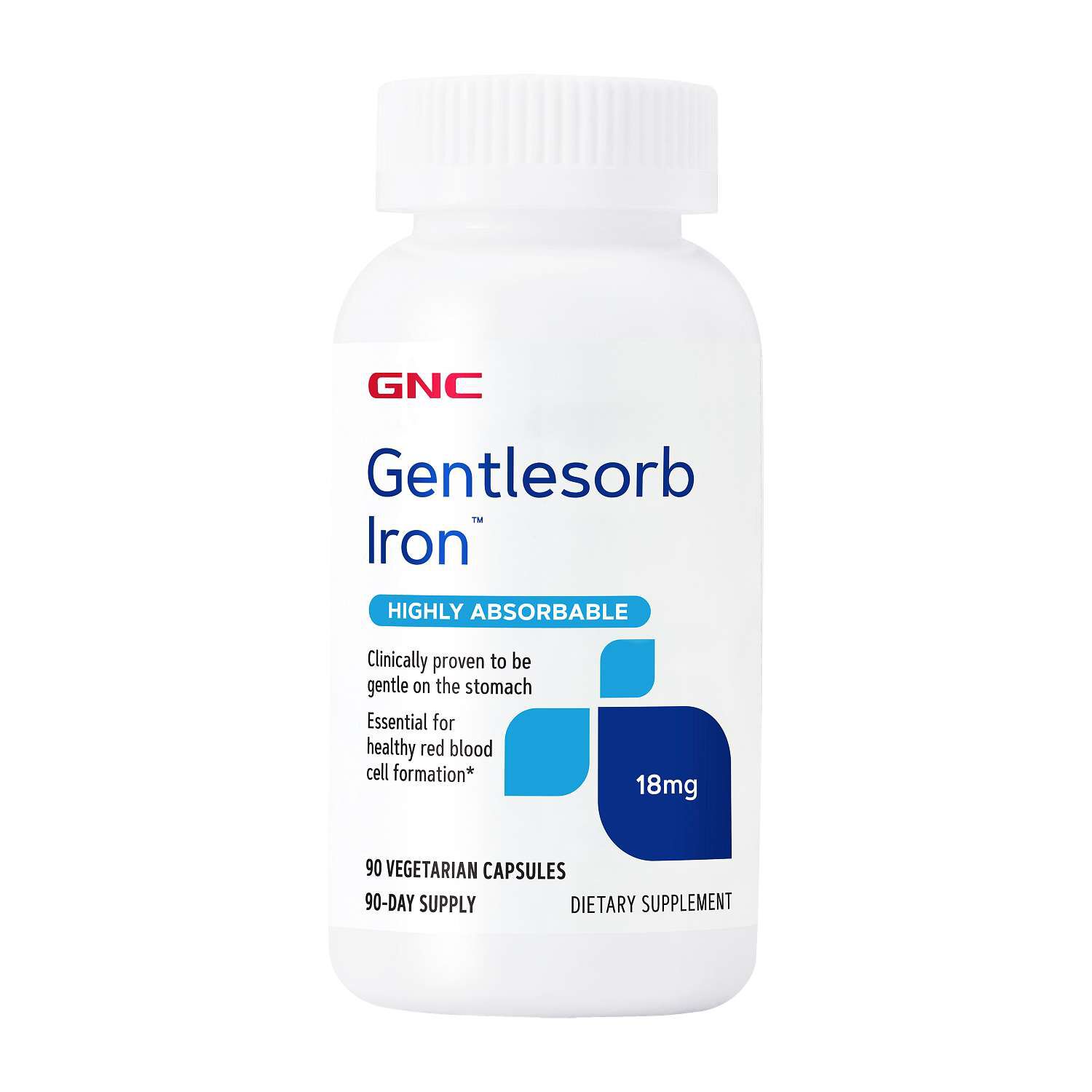

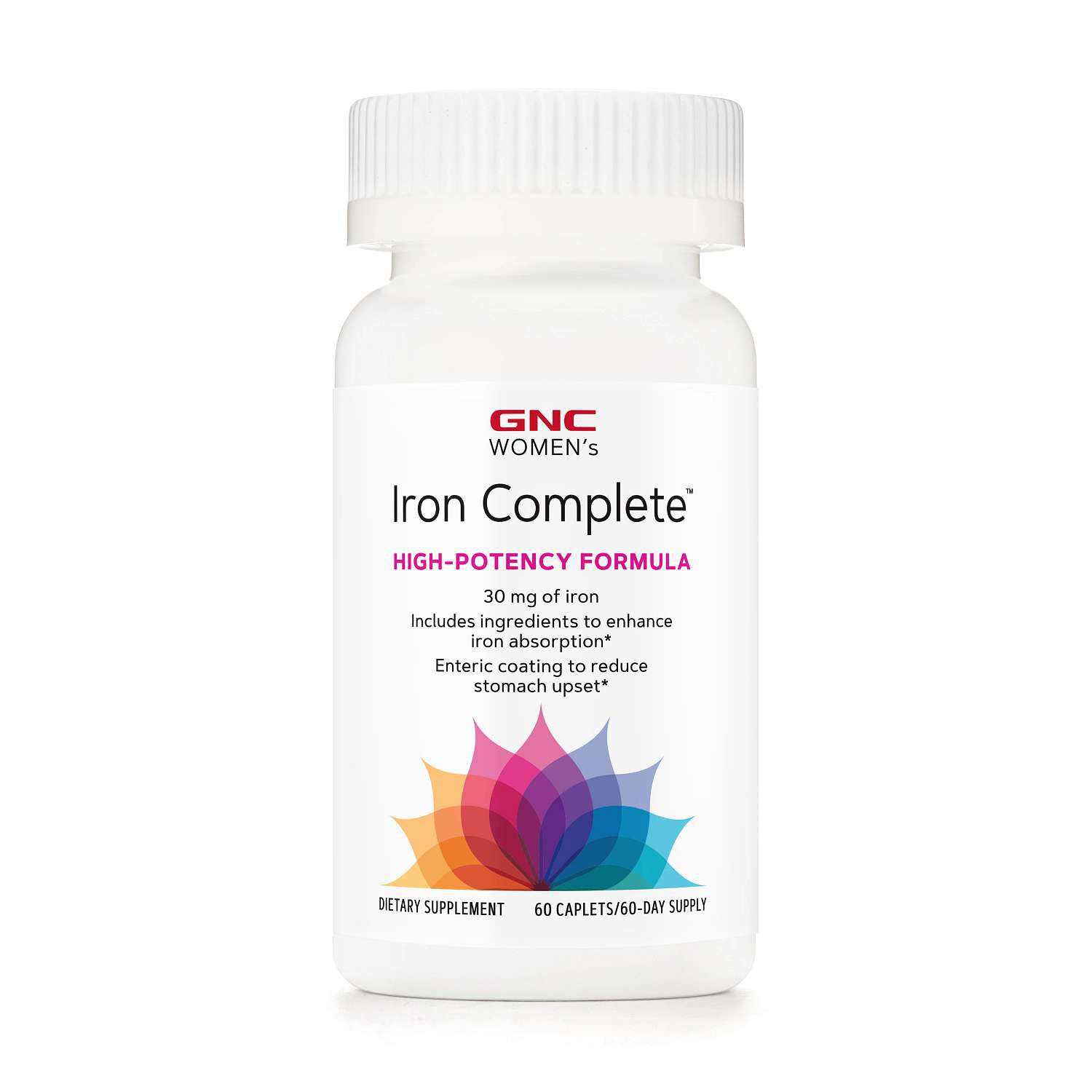
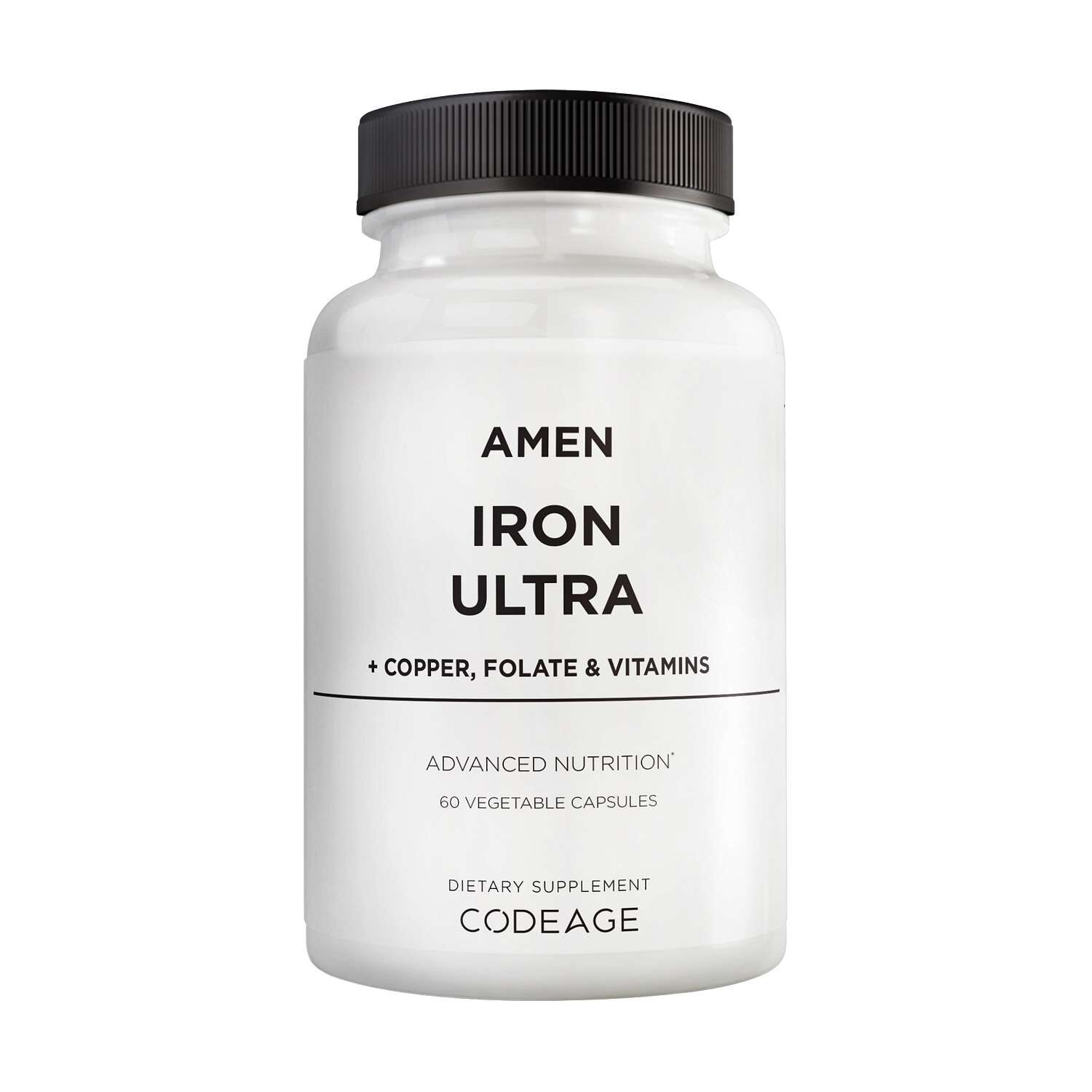
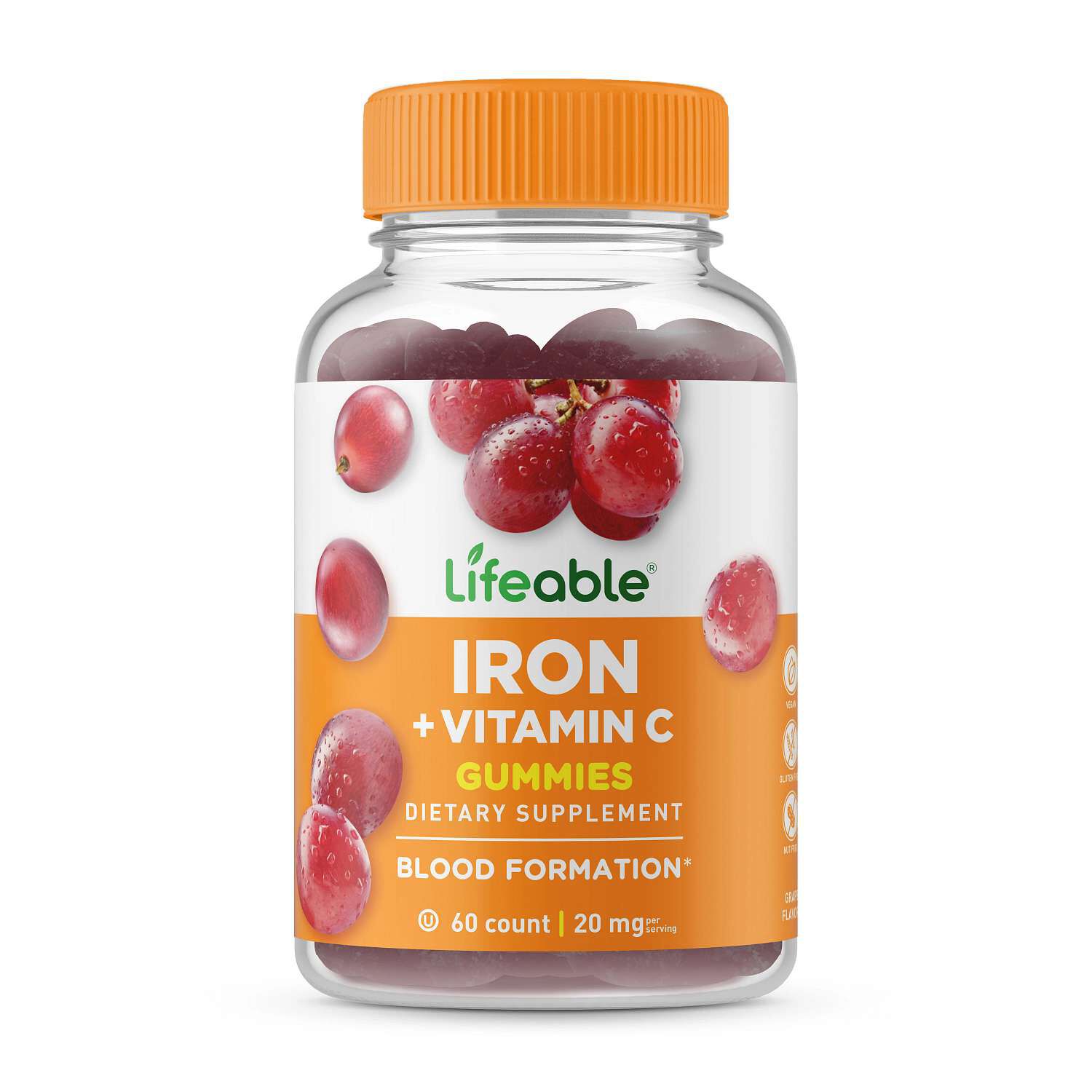

Iron Supplements for Women Over 40 may appeal to shoppers looking for a convenient way to add iron to a thoughtfully planned wellness routine. The right choice can depend on age, dietary pattern, menstrual status, personal history, and guidance from a qualified healthcare professional. Women in their 40s who still menstruate generally have a different daily iron reference amount than women who are postmenopausal. In the United States, the reference amount for premenopausal women is commonly listed as 18 mg per day, while the reference amount for women age 51 and older is commonly listed as 8 mg per day. These figures are general nutrition references rather than a personal target, and a supplement label may provide a different amount based on the form of iron used. Before adding an iron product, shoppers may wish to discuss their needs with a healthcare professional and ask whether blood work, such as a complete blood count and serum ferritin test, could help inform the decision. This conversation may be particularly useful when a person has ongoing menstrual blood loss, follows a vegetarian or vegan eating pattern, has a history of low iron, or has a digestive condition that could affect nutrient absorption. Postmenopausal women may have different considerations because menstrual blood loss is no longer part of the picture, making personal guidance especially helpful. An iron supplement may be a practical addition for someone whose dietary intake does not consistently provide enough iron, but more is not necessarily better. Compare the serving size, amount per serving, form of iron, additional nutrients, and suggested use on each label. Some shoppers prefer a compact capsule, while others may choose a tablet or a liquid format that fits more naturally into a morning or evening routine. For a thoughtful gift, an iron supplement may suit a friend or family member who has already mentioned adding iron to her routine, though personal health choices are best made by the recipient with professional input rather than selected as a surprise. A small wellness basket with nourishing pantry items, a reusable water bottle, and a note encouraging her to review the label with her healthcare professional could feel considerate without assuming what she needs.
Different forms of iron may offer different amounts of elemental iron and may feel different from one person to another. Ferrous sulfate is a familiar, widely available form that may suit shoppers comparing straightforward formulas and price points. Ferrous gluconate provides another commonly used option and may appeal to those looking for a lower amount of elemental iron per serving. Iron bisglycinate is a chelated form that may be preferred by shoppers seeking an option that could be gentler for their routine. Individual tolerance varies, so label details and professional guidance matter more than the form name alone. Timing may also deserve attention. Iron may not pair well with calcium supplements when taken at the same time, and it may interfere with the absorption of certain thyroid treatments, blood pressure treatments, or treatments used for Parkinson’s disease. A pharmacist or healthcare professional may help create a schedule that separates these products when appropriate. Vitamin C from foods such as oranges, strawberries, tomatoes, or bell peppers may support the body’s use of nonheme iron found in plant foods, so some shoppers choose to take an iron product alongside a meal that includes these foods, provided the label and professional guidance allow it. Tea, coffee, and high-calcium foods may also be worth discussing when planning timing, since dietary habits can influence how the body uses nutrients. Keep products stored according to the package directions and choose a serving routine that is easy to remember, such as pairing it with a regular breakfast or an evening skincare ritual. Those comparing women’s formulas with broader iron selections may also browse Iron Supplement For Men for additional product context. During warmer days and cooler months alike, a consistent routine can make label-based wellness habits feel less like another task and more like a familiar part of the day.