





Iron Supplement For Men
(0 Results)
Iron is an essential mineral that plays a crucial role in maintaining overall health and well-being, especially for men who may have higher iron needs due to factors such as intense physical activity or blood loss. An iron supplement designed specifically for men can help support energy levels, promote healthy red blood cell production, and aid in muscle function. Whether you're looking to boost your iron intake to combat fatigue or support your active lifestyle, incorporating an iron supplement into your daily routine can make a significant difference in your overall health. Explore our selection of iron supplements tailored to meet men's unique nutritional needs.


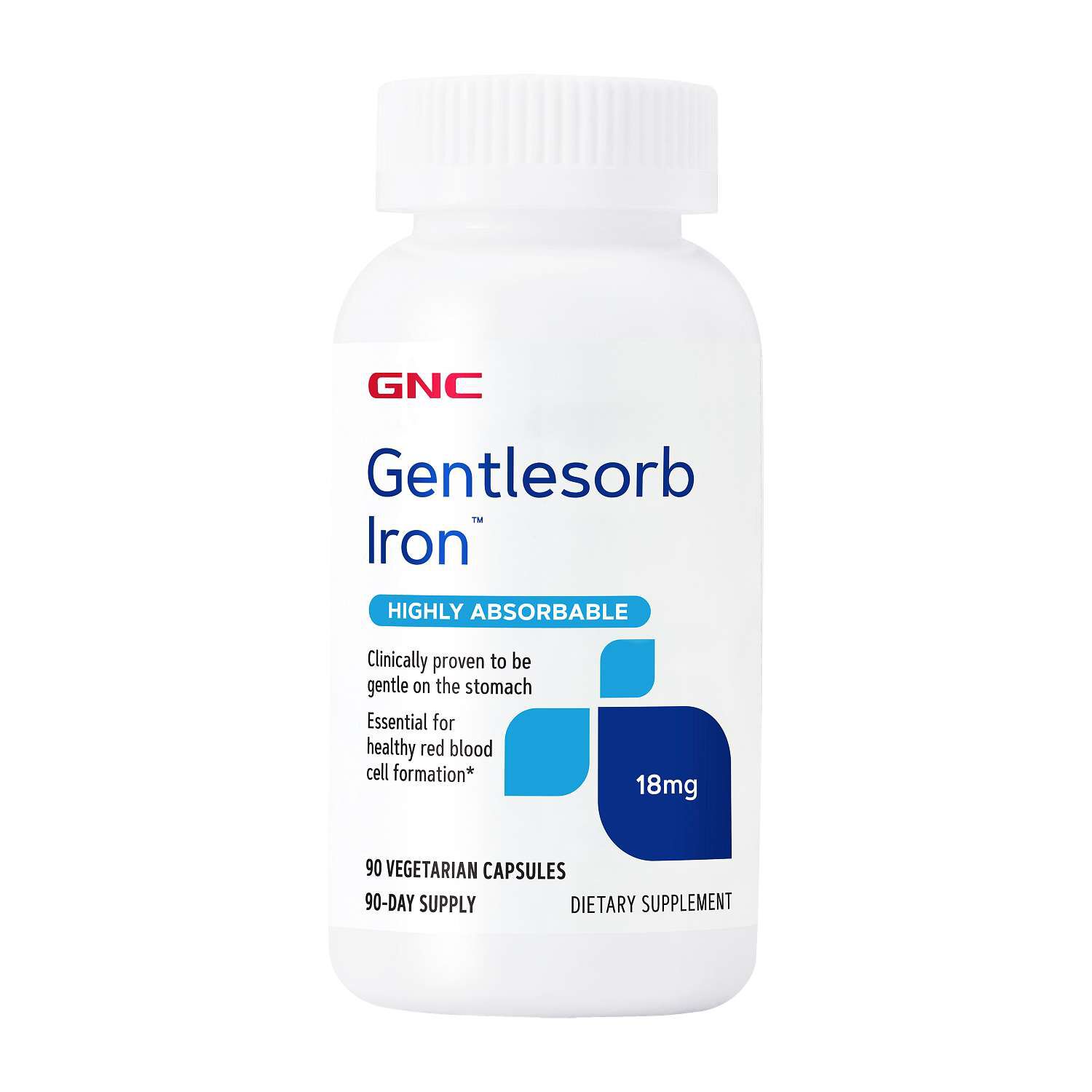

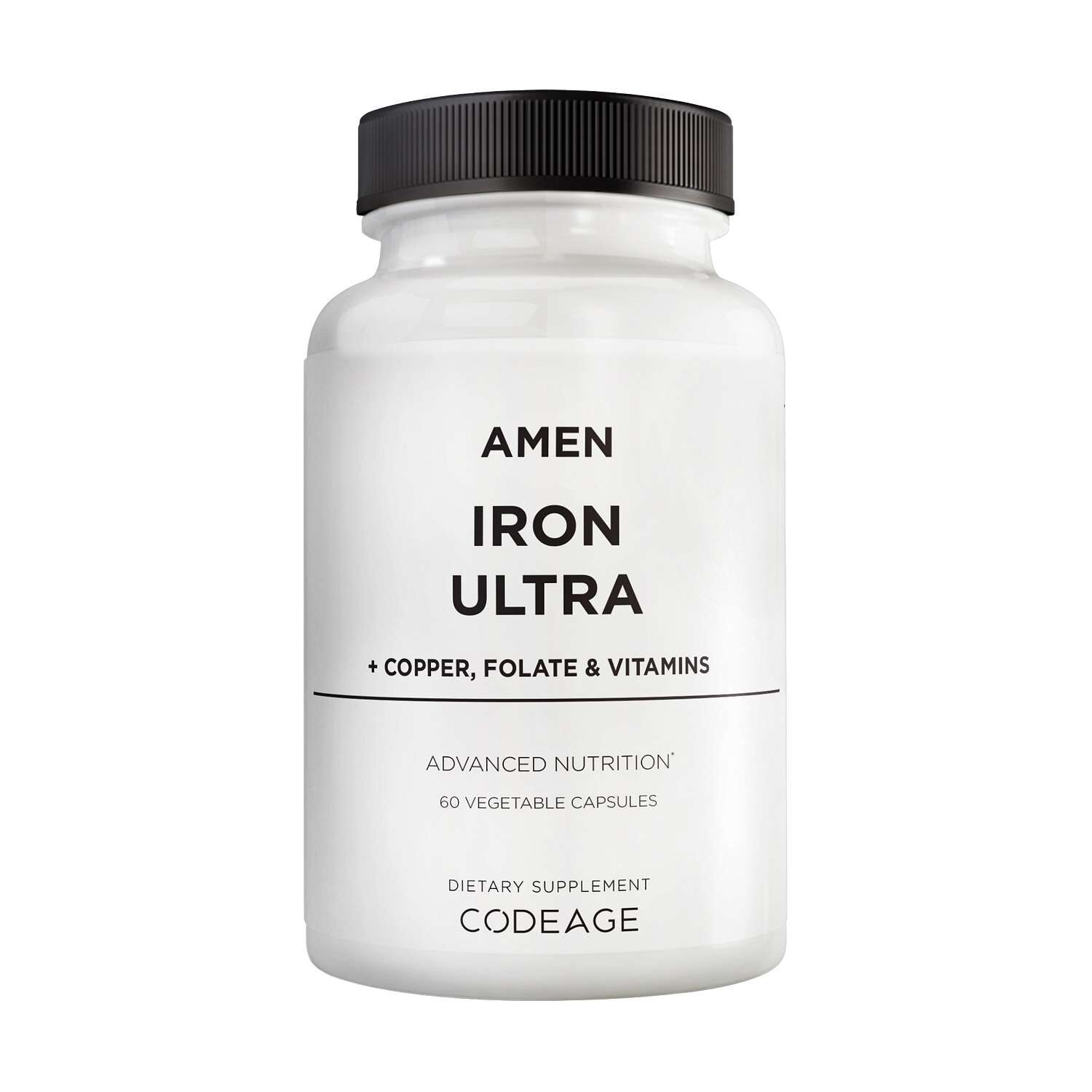
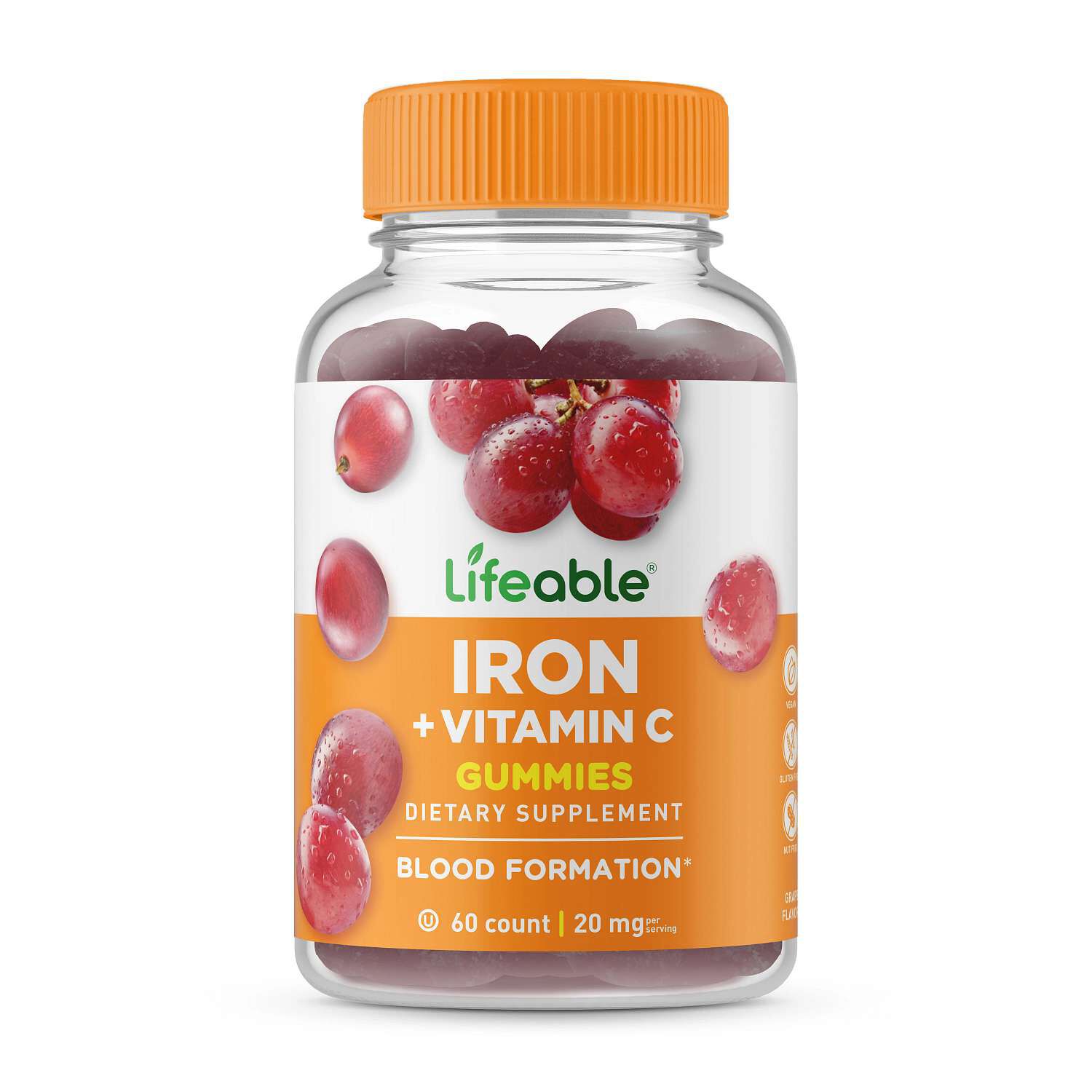

Iron supplements for men may be worth considering when a healthcare professional has identified a need for additional iron or has recommended a particular amount. Adult men typically need about 8 mg of iron per day from food and supplements combined, although individual needs may vary with age, diet, activity, health history, and other personal factors. Many people receive iron through foods such as beef, poultry, seafood, beans, lentils, leafy greens, fortified grains, and certain nuts or seeds. Because adult men do not experience regular monthly blood loss, routine supplementation may not be appropriate for everyone, and taking more iron than needed could allow it to accumulate in the body. A healthcare professional may suggest discussing iron status through appropriate testing before beginning a supplement, especially when an iron product is being considered for long-term use. This type of product may appeal to men whose food choices make it difficult to regularly include iron-containing foods, those following vegetarian or mostly plant-based eating patterns, or anyone who has received individualized guidance from a doctor or registered dietitian. It may also be a thoughtful gift for a partner, parent, family member, or friend who has specifically mentioned shopping for an iron product, though supplements are personal and should be selected around the recipient’s preferences and professional guidance rather than given as a surprise based on appearance or lifestyle alone. For shoppers comparing options, serving size, the amount of elemental iron per serving, capsule count, form of iron, added nutrients, and instructions for use can all help make the selection more practical. Labels may list forms such as ferrous sulfate, ferrous fumarate, ferrous gluconate, or iron bisglycinate. Ferrous sulfate may be a familiar and budget-conscious choice, while iron bisglycinate may be appealing to shoppers looking for a gentler format. Individual tolerance can differ, so reading the Supplement Facts panel and considering the serving format may make the experience more comfortable. Some formulas include vitamin C, which may support iron absorption, while calcium-containing foods or supplements may interfere with absorption when taken at the same time. Following the label and asking a healthcare professional or pharmacist about timing could help shoppers fit an iron supplement into an existing routine.
When choosing an iron supplement for men, simple daily habits may make the product easier to use consistently. Some people prefer a capsule that fits beside a morning routine, while others may find an evening schedule more convenient. Taking an iron product with water and separating it from calcium supplements or dairy products may be worth discussing with a pharmacist, particularly when the product label includes specific timing instructions. Tea and coffee may also affect iron absorption when consumed close to the serving, so a healthcare professional may recommend a schedule that suits the rest of the day. Digestive comfort is another practical consideration. Traditional iron forms may cause constipation, stomach upset, or darker stool for some people, while gentler forms may be better suited to certain shoppers; individual experiences can differ, and professional guidance may help identify a suitable option. Men who take other vitamins, minerals, or prescription products may want to review the full list with a pharmacist before adding iron, since combining several products can change the amount consumed each day. Shoppers may also wish to compare tablets, capsules, gummies, liquid formats, and small-count travel containers based on taste, swallowing preference, storage, and portability. A product selected for a work bag, gym locker, or travel case may fit naturally into a routine during the warmer season and the cooler months alike, while a larger bottle may suit someone who prefers fewer shopping trips. Those looking for a broader selection may also explore Iron Complex Supplements, where formulas may pair iron with other nutrients. The most suitable choice may depend on the form, serving size, dietary pattern, and guidance a shopper has received. Keeping the bottle stored according to its label and out of reach of children may also be an important household consideration. With a thoughtful approach to format, ingredients, timing, and personal guidance, shoppers may find an iron supplement that fits comfortably into an established wellness routine without adding unnecessary complexity.