





Iron Supplements For Health Enthusiasts
(0 Results)
Iron supplements for health enthusiasts may offer a supportive role in maintaining optimal energy and vitality. Perfect for those with active lifestyles, these supplements could help bridge the nutritional gap, ensuring that your body receives the iron it needs. Whether you're an athlete pushing through intense workouts or someone striving to meet daily health goals, iron supplements might provide that extra edge. Explore a range of options designed to fit seamlessly into your wellness routine and support your journey towards better health.
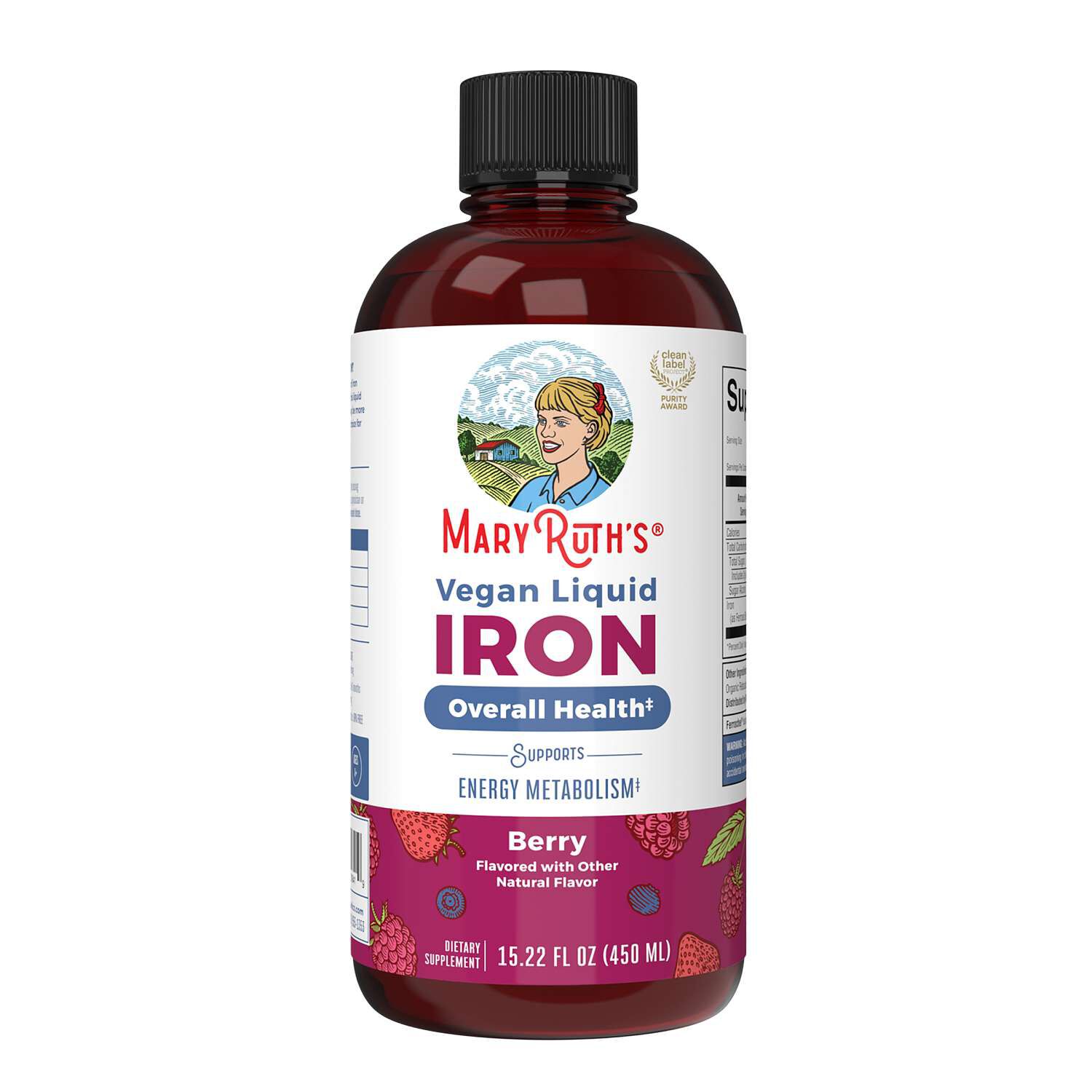

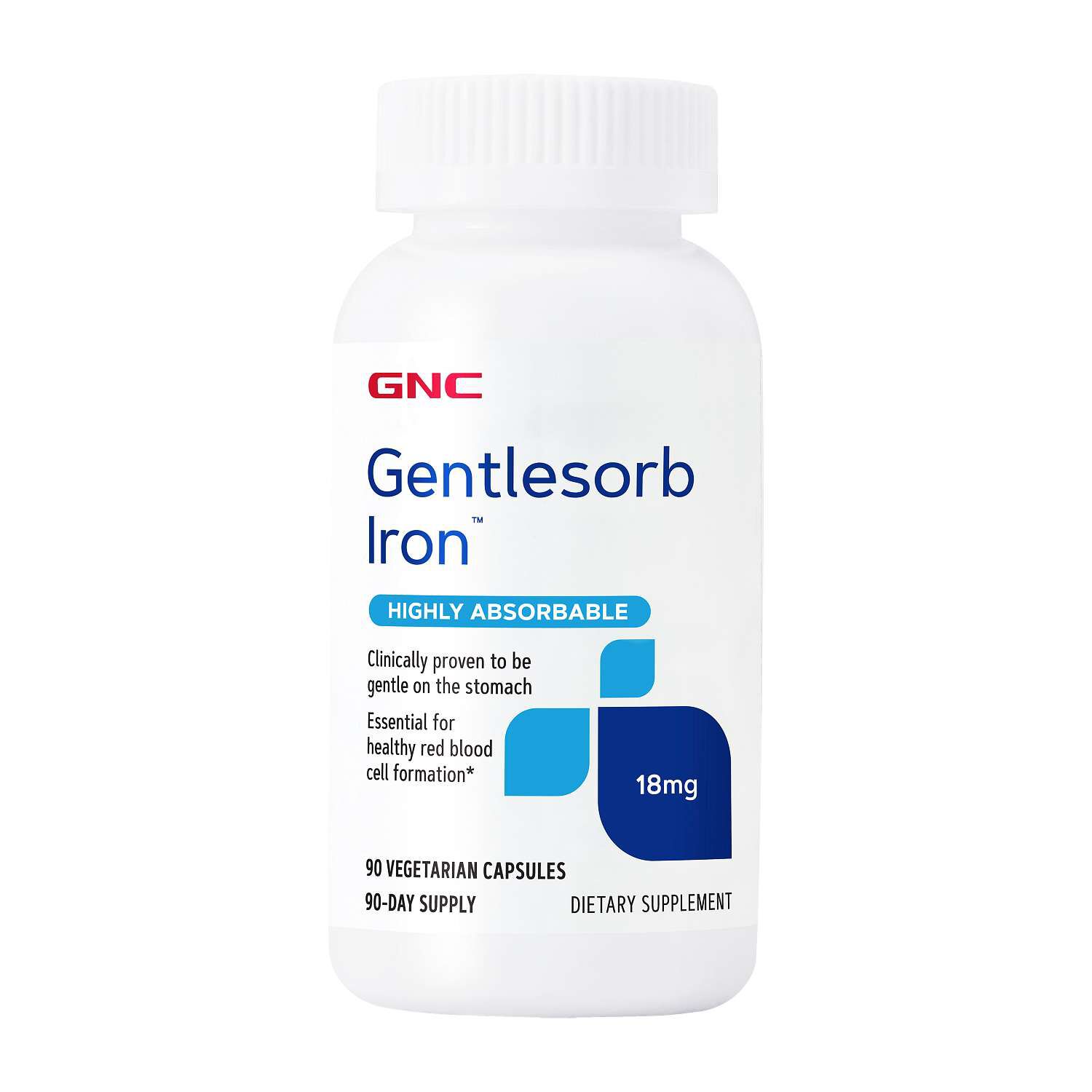

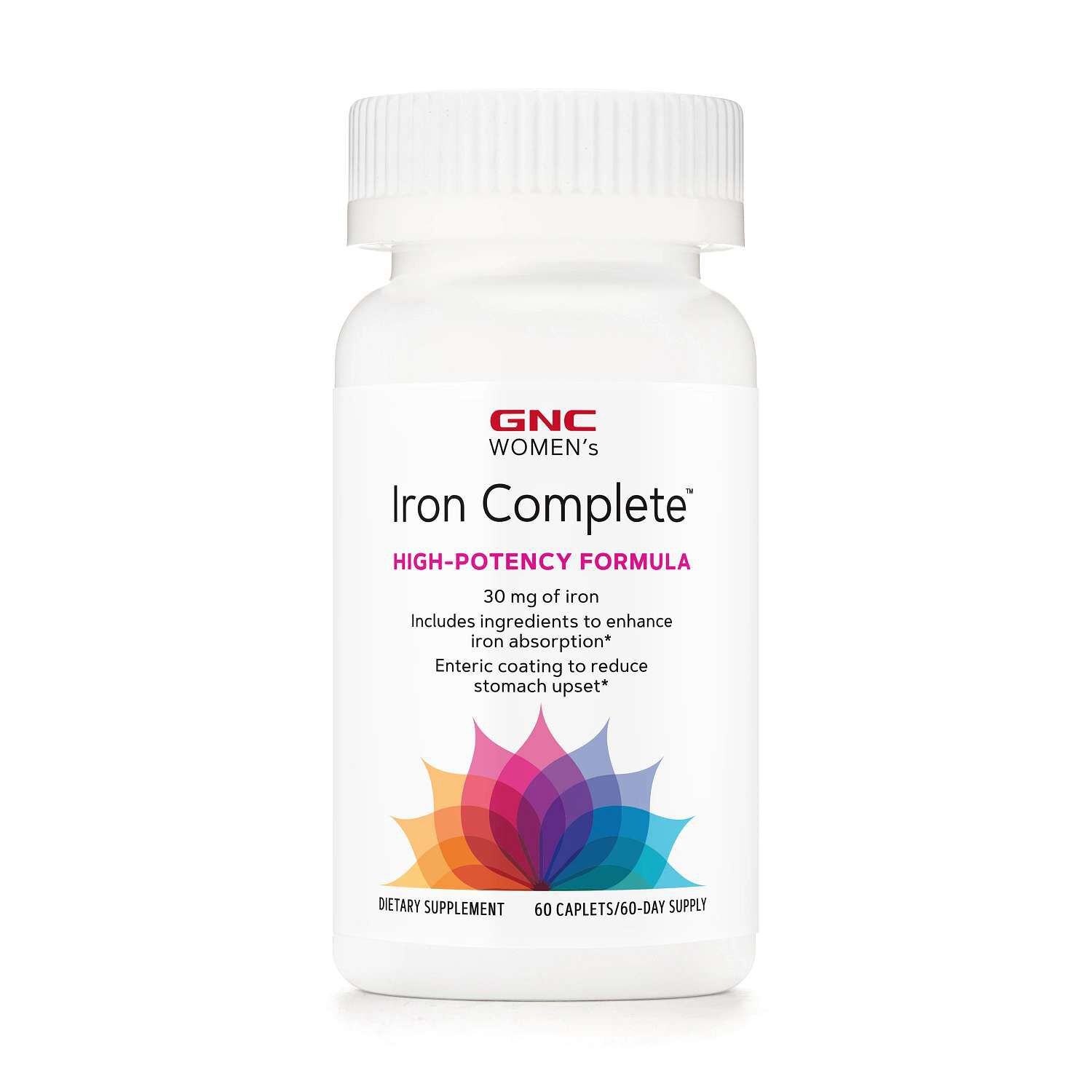
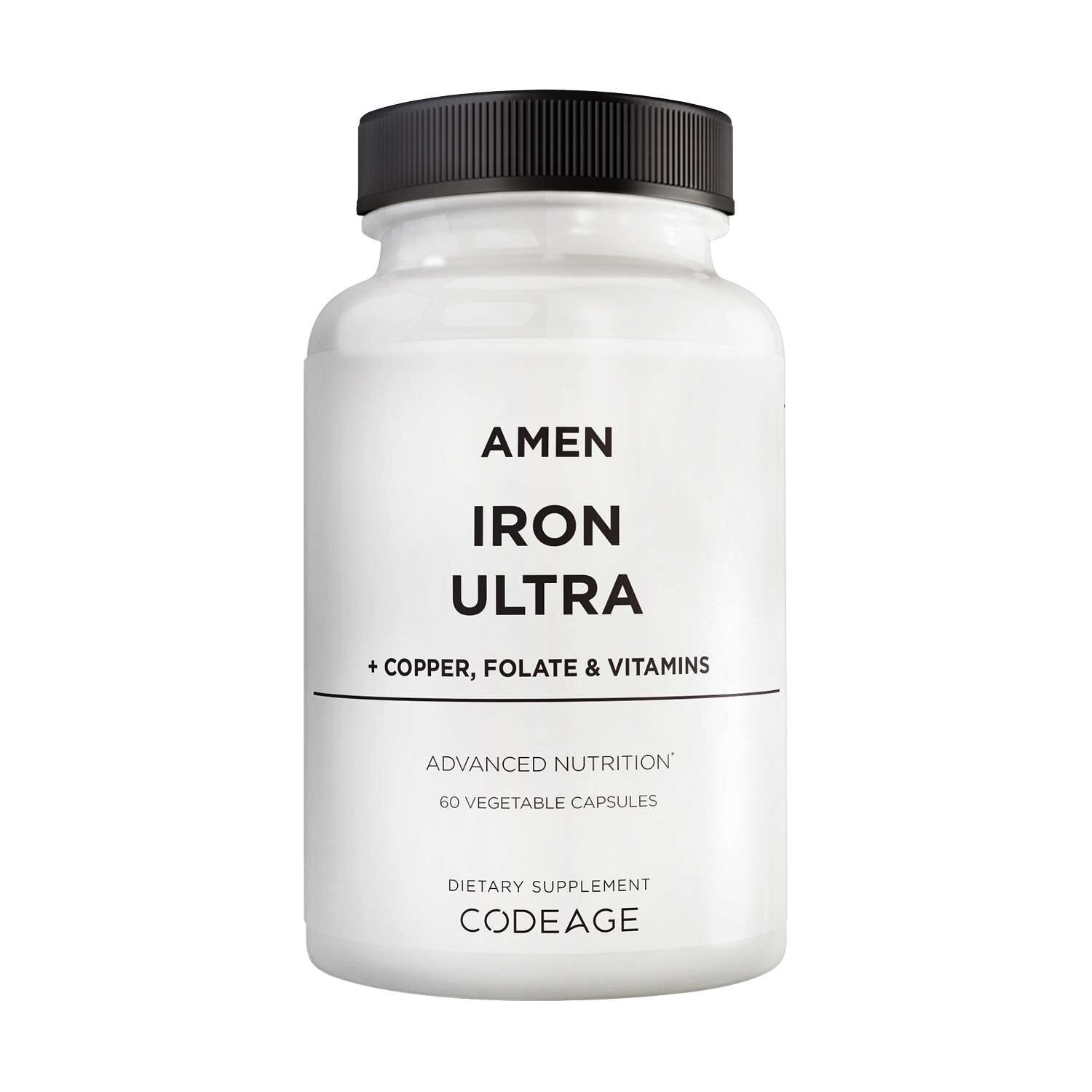
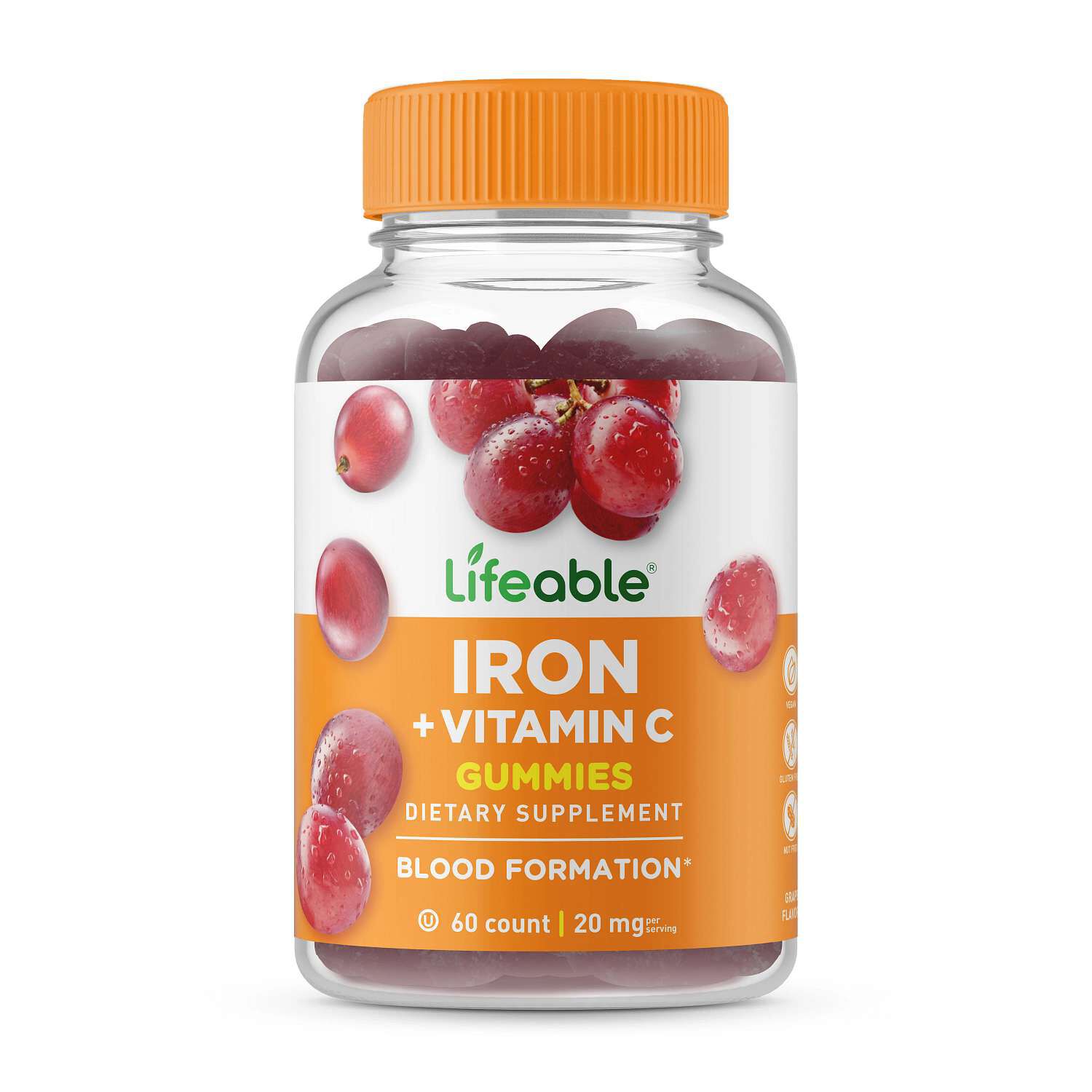


Iron supplements for health enthusiasts come in several ingredient forms and formats, with differences that are easier to understand through the label than through the appearance of the bottle. Iron is a dietary mineral found in foods such as meat, beans, lentils, and fortified cereals. In human nutrition, it is a component of hemoglobin, the protein in red blood cells that carries oxygen. That background explains why iron often comes up in conversations about fitness and everyday nutrition, although an active lifestyle alone does not establish a need for supplemental iron. A runner logging miles before work, a recreational cyclist, and someone building a consistent strength-training routine may have very different nutritional circumstances despite sharing an interest in exercise. Food choices, existing supplements, and individual health history provide context that a workout schedule cannot supply on its own. Within this category, common ingredient names include ferrous sulfate, ferrous fumarate, ferrous gluconate, and ferrous bisglycinate. The first three are iron salts, while bisglycinate is a chelated form in which iron is bound to amino acids. These names identify different forms of the mineral; they are not interchangeable descriptions of the amount in a serving. The elemental iron amount listed in the Supplement Facts panel is the useful reference for comparing iron content across formulas. The weight of an iron-containing compound is not necessarily the same as the amount of iron it provides. Serving size matters as well: a listed amount may correspond to one tablet, several capsules, or a measured portion of liquid. Reading those details together creates a clearer comparison than looking at the largest number on the front label. A higher stated amount is not automatically a better match, and the ingredient form alone does not establish suitability for a particular shopper. Ingredient identity, elemental amount, and serving size offer a factual starting point without turning a product comparison into a prediction about energy, endurance, or training results.
Format is another practical distinction, especially for people who organize their supplements around work, meals, and time away from home. Tablets have a pressed structure and may include coatings or other ingredients used in manufacturing. Capsules have an outer shell that may be made with gelatin or plant-derived materials, so the full ingredient list matters to shoppers with particular dietary preferences. Liquids use a measured serving rather than a tablet or capsule count and may suit someone who prefers that format. Chewable options bring flavor and texture into the comparison, making sweeteners, flavoring ingredients, and serving size relevant details. None of these formats establishes how appropriate the iron amount is for an individual. A compact capsule bottle may fit neatly into an organized cabinet, while a liquid bottle brings different considerations, such as the included measuring device, cap design, and any instructions that apply after opening. For someone packing a bag before an early workout, a secure closure and readable label may be more useful features than decorative packaging. Storage directions deserve attention because requirements can differ between formulas. The package is the reference for instructions about temperature, moisture, light, and handling; storage conditions should not be assumed to be identical across the category. Container condition and a legible date marking also matter when assessing how a supplement fits into a household routine. With liquid formats, any directions about shaking or cleaning a measuring accessory are specific to the package rather than universal rules. With tablets and capsules, the serving count and container size help describe the physical footprint of the routine. Materials deserve the same close reading. Capsule shells, tablet coatings, sweeteners, and flavorings are separate from the iron source itself. Some formulas contain vitamin C or additional nutrients, while others center on iron alone. Those ingredient differences provide more concrete information than broad descriptions of a formula’s overall appeal.
Within the Iron Supplements category, the most useful comparison brings together the iron form, elemental amount, serving size, delivery format, and accompanying ingredients. This approach keeps attention on what the label actually describes rather than on assumptions about athletic ability or a demanding calendar. For a shopper who already uses a multivitamin, the presence of iron in that existing formula is relevant context; separate bottles do not necessarily represent separate nutrients. The same applies to combination supplements that contain several vitamins and minerals. An ingredient-by-ingredient view makes it easier to recognize overlap without treating a collection of products as a single, standardized routine. Label statements about the intended age group, dietary suitability, and suggested use add further distinctions. A formula described for adults is not interchangeable with one intended for children, and a liquid format is not, by itself, an indication of its intended audience. Likewise, a plant-derived capsule shell does not describe every ingredient inside it. Questions about personal suitability, overlapping supplements, or individual nutritional requirements belong in a conversation with a qualified healthcare professional, rather than being settled by a category description. For everyday shopping, the concrete details remain straightforward: what form of iron is listed, how much elemental iron appears per serving, what that serving consists of, and what else is included. Practical fit can then be considered separately. Someone with a carefully arranged kitchen cabinet may value a compact container and clear labeling; someone comparing liquids may focus on the measuring accessory and opening instructions. Neither preference says anything about the person’s nutritional needs. Iron supplements are a personal nutrition purchase, not a universal accessory for every gym bag or training plan. A well-informed comparison respects that distinction while giving health enthusiasts room to consider ingredient preferences, packaging, and routine compatibility. The result is a more grounded view of the category: clearly described choices with meaningful differences, rather than a single format or formula presented as the answer for everyone.
Best Sellers
Related Pages

Top Collections
- Zinc Supplements | Top Brands at Great Prices | GNC
- Cortisol Supplements
- NAD+ Supplement Tablets
- Top Rated Collagen | Shop Customer Favorites | GNC
- Best Brand of Magnesium Glycinate
- Peptide Supplements
- Iron Supplements
- Protein Powders For Muscle Growth Support
- Vitamins That Help Support Weight Gain
- Peptide Supplements for Muscle Growth