





Iron Capsules For Red Blood Cell Health
(0 Results)
Iron capsules for red-blood cell health could be an important addition to your daily wellness routine. These convenient supplements are designed for those looking to support their iron intake, which may play a role in maintaining healthy energy levels and overall vitality. With a variety of options available, finding the right iron capsules for red-blood cell health might help you meet your nutritional goals and complement a balanced lifestyle. Explore choices that could fit seamlessly into your regimen and discover how iron supplementation may support your wellness journey.

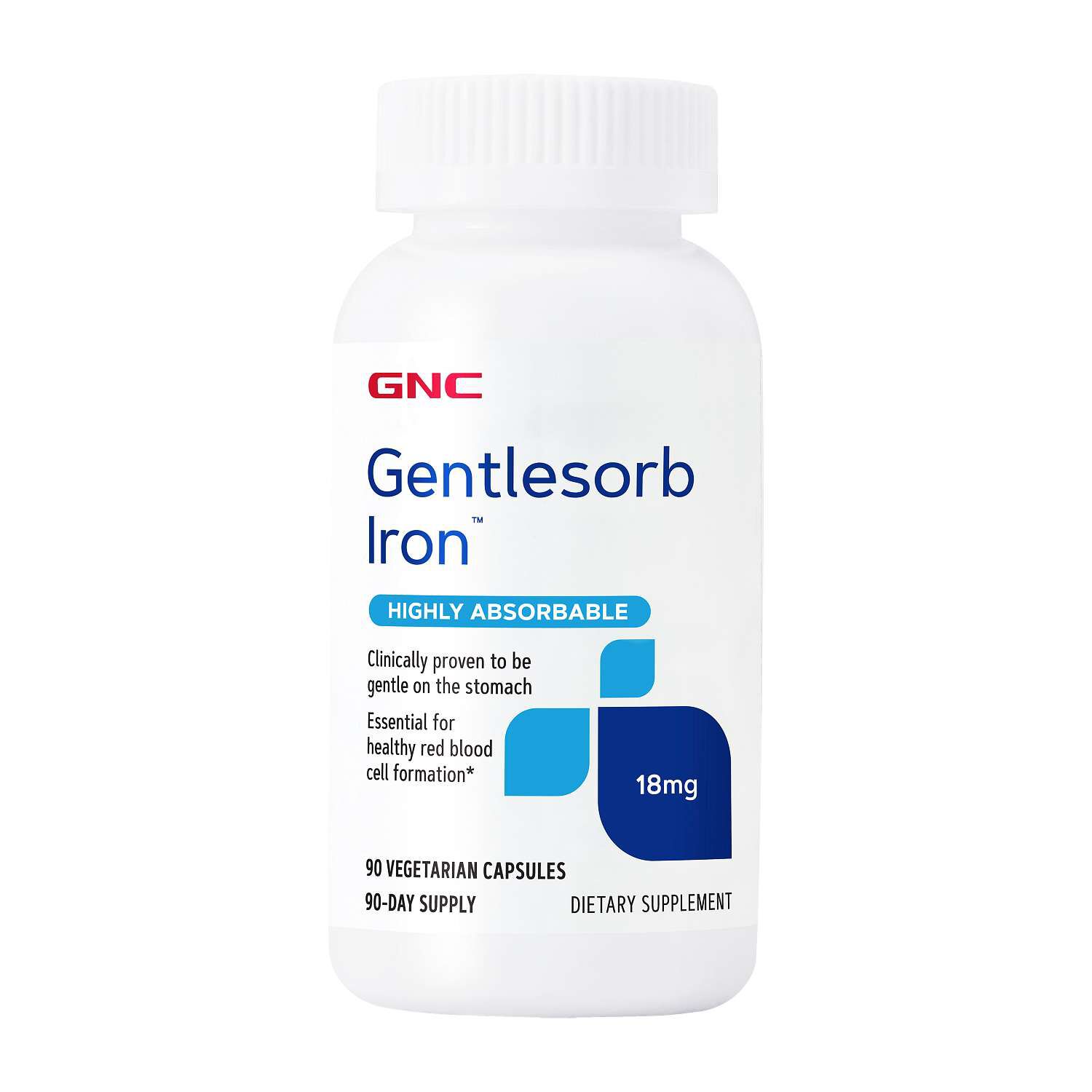
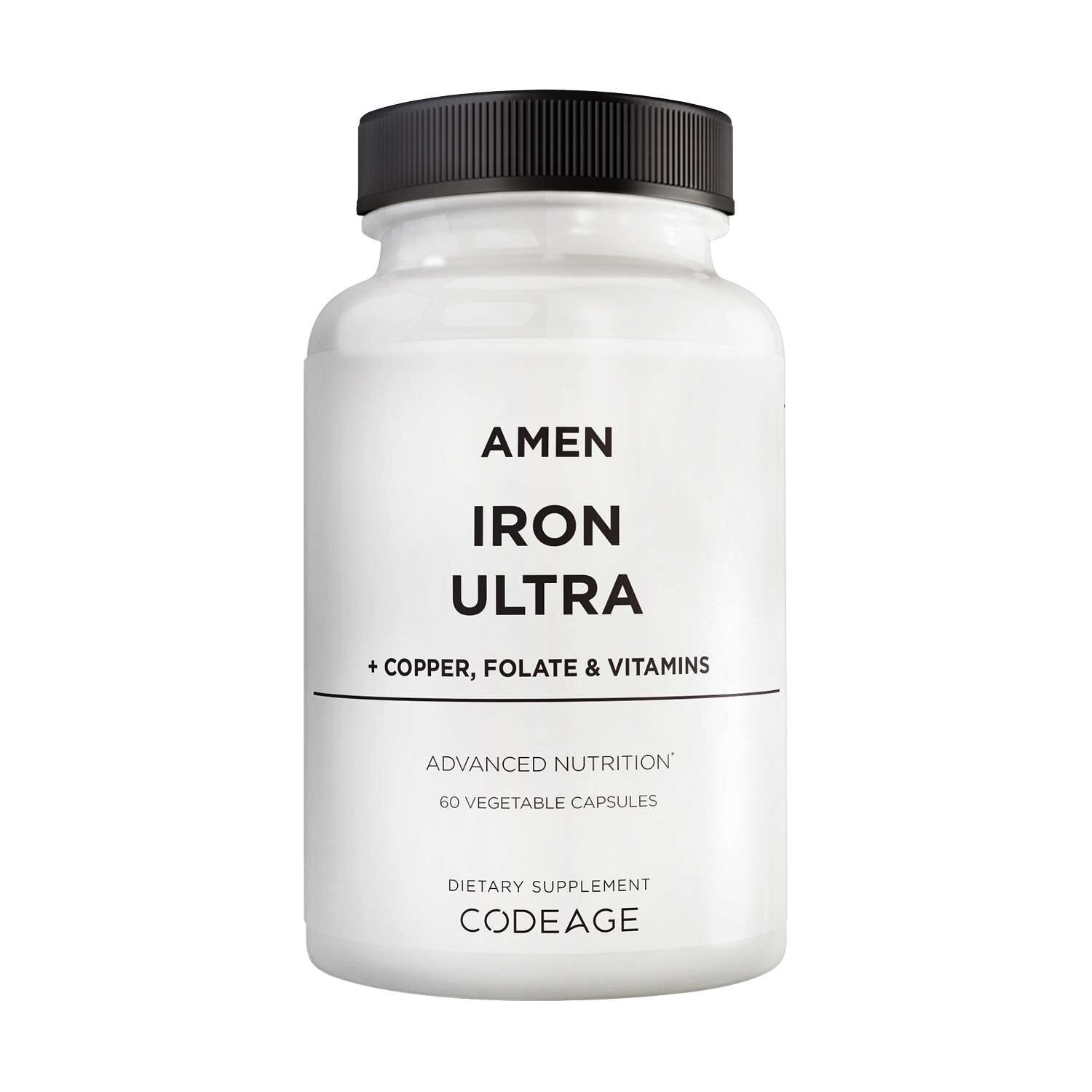

Iron capsules for red blood cell health may offer a practical way to complement dietary iron intake when supplementation is appropriate. Iron is a mineral found in foods such as meat, beans, lentils, and fortified cereals. It is also a component of hemoglobin, the protein in red blood cells that carries oxygen throughout the body. That nutritional connection gives this category its focus, but the wording on a bottle does not establish whether a particular formula is suitable for an individual. Dietary patterns, age, and life stage all contribute to the context in which people consider iron supplements. Someone who eats mostly plant-based meals may approach the category with different ingredient preferences than someone who regularly includes meat, while another shopper may be comparing capsule formats as part of an existing nutrition routine. Neither eating style, by itself, determines a need for supplemental iron. The meaningful differences between formulas begin with the iron source, the amount of elemental iron per serving, and the other ingredients included. Elemental iron refers to the iron itself, rather than the weight of the compound used to supply it. A compound amount and an elemental iron amount therefore describe different things, even when both appear on the same package. The Supplement Facts panel provides the serving size and declared iron amount, making it a more useful point of comparison than capsule count alone. A bottle with more capsules does not necessarily contain more iron per serving, and a larger capsule does not necessarily supply a greater amount. Some formulas contain iron as the primary nutrient; others pair it with vitamin C, folate, or vitamin B12. These combinations offer different ingredient profiles, not a universal ranking of better and worse choices. A clearly identified iron form and a readable serving declaration give shoppers concrete information without relying on broad claims about how a supplement will make them feel.
Capsule construction adds another layer of distinction within the category. The shell surrounds the powdered ingredients, and its material can matter as much to dietary preferences as the nutrients inside. Gelatin shells are animal-derived, while shells made with cellulose-based materials may suit shoppers seeking a vegetarian format. A capsule’s appearance alone does not identify its source; clear, pale, and colored shells can have different ingredient compositions. The ingredient declaration is where shell materials, colors, and other components are identified. Ingredients such as rice flour or cellulose may also appear within the capsule, depending on the formulation. These details are especially relevant to shoppers who prefer a shorter ingredient list or have established ingredient restrictions. The iron source is a separate consideration from the capsule shell. Formulas may use iron bisglycinate, ferrous fumarate, ferrous sulfate, or another declared iron compound. Chelated iron describes iron bound to another molecule; in iron bisglycinate, that molecule is the amino acid glycine. The term identifies a form of iron rather than establishing that it is the right choice for everyone. Likewise, descriptions such as gentle or high potency do not provide a personalized assessment of how someone will experience a formula. Differences in composition are more concrete than broad language about performance. Capsule dimensions and the number of capsules in a serving also shape the format’s practical fit. A shopper accustomed to a small capsule may have different preferences from someone comfortable with a larger one, and a serving that consists of several capsules creates a different routine from a single-capsule serving. Capsules are generally intended for swallowing rather than chewing, so their physical format deserves attention alongside their ingredient profile. Package photographs may show color and shape, but they do not always convey dimensions accurately. Label descriptions, serving information, and clearly stated shell materials provide a fuller picture of what the format involves.
The intended use of iron capsules is nutritional supplementation, not a replacement for varied meals or an individualized assessment of nutritional needs. For an adult whose nutrition plan already includes supplemental iron, a capsule format may fit into a familiar daily routine. A person organizing several supplements may place particular importance on distinguishing a single-nutrient formula from a blend that also contains nutrients present elsewhere in that routine. An active lifestyle, a busy schedule, or an interest in red blood cell health does not, on its own, establish a need for iron. Suitability, serving amount, and intended duration are matters for an individualized discussion with a qualified healthcare professional. For a broader view of this nutrient category, Iron Supplements For Health Enthusiasts offers a related collection to explore. Beyond formulation, packaging and storage information deserve attention because capsules remain physical products with defined handling requirements. The original labeled container keeps the ingredient declaration, serving information, expiration date, and storage directions together. A secure closure and a location away from children are important considerations for supplemental iron. Package-specific storage directions also account for conditions that may affect the contents. A shelf beside a steaming kettle, for example, has different moisture exposure from a dry cupboard, and a loose capsule in an unmarked travel pouch no longer has its identifying information beside it. Humidity may affect capsule shells, making container design and closure details relevant to everyday care. Expiration information provides another useful distinction between a bottle intended for near-term use and one that might remain in a cupboard for longer. Capsule count, serving size, and the existing nutrition routine all contribute to that practical context. The most useful comparisons stay grounded in identifiable details: the declared iron source, elemental iron per serving, accompanying nutrients, shell material, package directions, and intended use. Together, those details describe the product more precisely than capsule color, bottle size, or a sweeping statement about results.
Best Sellers

Related Pages

Top Collections
- Zinc Supplements | Top Brands at Great Prices | GNC
- Cortisol Supplements
- NAD+ Supplement Tablets
- Top Rated Collagen | Shop Customer Favorites | GNC
- Best Brand of Magnesium Glycinate
- Peptide Supplements
- Iron Supplements
- Protein Powders For Muscle Growth Support
- Vitamins That Help Support Weight Gain
- Peptide Supplements for Muscle Growth