





Iron Capsules
(0 Results)
Iron is an essential mineral that plays a crucial role in maintaining overall health and well-being. Iron supplements are a convenient way to ensure you are meeting your daily iron needs, especially for individuals who may have difficulty getting enough iron through their diet alone. Whether you are looking to support healthy red blood cell production, combat iron deficiency, or boost your energy levels, incorporating an iron supplement into your daily routine can help you feel your best. Explore our selection of iron supplements to find one that aligns with your health goals and lifestyle.

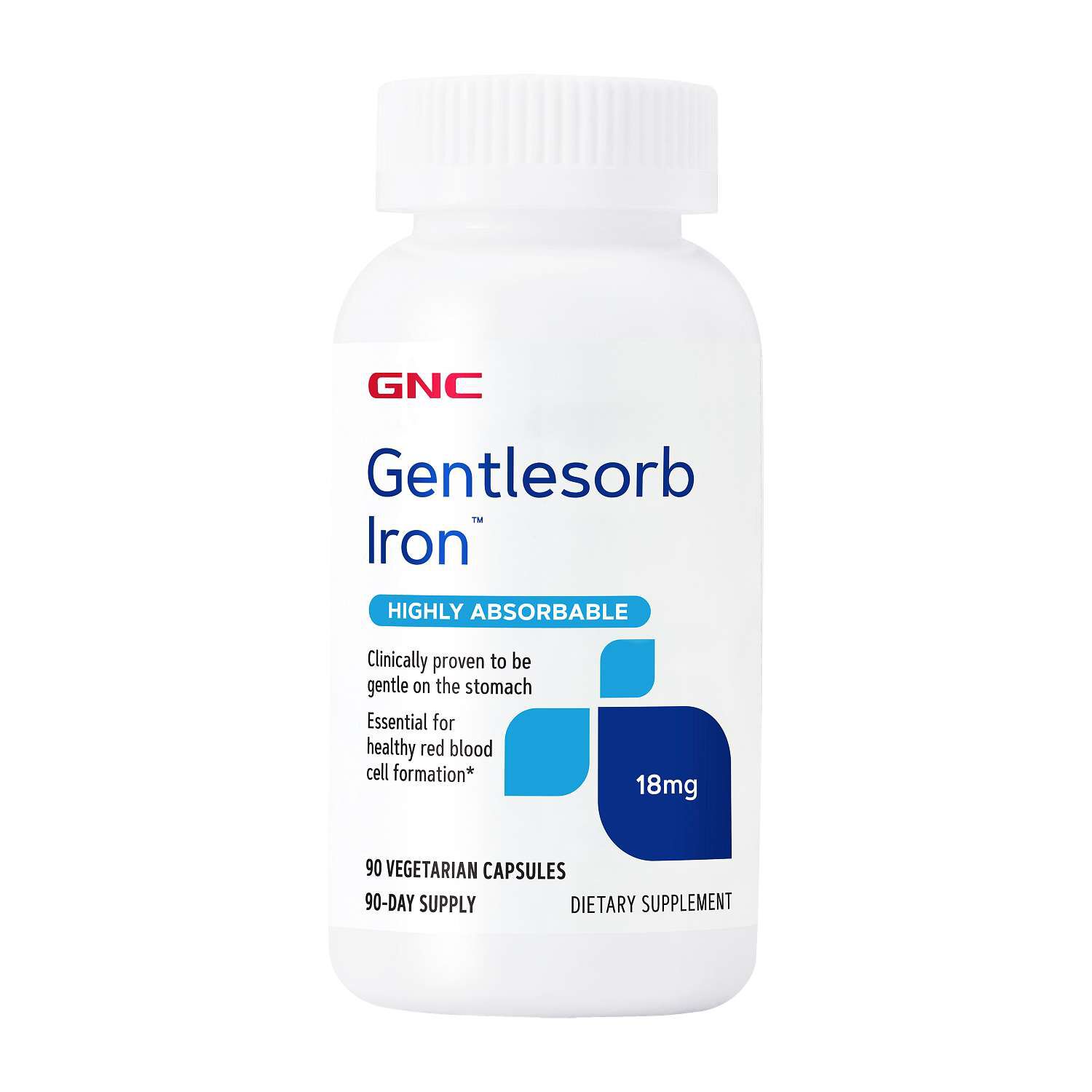
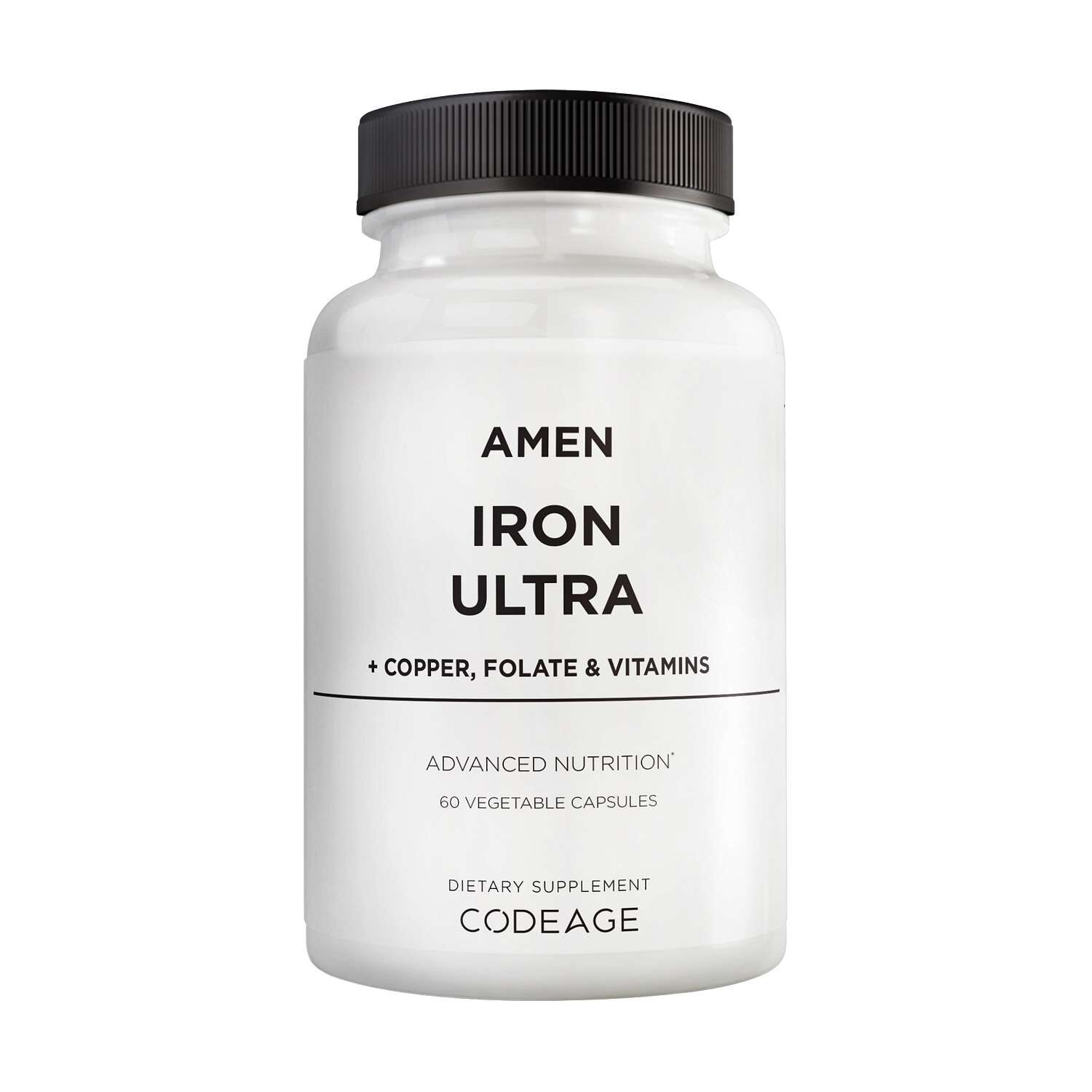
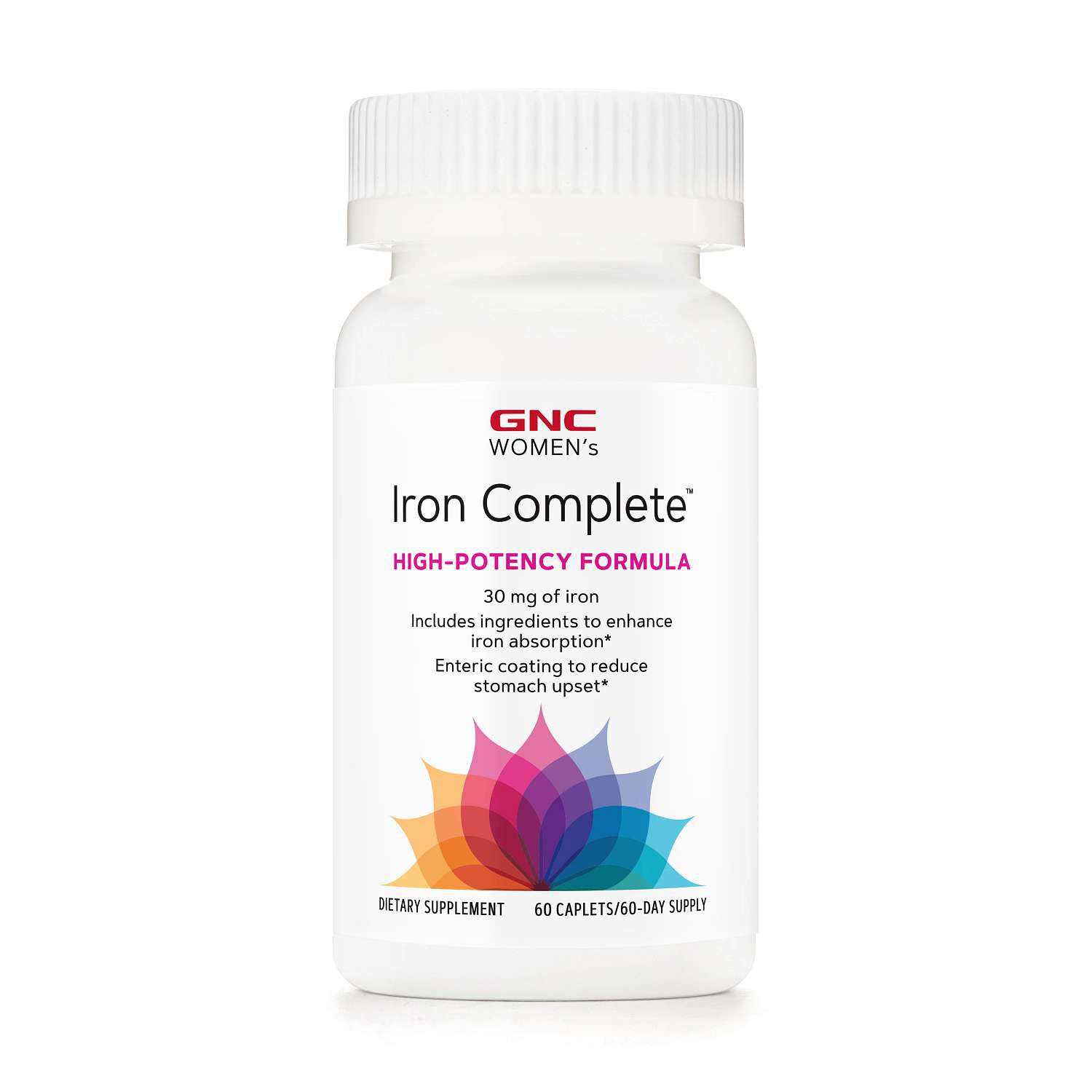


Iron capsules are dietary supplements that contain iron in a capsule shell, with formulas that differ in iron form, amount per serving, capsule material, and added ingredients. They offer a capsule-format alternative to iron tablets, liquids, and chewables, making the format itself an important part of the comparison. Some shoppers prefer a straightforward iron-only formula, while others look for a formula that also includes nutrients such as vitamin C. Neither the capsule count nor the size of the bottle tells the whole story: the Supplement Facts panel and ingredient list provide the details that distinguish one formula from another. Iron is a mineral found in foods including meat, seafood, beans, lentils, and fortified cereals, and iron supplements represent a separate category of nutritional products rather than a replacement for varied meals. Within that category, names such as ferrous sulfate, ferrous fumarate, ferrous gluconate, and iron bisglycinate identify different forms of iron. Those names describe the ingredient, not the capsule shell, and they should not be treated as interchangeable descriptions of the finished supplement. A formula’s iron amount is listed in milligrams per serving, so comparing that figure alongside the serving size offers more useful context than relying on the front label alone. For example, a serving listed as two capsules is different from a serving listed as one capsule, even when the bottles contain the same number of capsules. Elemental iron refers to the iron itself, rather than the weight of the entire iron-containing compound. That distinction matters when reading a detailed ingredient description alongside the nutrient amount on the Supplement Facts panel. A larger number is not, by itself, a reason to favor a formula. For adults comparing iron capsules, a useful starting point is understanding what each label actually describes: the mineral form, the amount in the labeled serving, the intended audience, and the ingredients surrounding the iron.
Capsule construction deserves attention alongside the formula inside. Shells may be made with gelatin or with plant-derived materials such as cellulose, and that difference can matter to shoppers with particular dietary preferences. The shell and the contents are separate parts of the product, so a plant-derived capsule shell alone does not establish that every ingredient meets a vegan preference. Shoppers specifically looking for that distinction can explore Iron Vegan Capsules and review the dietary statements and ingredient details associated with each formula. The other ingredients section identifies components beyond the nutrients listed in Supplement Facts, including capsule materials and ingredients used in manufacturing. For someone who closely checks food labels at the grocery store, giving a supplement label the same attention can make the comparison feel familiar. Dietary statements, allergen information, and any named certification offer additional context, but each statement applies to the feature it actually describes. Capsule dimensions are another practical consideration. A photograph may show the bottle clearly without conveying the capsule’s length or width, and the amount of iron does not reliably indicate how large the capsule will be. When dimensions or an actual-size illustration are provided, those details may be more useful than a close-up image without a size reference. Capsules, softgels, and tablets are also distinct formats, even when everyday conversation groups them together as pills. A capsule has a shell around its contents; a tablet is formed by compressing ingredients; a softgel uses a sealed, flexible shell. Shoppers who have a strong format preference can look for the stated dosage form rather than assume it from the shape shown on the label. Added nutrients deserve the same deliberate review. Vitamin C may appear alongside iron, but its presence does not make every combined formula equivalent. The amount of each listed nutrient, the number of capsules in a serving, and the full ingredient list remain relevant. A clearly described formula can make it easier to distinguish meaningful differences from similar-looking packaging.
The practical side of choosing iron capsules extends from the label to the place where the bottle will be kept. A supplement intended for personal use has different considerations from a shared household purchase, and the intended audience printed on the packaging should remain part of the comparison. Iron capsules are a personal nutritional purchase rather than a casual gift chosen on appearance alone; dietary preferences and an established product preference matter more than an attractive bottle. For an adult who already uses a capsule-format supplement, details such as a readable label, a manageable container, and clearly stated serving information may suit an existing routine. Someone comparing formats for the first time may place more value on capsule dimensions and a concise ingredient list. Neither scenario calls for choosing by bottle size alone. A container holding more capsules does not necessarily represent more labeled servings, and the expiration date provides a separate piece of information about the product’s intended storage period. Care and durability in this category center on maintaining the condition of the contents and their packaging, not on the ruggedness associated with a reusable accessory. Follow the storage conditions printed on the bottle, keep the closure secured, and retain the original label so ingredient details and directions remain accessible. A steamy bathroom shelf, a sunny windowsill, or a parked car can expose a bottle to conditions that differ from its stated storage requirements. A designated location away from heat and moisture, consistent with the label, is a more practical setting; iron supplements should also remain out of children’s reach. During travel or changes in household routine, keeping the labeled container with its contents preserves access to serving information, storage directions, and the expiration date. Across iron capsule formulas, the most useful comparisons remain concrete: what form of iron is included, how much is listed per serving, what the shell contains, whether other nutrients are present, and how clearly the packaging explains intended use. Those details provide a grounded way to compare the category without treating similar names or bottle designs as evidence that the formulas are the same.
Best Sellers

Related Pages

Top Collections
- Daily Collagen Supplements | Top Brands & Deals | GNC
- Natural Collagen Supplements | Top Brands & Deals | GNC
- Top Rated Collagen | Shop Customer Favorites | GNC
- Cortisol Supplements
- Vitamins For Hair Loss
- Spirulina Tablets
- NAD+ Supplement Tablets
- Peptide Supplements
- Best Brand of Magnesium Glycinate
- Vitamins That Help Support Weight Gain