Anti Aging Supplements For Women
(0 Results)
Discover a range of anti aging supplements for women that might help support youthful vitality and overall well-being. These carefully formulated supplements could offer various benefits, from promoting skin health to supporting energy and immune function. Whether looking to maintain a radiant complexion or seeking to bolster your body's natural defenses, explore options that may cater to your specific needs. Embrace the journey toward feeling your best with anti aging supplements for women designed to complement a healthy lifestyle.
-
-

-
 2,035$119.99
 -

-
-
-
-

-

-

-

-

-
 57$54.99
 -

-
-
-
-
-

-

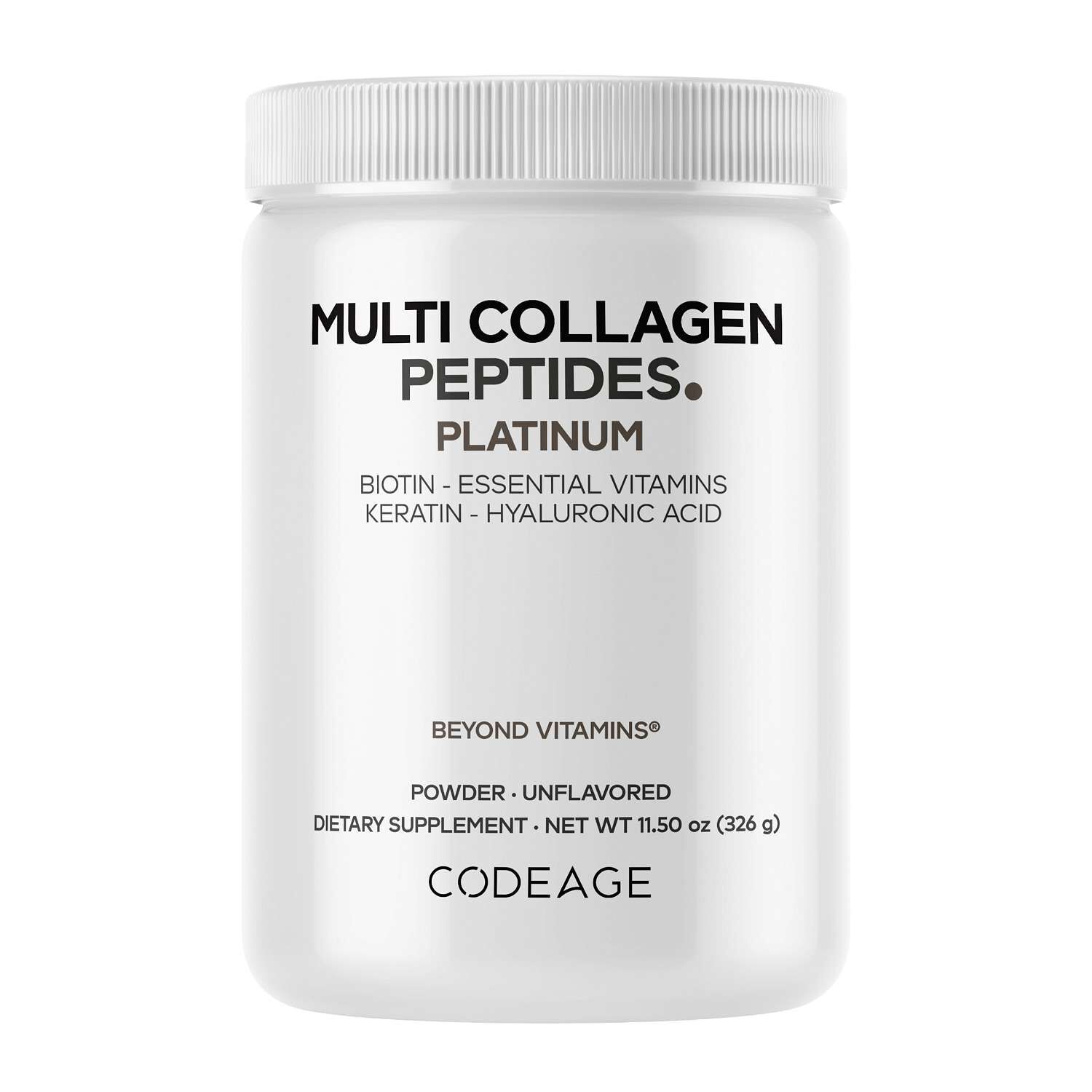
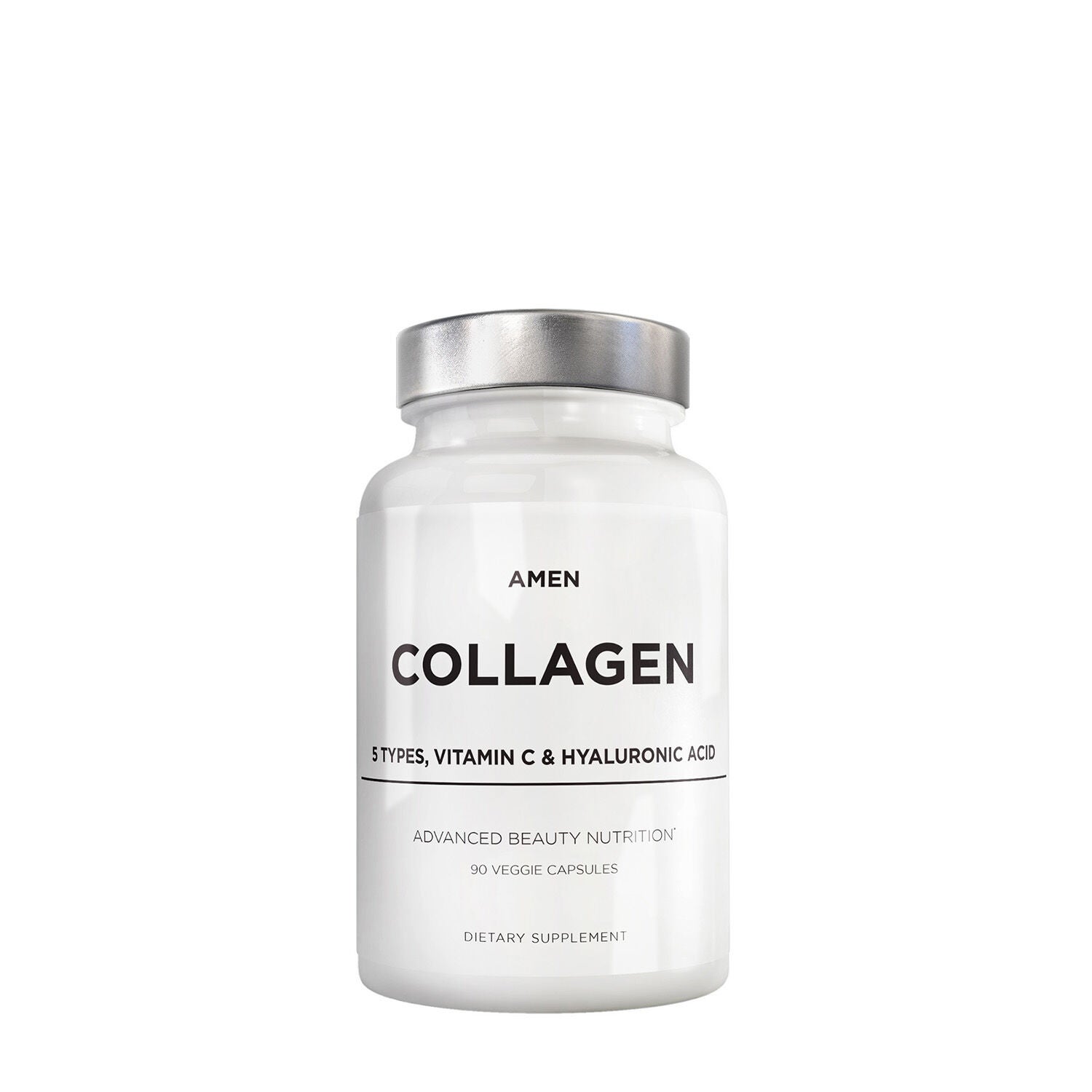
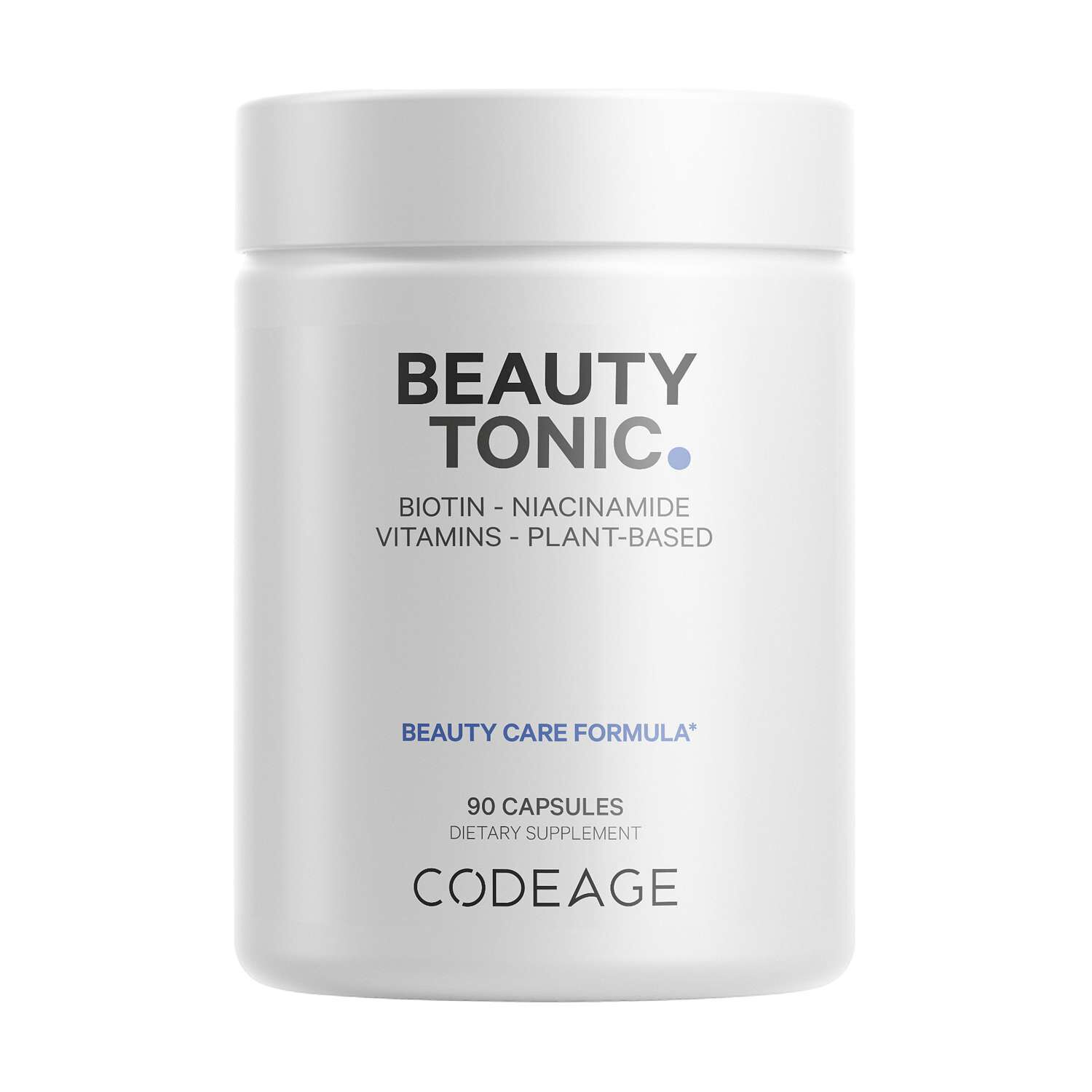

Anti-aging supplements for women bring together several types of nutritional products within a category centered on beauty, everyday wellness, and changing preferences through adulthood. The term describes a shopping focus rather than a single ingredient or formula, so two supplements in this category can have very different contents and intended uses. Collagen peptides, vitamins C and E, omega-3 fatty acids, coenzyme Q10, and plant-derived ingredients such as resveratrol are among the ingredients associated with age-conscious supplement routines. Their presence on a label does not make the formulas interchangeable. Collagen is a protein found naturally in the body, while collagen peptide supplements contain collagen that has been processed into smaller pieces. Vitamin C and vitamin E are nutrients found in foods as well as supplements. Omega-3 products can come from fish or algae, and resveratrol is a plant compound found in sources such as grapes. These distinctions offer a more useful starting point than broad beauty language on the front of a bottle. A woman interested in a powder for her morning smoothie may have different preferences from someone looking for a capsule to take according to its label directions. Likewise, a beauty-focused formula may have a different ingredient profile from a women's multivitamin intended for broader nutritional use. Anti-aging supplements may complement a personal wellness routine, but the category name should not be read as an assurance of younger-looking skin or a particular result. Age alone also does not determine which format, serving size, or ingredient combination fits someone's preferences. Some shoppers prioritize a short ingredient list; others value a blend that brings several nutrients into one serving. Comparing the full label, rather than relying on the category name, makes those differences easier to understand. For a page organized around anti-aging supplements for women, the most useful distinctions are ingredient identity, amount per serving, source, format, and intended use—not an assumption that every formula serves the same purpose.
The details of a supplement's composition matter as much as its familiar ingredient names. With collagen, for example, the source may be bovine, marine, or another animal origin, making source information relevant to dietary preferences. The words “collagen peptides” identify an ingredient type but do not, by themselves, specify its origin or the amount in a serving. For omega-3 supplements, the label can distinguish the oil source from the amounts of individual fatty acids, including EPA and DHA. Similarly, a vitamin blend may list several nutrients alongside botanical extracts, flavorings, sweeteners, or other ingredients that deserve a closer look. The Supplement Facts panel identifies serving size and declared nutrient amounts, while the additional ingredient list provides information about capsule materials and other components. Someone who prefers plant-based choices may look at both the featured ingredient and the capsule shell, since a plant-derived ingredient can still appear in a gelatin capsule. Allergen statements are another relevant part of that comparison, particularly when ingredients originate from fish, milk, or soy. Format brings its own practical differences. Powders involve measuring and mixing, capsules and softgels have a set number of units per serving, and gummies include ingredients that create their flavor and texture. A serving is not necessarily one scoop, one capsule, or one gummy, so package count and serving count are separate details. For blends containing several featured ingredients, individual amounts offer more context than the number of ingredients highlighted on the package. Quality information also benefits from a specific reading: a testing statement is most informative when it identifies what was evaluated, such as ingredient identity or composition. Third-party certification can provide another point of comparison when the certification's scope is clearly described. None of these packaging details establishes a particular cosmetic outcome, but they do make it easier to distinguish between formulas and understand what each serving contains. That level of detail is especially useful when several bottles have similar names but notably different ingredient lists.
An everyday routine is also a practical setting for comparing anti-aging supplements for women. Picture a kitchen counter with a smoothie glass, a small pantry shelf, or a work bag packed before an early commute: each setting brings different preferences for preparation, storage, and portability. A flavored powder may suit someone who already mixes a drink each morning, while an unflavored option may appeal to someone who prefers fewer competing tastes. Unflavored does not necessarily mean tasteless, and texture, mixing directions, and the suggested amount of liquid can all shape the experience. Capsules may suit someone who prefers no mixing, while individually packaged servings may fit a routine that includes frequent travel. Whatever the format, the labeled directions define the intended serving and method of use. Storage instructions deserve similar attention. A tightly closed container, protection from moisture, and the temperature conditions stated on the package are relevant to keeping supplements in their intended condition. A steamy bathroom or a vehicle with changing temperatures may not match those requirements. Checking the printed date and keeping the original label accessible also preserves useful information about ingredients, servings, and care. Through the cooler months, the most relevant seasonal consideration may simply be whether a format fits the meals, drinks, and schedules already part of daily life. For shoppers narrowing their browsing by age, Supplements For Anti Aging Over 50 offers a related category to explore alongside personal ingredient and format preferences. Supplements are a personal purchase, and a gift is most considerate when the recipient has already expressed interest in that type of supplement and shared their preferences. Familiarity with someone's preferred format is more useful than an age-based assumption. Whether shopping for a familiar addition or comparing a different format, clear labeling and realistic expectations keep the focus on an informed purchase. The strongest fit may be a straightforward formula with transparent ingredient information and preparation requirements that work comfortably within an established routine.
Best Sellers
-
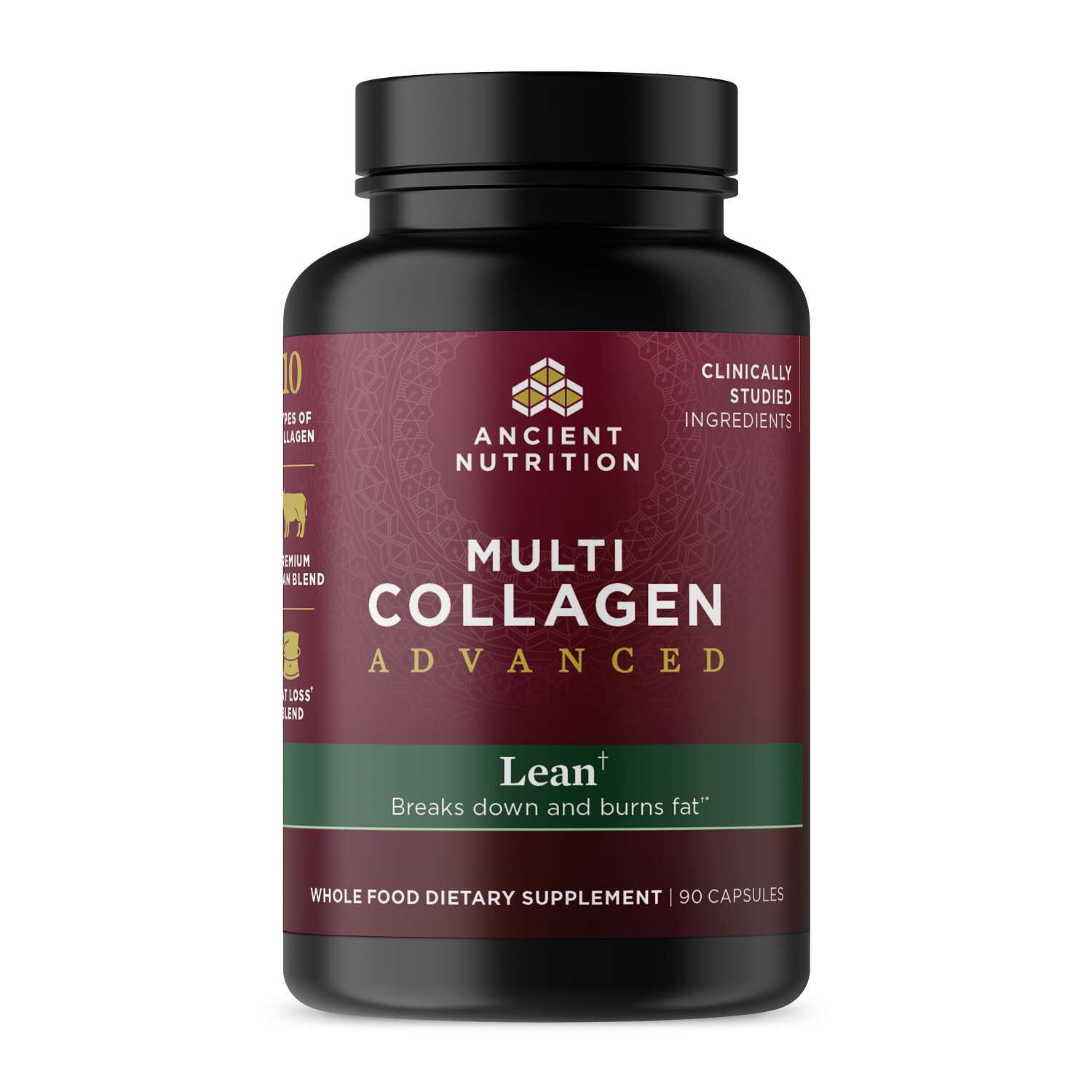 Ancient Nutrition
 -
Bee And You