





Antioxidant Supplements For Women
(0 Results)
Antioxidant supplements for women could play an integral role in supporting overall wellness by combating oxidative stress and promoting cellular health. Packed with potential benefits, these supplements might help maintain youthful skin, support immune function, and contribute to energy metabolism. Whether you're looking to bolster your diet or address specific health concerns, exploring the diverse range of antioxidant supplements for women may offer a tailored approach to enhancing your daily routine.
-

-

-
-
-

-

-

-
-

-
-

-
-

-

-
-
-
-
-
 57$54.99
-

-
-

-


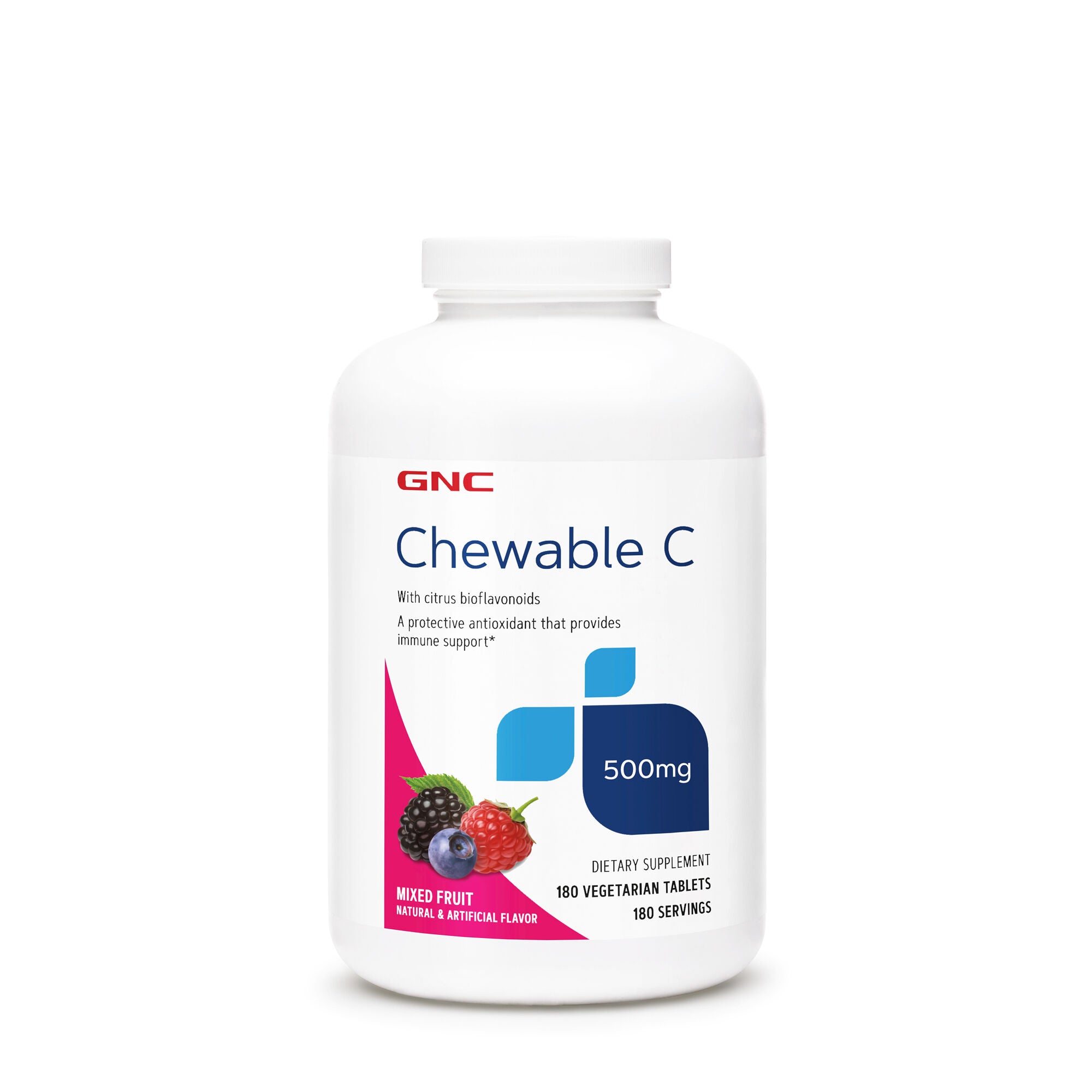
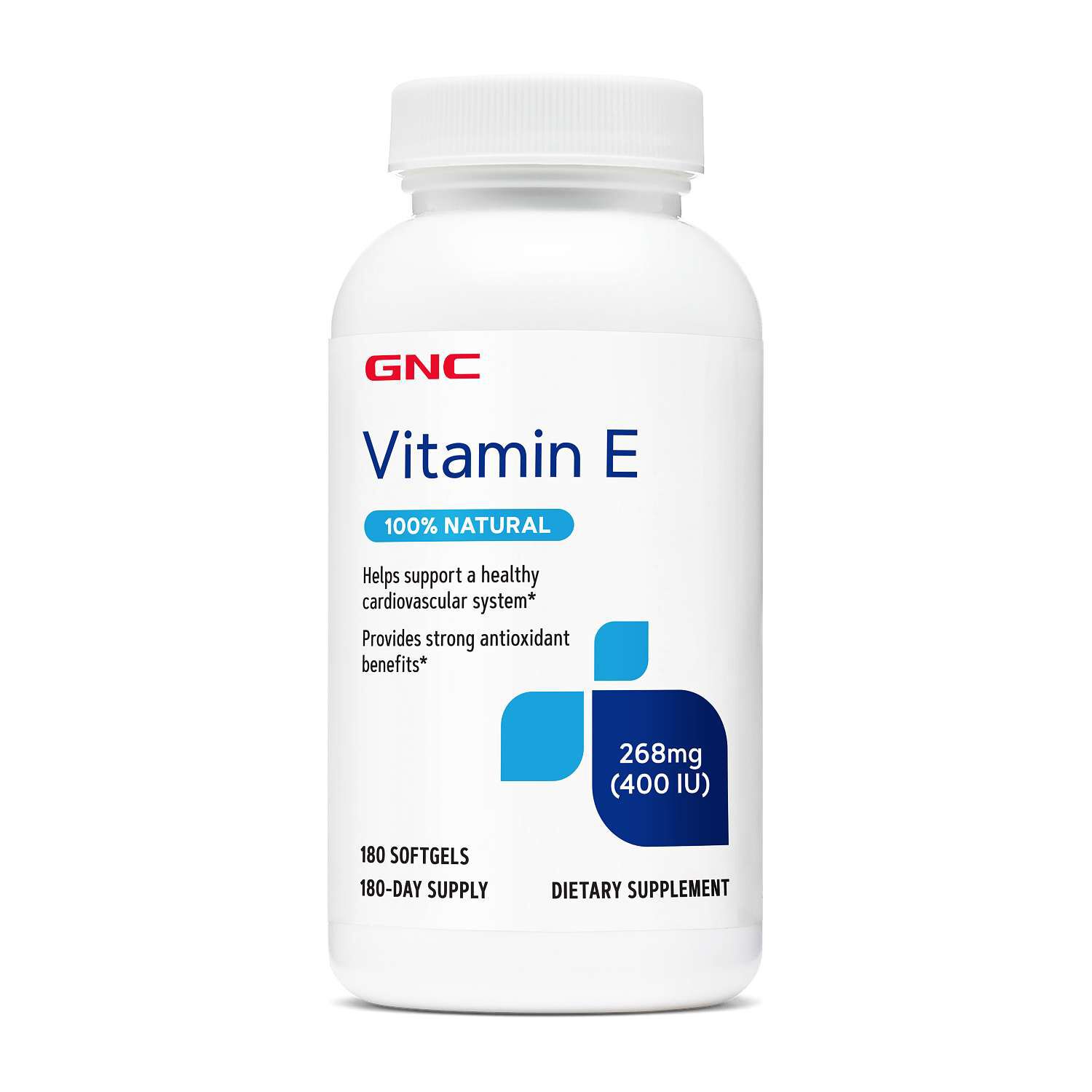
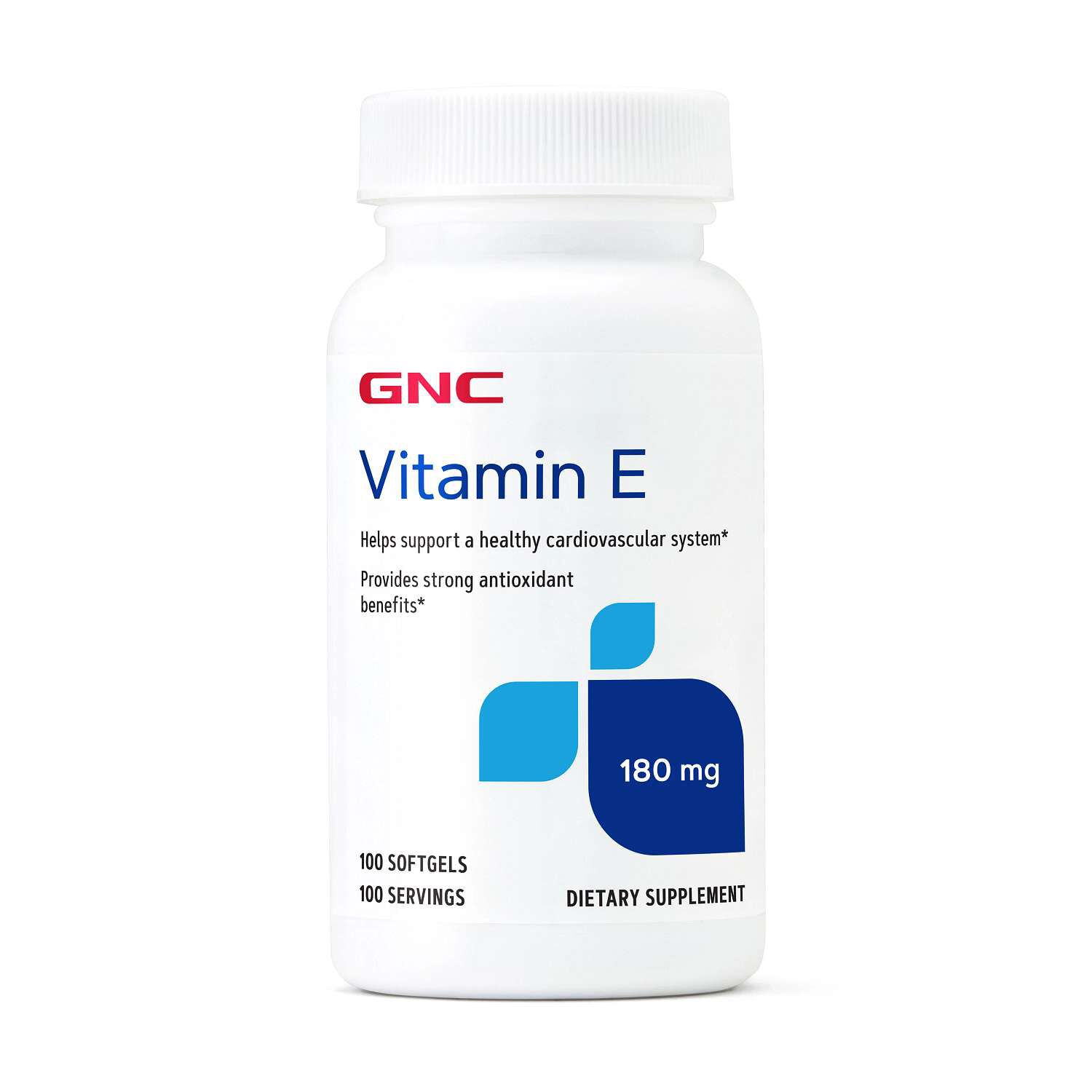
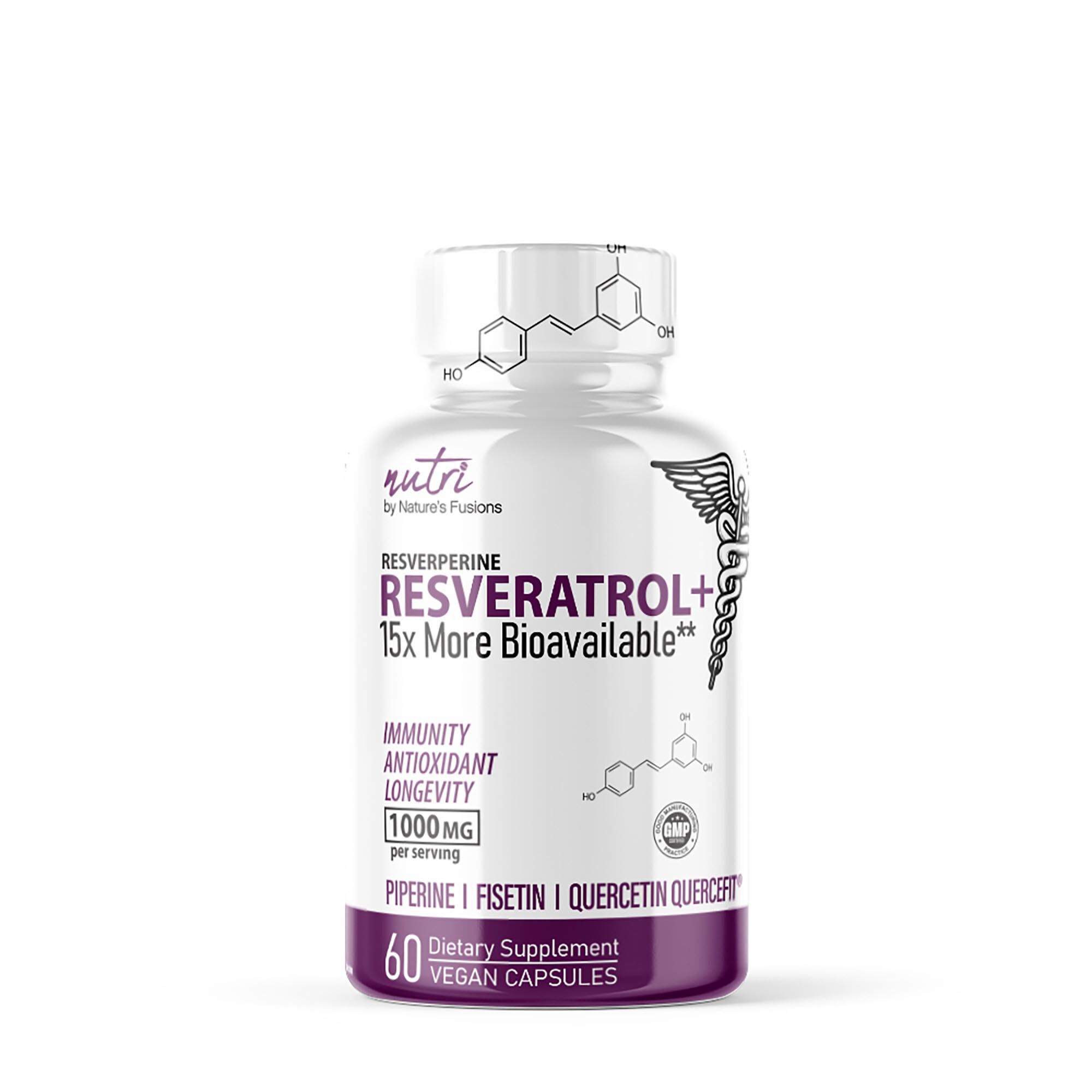
Antioxidant supplements for women are dietary supplements formulated with vitamins, minerals, or other compounds associated with antioxidant activity. Antioxidants may help the body manage oxidative stress, a process involving an imbalance between reactive molecules and the systems that regulate them. Within this category, formulas differ in their ingredients, serving sizes, delivery formats, and intended audiences. Some center on a single nutrient, such as vitamin C or vitamin E, while others combine several antioxidant ingredients in one serving. Coenzyme Q10, often shortened to CoQ10, glutathione, selenium, astaxanthin, and resveratrol are other ingredients associated with this category. These names describe different substances, not interchangeable versions of the same ingredient. Vitamin C is water-soluble, vitamin E is fat-soluble, and selenium is a mineral. CoQ10 is a compound found naturally in the body, while glutathione is made from amino acids. Astaxanthin belongs to the carotenoid family and can be sourced from microalgae; resveratrol belongs to a group of plant compounds called polyphenols. Those distinctions give useful context when comparing labels that use similar antioxidant language but contain quite different formulas. A women’s designation identifies the intended audience, yet it does not establish a standard recipe shared by every supplement. One formula might contain only a few dietary ingredients, while another includes a broader assortment of vitamins and botanical extracts. Antioxidant ingredients also occur in everyday foods, including berries, citrus fruit, leafy vegetables, nuts, seeds, and beans. Supplements are intended to complement dietary intake rather than reproduce the variety of nutrients and other components found in meals. For a woman comparing options alongside an established breakfast routine or a preference for simpler ingredient lists, the most meaningful distinctions are often concrete: which ingredients are included, how much each serving contains, and what taking that serving involves. Antioxidant supplements for women are therefore best understood as a varied product category rather than a single formula with one uniform purpose.
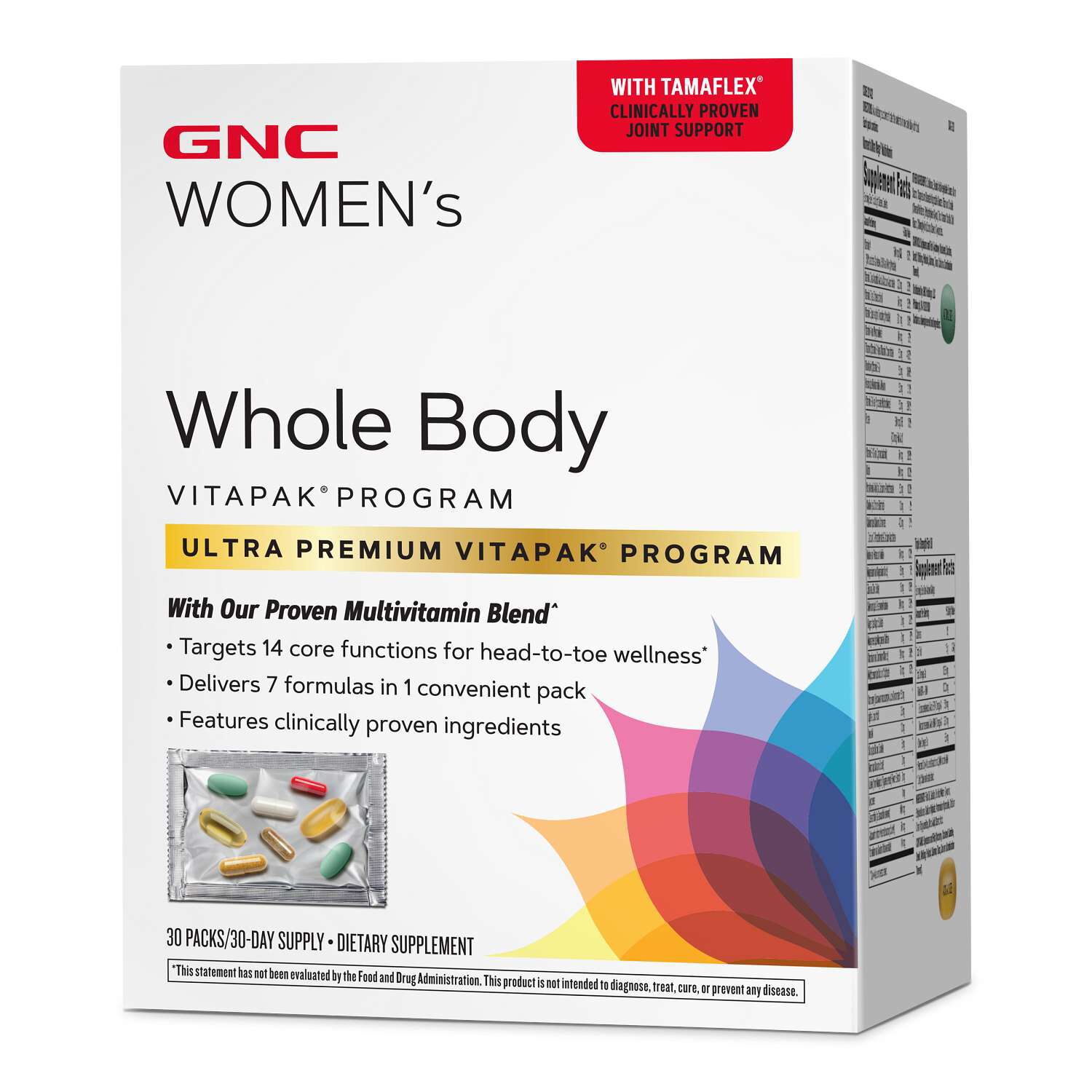
Format is another practical distinction, especially when a supplement will become part of an everyday routine. Capsules, tablets, softgels, gummies, liquids, and powders each have their own materials, textures, and preparation requirements. Capsule shells commonly use gelatin or plant-derived cellulose, while softgels typically have a flexible shell surrounding a liquid or oil-based filling. Tablets are compressed and sometimes coated, with dimensions and shapes that differ between formulas. Gummies bring flavor and a chewable texture, but their ingredient lists can also include sweeteners, colors, pectin, or gelatin. Powders involve measuring and mixing, and their directions identify the intended preparation method. Liquids likewise have their own measuring instructions and storage requirements. These differences matter in ordinary settings: a bottle kept beside breakfast dishes creates a different routine from a powder container used with a shaker cup before leaving home. A serving can also consist of more than one capsule, tablet, or gummy, so the number of pieces in a package is not necessarily the number of servings. The Supplement Facts panel separates serving size from the amount of each dietary ingredient per serving. Milligrams and micrograms describe quantities, not a ranking of ingredient quality, and amounts for different substances are not directly comparable simply because one number is larger. Some nutrients have an established Daily Value, while certain other dietary ingredients do not. The other ingredients list supplies a different kind of detail, identifying components such as capsule materials, flavorings, and ingredients used to hold a tablet together. For shoppers with preferences concerning animal-derived ingredients, sweetness, or flavor, those details can distinguish otherwise similar-looking options. A plant-sourced antioxidant ingredient does not, by itself, establish that every component of the finished supplement is plant-derived. Likewise, a fruit flavor describes taste rather than the full composition of a formula. Reading the dietary ingredients and other ingredients together gives a clearer picture of what is in the container than a short description on the front.
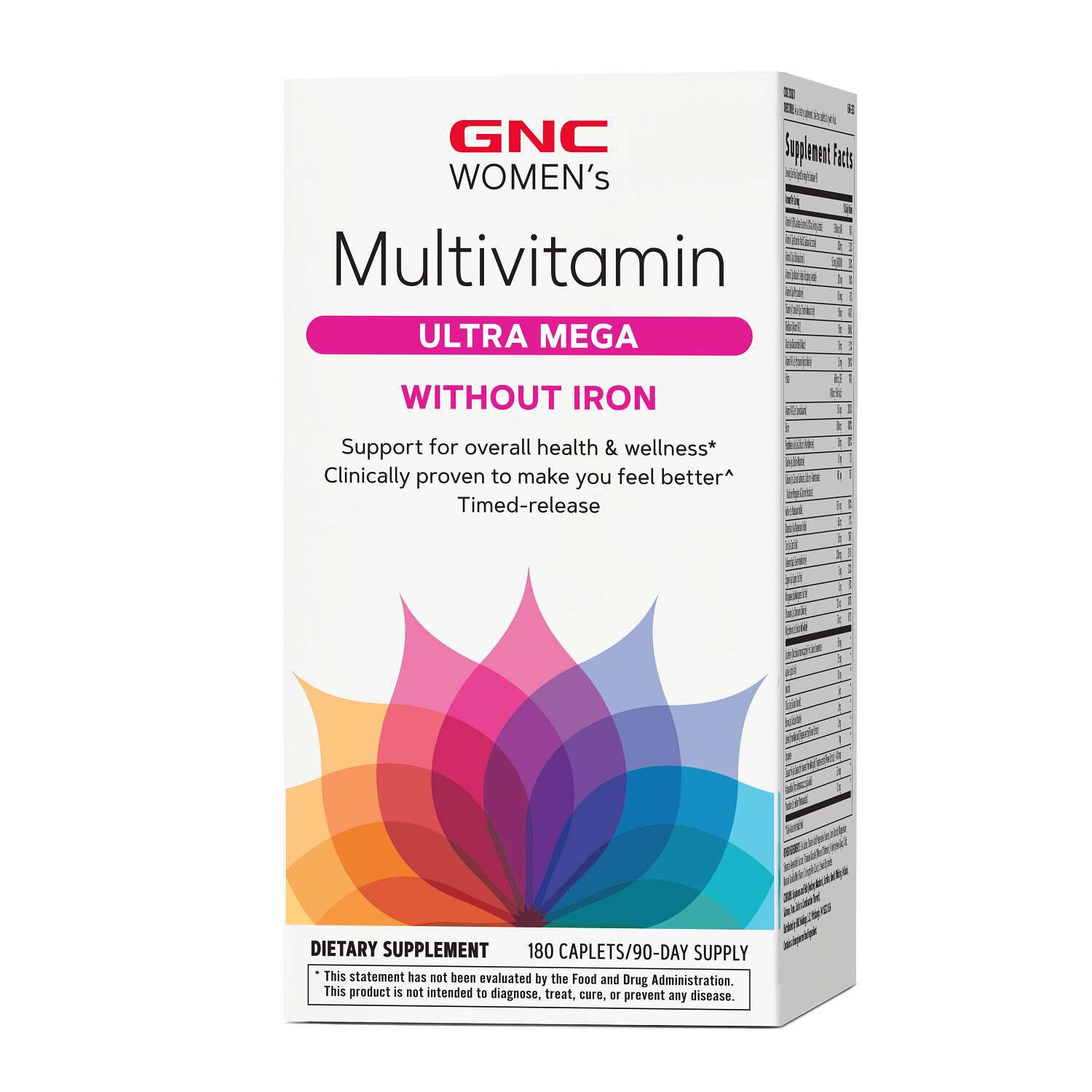
Comparing antioxidant supplements for women also involves looking beyond the category name to the intended use and the practical details of the package. A single-ingredient formula presents a narrower composition, while a combination formula brings several ingredients into one labeled serving. Neither description alone establishes how well a product matches a particular shopping preference. Someone who values a short ingredient list may focus on a different formula from someone seeking several named ingredients together. Women comparing a standalone antioxidant supplement with an existing multivitamin can see the same nutrient names appear on both labels; keeping those ingredient lists side by side makes overlap visible without treating the products as identical. Age-focused descriptions provide another way to organize a search, but the actual composition still comes from the label rather than the audience named on the package. For related browsing, visit Antioxidant Supplements For Seniors. Package design and care deserve attention as well. A securely closing cap, a clearly printed expiration date, and readable preparation directions are practical features of a supplement container. Storage instructions vary, including whether refrigeration is specified after opening, so the package remains the reference for handling a particular formula. A bathroom shelf, a kitchen cabinet, and a bag carried between home and work present different storage conditions; the label identifies which conditions are appropriate. Powders and liquids also involve opening, measuring, and closing the container with each use, while individually packaged servings have different handling requirements. If a supplement is being considered as a gift, a recipient’s known preferences for format, flavor, and ingredient sources are more informative than assumptions based on age or gender alone. Across these choices, the clearest comparison comes from the same tangible details: ingredient identity, amount per serving, serving format, package directions, and intended audience. Those details give substance to an antioxidant category that otherwise brings together many different kinds of formulas.
Best Sellers
-
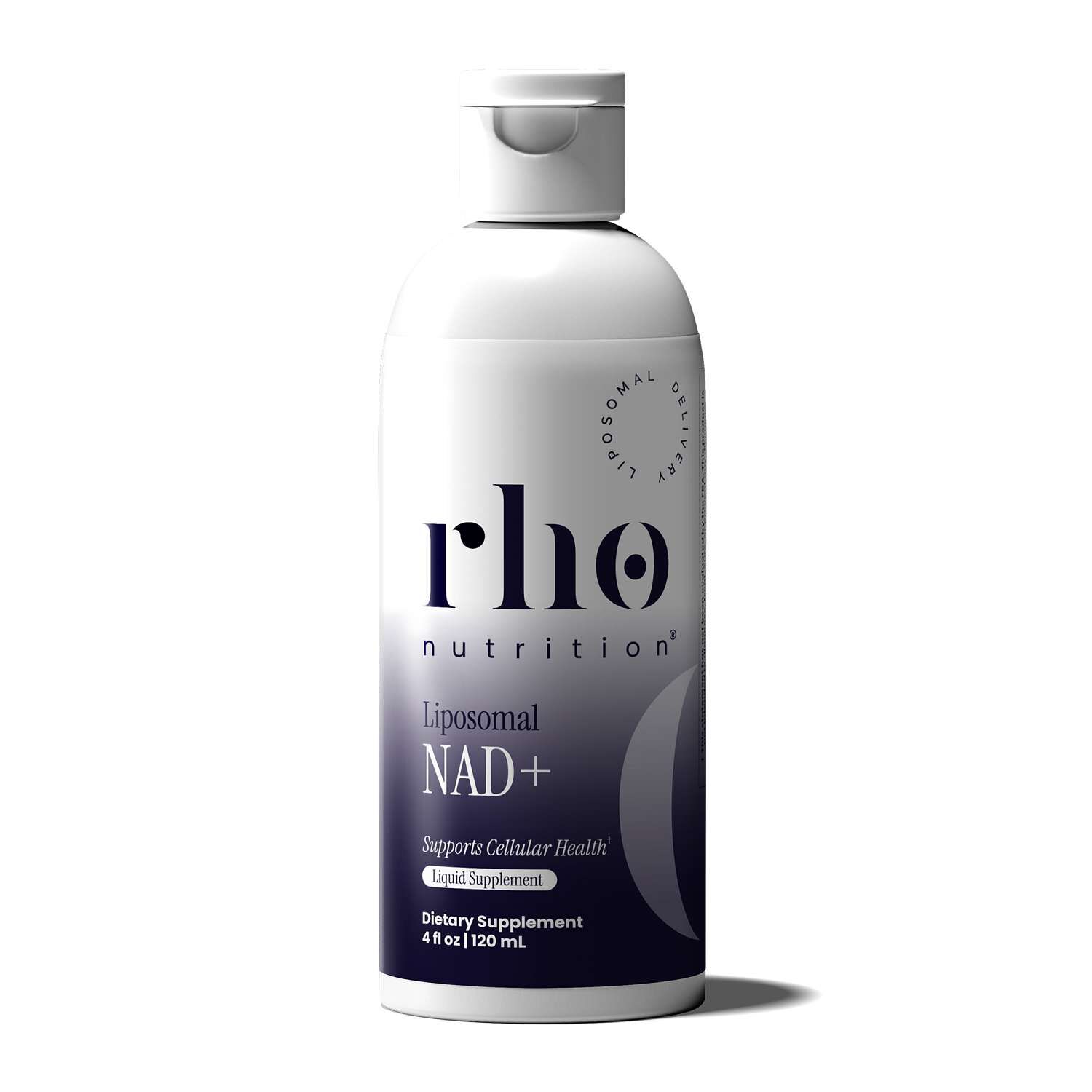 Rho Nutrition
-
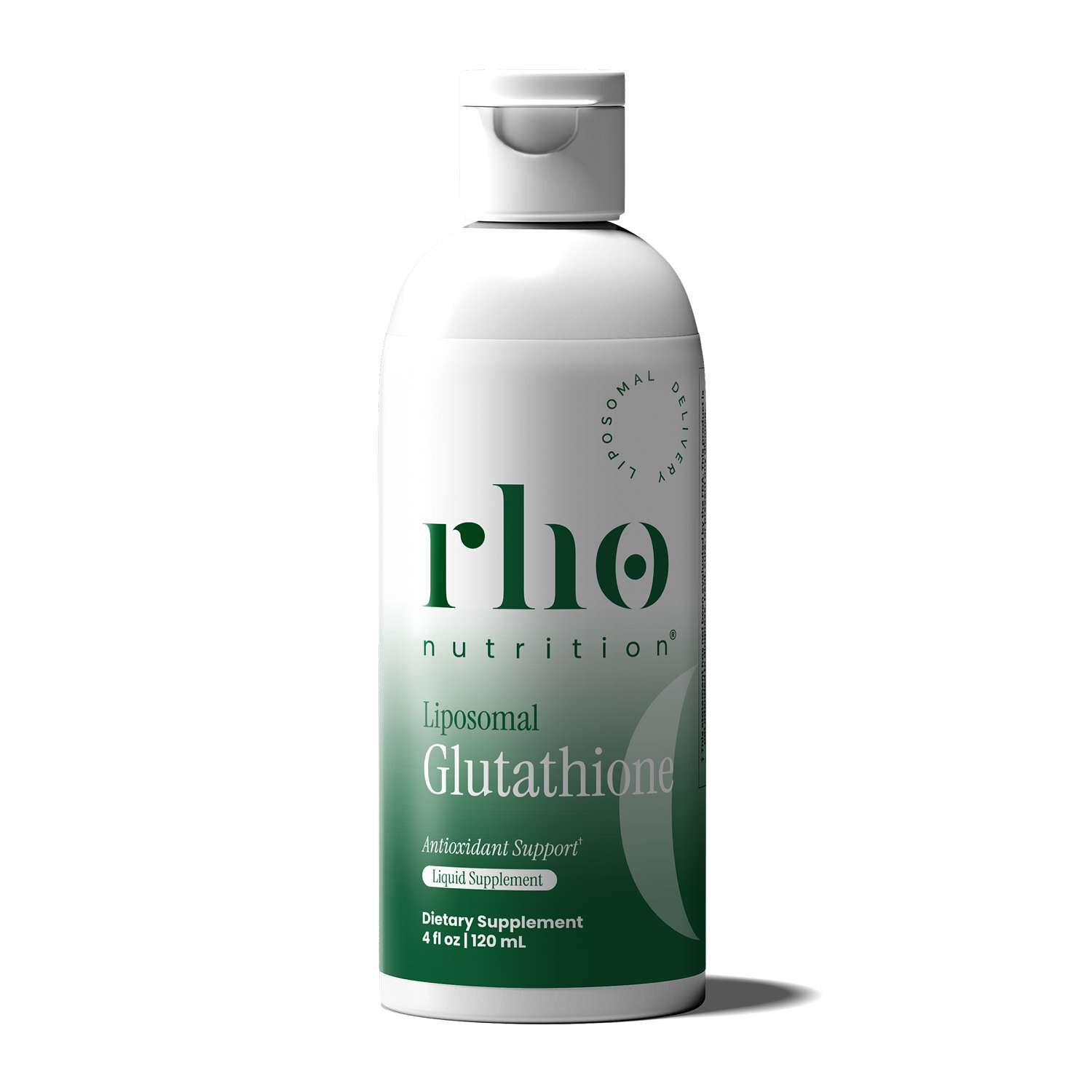 Rho Nutrition
-
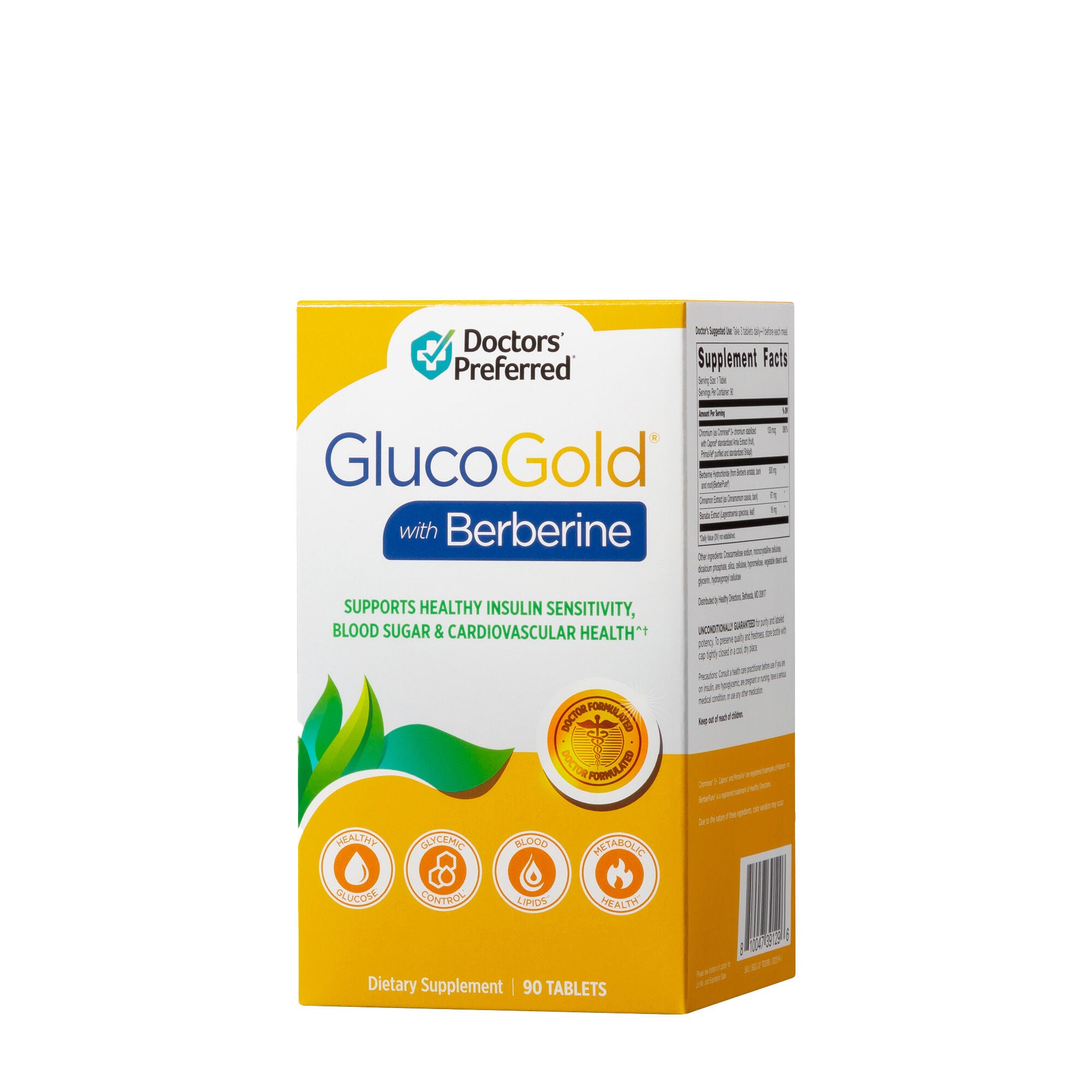 Doctors' Preferred
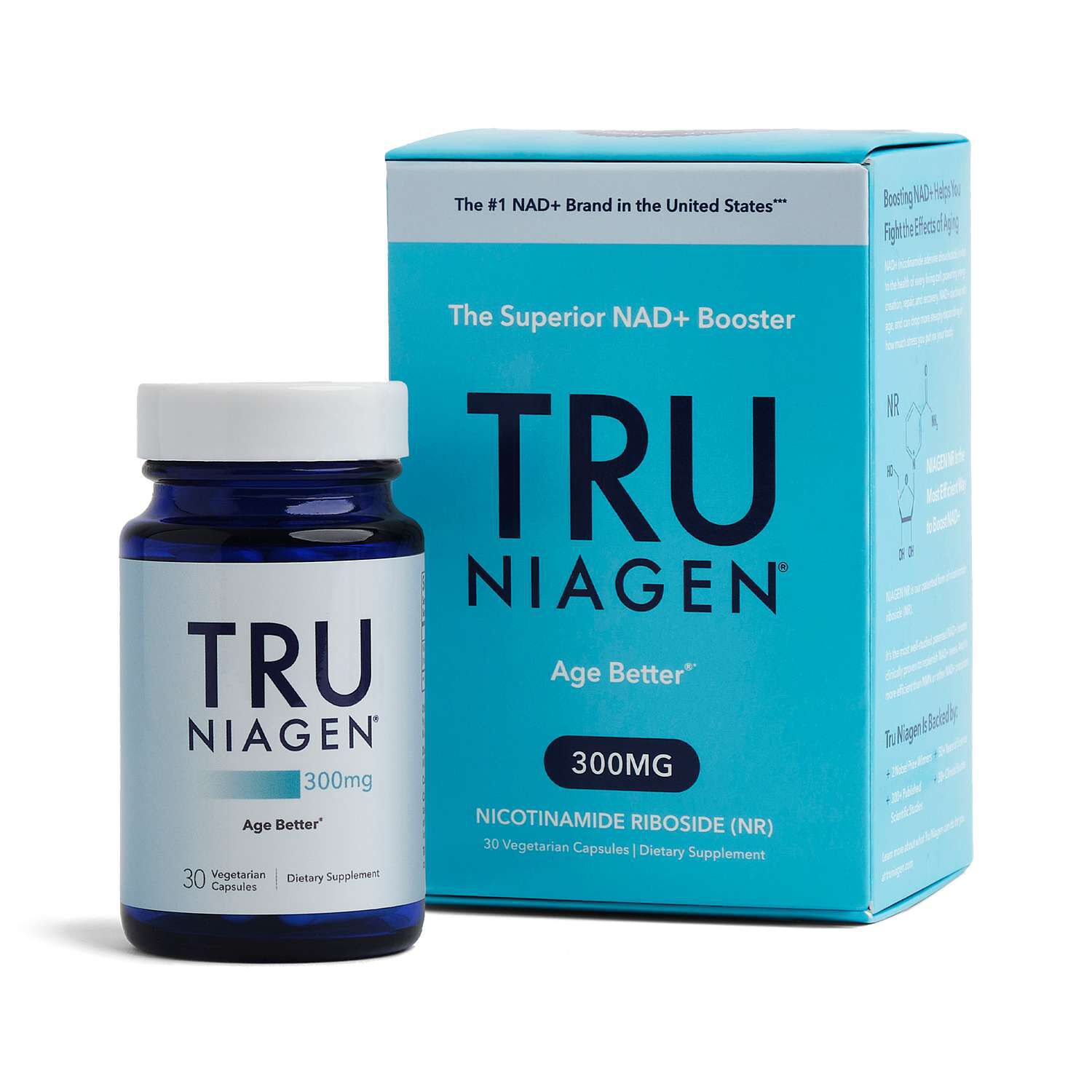
Related Pages
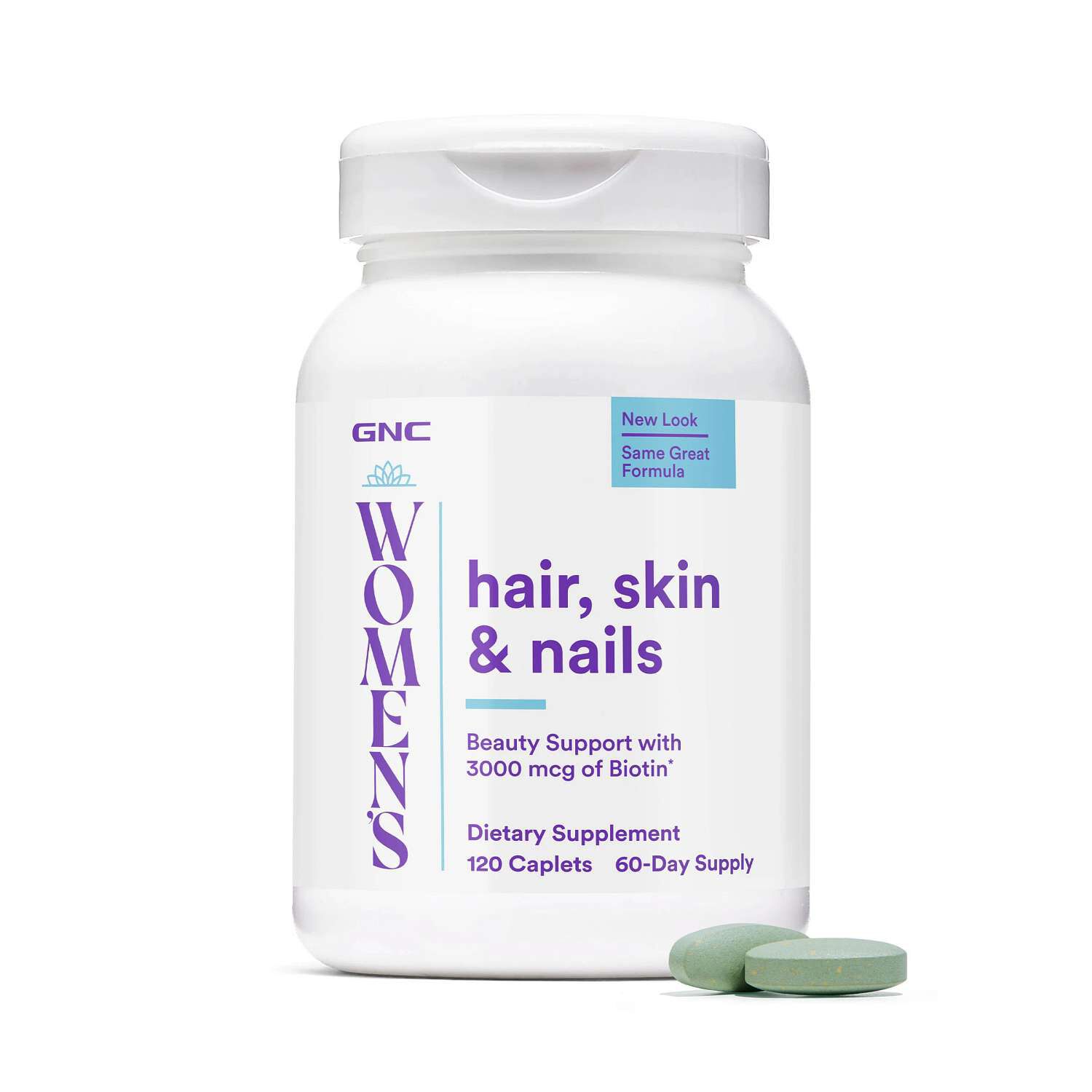

Top Collections
- Active Supplements
- Chronic Fatigue Supplements
- Supplements For Yoga Joint Flexibility
- Zinc Supplements | Top Brands at Great Prices | GNC
- Joint Mobility Supplement Packs
- Adult Mobility Supplements
- Supplements For Anxiety Relief Support
- Zinc Supplements For Men
- Capsule Supplements For Energy And Stamina
- Vitamins For Hair Loss