





Iron Supplements For Overall Wellness
(0 Results)
Iron supplements for overall wellness are a popular choice for those looking to support their daily nutrition goals. Adding iron to your routine may help you maintain a balanced and healthy lifestyle, especially if you're seeking to fill potential gaps in your diet. Discover a variety of iron supplements designed to fit different preferences and dietary needs, making it easier to find an option that aligns with your wellness journey.
-
-

-

-

-
-

-
-
-
-

-

-
-
-
-
 $29.99

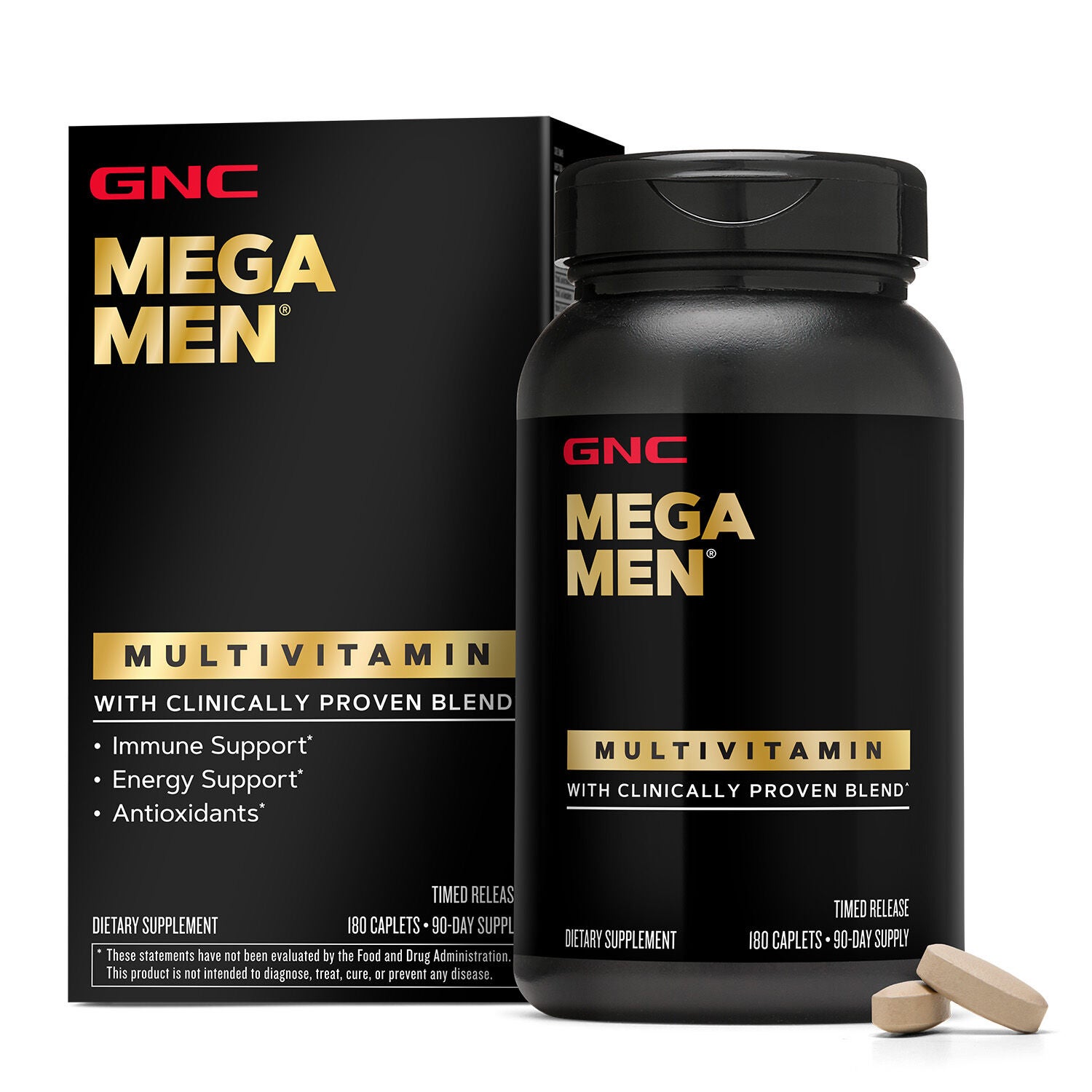
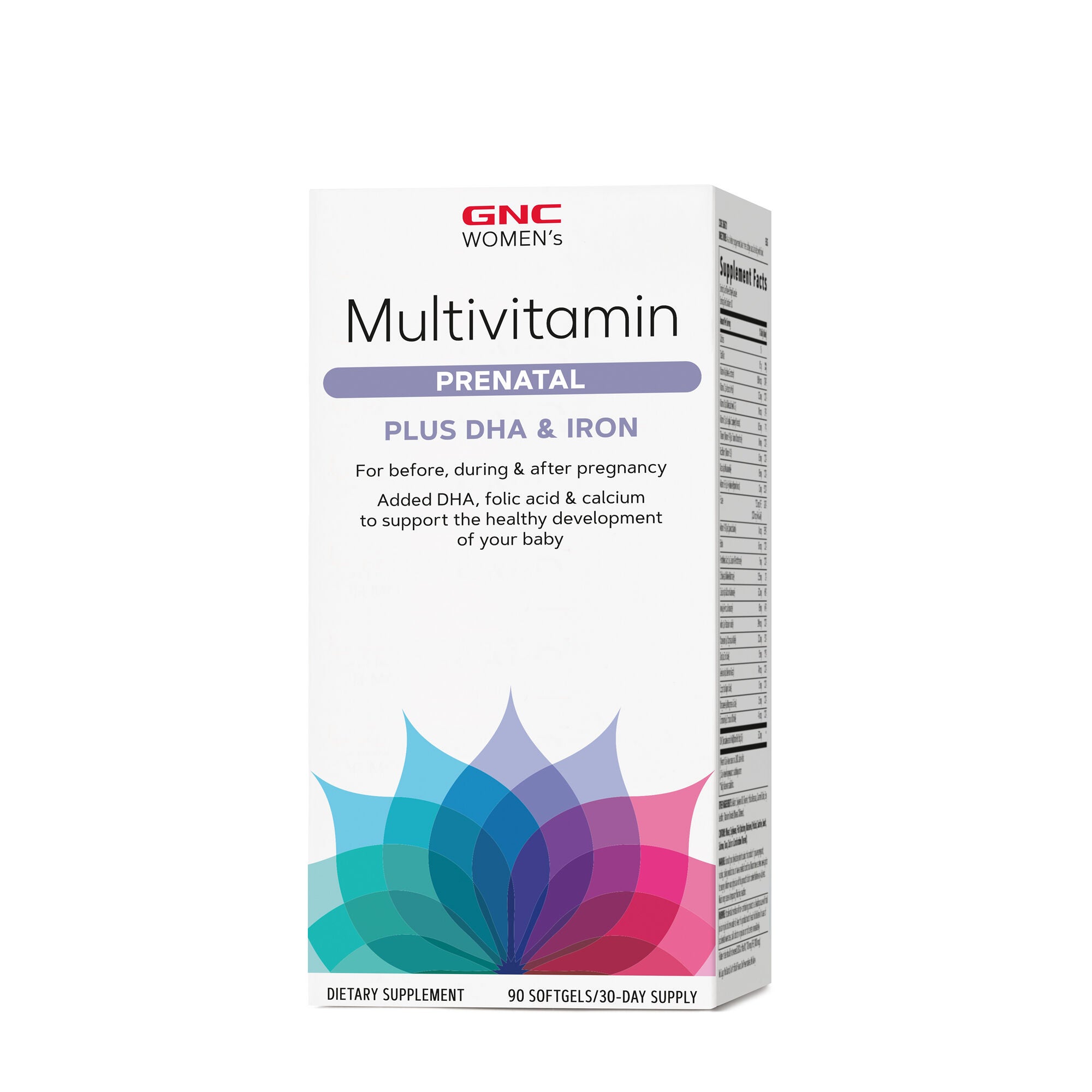
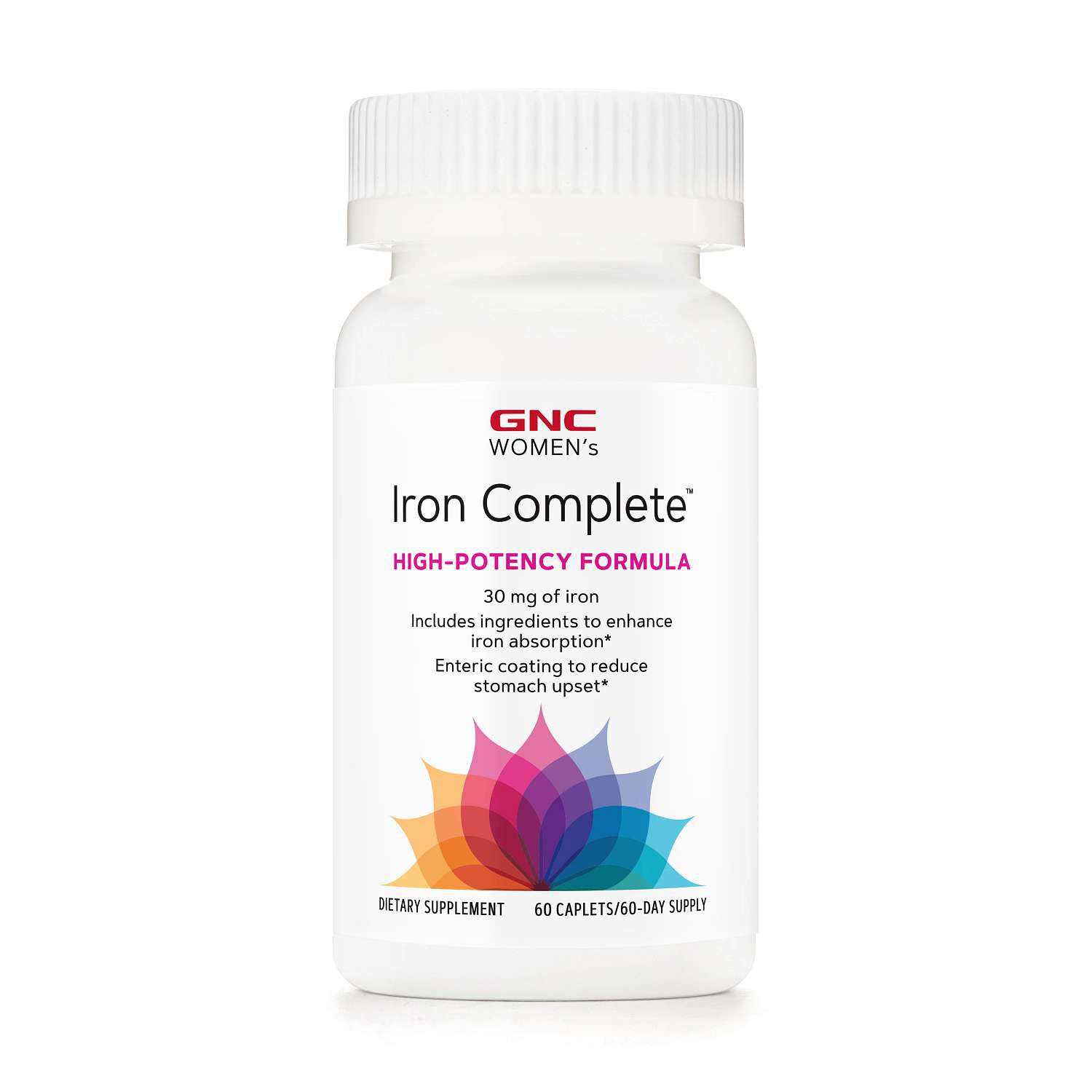
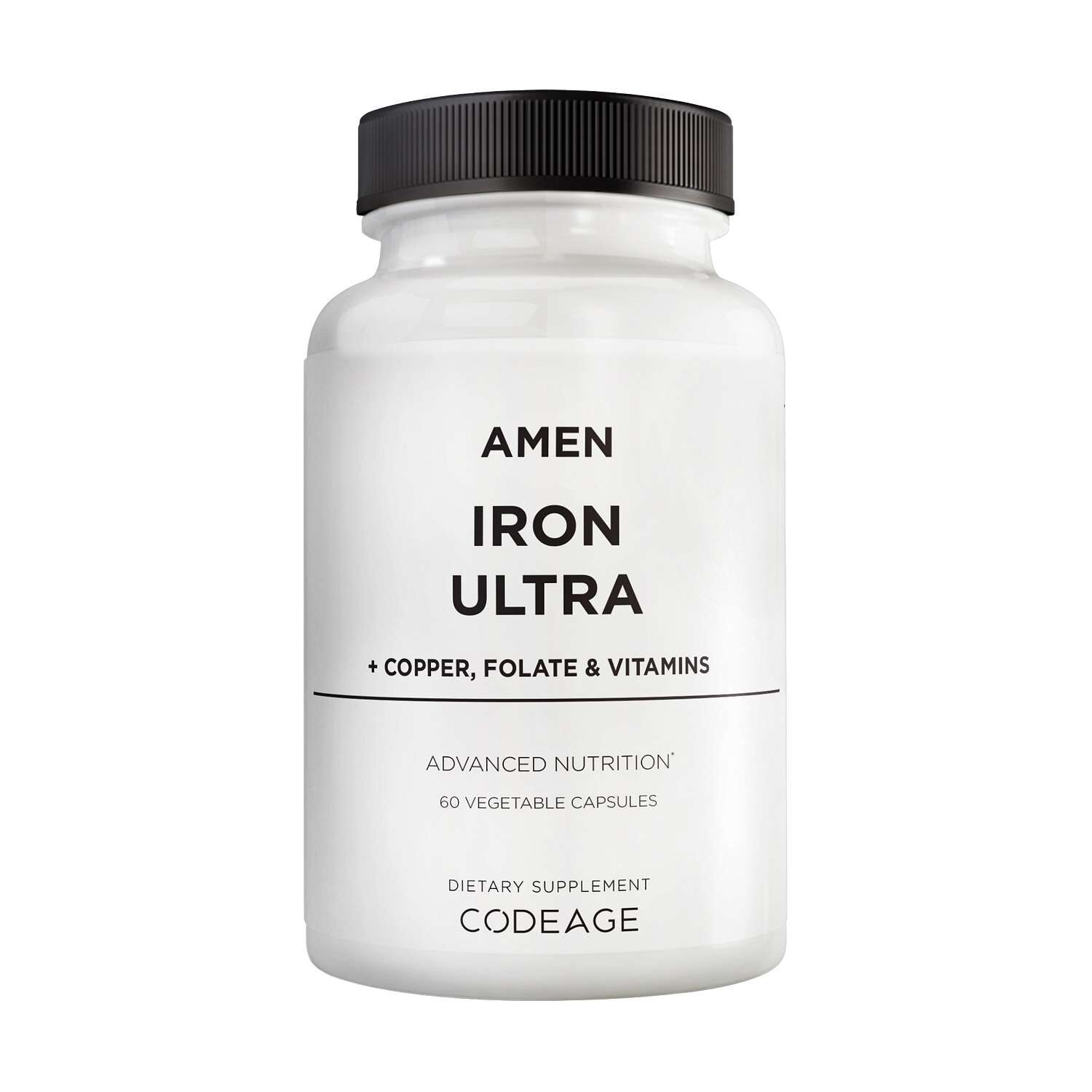
Iron supplements for overall wellness bring together a range of formats, ingredient combinations, and serving sizes centered on one dietary mineral. Iron occurs naturally in foods such as meat, seafood, beans, lentils, and fortified cereals, and supplements offer another source in a measured serving. An iron supplement may complement an individual nutrition routine, but it is not a universal requirement or a substitute for a varied diet. Its suitability depends on personal circumstances, not simply an interest in wellness or an active schedule. Someone who eats mostly plant-based meals may approach the category with different questions than someone comparing an iron-only formula with a multivitamin that contains iron. Those differences make the details on the label more useful than broad language on the front of the bottle. The amount of iron per serving, the number of tablets or capsules in that serving, and the presence of other nutrients all help distinguish one formula from another. Milligrams describe the quantity of iron, while the percent Daily Value provides a separate reference for interpreting the nutrition information. That percentage is not a personalized target. A higher number also does not, by itself, establish a better match for everyday use. The same is true of product format: a capsule, tablet, chewable, or liquid represents a different way of presenting the ingredient, rather than a ranking of quality. In a product collection focused on overall wellness, these practical distinctions provide a grounded way to understand the category without treating every formula as interchangeable. Iron supplements are best understood as a specific part of the broader nutrition landscape, not an all-purpose answer to a demanding workday, a busy household, or a packed exercise calendar. The most informative comparisons stay close to what a formula actually contains, how its serving is defined, and which preferences its ingredients and packaging may accommodate. That keeps the focus on meaningful product differences rather than expectations based on a bottle’s appearance or a broad wellness description.
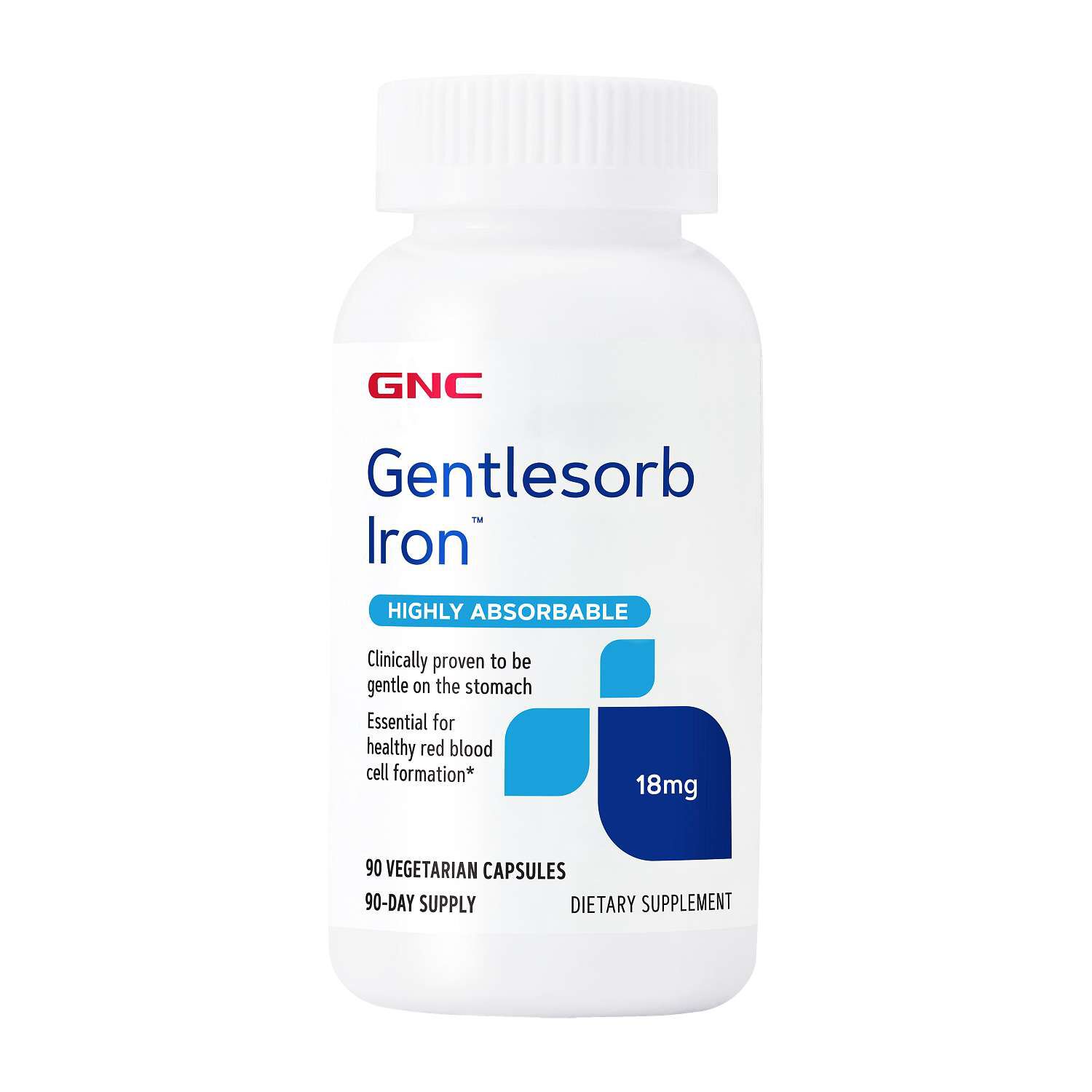
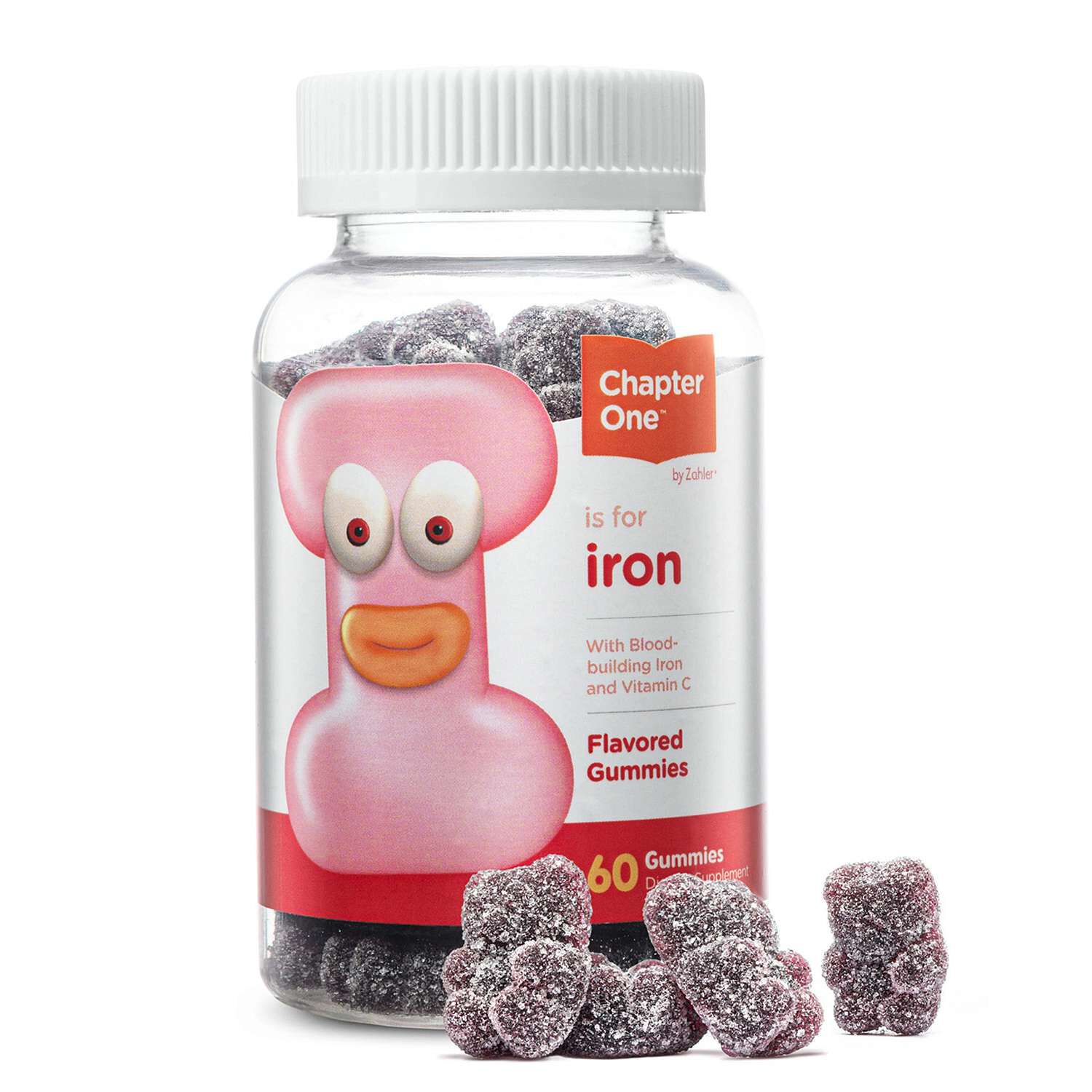
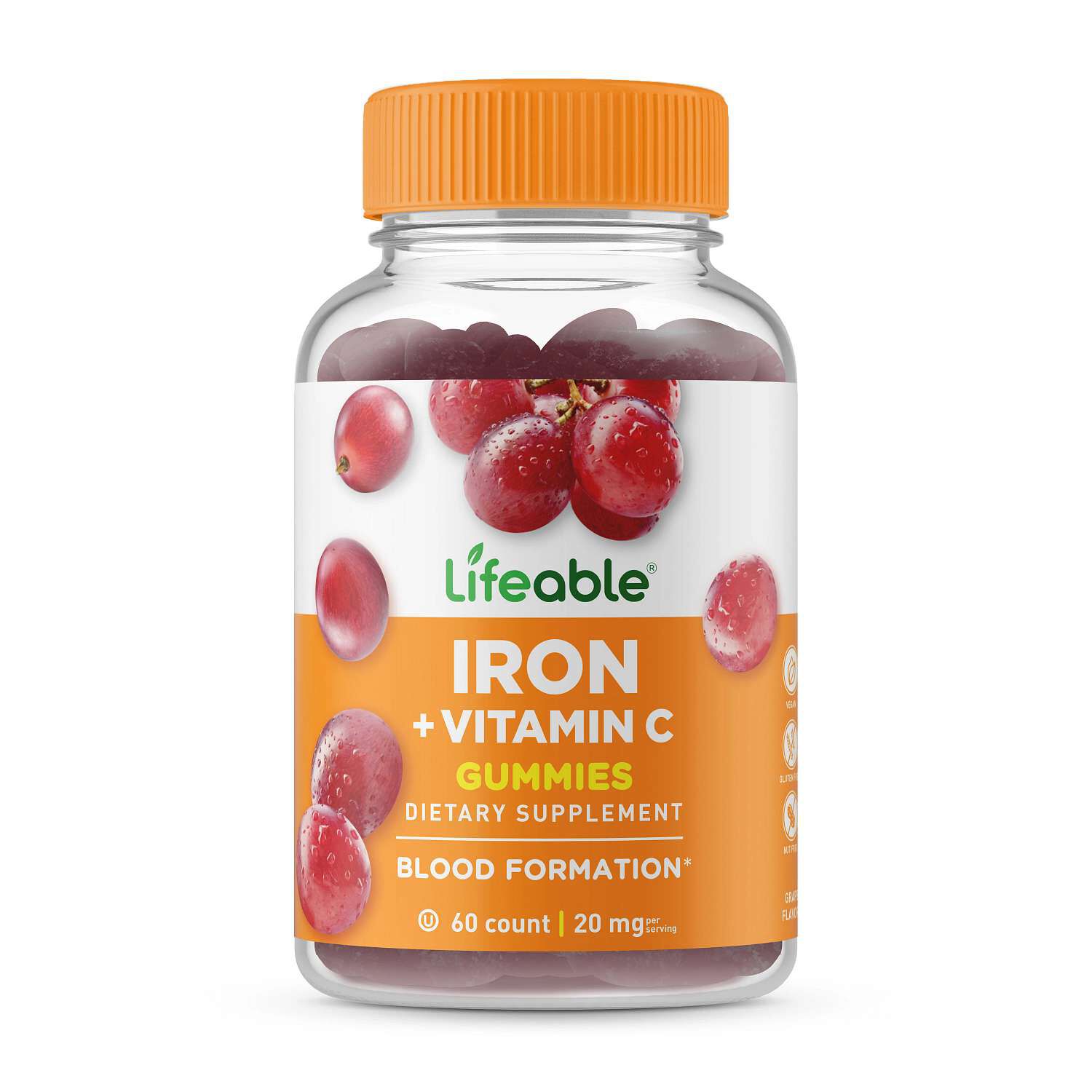
The ingredient panel adds another layer of detail to an iron supplement comparison. Labels may identify forms such as ferrous sulfate, ferrous fumarate, ferrous gluconate, or iron bisglycinate. These names describe the source of the iron; they are distinct from the declared amount of elemental iron, which identifies the iron portion of the serving. Two formulas with different source names can still list the same iron amount, while similarly sized bottles can contain very different numbers of servings. A bottle containing 60 capsules, for example, does not necessarily represent 60 servings, because the serving size may include more than one capsule. This distinction matters when comparing the physical size of a package with the information inside it. Beyond the mineral itself, tablets may include binding ingredients and coatings, and capsules may use gelatin or a plant-derived shell. For shoppers with vegetarian preferences, the capsule material and the rest of the ingredient list are relevant details alongside the mineral source. Chewable formats can include flavorings, sweeteners, and ingredients that create their texture. Liquids have their own considerations, including the listed serving volume, flavor description, and whether the package includes a measuring device. These are tangible differences: a small capsule bottle occupies a different amount of cabinet space than a liquid bottle, and a flavored chewable creates a different experience than an unflavored tablet. None of those features alone establishes how appropriate a formula is for a particular person. Combination formulas introduce further distinctions, with some pairing iron with vitamin C, folate, vitamin B12, or other nutrients. The presence of several nutrients changes the composition of the product, but a longer ingredient list is not automatically more useful. For someone already comparing several supplements, overlapping ingredients are another relevant part of the label. Descriptions such as “gentle” also warrant context: the wording does not establish an identical experience for every person, and the ingredient panel offers more concrete information than the descriptor alone.
Everyday fit extends beyond the ingredient list to the way an iron supplement is packaged, identified, and stored. A clearly printed serving size, readable directions, and a legible expiration date make the bottle easier to distinguish from other supplements in a household. Container design matters, too, particularly when comparing a compact tablet bottle with a liquid format that requires measuring. A cap, bottle neck, and included measuring accessory each contribute to how the package is handled; these practical details are separate from the amount or form of iron inside. Manufacturer storage directions provide the product-specific information for care, while the original label retains the ingredients, directions, and caution statements associated with that formula. Packaging durability is relevant to ordinary handling, but a sturdy container does not establish the suitability of its contents. Iron supplements also have special safety considerations, including caution statements concerning accidental ingestion by children. They are not casual additions to a shared family supplement assortment, and adult formulas are not interchangeable with products labeled for other age groups. Likewise, wellness-themed gifting calls for more personal context than choosing a shaker bottle or a gym towel: iron is a targeted nutrition product rather than a general-purpose present. For shoppers browsing by lifestyle, Iron Supplements For Health Enthusiasts offers a related collection organized around that interest, while the individual labels remain the basis for understanding each formula. An enthusiasm for fitness does not, on its own, establish a need for iron. The same measured perspective applies across the category, whether the preference is a straightforward iron-only tablet, a capsule with a particular shell material, or a liquid with a clearly stated serving volume. Useful distinctions come from transparent ingredient information, an understandable serving format, and packaging details that suit the intended setting. Together, those features give iron supplements for overall wellness a more specific identity than a broad wellness label alone: they are measured sources of a dietary mineral, offered in different forms for individual nutrition considerations.
