





Iron Supplements For Nutrient Deficiencies
(0 Results)
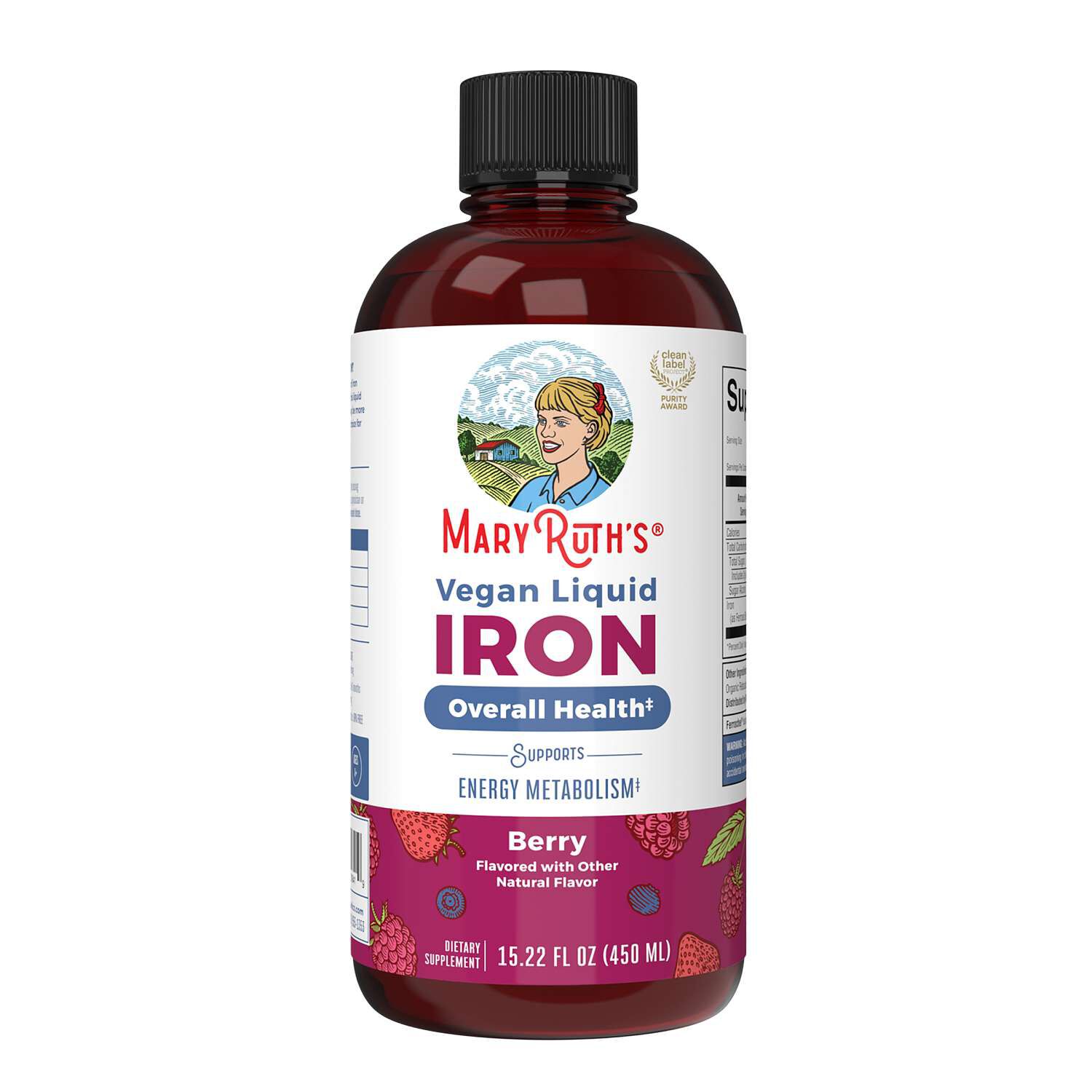
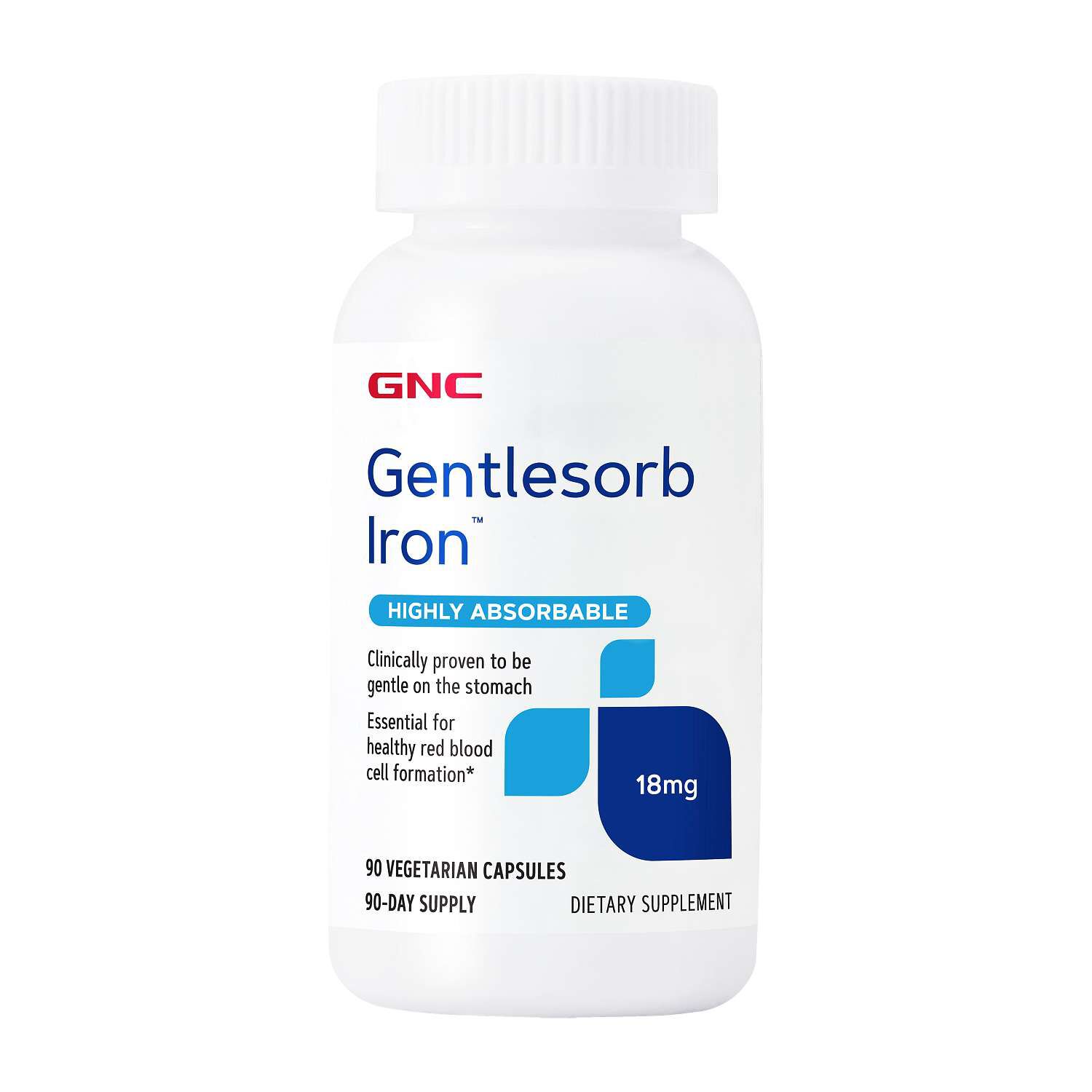
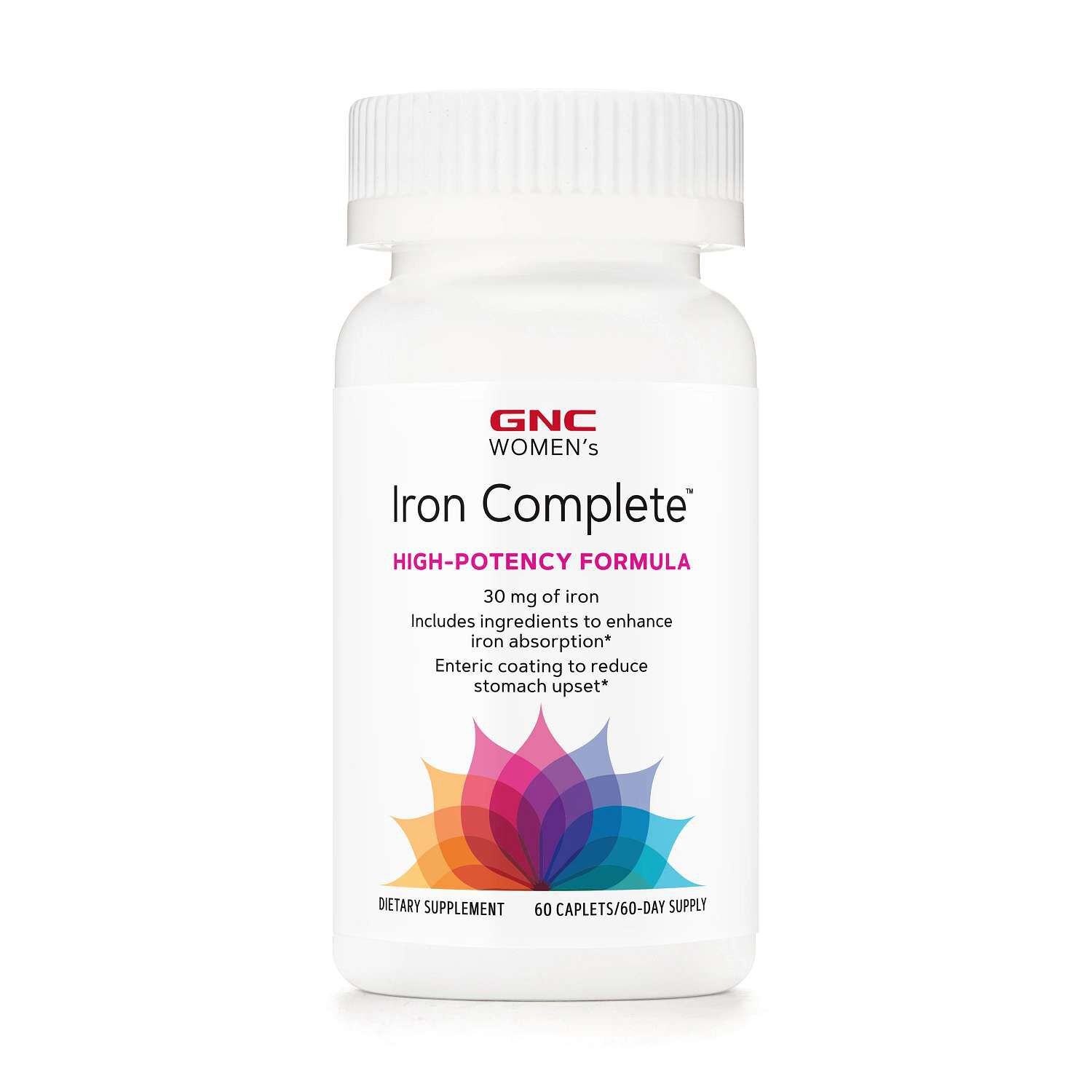
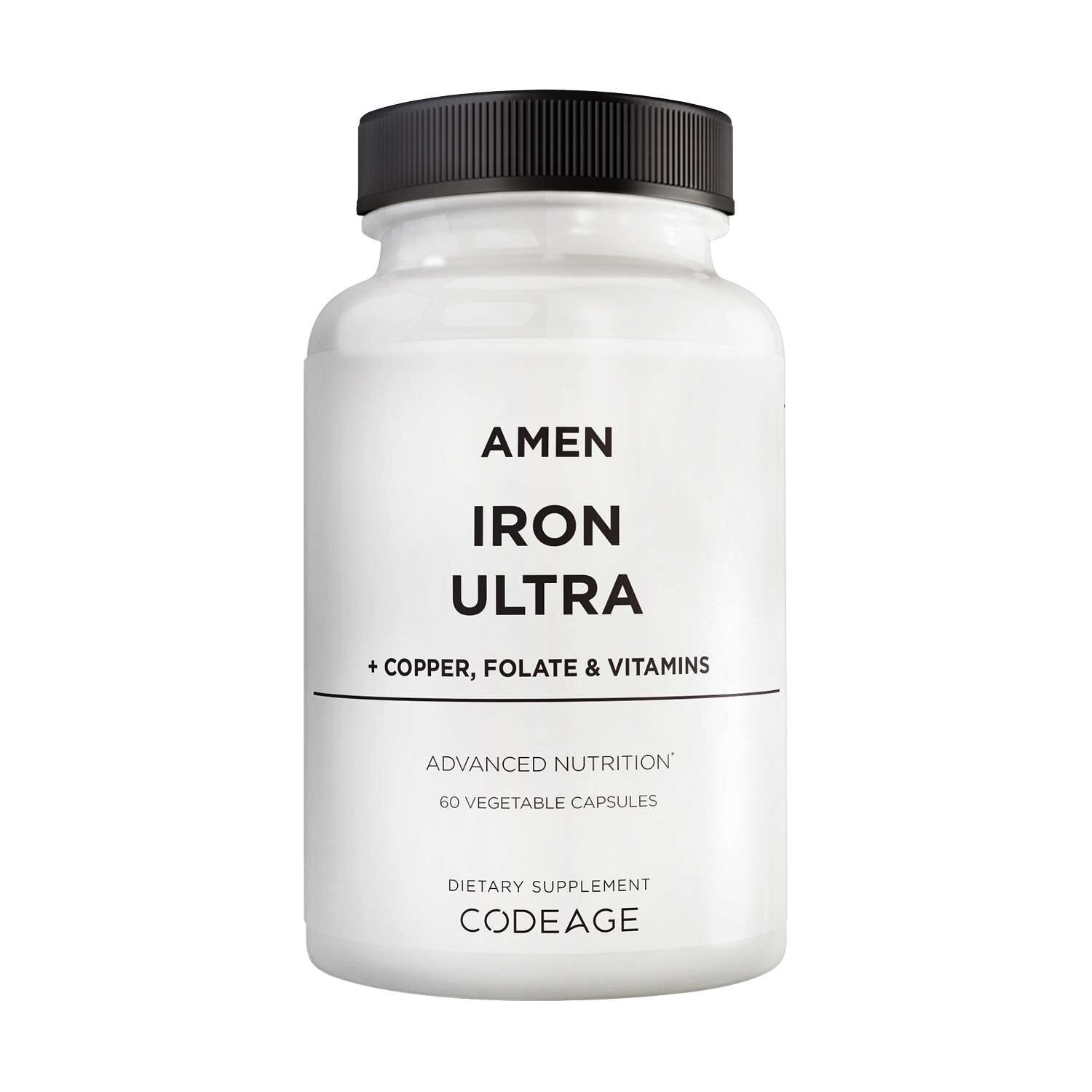
Iron supplements for nutrient deficiencies may offer support for individuals seeking to maintain healthy iron intake as part of their daily routine. Iron plays a key role in helping the body perform important functions, and choosing the right supplement could be an option for those looking to address gaps in their diet. Explore a variety of iron supplements for nutrient deficiencies that may fit your wellness goals and lifestyle preferences.
-
-

-
-

-
-
-
-
-
 $16.99
-

-

-

-
-

-

-
 $17.99
-
 $15.99

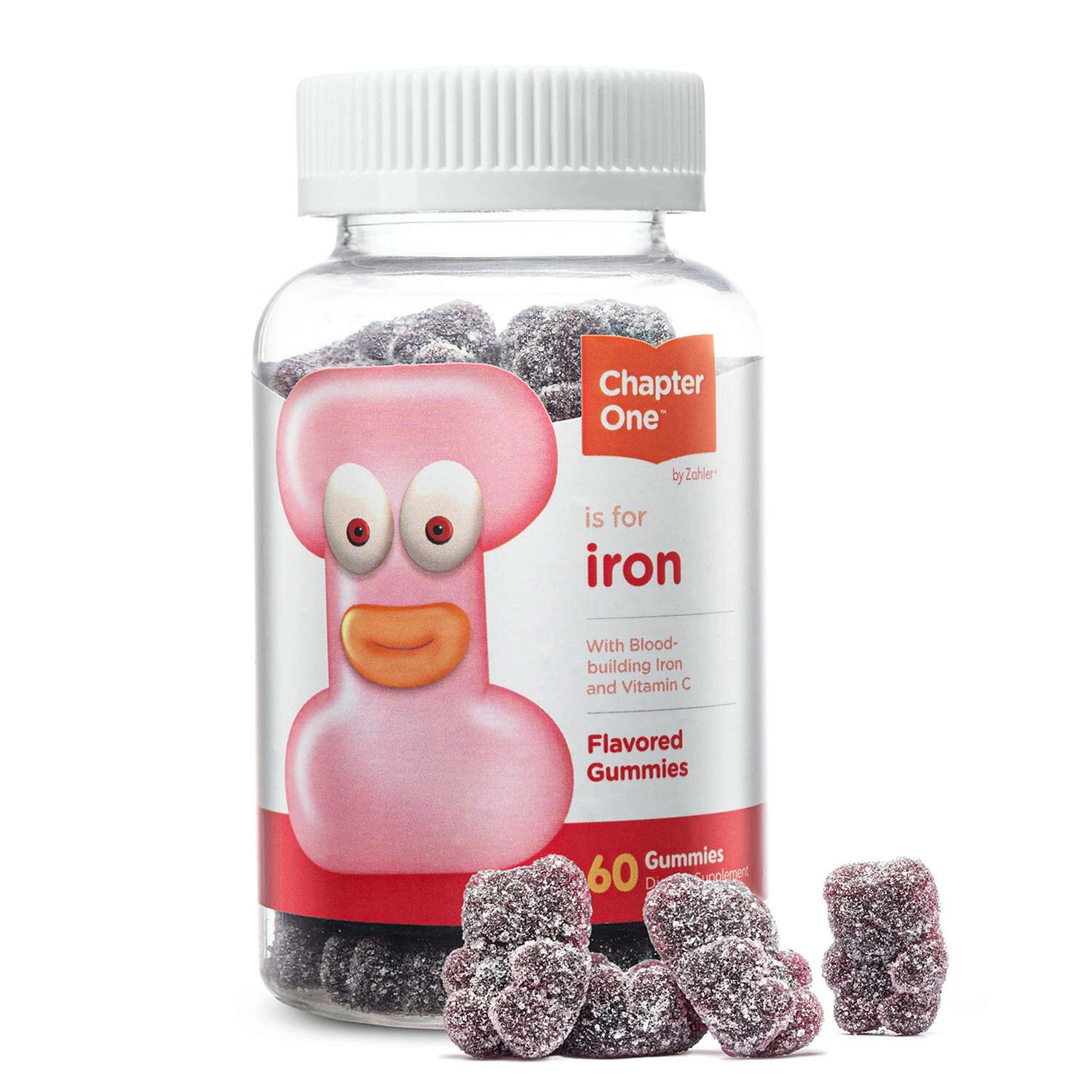
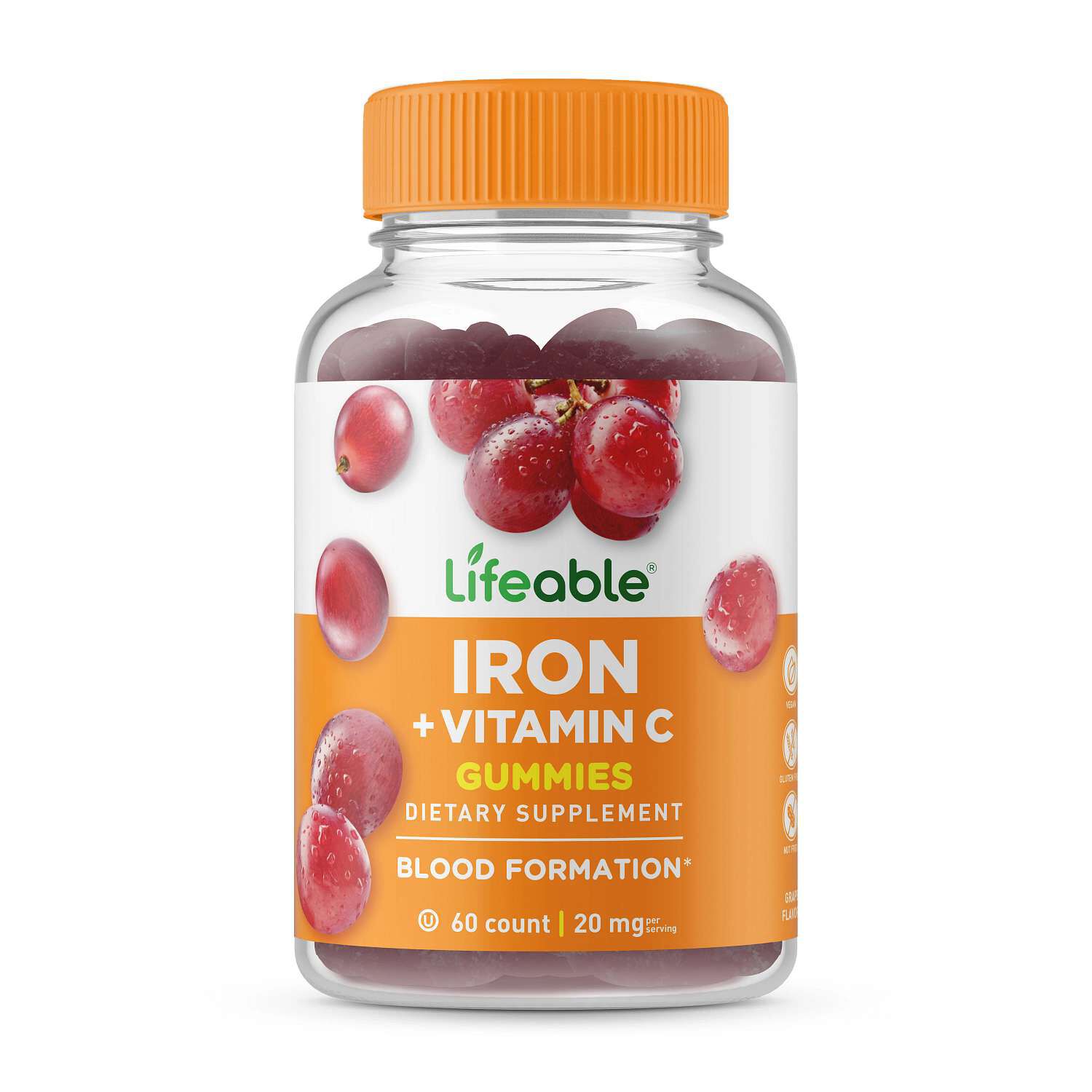
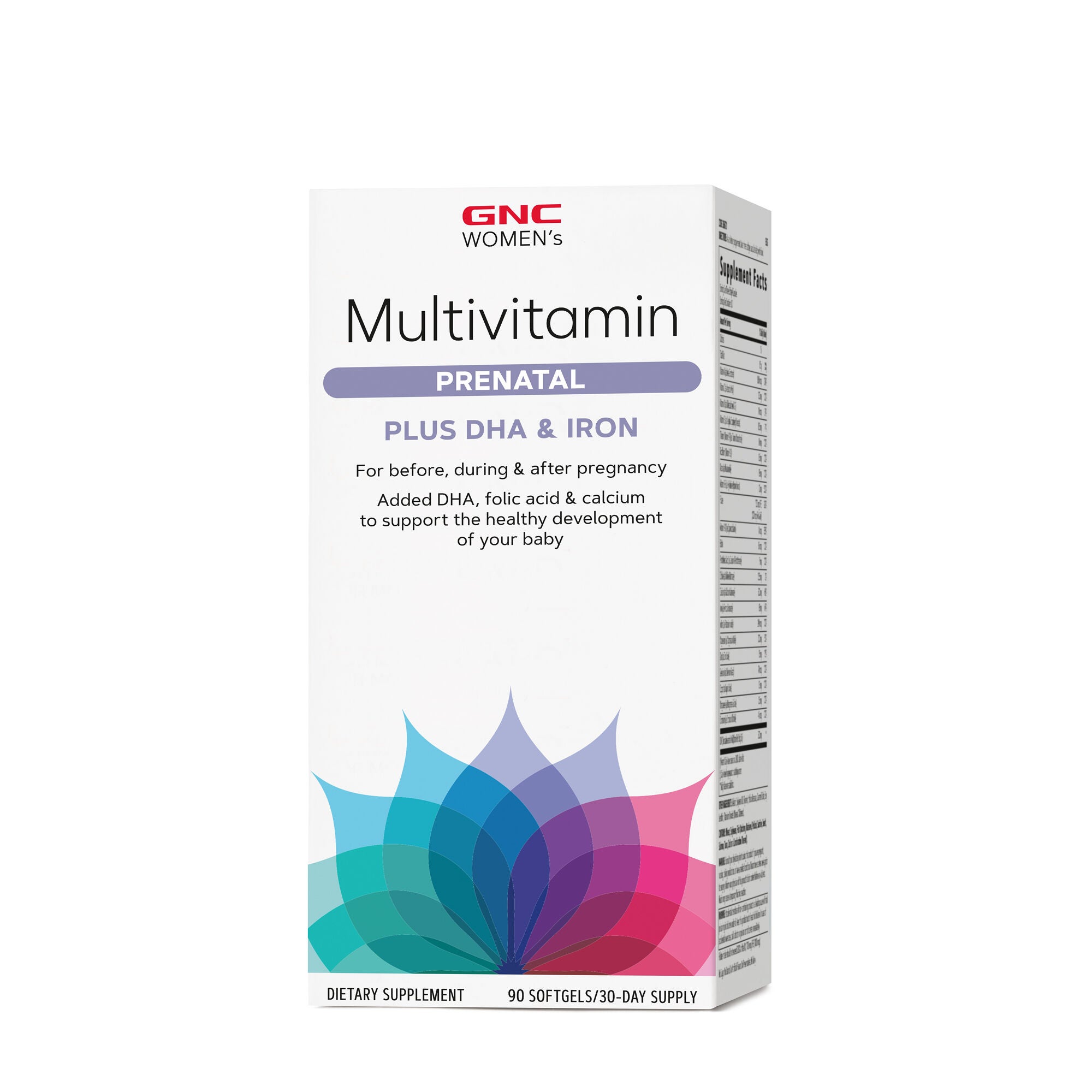
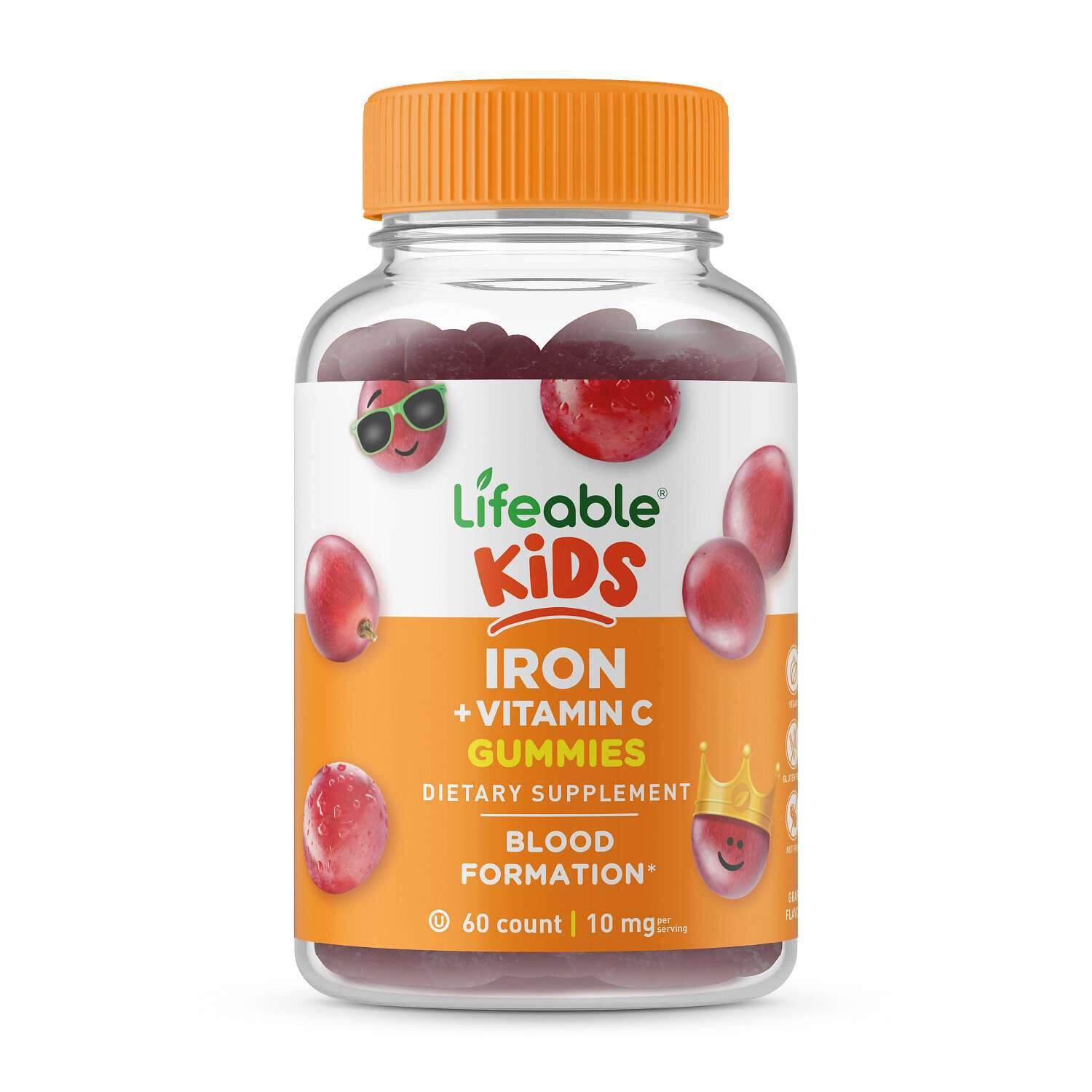
Iron supplements for nutrient deficiencies span several ingredient forms and everyday formats, including tablets, capsules, chewables, and liquids. These products may offer a way to add a measured amount of iron to a nutrition routine, but their intended use depends on individual circumstances rather than the format alone. Iron occurs naturally in foods such as meat, seafood, beans, lentils, and fortified cereals, and eating patterns vary considerably from person to person. Someone following a plant-based diet may approach ingredient selection differently from someone comparing supplements within a nutrition plan established with a healthcare professional. Age, life stage, and existing supplement use are also relevant context. Within this category, common ingredient names include ferrous sulfate, ferrous fumarate, ferrous gluconate, and iron bisglycinate. These names describe different forms of iron, not interchangeable serving amounts. The iron quantity in the Supplement Facts panel represents elemental iron per labeled serving, which is distinct from the weight of the entire iron-containing compound. That distinction matters when comparing bottles whose front labels emphasize different information. Two formulas with different ingredient names may list the same amount of elemental iron, while two products using the same form may provide different amounts. Serving size deserves equal attention: the stated iron amount may correspond to one tablet, multiple capsules, or a specified volume of liquid. Single-nutrient formulas center on iron, while combination formulas include additional vitamins or minerals. Neither approach establishes suitability on its own. The full ingredient list and serving information provide a more useful comparison than a prominent number or a familiar ingredient name. A documented nutrient deficiency also involves considerations beyond a supplement label; questions about individual needs, appropriate amounts, and personal suitability belong with a healthcare professional. For shopping purposes, the most meaningful starting point is a clear understanding of what each labeled serving contains and how that composition relates to an existing nutrition routine.
Format adds another layer to the comparison, especially for shoppers who have clear preferences about texture, flavor, and the physical size of a serving. Tablets differ in shape, coating, and dimensions, while capsules have shells made from materials that may vary by formula. A shopper who prefers plant-derived capsule materials has different label details to review than someone primarily interested in an unflavored tablet. The outer appearance does not reveal every ingredient, so capsule materials, coatings, binders, and other ingredients remain part of the comparison. Chewable iron supplements introduce considerations such as texture, sweetness, and flavoring, which may matter to someone who does not prefer conventional tablets. Liquid iron supplements have a different set of practical details: serving volume, the type of measuring device, bottle closure, and any preparation directions printed on the label. A small volume expressed in milliliters is not directly comparable to a tablet count without checking the iron amount in each labeled serving. Flavored liquids and chewables may contain sweeteners, colors, or other ingredients that are not present in a simpler capsule formula. Conversely, a short ingredient list does not by itself establish that a product matches a particular person’s needs. For shoppers with dietary preferences or ingredient restrictions, the stated composition matters more than assumptions based on format. Packaging also deserves attention beyond its appearance. A tightly closing bottle, readable serving information, and clearly printed storage directions are practical details for products kept in a kitchen cabinet or another designated storage space. Shelf life is product-specific, and the printed expiration date and handling directions provide the relevant reference. Keeping supplements in their original labeled packaging preserves access to those details, including any instructions that apply after opening. Supplements belong out of children’s reach. For someone organizing several nutrition products, distinct containers and legible labels may make the routine easier to navigate without confusing one formula’s serving information with another’s. These everyday details are worth considering alongside the iron form itself.
Absorption is another common point of comparison, but an ingredient name alone does not tell the whole story. In nutrition, absorption refers to the portion of an ingested nutrient that enters the body from the digestive tract. The amount listed on a supplement label describes its iron content, not a personalized prediction of how much an individual will absorb. Descriptions such as “chelated” identify a characteristic of the ingredient; they are not a universal ranking of every formula or a substitute for individual context. Shoppers interested in that aspect of the category can also browse Iron Supplements for Iron Absorption while comparing ingredient forms and labeled serving amounts. Questions about timing, food, other supplements, or personal tolerability involve individual circumstances and are appropriate subjects for a healthcare professional rather than assumptions drawn from a category name. A useful product comparison keeps several separate details in view: the form of iron, elemental iron per serving, the number of units or liquid volume in that serving, and any additional nutrients. This is particularly relevant when an existing multivitamin or another nutrition formula already lists iron. Comparing the labels side by side makes overlapping ingredients visible without treating two different products as equivalent. Practical fit matters, too. A bottle intended for a home routine presents different handling considerations from a liquid container packed for travel, and a flavored chewable offers a different experience from a capsule. Those differences concern preference and use, not proof that one format is appropriate for everyone. Iron supplements are a personal purchase, with suitability tied to the individual rather than broad assumptions about diet or lifestyle. Thoughtful comparison therefore centers on transparent labeling, ingredient preferences, manageable packaging, and a clearly understood intended use. Across tablets, capsules, chewables, and liquids, those concrete details provide a grounded way to navigate the category without confusing a supplement’s presentation with its role in an individual nutrition plan.
Best Sellers
Related Pages
Top Collections
- Zinc Supplements | Top Brands at Great Prices | GNC
- Cortisol Supplements
- NAD+ Supplement Tablets
- Top Rated Collagen | Shop Customer Favorites | GNC
- Best Brand of Magnesium Glycinate
- Peptide Supplements
- Iron Supplements
- Protein Powders For Muscle Growth Support
- Vitamins That Help Support Weight Gain
- Peptide Supplements for Muscle Growth