Healthier Energy Drinks
(0 Results)
Healthier energy drinks offer a refreshing way to support your busy lifestyle while aligning with your wellness goals. Whether you're looking for an option to enjoy before a workout, during a long day at the office, or as a pick-me-up on the go, there are a variety of choices that may fit your needs. Explore the selection of healthier energy drinks and discover options designed to help you stay energized and focused throughout your day.
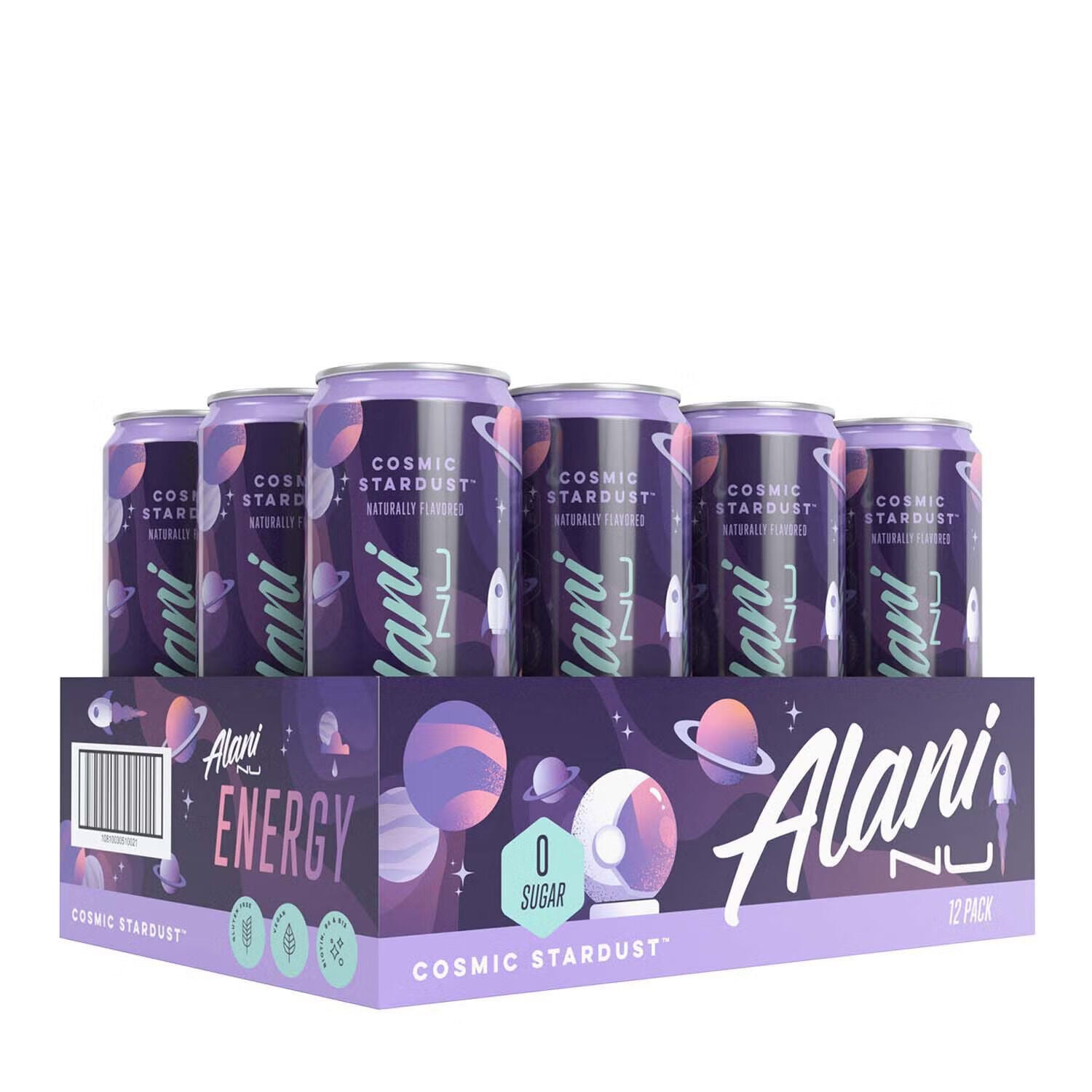
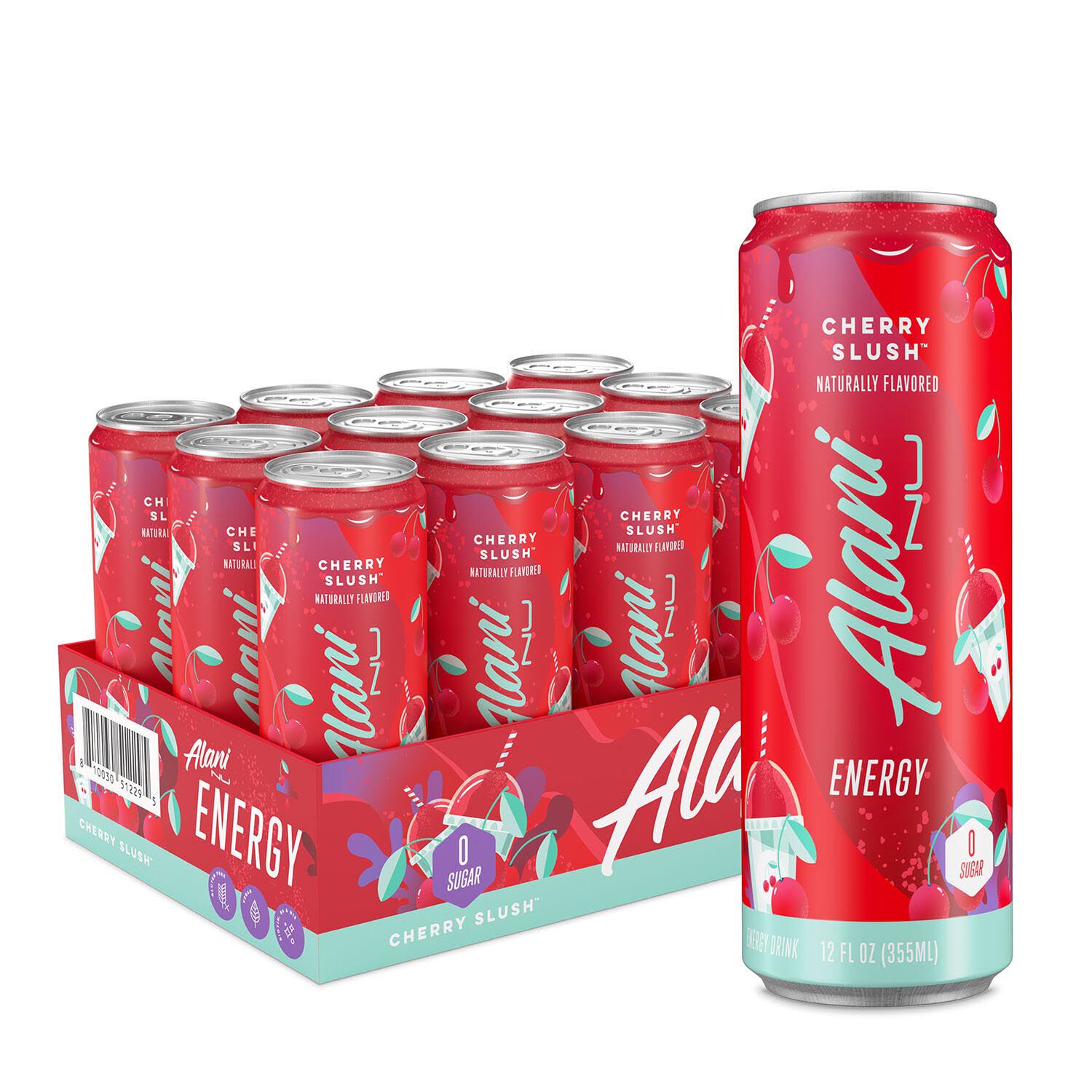


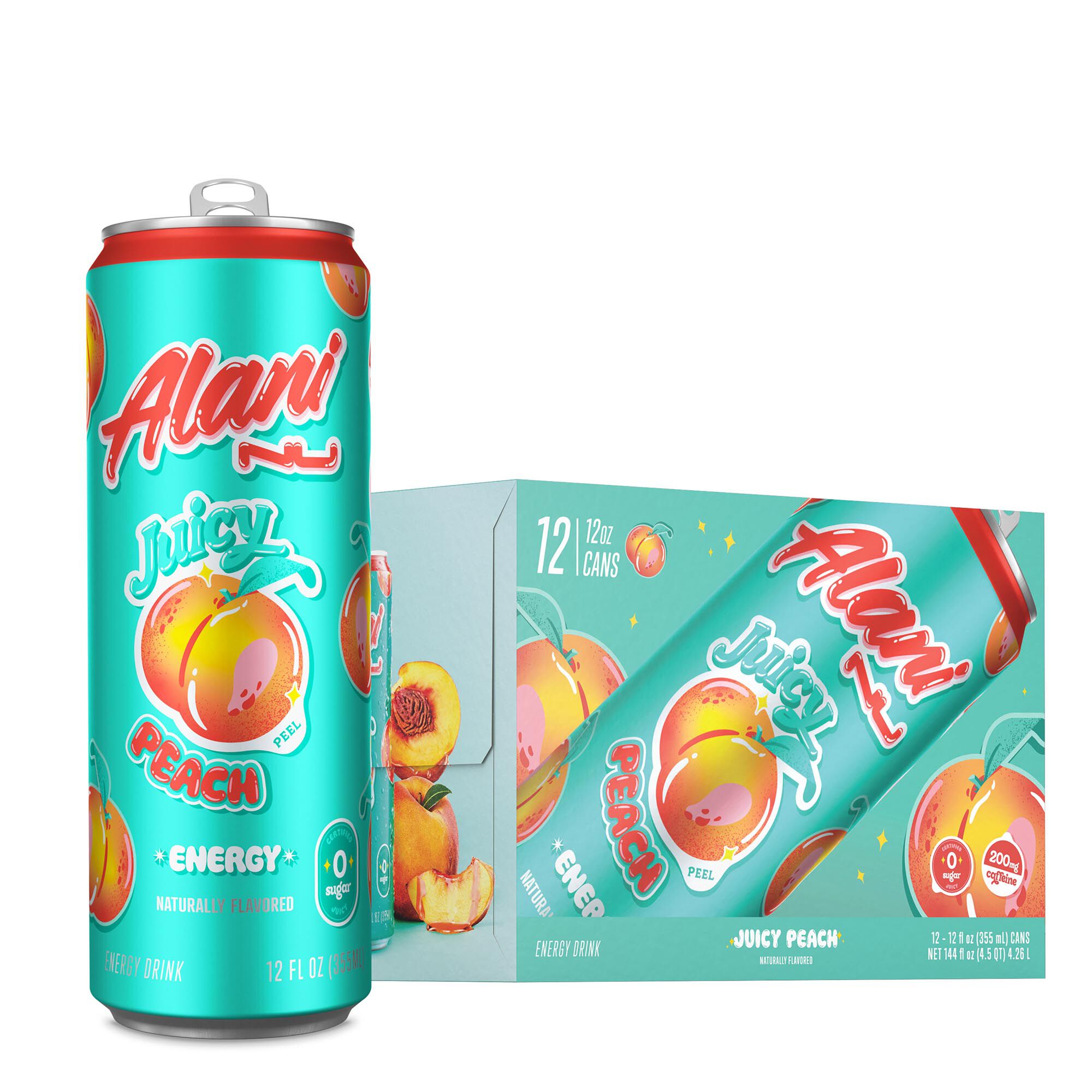

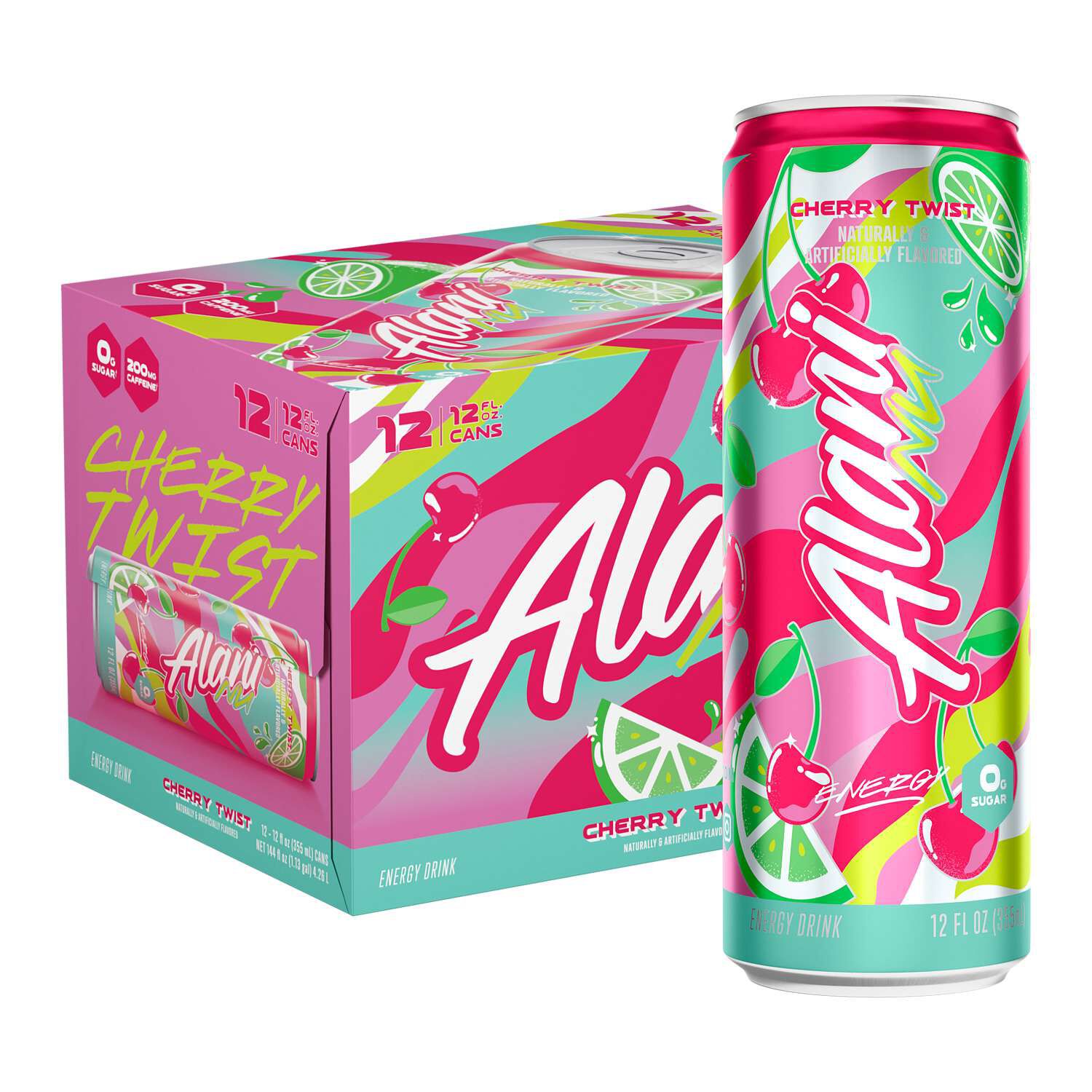

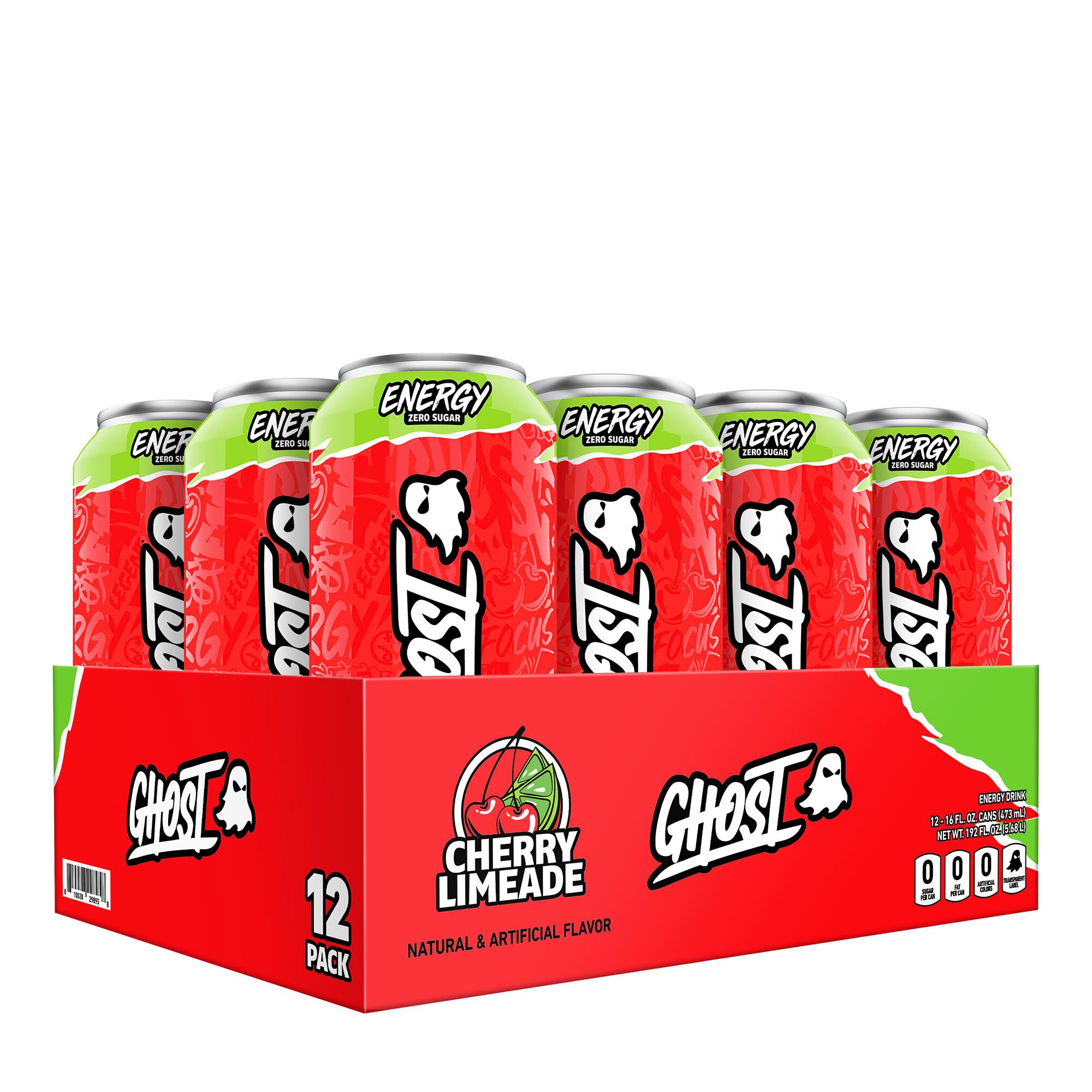


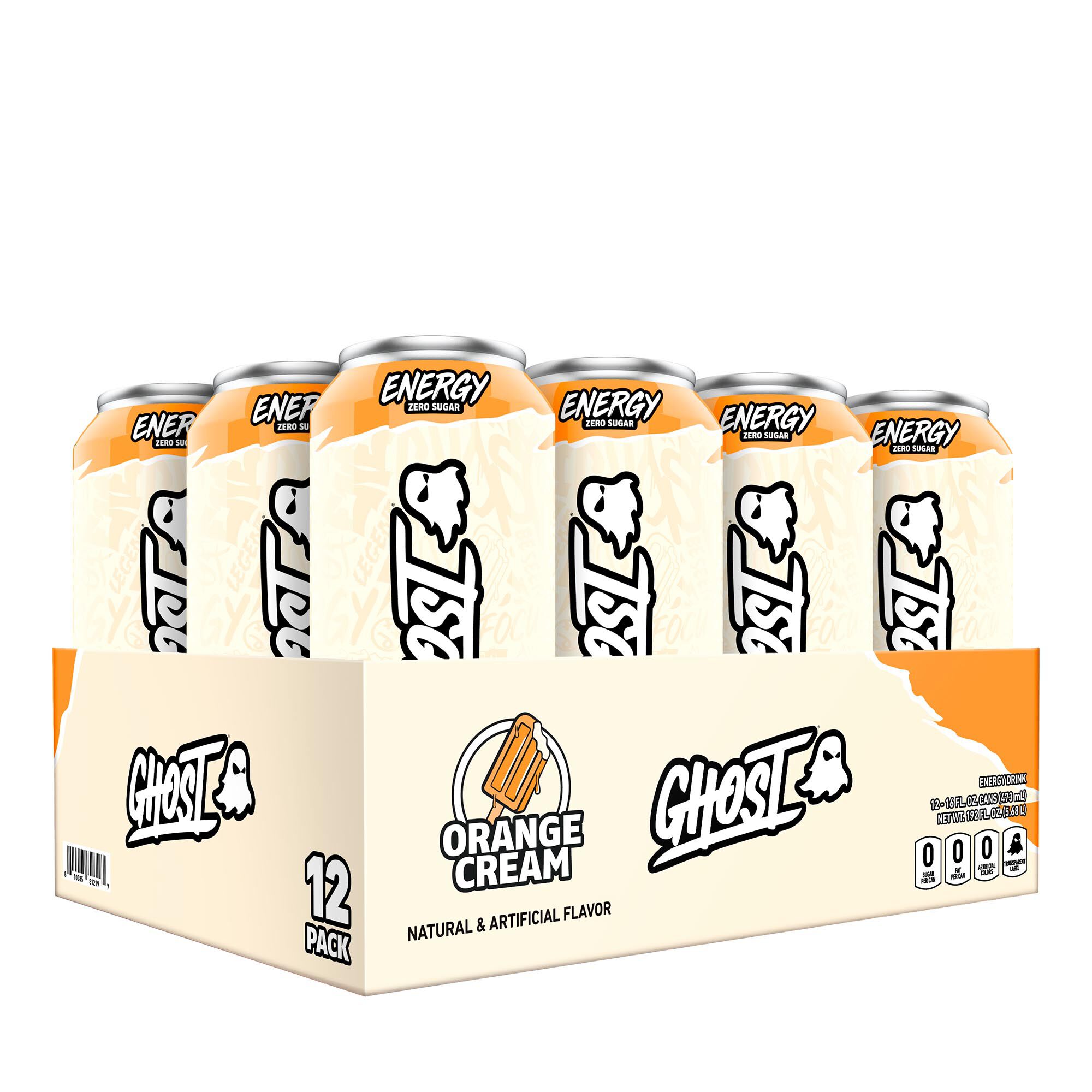


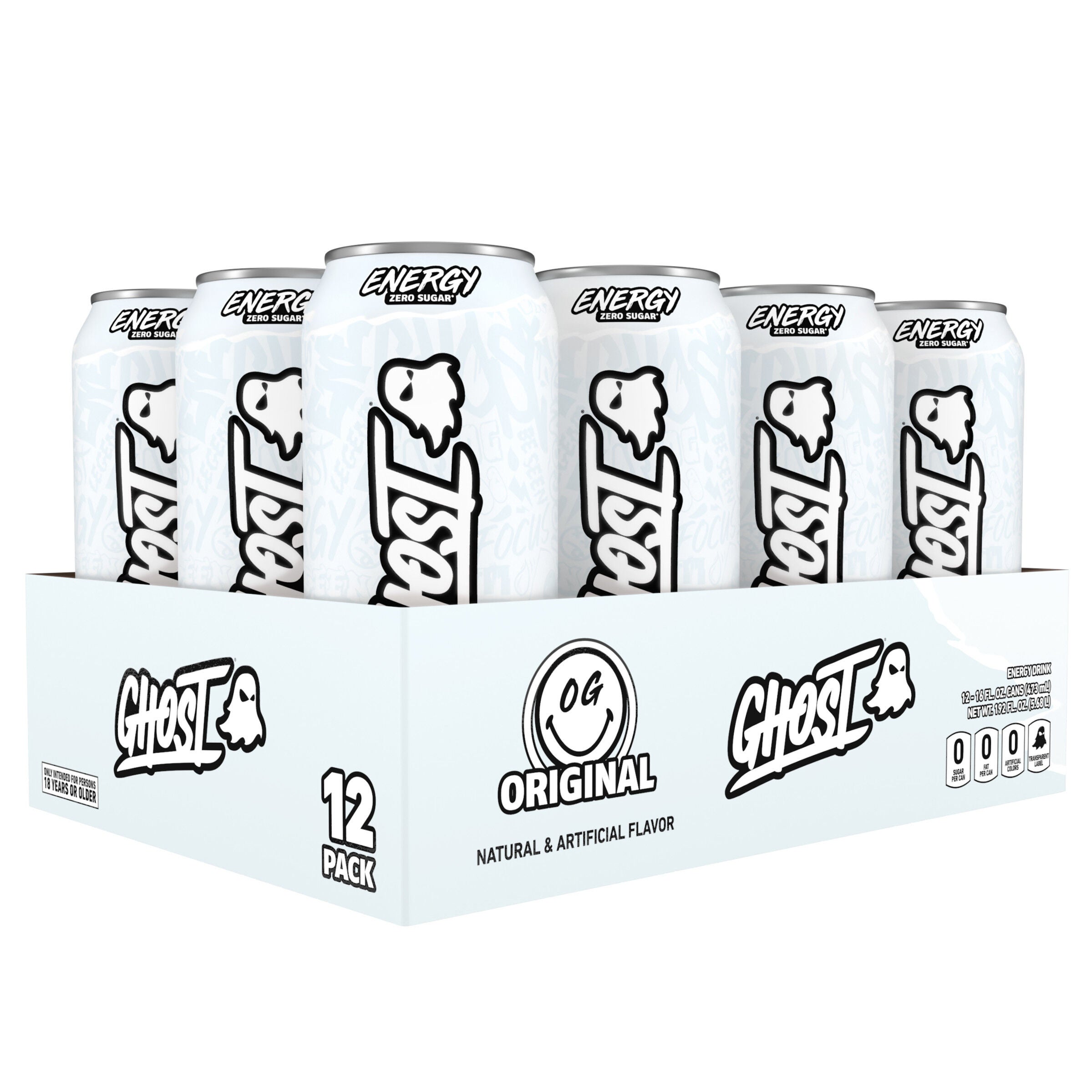
Healthier energy drinks generally emphasize little or no added sugar, clearly stated caffeine amounts, and ingredients that fit individual preferences. The phrase describes a comparison rather than one universal formula: a drink with less sugar is not necessarily lower in caffeine, and a botanical ingredient list does not tell the whole nutritional story. This category includes ready-to-drink beverages with caffeine from sources such as green tea, green coffee beans, or guarana, alongside formulas with added vitamins, electrolytes, or other ingredients. Caffeine may support alertness, but its source alone does not establish how a beverage might feel to an individual. Plant-derived caffeine is still caffeine, making the labeled amount an important point of comparison regardless of the source. Serving size matters just as much. A smaller can with a concentrated formula and a larger can with a lighter formula can have similar caffeine amounts, so package size is not a dependable shortcut. The clearest comparisons use the caffeine amount per serving, the number of servings in the container, and the nutrition information together. Calories, added sugars, and ingredient preferences provide additional context without turning one label claim into a judgment about the entire drink. For an adult choosing something to accompany a commute, a desk-based workday, or an established workout routine, these details help distinguish between beverages that otherwise look similar. Someone who prefers a modest amount of caffeine may prioritize a different formula from someone accustomed to a more concentrated beverage. Neither colorful packaging nor a long list of added ingredients resolves that preference. A straightforward label, a clearly identified serving, and a flavor that sounds appealing offer a more useful starting point than vague language about performance. Healthier energy drinks are best understood through those specific characteristics, with room for different tastes and routines rather than a single definition of the right choice for everyone.
Sugar content is often the most noticeable difference within this category, but several separate label details deserve attention. Grams of sugar, grams of added sugar, and calories describe different aspects of a beverage. No added sugar does not necessarily mean no sugar, since some ingredients contain naturally occurring sugars. Likewise, a low-calorie drink can use a combination of sweeteners to create a taste that is much sweeter than its sugar content might suggest. Shoppers prioritizing this part of the label can explore Low Sugar Energy Drinks while keeping caffeine amounts, serving sizes, and flavor preferences in view. Formulas may use ingredients such as stevia, monk fruit, sucralose, or sugar alcohols, and the exact combination contributes to the finished taste. Some have a pronounced sweetness that lingers, while others lean toward tart citrus, berry, or tropical fruit notes. A fruit-inspired flavor name describes the flavor profile; it does not necessarily indicate a meaningful amount of fruit juice. Carbonation is another practical distinction. Sparkling drinks have a lively texture, while noncarbonated versions offer a still format for people who prefer less fizz. Sweetness, acidity, and carbonation together shape the drinking experience, so two beverages with similar nutrition information can taste quite different. Added ingredients bring another layer of distinction. B vitamins, sodium, potassium, and ingredients such as L-theanine appear in some formulas, but the particular ingredients and listed amounts vary. A beverage containing electrolytes is not automatically interchangeable with a sports drink, just as the presence of vitamins does not make every formula nutritionally alike. Botanical blends also deserve attention to their actual ingredients rather than assumptions based on plant imagery. For adults who value a short ingredient list, simplicity may be the main attraction. Others may prefer a formula with several clearly identified additions. In either case, the useful comparison is between what the label states and what matters to the person drinking it, not the number of features printed across the front of the can.
Everyday fit also depends on details beyond the nutrition panel. A slim can may fit a narrow bag pocket, while a wider container may be better suited to a desk or cup holder. A resealable bottle may be convenient when a beverage is not consumed in one sitting, although handling and storage should follow the package directions. Single-serving packaging makes the intended portion easier to identify, but not every container represents one serving. Aluminum cans and plastic bottles also have different disposal requirements, making local recycling instructions relevant to the packaging choice. An intact seal, readable date marking, and undamaged container are practical quality considerations; storage directions matter more than assuming every beverage can be handled the same way. For a commuter, the details might be a compact container, an easy-to-read caffeine statement, and a familiar citrus flavor. For someone carrying a drink in a gym bag, a secure closure and a clearly defined serving may be more relevant than a large container. At a desk, a person who dislikes intense sweetness might favor a tart or tea-forward flavor instead of a candy-like profile. These are useful distinctions because a beverage has to suit the occasion as well as the label preferences. Timing and other sources of caffeine in the day also belong in that picture, including coffee, tea, and caffeinated supplements. Personal familiarity with caffeine does not make different formulas interchangeable, and an energy drink is not a replacement for meals, rest, or everyday hydration. The most useful features remain concrete: a stated caffeine amount, understandable nutrition information, a suitable serving size, and packaging that works for the intended setting. Together, those details make healthier energy drinks a category with meaningful differences in composition, taste, and convenience, rather than simply a collection of similar cans with different flavor names.
- Q: What ingredients are commonly found in healthier energy drinks?
A: Healthier energy drinks often contain natural sources of caffeine like green tea or yerba mate, along with vitamins such as B-complex vitamins, electrolytes, and sometimes adaptogenic herbs. They typically avoid artificial sweeteners and excessive sugar. - Q: How do healthier energy drinks differ from traditional energy drinks?
A: Healthier energy drinks usually have lower sugar content, use natural flavors and colors, and may include added nutrients like antioxidants or electrolytes. They focus on providing sustained energy without the crash associated with high-sugar, high-caffeine options. - Q: Can healthier energy drinks be used before workouts?
A: Yes, many people choose healthier energy drinks as a pre-workout option because they provide moderate energy and hydration support without excessive stimulants or artificial additives. - Q: Are there plant-based or vegan options for healthier energy drinks?
A: Yes, many brands offer plant-based or vegan-friendly healthier energy drinks that use botanical ingredients and avoid animal-derived components. - Q: What are some popular flavors of healthier energy drinks?
A: Popular flavors for healthier energy drinks include berry blends, citrus fruits like lemon-lime or orange, tropical fruits such as mango or pineapple, and refreshing options like cucumber-mint.
Best Sellers
-
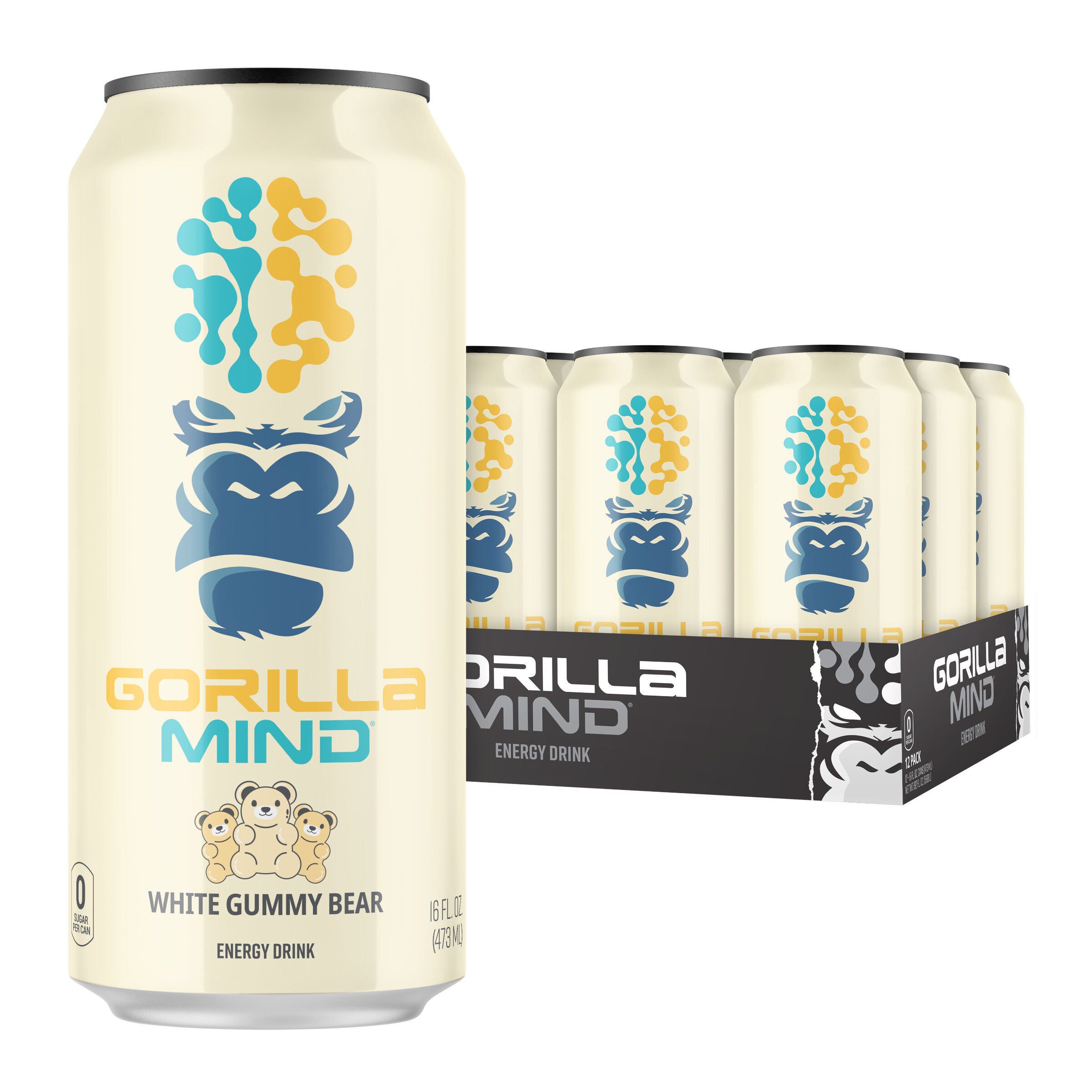 Gorilla Mind
-
 Gorilla Mind
-
 Gorilla Mind