Natural Inflammation Supplements
(0 Results)
Natural inflammation supplements are designed for those seeking plant-based options to support their wellness journey. These products often feature ingredients sourced from nature and may fit into a variety of healthy lifestyles. Whether you're looking to complement your daily routine or explore new ways to support your body's natural processes, natural inflammation supplements could be a helpful addition to your supplement regimen. Discover a range of options that may align with your personal wellness goals.
-
-

-

-

-
-

-

-

-

-
-

-

-

-
 Angry Supplements1$24.99
-


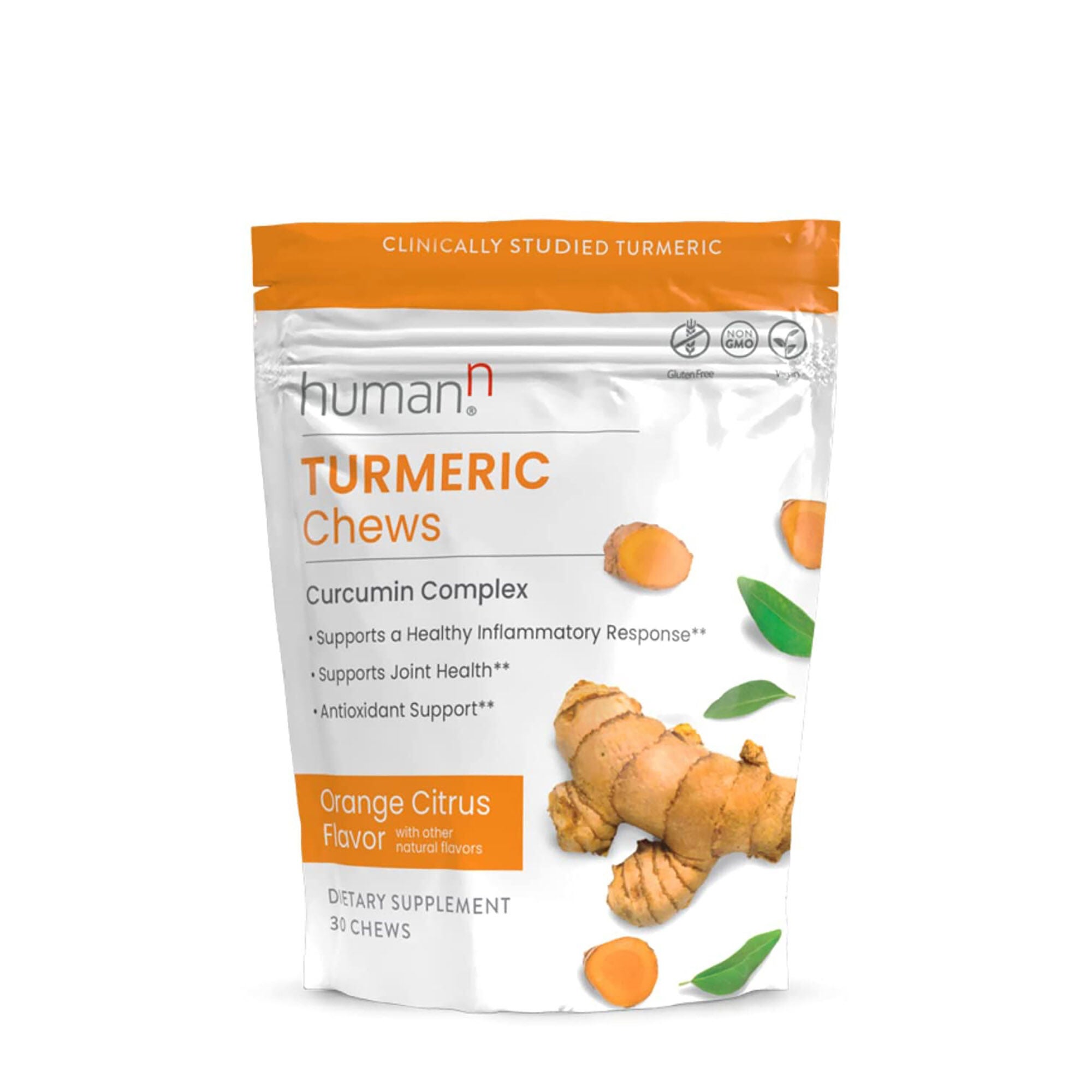
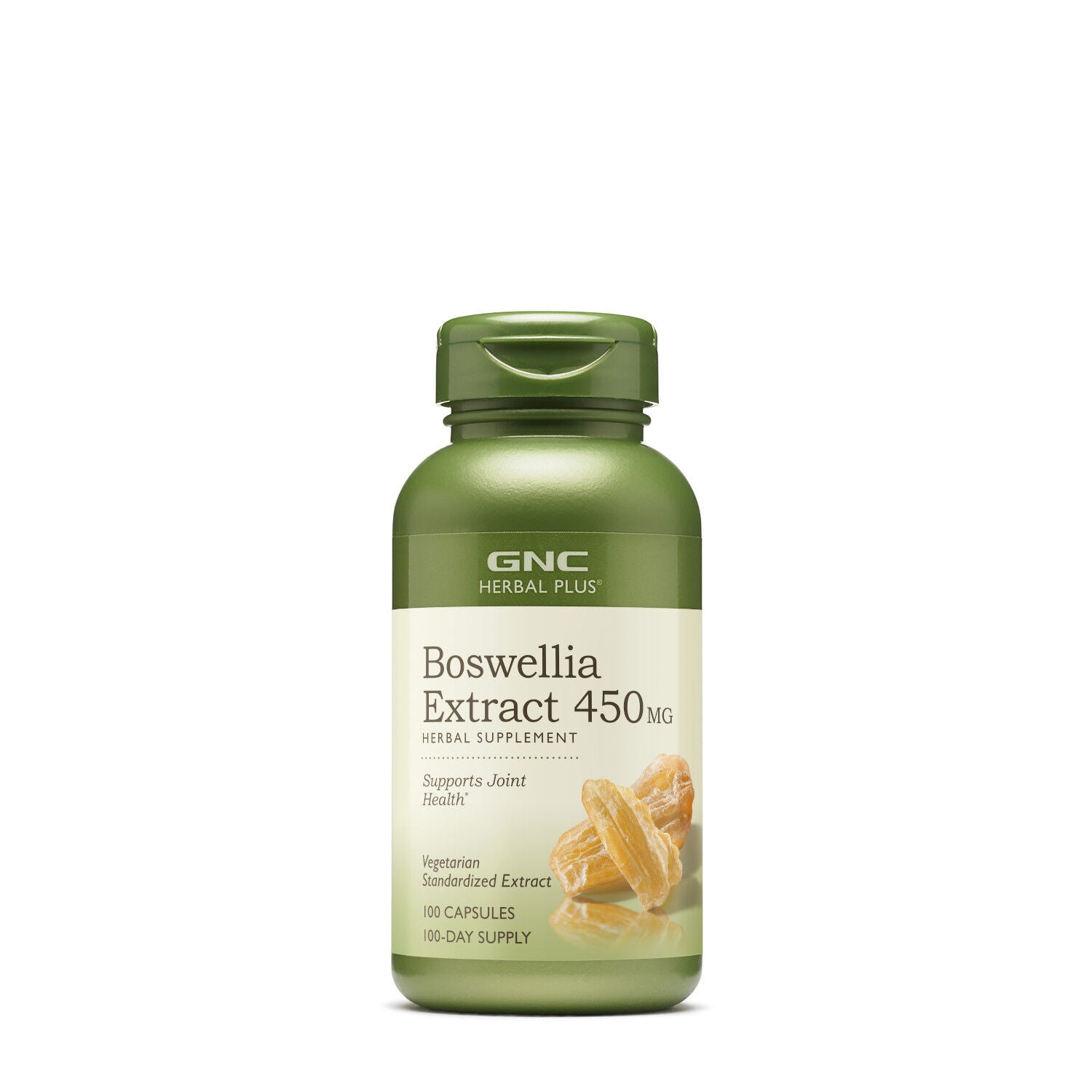
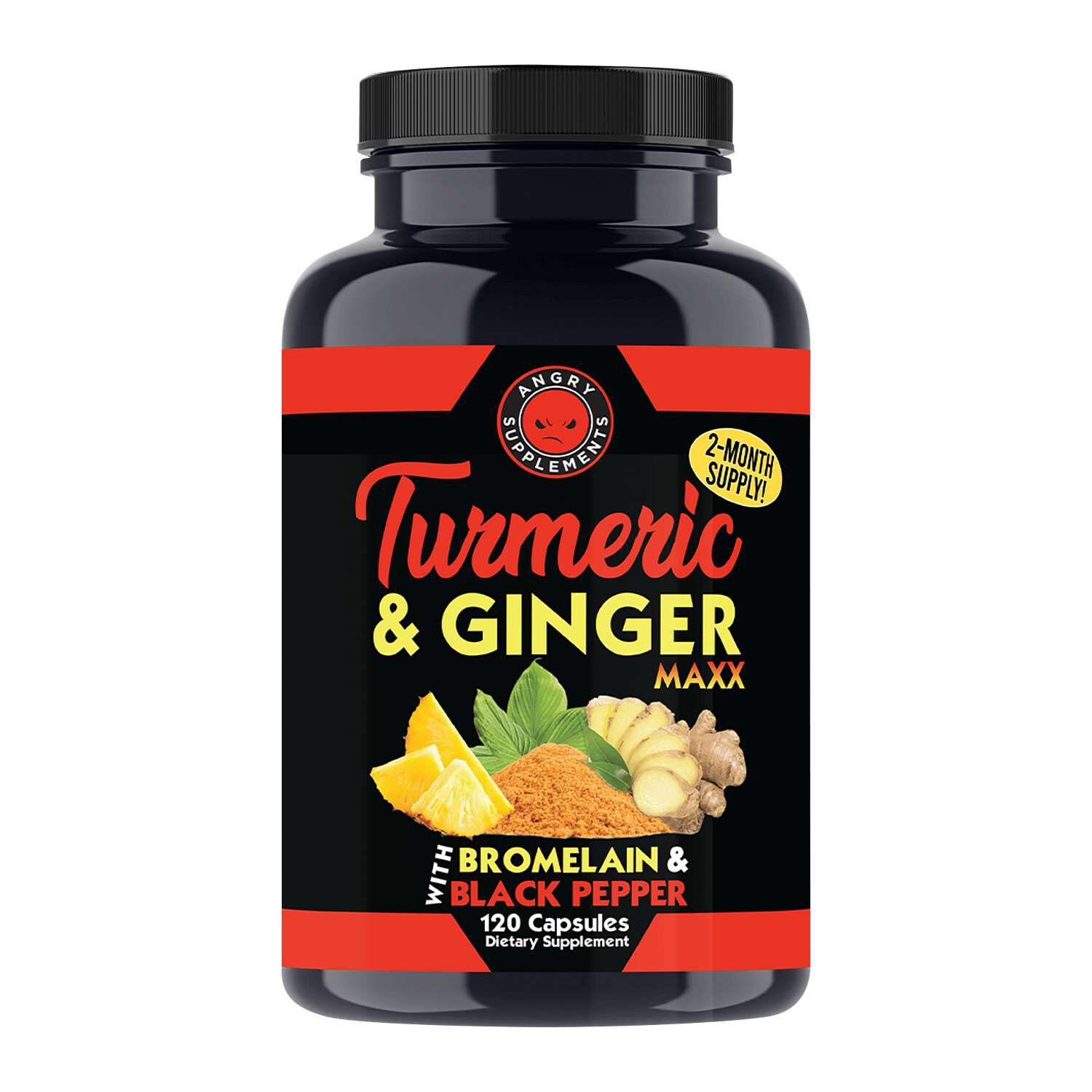
Natural inflammation supplements encompass a broad category of botanical extracts, marine oils, and selected nutrients, with meaningful differences in ingredient sources, serving sizes, and everyday formats. Turmeric, ginger, boswellia, omega-3 fatty acids, and quercetin are common names associated with this category, but they represent different ingredients rather than interchangeable versions of the same formula. Turmeric comes from the rhizome, or underground stem, of Curcuma longa. Its naturally occurring compounds include curcuminoids, a group that includes curcumin. A label listing turmeric root powder describes something different from a label listing a concentrated turmeric extract, even when both feature the same botanical name. The amount of extract and the stated curcuminoid percentage provide separate pieces of information about the formula. For a closer look at this ingredient category, Natural Turmeric Supplements For Inflammation offers a more focused browsing path. Ginger is another rhizome-based ingredient, often identified by its botanical name, Zingiber officinale, and sometimes described by its gingerol content. Boswellia serrata, by contrast, is sourced from tree resin, with some extracts labeled according to their boswellic acid content. These distinctions give substance to terms such as botanical extract and standardized extract: the plant species, plant part, and measured compounds all contribute to an ingredient’s identity. Standardization describes a specified concentration of selected compounds; it does not make unrelated botanicals equivalent. Some formulas contain one featured ingredient, while others combine several botanicals or pair turmeric with black pepper extract. In those combinations, the amount of each ingredient remains a separate label detail. A large number on the front of a bottle might refer to a serving, a blend, or a stated botanical equivalent rather than the amount of one named compound. The Supplement Facts panel provides the context behind that number, including the serving size and the quantities listed for individual ingredients. This makes the distinction between root powder, extract weight, and constituent content particularly relevant within a category that brings together many different preparations.
Omega-3 supplements introduce a different set of ingredient and format considerations. Fish oil and algae-derived oil are distinct sources, and their labels often identify EPA and DHA individually. The amount of oil in a serving is not necessarily the same as the combined amount of those two omega-3 fatty acids, so those figures describe different aspects of the formula. Source information also matters to shoppers with particular dietary preferences: a marine oil, an algae-derived ingredient, and the material used for a softgel shell each have their own origin. Quercetin is a plant compound found in foods such as apples and onions, while supplemental formulas contain measured amounts identified on the label. It also appears in combinations with bromelain, an enzyme preparation derived from pineapple. Vitamin D sometimes appears alongside these ingredient categories, although it is a nutrient rather than a botanical extract. Across these formulas, the physical format is part of the shopping decision. Capsules contain powders or other preparations inside a shell; tablets compress ingredients into a solid form; softgels commonly enclose oils or liquid preparations. Powders and liquids involve measuring a serving, while gummies bring flavor, texture, and sweetener choices into the comparison. Someone who dislikes strongly flavored preparations might prefer an enclosed format, while someone who enjoys a measured powder as part of a kitchen routine might place more importance on taste and mixing directions. Capsule dimensions and the number of capsules per serving are separate considerations, especially when a serving requires more than one. The other-ingredients section adds useful detail about capsule materials, coatings, carriers, colors, and flavorings. A plant-based capsule shell does not establish the source of every ingredient inside, just as an algae-derived oil does not describe the material surrounding it. Allergen statements and dietary certifications provide additional product-specific context. These practical differences shape how a supplement fits into a routine without making one format a universal choice for every shopper.
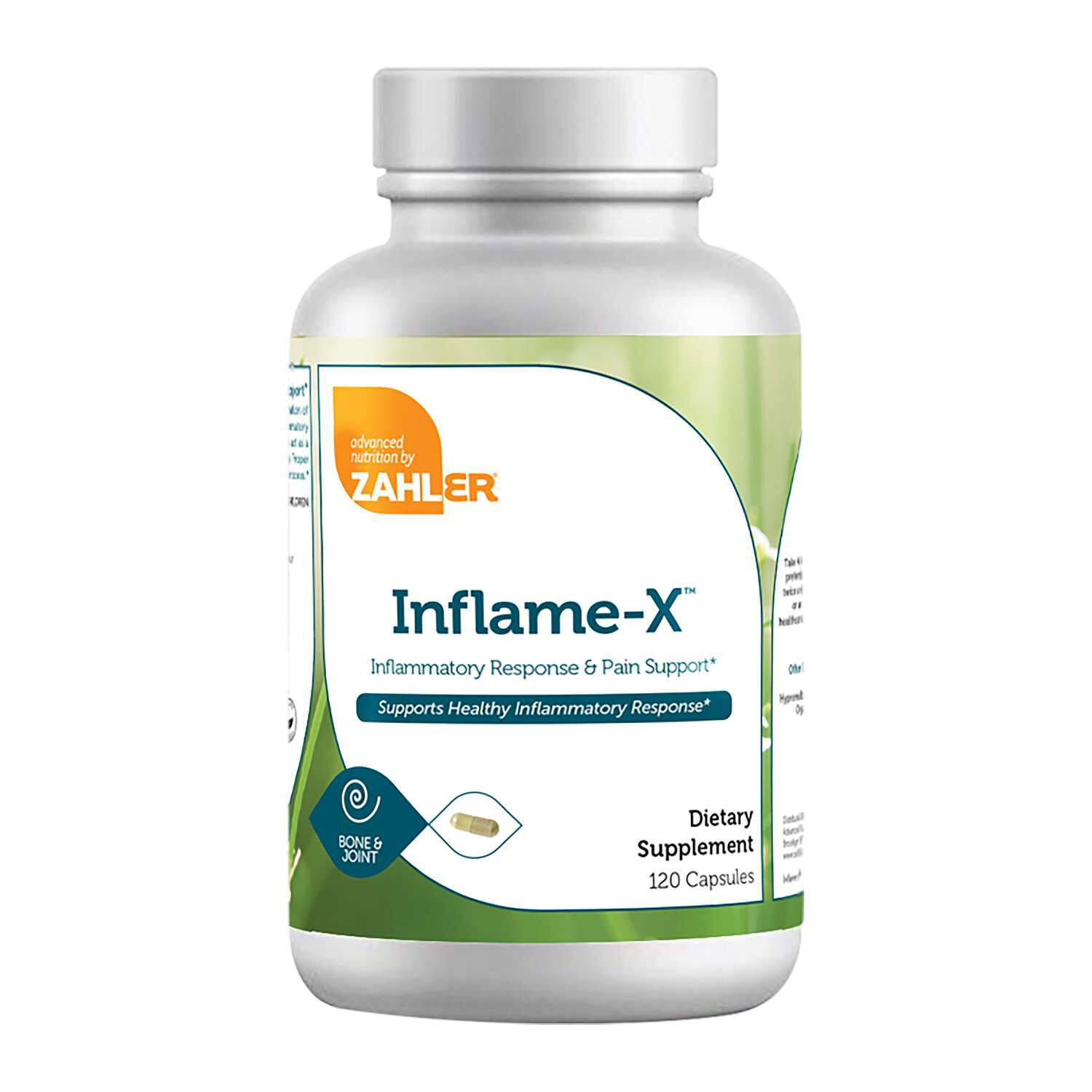
For adults browsing natural inflammation supplements as part of a personal wellness routine, everyday usability often comes down to details that are easy to overlook in a broad category name. A compact bottle that stays in a kitchen cabinet has different handling considerations from a liquid preparation with special storage directions or a powder that requires a scoop. Packaging, closure design, serving instructions, and the amount per container all help describe that experience. A bottle containing sixty capsules, for example, represents a different number of servings when the labeled serving is one capsule rather than three. Multi-ingredient blends add another distinction: some labels state the quantity of each botanical separately, while others list a combined blend amount. Those presentations offer different degrees of visibility into the formula. Ingredient descriptions, botanical names, source details, and clearly stated quantities provide a more concrete basis for comparison than an elaborate front-label design. Documented testing also has a defined scope. Testing for ingredient identity, selected contaminants, or stated content addresses those particular characteristics rather than every possible feature of a supplement. Storage and handling remain part of the product’s intended use. The original container retains the ingredient panel, lot information, expiration date, and any instructions concerning refrigeration or other storage conditions. A tightly closed lid and a dry measuring utensil are relevant handling details when specified for the format, while a cabinet away from a sink or stove avoids the repeated moisture and heat associated with those locations. Travel introduces similar practical questions about secure closures, readable labels, and keeping serving information with the container. For households with several supplement users, retaining each formula’s packaging also keeps similar-looking capsules and softgels identifiable. Natural inflammation supplements cover many ingredient traditions and manufacturing approaches, so the most useful distinctions remain specific: what the formula contains, where those ingredients come from, how the serving is presented, and what handling the label describes. Those details give this varied category a clearer connection to individual preferences and everyday routines.
- Q: What are natural inflammation supplements?
A: Natural inflammation supplements are dietary products formulated with ingredients derived from plants, herbs, or other natural sources that are traditionally used to support a healthy inflammatory response in the body. - Q: Which ingredients are commonly found in natural inflammation supplements?
A: Common ingredients include turmeric (curcumin), ginger, boswellia, omega-3 fatty acids from fish oil or flaxseed, and green tea extract. These botanicals and nutrients are popular for their traditional use in supporting overall wellness. - Q: Who might consider using natural inflammation supplements?
A: Individuals looking to support their overall wellness, especially those with active lifestyles or who want to maintain joint comfort, may consider adding natural inflammation supplements to their daily routine. - Q: How should natural inflammation supplements be incorporated into a daily routine?
A: Natural inflammation supplements can typically be taken with meals as part of a balanced diet and healthy lifestyle. It's important to follow the usage instructions provided on the product label. - Q: Are there any dietary or lifestyle habits that complement natural inflammation supplements?
A: Yes, maintaining a balanced diet rich in fruits, vegetables, whole grains, and healthy fats—along with regular physical activity—can help support your body's natural inflammatory response when combined with supplementation.