





Natural Turmeric Supplements For Inflammation
(0 Results)
Discover a wide selection of natural turmeric supplements for inflammation that could support your wellness journey. Packed with the renowned golden spice, these options may offer a convenient way to incorporate turmeric into your daily routine. Whether you’re looking to complement an active lifestyle or simply explore new ways to help maintain overall balance, natural turmeric supplements for inflammation might be a beneficial addition to your supplement regimen. Explore formulas designed to fit your needs and preferences, and find the right option to help you feel your best every day.
-
-

-

-

-

-

-
-

-
 Angry Supplements1$24.99
-

-
 $44.99
-

-

-
 Angry Supplements$14.99
-
 $15.99
-
-

-
 185$24.99
-
-
-
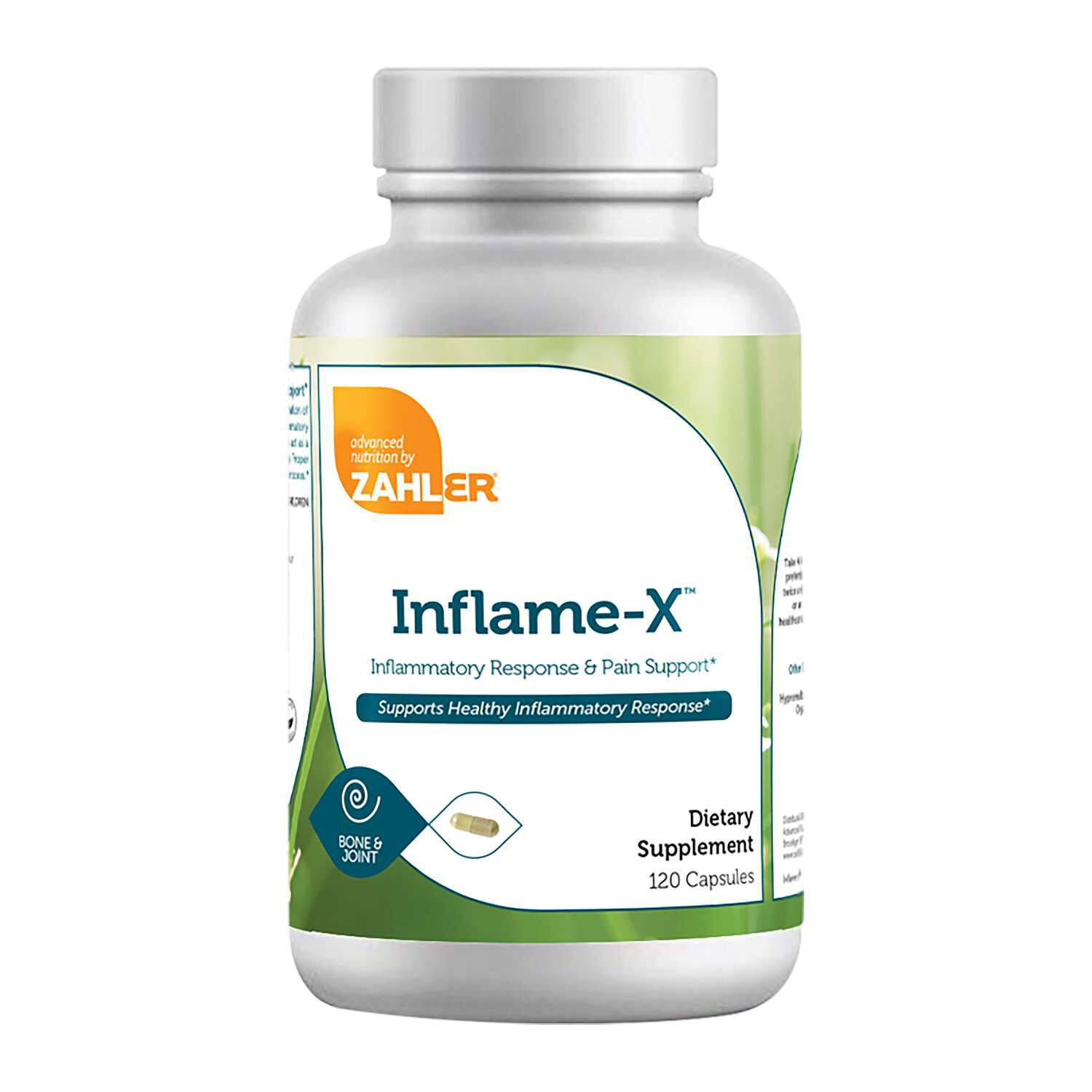


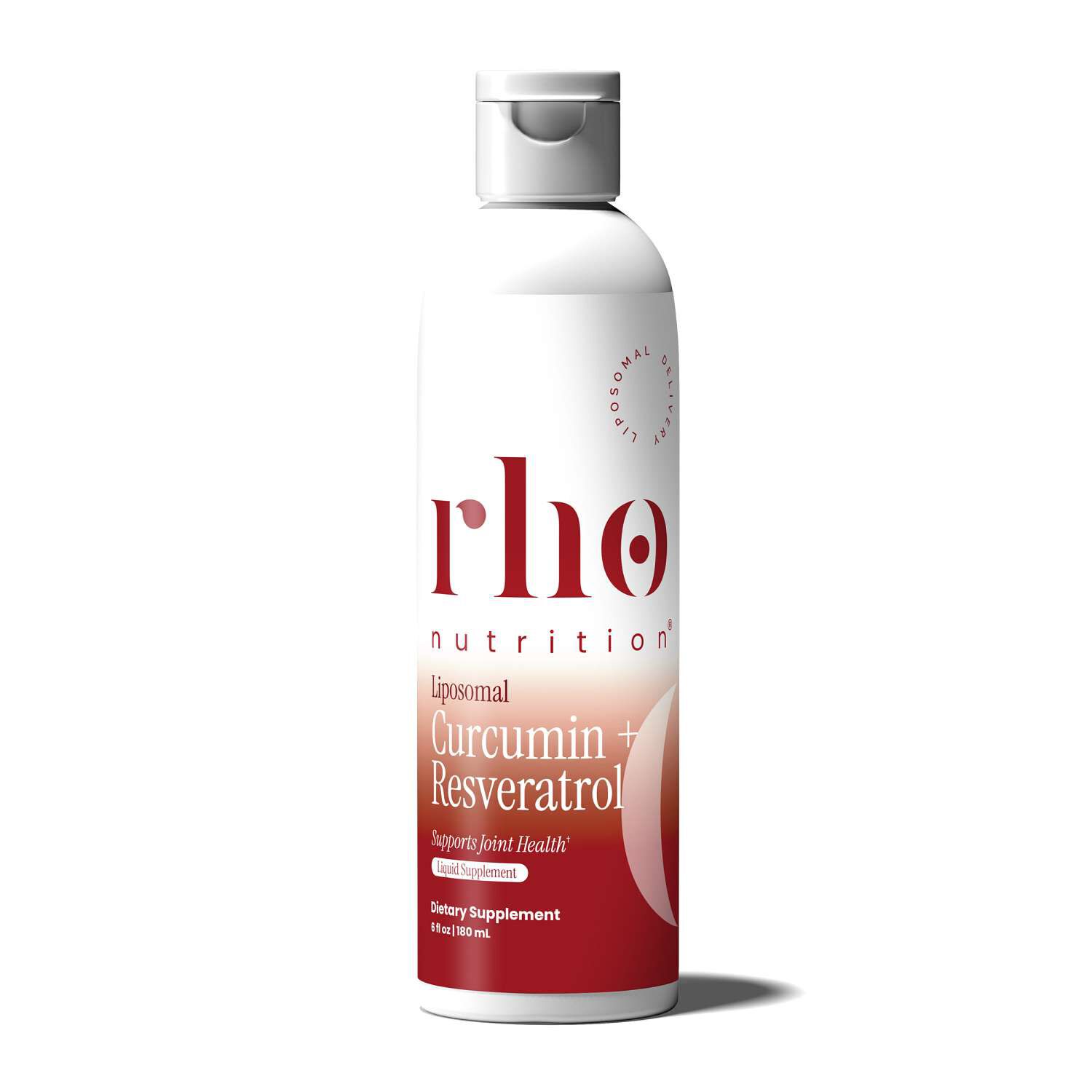
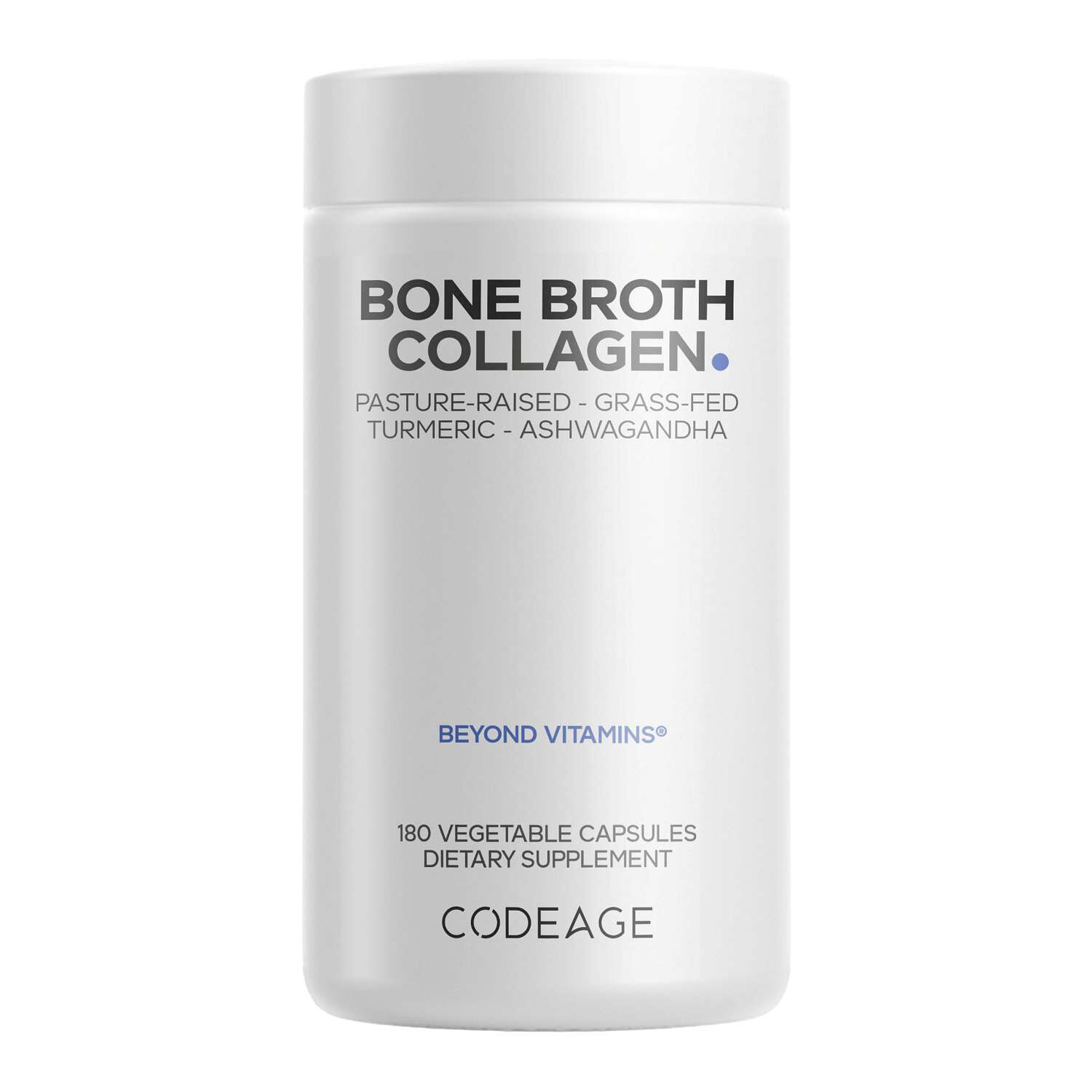
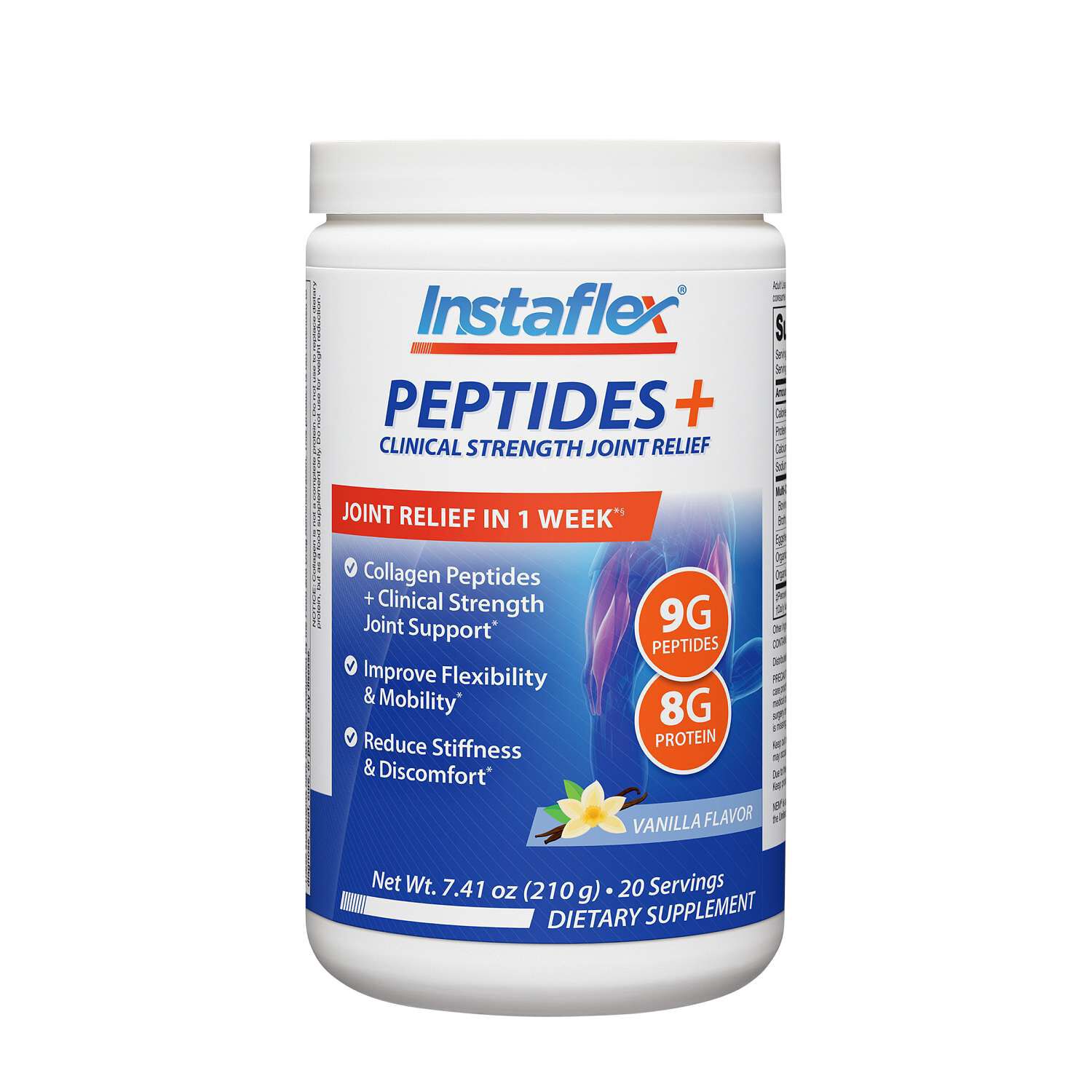
Shoppers researching inflammation often encounter natural turmeric supplements, a category built around the turmeric plant and its naturally occurring compounds. Turmeric is recognizable for its deep golden color and its long history as a culinary ingredient. The part used in foods and supplements is the rhizome, an underground stem commonly called turmeric root. That botanical starting point connects turmeric seasoning and turmeric supplements, but their ingredient profiles can differ considerably. A jar of ground turmeric used in a kitchen is not interchangeable with a concentrated turmeric extract in a capsule. Root powder contains a broad mixture of plant components, while an extract concentrates selected compounds through processing. Among those compounds are curcuminoids, a group that includes curcumin. Although the names turmeric and curcumin sometimes appear together in everyday conversation, turmeric refers to the plant ingredient, and curcumin refers to one of its constituents. That distinction matters when comparing labels: an amount listed for turmeric root powder does not describe the same ingredient composition as an equal amount of turmeric extract. Some extracts are standardized to a stated percentage of curcuminoids, giving shoppers another detail beyond the ingredient’s weight. A percentage associated with an extract describes that extract, not necessarily every ingredient in the serving. The serving size also matters because the amounts shown on a label may correspond to more than one capsule or tablet. Two similarly sized bottles can therefore represent different serving counts and different formula compositions. Natural turmeric supplements for inflammation are best understood through these ingredient distinctions rather than through the golden color of a capsule or a large number on the front of a package. The word natural alone does not explain the extraction method, the curcuminoid content, or the supporting ingredients. For adults interested in adding a botanical supplement to an established wellness routine, a clearly described formula provides a more useful basis for comparison than broad wording that leaves those details unspecified.
Turmeric supplements come in several formats, including capsules, tablets, softgels, gummies, powders, and liquids, with each format bringing different practical considerations. Capsules and tablets have defined serving units, while powders and liquids may involve measuring a portion according to the package directions. Gummies have their own flavor, texture, and supporting ingredients, which deserve the same attention as the turmeric content. Someone who prefers a brief morning routine might favor a format with fewer preparation steps; another shopper might prefer a measured powder or liquid because that format fits an existing habit. Capsule size, the number of units per serving, and the character of a liquid or powder all influence how a supplement fits into everyday life. A formula’s supporting ingredients are also part of that fit. Capsule shells can be made from gelatin or plant-derived materials, while gummies may contain sweeteners, coloring ingredients, or ingredients that create their chewy texture. Dietary preferences are better assessed through the full ingredient list than through the supplement’s main botanical ingredient alone. Some turmeric formulas pair an extract with black pepper extract, a source of piperine. Others use phospholipids or other fat-based delivery systems. These formulation approaches may influence how curcumin is absorbed, but the presence of an additional ingredient does not establish what an individual will experience. The amount and type of turmeric, the supporting ingredients, and the serving directions all remain relevant. A formula containing several botanicals also differs from one centered on turmeric alone, even if both feature turmeric prominently on the package. For a shopper who already uses other supplements, a readable ingredient list makes overlapping ingredients easier to identify. Flavor deserves consideration as well: turmeric has an earthy character, and powders or liquids may carry that character differently from encapsulated formats. A familiar format, clear serving information, and ingredients that align with personal preferences can make the selection process more straightforward without relying on claims about results.
Product quality and everyday handling add another layer to the comparison of natural turmeric supplements. Useful label details include the botanical name, the part of the plant used, whether the ingredient is a powder or extract, and any stated standardization. Manufacturing information and documented independent testing can offer additional context about ingredient identity and whether the contents match the label. Testing statements are most informative when they explain what was evaluated rather than leaving the scope unclear. These details serve a different purpose from language about product effects: they describe the formula and its production, not an expected personal outcome. Packaging also has a practical role. A container that closes securely, readable directions, and a clearly marked expiration date are worth considering alongside the formula itself. Storage requirements vary, so the package directions remain the reference for handling. A bathroom shelf exposed to shower moisture or a spot beside a kitchen stove may not match those requirements. Keeping a supplement in its labeled container preserves access to its ingredient list, serving information, and storage directions; transferring capsules into an unmarked jar removes that context. Liquids may have additional instructions after opening, and powders may need particular attention to keeping the container closed. For adults balancing work, exercise, and other daily commitments, these small handling details can matter as much as choosing between a capsule and a gummy. Recreational walkers, gym participants, and people interested in botanical ingredients may all approach this category with different format preferences, but an active lifestyle alone does not establish a need for a particular supplement. For a related collection centered on that audience, explore Natural Turmeric Supplements For Active Adults. Across the category, the meaningful differences are concrete: root powder or extract, curcuminoid information, serving size, supporting ingredients, format, and storage requirements. Reading those details together gives turmeric supplements context beyond a single highlighted ingredient and helps shoppers compare formulas on their stated characteristics rather than assumptions about what they might do.
