Immunity Supplements
(0 Results)
Discover a range of immunity supplements that could help support your body's natural defenses. Whether you're navigating seasonal changes or looking to maintain overall wellness, these supplements might offer the boost you need. From vitamins and minerals to herbal extracts, explore options that may contribute to a healthier immune system. Prioritize your well-being with choices designed to complement a balanced lifestyle and potentially enhance your body's resilience.
-
-

-

-
-
-

-

-
 Nature's Lab$16.99
 -
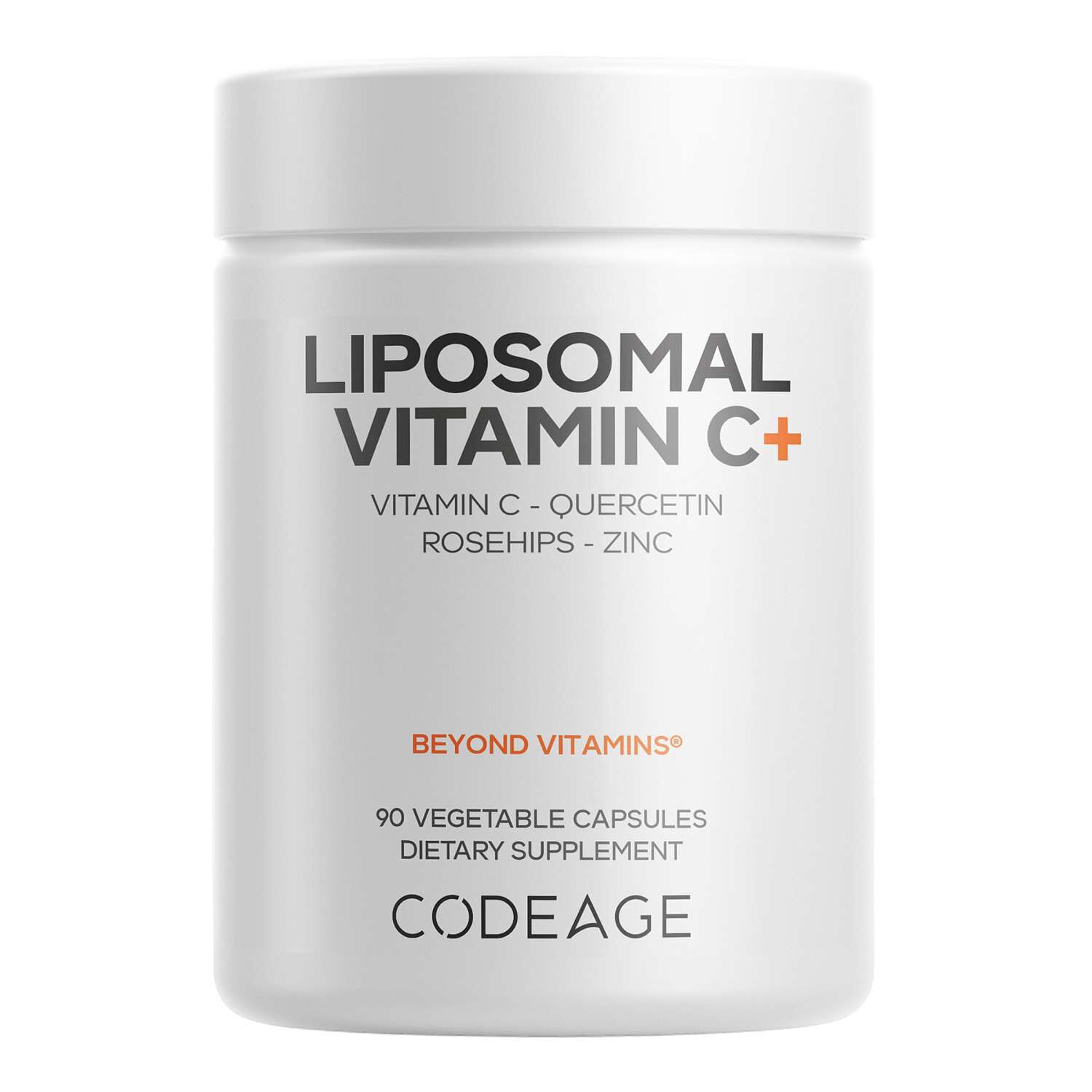 $29.99
 -

-
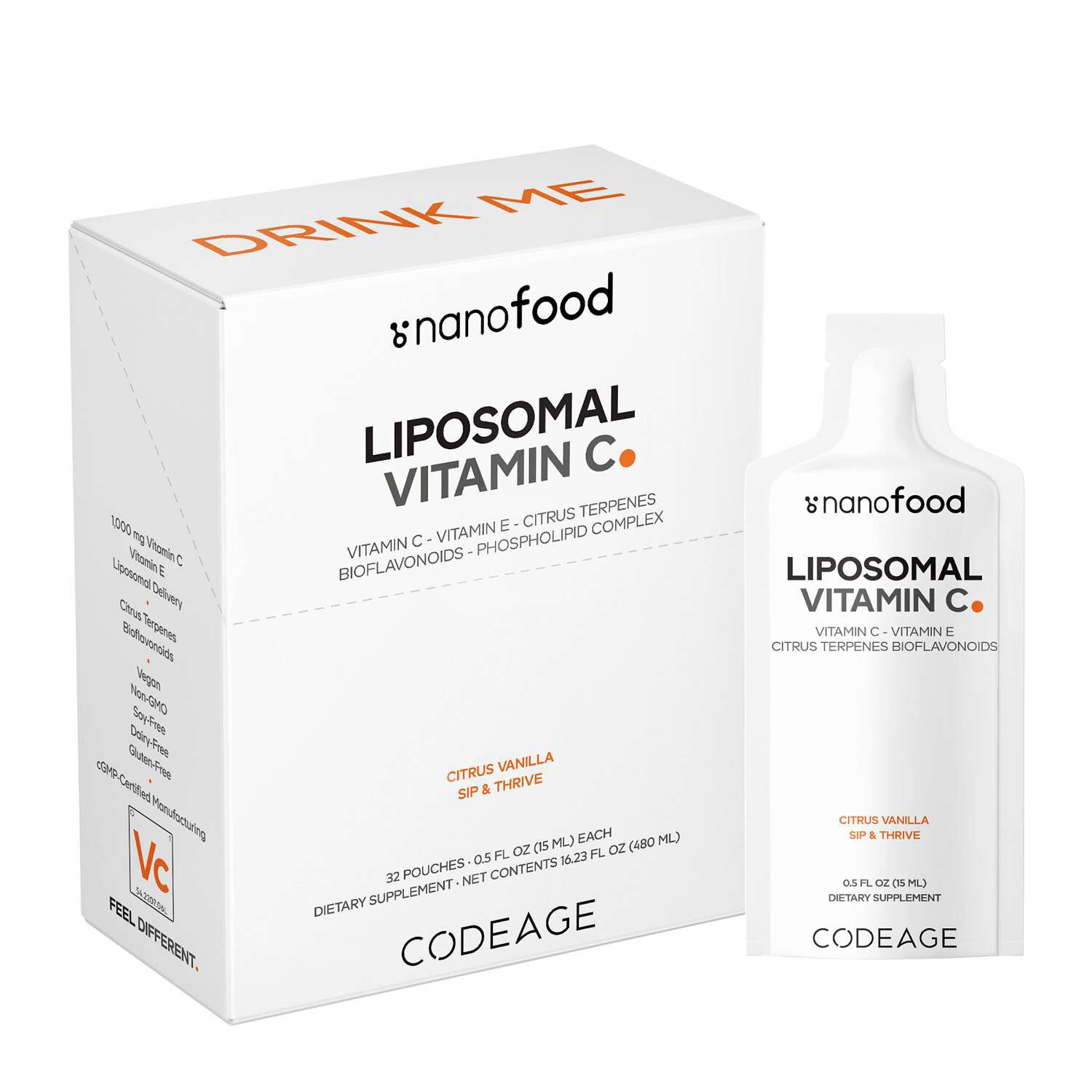
-
 $18.99
 -
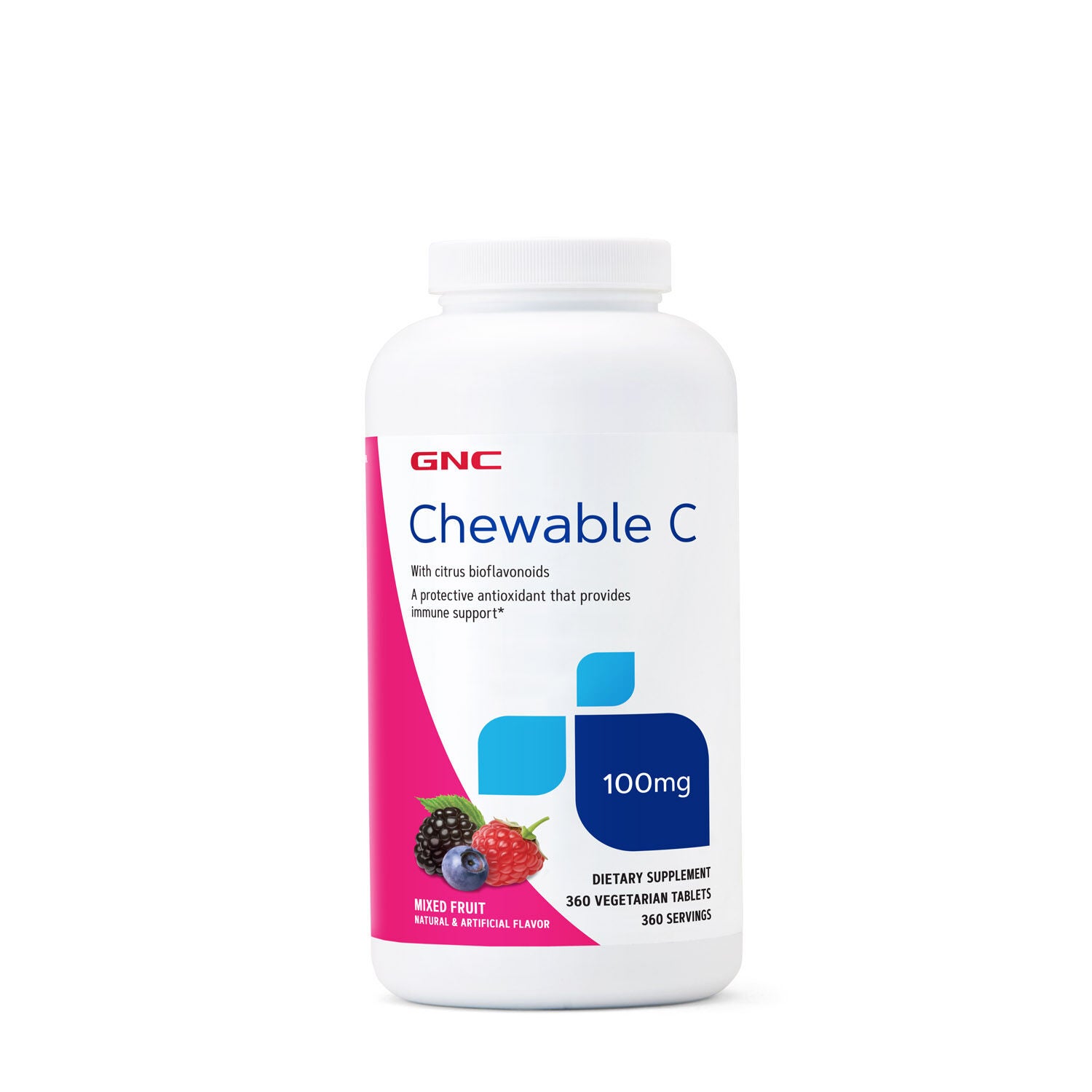
-
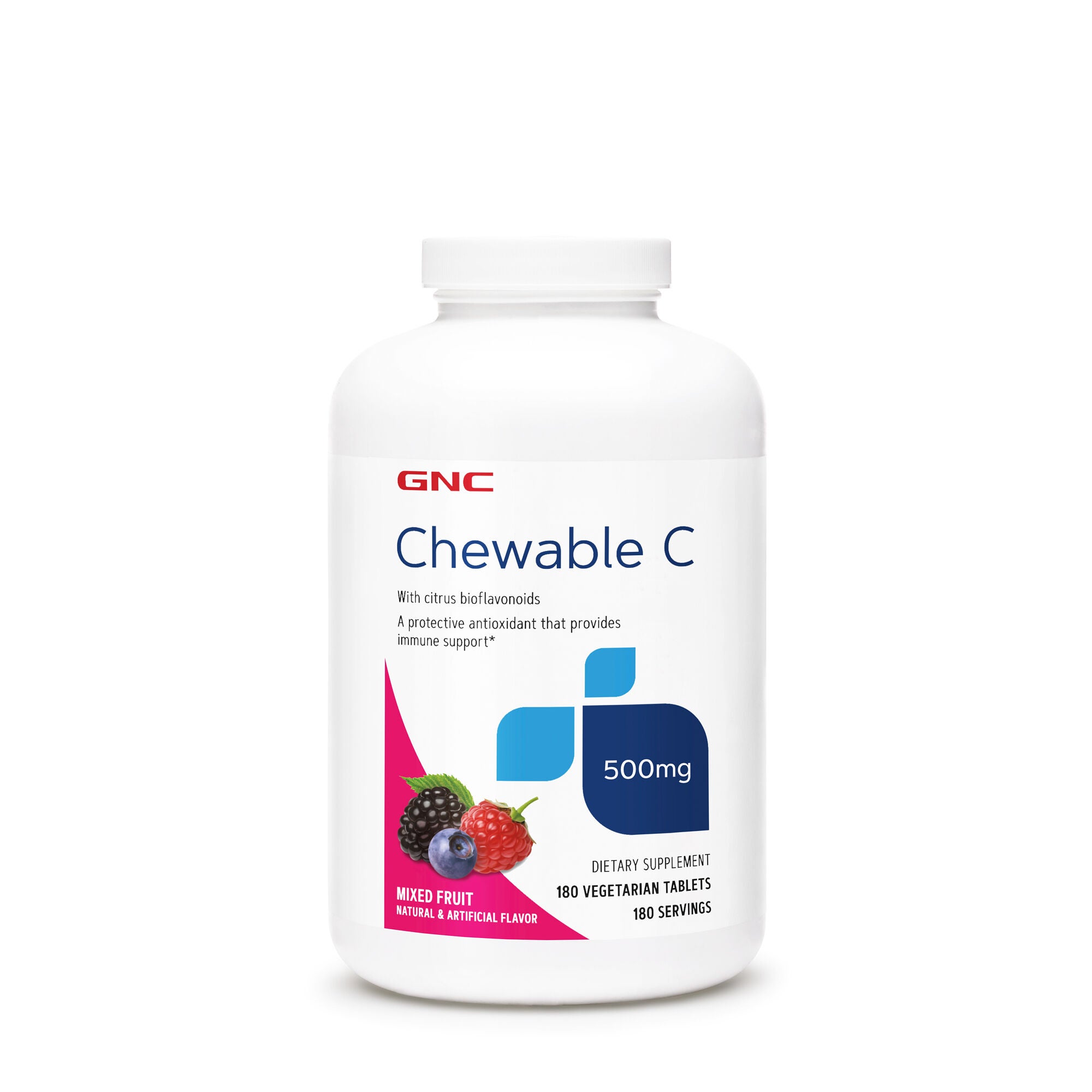
-

-
 $15.99
 -
 $13.99
 -
 Purity Products$19.99

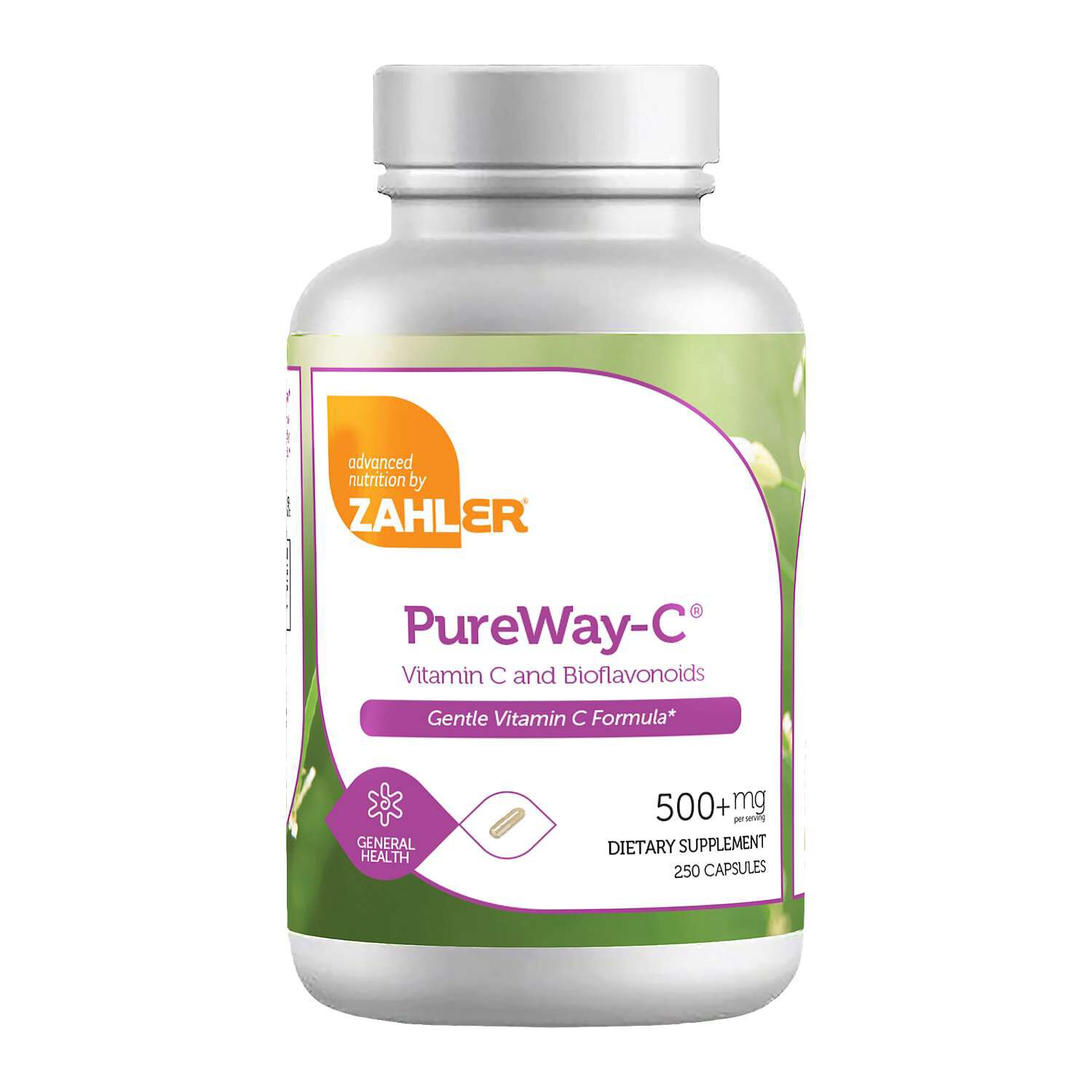

_Front.jpg?sw=305&sh=305&sm=fit "Pure Way-C Vitamin C and Bioflavonoids 1000+ mg - 90 Tablets (90 Servings) | GNC")


Immunity supplements may offer a convenient way to complement a varied eating pattern, especially during the cooler months when busy schedules, indoor routines and changing weather can make everyday wellness habits harder to maintain. These products are not a substitute for nourishing meals, restful sleep, regular handwashing or guidance from a qualified healthcare professional, but they may help fill specific nutrient gaps when food intake does not provide enough of a particular vitamin or mineral. Vitamin C may support normal immune function and help protect cells from oxidative stress, while vitamin D may support normal immune function for people whose routines or dietary patterns provide limited amounts. Zinc may also play a role in normal immune activity, and taking a zinc supplement with food could be gentler on the stomach for some people. Probiotic products may support digestive balance, an area often associated with overall immune wellness. Because individual needs vary, shoppers may want to review the Supplement Facts panel, serving size, ingredient amounts and suggested use before choosing a product. A simple routine can be easier to maintain than an ambitious one: some people prefer a capsule alongside breakfast, while others choose a chewable or powder that fits naturally into a morning smoothie or afternoon beverage. The best choice may be the format that suits personal preferences and is easy to use consistently, rather than the product with the longest ingredient list.
When comparing immunity supplements, consider the purpose of the purchase, the intended recipient and any dietary preferences that matter at home. Adults who spend much of the day indoors, travel often or have limited variety in their meals may look for products featuring vitamin C, vitamin D, zinc or other nutrients connected with normal immune function. Older adults may appreciate a straightforward format with clear serving instructions and easy-to-read labeling. Families may look for age-appropriate options, while anyone who follows a plant-based lifestyle may prefer Vegan Immune Supplements. For a thoughtful wellness gift, a neatly packaged supplement can pair well with other practical items such as herbal tea, a reusable water bottle or a cozy blanket, particularly during a season of earlier sunsets and cooler mornings. Before giving a supplement to another person, check the age guidance, dietary information and ingredient list, and consider whether the recipient has special nutritional needs. People who are pregnant, nursing, preparing for a procedure, managing a health condition or taking prescription products should speak with a healthcare professional before beginning a new supplement routine. Children should use only products designed for their age and under appropriate adult guidance. Reading labels also helps shoppers identify common allergens, artificial colors, sweeteners, flavor preferences and serving requirements, while checking the expiration date can help ensure the product fits comfortably into the intended routine.
A well-rounded approach to immune wellness often begins with daily habits that feel realistic: colorful fruits and vegetables, protein-rich foods, adequate fluids, regular movement, a consistent sleep schedule and careful hand hygiene. Supplements may complement those habits, though taking more than the label recommends may not provide added value. Vitamin C is found in foods such as citrus, berries, tomatoes and peppers; vitamin D may come from fortified foods and selected dietary sources; and zinc may be found in beans, seeds, dairy foods, seafood and other protein-rich choices. These examples can help shoppers think about what they already eat before selecting a supplement. Those with known nutrient shortfalls may have different needs from people whose diet already supplies a broad range of vitamins and minerals, so professional guidance can be useful when deciding whether a supplement belongs in a daily routine. It may also help to introduce one new product at a time, follow the serving directions and keep a brief note of when it is taken, particularly if several supplements are already part of the household routine. A calm, practical approach can make shopping easier: choose a format that fits the recipient, review the label carefully, consider dietary preferences and select an option that aligns with broader wellness habits throughout the cooler season.