Seasonal Immune Supplements
(0 Results)
Seasonal immune supplements could offer extra support as you navigate changing weather and shifting wellness needs throughout the year. Whether you're looking to maintain your daily routine or give your body a little boost during peak seasons, these options may help you stay prepared. Explore a range of seasonal immune supplements that might fit seamlessly into your lifestyle and wellness goals.
-

-

-

-
-

-

-

-

-
-

-
-

-

-
-
-

-

-

-

-
 4$59.99
-


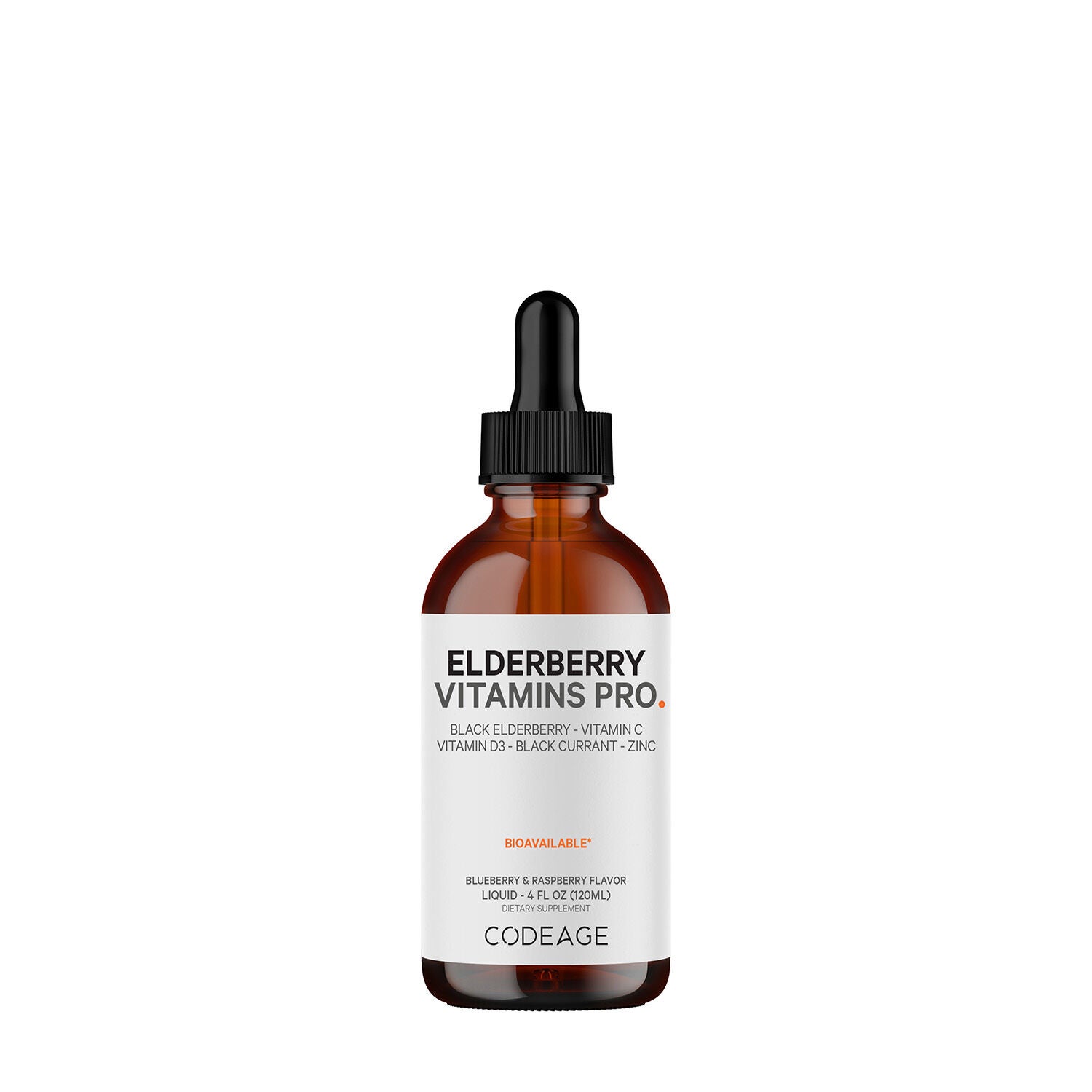
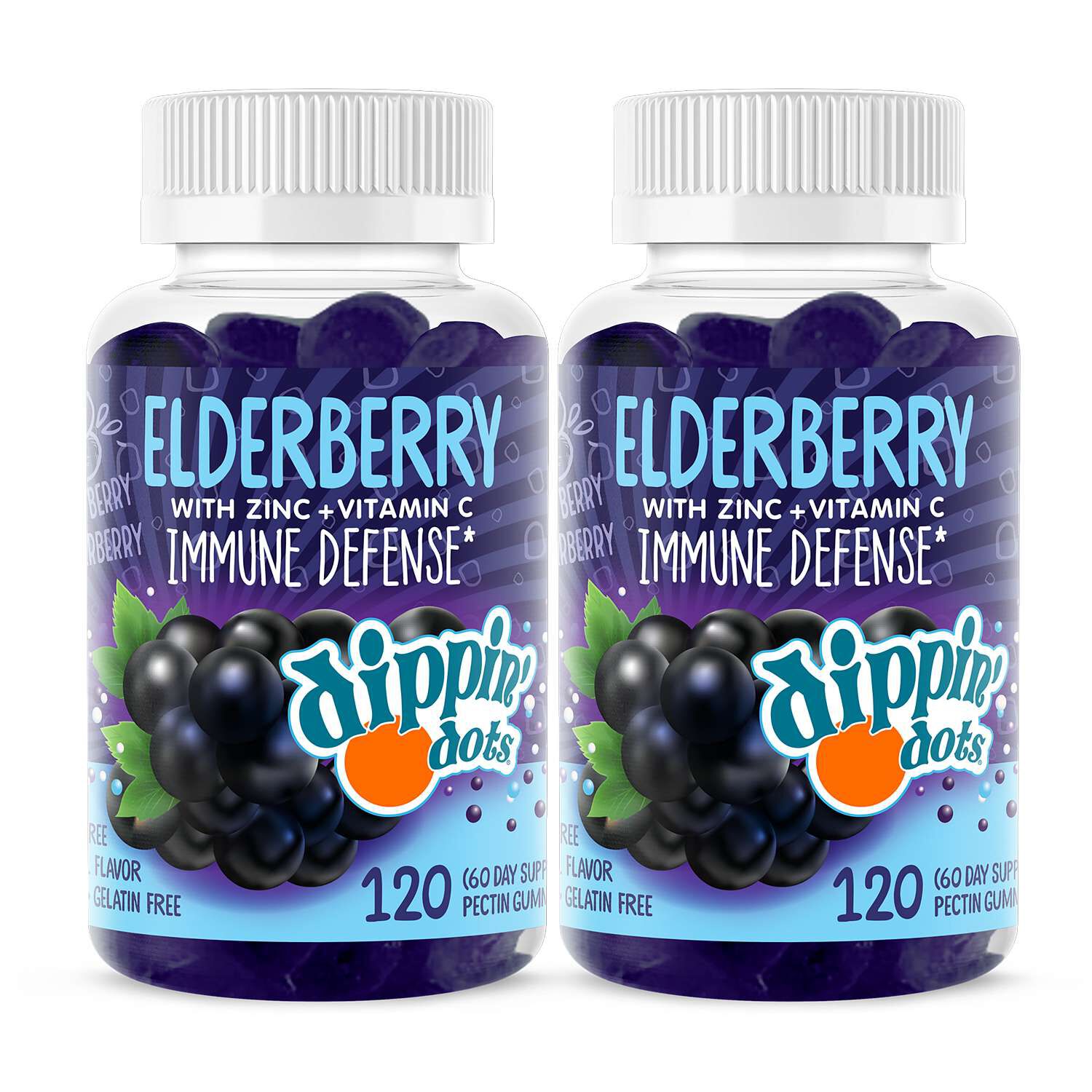
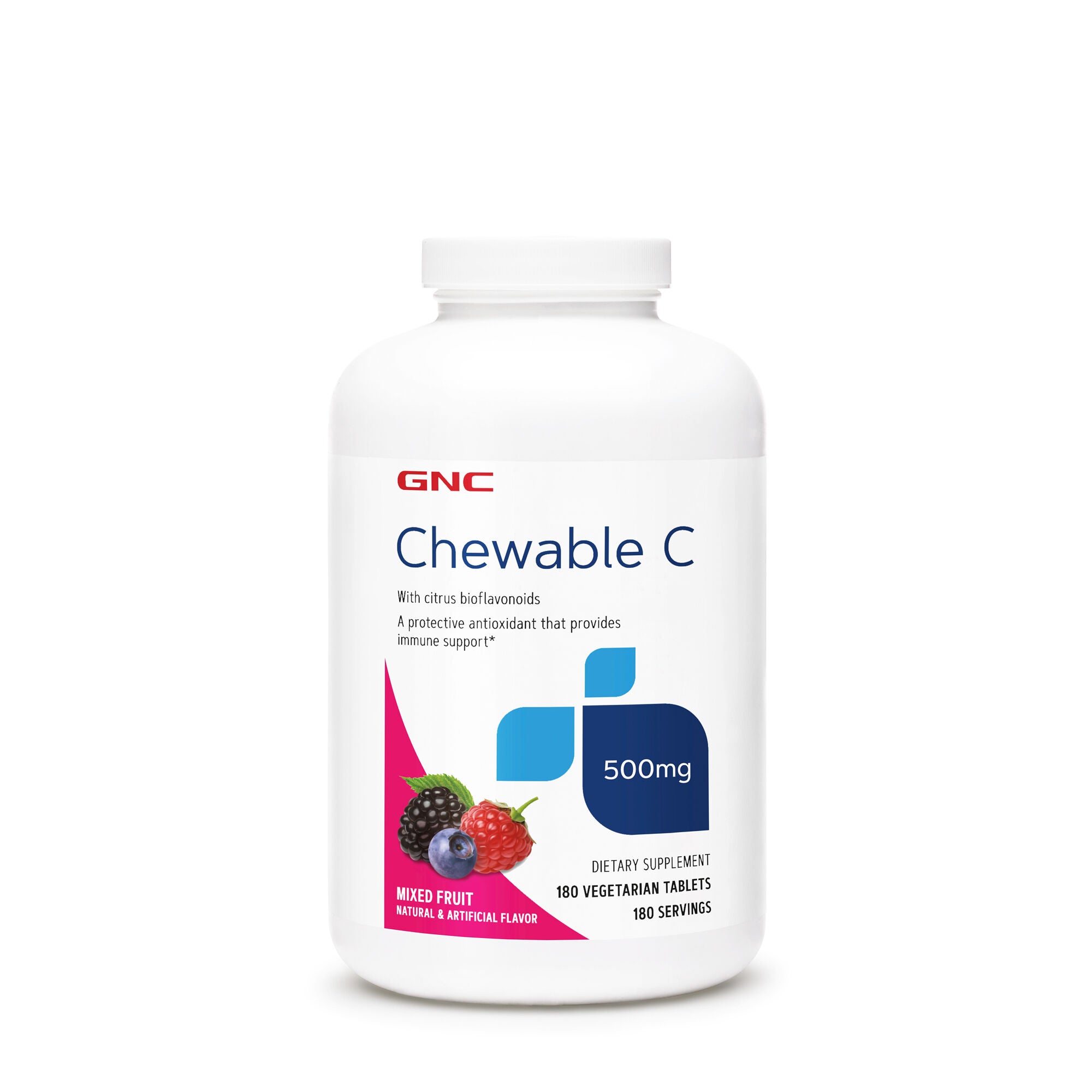
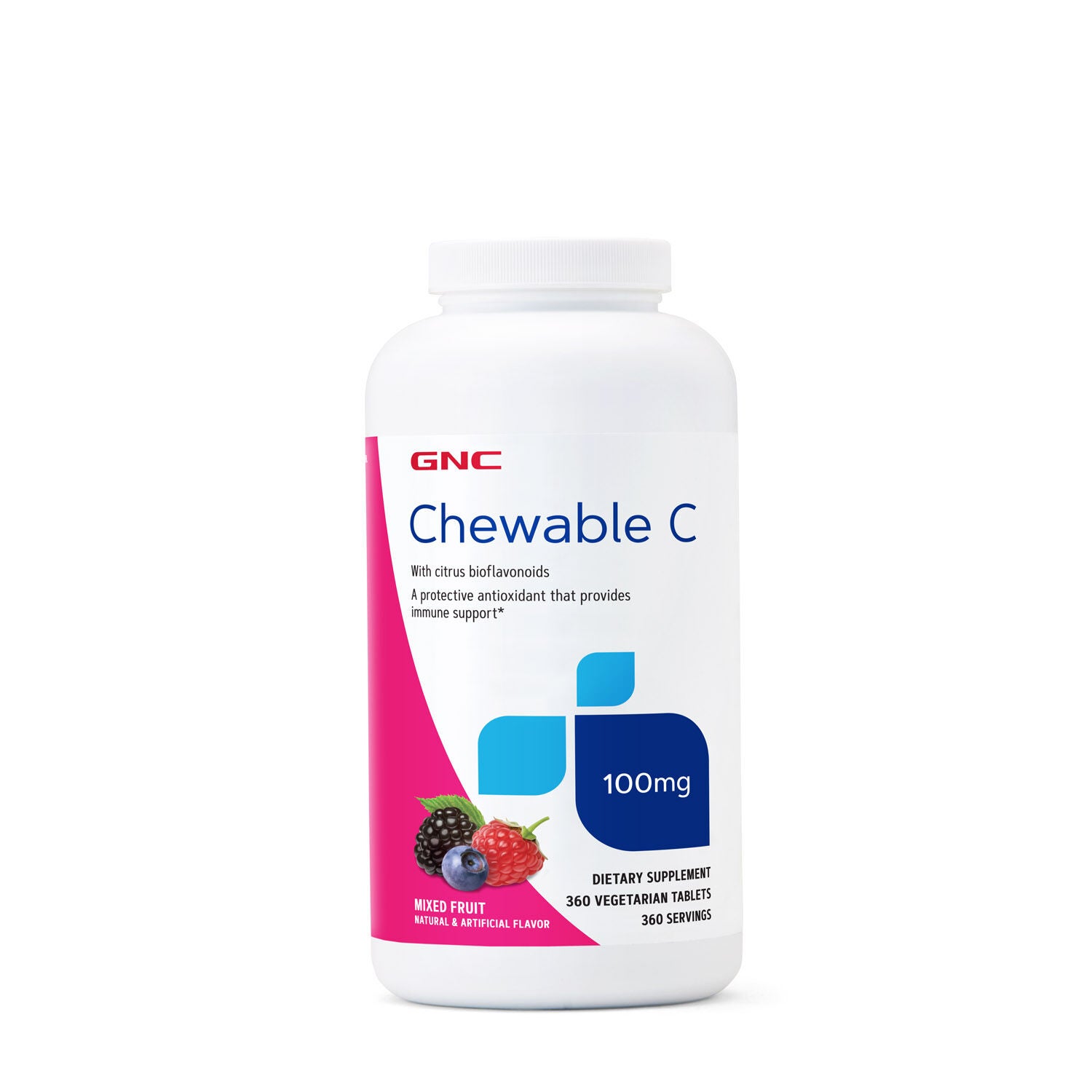
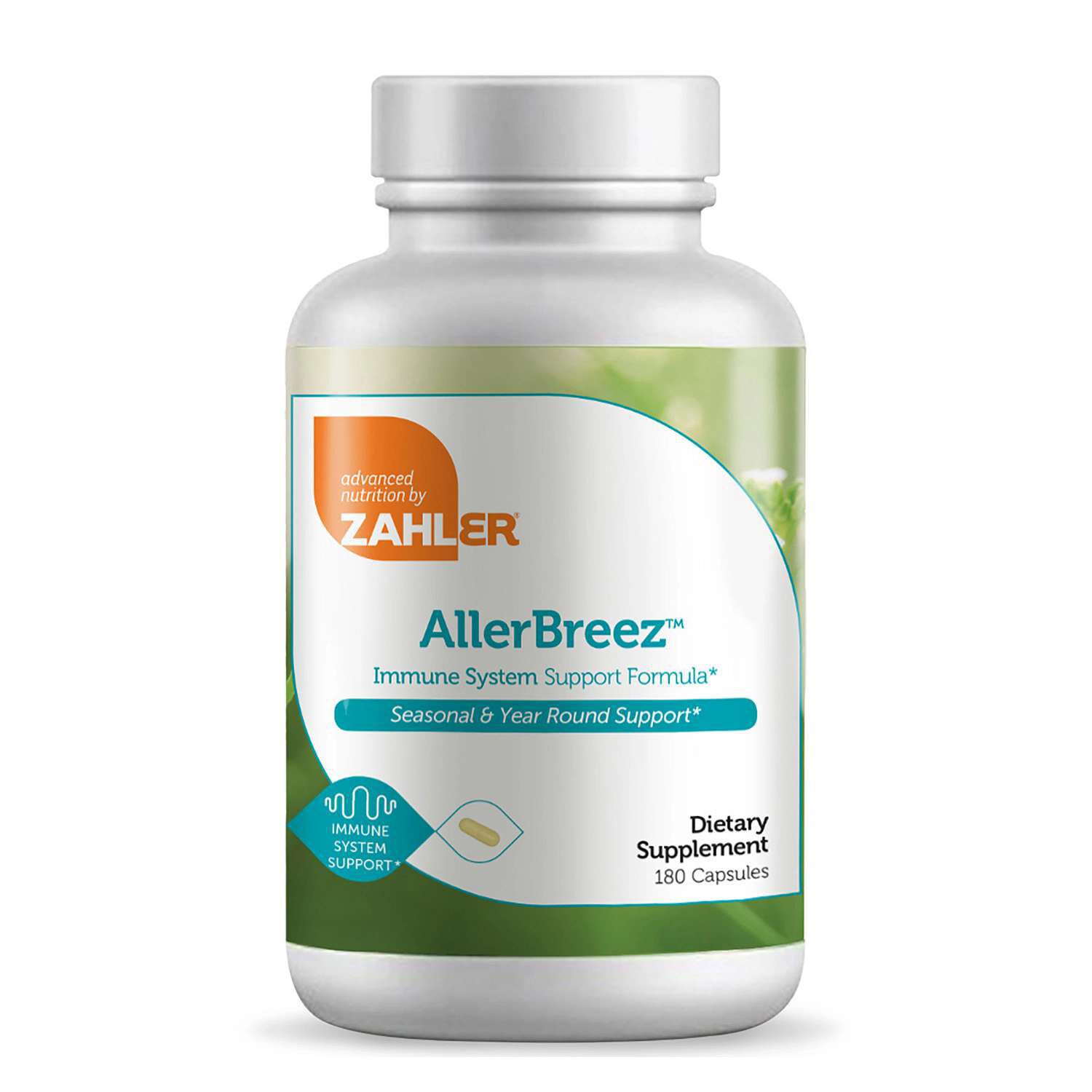
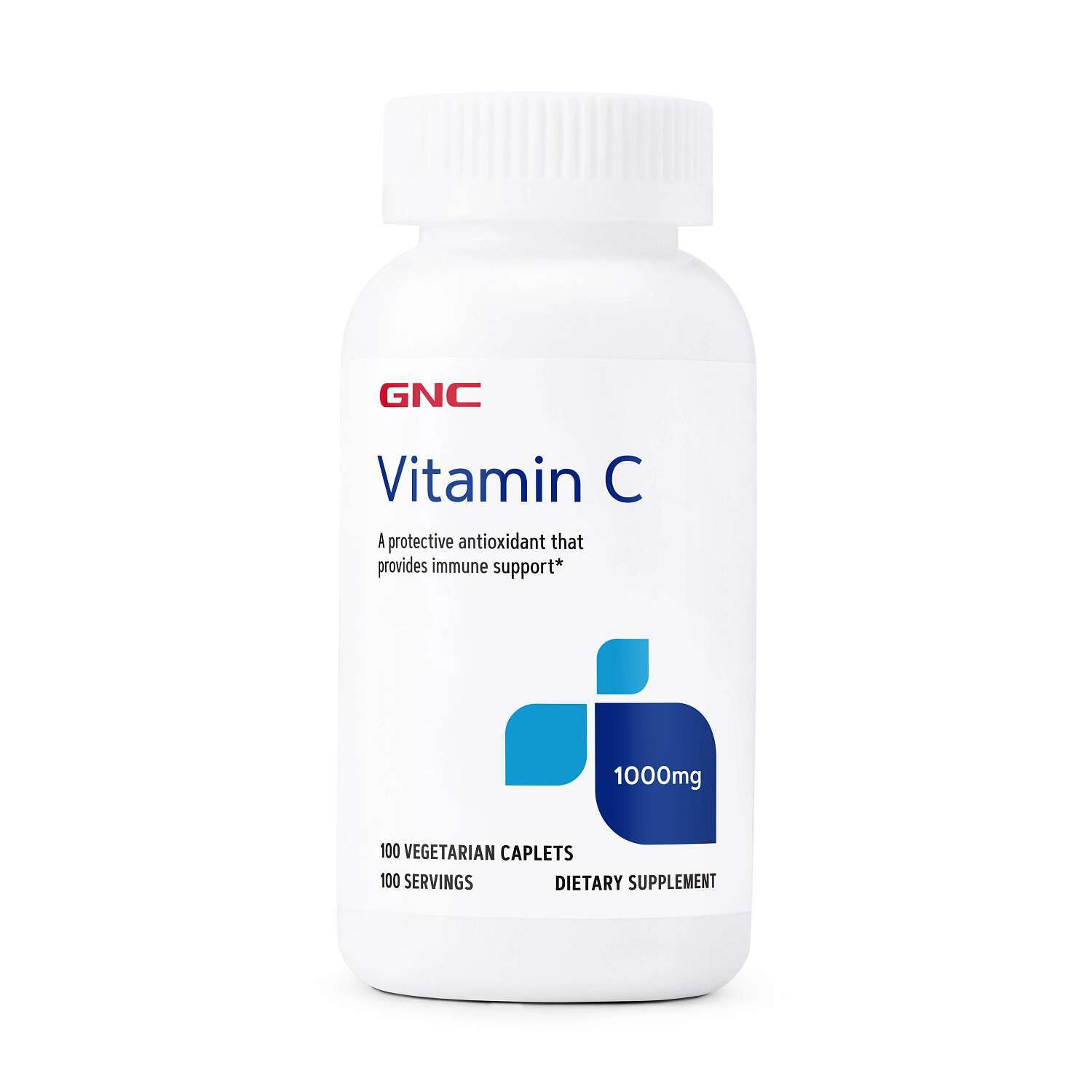
Seasonal immune supplements are vitamins, minerals, botanical preparations, and other dietary supplements selected for fall and winter wellness routines. These products may support normal immune function alongside varied meals and other everyday habits, with options that differ in ingredients, serving sizes, and formats. Vitamin C, vitamin D, and zinc are familiar nutrients in this category. Vitamin C appears in standalone formulas and combinations, while vitamin D may be listed as D3, a form commonly used in dietary supplements. Zinc formulas identify both the mineral amount and its source on the label. These details matter when comparing products that look similar on the front of the package but have different compositions. Botanical options often feature elderberry, which may appear as a fruit extract in capsules, gummies, powders, or liquids. A botanical label may also identify the plant’s scientific name, the portion used, and the amount included per serving. Those distinctions provide a clearer picture than a photograph of berries or a broad seasonal description alone. Some seasonal selections include probiotics, which contain specified microorganisms and may support digestive wellness. Probiotic labels can include strain names, quantities, storage requirements, and information about the period through which the stated count applies. Not every formula combines all of these ingredients, and a longer ingredient list does not automatically make a product a better match for a particular routine. A single-nutrient option and a blend serve different shopping preferences: one makes an individual ingredient easier to identify, while the other brings several ingredients together in one format. Seasonal interest in these products often accompanies shorter daylight hours, indoor gatherings, travel, and busy household schedules. Their place is alongside ordinary food choices, not instead of them. Citrus fruit in a lunch bag, beans in a simmering soup, vegetables at dinner, and other varied foods remain part of the broader nutritional picture. Supplements may complement that picture, but seasonal packaging alone does not establish whether a formula suits an individual’s needs.
The most useful differences between seasonal immune supplements are often practical ones: what is in each serving, how the product is taken, and where it will be kept. Capsules, tablets, softgels, gummies, chewables, liquids, and drink powders each have a different feel within a daily routine. Someone who prefers a compact bottle beside the breakfast dishes may favor a tablet or capsule format, while someone who already prepares a morning beverage may prefer a powder intended for mixing. Gummies and chewables bring flavor and texture into the comparison, with sweetness, fruit notes, and serving count all worth noticing. A serving may consist of more than one piece, so the amount shown on the Supplement Facts panel should be read together with the serving size rather than assumed to apply to a single gummy or tablet. Liquids may require a measured serving, and powders may specify a scoop size and an amount of water. Preparation directions also help distinguish a product intended for a drink from one designed for another use. The ingredient list provides details beyond the featured nutrients, including sweeteners, flavorings, colors, capsule materials, and ingredients used to create texture. Gelatin and pectin, for example, are different materials that can matter to shoppers with vegetarian preferences. Dietary suitability comes from the full label, including any relevant certifications and food allergen statements, rather than from the format alone. Package design deserves similar attention. A securely closing bottle, clearly printed directions, and legible serving information are useful features for a frequently opened container. Storage instructions and the printed expiration date are relevant to how long a purchase remains appropriate to keep. Many products specify a cool, dry location, while some have different requirements after opening. A steamy bathroom, a sunny windowsill, or a vehicle parked outdoors may not match those directions. Keeping a supplement in its original packaging preserves access to its ingredient information, serving instructions, and lot details. For a household with several wellness products on the same shelf, that can make everyday organization and later comparisons considerably simpler.
Seasonal immune supplements may appeal to adults who want to review the nutritional products in their fall and winter routines, whether that means a straightforward nutrient formula or a botanical blend with a particular taste and format. The intended audience should be stated on the package; a fruit flavor or colorful container is not enough to determine age suitability. Personal fit also involves the products already in a routine. A multivitamin and a seasonal formula may share ingredients, so comparing their labels can reveal overlap that is not obvious from their names. Products with similar featured ingredients can also differ in serving amounts, botanical sources, added nutrients, and directions. Those differences are more informative than assuming that all immune-focused formulas are interchangeable. Daily schedules add another layer to the choice. An adult with an early commute may value a small container that fits neatly into a cabinet at home, while someone who spends part of the winter traveling may pay closer attention to package size, closure design, and storage instructions. A bottle left loose in a tote beside a damp umbrella has different handling demands than one kept upright on a dry kitchen shelf. At home, a consistent storage location away from children and pets keeps the package separate from ordinary snacks, particularly when the format resembles candy. Seasonal browsing can also extend beyond fall and winter: Herbal Immune Support Supplements For Summer provides a related selection for shoppers interested in botanical options associated with another part of the year. That seasonal distinction does not mean a routine must change simply because the calendar does. Across seasonal categories, the most meaningful comparisons remain the ingredients, amounts per serving, intended audience, preparation directions, and storage needs. Clear labeling and a format that fits everyday preferences make those comparisons more manageable. Taken together, these details help distinguish seasonal immune supplements by what they contain and how they are intended to be used, rather than by seasonal imagery alone.