





Herbal Supplements For Seasonal Wellness
(0 Results)
Herbal supplements for seasonal wellness offer a natural way to support your daily routine as the seasons change. With a variety of botanicals traditionally used to help maintain overall well-being, these supplements may be a beneficial addition to your wellness journey. Explore options designed to fit your lifestyle and help you feel your best, no matter what time of year it is.
-

-

-

-
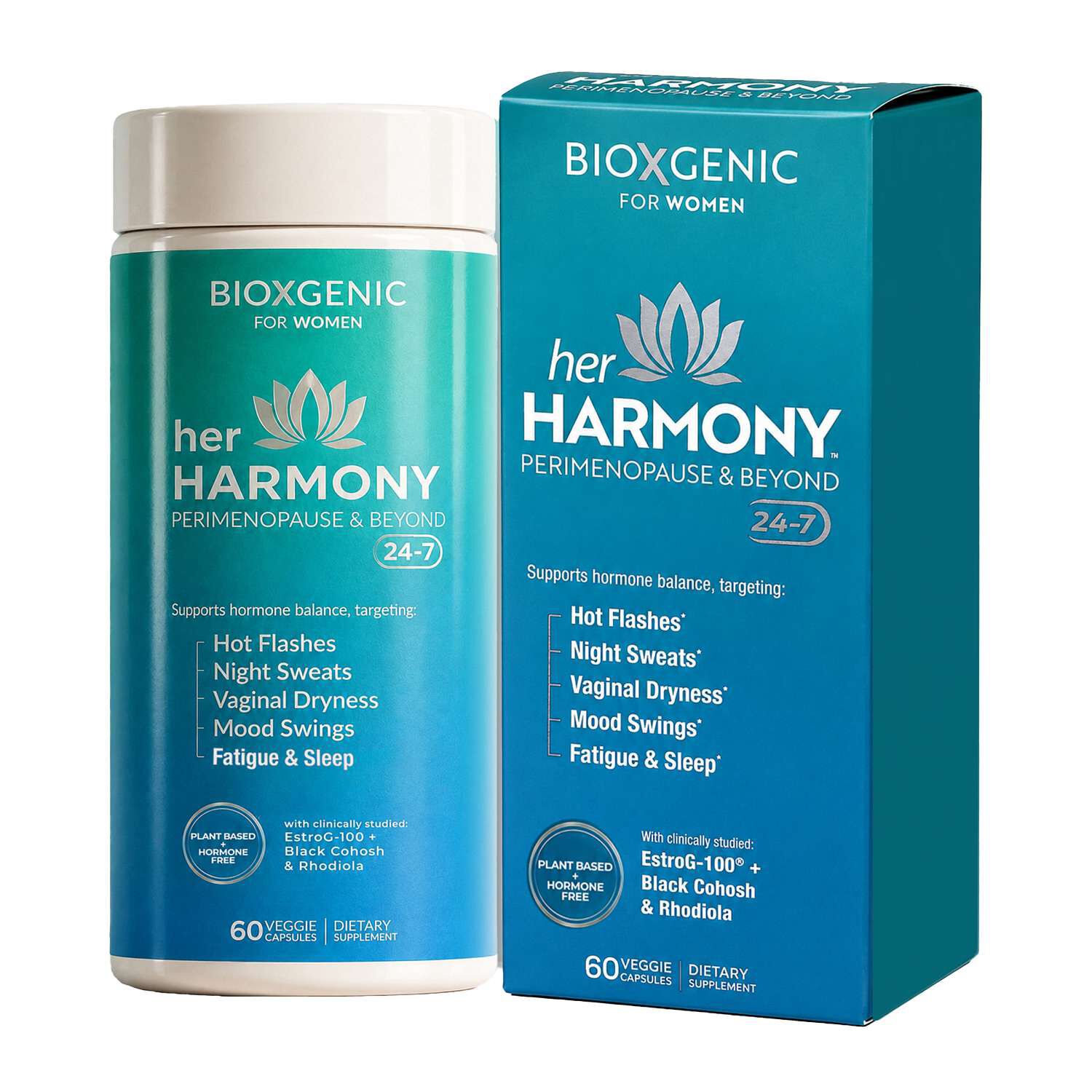 BioXgenic$35.99
-

-

-

-

-

-
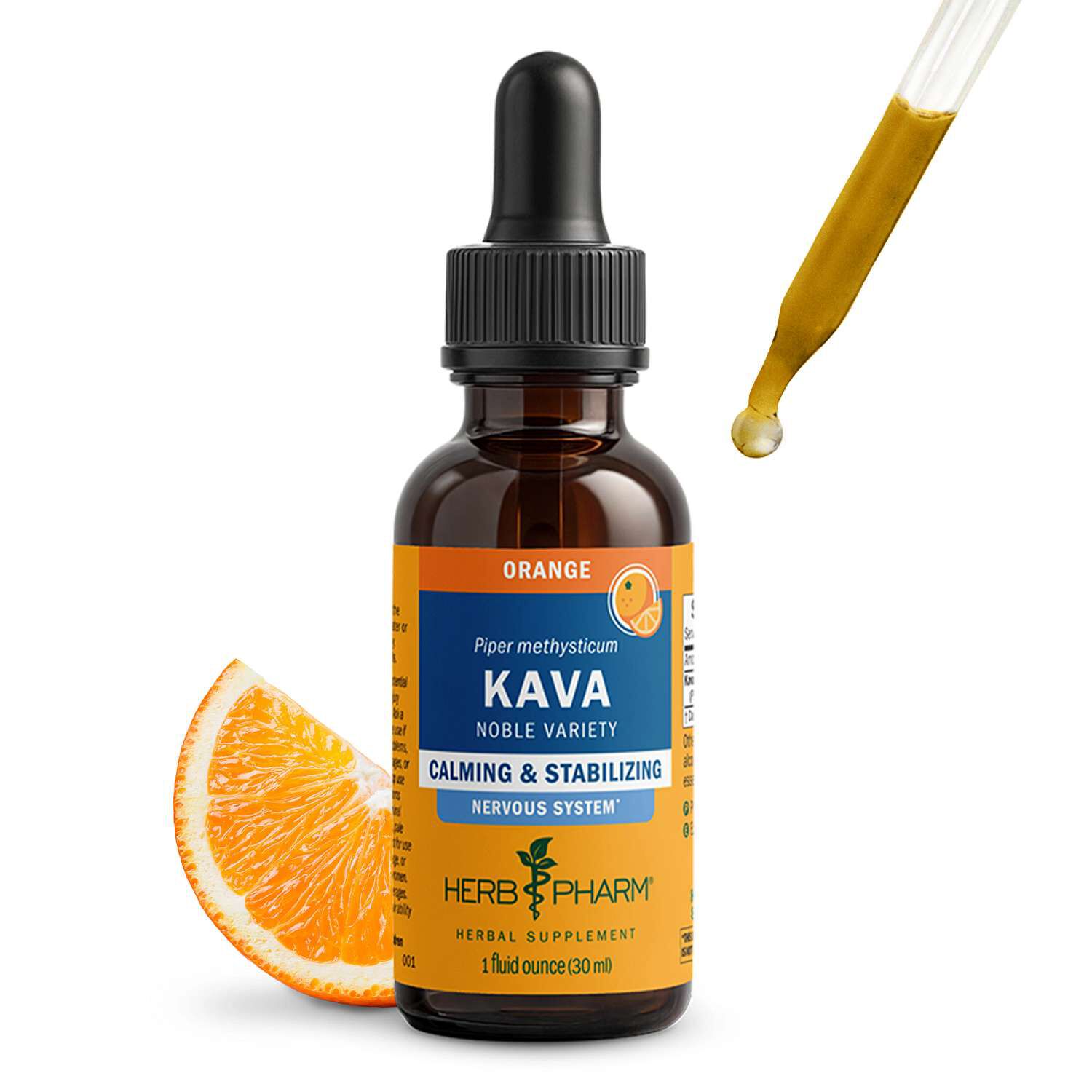
-
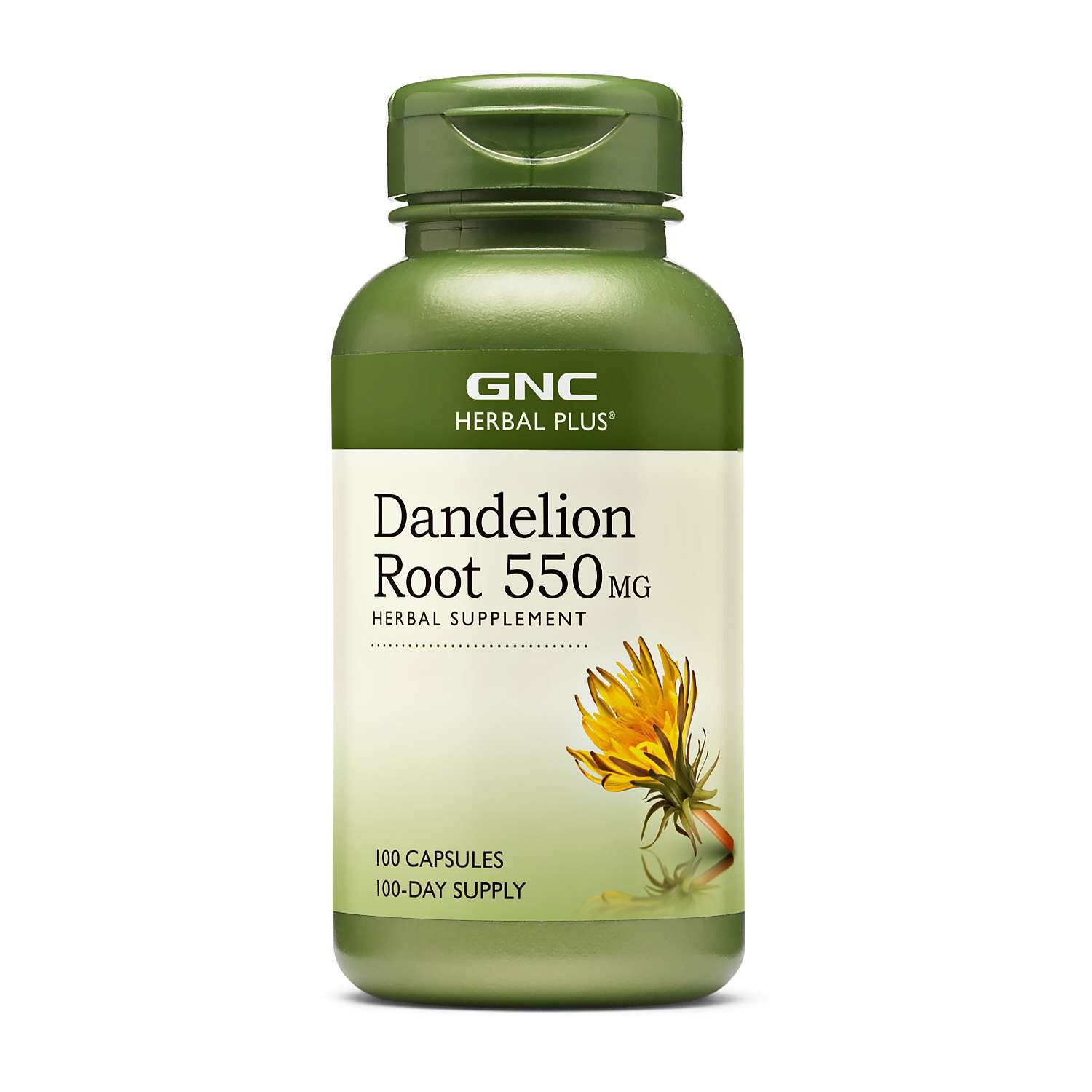
-
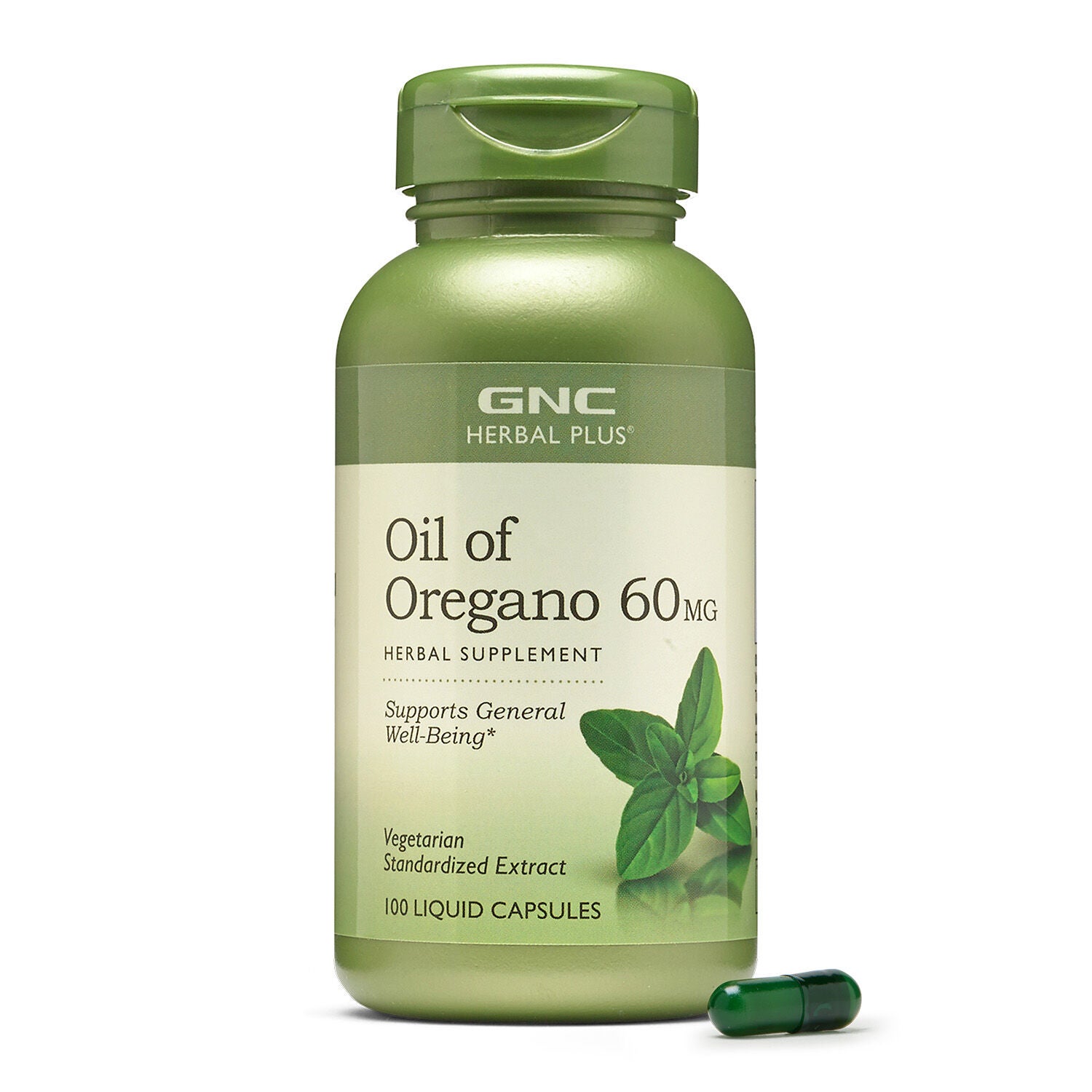
-
-

-
-
 $36.99
-
-
-
-

-

-

-

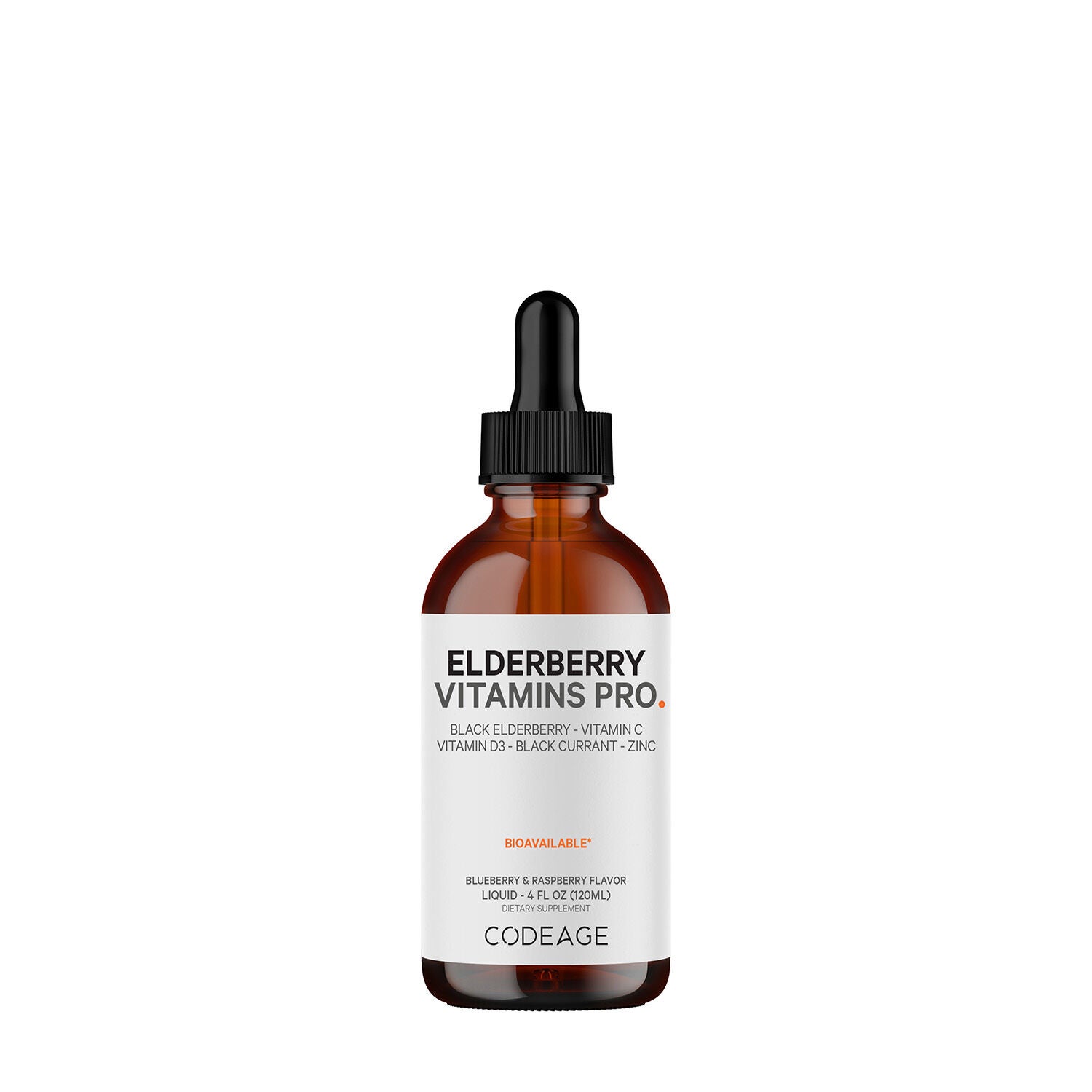
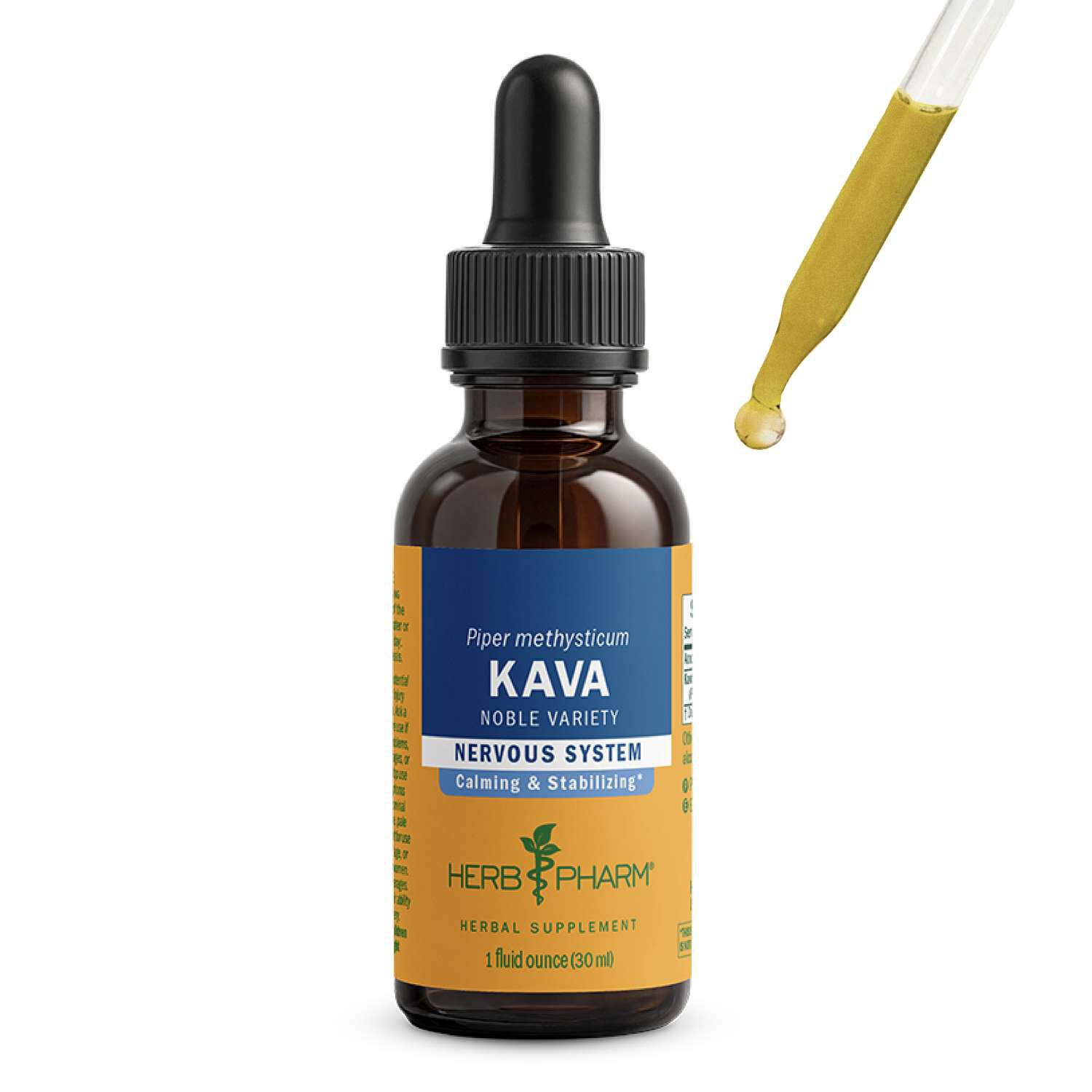
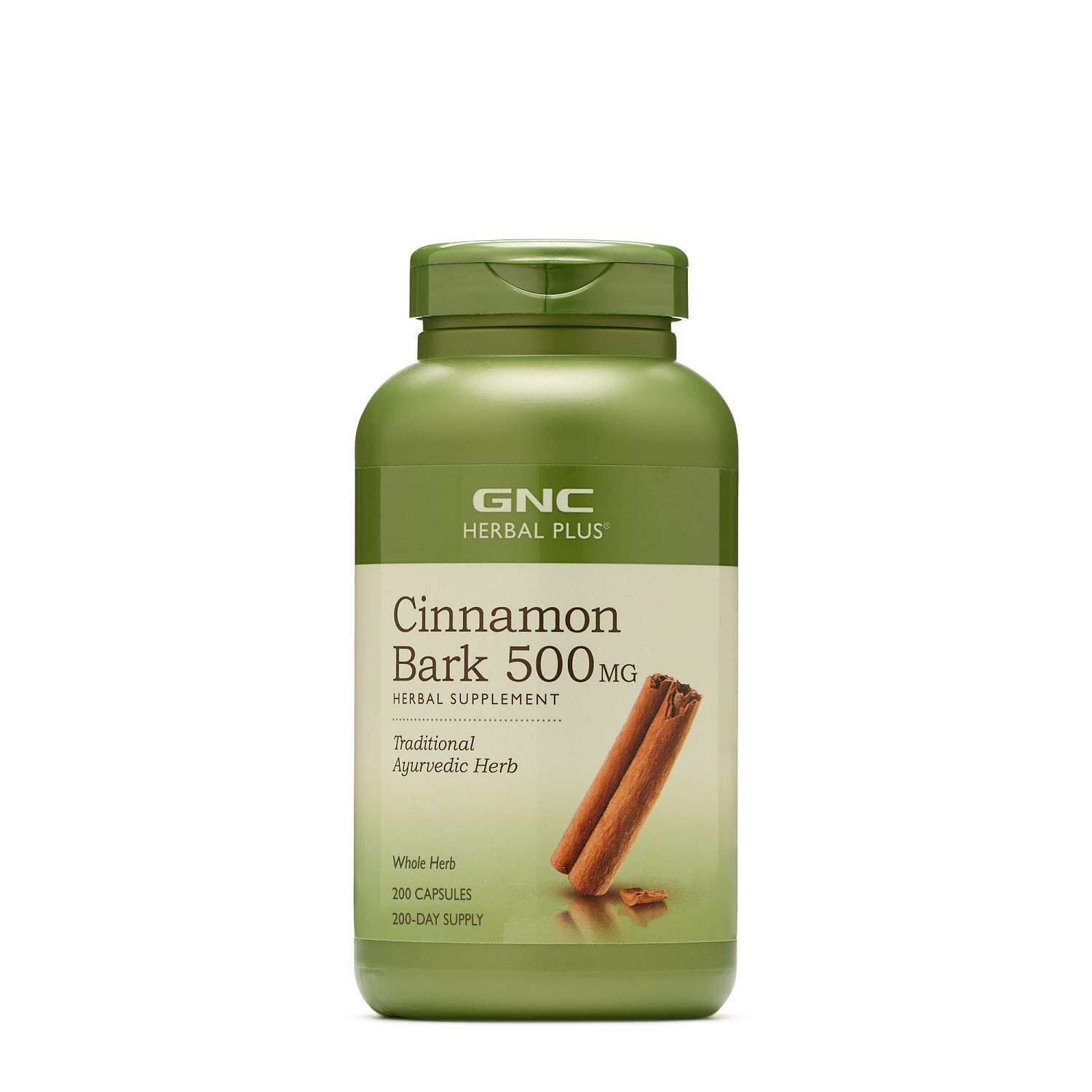
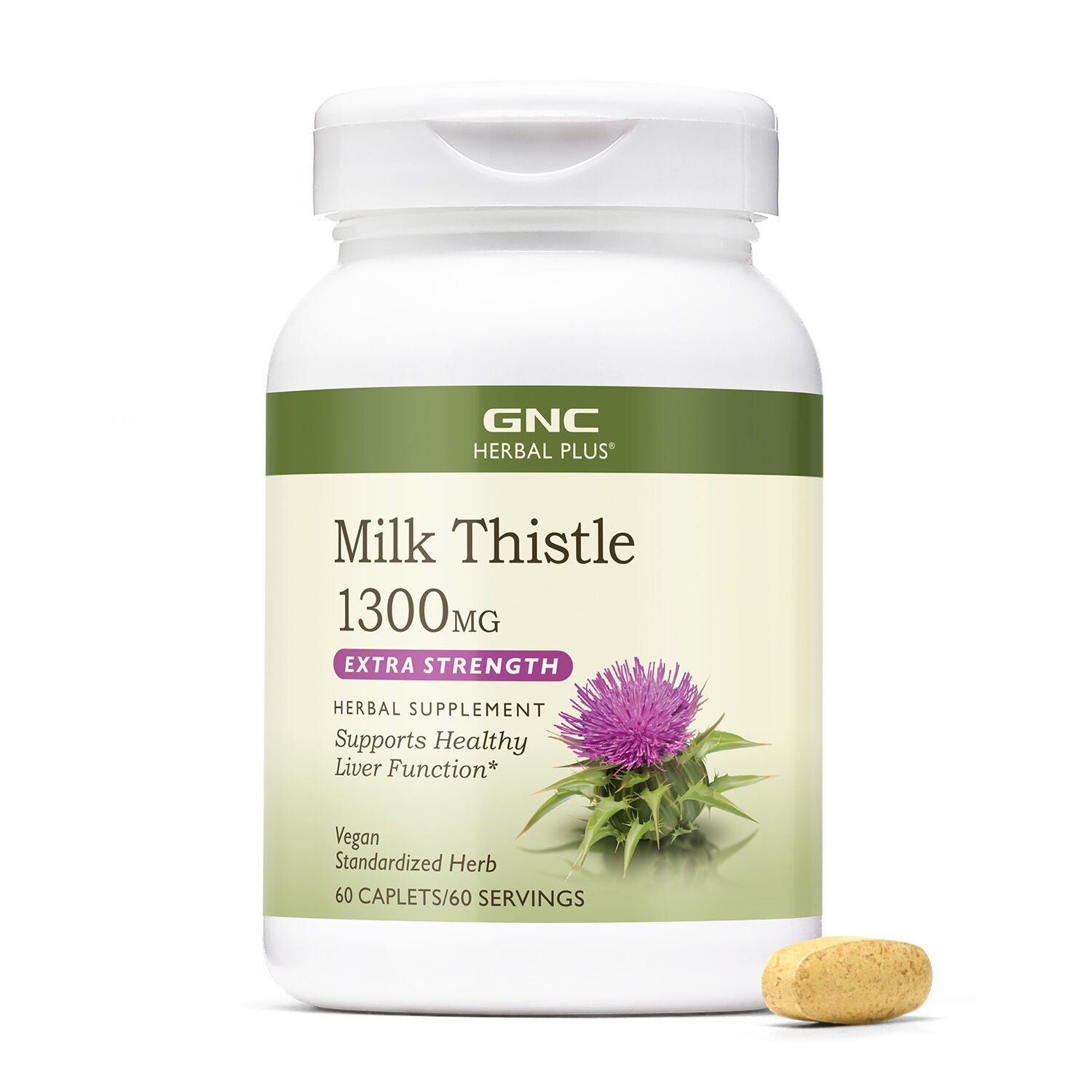
Herbal supplements for seasonal wellness are dietary supplements made with botanical ingredients and intended to fit within everyday wellness routines. Fall and winter often bring different schedules, from early morning commutes in the dark to indoor gatherings and longer evenings at home. Within that setting, some adults explore herbal supplements as one part of a routine that also includes varied meals, regular movement, and consistent rest. The category covers a wide range of plants, plant parts, and preparations rather than one uniform type of supplement. Elderberry refers to a berry ingredient, often identified on labels by the botanical name Sambucus nigra. Echinacea preparations may use roots, aboveground plant parts, or a combination, depending on the formula. Ginger and turmeric come from underground stems called rhizomes, while ashwagandha and rhodiola supplements frequently feature root preparations. These distinctions matter because the identity of a plant does not tell the whole story of what is inside a serving. A botanical name, the plant part used, and the preparation method provide more specific information than a familiar common name alone. Traditional use offers historical context, but it does not establish how a supplement might affect an individual. Herbal supplements also differ from vitamins and minerals: vitamin D, for example, is not an herb, even when it appears alongside botanicals in a broader seasonal wellness assortment. Some formulas focus on a single botanical, while others combine several ingredients. A shorter ingredient list may appeal to someone who prefers a straightforward routine; a blend may appeal to someone seeking several botanicals in one format. Neither approach is inherently a better match for every person. Whole-herb powders, concentrated extracts, and combinations of the two also represent different preparations. Their names and amounts are useful details, but they are not interchangeable descriptions. This variety gives herbal supplements for fall and winter a broad character, with meaningful differences in composition, serving format, and intended use.
Format is another important part of the experience, particularly when a seasonal routine includes commuting, overnight travel, or meals eaten away from home. Capsules, tablets, gummies, powders, and measured liquids each have a different texture, taste, and place in a daily schedule. Capsules may appeal to adults who prefer little direct contact with the flavor of an herb, while powders or liquids may suit those comfortable with earthy, bitter, spicy, or fruit-forward notes. Gummies have their own texture and flavor profile, along with ingredients that may include sweeteners, colors, or gelling agents. Capsule shells may contain gelatin or plant-derived materials, so the supplement facts panel is only one part of the package worth understanding. The other ingredients list provides context about the materials used to make the finished serving. Serving size also deserves attention: one capsule, one gummy, and one dropperful do not necessarily represent equivalent amounts, even when the same botanical appears on the front label. Extract descriptions add another distinction. An extract ratio describes a relationship between starting plant material and the resulting extract, while standardization refers to a specified amount of a particular constituent. Neither detail, by itself, establishes a personal outcome. Herbal teas and concentrated liquid supplements are different preparations as well; a brewed cup and a measured liquid serving should not be treated as equivalent simply because they share a plant name. For someone who enjoys a quiet evening ritual, the sensory qualities of a botanical preparation may be part of its appeal. For someone packing a work bag before sunrise, a compact format with clear serving directions may feel more practical. The fit is personal rather than universal. Flavor preferences, dietary preferences, the number of servings involved, and the amount of preparation all shape how comfortably a supplement might fit into an established routine. Clear labeling makes those differences easier to see without relying on broad seasonal language or assumptions about what a familiar herb name means.
Packaging and everyday handling are relevant to herbal supplements throughout fall and winter, especially when containers move between a kitchen cabinet, a travel bag, and a weekend destination. Storage directions vary by preparation, and the package provides the applicable information about temperature, light, moisture, and handling after opening. A bathroom shelf exposed to steam and a bag left in a parked car present different conditions from a dry indoor cabinet. Closure design, readable labels, and packaging that remains intact may matter just as much in daily use as the shape of a capsule or the taste of a liquid. Original packaging keeps the ingredient list, serving directions, cautions, and expiration information together, which may be useful when several supplements share a household storage space. Durability in this category is less about rugged construction and more about maintaining the container and following its stated storage conditions. Intended use matters, too. Adult supplements are not automatically appropriate for every member of a household, and botanical origin alone does not establish personal suitability. Labels may include age guidance or cautions concerning pregnancy, nursing, or use alongside medications. Those details belong alongside ingredient identity and format when thinking about a seasonal selection. Herbal supplements are also a personal purchase rather than an automatic fit for a gift basket, since another person’s preferences and circumstances may not be obvious. For shoppers exploring a wider fall-focused assortment, Supplements For Autumn Wellness offers a related seasonal category beyond botanicals alone. Across fall and winter, the most meaningful distinctions remain concrete: which plant is used, how it is prepared, what else is included, how a serving is measured, and how the package is meant to be stored. A thoughtfully chosen format may sit comfortably within familiar habits, whether that means breakfast before a busy commute or a measured pause at home after a long day. Herbal supplements remain one optional part of that broader routine, not a replacement for the everyday habits around them.
Best Sellers
-
GNC Herbal Plus

Related Pages
Top Collections
- Joint Mobility Supplement Packs
- Zinc Supplements | Top Brands at Great Prices | GNC
- Supplements For Yoga Joint Flexibility
- Supplements For Balance
- Capsule Supplements For Energy And Stamina
- Adult Mobility Supplements
- Vitamins For Hair Loss
- Top Rated Collagen | Shop Customer Favorites | GNC
- Blood Pressure Support Supplements
- Gut Lining Protection Supplements