

Vegan Immune Supplements
(0 Results)
Explore the vibrant world of vegan immune supplements, where plant-based ingredients come together to support your body's natural defenses. These supplements could offer a convenient and eco-friendly way to integrate immune-optimizing nutrients into your daily routine. Whether you're committed to a vegan lifestyle or simply looking for clean options, these products might provide the nourishment you need without compromising on quality or ethics. Dive into the possibilities and discover how vegan immune supplements may fit seamlessly into your wellness journey.
-

-

-
-
 $29.99
 -

-
-

-
-

-
-
-

-
 $15.99
 -

-
 $18.99
 -
 Nature's Fusions$32.99
 -

-

-
-
 $15.99


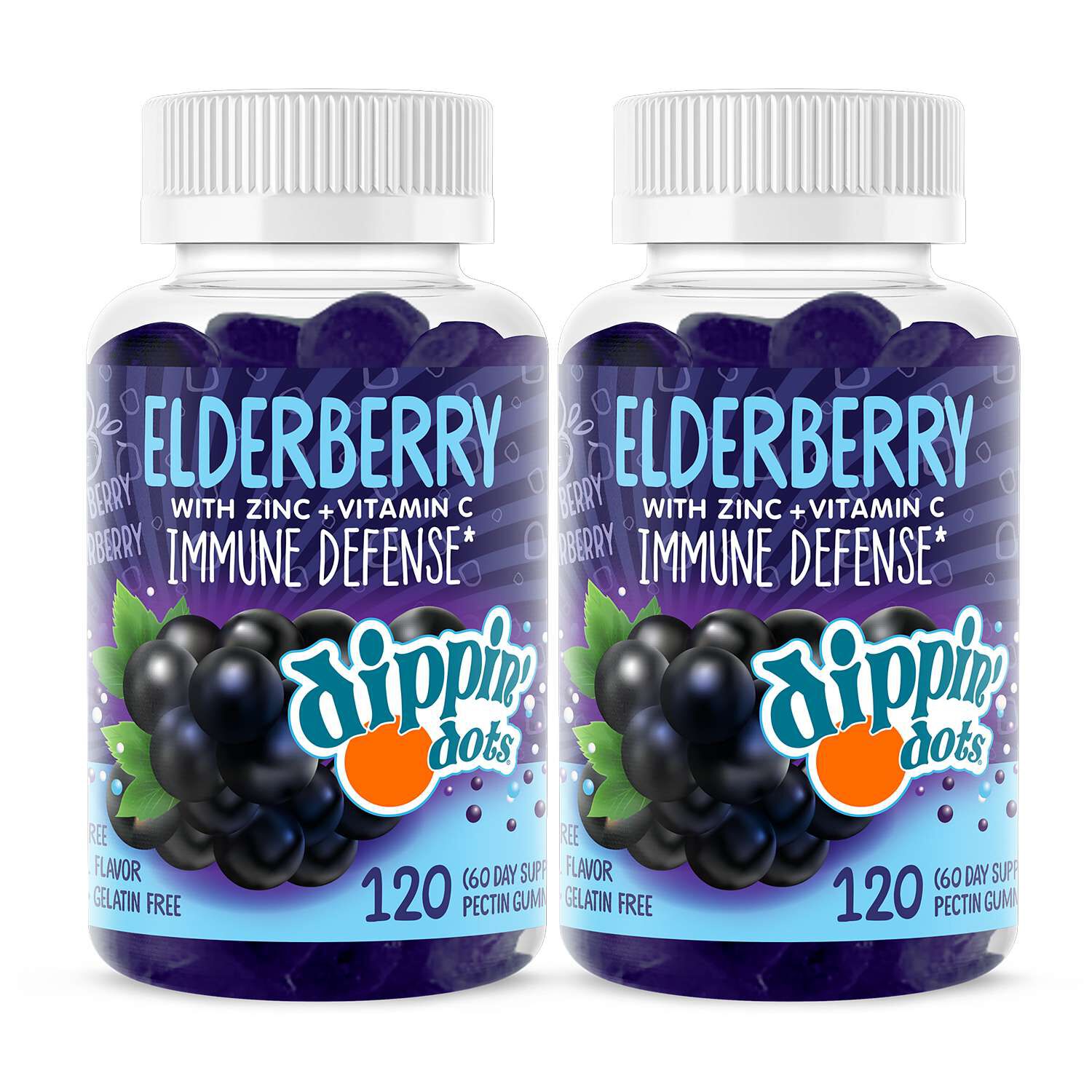
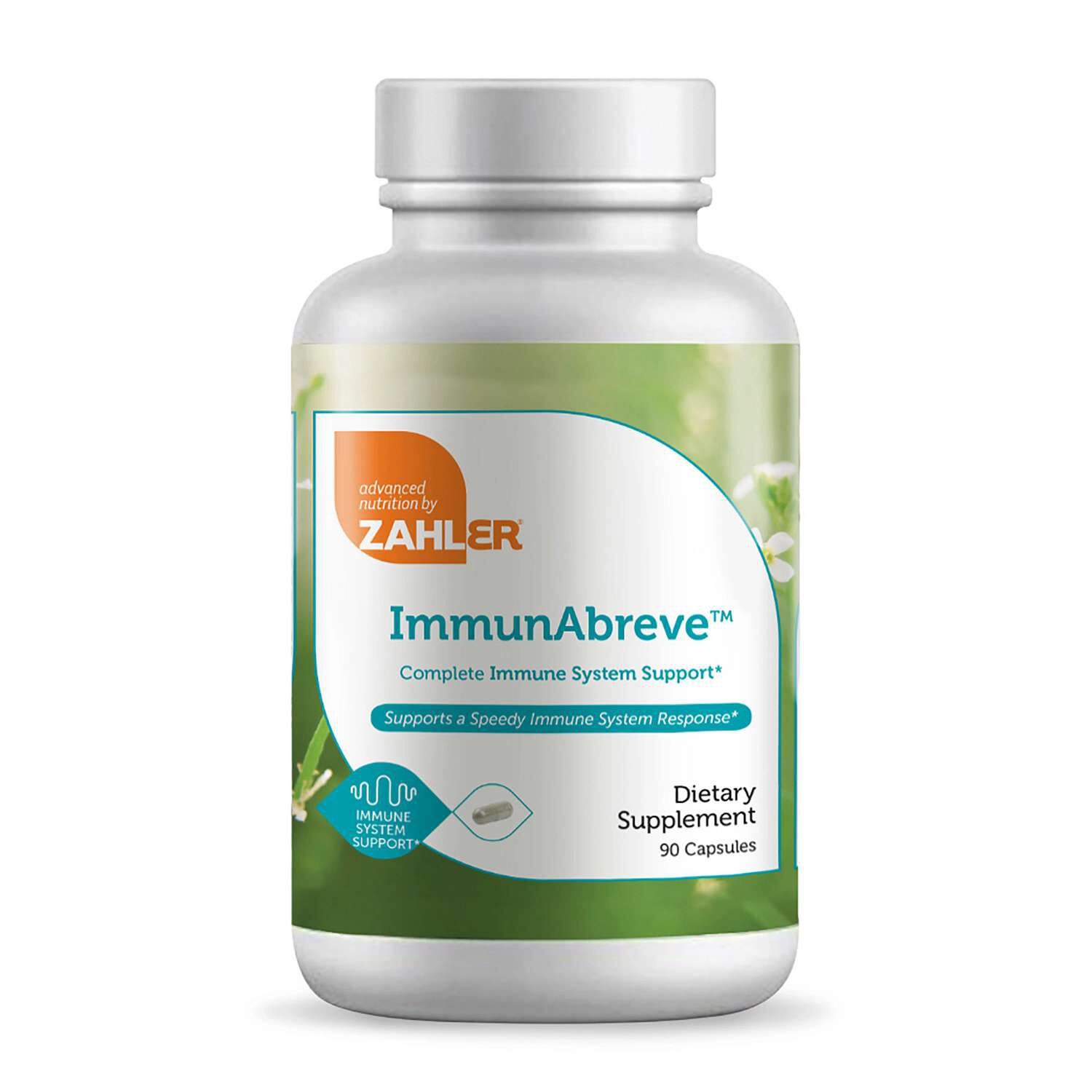
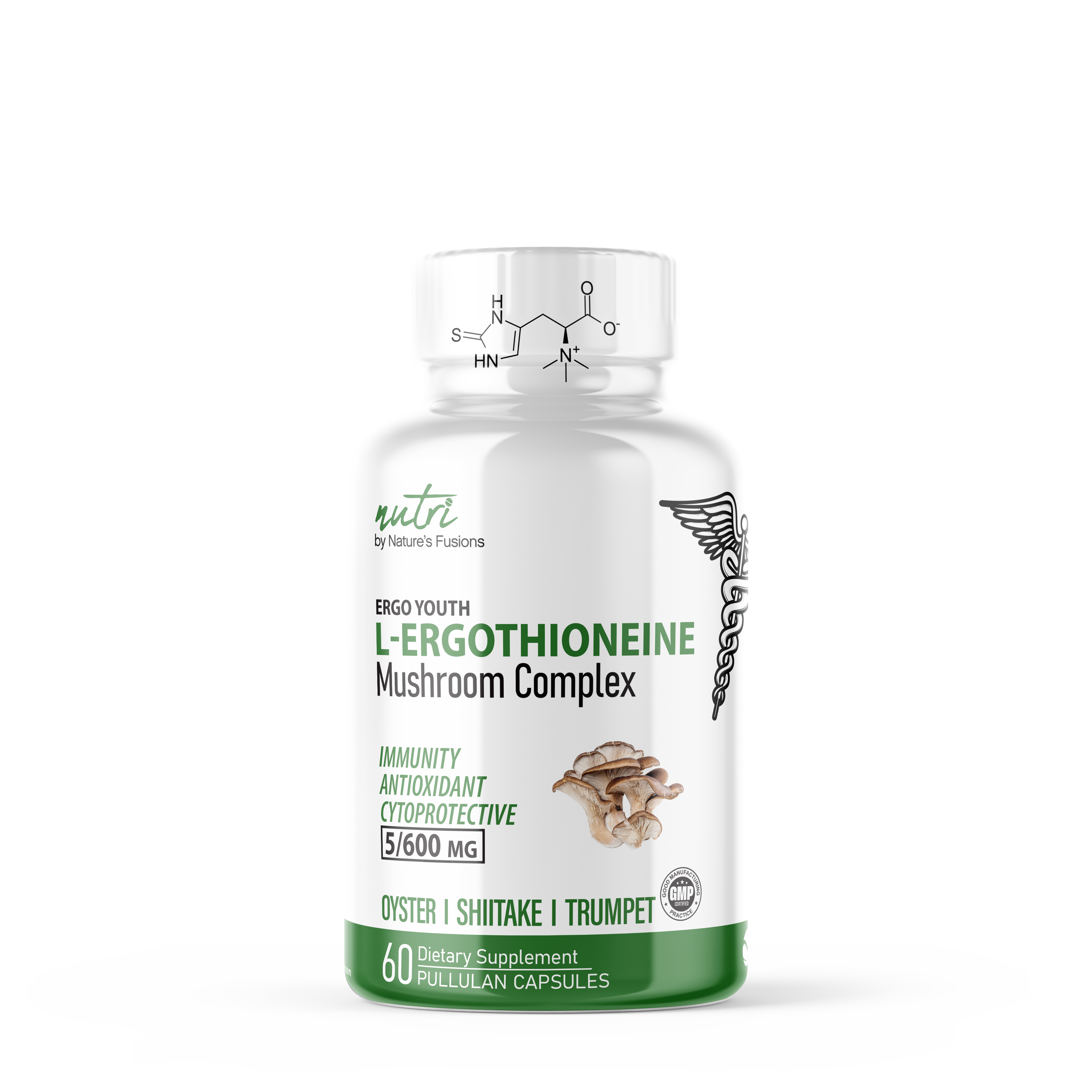
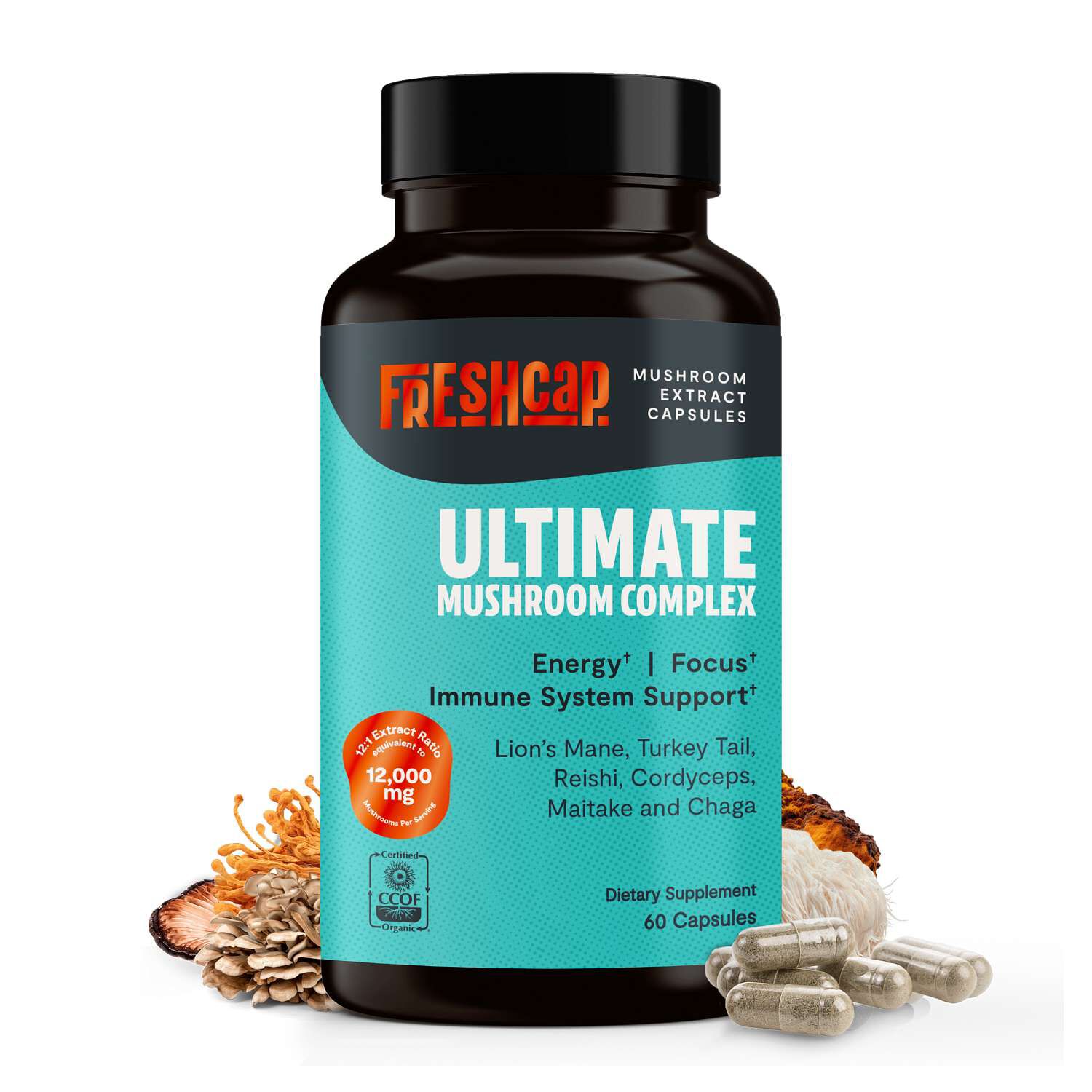
Vegan immune supplements are vitamins, minerals, and blends made without animal-derived ingredients and intended for an immune-focused wellness routine. Common ingredients in this category include vitamin C, zinc, and vitamin D, offered alone or alongside other nutrients and botanical ingredients. The vegan distinction depends on more than the nutrient named on the front of the package: its source, the capsule shell, and the ingredients used for texture or flavor all matter. Vitamin D3, for example, can come from lanolin obtained from sheep’s wool or from vegan sources such as lichen. A label identifying lichen-derived D3 offers more useful sourcing detail than the words “vitamin D3” alone. Vitamin D2 is another form found in vegan formulas, though the finished supplement still needs to be evaluated for its other ingredients. Vitamin C may appear as ascorbic acid or in formulas featuring acerola cherry or other fruit ingredients. Zinc is a mineral rather than a plant ingredient, so a vegan zinc supplement is defined by animal-ingredient exclusions throughout the formula, not by a claim that the mineral itself comes from plants. This distinction makes vegan immune supplements relevant to people following a vegan diet, those eating mostly plant-based meals, and shoppers who prefer animal-ingredient exclusions in their daily routines. Some prefer a single-nutrient formula with a short ingredient list; others gravitate toward blends that bring several nutrients into one serving. Neither format is automatically a better match for every person. The useful comparison is between the ingredient sources, nutrient amounts, serving format, and intended audience shown on the label. Packaging with clear sourcing language can make that comparison more straightforward, particularly when two formulas feature similar nutrients but use different capsule materials or vitamin sources. Vegan describes an ingredient standard, while immune describes the intended wellness category; neither term, on its own, explains everything inside the container.
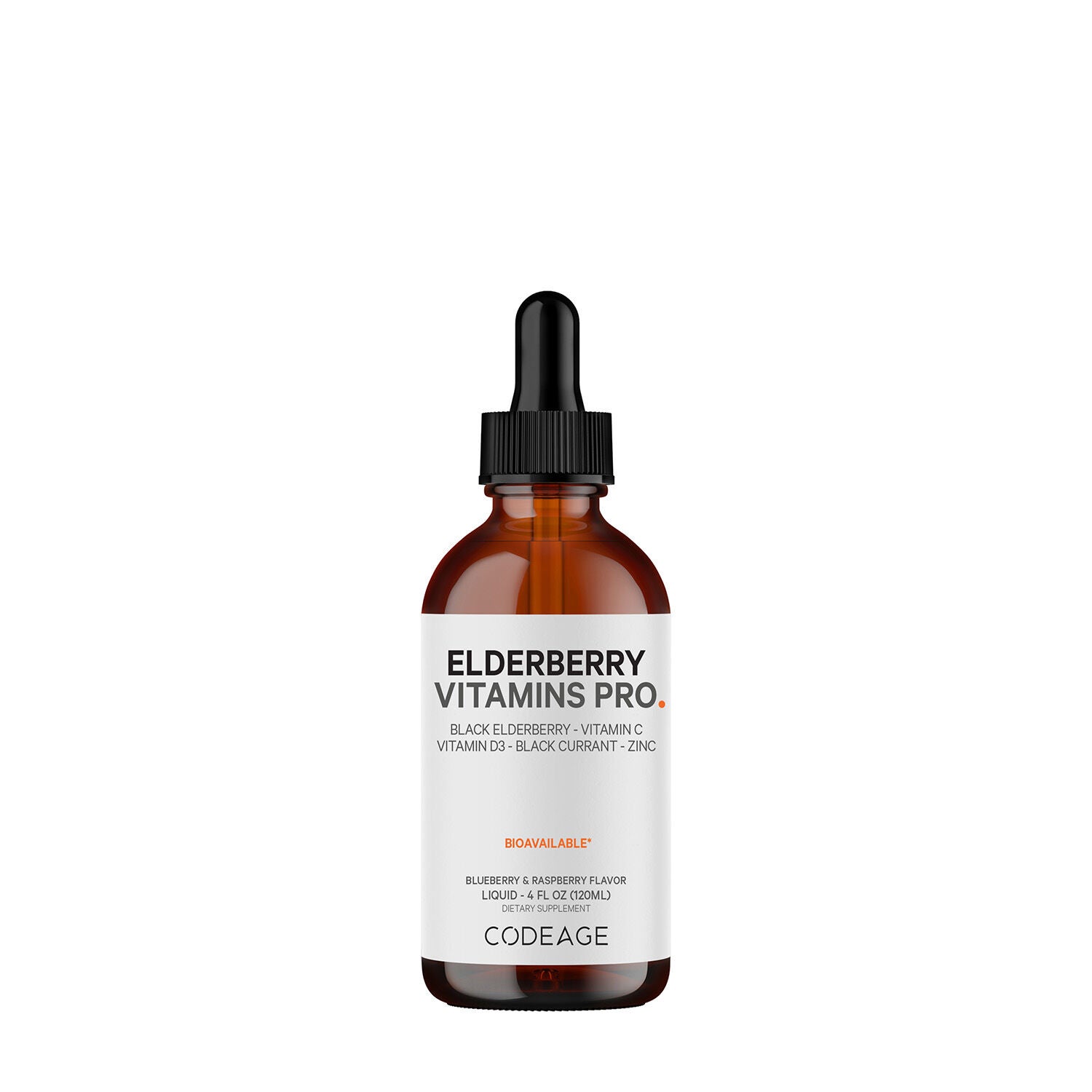
Format is often where a vegan supplement becomes a practical match for an everyday routine. Capsules offer a measured portion without the flavor experience of a chewable, while tablets have their own size, shape, and coating considerations. Vegan capsule shells commonly use cellulose-based materials rather than gelatin. Gummies often use pectin for their texture, but a gummy’s appearance does not establish whether it is vegan; gelatin, beeswax, honey, and other animal-derived ingredients can appear in chewable formulas or coatings. Reading the full ingredient list provides a clearer picture than relying on fruit imagery or a plant-themed package. Flavor, sweetness, and texture also deserve attention. A tart citrus gummy, a berry-flavored chewable, and an unflavored capsule offer different experiences, even when their featured nutrients overlap. Powders and liquids provide other formats, with their own measuring, mixing, and storage requirements. For someone who packs breakfast before an early commute, the number of pieces or measurements in a serving may matter as much as the container size. For someone who dislikes flavored supplements, a capsule or tablet may be a more comfortable fit. The serving size is particularly important when comparing vegan vitamin C, vegan vitamin D, or zinc supplements: one serving might mean one capsule, several gummies, or a measured amount of liquid. The Supplement Facts panel distinguishes the amount per serving from the number of servings in the package. In a blend, the ingredient list also clarifies whether a fruit or botanical is present as a featured ingredient, a flavoring, or part of another mixture. Familiar examples such as elderberry may appear beside vitamins and minerals, but a longer ingredient list does not automatically make a formula more suitable. A vegan designation also does not describe every dietary attribute. Sweeteners, colors, soy ingredients, and other details remain separate considerations. Clear labels make it easier to compare those characteristics without treating all plant-based immune supplements as interchangeable.
Intended use, packaging, and storage round out the comparison, especially when a supplement will become part of a regular household routine. Some vegan immune formulas are labeled for daily use, while others have different directions, so the label—not the format or flavor—sets the context for how a product is intended to be used. Adult and children’s formulas also belong in separate comparisons. They can differ in serving size, nutrient amounts, texture, and age labeling, rather than simply in package design. Families browsing age-specific options can explore Vegan Immune Support For Kids with those distinctions in mind. A sweet flavor or familiar gummy shape does not make an adult formula appropriate for a child. For household organization, the original labeled container keeps directions, ingredient information, and the expiration date together. Storage instructions deserve similar attention: some liquids call for refrigeration after opening, while other formats specify a cool, dry location. A steamy bathroom shelf, a sunny kitchen windowsill, or a bag left in a warm car may not match those conditions. For gummies and powders, moisture and heat are also practical texture considerations, making a securely closed lid an important packaging detail. Someone carrying a container between home and work may prefer a compact package with a closure that stays secure, while someone keeping it in a designated cabinet may care more about a readable label and an easy-to-handle bottle. During the cooler months, when commutes, indoor gatherings, and travel can make schedules busier, those ordinary details may help a chosen format fit more comfortably into the day. Vegan immune supplements remain one part of a broader approach to everyday wellness, alongside varied meals, regular rest, and time for movement. The most meaningful distinctions are concrete: verified ingredient sources, clearly stated nutrient amounts, a suitable format, age-appropriate labeling, and storage requirements that suit the setting where the supplement will be kept.