





Vegan Mushroom Immune Support Supplements
(0 Results)
Vegan mushroom immune support supplements offer a plant-based way to support your wellness routine. Packed with carefully selected mushroom blends, these supplements may fit seamlessly into vegan lifestyles while aligning with your daily health goals. Explore a range of options that could complement your diet and help you feel your best with vegan mushroom immune supplements.
-
-

-
-

-

-

-
-

-
-

-
-

-

-
 4$59.99
 -

-
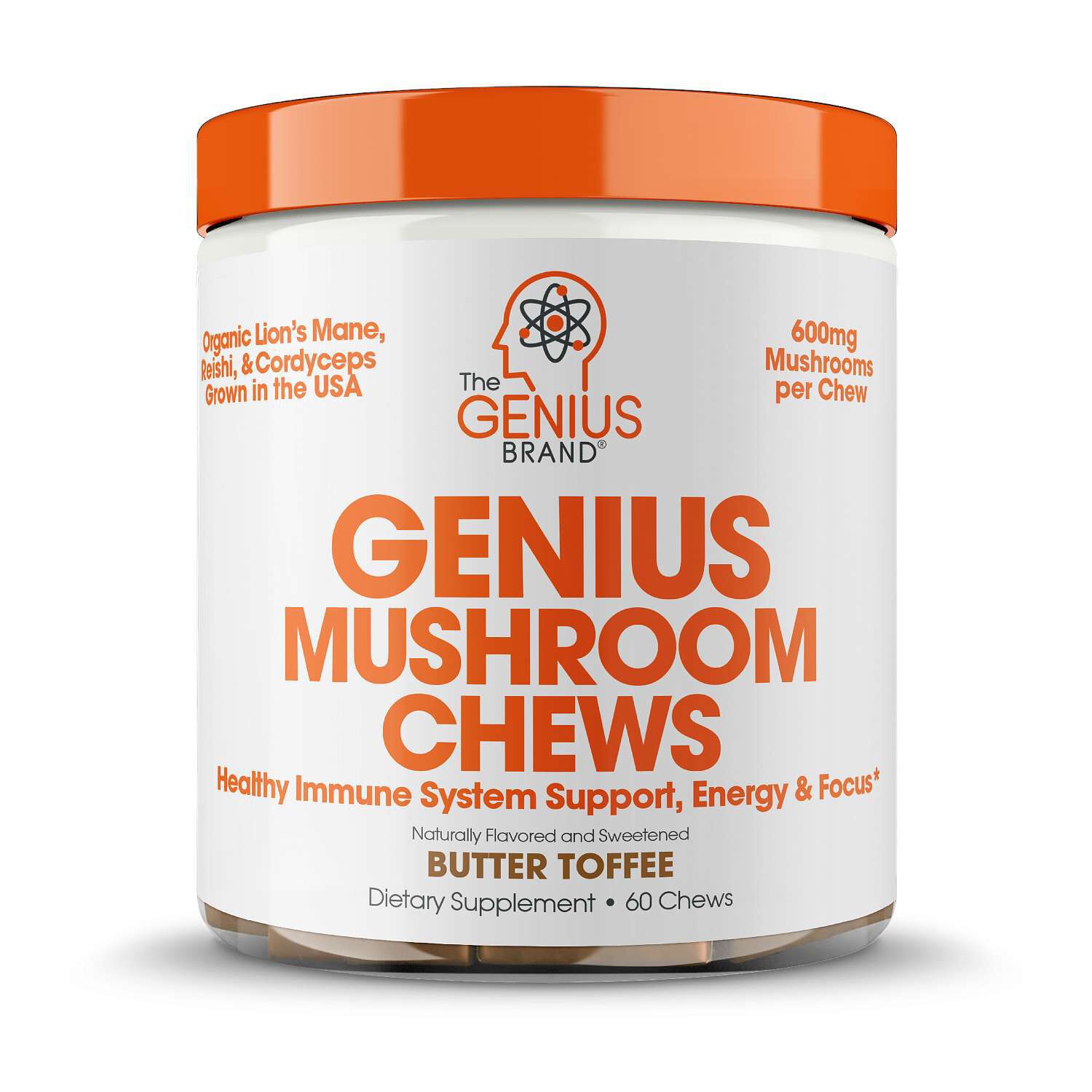 The Genius Brand$29.99
 -
 $24.99
 -
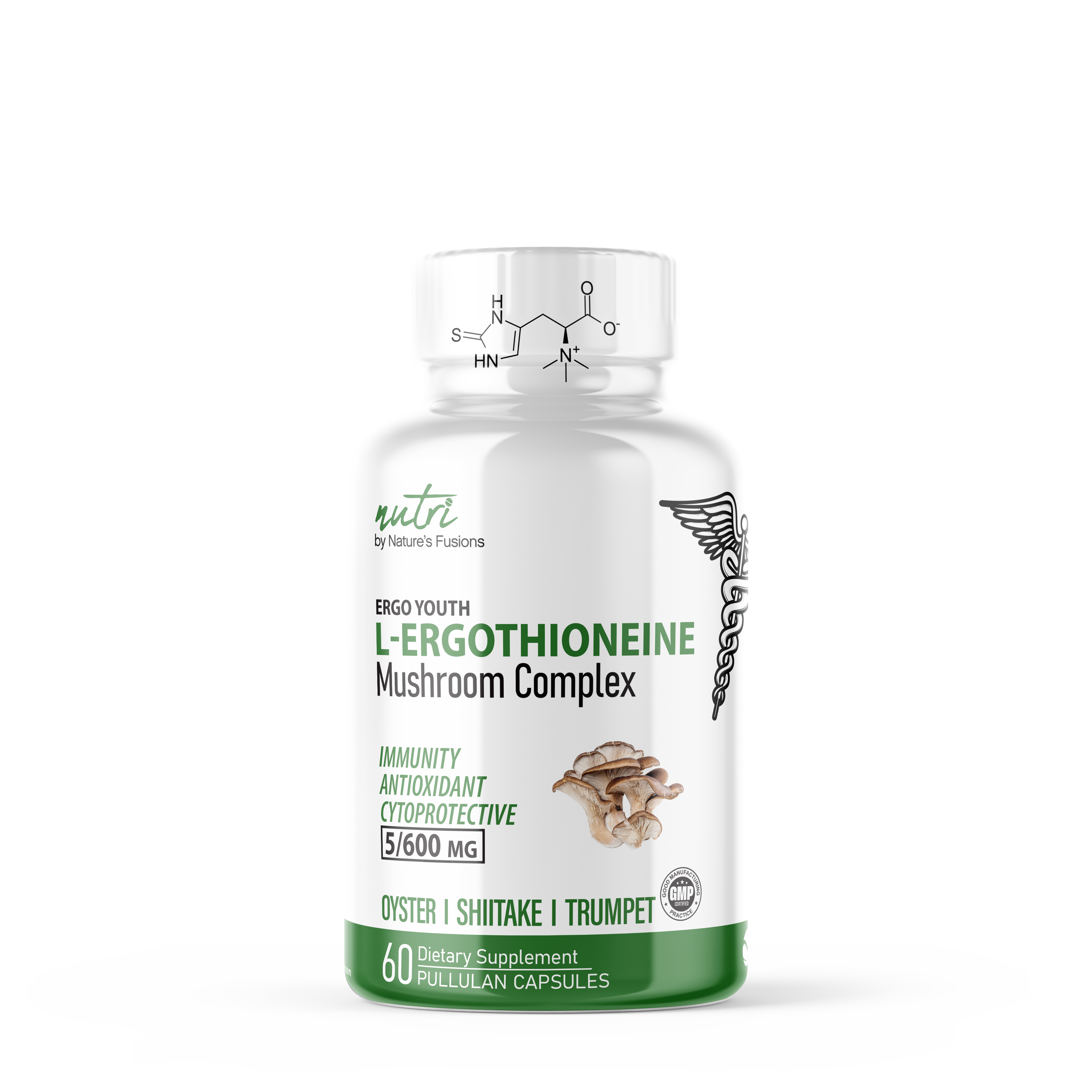 Nature's Fusions$32.99
 -
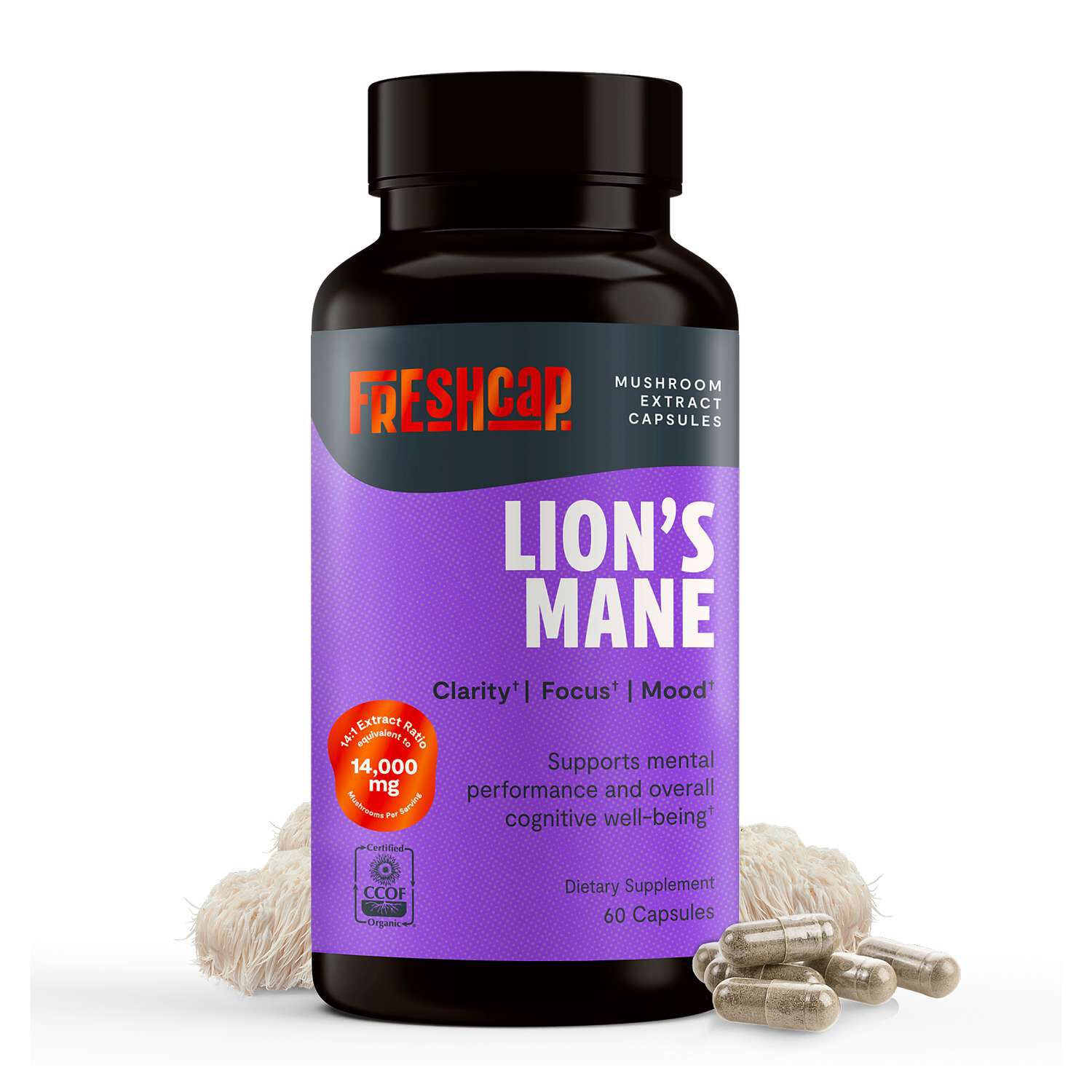 $27.99

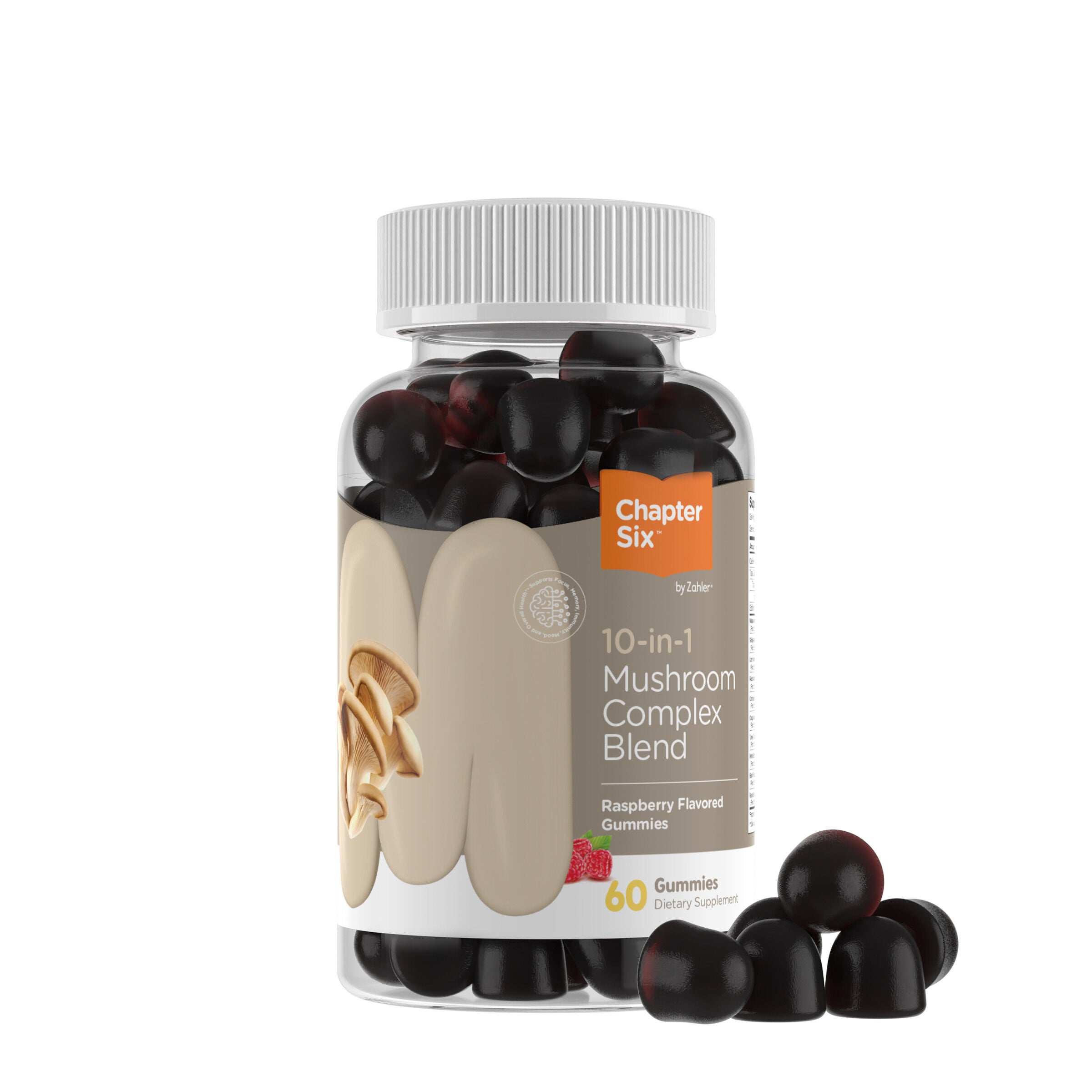
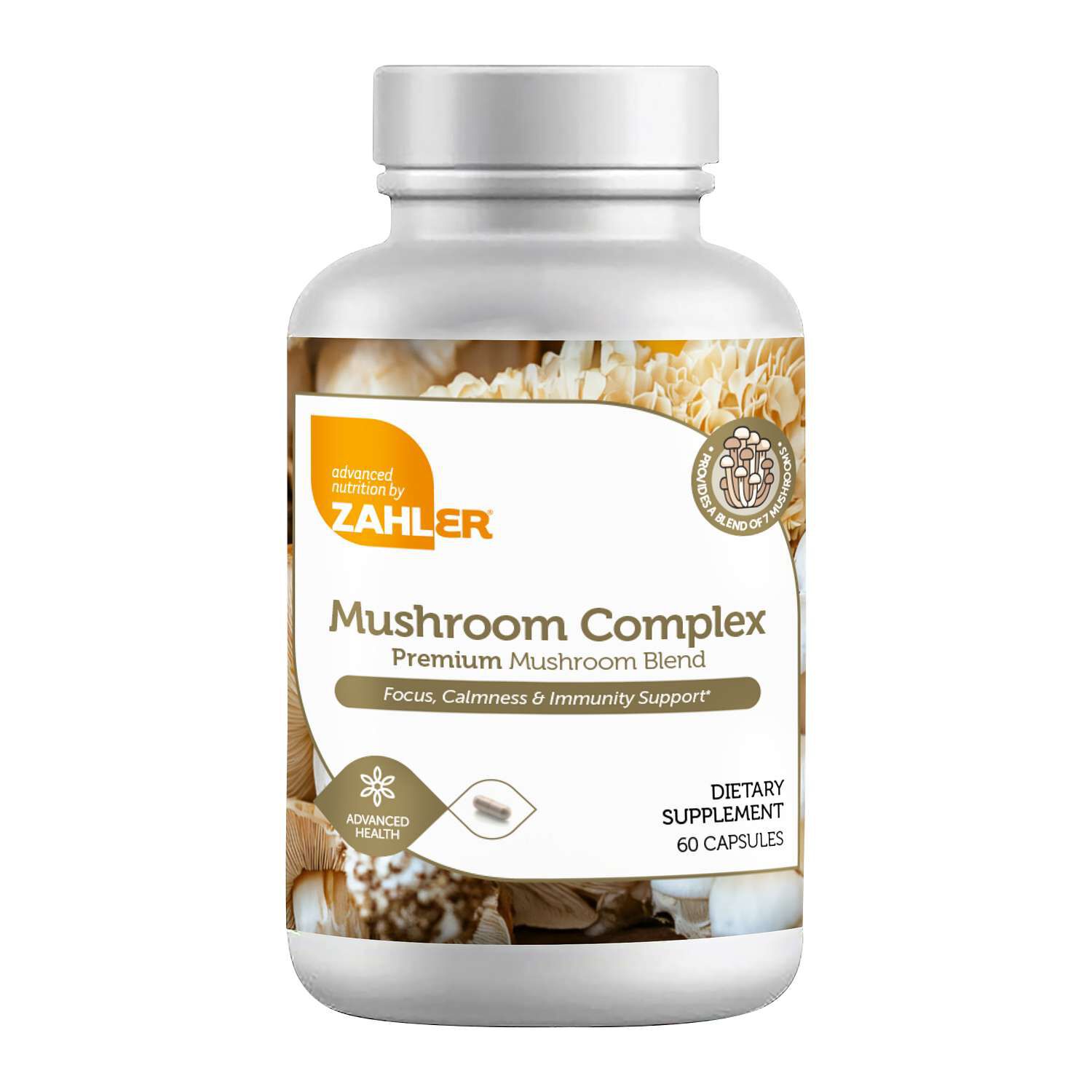
Vegan mushroom immune support supplements bring together mushroom-derived ingredients and formulations made without animal-derived components for shoppers who want their supplement choices to reflect a vegan lifestyle. Mushrooms are fungi rather than plants, but they can be part of vegan eating patterns and supplement routines. In this category, the vegan designation concerns the entire formula, including the capsule shell, gummy base, flavorings, and other ingredients—not just the mushrooms themselves. Reishi, turkey tail, shiitake, and maitake are among the mushroom varieties associated with immune-focused supplement categories, appearing individually or together in blends. Each has its own ingredient profile, and the species name is only one part of understanding what a formula contains. Reishi has a long history of use in traditional preparations, while shiitake and maitake also have familiar culinary uses. Turkey tail takes its common name from the colorful, fan-shaped bands on the fungus. These backgrounds provide context, but culinary familiarity and traditional use do not establish what a particular supplement will do. Mushroom supplements also differ from a serving of mushrooms on a dinner plate: they may contain dried powders, extracts, or combinations of mushroom ingredients in measured portions. For someone who already pays attention to animal-derived ingredients in foods, checking the same details in a supplement is a natural extension of that preference. Others may be comparing vegan options for a shared household or looking for a format that could fit an established daily wellness routine. Capsules, powders, and gummies offer different experiences, from a measured capsule serving to a powder stirred into a beverage according to its directions. The most useful distinctions are concrete ones: which mushroom species appear on the label, which parts are used, how much is listed per serving, and what else accompanies them. The category name alone does not describe those details, and two vegan mushroom blends can look quite different when their ingredient panels are placed side by side.
The mushroom source and preparation method provide a closer view of a formula’s composition. Fruiting body refers to the recognizable mushroom structure, while mycelium is the network of threadlike fungal growth from which mushrooms develop. Supplements may use fruiting bodies, mycelium, or both. Some mycelium ingredients are grown on grain, making any description of the growing substrate relevant to shoppers comparing ingredient sources. Neither the fruiting body designation nor the presence of mycelium, taken alone, establishes the quality of a finished formula. More informative labeling identifies the species, the material used, and the amount supplied. Mushroom cell walls contain polysaccharides, a broad group of carbohydrates that includes beta-glucans. When beta-glucan content is stated, that information is more specific than a general polysaccharide measurement, because the broader category can include other carbohydrates. Even then, a percentage needs the serving amount beside it to provide useful context. Extraction details add another distinction. Hot-water extraction and dual extraction describe processing approaches, with dual extraction typically involving water and alcohol at different stages. These methods can yield different ingredient compositions; an extraction term by itself does not establish how a finished supplement will perform. Likewise, an extract ratio describes a relationship between starting material and resulting extract, not a direct comparison of benefits across formulas. A larger number on the front of a package is not a substitute for a clearly stated serving size and ingredient amount. With multi-mushroom blends, the label may list each mushroom separately or provide a combined blend amount. Separate amounts offer more visibility into the proportions, while a combined amount leaves those proportions less apparent. Added vitamins, minerals, botanical ingredients, sweeteners, and flavors also deserve attention because a mushroom blend is not necessarily a mushroom-only formula. Certifications address different questions: vegan certification concerns animal-derived ingredients and the certifier’s standards, while USDA Organic certification concerns qualifying production and handling practices. Neither designation replaces a careful reading of the Supplement Facts and other ingredient information.
Everyday fit often comes down to details that are easy to overlook in a category name. A capsule formula has a defined serving, but that serving may involve more than one capsule, so the capsule count on the bottle and the number of servings are not interchangeable. Vegan capsule shells commonly use cellulose-based materials or pullulan rather than gelatin, although the actual ingredient list is the place to confirm the shell composition. Powders offer a different texture and preparation experience. Mushroom powders can have earthy, woody, or savory notes, and an unflavored powder is not necessarily tasteless. A measured portion mixed as directed into a morning beverage may suit someone who already has that preparation habit, while another person may prefer capsules without an added mixing step. Gummies have their own considerations, including the gelling ingredient, sweeteners, serving size, and mushroom amount. Pectin is one possible vegan gelling ingredient, but a gummy’s appearance does not establish whether the entire formula meets vegan preferences. Across formats, label directions determine the intended use; a scoop, capsule, and gummy are not equivalent portions simply because each is a single unit. Packaging and storage matter, too. A securely closed container, a dry storage location, and attention to the printed expiration date are practical considerations for keeping the product as directed. For powders, a dry measuring utensil helps keep moisture out of the container. Someone carrying supplements between home and another location may also value a container that closes securely and keeps the original directions readable. Dietary preferences can extend beyond vegan ingredients, so allergen statements and information about shared manufacturing facilities remain relevant to individual purchasing criteria. Shoppers comparing neighboring categories can explore Vegetarian Mushroom Blends For Immune Health, while keeping in mind that vegetarian and vegan are not interchangeable descriptions: vegetarian formulations may contain ingredients that do not suit a vegan preference. For vegan mushroom immune support supplements, a clearly identified mushroom source, transparent serving information, suitable supporting ingredients, and a manageable format create a more useful basis for comparison than a lengthy mushroom list or prominent packaging language alone.
Best Sellers
Related Pages
Top Collections
- Daily Collagen Supplements | Top Brands & Deals | GNC
- Natural Collagen Supplements | Top Brands & Deals | GNC
- Top Rated Collagen | Shop Customer Favorites | GNC
- Cortisol Supplements
- Vitamins For Hair Loss
- Spirulina Tablets
- NAD+ Supplement Tablets
- Peptide Supplements
- Best Brand of Magnesium Glycinate
- Vitamins That Help Support Weight Gain