





Vegan Mushroom Supplements For Mental Performance Support
(0 Results)
Vegan mushroom supplements for mental performance support offer a plant-based option for those looking to support their wellness routines. These supplements are crafted with carefully selected mushroom varieties and formulated to fit vegan lifestyles. Whether you’re seeking new ways to enhance your daily regimen or exploring mindful nutrition, vegan mushroom supplements for mental performance could be a convenient addition to your day. Discover options that may align with your wellness goals and dietary preferences.
-
-
-

-

-

-

-

-
-
-

-

-

-

-

-

-

-
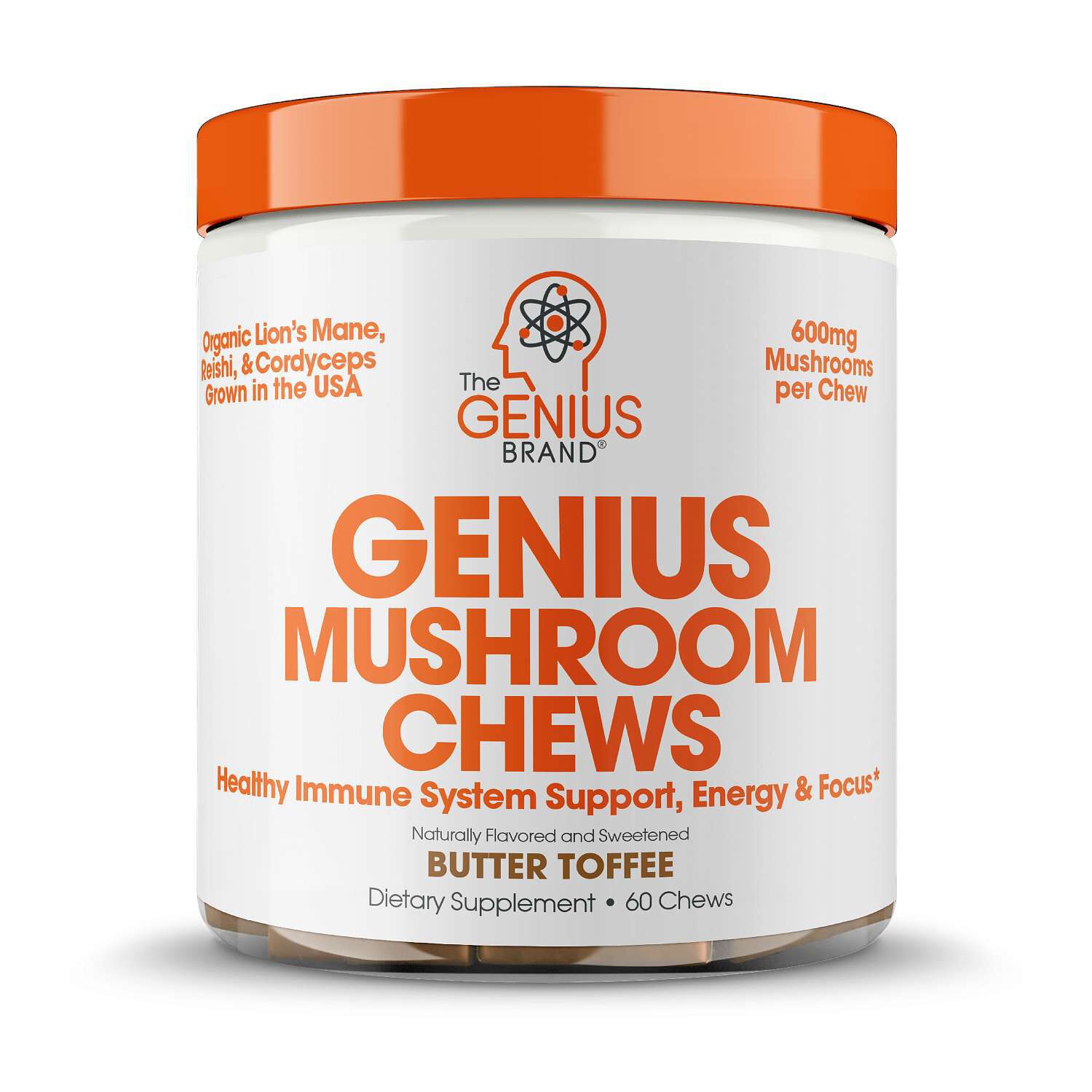 The Genius Brand$29.99
 -
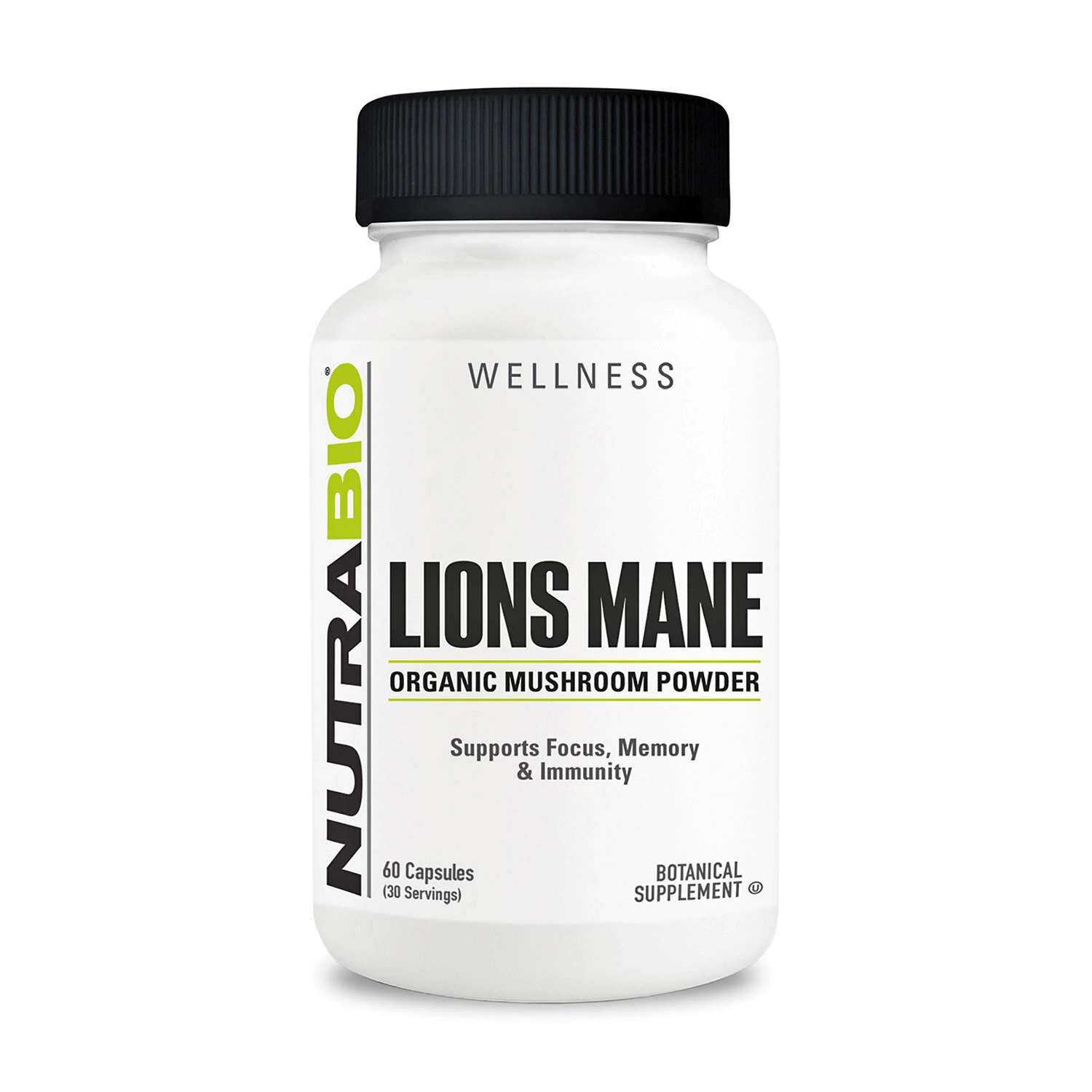 $24.99
 -
 $59.99
 -
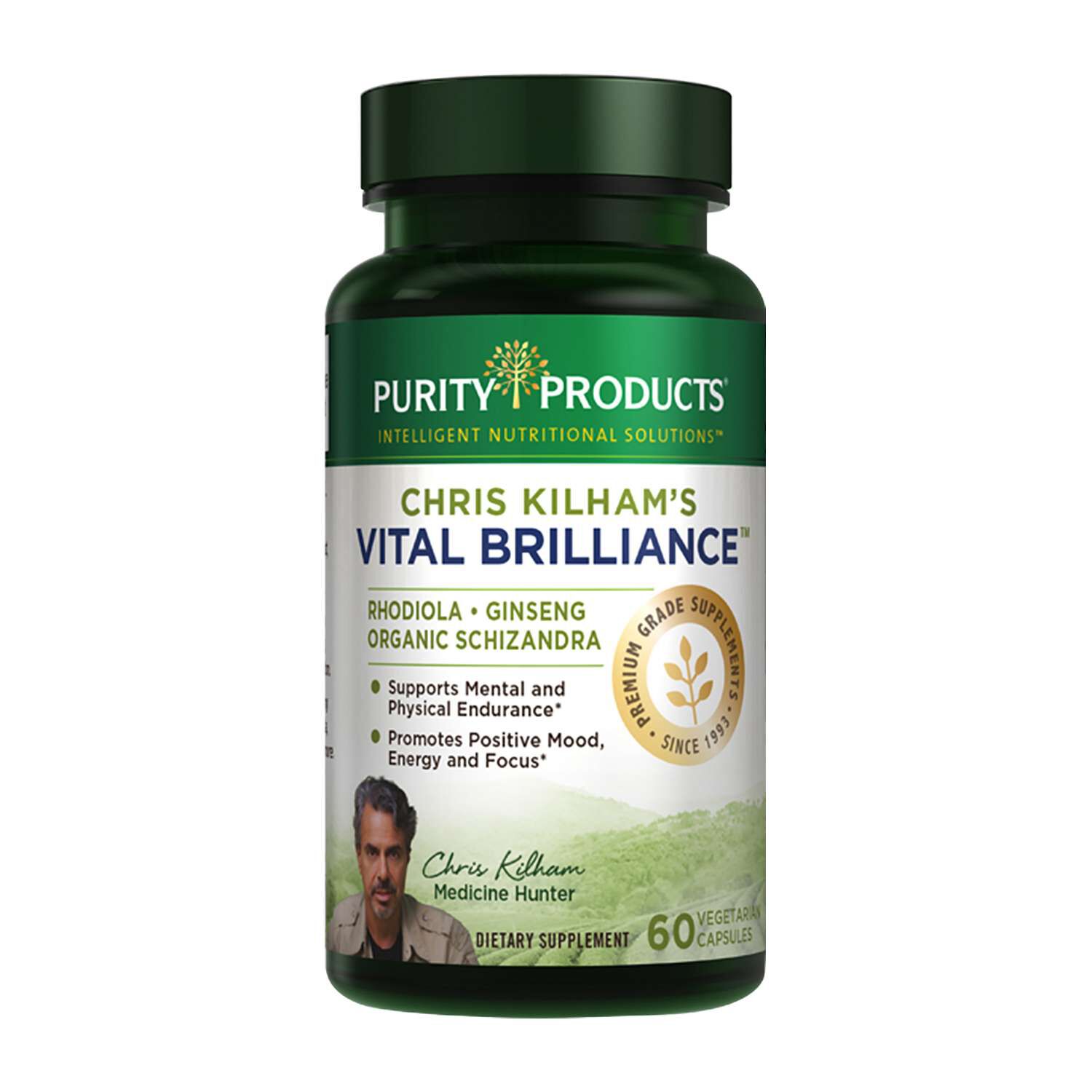 $36.99
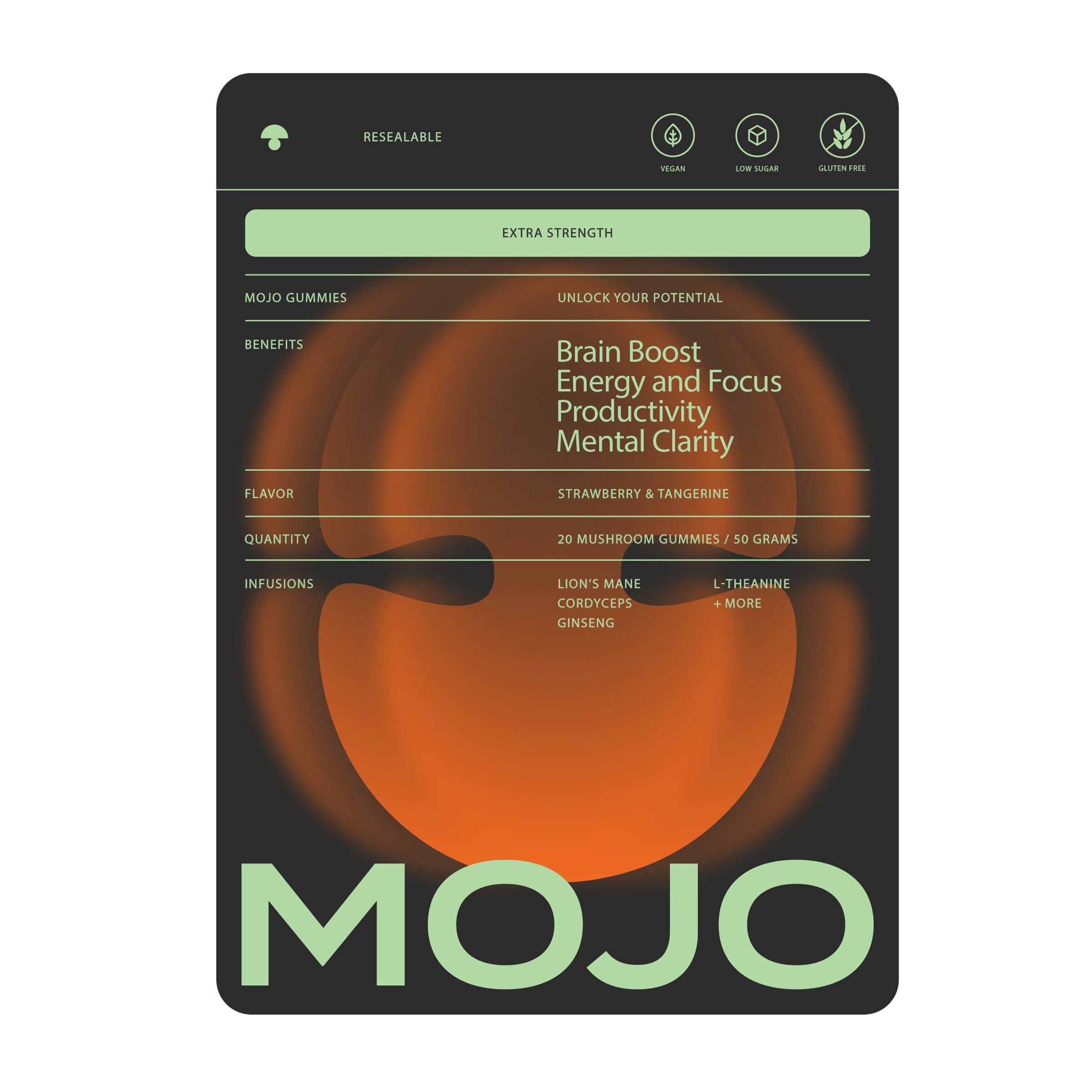

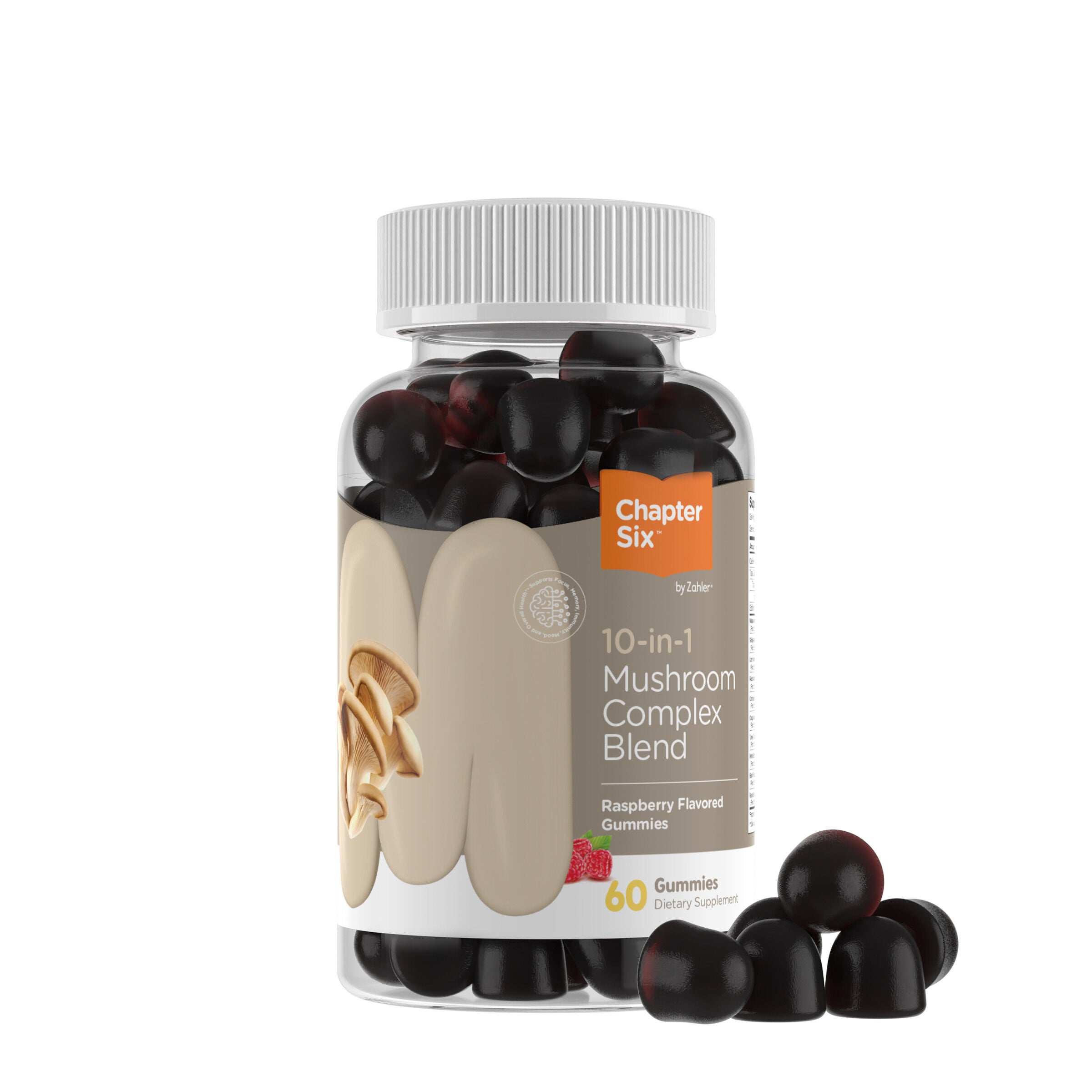
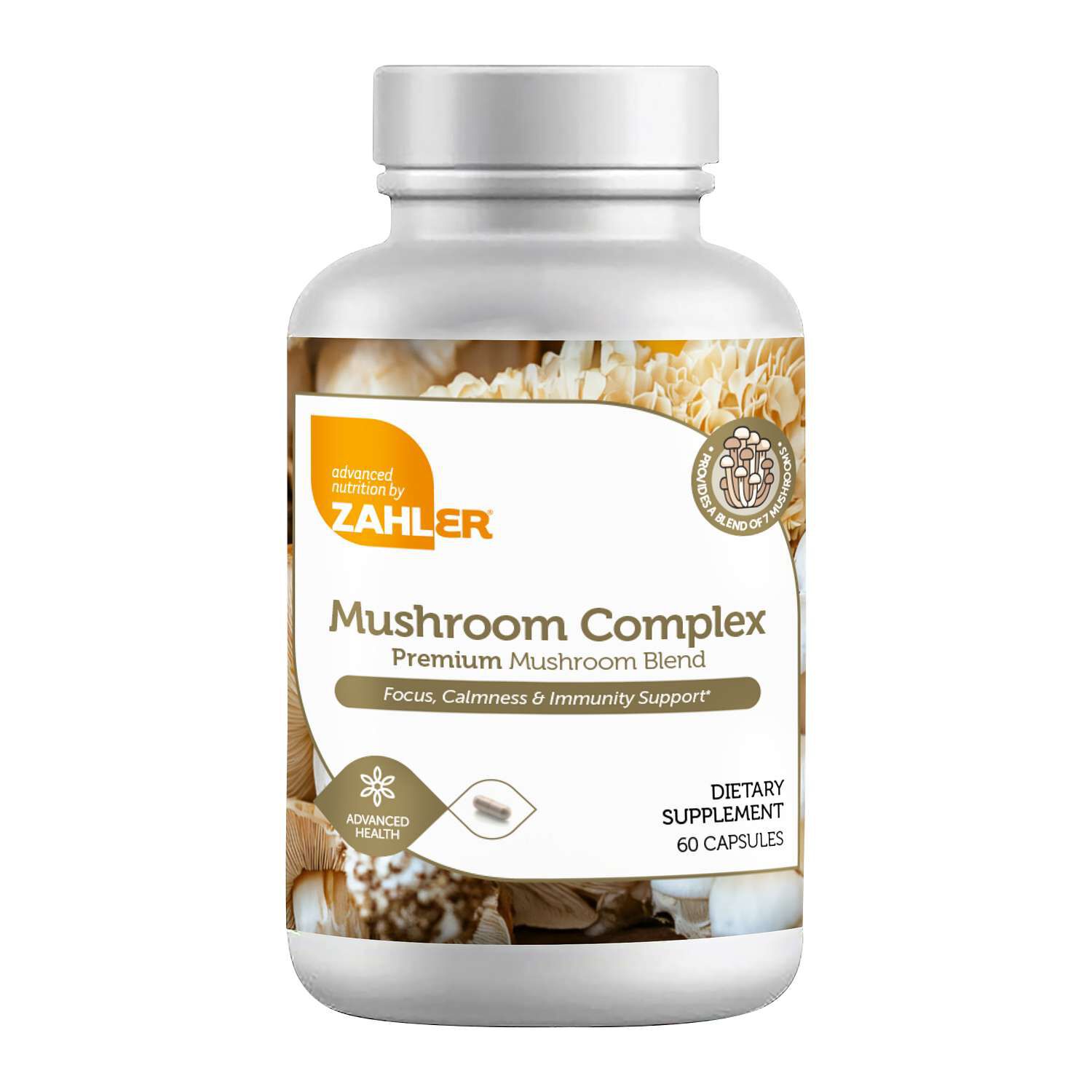
Vegan mushroom supplements for mental performance support bring mushroom ingredients into formats designed to fit a plant-based lifestyle, from capsules taken according to their labels to powders mixed into a familiar drink. These supplements may support everyday focus and mental clarity, though the experience can vary with the mushroom ingredient, formulation, and person using it. Lion’s mane is a familiar name in this category, while cordyceps and reishi also appear in mushroom blends. Their inclusion does not make every formula interchangeable: a single-mushroom supplement has a different ingredient profile from a blend containing several species, botanical ingredients, or added nutrients. Mushrooms are fungi rather than plants, but they can be compatible with vegan preferences when the rest of the formula contains no animal-derived ingredients. That distinction matters because a mushroom ingredient alone does not establish whether the capsule shell, flavoring, or other components meet those preferences. For someone who spends the day reviewing documents, preparing presentations, or moving between creative projects, this category may offer an addition to an established wellness routine. The relevant comparison is not simply which mushroom name appears on the front of a container, but what each serving contains and how the format fits daily life. A capsule can be a practical choice for someone who prefers not to add another flavor to breakfast, while a powder offers a different approach for someone who already prepares a smoothie or another mixed beverage. Neither format inherently says more about the quality of its mushroom ingredients. Vegan mushroom supplements also differ from culinary mushrooms: some contain dried mushroom powder, some use extracts, and others combine several ingredient forms. Understanding those distinctions gives the category more context than broad descriptions of concentration or productivity alone. Mental performance is a broad theme, and a supplement’s composition deserves a closer look than its name or packaging style.
A thoughtful comparison begins with the ingredient list, the Supplement Facts panel, and any clearly stated vegan designation. Capsule materials can include cellulose or gelatin, so the shell deserves attention alongside the mushroom itself. Powders and chewable formats may contain sweeteners, flavorings, colors, or other ingredients that matter to individual dietary preferences. The mushroom source is another useful distinction. A fruiting body is the recognizable mushroom structure, while mycelium is the network of threadlike structures from which mushrooms develop. Labels may identify fruiting body material, mycelium, or a combination, and some also describe the growing substrate or extraction method. These details describe what is in the formula; they do not, on their own, establish how someone will experience it. Extract ratios likewise need context rather than being treated as a direct ranking of quality. A clearly disclosed amount per serving makes comparison more straightforward, especially when one label lists each mushroom separately and another lists a combined blend amount. Where provided, information about beta-glucan content adds another composition detail, but that number alone does not establish an effect on focus. Serving size also matters: the amount printed prominently on a container may refer to several capsules rather than one. For powders, the stated serving weight provides a clearer reference than a casually rounded scoop. Added caffeine is worth noticing for shoppers seeking a mushroom-only formula rather than a combination with stimulant ingredients. A product featuring mushroom imagery may still contain a much broader mixture, so the full panel offers a more useful picture than the front label. Shoppers comparing this category with other vegan formats can also explore Vegan Mental Clarity Support Supplements for a related selection. The meaningful point of comparison remains the same across categories: ingredient identity, disclosed amounts, dietary compatibility, and an intended use that matches personal preferences. Clear labeling makes those differences easier to recognize without relying on sweeping statements about what a formula might do.
Day-to-day fit often comes down to small details that are easy to overlook when browsing. Someone who carries a work bag between home and an office may prefer a securely closed capsule container over a powder that requires measuring and mixing. Someone with a regular breakfast routine may find a powder format more convenient, particularly when its preparation directions suit a drink already on the menu. Mushroom powders can have earthy or savory notes, and extracts may taste different from whole-mushroom powders. Flavored versions introduce another consideration: the ingredient list can clarify whether sweetness comes from sugar, a sugar substitute, or another source. Texture matters, too, because a powder’s dispersibility varies with its ingredients and the beverage used. Preparation directions offer a better starting point than assuming every powder will dissolve into a smooth drink. Capsules avoid that mixing step, but capsule dimensions and the number required per serving can affect whether the format feels practical. Container design also influences everyday use. A lid that closes securely and packaging that keeps the label legible are useful features for a supplement used repeatedly over time. Storage directions, the printed date, and protection from moisture or direct light are relevant to keeping the contents in their intended condition. A dry measuring utensil and a properly closed container are straightforward considerations for powders, while retaining the original packaging keeps ingredient and serving information close at hand. For adults following a vegan lifestyle, these details can make the difference between a format that fits comfortably into a routine and one that feels cumbersome. The same applies to someone choosing among mushroom-only formulas, mushroom combinations, and blends with additional nutrients. More ingredients do not automatically mean a better match, and a larger serving does not establish a stronger effect. A well-matched choice reflects transparent composition, manageable preparation, and realistic expectations about possible support for everyday mental performance. Mushroom supplements may have a place in a personal wellness routine, but individual experiences vary, and the label remains the clearest reference for what a particular formulation contains and how it is intended to be used.
Best Sellers
Related Pages

Top Collections
- Daily Collagen Supplements | Top Brands & Deals | GNC
- Natural Collagen Supplements | Top Brands & Deals | GNC
- Top Rated Collagen | Shop Customer Favorites | GNC
- Cortisol Supplements
- Vitamins For Hair Loss
- Spirulina Tablets
- NAD+ Supplement Tablets
- Peptide Supplements
- Best Brand of Magnesium Glycinate
- Vitamins That Help Support Weight Gain