





Vegan Immune Support For Kids
(0 Results)
Vegan immune support for kids offers a variety of options that may help families looking to support their children’s wellness routines with plant-based choices. These products are crafted to align with vegan lifestyles and could be a convenient way to incorporate additional nutrients into your child’s daily regimen. Explore options that may fit your family’s preferences and help you feel confident about supporting your child’s healthy habits.
-
 $15.99
-

-
 $13.99
-

-

-
 $17.99
-
 $11.99
-

-

-
 $12.99
-
 Orange_Front.jpg?sw=305&sh=305&sm=fit "Junior C - 180 Tablets (180 Servings) | GNC")
-
 Orange_Front.jpg?sw=305&sh=305&sm=fit "Junior C - 90 Tablets (90 Servings) | GNC")
-
 Orange_Front.jpg?sw=305&sh=305&sm=fit "Junior C - 500 Tablets (500 Servings) | GNC")
-
 $12.99
-
 $14.99
-
 $15.99
-

-

-
-

-
 10$17.99
-

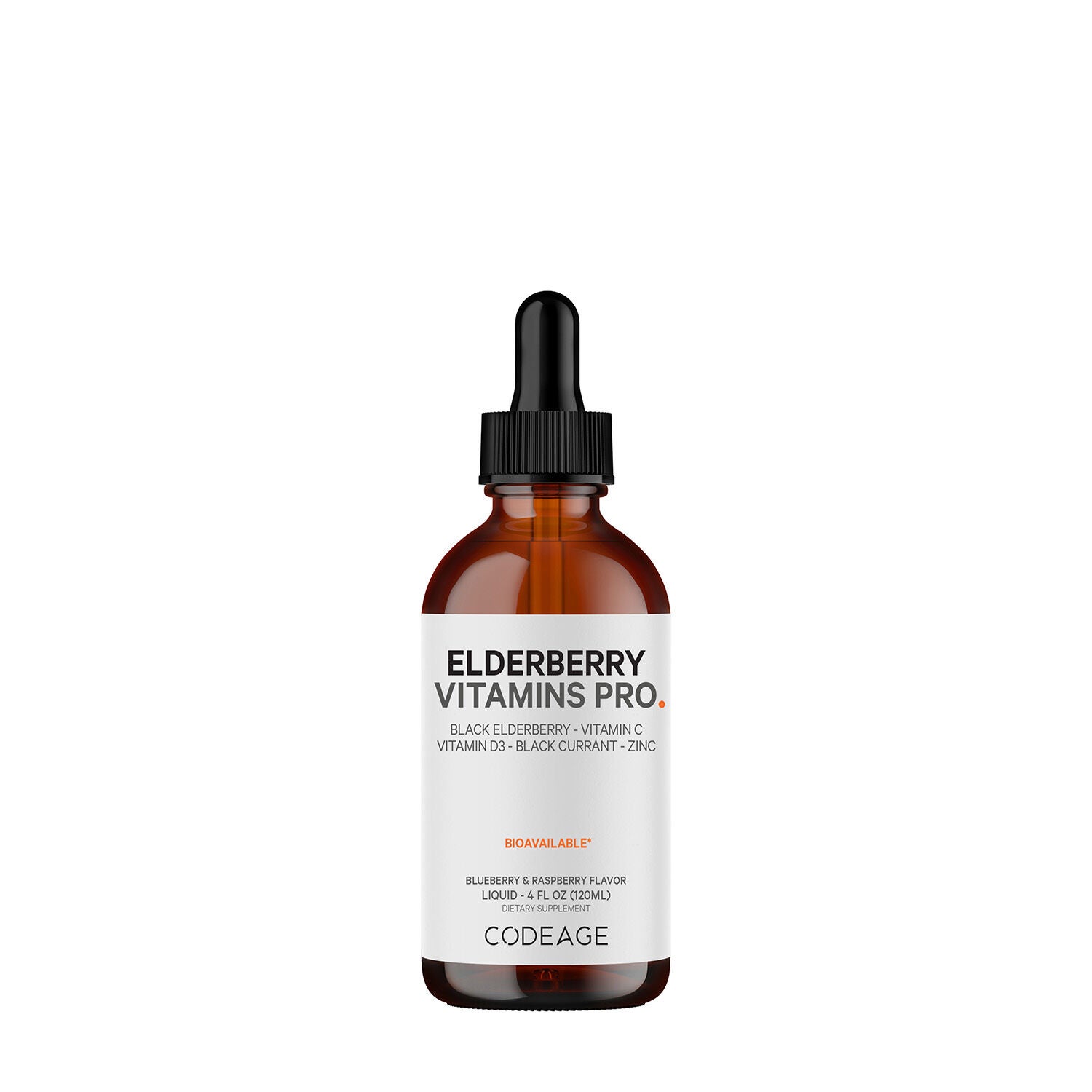

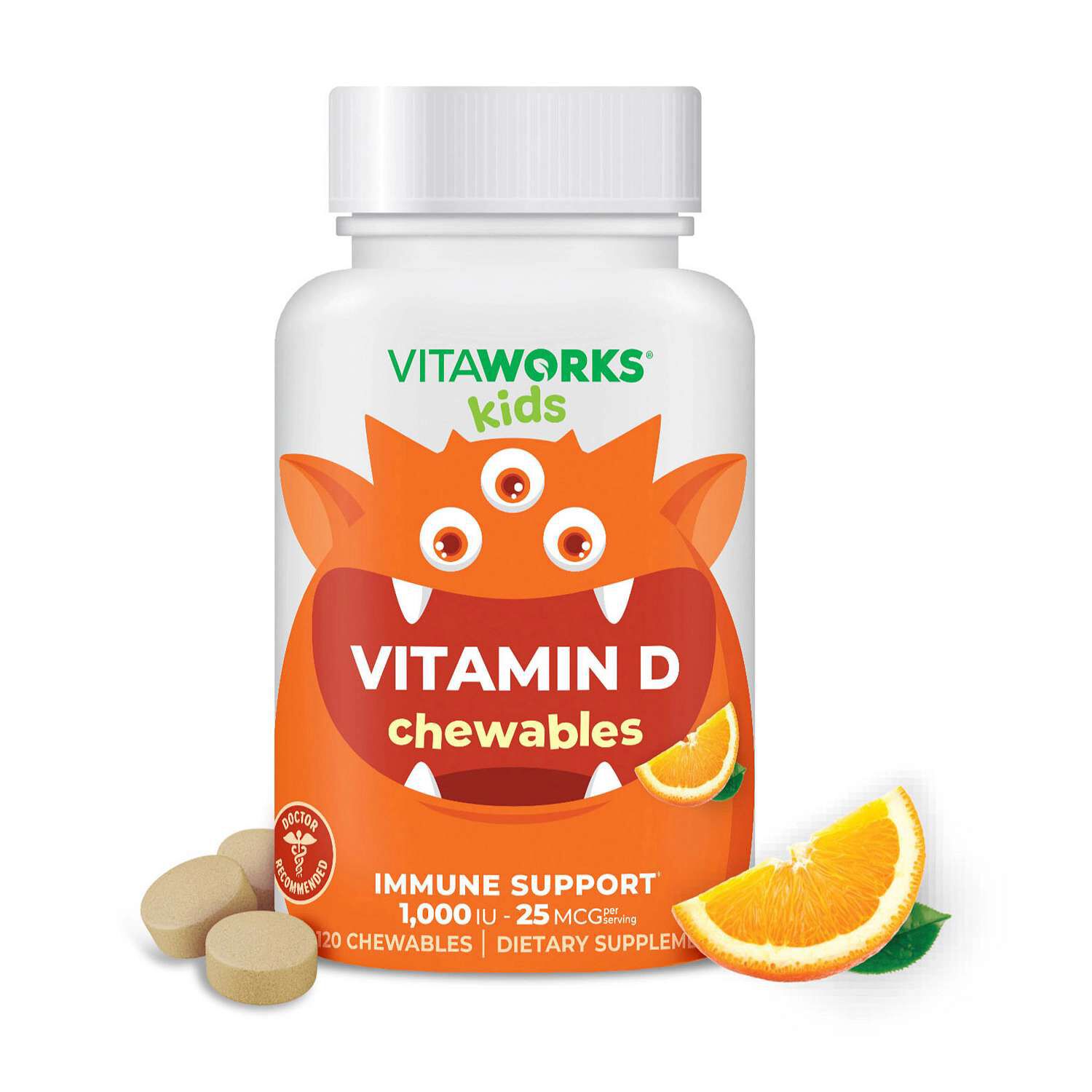
Vegan immune support for kids includes child-oriented supplements made without animal-derived ingredients, often featuring vitamin C, vitamin D, zinc, or a combination of these nutrients. These formulas may complement everyday nutrition while fitting a family’s vegan eating preferences. The category spans gummies, chewable tablets, liquids, and other formats, with differences in ingredient sources, flavors, serving sizes, and labeled age ranges. Vitamin C, vitamin D, and zinc are useful names to recognize when comparing ingredient panels, but their presence does not make every formula alike. Some supplements contain a small selection of nutrients, while others include a broader vitamin and mineral blend. Botanical ingredients, such as elderberry, may also appear alongside vitamins, so the full ingredient list offers a clearer picture than the front label alone. Vegan sourcing applies to the entire formula, not just its featured nutrients. Vitamin D3, for example, can come from lichen or from lanolin associated with sheep’s wool; the nutrient name by itself does not identify its origin. Vitamin D2 is another form that can appear in vegan formulations. Capsule materials, gelling agents, colors, and flavor ingredients also matter to shoppers looking for a formula without animal-derived components. A vegan label or clearly described sourcing can make those distinctions easier to assess. Plant-based wording and vegan labeling are not always interchangeable, and an organic designation addresses a different set of ingredient and production considerations. For families already serving meals built around beans, vegetables, fruits, grains, nuts, and seeds, these products may fit within a familiar approach to everyday nutrition. They are supplements rather than substitutes for varied meals. The most relevant comparisons center on the child’s labeled age group, the nutrients included, and how the formula’s ingredients align with household preferences. A short ingredient list and a broad nutrient blend represent different approaches; neither description alone explains whether a product matches a particular family’s needs.
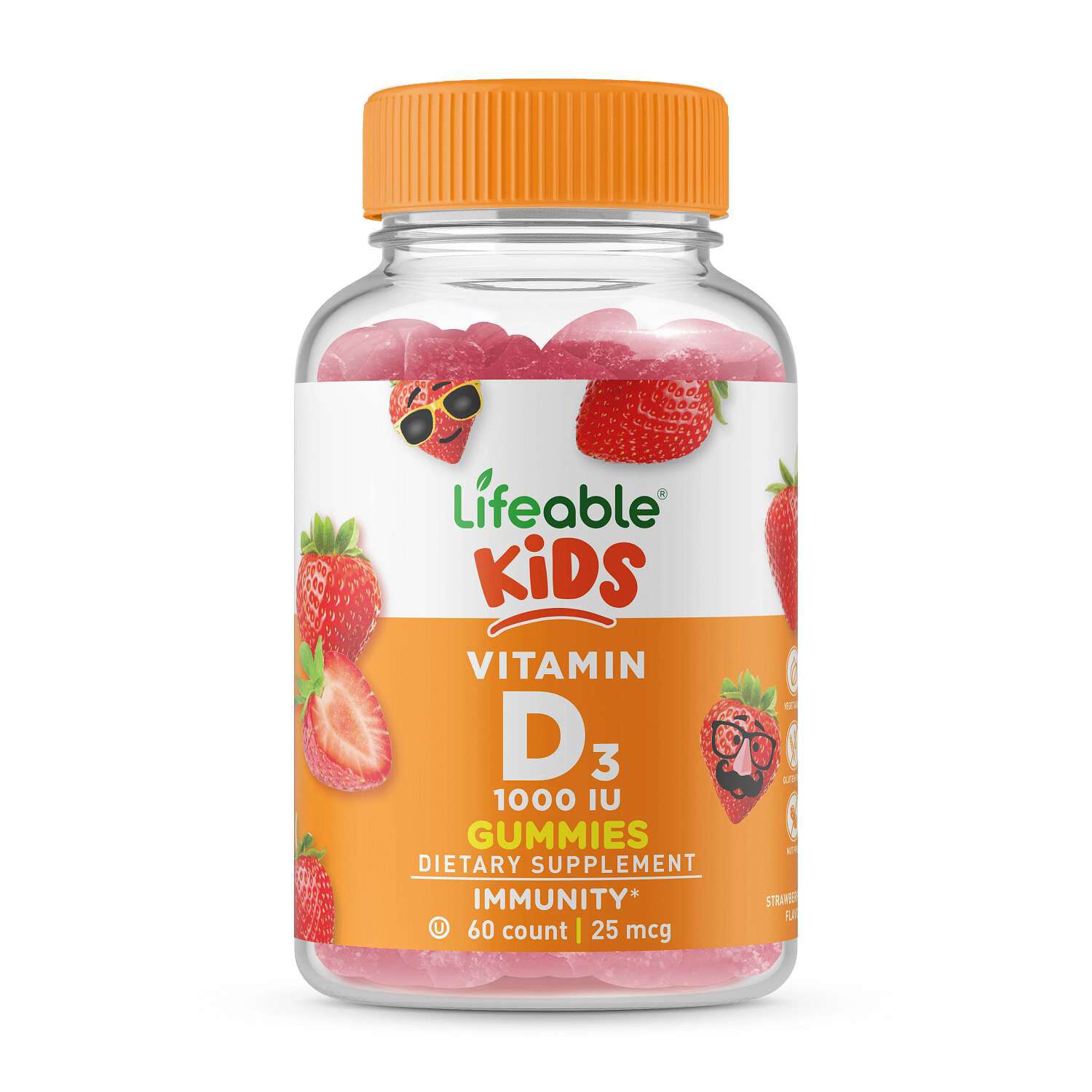
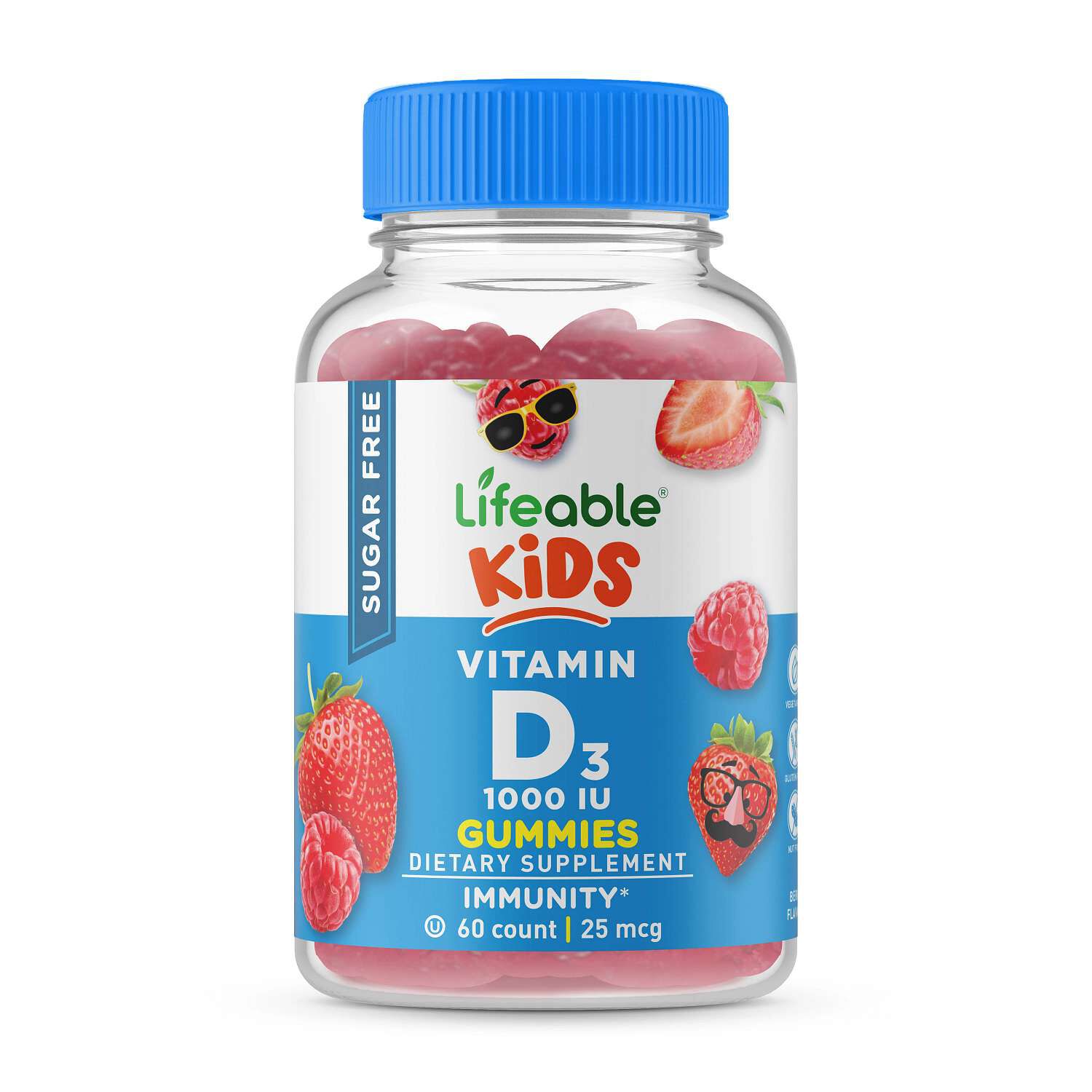
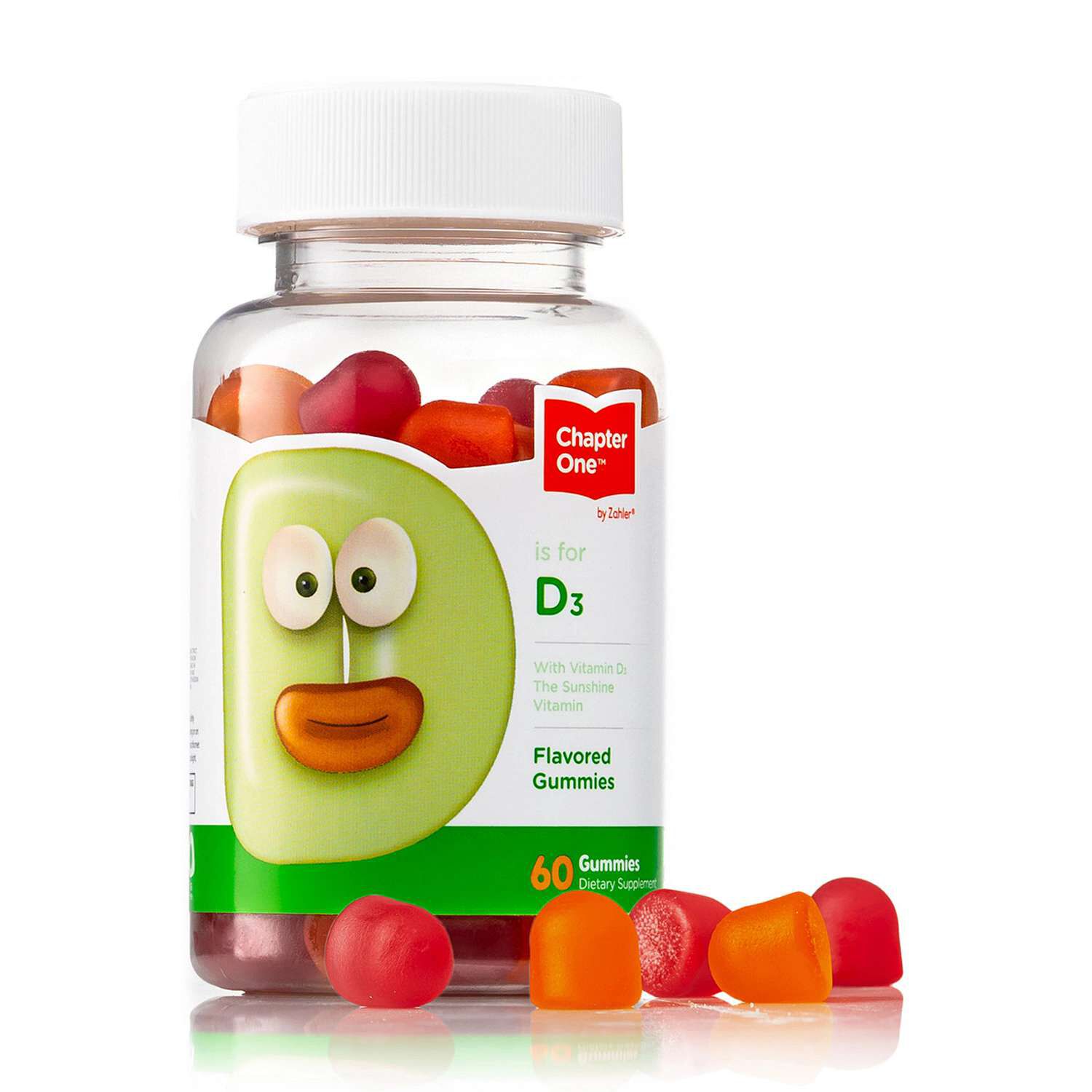
Format is another meaningful distinction within vegan supplements for children, especially when familiar textures and flavors influence everyday routines. Pectin-based gummies use a plant-derived gelling ingredient instead of the animal-derived gelatin found in some conventional gummies. However, pectin alone does not establish that every other ingredient in the formula is vegan. Gummies can vary in firmness, size, shape, and surface texture, with some having a sugar coating and others a smoother finish. Chewable tablets offer a different experience and can have a firmer, chalkier texture, while dissolvable formats are designed around their own package directions. Liquids bring another set of considerations, including the measuring accessory, bottle opening, and consistency of the formula. A child who prefers smooth textures may respond differently to a liquid than to a chewy gummy, just as a child who enjoys tart fruit flavors may have different preferences from one who favors milder sweetness. Berry, citrus, and cherry flavor descriptions provide a starting point, but flavor names do not reveal the full ingredient composition. Added sugars, sweeteners, fruit concentrates, colors, and flavoring ingredients belong in the comparison as well. The Supplement Facts panel and ingredient list show details that a familiar flavor name cannot. Serving size also deserves attention because one serving is not necessarily one gummy, one tablet, or one dropper. Package directions explain how the format is intended to be used without leaving shoppers to infer that information from its appearance. For a household with more than one child, the same flavor preference does not mean the same labeled age range applies. Texture, ingredient sourcing, and age labeling remain separate considerations. The practical fit is often found in these small details: whether a bottle includes a clearly marked measuring tool, whether serving information is easy to locate, and whether the product’s format matches the child-oriented use described on its label.
Age-specific labeling helps distinguish vegan immune support for kids from formulas intended for adults or younger children. A supplement described broadly as suitable for children may still list a particular starting age, and a smaller-looking gummy does not establish suitability for a younger child. Families comparing options for an earlier age group can explore Immune Support For Toddlers while keeping each product’s own age directions in view. Ingredient amounts also deserve context: the number of nutrients on a label and the amount of each nutrient are different pieces of information. A vitamin C and zinc formula, for example, has a different composition from a multivitamin that contains those nutrients alongside several others. Comparing panels can reveal overlapping ingredients across supplements already used in the household. Questions about an individual child’s suitability belong with a qualified healthcare professional rather than assumptions based on packaging, flavor, or a vegan designation. Practical care continues after a product becomes part of the household routine. Storage instructions, expiration information, and any directions for use after opening can differ between gummies, tablets, and liquids. Some liquids specify refrigeration after opening, while other formats have different storage requirements. Keeping the original container preserves the ingredient information, age guidance, and directions in one place. Clearly separating supplements from ordinary snacks also maintains their intended role, particularly when fruit flavors and colorful shapes resemble familiar treats. In a kitchen shared by siblings and caregivers, readable labels and distinct containers make product information easier to keep organized. Packaging condition matters, too; seal information and closure instructions are part of the details provided by the manufacturer. Across this category, vegan sourcing is only one part of the shopping context. Nutrient composition, format, flavor ingredients, labeled age range, and storage requirements together offer a more useful picture of how a children’s supplement may fit a family’s everyday routine.

 Chewable Tablets_Front.jpg?sw=305&sh=305&sm=fit "ChildCalm - 60 Chewable Tablets (30 Servings) | GNC")
