

Immune Support For Toddlers
(0 Results)
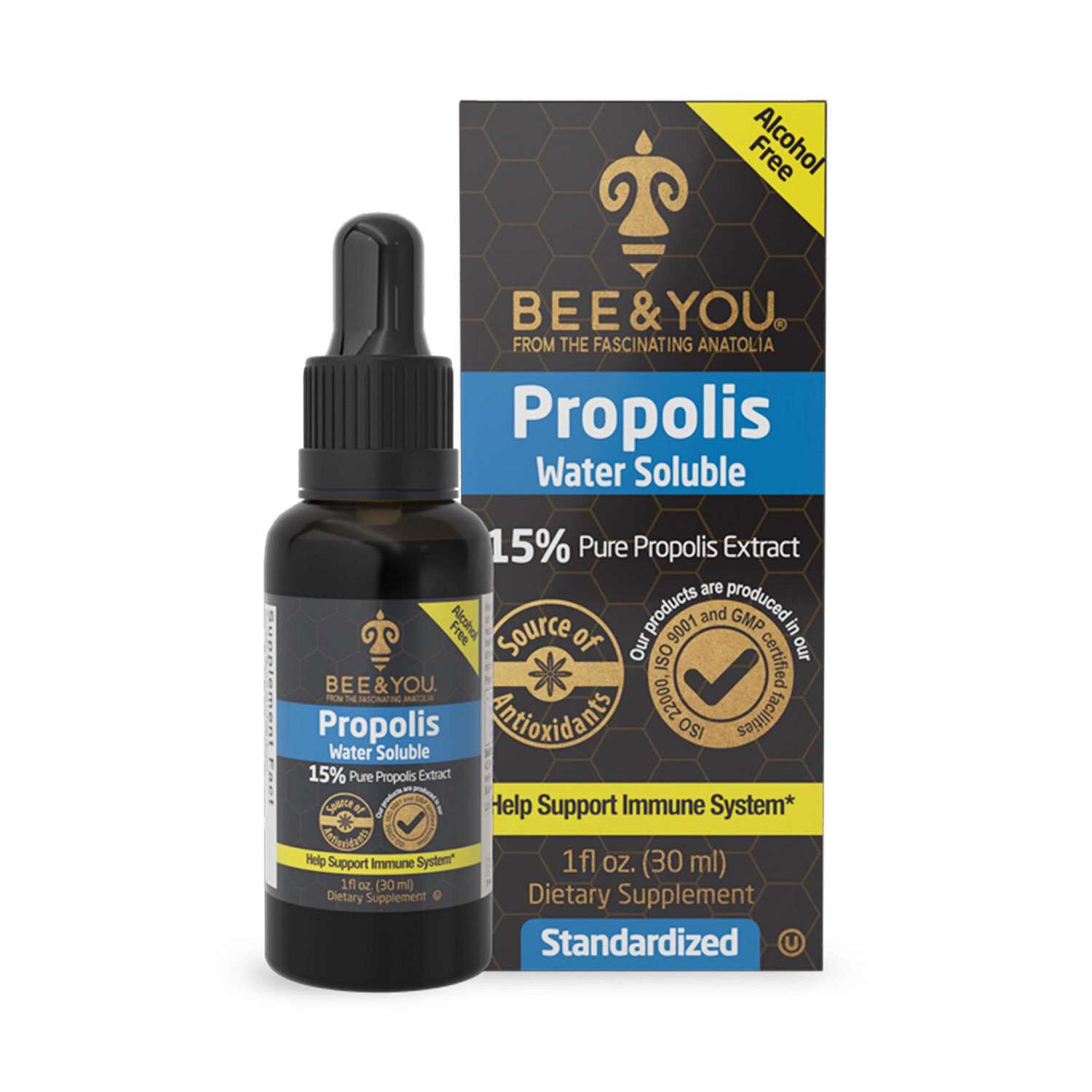
Immune support for toddlers may be crucial in helping to maintain their overall health and well-being. With the right vitamins and supplements, parents might find peace of mind knowing they are providing additional support for their little ones' developing immune systems. Explore a range of options that could assist in fortifying your toddler's natural defenses, potentially offering an extra layer of protection during those early, formative years.
-

-
 Orange_Front.jpg?sw=305&sh=305&sm=fit "Junior C - 180 Tablets (180 Servings) | GNC")
-
 Orange_Front.jpg?sw=305&sh=305&sm=fit "Junior C - 90 Tablets (90 Servings) | GNC")
-
 Orange_Front.jpg?sw=305&sh=305&sm=fit "Junior C - 500 Tablets (500 Servings) | GNC")
-

-
 $13.99
 -

-
 $11.99
 -

-

-
 $15.99
 -
 $12.99
 -

-
 $17.99
 -
 10$17.99
 -

-

-

-
 $12.99
 -
 $15.99
 -

-

-
 $14.99

Choosing immune support products for toddlers begins with recognizing that supplements fit best alongside everyday wellness habits. Young children may get many of the nutrients they need from a varied pattern of meals and snacks, including colorful produce, beans, lentils, whole grains, eggs, dairy foods, fish, and lean proteins. Vitamin C from foods such as oranges, strawberries, kiwi, tomatoes, and sweet peppers may support normal immune function, while vitamin A from carrots, sweet potatoes, leafy greens, eggs, and dairy foods may play a role in everyday wellness. Zinc from beans, lentils, meat, seafood, dairy foods, and whole grains may also support normal immune function. A toddler’s plate does not need to look picture-perfect. A few bites of scrambled egg with avocado, yogurt topped with soft berries, or roasted sweet potato beside a familiar food can create a nourishing rhythm without turning mealtime into a negotiation. Since toddlers can be selective eaters, families sometimes explore age-appropriate vitamins, minerals, or other nutritional products as part of a broader routine. Products in this category may be considered by parents and caregivers who want convenient options for a child with a limited food pattern, changing preferences, or a busy household schedule. Every child has different nutritional needs, so a parent or caregiver should review the label and speak with the child’s pediatrician before adding a new product. Guidance may be especially useful for toddlers with food allergies, dietary restrictions, a prescribed eating plan, or a need to avoid certain ingredients. Look for clear age guidance, serving instructions, ingredient details, and packaging designed for young children. Products made for older children or adults may not be suitable for toddlers, and more is not necessarily better. Keeping supplements stored safely and serving them only as directed may help make the routine easier for the whole family.
Immune support for toddlers also includes the simple habits that fill an ordinary day. Regular sleep and nap routines may help a child stay rested, while water and nourishing foods may support hydration and overall wellness. Active play, whether it is a walk through fallen leaves, a living-room dance session, or time spent pushing a toy truck across the floor, may encourage movement and a healthy daily rhythm. Handwashing with soap and water for about 20 seconds remains a practical household habit, especially before meals and after outdoor play. For a toddler, that can be turned into a familiar little ritual: warm water, a small amount of soap, and a song that lasts long enough to cover both hands, fingertips, and the backs of the hands. Parents may also find it helpful to serve foods in small portions and offer familiar choices beside new ones. A child who turns away from steamed broccoli may happily nibble roasted broccoli florets the next day, while a toddler who refuses a whole orange may enjoy a few peeled segments mixed into yogurt. Plain, full-fat yogurt with live cultures may support digestive wellness for some children, and fruits, vegetables, and whole grains provide fiber that may fit into a balanced eating pattern. These habits work together without requiring a rigid schedule or elaborate recipes. During the cooler months, when indoor time and changing family routines can make days feel crowded, keeping a water cup within reach, setting a consistent bedtime, and preparing simple snacks ahead of time may make wellness habits feel more manageable. Supplements may serve as a convenient addition for some families, but they should not replace regular meals, rest, hydration, handwashing, or guidance from a qualified pediatric professional.
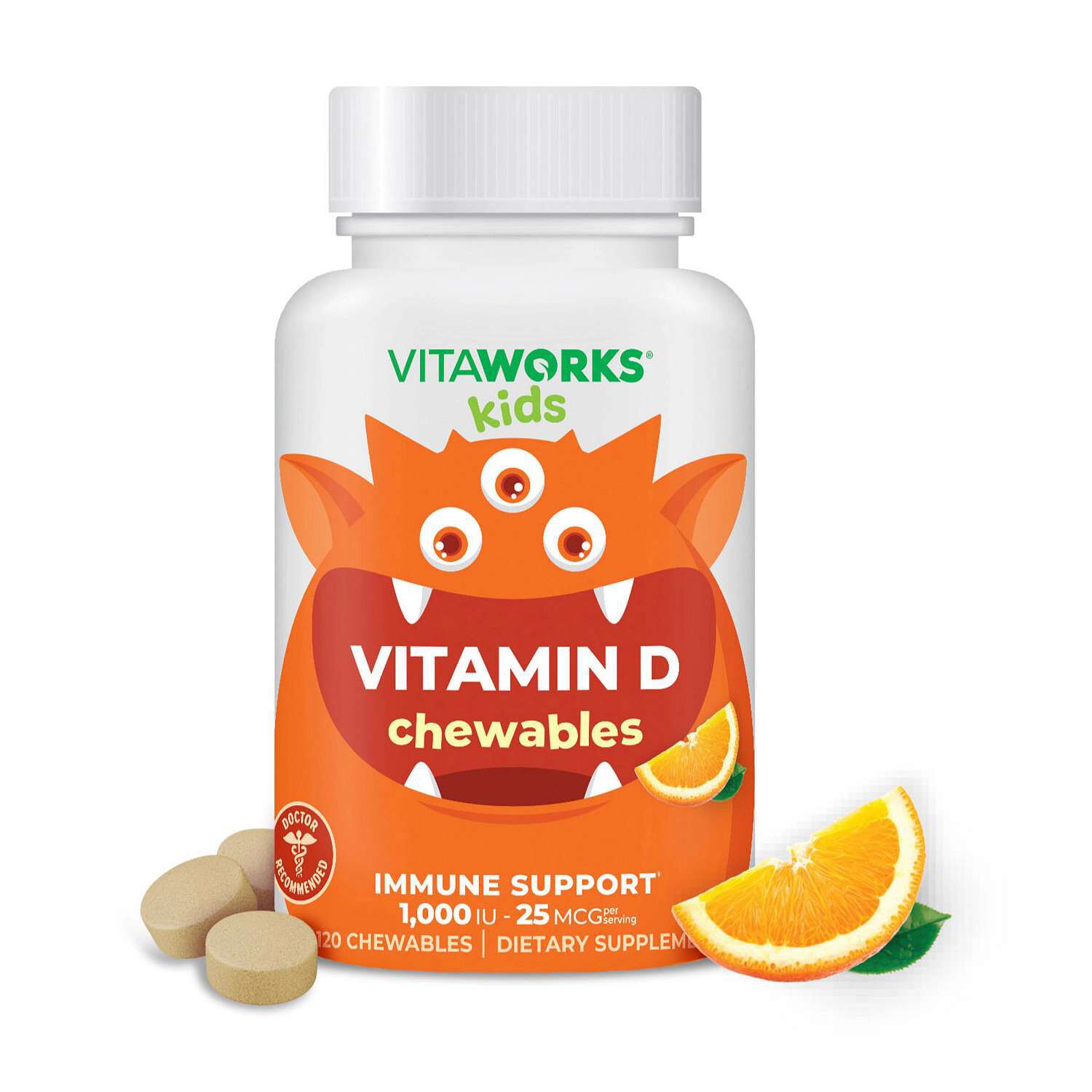
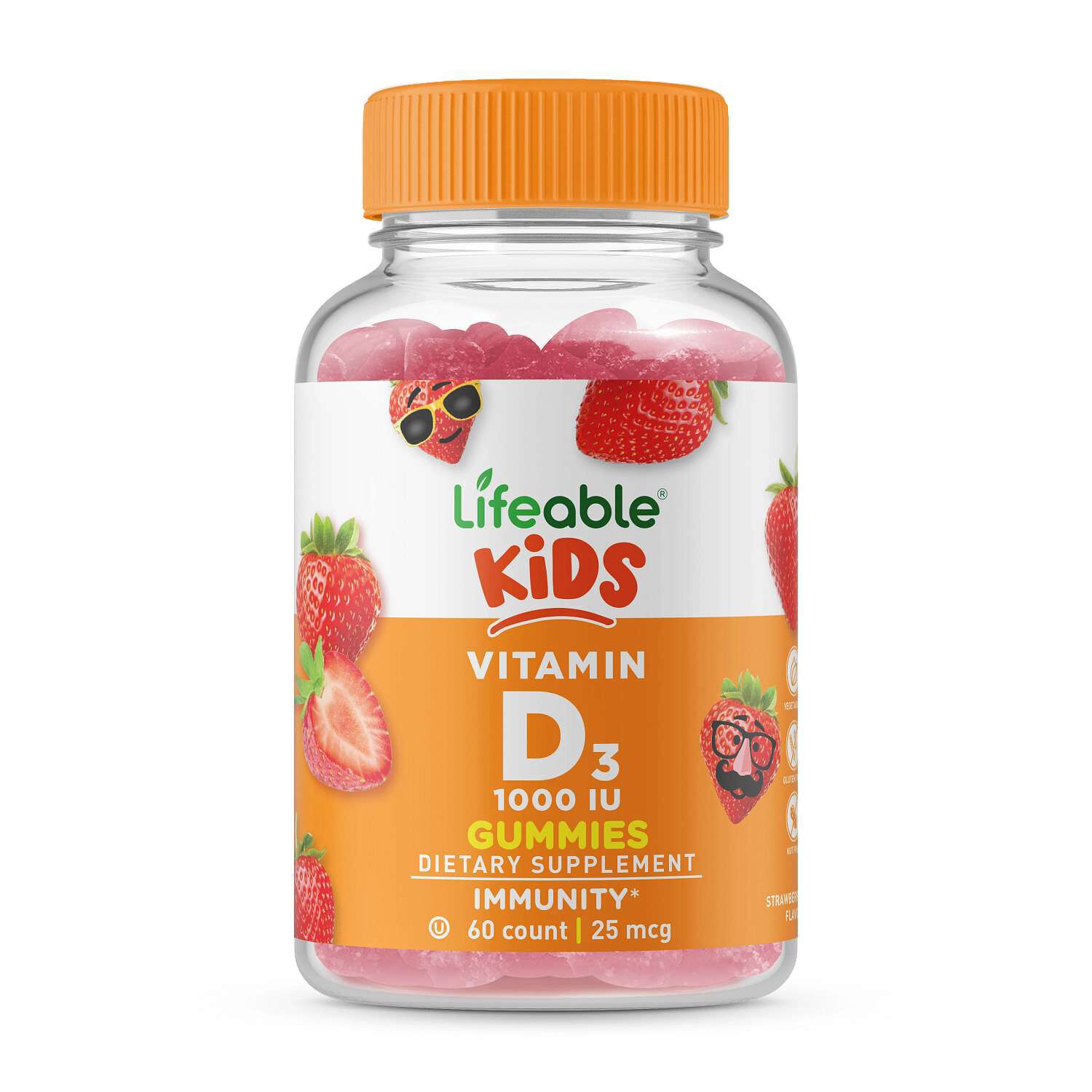
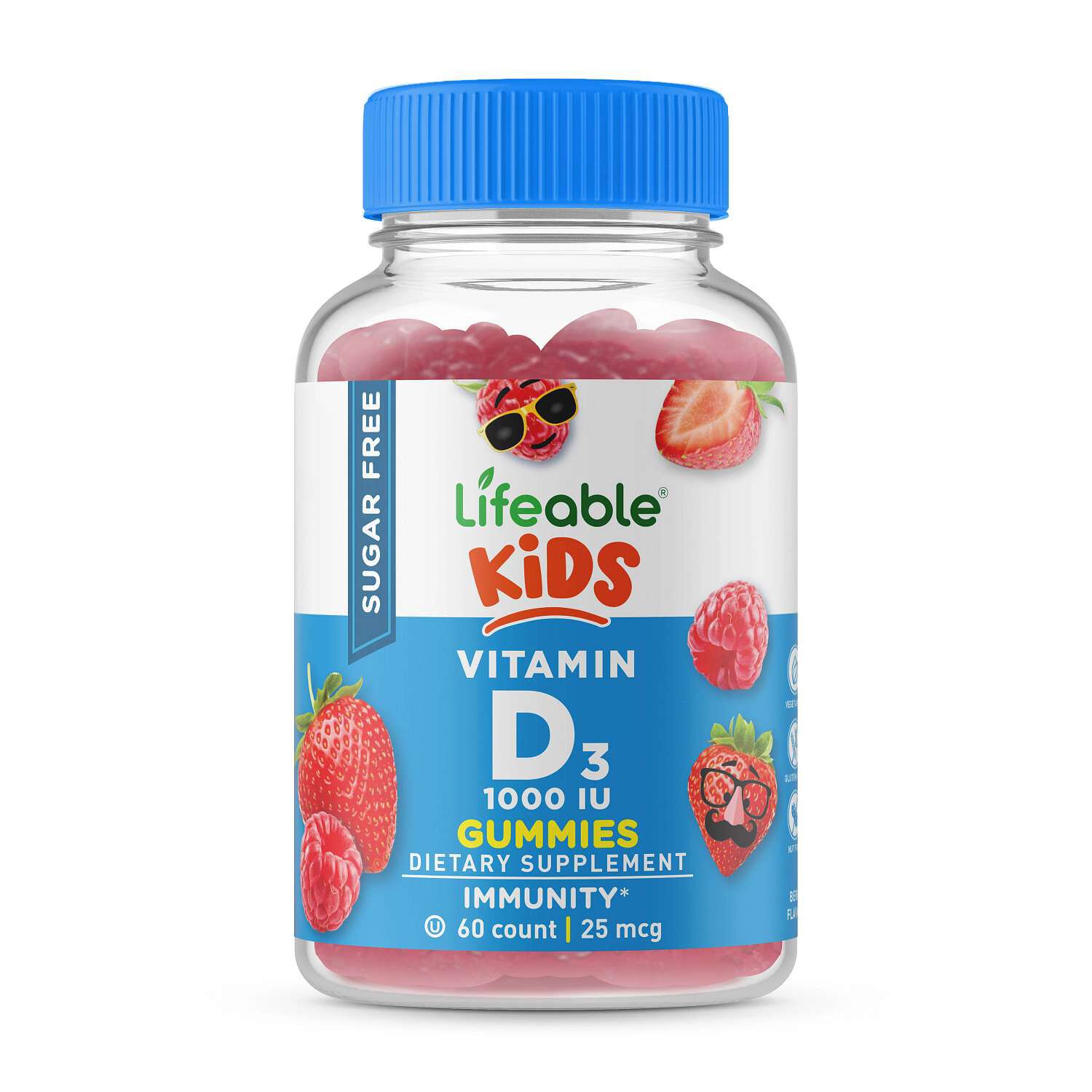
When comparing products, consider the child’s age, preferred format, flavor preferences, dietary needs, and the practical realities of serving time. Some toddlers may accept a chewable or gummy more readily, while another child may do better with a liquid measured according to the package directions. Caregivers may want to check for added sugars, artificial colors, common allergens, and ingredients that do not fit the family’s preferences. It may also help to choose a product with straightforward labeling and a serving size that is easy to follow. A new item can be introduced during a calm part of the day, when a parent can observe how the child handles the taste and texture, rather than during the rush of getting dressed or leaving the house. Keeping a simple record of new products, foods, and serving times may help caregivers share useful details with a pediatrician. Products can be thoughtful gifts for new parents, grandparents, babysitters, or families preparing for a season of more indoor gatherings, but supplements should always be given with the parent or primary caregiver’s knowledge and approval. A gift card, a child-friendly water bottle, or a basket with nutritious pantry staples may pair naturally with a toddler supplement without suggesting that one product can do everything. Families exploring vitamin D options for children can browse Immune Support Vitamin D3 Supplements For Kids and review the age guidance before making a selection. Most importantly, a pediatrician can help a family decide whether a supplement belongs in the child’s routine, which ingredients may fit the child’s needs, and how to use the product according to its label. With nourishing foods, restful routines, active play, good hand hygiene, and thoughtful product selection, caregivers may create a steady foundation for toddler wellness through the changing seasons.

 Chewable Tablets_Front.jpg?sw=305&sh=305&sm=fit "ChildCalm - 60 Chewable Tablets (30 Servings) | GNC")