





Immune Support For Teens
(0 Results)
Immune support for teens is crucial during these formative years when their bodies are constantly growing and changing. A well-balanced diet, regular exercise, and adequate sleep can play vital roles in maintaining a healthy immune system. Supplements specifically designed for teenagers might provide additional nutrients that could help bolster their natural defenses. Explore a range of options that may support your teen's immune health and overall well-being.
-

-

-
-

-

-
-

-
-

-
 $24.99
 -

-
-
-

-

-
-

-
-

-
 Orange_Front.jpg?sw=305&sh=305&sm=fit "Junior C - 180 Tablets (180 Servings) | GNC")
-
 Orange_Front.jpg?sw=305&sh=305&sm=fit "Junior C - 90 Tablets (90 Servings) | GNC")
-

-

-

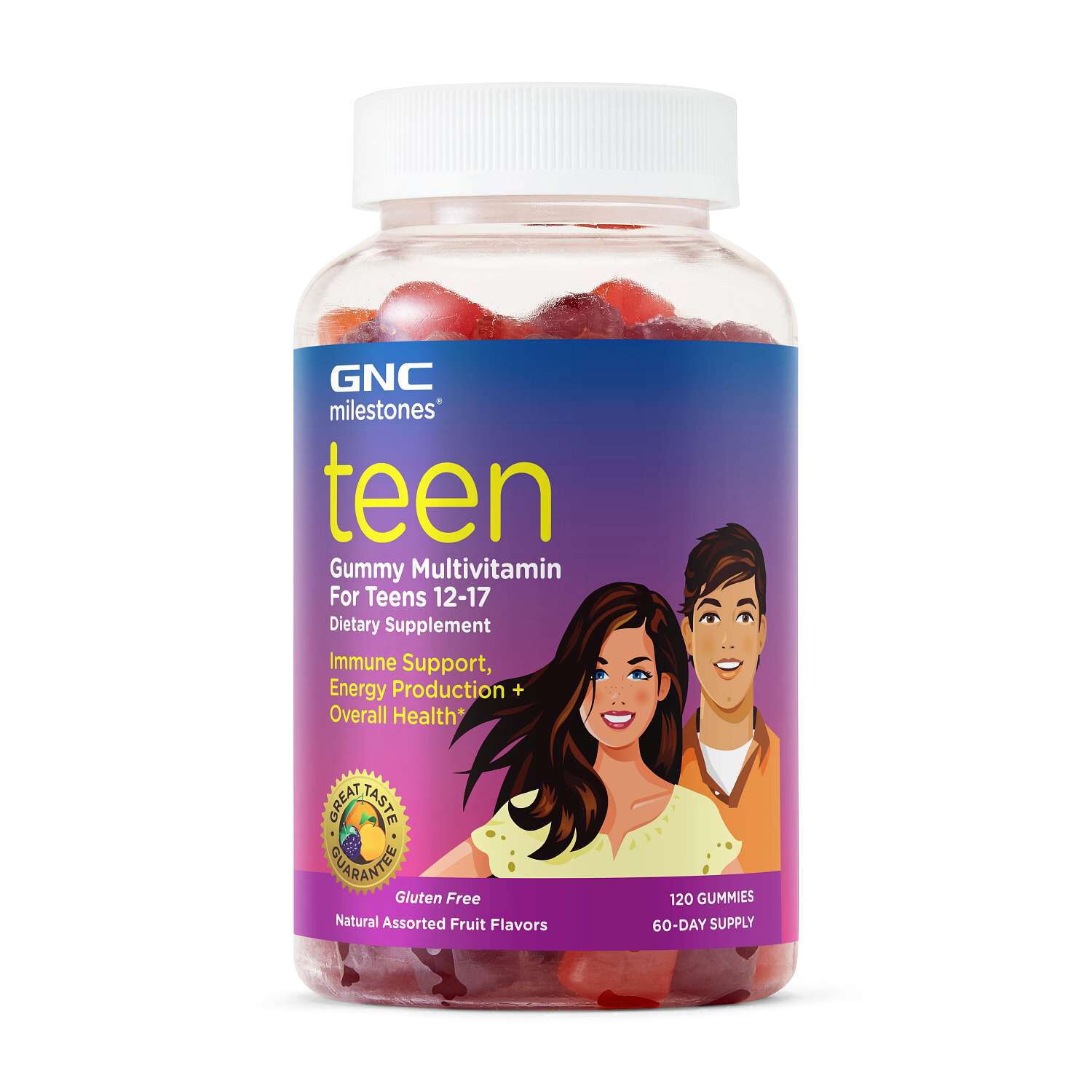
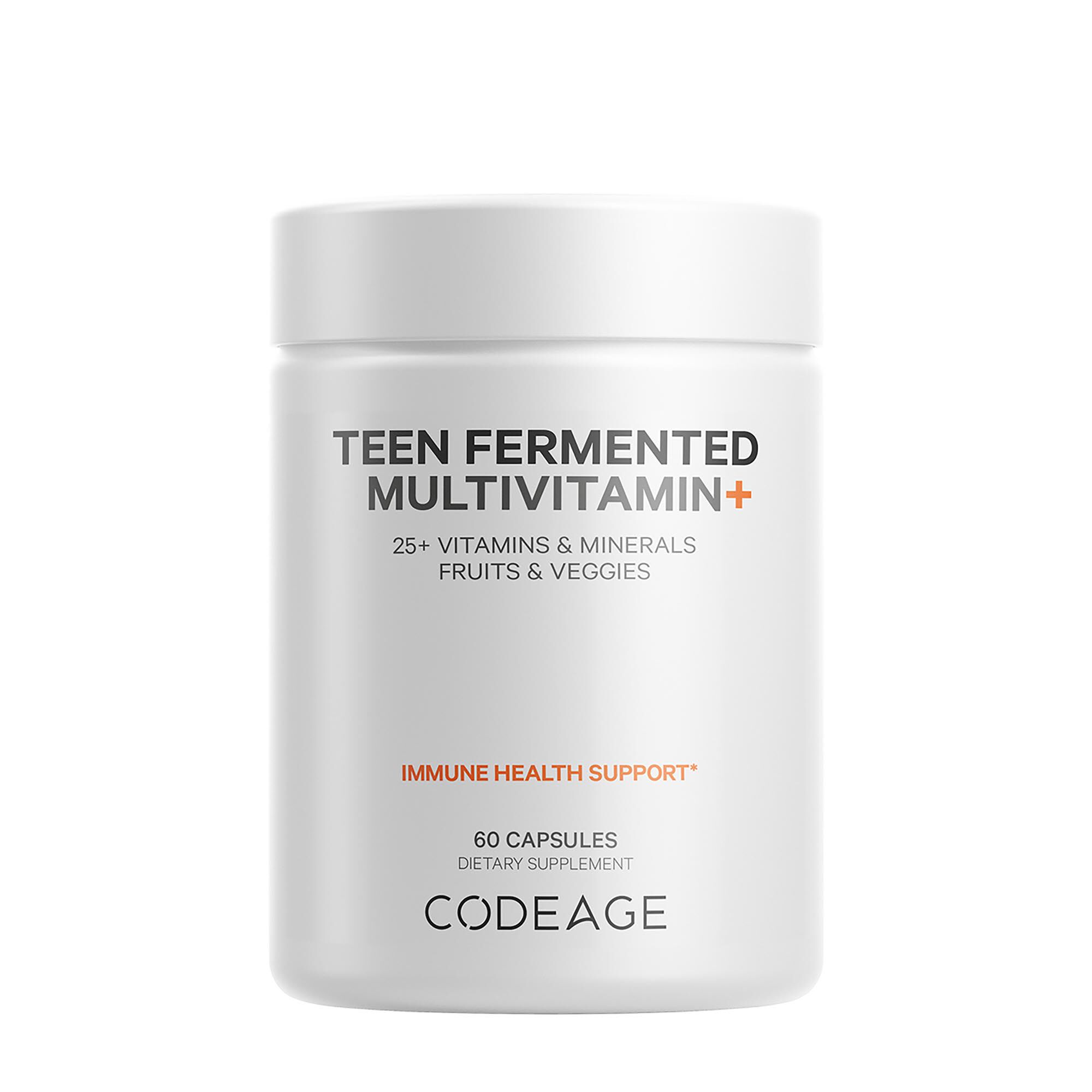
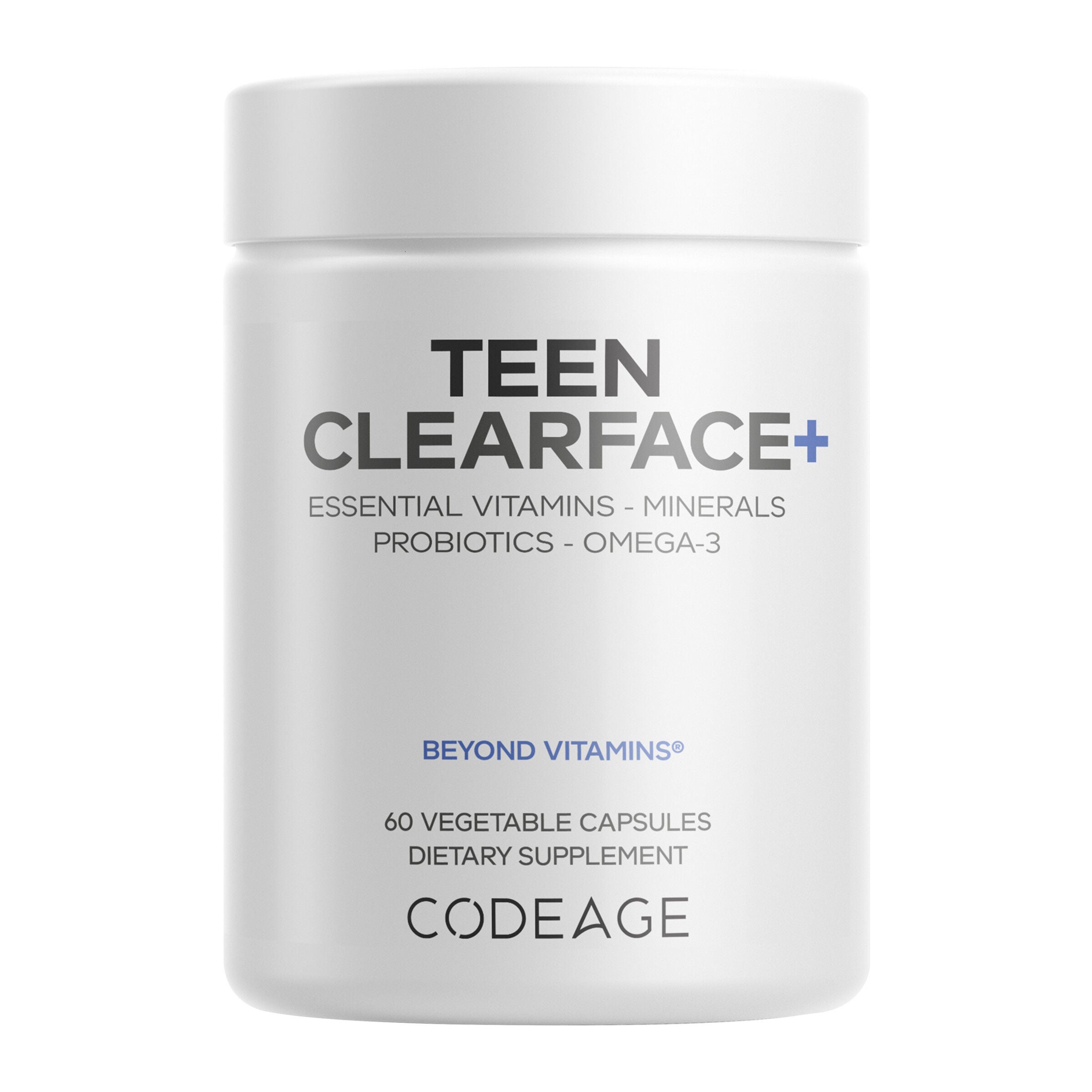
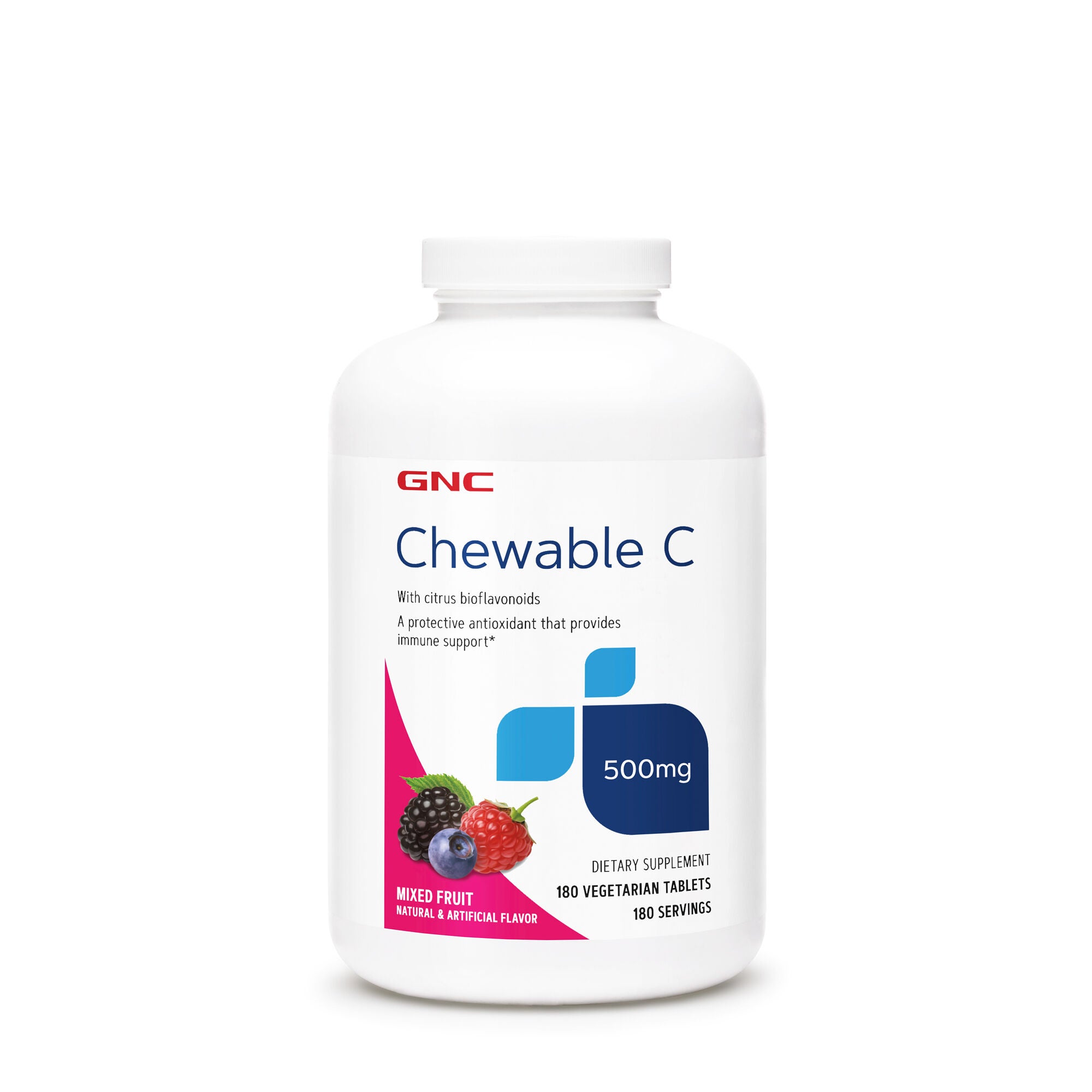
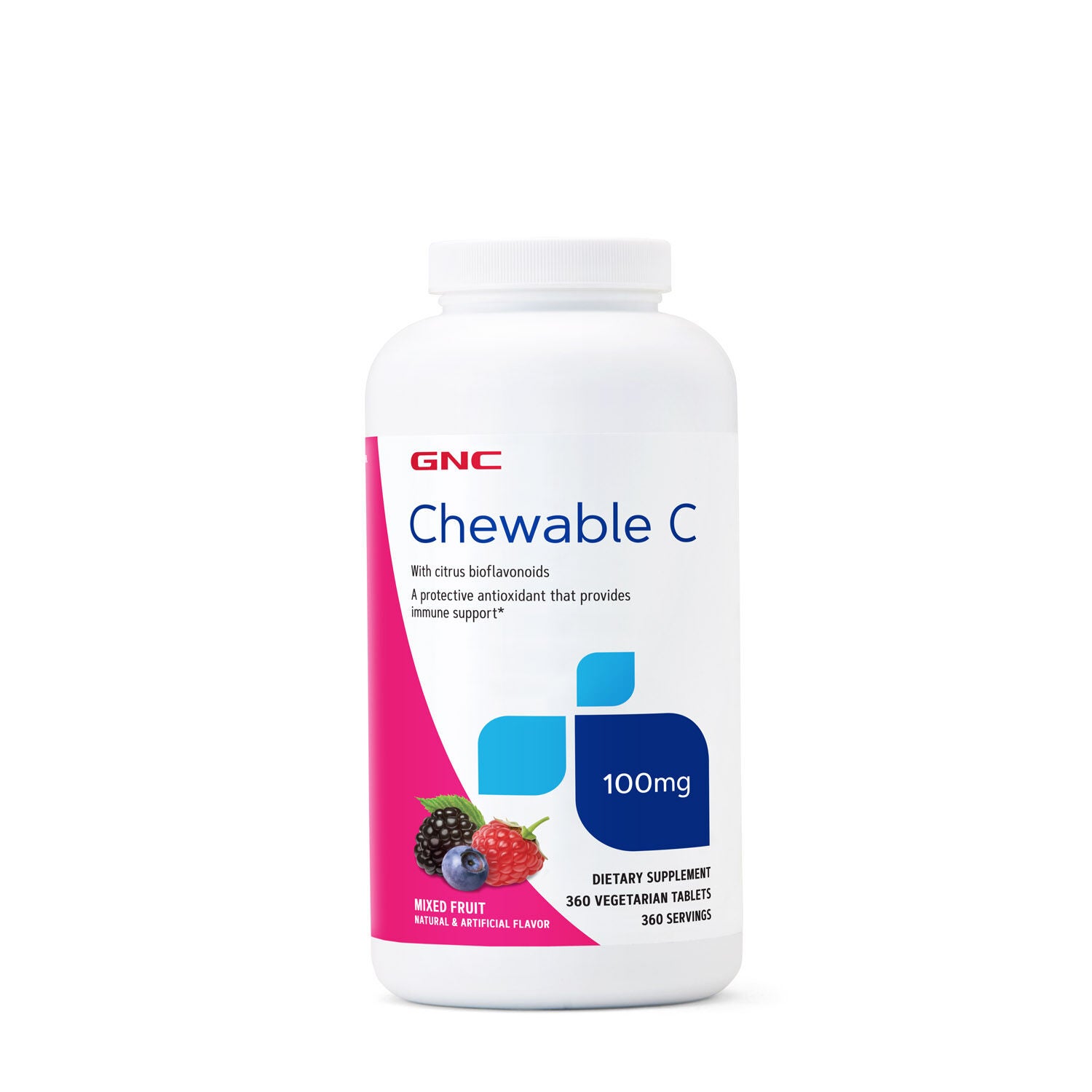
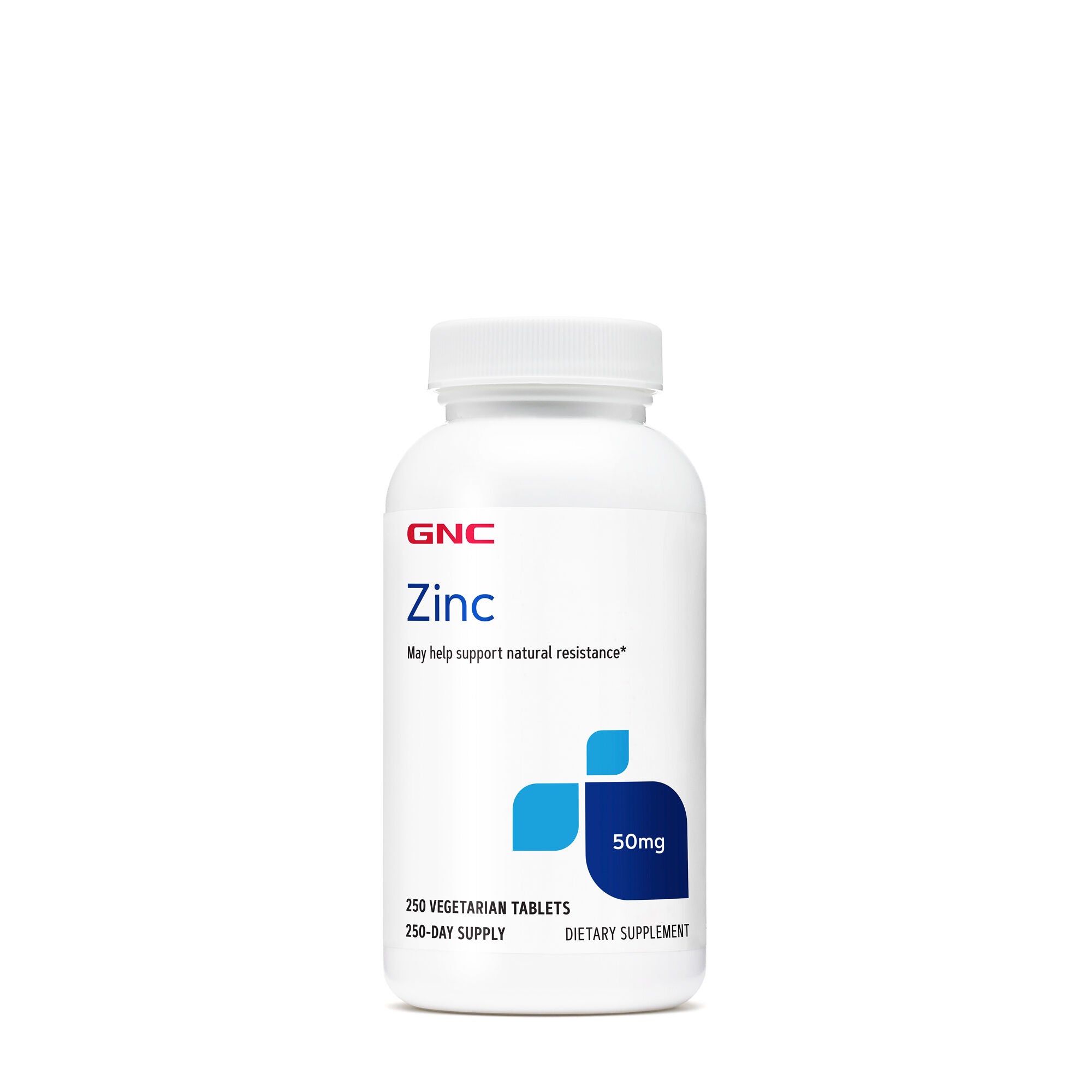
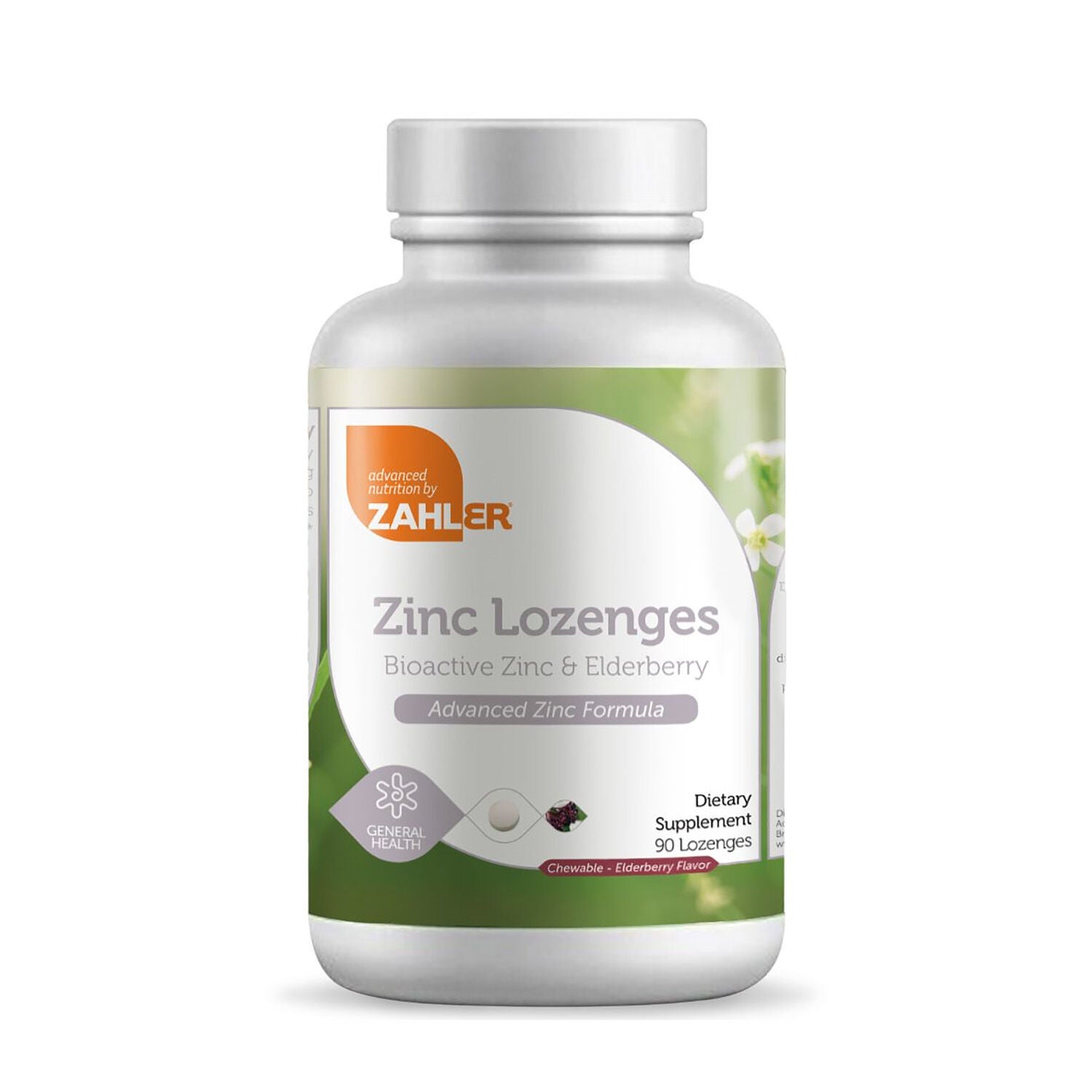
Supporting a teen’s immune wellness often begins with the everyday habits that can be easy to overlook during busy school days, sports practices, commutes, and late-night study sessions. A varied eating pattern featuring colorful fruits and vegetables, whole grains, beans, eggs, fish, poultry, dairy foods, nuts, and seeds can provide a broad range of nutrients, while regular hydration may help teens feel ready for the demands of the day. Sleep also deserves attention, since many teens function best with a consistent nighttime routine and roughly eight to 10 hours of rest. Turning off devices before bed, keeping the bedroom comfortable and dim, and following a familiar wind-down pattern could make it easier to maintain a regular schedule. Movement matters, too: walks after dinner, practice on the field, time on a bike, or an active afternoon with friends may complement a balanced routine. During the warmer part of the year, outdoor activities and changing schedules can make hydration and meal planning more important; as cooler weather arrives, school calendars, indoor gatherings, and packed schedules may create new challenges. Products in this collection may fit into those routines as an added source of selected nutrients, particularly for teens whose meals are sometimes limited by preferences, busy schedules, travel, sports commitments, or dietary choices. A teen multivitamin may help fill nutritional gaps when meals are inconsistent, while individual nutrients such as vitamin C, vitamin D, zinc, or omega-3 fatty acids may suit shoppers looking for a more focused option. Food remains a valuable foundation, and supplement choices may be most useful when they align with the teen’s existing eating pattern rather than serving as a substitute for regular meals. Parents, guardians, and older teens can compare serving directions, nutrient amounts, format, and ingredient lists before making a purchase. Gummies, chewables, capsules, powders, and flavored options may offer different preferences for texture, taste, and convenience, but label directions should guide use. Teens with allergies, food sensitivities, dietary restrictions, ongoing health concerns, or a prescribed care plan may benefit from discussing a new supplement with a qualified healthcare professional or pharmacist before adding it to a daily routine.
Choosing immune support for teens can also involve practical details that make consistency more realistic. A product kept beside a breakfast bowl, tucked into a school bag according to its label instructions, or included with a post-practice snack may be easier to remember than one that requires an elaborate routine. Families may want to consider whether a teen prefers a small tablet, a chewable, a powder mixed into a beverage, or another format, along with flavor, storage needs, serving size, and any ingredients they prefer to avoid. A probiotic product may complement a diet that includes yogurt and other fermented foods, while vitamin D may be a consideration for shoppers seeking support for a nutrient that can be found in fortified foods and certain fish. Zinc and vitamin C are also found in foods such as legumes, seeds, citrus, berries, peppers, and leafy vegetables, so a supplement may be selected with the teen’s usual menu in mind. Omega-3 products may appeal to families who want to include more of those fatty acids in a routine, especially when seafood is not a regular part of meals; the product label can provide details about the source and serving guidance. These products may make thoughtful gifts for a teen heading to college, starting a new sports season, returning to a busy school schedule, or building more independence around personal care, although a gift card or a conversation about preferences may be helpful when flavor, format, or dietary needs are very specific. Shoppers seeking age-appropriate options may also wish to browse Immune Support For Toddlers when shopping for a younger child in the same household. Whether the goal is to organize a back-to-school cabinet, prepare for travel, or create a steadier routine during the cooler months, the most suitable choice may be the one a teen can use as directed and comfortably fit into daily life. Keeping expectations realistic matters: supplements may complement nourishing meals, sleep, hydration, and regular activity, but they are not a replacement for those foundations. A healthcare professional can help families review individual circumstances, dietary patterns, and any other products already in use before a teen begins something new.
_Front.jpg?sw=305&sh=305&sm=fit "Junior Multi - 180 Tablets - 180 Tablets (180 Servings) | GNC")


