Immune Support For Students
(0 Results)
Balancing classes, extracurricular activities, and social commitments can be challenging for students, making it crucial to prioritize their well-being. Immune support for students could play a vital role in maintaining health during busy academic schedules. With the right blend of vitamins, minerals, and herbal supplements, students may find themselves better equipped to tackle the demands of college life. Whether it's a hectic exam week or changing seasons, investing in immune support might make a significant difference in staying healthy and energized throughout the school year.
-

-
-

-

-

-

-

-

-
 Sprayology$38.99
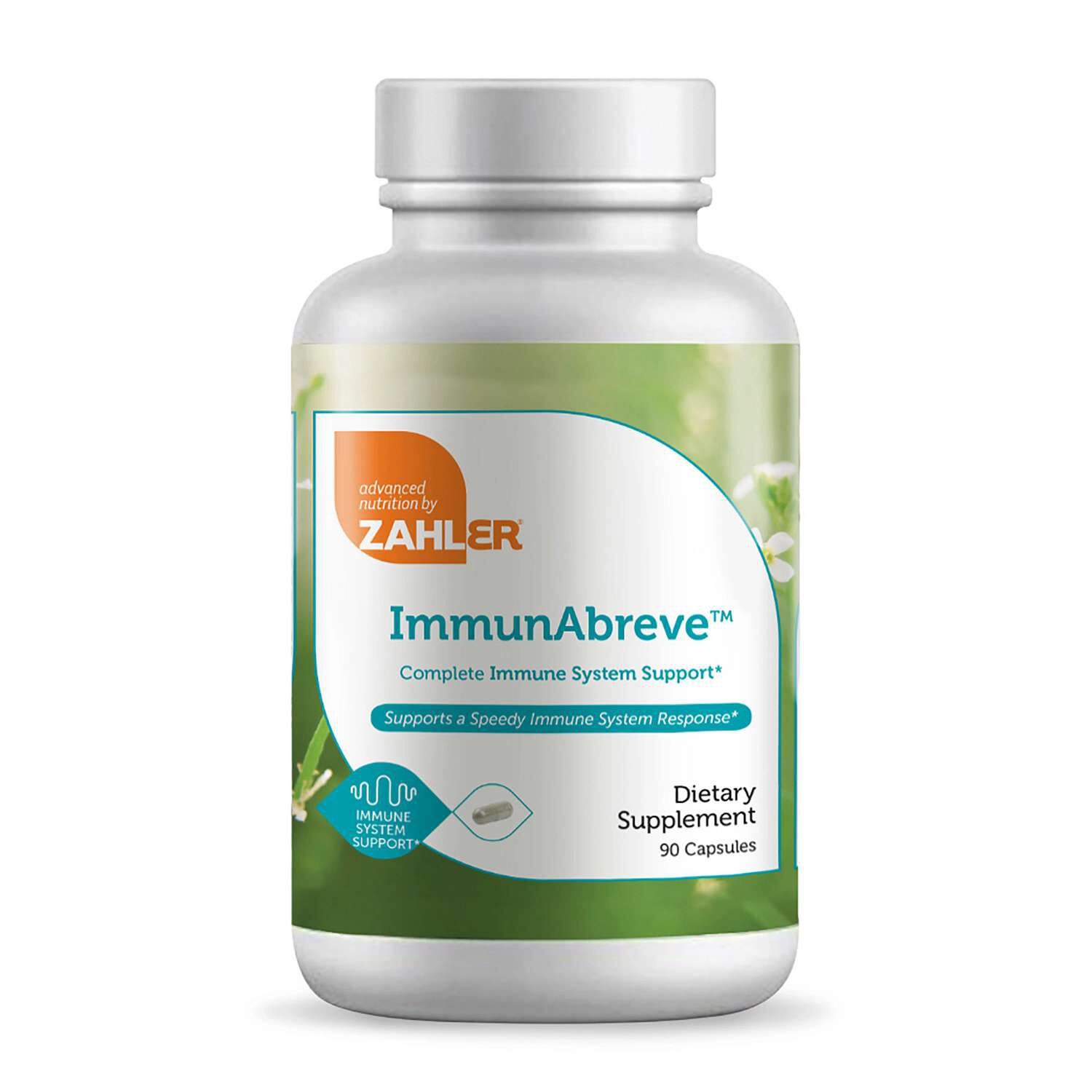
Students move through busy days filled with early classes, shared spaces, packed schedules, activities, and long stretches away from home. An immune support routine may offer a practical way to complement everyday habits, especially as the weather warms and later shifts into cooler months. The products featured on this page may include familiar nutrients such as vitamin C, vitamin D, and zinc, along with multivitamins, gummies, drink mixes, and other easy-to-use formats. These options may help students add nutritional support to a routine that already includes nourishing meals, regular water intake, rest, and frequent handwashing. Food remains an important starting point, with vitamin C found in oranges, strawberries, bell peppers, and broccoli; vitamin D available through foods such as eggs and fortified milk; and zinc found in beans, nuts, lean meats, and whole grains. Yogurt and kefir may also fit into a balanced eating pattern for students who enjoy cultured foods. Since every student has different dietary preferences, schedules, and needs, a product with a short ingredient list, a familiar format, and serving directions that fit the day may be easier to use consistently. Families may wish to speak with a qualified healthcare professional before adding a vitamin, mineral, gummy, powder, or other supplement, particularly when a student follows a restricted eating pattern, takes prescription products, or has an existing health concern.
Convenience matters when a student is heading out the door before sunrise, moving between lectures, practices, study sessions, and part-time work. Single-serve packets may fit into a backpack, while chewable formats may suit students who do not enjoy swallowing tablets. Capsules or tablets may work well for older students who prefer a simple routine, and flavored powders may be mixed with water during a study break. A daily multivitamin may provide broad nutritional support for students whose meals vary from day to day, while a single-nutrient formula may appeal to someone looking for a particular vitamin or mineral. Products with clear serving instructions and straightforward storage guidance may be easier for parents, roommates, and students to manage. It may also help to review the serving size, ingredient panel, allergens, dietary preferences, and any added sweeteners before making a purchase. Students living in residence halls might appreciate compact packaging that stores neatly beside a water bottle or breakfast items, while commuters may prefer a portable format that can travel from home to campus. These products may also make thoughtful care-package additions for a student settling into a new school routine, preparing for a demanding semester, or spending more time indoors during cooler weather. For younger students and teens, families may explore Immune Support For Teens for options suited to that stage of life.
A well-rounded routine reaches beyond a shelf or backpack. Rest gives students time to recharge, and younger students and teens often need more sleep than adults; general guidance commonly places school-age sleep needs around 9 to 12 hours for younger children and about 8 to 10 hours for teens. Regular meals built around fruits, vegetables, whole grains, lean proteins, and dairy or suitable alternatives may help create a steadier foundation for the school day. Carrying a refillable water bottle may encourage hydration between classes, especially when a student is moving through heated buildings, warm outdoor practices, or dry indoor air. Washing hands with soap for about 20 seconds before eating and after returning from shared spaces may also become a useful part of the daily rhythm. A simple routine might look like breakfast with fortified milk and fruit, a water bottle packed beside lunch, a product taken according to its label, and a consistent bedtime that leaves room for rest. Parents, guardians, and students may find that choosing an option that feels realistic is more helpful than selecting a complicated regimen that gets forgotten in the rush of the morning. These products may support a student’s broader wellness routine, but they do not replace varied meals, sufficient sleep, hydration, handwashing, or guidance from a qualified healthcare professional.