





Immune Support Vitamin D3 Supplements For Kids
(0 Results)
Immune support vitamin D3 supplements for kids are designed to help parents support their children’s wellness routines. With a range of convenient options available, these supplements may fit easily into daily schedules and offer a simple way to help meet nutritional goals. Explore choices that could make it easier to prioritize your child’s needs as they grow, play, and learn each day.
-
 $17.99
-

-

-
-
 $14.99
-

-
-

-
 $20.99
-

-
-

-
-

-

-

-

-

-

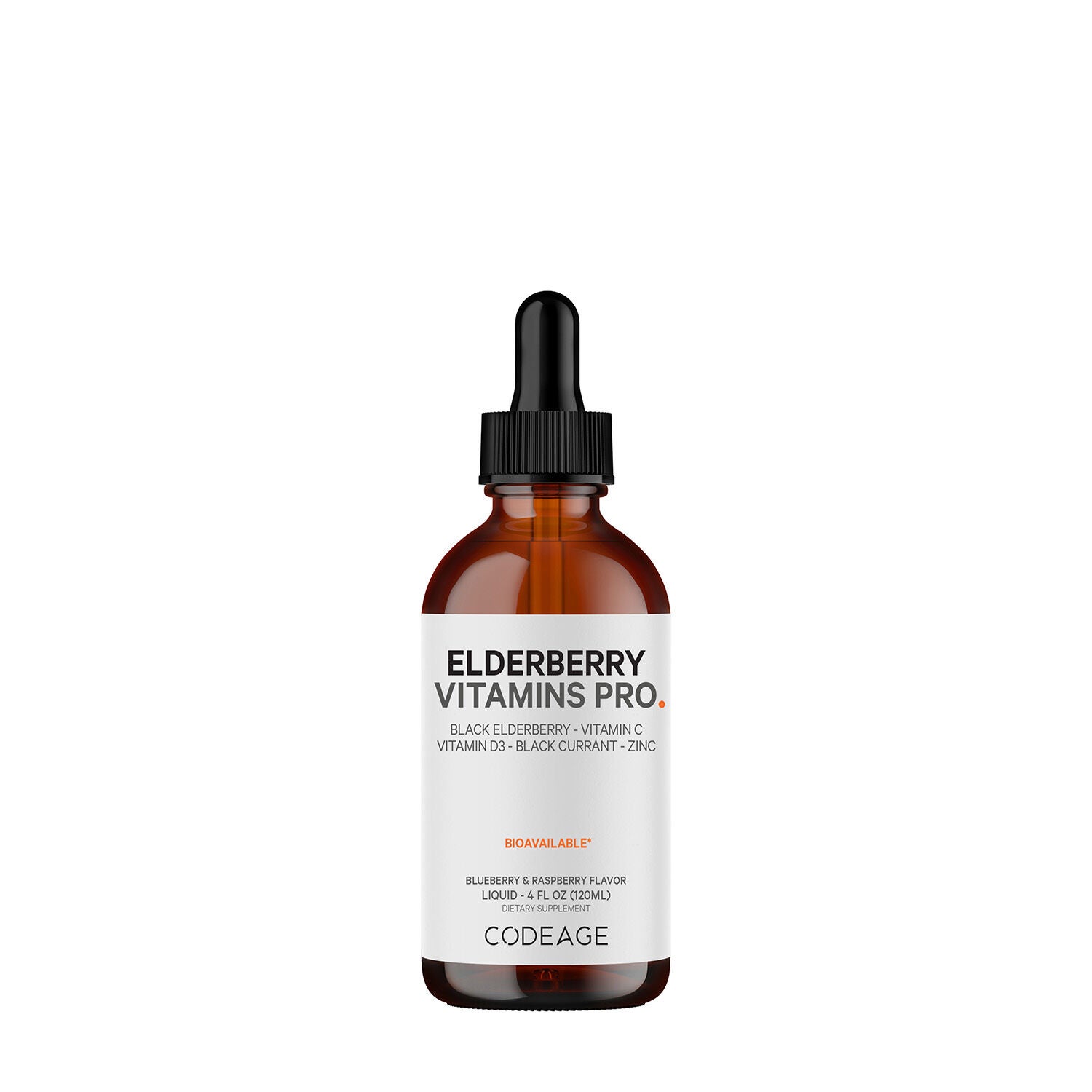

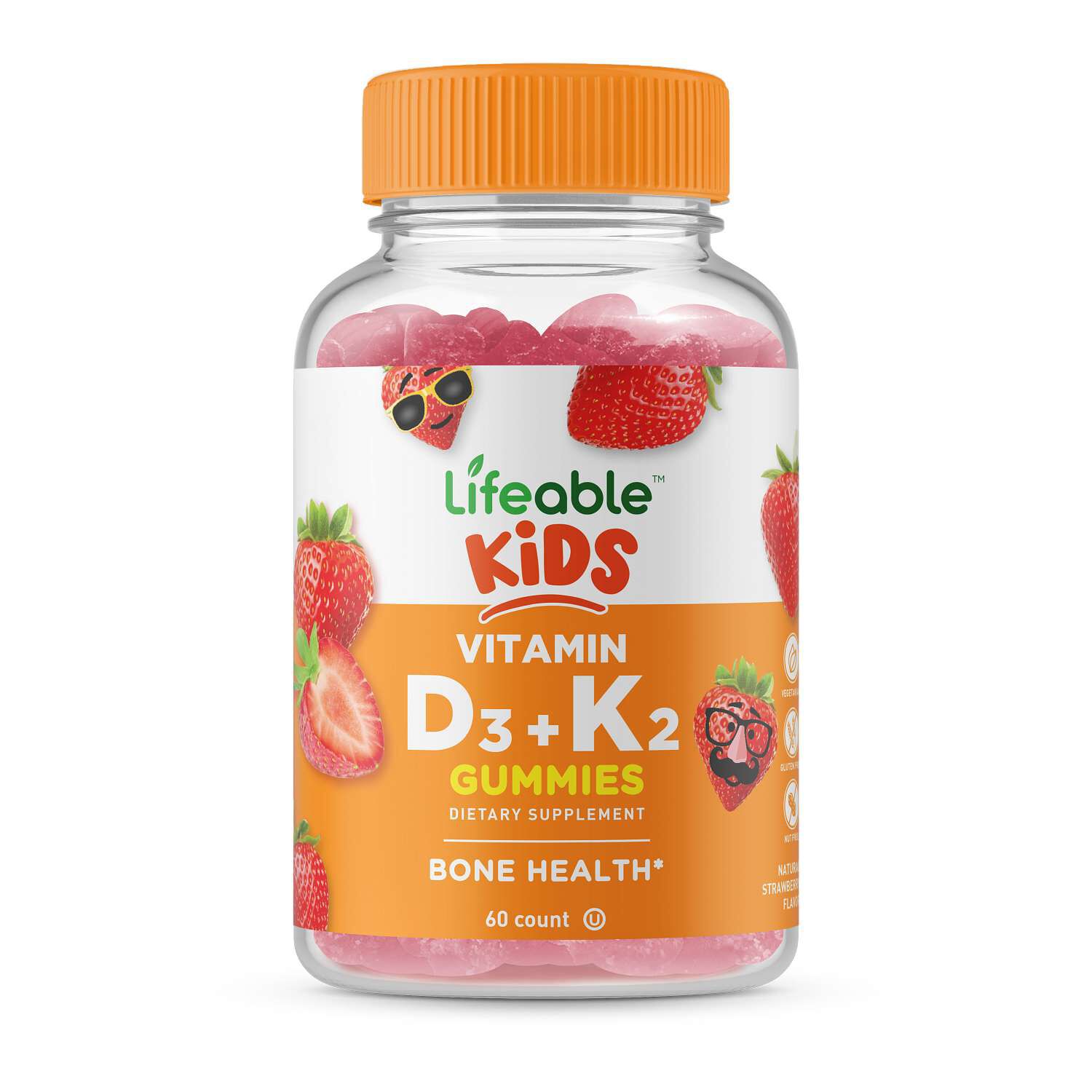

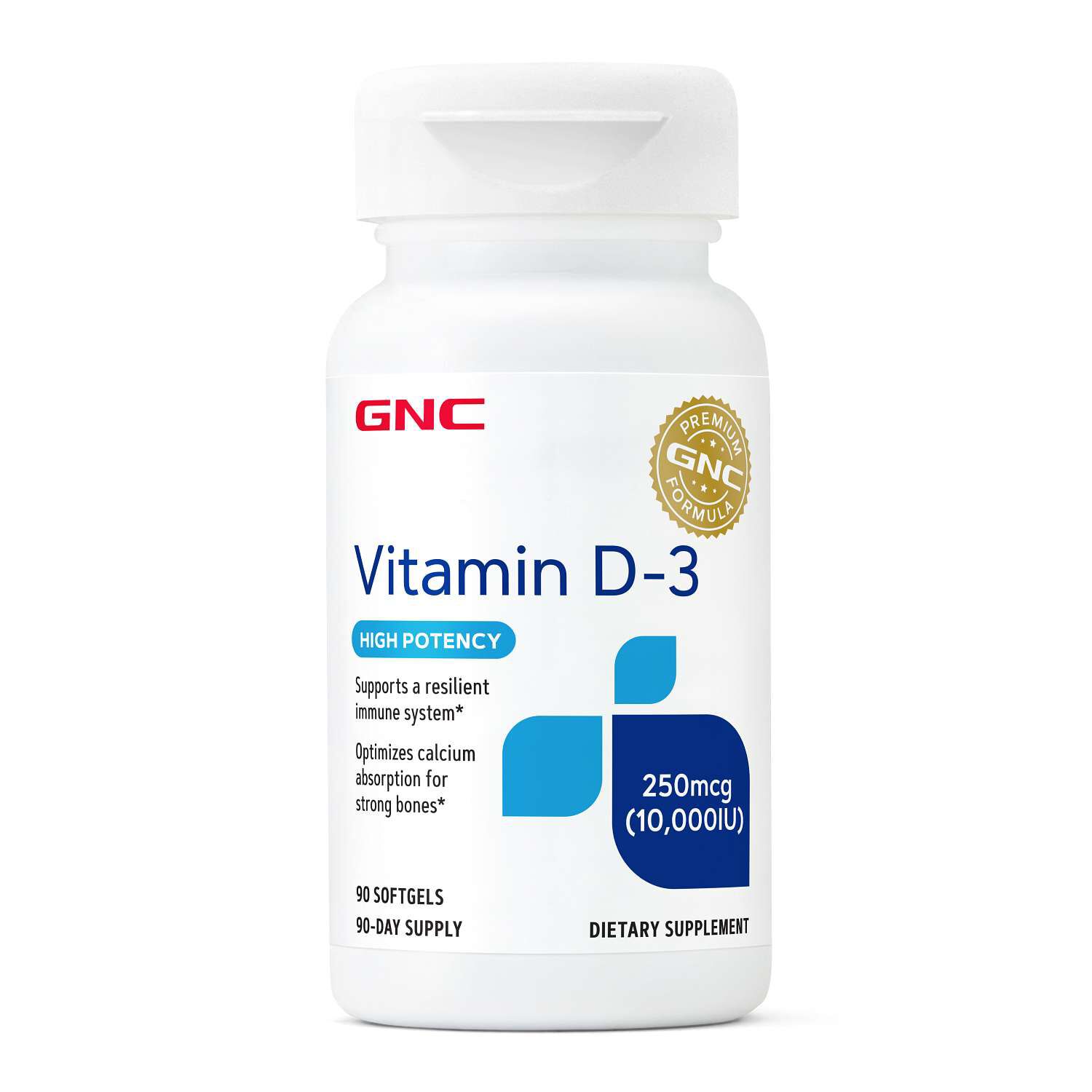
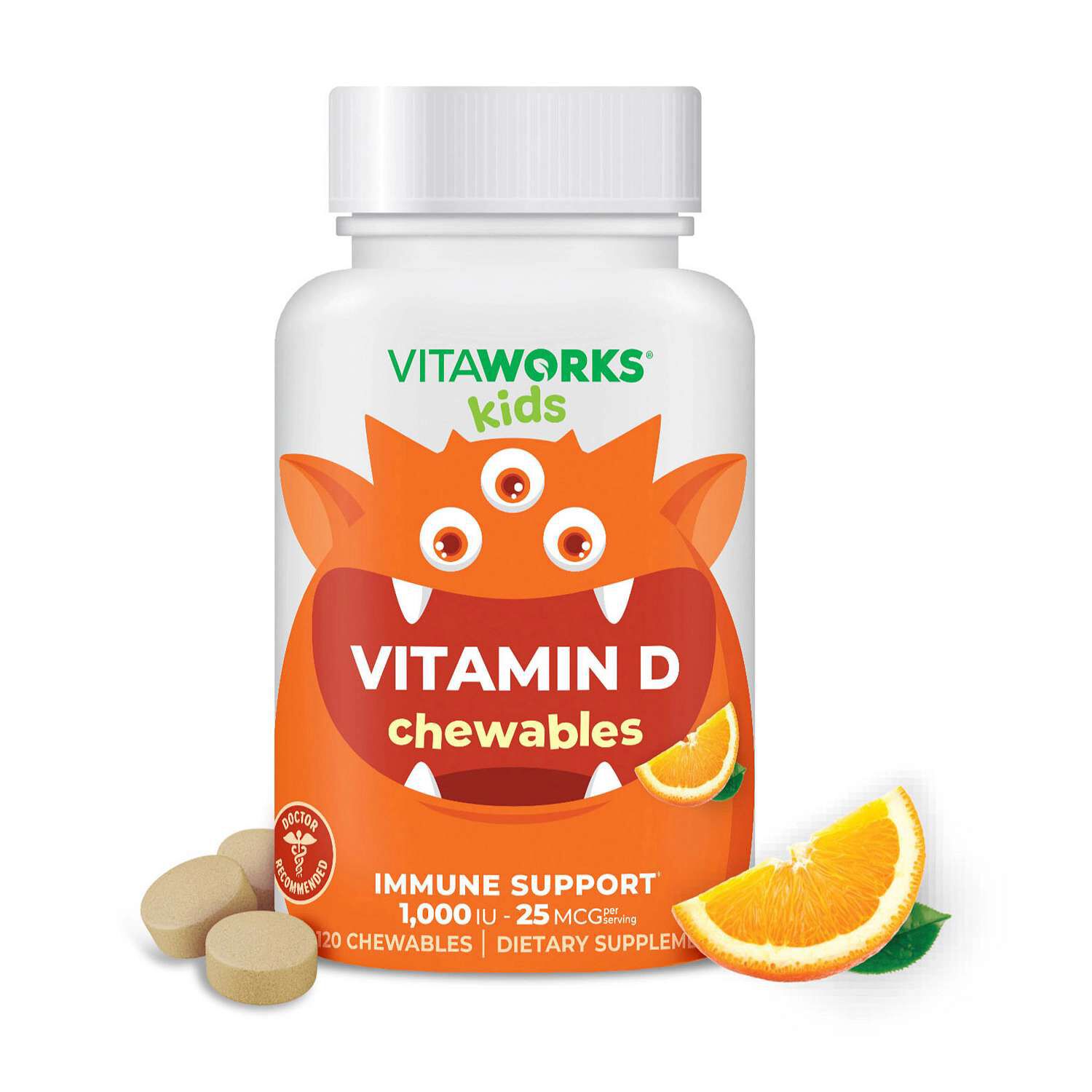
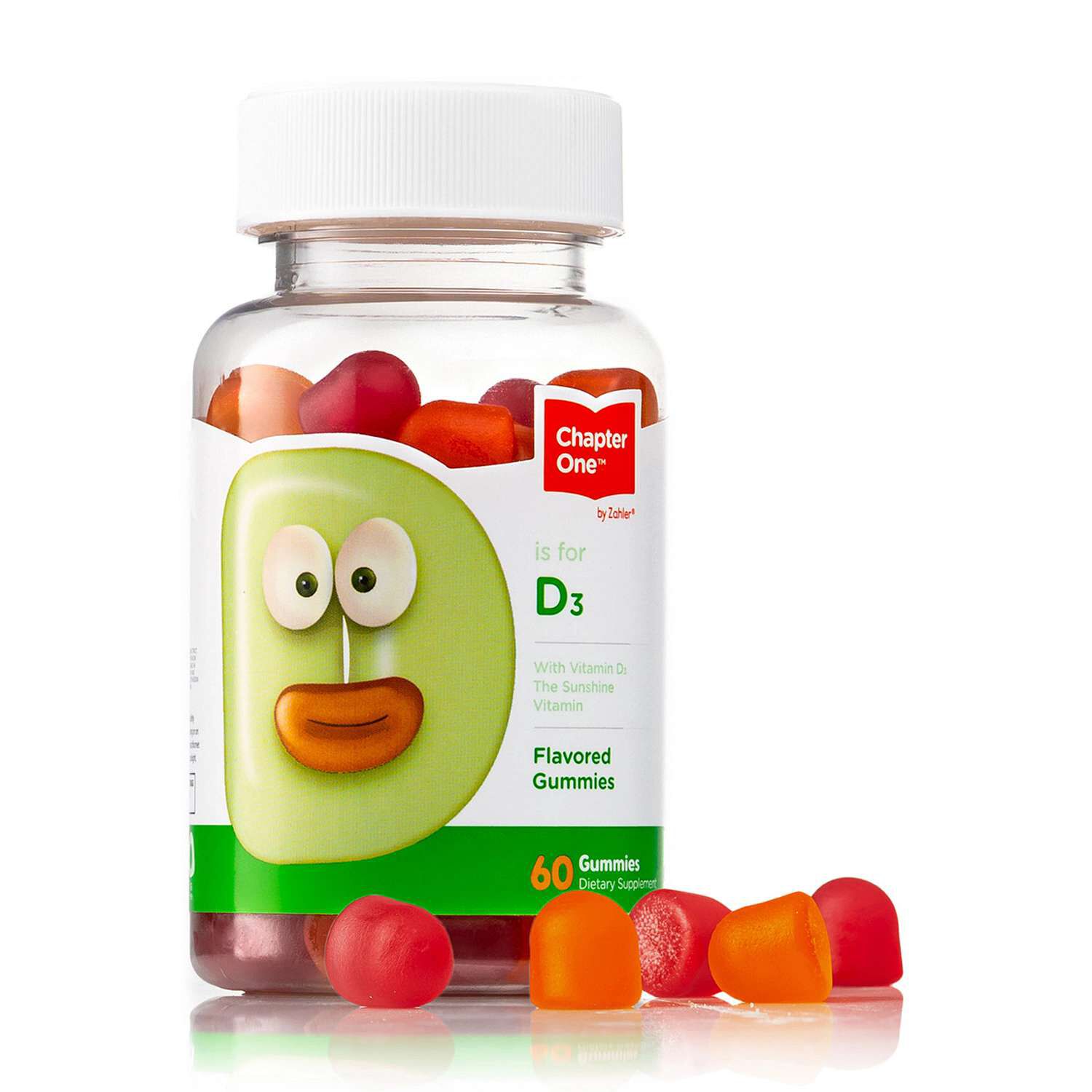
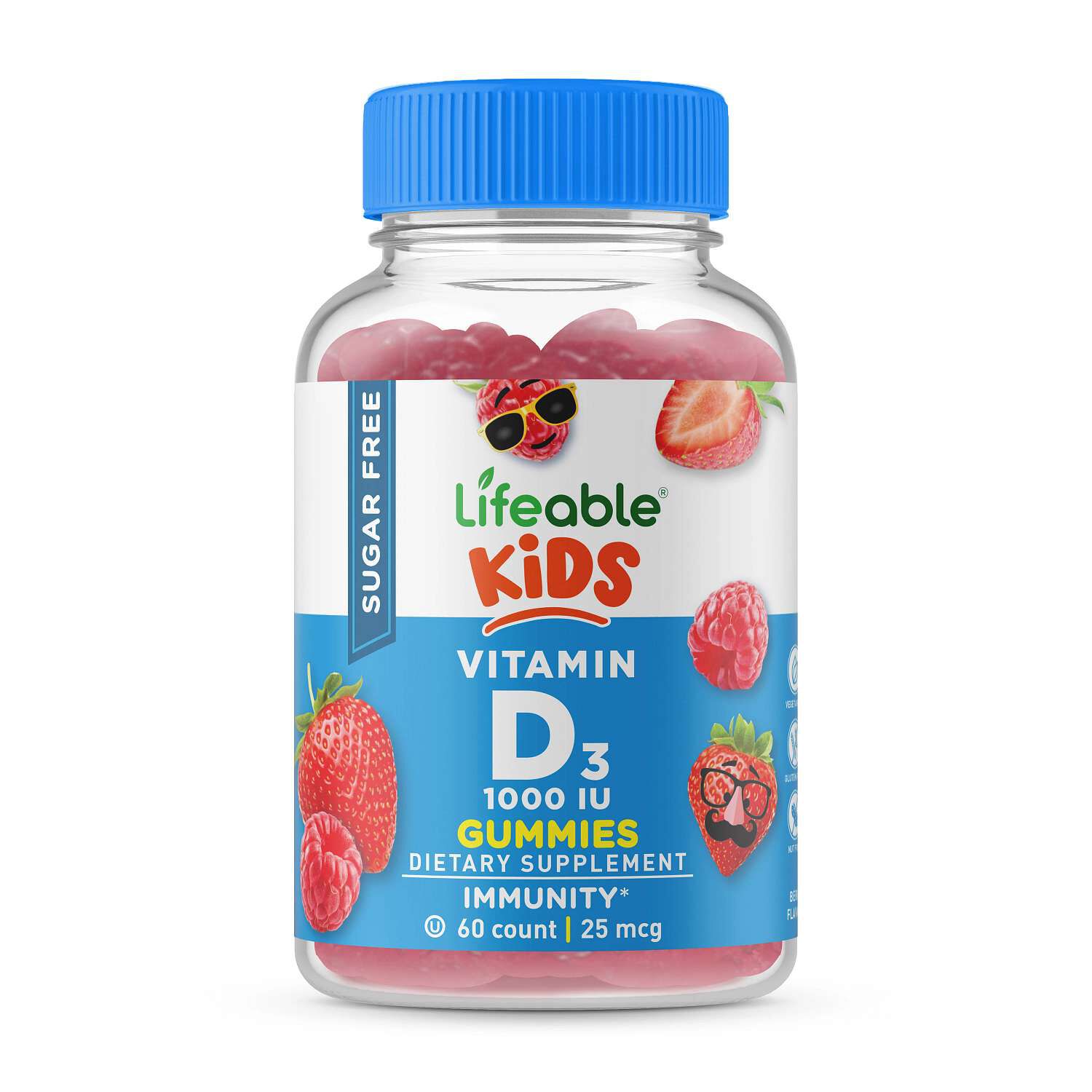
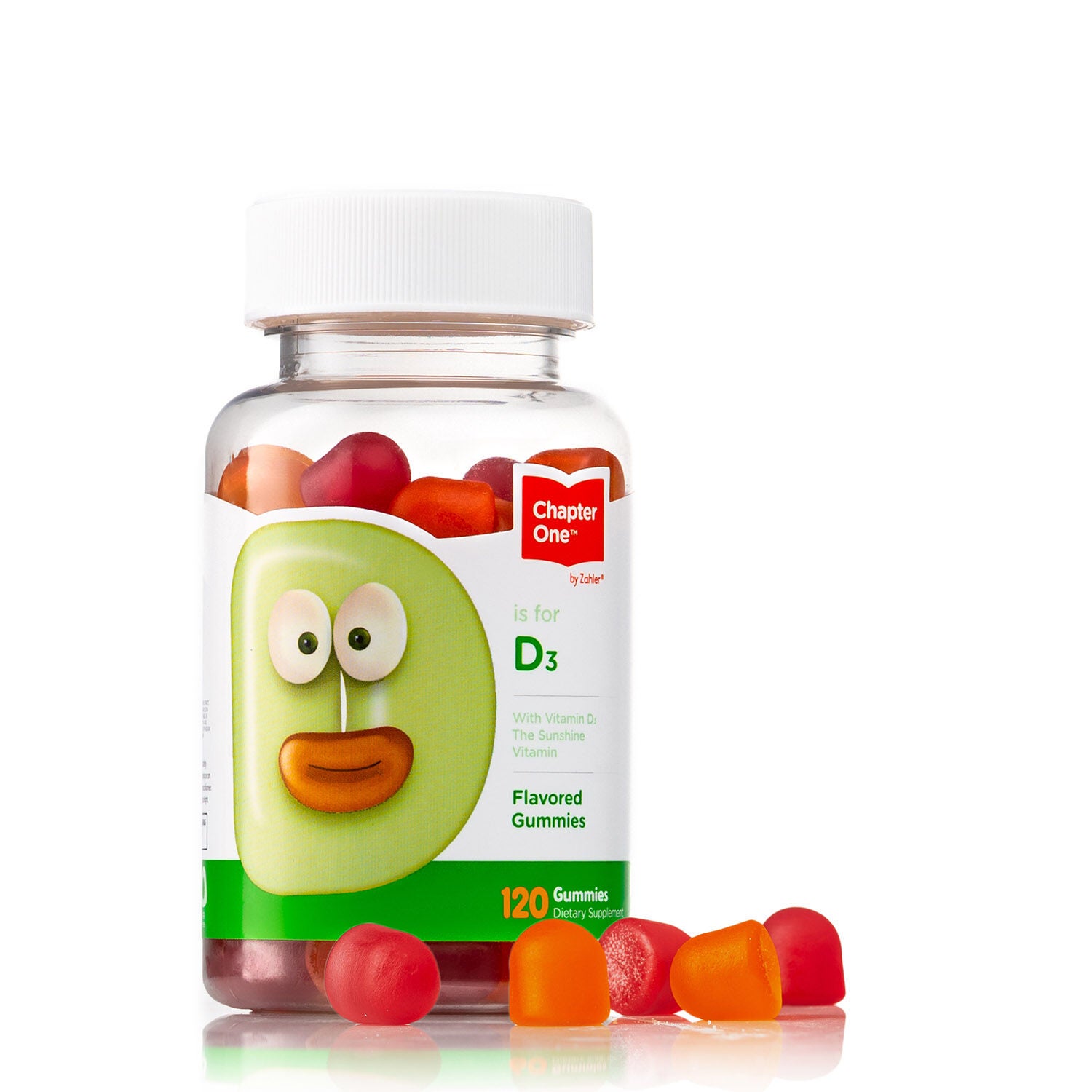
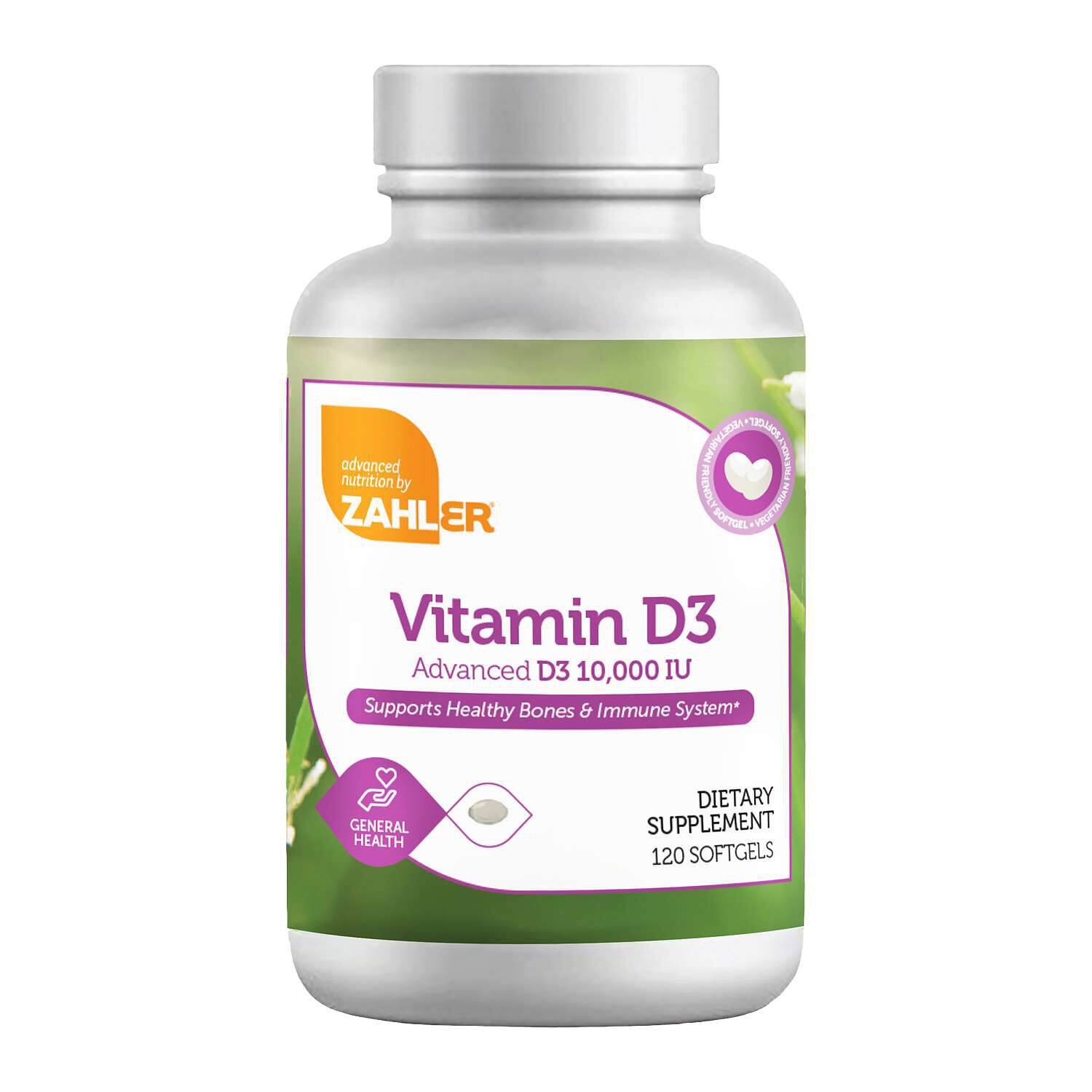
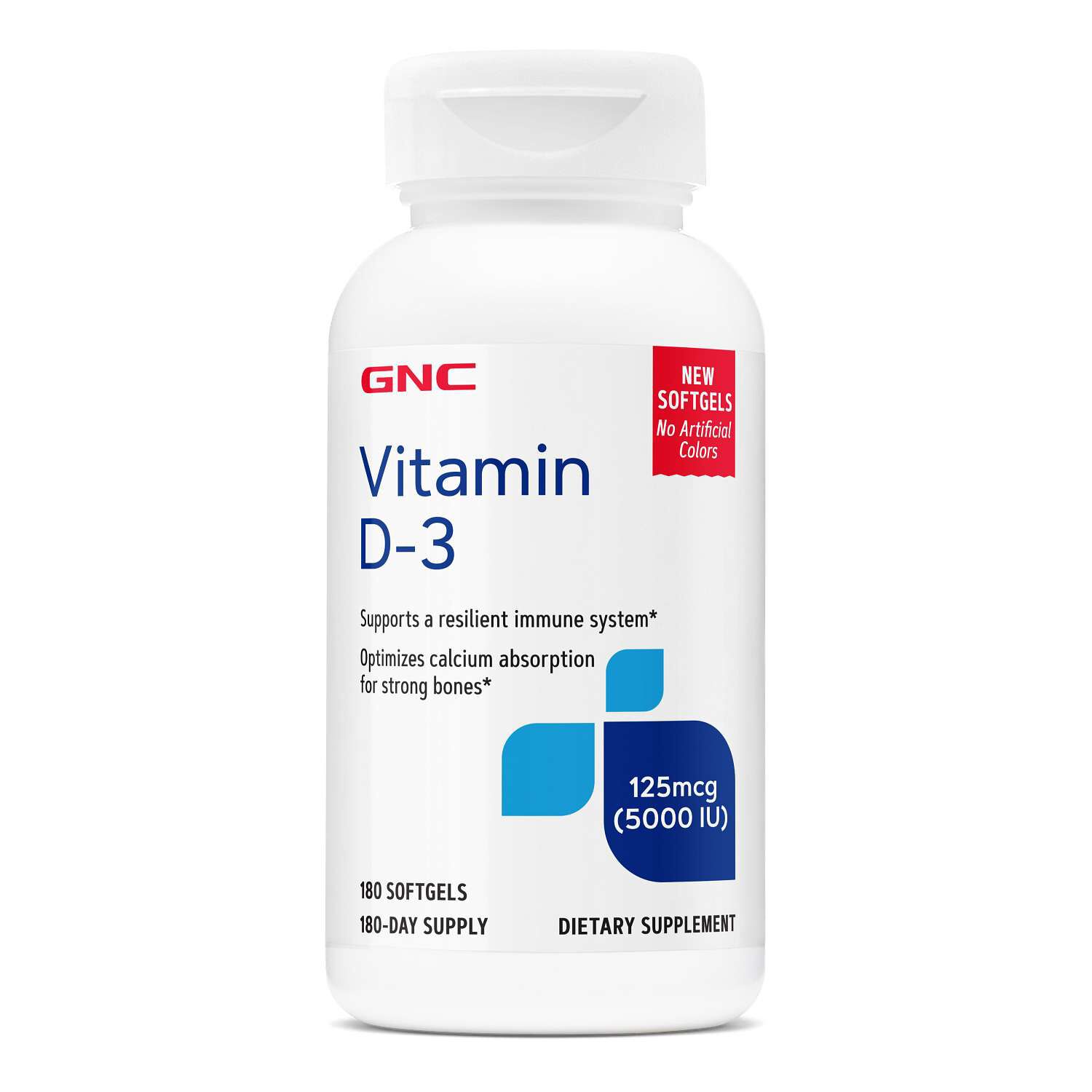
Vitamin D3 supplements for kids may support normal immune function as part of an age-appropriate nutrition routine. Vitamin D3, also called cholecalciferol, is a form of vitamin D used in dietary supplements, including formulas developed for children. These supplements are intended to complement everyday eating rather than stand in for meals or a varied selection of foods. For families comparing options, the most useful distinctions are often practical: the age range on the package, the amount of vitamin D3 per serving, the serving size, and the form a child is comfortable taking. A children’s label does not mean every formula is intended for every childhood age group, and similar-looking packages can have different directions. The Supplement Facts panel identifies the vitamin D amount, commonly expressed in micrograms and international units, while the directions explain how the manufacturer defines a serving. That serving might be one piece, more than one piece, or a measured amount of liquid, depending on the format. Comparing the amount per serving rather than the size of the package offers a clearer view of how formulas differ. A vitamin D3-only supplement and a blend containing other nutrients also have different ingredient profiles, even when their front labels both emphasize immune support. This distinction matters when a child’s existing routine includes a multivitamin or other dietary supplements. Questions about whether a supplement belongs in that routine, and how different sources of vitamin D fit together, are appropriate topics for a child’s pediatrician. Within the category, clear age labeling and readable directions offer more useful information than a colorful package or a familiar flavor name. A thoughtful comparison focuses on the intended user and the details on the label, without assuming that a larger amount or a longer ingredient list is a better match. For a household with children of different ages, that means evaluating each child’s labeled age range separately rather than treating one bottle as a shared choice for everyone.
Format is another meaningful difference among children’s vitamin D3 supplements. Gummies, chewable tablets, and liquids each have their own texture, serving method, and ingredient considerations. A gummy’s soft, chewy texture differs from the firmer bite of a chewable tablet, while a liquid involves a measured serving rather than a piece to chew. Age suitability still comes from the label, not from a format’s appearance. For a related category, see Vitamin D Gummies For Immune Support. Flavor preferences are personal: a berry-flavored gummy may appeal to one child, while another may prefer a citrus chewable or a liquid with a milder taste. Flavor names alone do not describe everything in a formula, however. Sweeteners, colors, flavoring ingredients, and texture ingredients appear in the ingredient list and deserve the same attention as the vitamin itself. Gummies may use gelatin or pectin, and families with particular dietary preferences may compare those ingredients closely. The source of vitamin D3 can also differ, so a dietary designation is something to confirm on the package rather than infer from the product’s shape or flavor. Allergen statements and other ingredient disclosures are separate details worth reviewing when comparing formulas. With liquids, concentration, serving volume, and the supplied measuring device are important parts of the product description; one bottle’s directions should not be assumed to apply to another. With gummies and chewables, the number of pieces per serving is equally relevant. A small piece is not necessarily a smaller serving of vitamin D3, just as a larger gummy is not necessarily a larger serving. These details distinguish formats beyond their taste and appearance. An appealing flavor may play a role in a child’s preferences, but an appropriate label, clearly defined serving, and suitable ingredient profile remain the basis for a thoughtful comparison.
Intended use extends beyond the moment a bottle is opened. Children’s vitamin D3 supplements belong in an adult-managed routine, with the package directions and storage information kept accessible to everyone responsible for the child’s care. In a busy household, one adult may handle breakfast while another oversees the evening meal, so a shared understanding of the routine matters more than a bottle’s place on the counter. Original packaging keeps the ingredient list, serving directions, age information, and expiration date together. Secure storage away from children remains important even when the bottle has a child-resistant closure, particularly with sweet-tasting gummies that resemble candy. The package’s storage directions also deserve attention because requirements can differ by formula and format. Bottle closures, measuring devices, and the condition of the contents are practical considerations throughout use, not just at the time of selection. For families moving between households or traveling with children, access to the original label may make communication among caregivers easier than an unlabeled container of assorted supplements. Everyday routines also vary from child to child. One family may be comparing a measured liquid with a chewable, while another may be looking closely at ingredients because several children share the same kitchen but have different dietary preferences. In either case, the relevant details are the same: who the formula is intended for, what a labeled serving contains, and how it fits alongside other foods and supplements. Immune support is one aspect of the category, not a reason to overlook those everyday considerations. A simple formula may suit one set of preferences, while a combination formula may suit another, subject to age labeling and professional guidance about individual needs. The strongest basis for comparison is a clear understanding of the label rather than assumptions about flavor, package design, or the number of nutrients listed. Vitamin D3 supplements for kids may complement a consistent nutrition routine when their intended use aligns with the child and the household caring for them.
Best Sellers


Related Pages
Top Collections
- Supplements For Yoga Joint Flexibility
- Chronic Fatigue Supplements
- Joint Mobility Supplement Packs
- Adult Mobility Supplements
- Active Supplements
- GLP 1 Support For Adults
- Zinc Supplements | Top Brands at Great Prices | GNC
- Supplements For Anxiety Relief Support
- Supplements For Balance
- Capsule Supplements For Energy And Stamina