Children's Vitamin D3 Supplement
(0 Results)
Ensuring that children receive adequate levels of vitamin D is crucial for their overall health and development. Our children's vitamin D3 supplement offers a convenient and effective way to support your child's immune system, bone health, and overall well-being. Made with high-quality ingredients and formulated specifically for kids, this supplement provides a safe and reliable way to ensure that your child is getting all of their essential vitamin D needs met. Browse our selection below to find a suitable option for your little one's daily nutritional requirements.
-

-

-

-
 $17.99
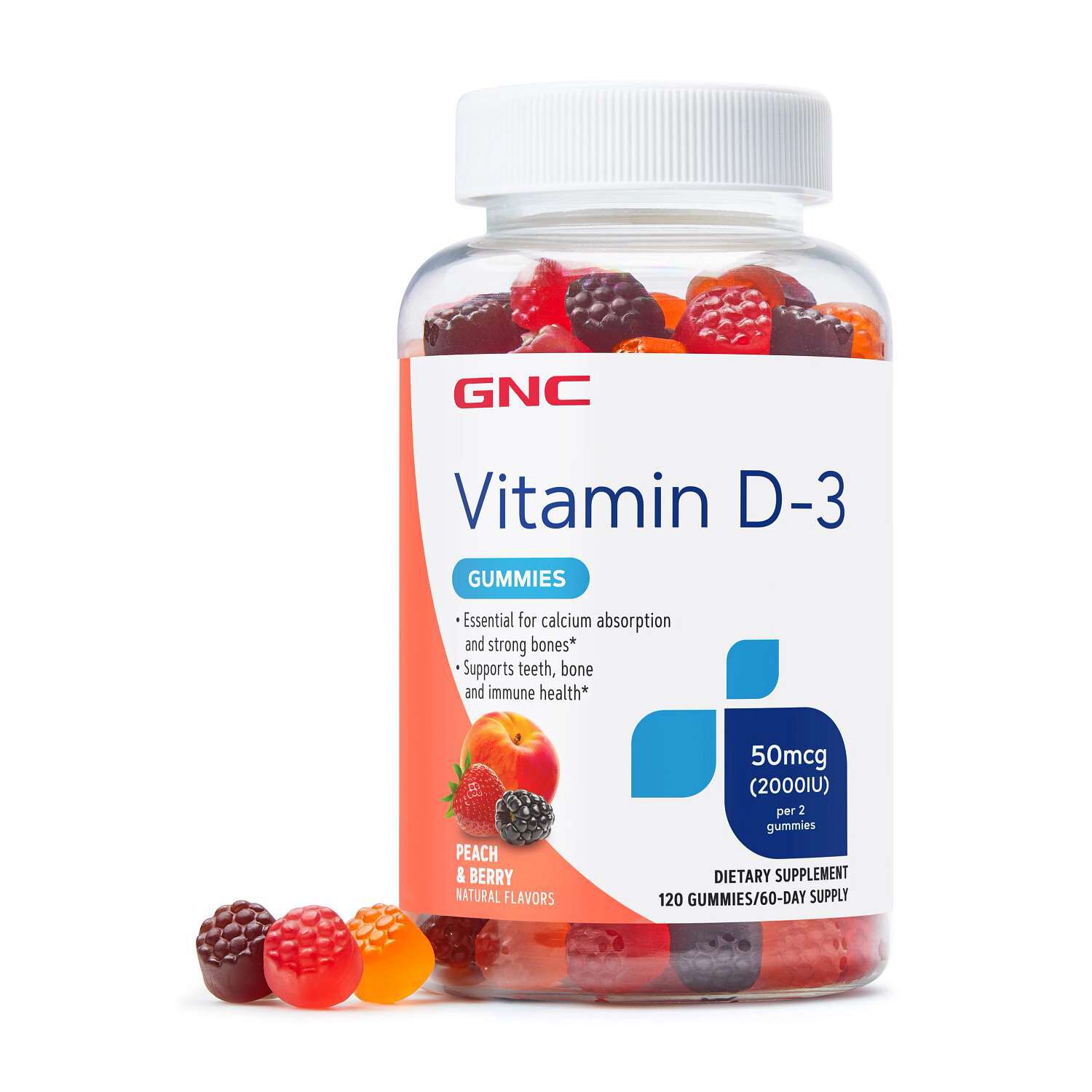
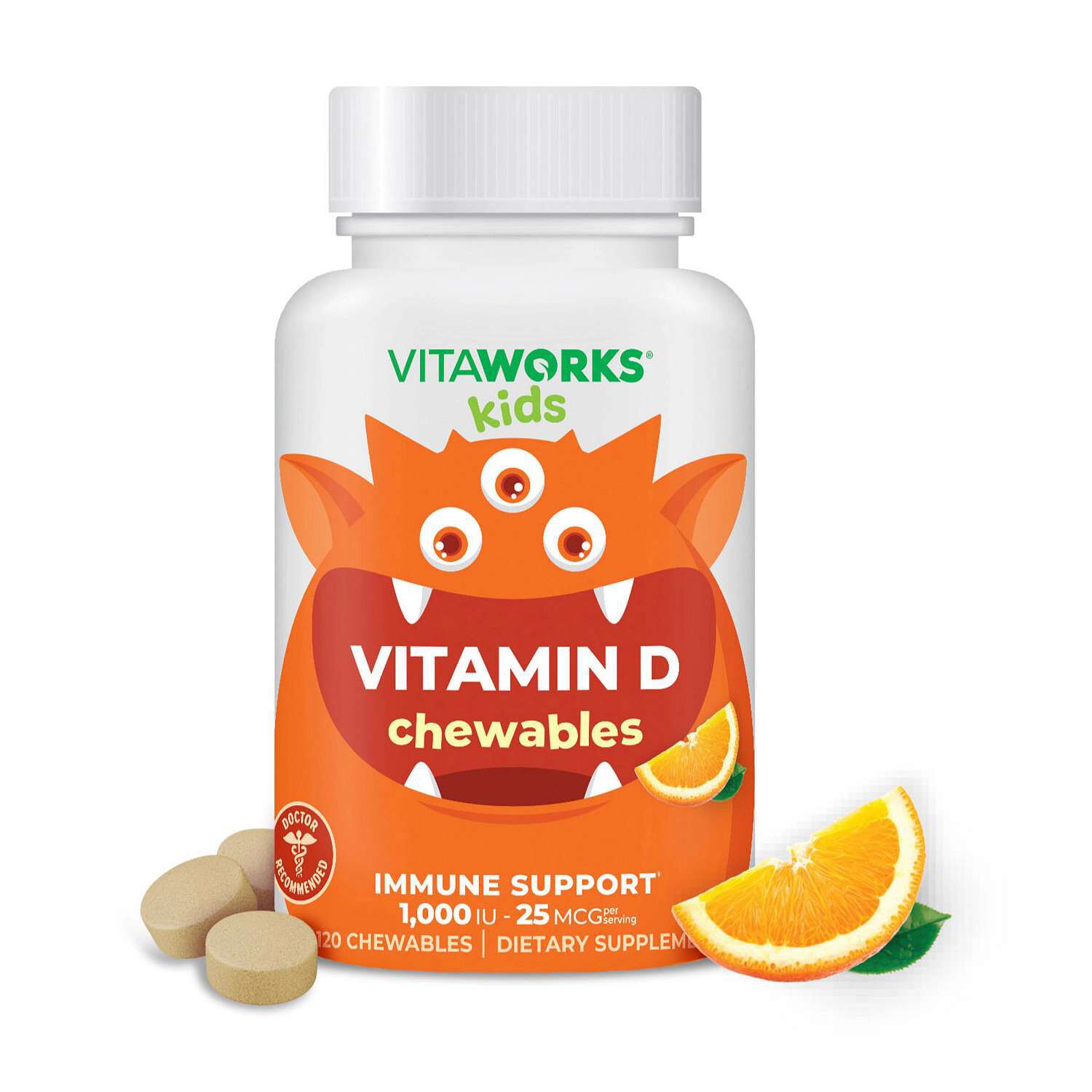
Children’s Vitamin D3 supplements offer a convenient way for families to add vitamin D3 to a child’s daily routine when dietary intake or time outdoors may not provide enough. Vitamin D3, also called cholecalciferol, is a form commonly used in children’s supplements and may support normal bone development, muscle function, and immune function as part of a balanced diet. Infants, toddlers, school-age children, and teens may have different nutritional needs, so age guidance on the label deserves close attention. Many pediatric references commonly discuss 400 IU per day for infants under 12 months and 600 IU per day for children 12 months and older when intake from food and other sources may be limited, though a child’s pediatrician can offer guidance based on individual circumstances. Families often review a supplement during the cooler months, when outdoor routines change, daylight hours grow shorter, or a child spends more time indoors. The same consideration may be useful as the weather warms, especially for children whose schedules, clothing, sunscreen use, or indoor activities limit time outside. A supplement can fit into many household routines: a caregiver might give liquid drops alongside a morning bottle or meal, while an older child may take a chewable or gummy with breakfast under adult supervision. The most suitable choice often comes down to age, serving instructions, dietary preferences, and the child’s comfort with the format. Liquid drops may suit infants and younger children because a measured serving can be given directly or added according to the product label. Chewable tablets may work well for children who can safely manage that format and follow directions with an adult nearby. Gummies may appeal to older children because of their soft texture and familiar flavor, but they should be stored and served as directed rather than treated like candy. Keeping the container out of reach between servings can help make the daily routine more orderly. Parents and caregivers may also compare the amount of vitamin D3 per serving, the suggested age range, serving size, flavor, dietary preferences, and storage instructions. Checking the Supplement Facts panel can make it easier to understand how much vitamin D3 each serving provides, particularly when a child also drinks fortified milk or uses another multivitamin. A pediatrician or qualified healthcare professional can help a family review the child’s diet and choose an appropriate routine before starting a new supplement.
Shopping for Children’s Vitamin D3 Supplement products can be especially helpful for caregivers building a simple morning or bedtime routine, grandparents putting together a practical care package, or relatives selecting a useful gift for a growing family. A thoughtful gift may include a child-friendly format that fits the household’s existing habits rather than the most colorful bottle on the shelf. For a baby, measured liquid drops may feel more natural to a caregiver who already keeps feeding supplies organized in one place. For a preschooler or grade-school child, a chewable may fit neatly into a supervised breakfast routine. Older children may prefer a gummy, although adult oversight remains important because a pleasant flavor can make it tempting to take more than the labeled serving. Reading the label before purchasing may also help families avoid selecting a product that duplicates another source of vitamin D3. Look for clear information about vitamin D3 or cholecalciferol, serving size, age guidance, and storage. If a child has a special diet, takes other supplements, or has an ongoing health concern, a pediatrician can help determine whether a vitamin D3 product fits that child’s needs. It may also be useful to keep a note of the product, serving amount, and time of day so caregivers in different households can follow the same routine. This simple habit can be particularly helpful during visits with grandparents, school breaks, travel, and the transition between outdoor summer activities and indoor fall schedules. Families comparing children’s supplements may also browse Childrens' Vitamin C when they are organizing a broader selection of age-appropriate nutritional products. Vitamin D3 supplements are not intended to replace varied meals, fortified foods, outdoor play, or guidance from a child’s healthcare professional. Instead, they may serve as one practical part of a household’s nutrition plan when the selected product, serving directions, and child’s age all align. Taking a few moments to compare formats and label details can make the final choice feel calmer and more personal, much like choosing the right lunchbox or water bottle for a child’s daily rhythm.


 Chewable Tablets_Front.jpg?sw=305&sh=305&sm=fit "ChildCalm - 60 Chewable Tablets (30 Servings) | GNC")