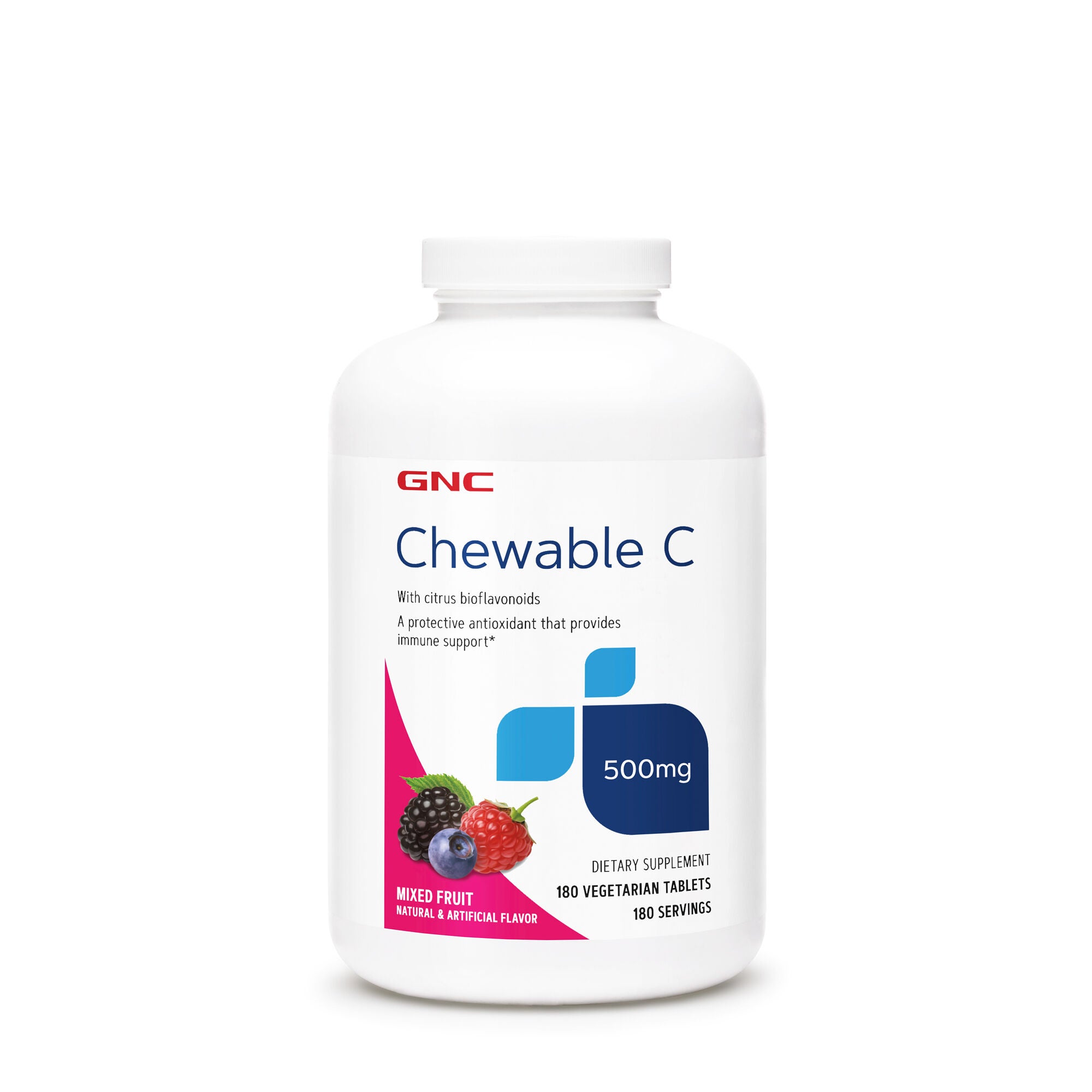
Childrens' Vitamin C
(0 Results)
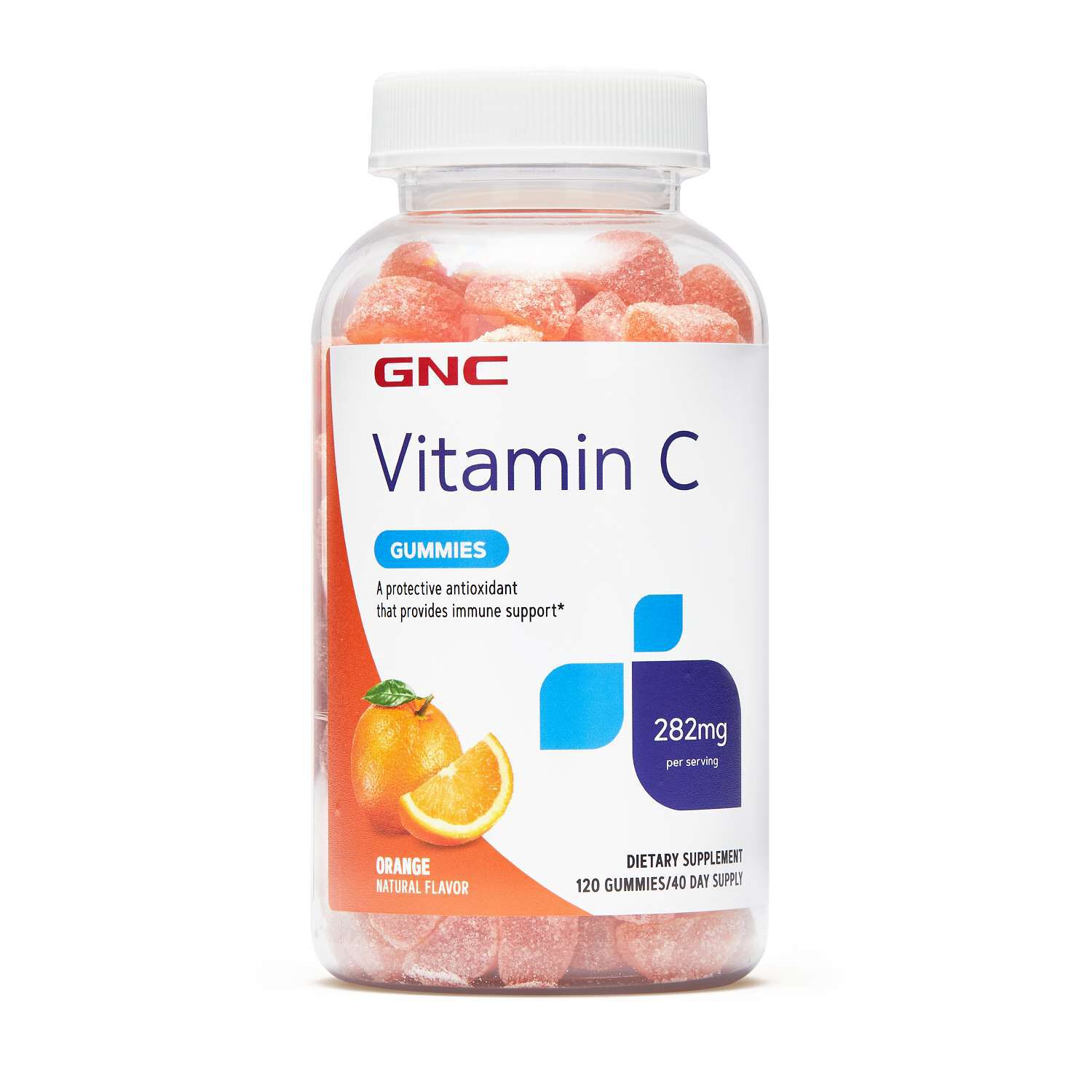
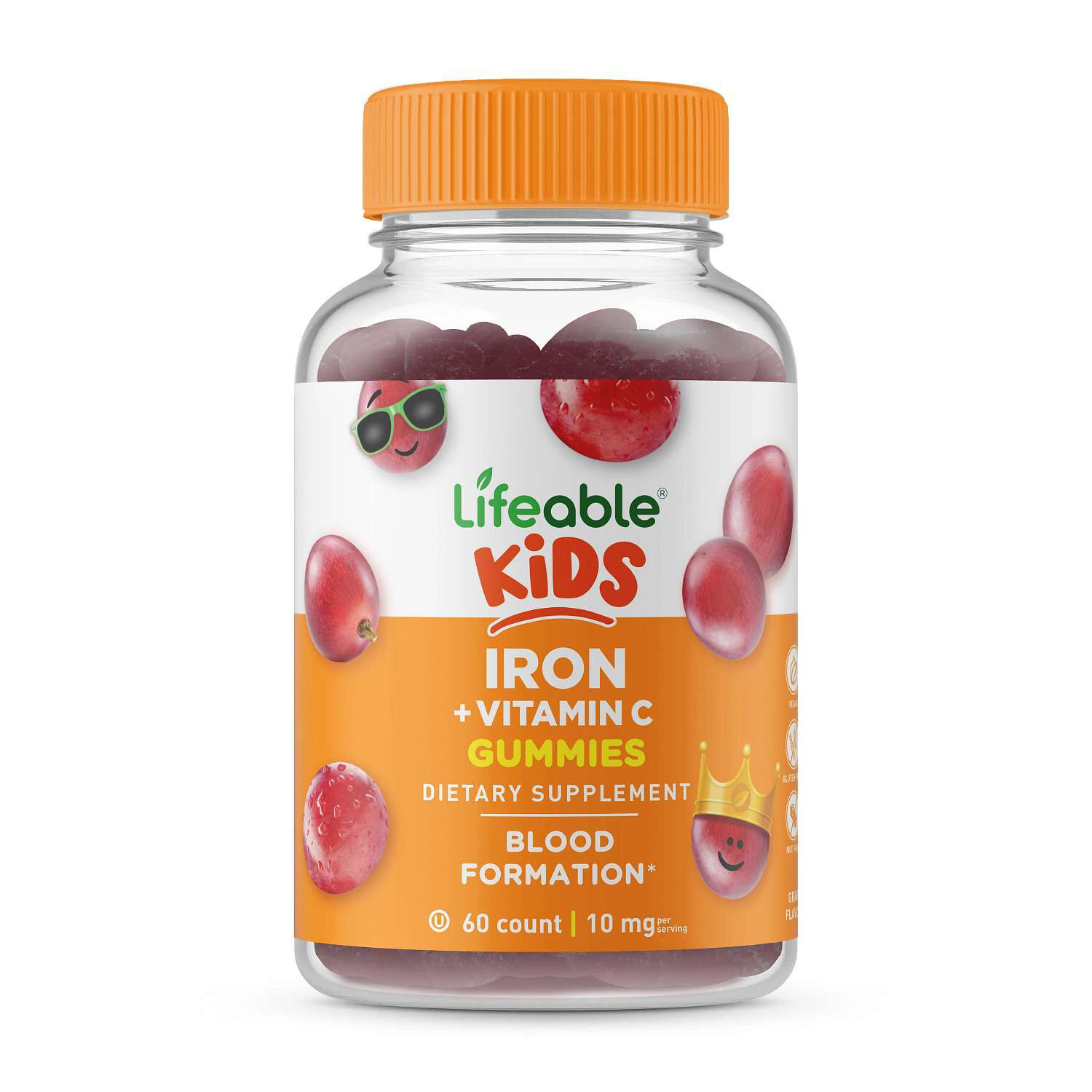
Boost your child's immune system and overall health with our selection of children's vitamin C supplements. Packed with essential nutrients and antioxidants, Vitamin C plays a crucial role in supporting your child's growth and development. Our range of children's vitamin C products is specially formulated to provide easy-to-take doses that kids will love, helping to keep them healthy and happy all year round. Browse our collection today to find a tasty and effective way to give your child's health a daily boost.
-
-
 $11.99
 -
 $14.99
 -
 $15.99
 -
 $15.99
 -
 $16.99
 -
 Orange_Front.jpg?sw=305&sh=305&sm=fit "Junior C - 180 Tablets (180 Servings) | GNC")
-
 Orange_Front.jpg?sw=305&sh=305&sm=fit "Junior C - 90 Tablets (90 Servings) | GNC")
-
 Orange_Front.jpg?sw=305&sh=305&sm=fit "Junior C - 500 Tablets (500 Servings) | GNC")
-
-
 10$17.99
 -
_Front.jpg?sw=305&sh=305&sm=fit "Junior Multi - 180 Tablets - 180 Tablets (180 Servings) | GNC")
-
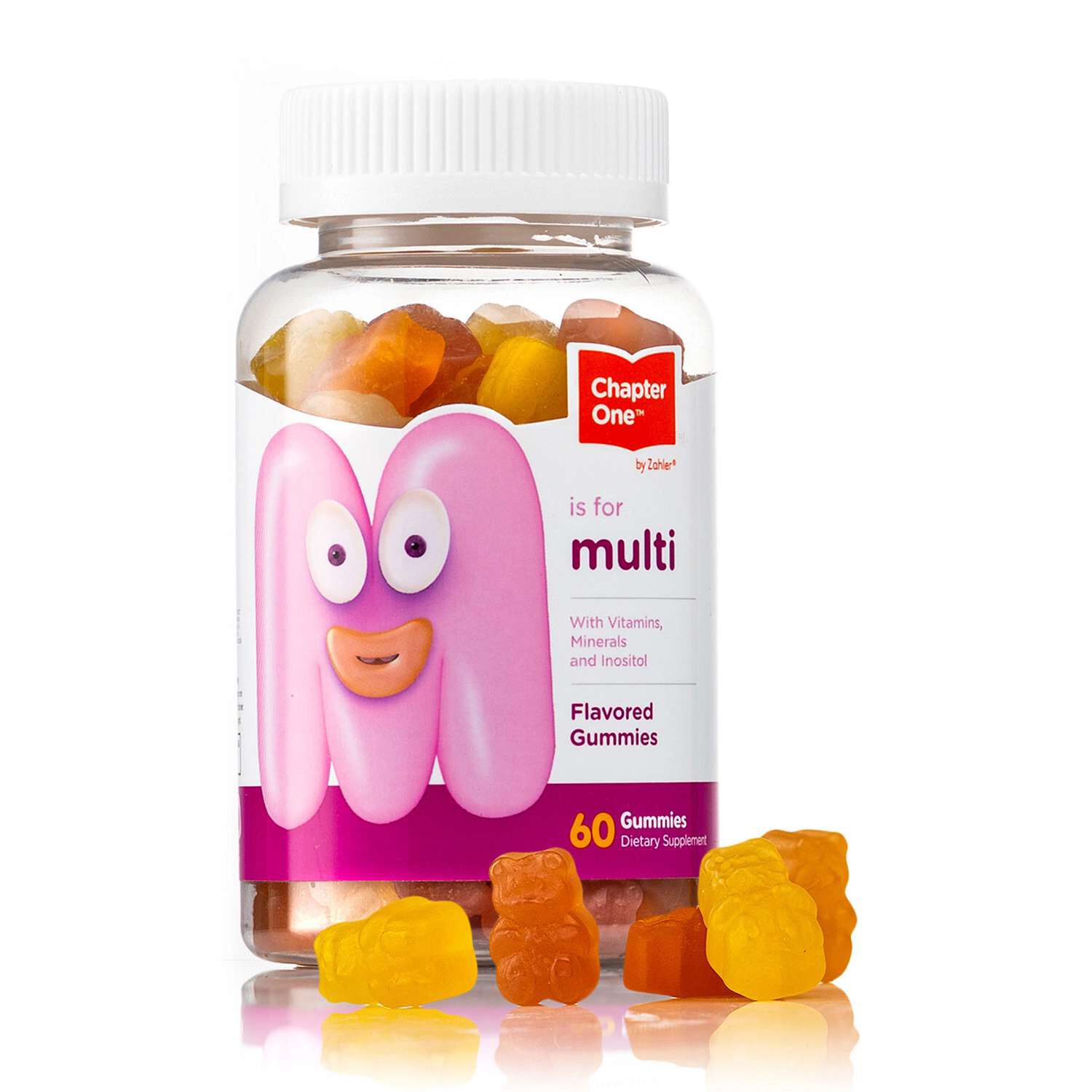
-
_Front.jpg?sw=305&sh=305&sm=fit "Junior Multi - 90 Tablets - 90 Tablets (90 Servings) | GNC")
-
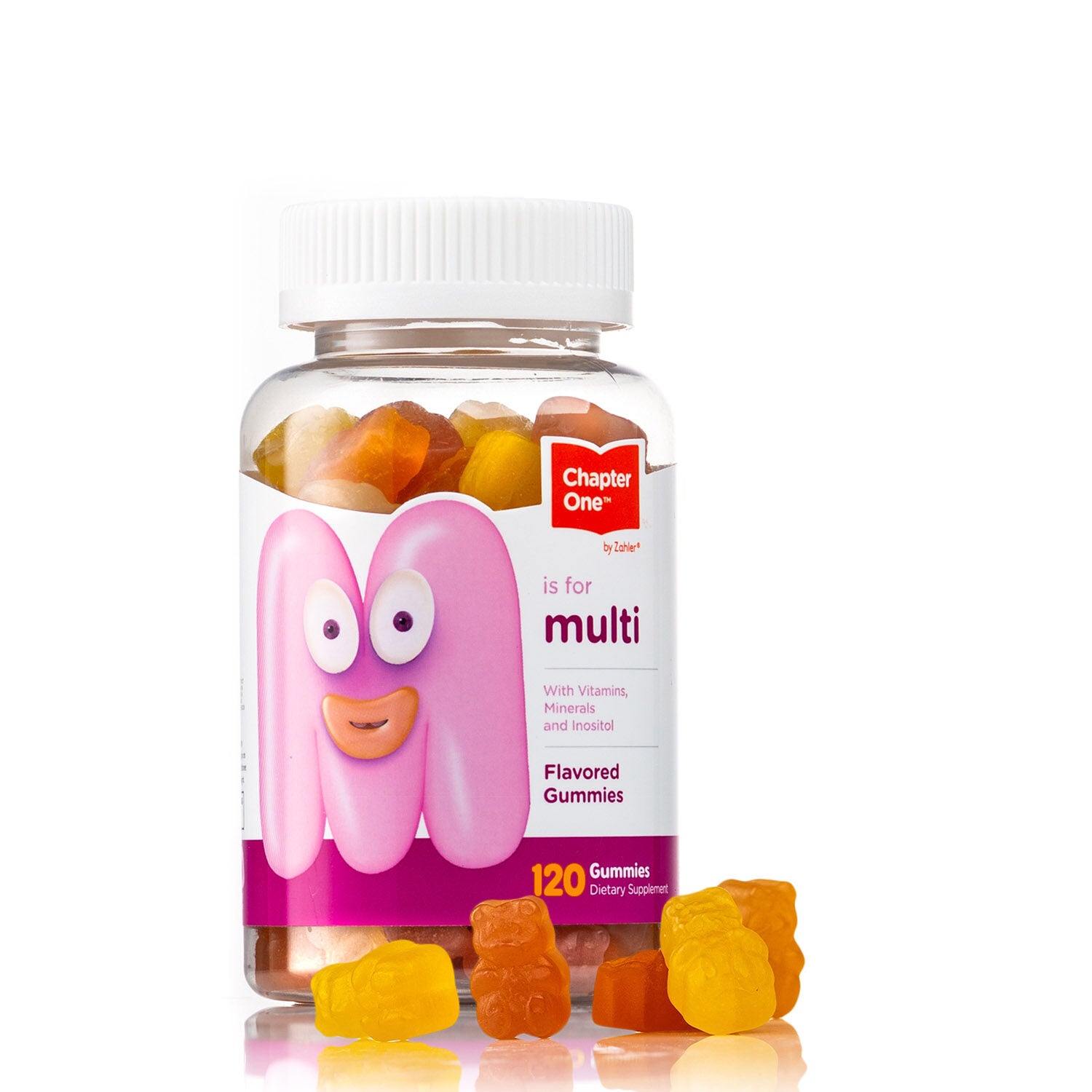

Children’s vitamin C products may offer a convenient way for families to include vitamin C in a daily routine, especially when meals vary from one day to the next. A child who happily eats strawberries one afternoon may pass on fruit the next, while a familiar orange slice, bell pepper strip, or broccoli floret may appear and disappear from the lunch plate without much notice. Food remains an important source of nutrients, and vitamin C can be found in oranges, grapefruit, lemons, strawberries, kiwifruit, cantaloupe, red and green bell peppers, broccoli, and tomatoes. Official nutrient guidance lists daily amounts that vary by age: children ages 1 to 3 need 15 milligrams, ages 4 to 8 need 25 milligrams, and ages 9 to 13 need 45 milligrams. These figures can help caregivers understand age-based nutrition references, while a pediatrician can provide guidance suited to a child’s individual diet, age, and needs before a new supplement becomes part of the routine. Children’s vitamin C products come in several formats, including gummies, chewables, liquid drops, and tablets, so the most suitable choice may depend on age, label directions, flavor preferences, and the child’s ability to use the format as intended. A liquid may fit more naturally into the routine of a younger child when directed by a caregiver, while a chewable or gummy may be easier for an older child to recognize as part of breakfast or an after-school schedule. Always read the package carefully, follow serving directions, and keep vitamins stored where young children cannot access them on their own. Because formulas and serving sizes vary, comparing the amount of vitamin C per serving can be helpful when choosing among products. Caregivers may also want to review the full ingredient list, including sweeteners, flavors, colors, and other nutrients, particularly when a child already takes another vitamin or supplement. A pediatrician or qualified health professional can help families determine whether a product fits their child’s routine.
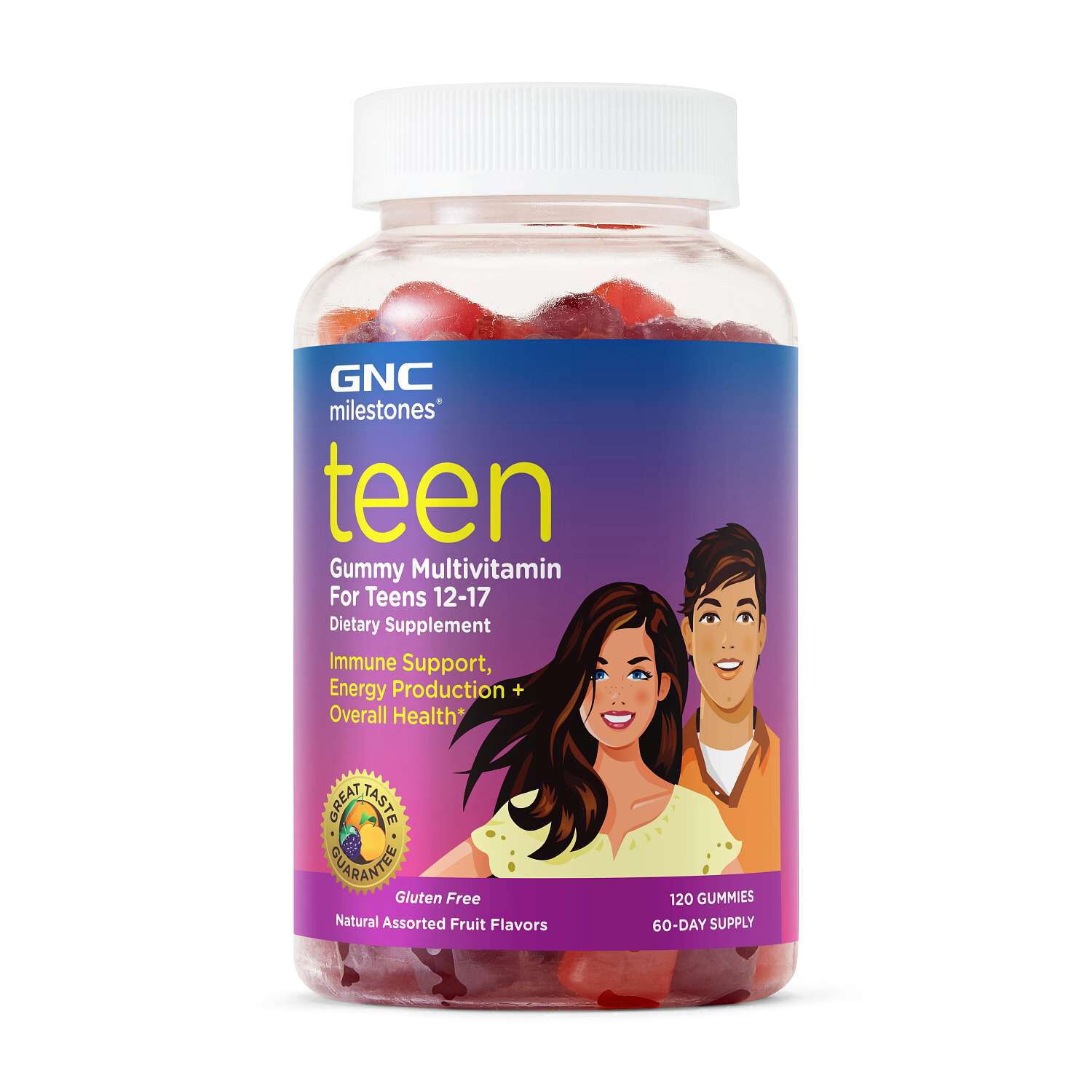
During the cooler months, a steady household rhythm can make daily routines feel simpler: a coat by the door, a packed school bag on the chair, and a familiar vitamin container placed safely alongside other caregiver-managed items. Children’s vitamin C may fit into that rhythm as an occasional gift for a growing child, a practical addition to a back-to-school care package, or a thoughtful choice for grandparents and relatives who want to give something useful rather than another toy. It may also suit families looking for an age-appropriate format when a child has changing food preferences, a busy school schedule, or limited interest in certain fruits and vegetables. Even with a supplement on hand, variety at the table remains worthwhile. Colorful produce can make meals more inviting, whether that means strawberry slices stirred into yogurt, bell pepper strips packed for a school snack, or citrus segments arranged beside breakfast. Supplements are not a substitute for meals, and most children may receive the vitamin C they need through food alone. Age matters when reviewing a product: young children’s formulas and serving directions can differ from options intended for older children, so caregivers should choose only products labeled for the child’s age group. Families shopping for younger children can also explore Young Children's Vitamins for additional age-focused options. Official reference information lists upper intake amounts of 400 milligrams per day for ages 1 to 3 and 650 milligrams per day for ages 4 to 8 from all sources, including food and supplements; these figures are not suggested serving amounts. Since a child’s diet, medications, and other supplements can vary, speaking with a pediatrician before introducing a new vitamin may help caregivers make a considered choice. With attention to age guidance, serving size, ingredients, and household routines, children’s vitamin C products may provide a simple option for families seeking convenient nutrition support throughout the changing seasons.


 Chewable Tablets_Front.jpg?sw=305&sh=305&sm=fit "ChildCalm - 60 Chewable Tablets (30 Servings) | GNC")