





Young Children's Vitamins
(0 Results)
Young children's vitamins are designed to support the nutritional needs of growing kids. With a variety of options available, parents may find choices that fit their child’s daily routine and preferences. Explore a range of formulas that could help fill potential nutrient gaps and complement a balanced diet as little ones continue to learn, play, and thrive.
-

-
 Chewable Tablets_Front.jpg?sw=305&sh=305&sm=fit "ChildCalm - 60 Chewable Tablets (30 Servings) | GNC")
-
_Front.jpg?sw=305&sh=305&sm=fit "Junior Multi - 180 Tablets - 180 Tablets (180 Servings) | GNC")
-

-

-
_Front.jpg?sw=305&sh=305&sm=fit "Junior Multi - 90 Tablets - 90 Tablets (90 Servings) | GNC")
-
 Orange_Front.jpg?sw=305&sh=305&sm=fit "Junior C - 90 Tablets (90 Servings) | GNC")
-

-
 Orange_Front.jpg?sw=305&sh=305&sm=fit "Junior C - 180 Tablets (180 Servings) | GNC")
-
-
 Orange_Front.jpg?sw=305&sh=305&sm=fit "Junior C - 500 Tablets (500 Servings) | GNC")
-

-
-
-

-

-

-

-
 10$17.99
 -
-

-

-
-
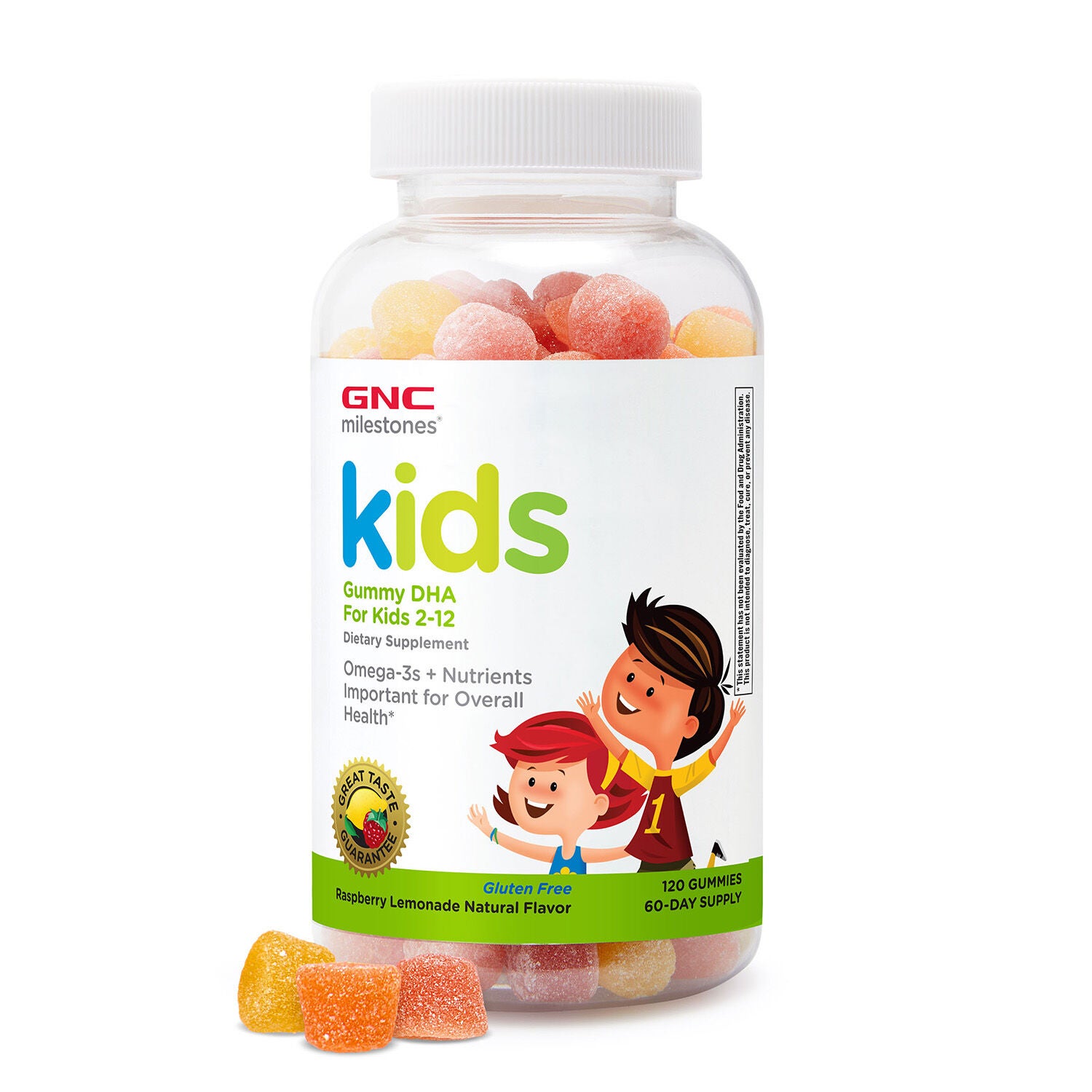
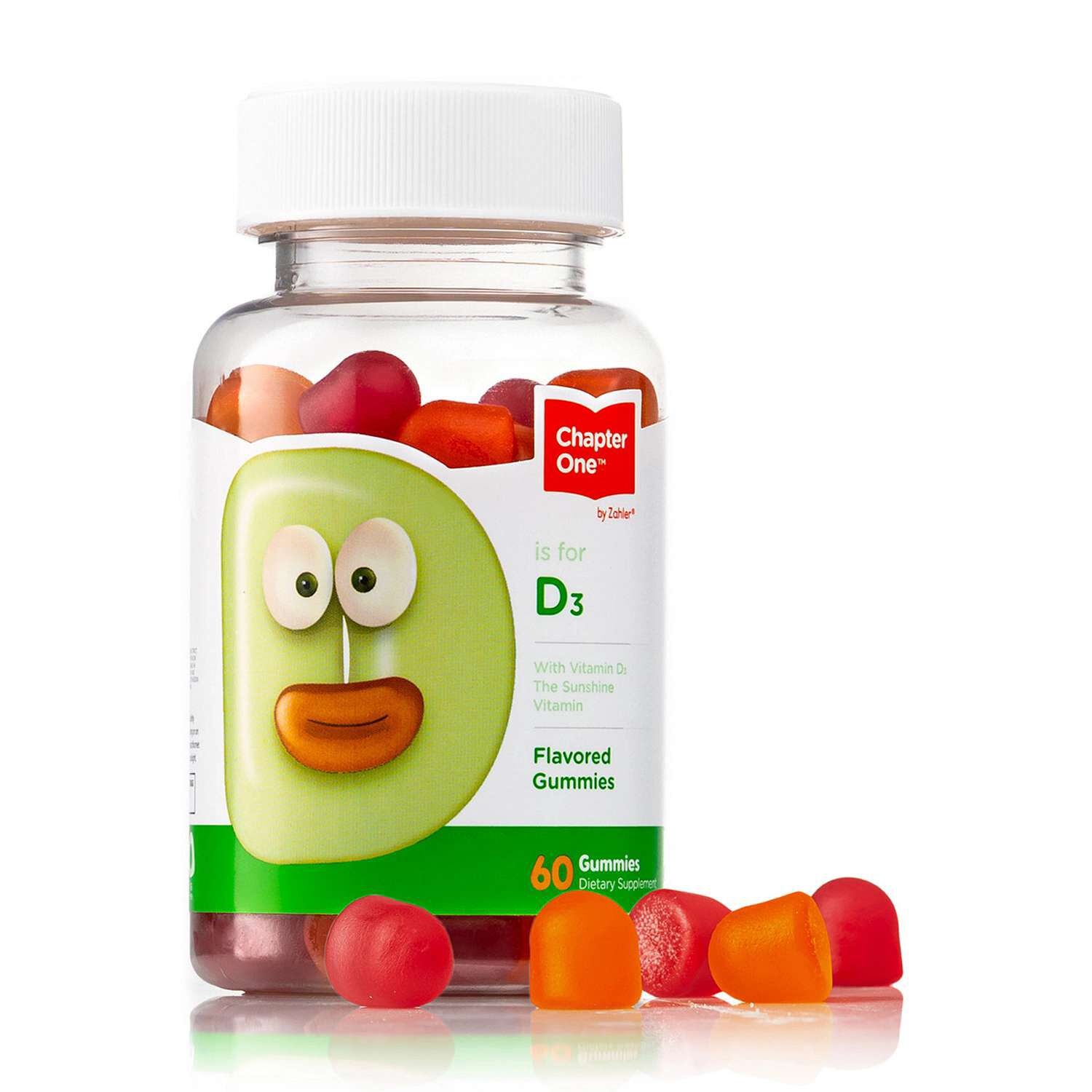
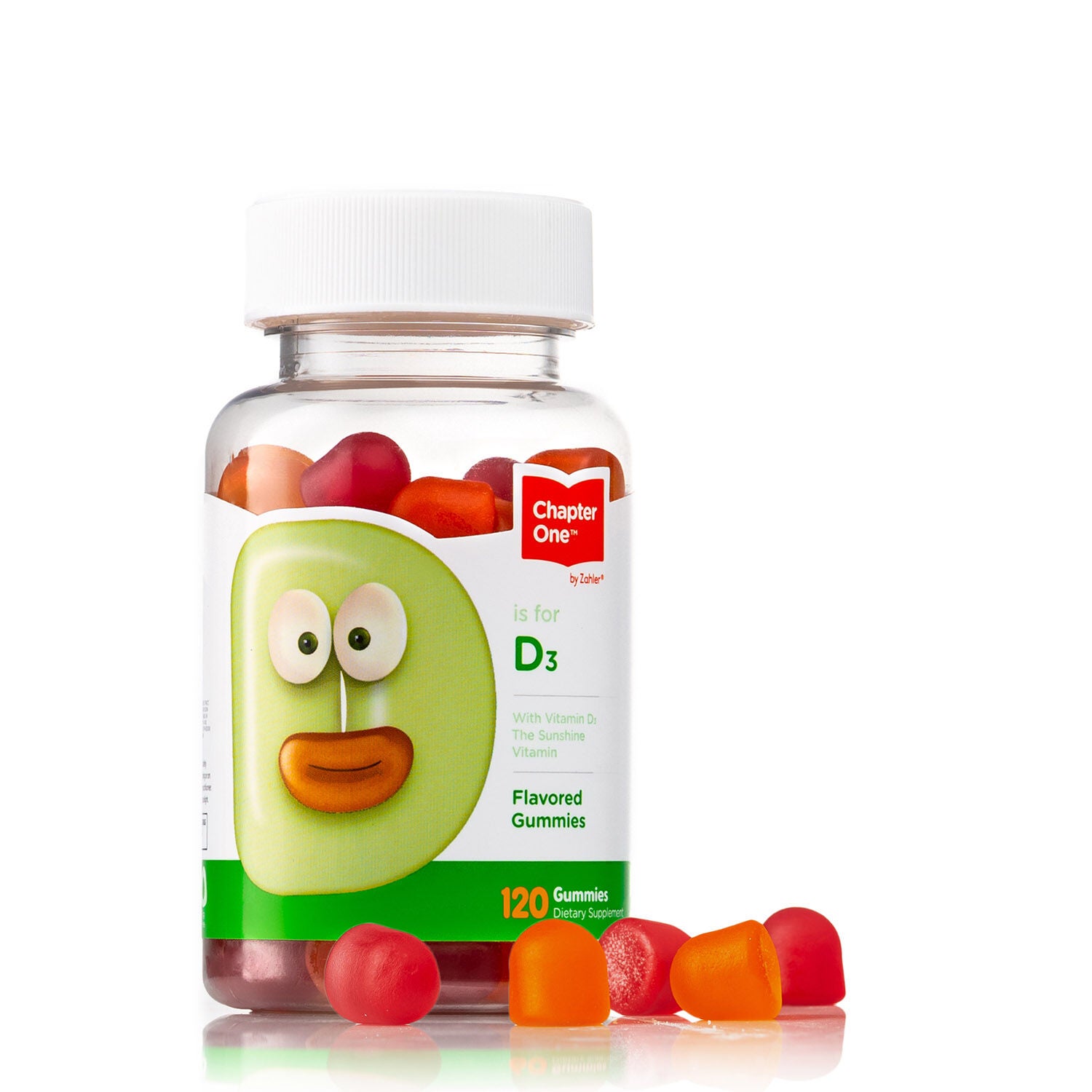
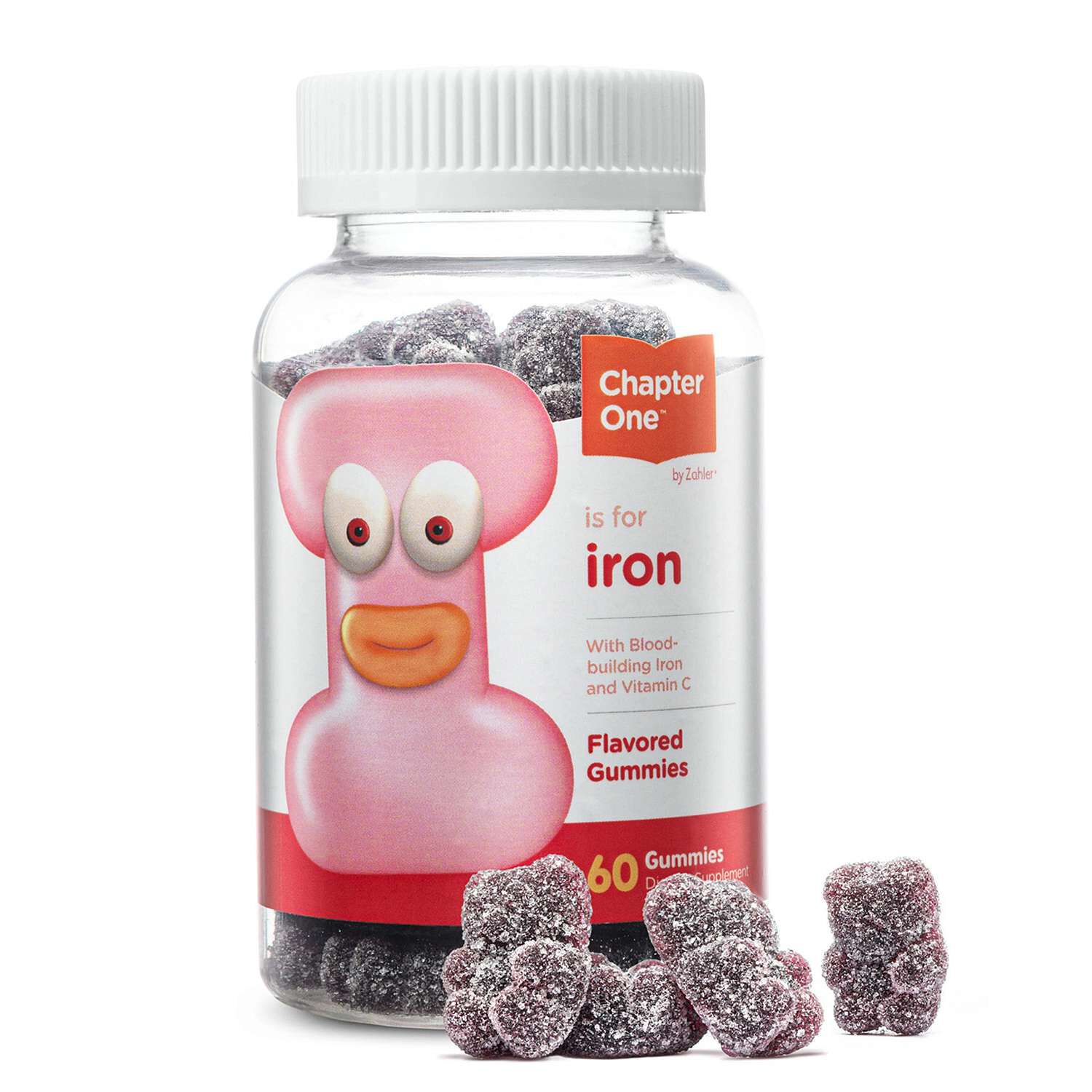
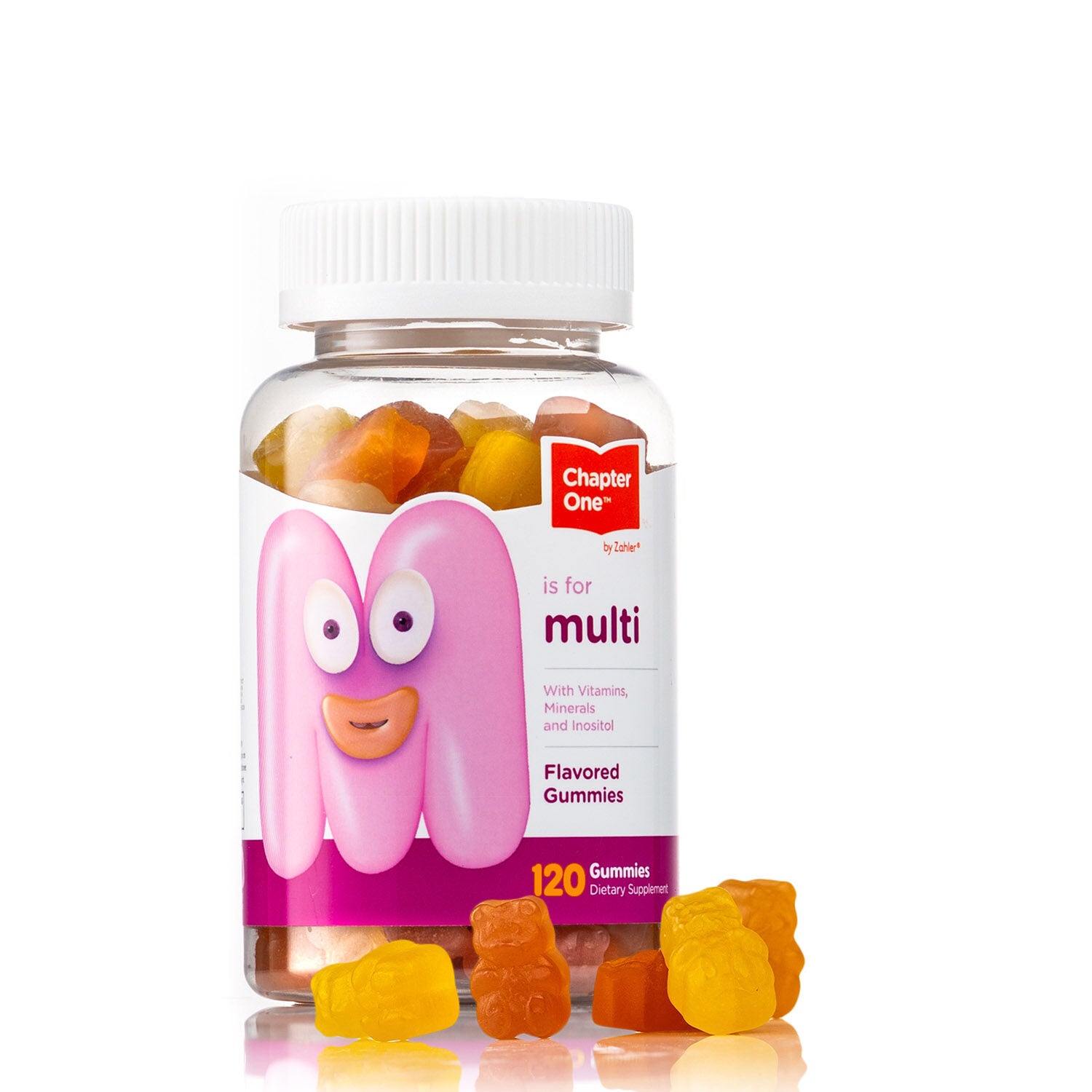
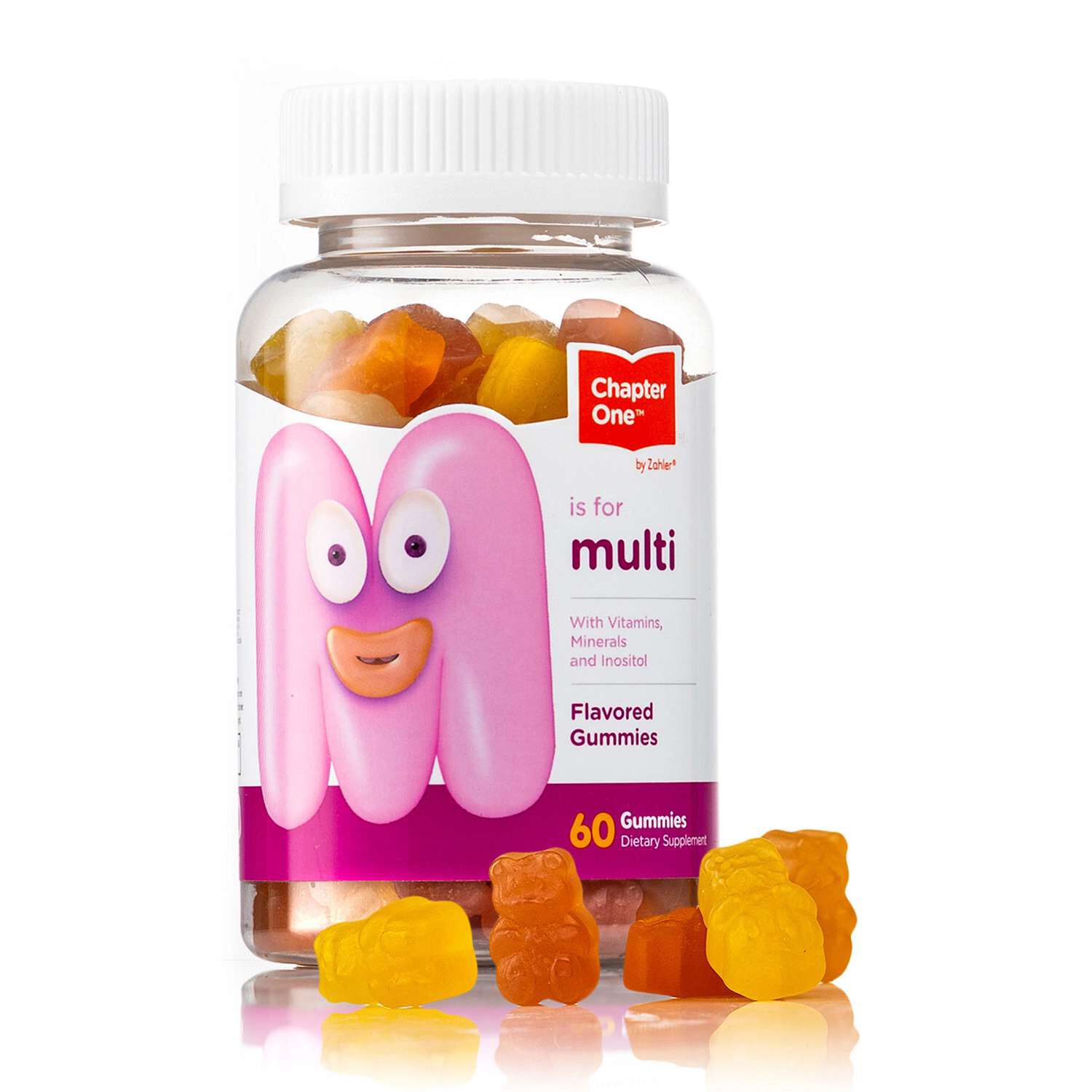
Young children’s vitamins are dietary supplements made for particular childhood age ranges, with formats such as gummies, chewable tablets, liquids, and powders. Children’s multivitamins combine several vitamins and sometimes minerals, while single-nutrient supplements focus on one vitamin or mineral. The distinction matters when comparing products: a familiar fruit flavor or colorful package says little about the nutrients inside, the intended age group, or the amount in a labeled serving. Those details appear in the age guidance, directions, ingredient list, and Supplement Facts panel. A product labeled for toddlers is not interchangeable with one intended for older children, and the broad word “kids” does not replace a stated age range. For parents and caregivers browsing young children’s vitamins, the most useful comparisons begin with those concrete details rather than the appearance of the package. Food remains the foundation of everyday nutrition; a multivitamin is not a substitute for varied meals and snacks. A breakfast plate with toast and sliced fruit, a lunchbox packed with familiar favorites, and a family dinner each belong to a broader eating pattern that a supplement label cannot describe. Selective food preferences or a household’s eating style may be reasons families explore this category, but they do not, by themselves, establish a need for supplementation. The category includes different formulations because children’s ages, family preferences, and product purposes vary. Some shoppers are comparing a broad nutrient assortment, while others are looking for a particular nutrient format. Neither a longer ingredient list nor a larger number on the front label establishes a better match. Clear age labeling, understandable serving information, and a formulation that aligns with the intended use provide a more meaningful basis for comparison. Flavor, texture, packaging, and storage requirements then add the practical details that distinguish one type of children’s vitamin from another.
Format is often the most visible difference among vitamins for young children, but each format has characteristics beyond its shape. Gummies can vary in firmness, surface coating, size, and the ingredients used to create their texture. Some use gelatin, while others use pectin; those differences may matter to families following vegetarian or vegan eating patterns. A fruit-shaped gummy does not necessarily contain the fruit pictured on the package, so flavor descriptions and ingredient information serve different purposes. Chewable tablets have another texture altogether, ranging from relatively smooth to more powdery, with sweetness and flavor that vary by formulation. Liquid vitamins involve a labeled amount measured with the supplied device or another device specified by the manufacturer. Their packaging may include a dropper, cup, or dispensing opening, and the directions explain whether shaking or refrigeration is part of product care. Powder formats have their own preparation instructions, including whether they are intended to be mixed into a particular food or drink. Mixing instructions are product-specific, not a shared rule for every children’s supplement. For a caregiver picturing a familiar breakfast setting, these details make the comparison tangible: opening a bottle, measuring a liquid, or preparing a powder involves different steps. A convenient-looking format still needs to correspond with the labeled age and use directions. Serving size deserves the same attention as texture. One piece, one dropper, and one packet are not universal serving measures, and servings per container are different from the number of pieces inside. Ingredient lists also distinguish sweeteners, colors, flavorings, and texture ingredients from the vitamins and minerals listed in the Supplement Facts panel. Allergen statements and clearly stated dietary attributes provide additional context for households with ingredient preferences or restrictions. Terms such as “natural flavor” describe only part of a formula; they do not explain its nutrient content, age suitability, or every ingredient used.
Comparing nutrient content brings the focus back to what the supplement is designed to contain. Children’s multivitamins may include combinations of vitamins A, C, D, E, and B vitamins, with mineral content varying by formulation. Not every multivitamin includes the same nutrients, and a product’s format alone does not reveal what is inside. The amount per serving, units of measurement, and age-specific label information offer a clearer picture than a front-panel list of selected ingredients. For families browsing a single-nutrient category alongside multivitamins, children’s vitamin C provides a narrower product focus; a dedicated nutrient category is distinct from a recommendation to use it with another supplement. Different children’s supplements can contain overlapping ingredients, which makes the individual labels important even when the packages describe different purposes. Beyond formulation, packaging and care are part of a thoughtful comparison. Bottle closures, inner seals, expiration dates, and storage directions describe how a product is presented and maintained over time. Some liquids have specific instructions after opening, while gummies, tablets, and powders may have directions concerning moisture, light, or the original container. These requirements vary, so a bathroom shelf, kitchen cabinet, or travel bag cannot be assumed to suit every formula. Original packaging keeps the directions, ingredient information, and identifying details together, which is especially useful when more than one adult shares caregiving responsibilities. Children’s vitamins are supplements rather than candy, regardless of their colors, shapes, or flavors, and storage out of children’s reach remains an important distinction. A child-resistant closure is a packaging feature, not a reason to leave a container accessible. The practical appeal of a children’s vitamin comes from more than a cheerful label: readable information, a clearly defined age range, transparent ingredients, and manageable preparation requirements all deserve consideration. Together, those details give parents and caregivers a grounded way to compare young children’s vitamins while keeping the purpose and limitations of dietary supplements in view.
Best Sellers


Related Pages


Top Collections
- Daily Collagen Supplements | Top Brands & Deals | GNC
- Natural Collagen Supplements | Top Brands & Deals | GNC
- Top Rated Collagen | Shop Customer Favorites | GNC
- Cortisol Supplements
- Vitamins For Hair Loss
- Spirulina Tablets
- NAD+ Supplement Tablets
- Peptide Supplements
- Best Brand of Magnesium Glycinate
- Vitamins That Help Support Weight Gain