





Children's Growth Support Vitamins And Supplements
(0 Results)
Children’s growth support vitamins are designed to help fill potential nutritional gaps in your child’s daily routine. With a wide variety of options available, these vitamins may provide essential nutrients that support kids as they grow and develop. Explore formulas created with little ones in mind, offering convenient ways to help support their overall wellness every day. Find children’s growth support vitamins that suit your family’s needs and help you feel confident about your child’s nutritional foundation.
-
_Front.jpg?sw=305&sh=305&sm=fit "Junior Multi - 180 Tablets - 180 Tablets (180 Servings) | GNC")
-
_Front.jpg?sw=305&sh=305&sm=fit "Junior Multi - 90 Tablets - 90 Tablets (90 Servings) | GNC")
-

-
 $16.99
 -
-
 $15.99
 -
 10$17.99
 -
-
 $17.99
 -
 $15.99
 -
 $14.99
 -
 $15.99
 -
-
-
 $15.99
 -
-

-
 $14.99
 -
 $24.99
 -
-


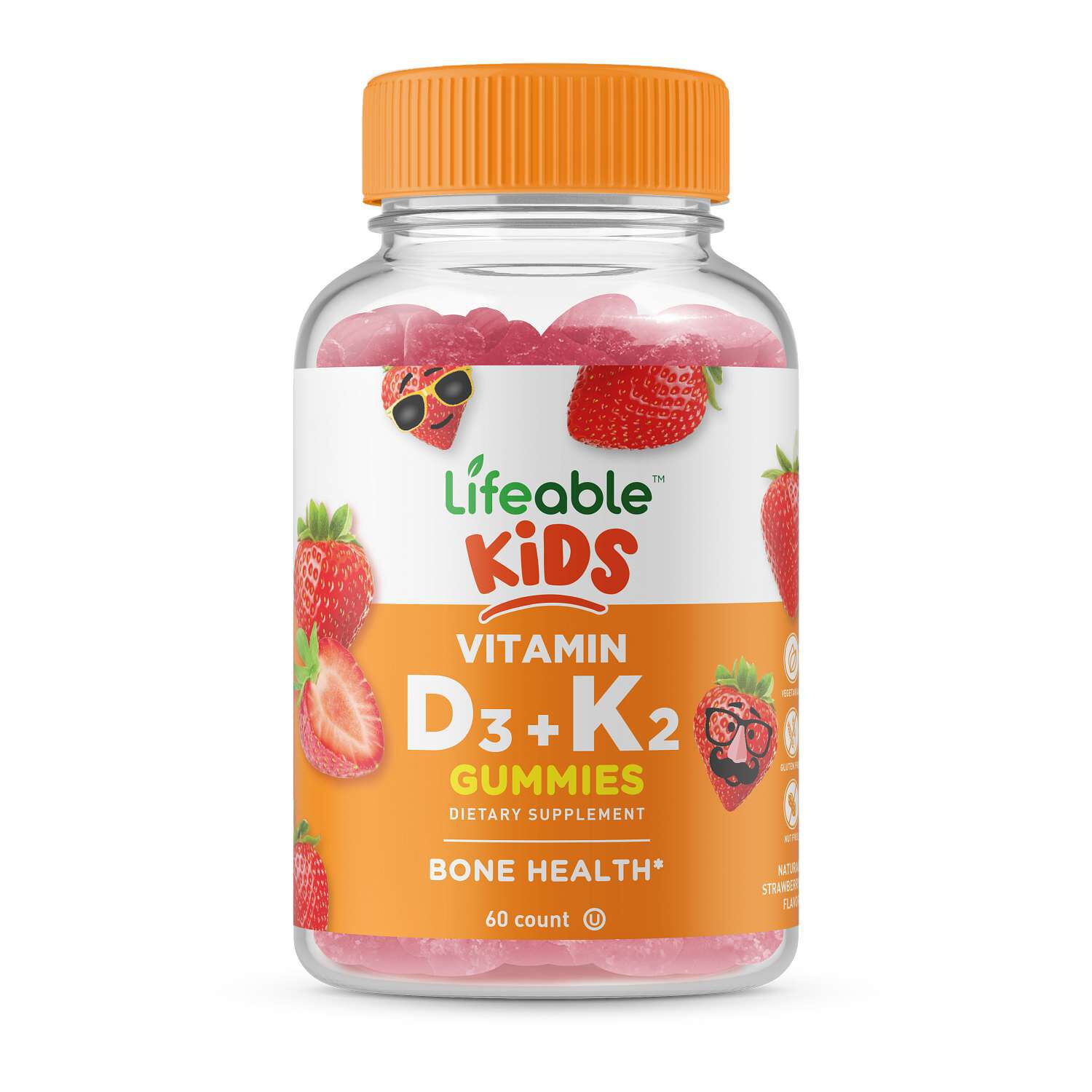

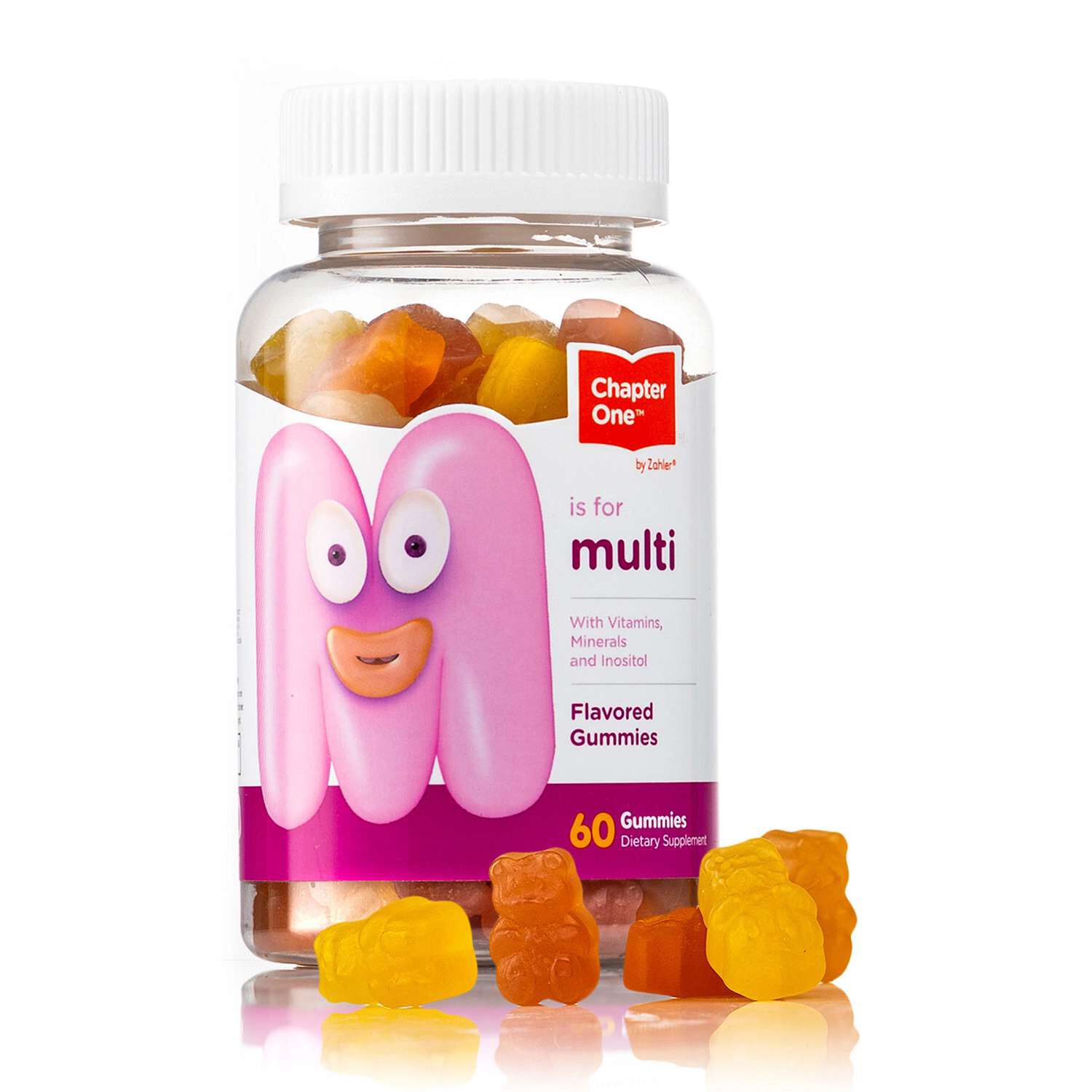
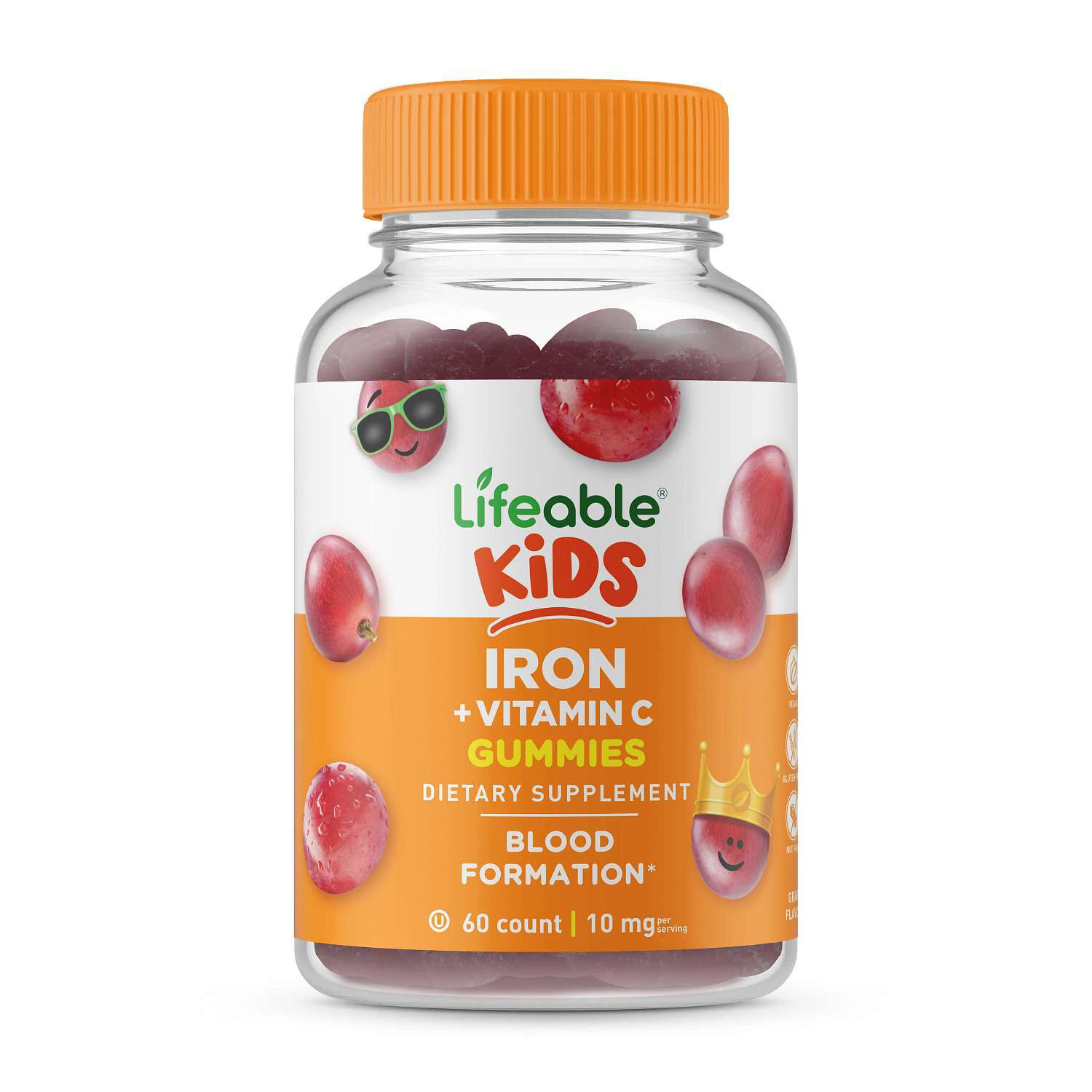
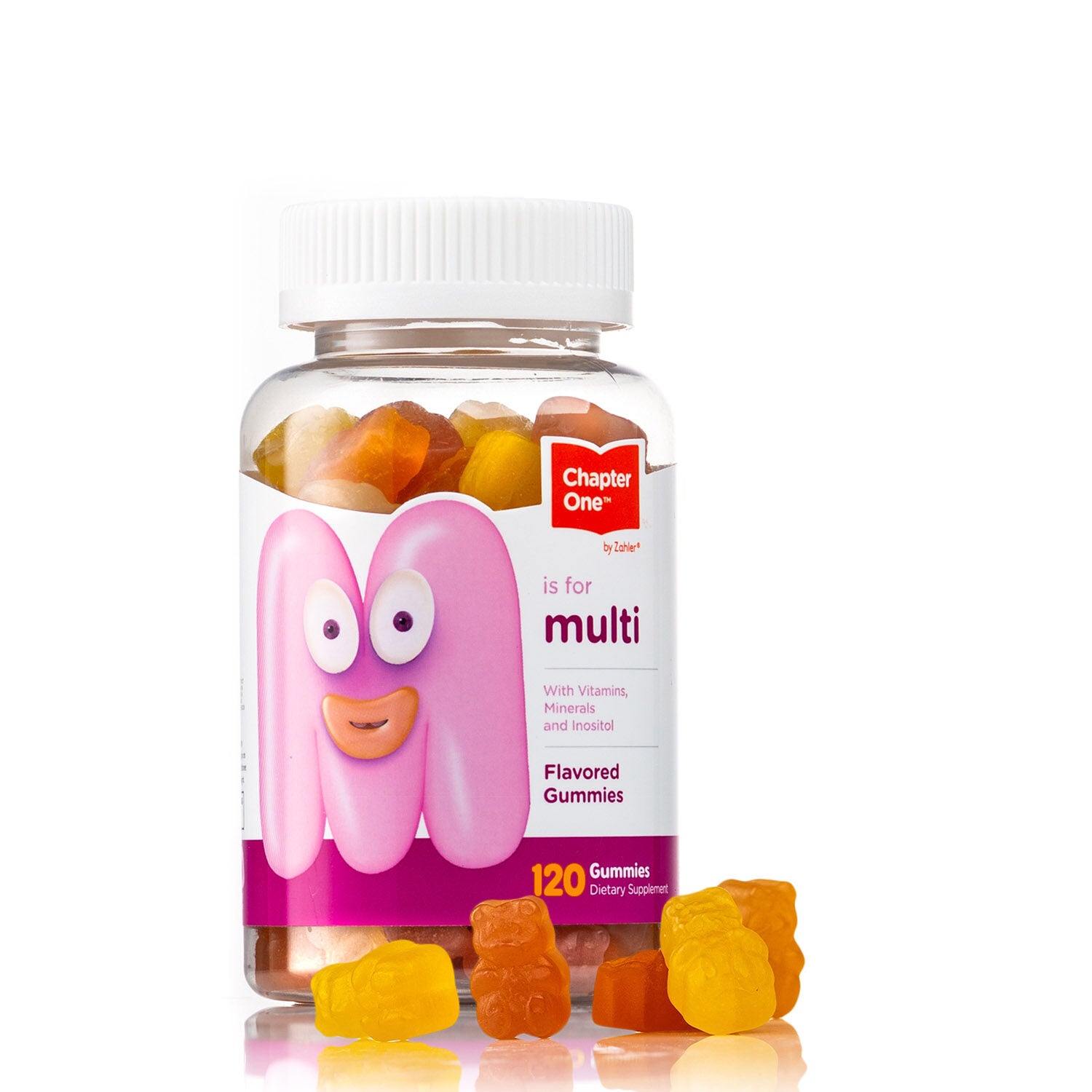
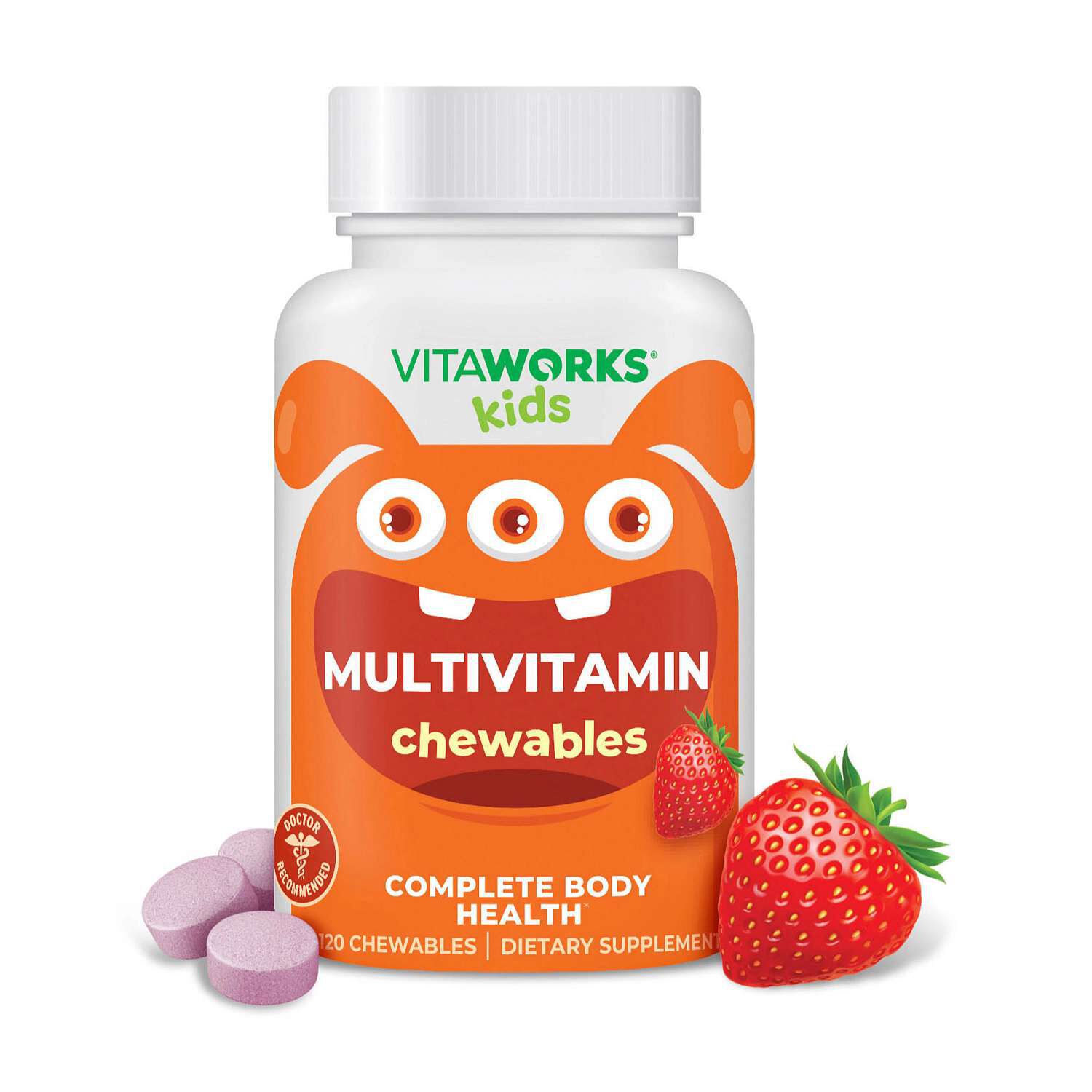
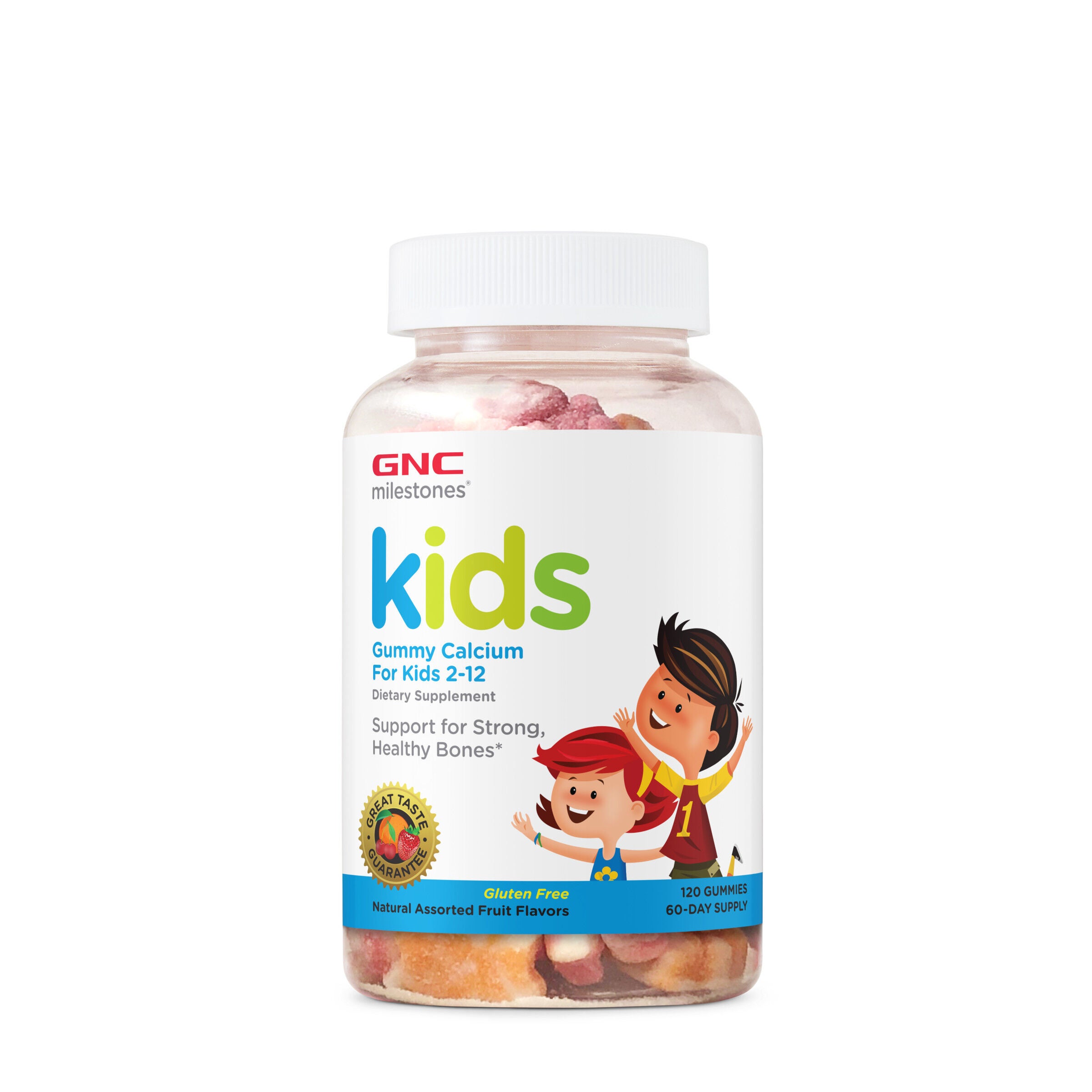
Children’s growth support vitamins and supplements bring together age-labeled nutritional formulas in formats designed for younger users, from chewable tablets and gummies to liquids and powders. These products may complement everyday nutrient intake as part of a varied eating pattern, but the category name is not a prediction of future height or a timetable for physical development. Children grow at different rates, and shopping for a supplement is different from measuring that progress. A useful starting point is the product’s intended age range, ingredient list, and serving information rather than a name or colorful package alone. Formulas in this category can include calcium, vitamin D3, zinc, vitamin K2, and B vitamins, either in combinations or in more focused nutrient selections. Calcium and vitamin D are common ingredients in products positioned around children’s bone nutrition, while broader multivitamin formulas can contain a wider assortment of vitamins and minerals. The distinction matters when comparing products: a fruit-flavored gummy with a short ingredient panel is not necessarily interchangeable with a chewable multivitamin or a powdered nutritional blend. Parents and caregivers may be browsing for a child whose lunches come home half eaten, whose preferred foods change often, or whose daily schedule moves quickly between school, activities, and dinner. Those familiar situations provide context for shopping, but they do not establish an individual child’s nutritional needs. Food remains central to everyday nourishment, with meals and snacks offering a mix of nutrients, textures, and flavors that a supplement does not reproduce. Milk or fortified alternatives, yogurt, beans, eggs, fish, vegetables, and other foods contribute different nutrients depending on the choices a family makes. Within that larger picture, children’s growth support supplements may offer a convenient way to supplement particular nutrients without turning an ordinary routine into an elaborate project. Clear labeling and a format that fits the household are more useful comparison points than dramatic language about growth.
The details on a supplement label help distinguish products that otherwise look similar on the shelf. An age designation identifies the intended audience, while the Supplement Facts panel lists the serving size and the amounts of declared nutrients. A serving can consist of more than one piece, so the amount in a single gummy or tablet is not always the amount shown for a serving. Liquid and powder labels also specify a measured quantity, making the included measuring accessory or stated preparation method part of the product’s practical design. For calcium, a comparison can include the amount per serving and the accompanying ingredients; for vitamin D, the label identifies the form and quantity. Some combinations also include vitamin K2, zinc, or B vitamins, but ingredient variety alone does not establish how appropriate a formula is for a particular child. Products with overlapping ingredients deserve close attention during comparison, especially when a household already uses a children’s multivitamin or a fortified nutritional drink. That is a labeling consideration rather than a reason to assemble a larger assortment. Shoppers interested in a more focused category can also explore Child Bone Health Supplements and compare the stated age ranges, nutrient combinations, and serving formats. Beyond the featured vitamins and minerals, the other ingredients list can identify sweeteners, colors, flavors, gelatin, pectin, and additional components that shape the finished product. Dietary preferences and ingredient exclusions are best evaluated through the actual package information rather than assumptions based on a fruit image or a familiar flavor name. Allergen statements and manufacturing disclosures, when provided, offer further product-specific detail. A vegetarian preference, for example, can make the source of a gummy’s gelling ingredient relevant. Families comparing sweetened formats may also want to look at the declared sugar content per serving. These concrete differences create a clearer picture of what is in the container and how each option compares with another, without relying on broad front-label descriptions.
Format, texture, packaging, and storage also influence how a children’s supplement fits into everyday life. A chewable tablet can have a firmer texture than a gummy, while a liquid introduces a measured serving and the possibility of drips around a bottle opening. Powders bring their own preparation details, including the specified serving utensil and any label directions for mixing. Flavors described as berry, citrus, or tropical can vary considerably in sweetness and finish, and a familiar flavor name does not mean every child will enjoy it. For a caregiver managing breakfast dishes, lunch containers, and a school departure, straightforward preparation can matter as much as the appearance of the package. The relevant fit is practical: the product’s labeled age range, serving format, preparation requirements, and compatibility with household food preferences. Packaging deserves attention, too. A clearly printed label, readable date information, and a closure designed for repeated use are useful features to compare. Unlike a reusable household accessory, a supplement has a labeled shelf life and storage requirements rather than a conventional measure of durability. Heat, moisture, and prolonged exposure to unsuitable conditions can affect product quality, so the package’s storage directions are part of understanding the purchase. Some liquids have additional instructions after opening, while gummies, tablets, and powders can have different requirements for keeping the container closed and dry. The original packaging also keeps the ingredient details, serving directions, and identifying information together for reference. During the cooler months, family schedules may include more indoor activities, packed lunches, and weekends away, but a change in the calendar alone does not define a child’s supplement needs. These products are generally a parent or caregiver purchase rather than a casual surprise gift, since age suitability and ingredient preferences are personal to the household. A thoughtful comparison stays grounded in those details: what the formula contains, who it is labeled for, how it is prepared, and what care the package requires. Children’s growth support vitamins and supplements may complement a family’s approach to everyday nutrition, with the most relevant distinctions found in clear product information rather than ambitious claims about results.
Best Sellers


 Chewable Tablets_Front.jpg?sw=305&sh=305&sm=fit "ChildCalm - 60 Chewable Tablets (30 Servings) | GNC")

Related Pages

Top Collections
- Daily Collagen Supplements | Top Brands & Deals | GNC
- Natural Collagen Supplements | Top Brands & Deals | GNC
- Top Rated Collagen | Shop Customer Favorites | GNC
- Cortisol Supplements
- Vitamins For Hair Loss
- Spirulina Tablets
- NAD+ Supplement Tablets
- Peptide Supplements
- Best Brand of Magnesium Glycinate
- Vitamins That Help Support Weight Gain