





Childrens Fall Vitamins
(0 Results)
As the seasons change and the leaves begin to fall, it's important to support your child's health with the right nutrients. Childrens fall vitamins may help provide the extra support needed during this time of year. These specially formulated vitamins could be an excellent addition to your child's daily routine, ensuring they receive vital nutrients that might be lacking in their diet. Explore a range of childrens fall vitamins designed to keep your little ones feeling their best as they enjoy all the fun activities that autumn has to offer.
-

-
 10$17.99
-

-
 $17.99
-
-
-

-
_Front.jpg?sw=305&sh=305&sm=fit "Junior Multi - 90 Tablets - 90 Tablets (90 Servings) | GNC")
-
 $15.99
-
 $13.99
-
 $14.99
-

-
 Orange_Front.jpg?sw=305&sh=305&sm=fit "Junior C - 500 Tablets (500 Servings) | GNC")
-
 Orange_Front.jpg?sw=305&sh=305&sm=fit "Junior C - 180 Tablets (180 Servings) | GNC")
-
 $14.99
-

-
 $11.99
-
 Orange_Front.jpg?sw=305&sh=305&sm=fit "Junior C - 90 Tablets (90 Servings) | GNC")
-

-
 $20.99
-
 $15.99
-
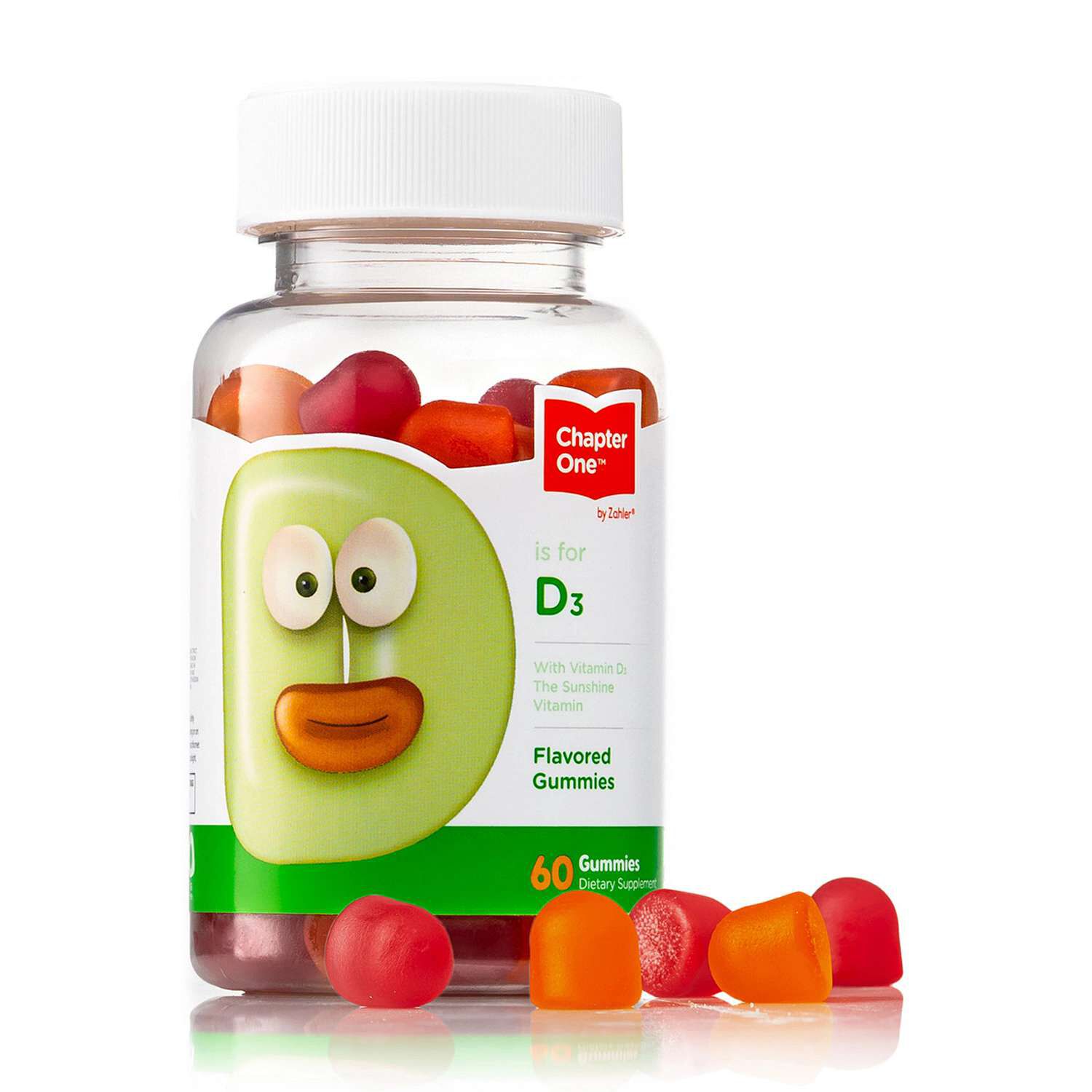

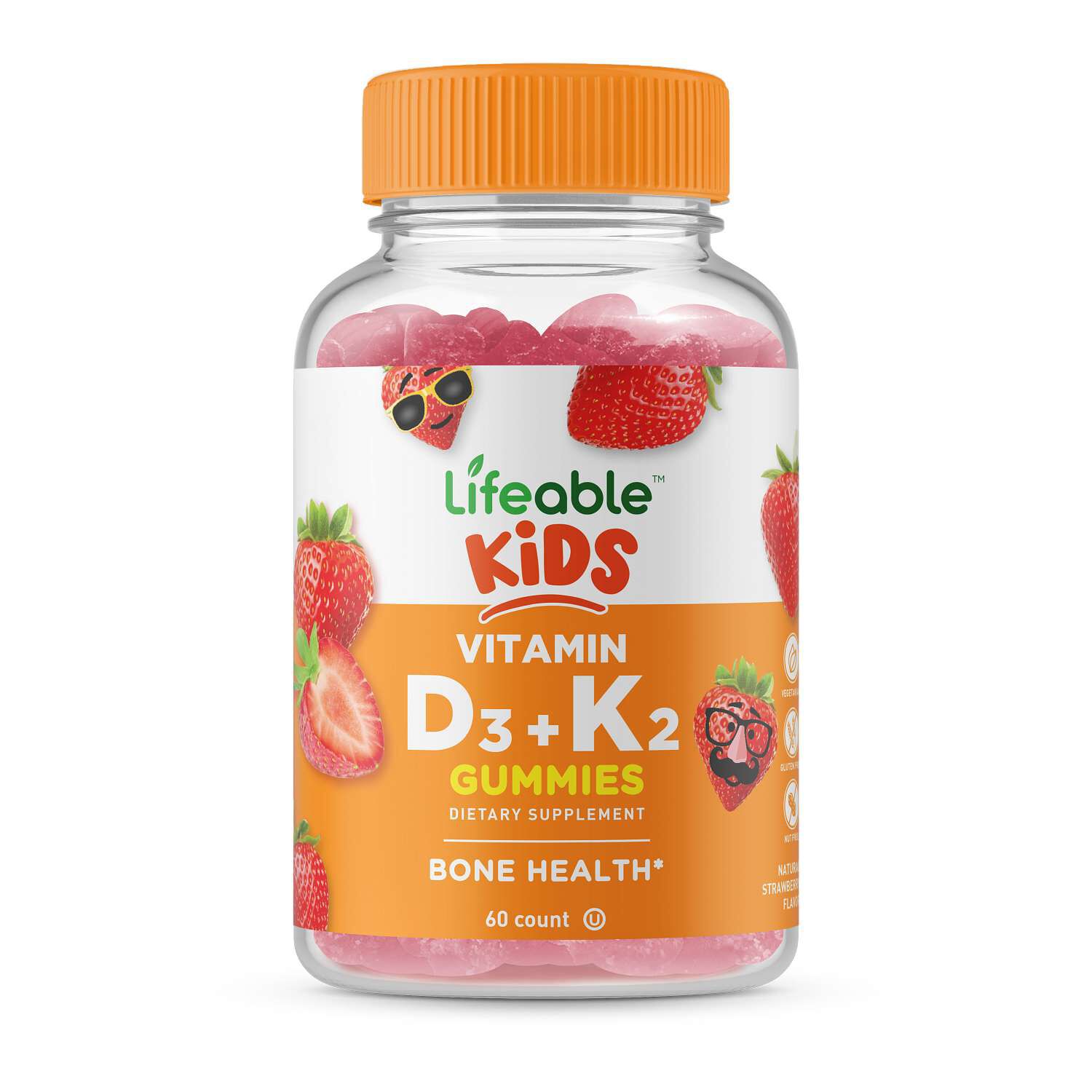
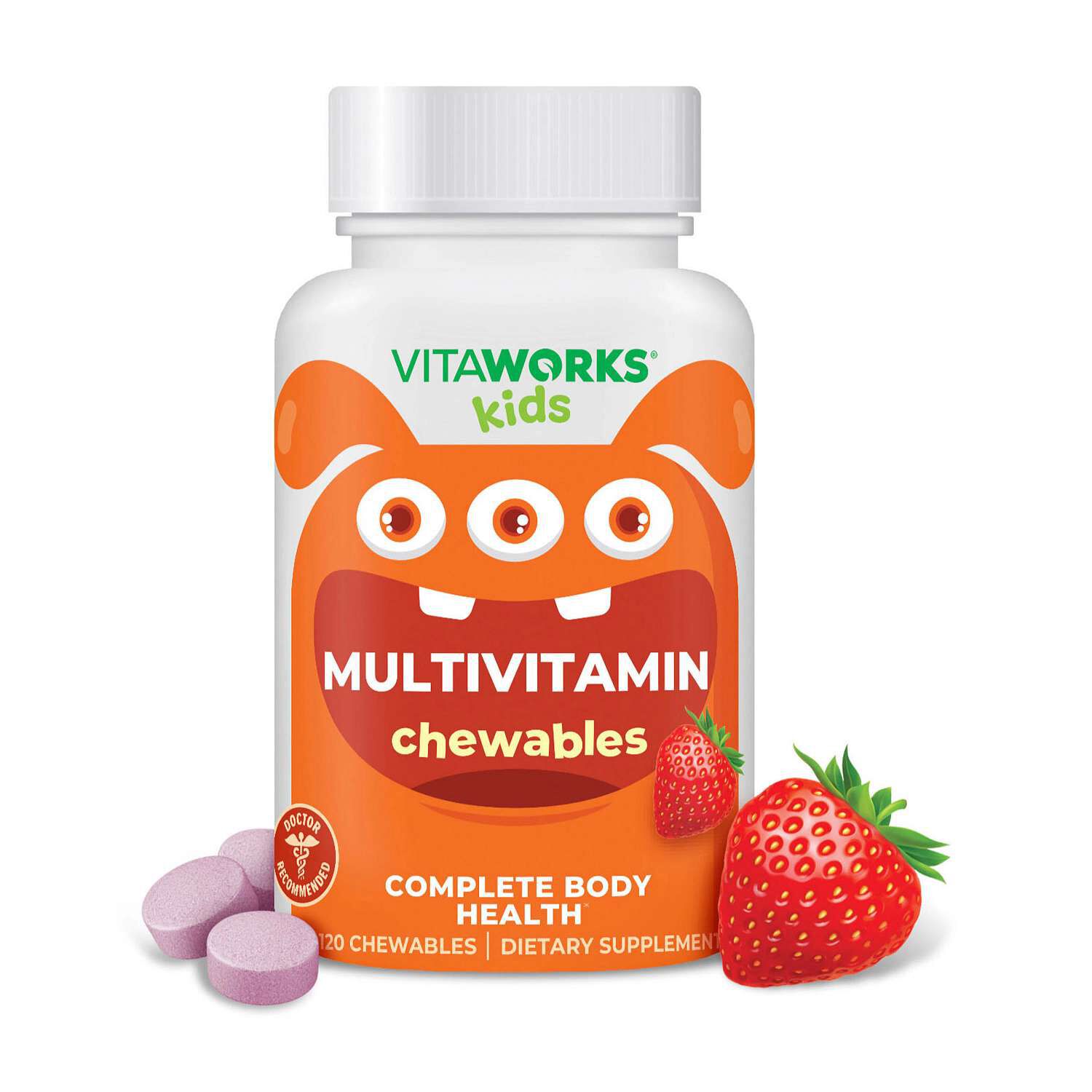
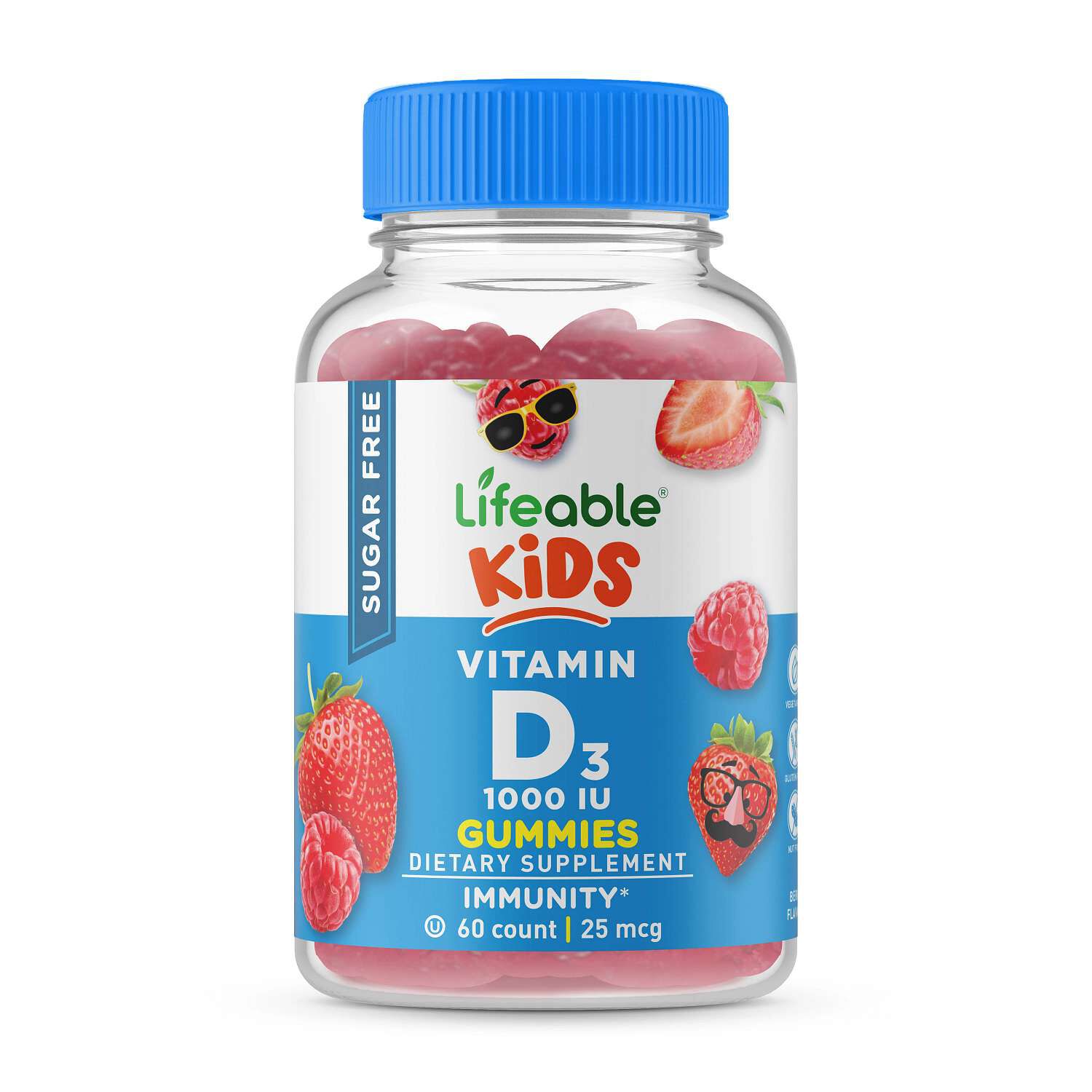
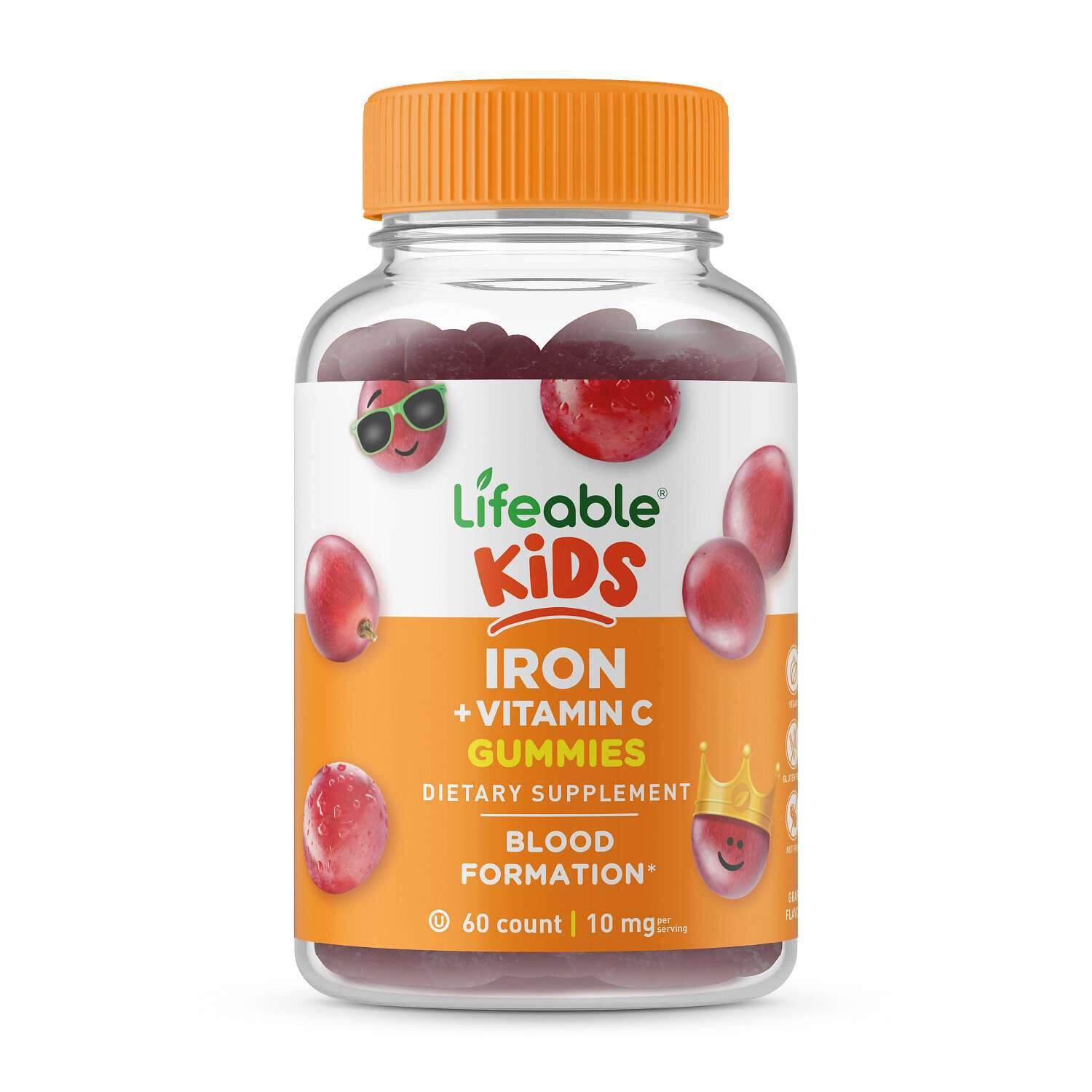
Children’s fall vitamins bring together dietary supplements intended for children within a season shaped by school schedules, packed lunches, after-school activities, and family routines. The fall designation reflects a shopping occasion rather than a separate category of nutrients: the useful distinctions are the formula’s contents, intended age range, serving format, and label directions. Some options contain a range of vitamins, while others focus on one nutrient or combine vitamins with minerals. Children’s multivitamins and children's vitamin C represent different formula types, so their names alone do not tell the whole story. Vitamin D, vitamin A, vitamin E, and B vitamins are other names shoppers may encounter, while certain formulas also include minerals such as zinc. The ingredient panel identifies what each formula actually contains; a seasonal description does not establish those details. For families comparing children’s fall supplements, the starting point is the child’s age and the product’s stated audience, followed by the serving information and ingredients. A preschooler’s labeled options may differ from those intended for an older child, even when the bottles have similar fruit illustrations or familiar nutrient names. Autumn routines also vary from household to household. One family may be settling into cafeteria lunches and afternoon soccer, while another packs every meal and spends evenings at music lessons. Those details provide context for shopping, without establishing that every child needs the same supplement. Vitamins may complement dietary intake, but they are not replacements for meals or a varied eating pattern. A seasonal collection is therefore best understood as a way to browse relevant categories, not as a universal checklist. Familiar flavors, readable labels, and clearly stated age ranges are concrete points of comparison across the assortment. The distinction matters especially when a colorful bottle looks appealing at first glance: packaging communicates style, while the Supplement Facts panel and directions communicate the details that distinguish one formula from another.
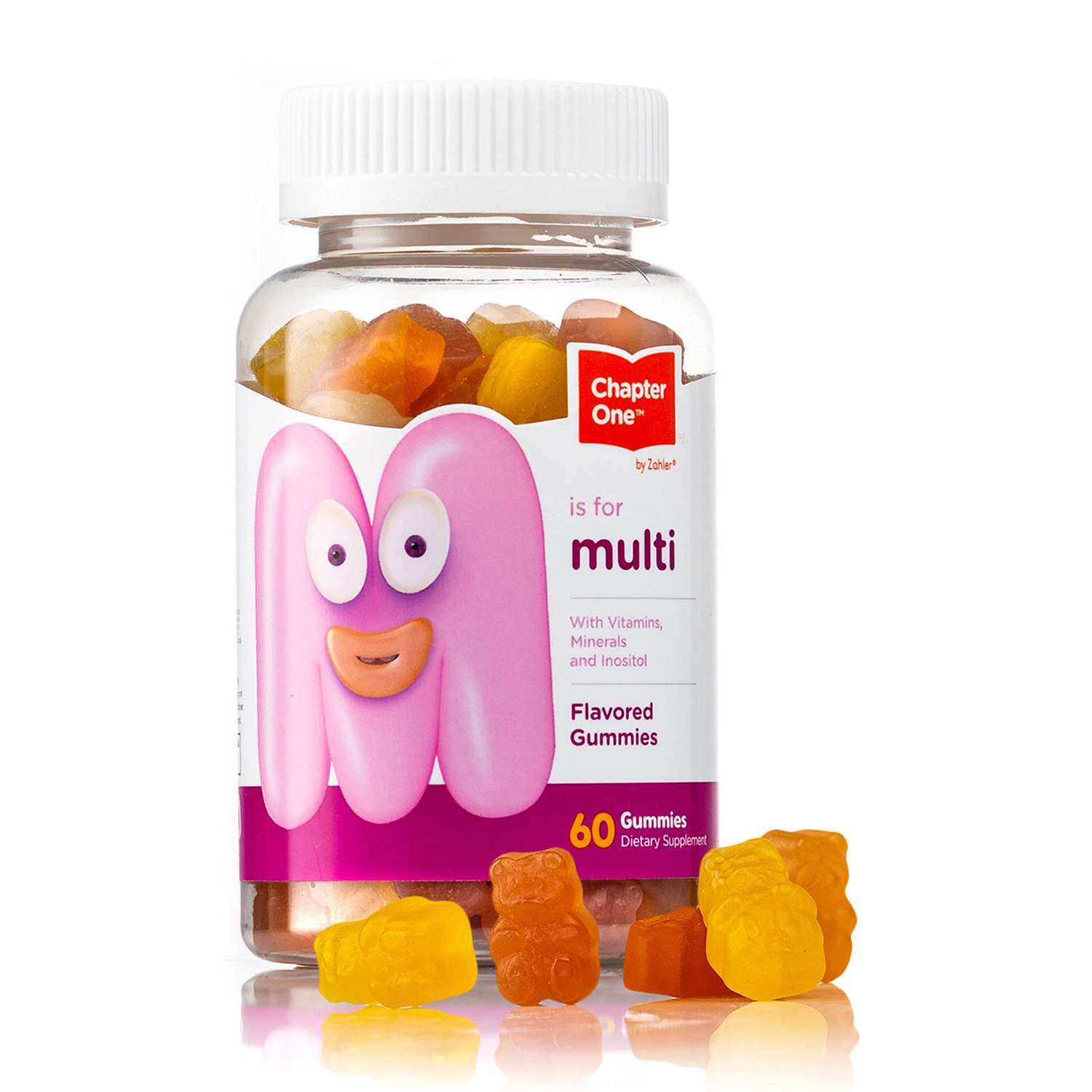
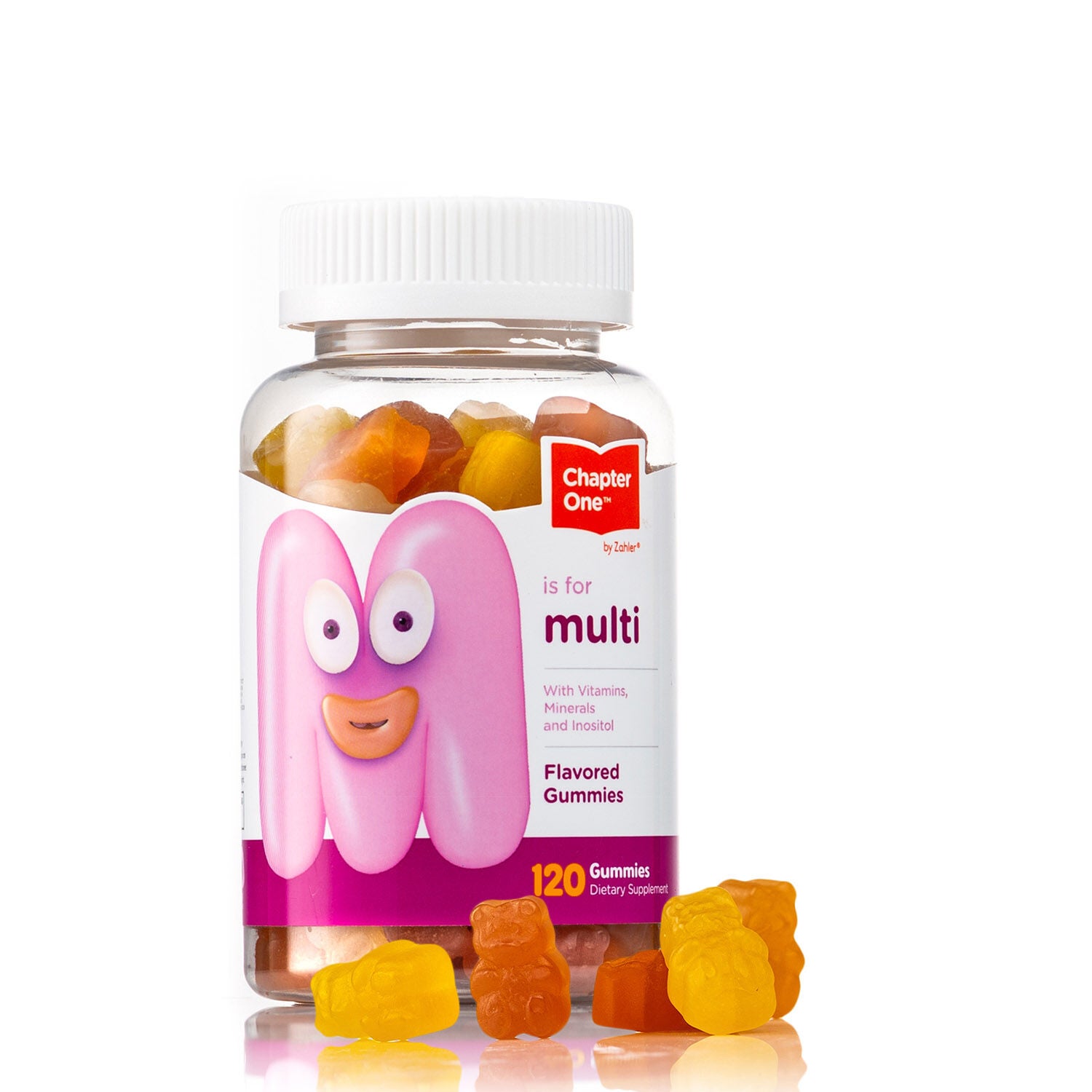
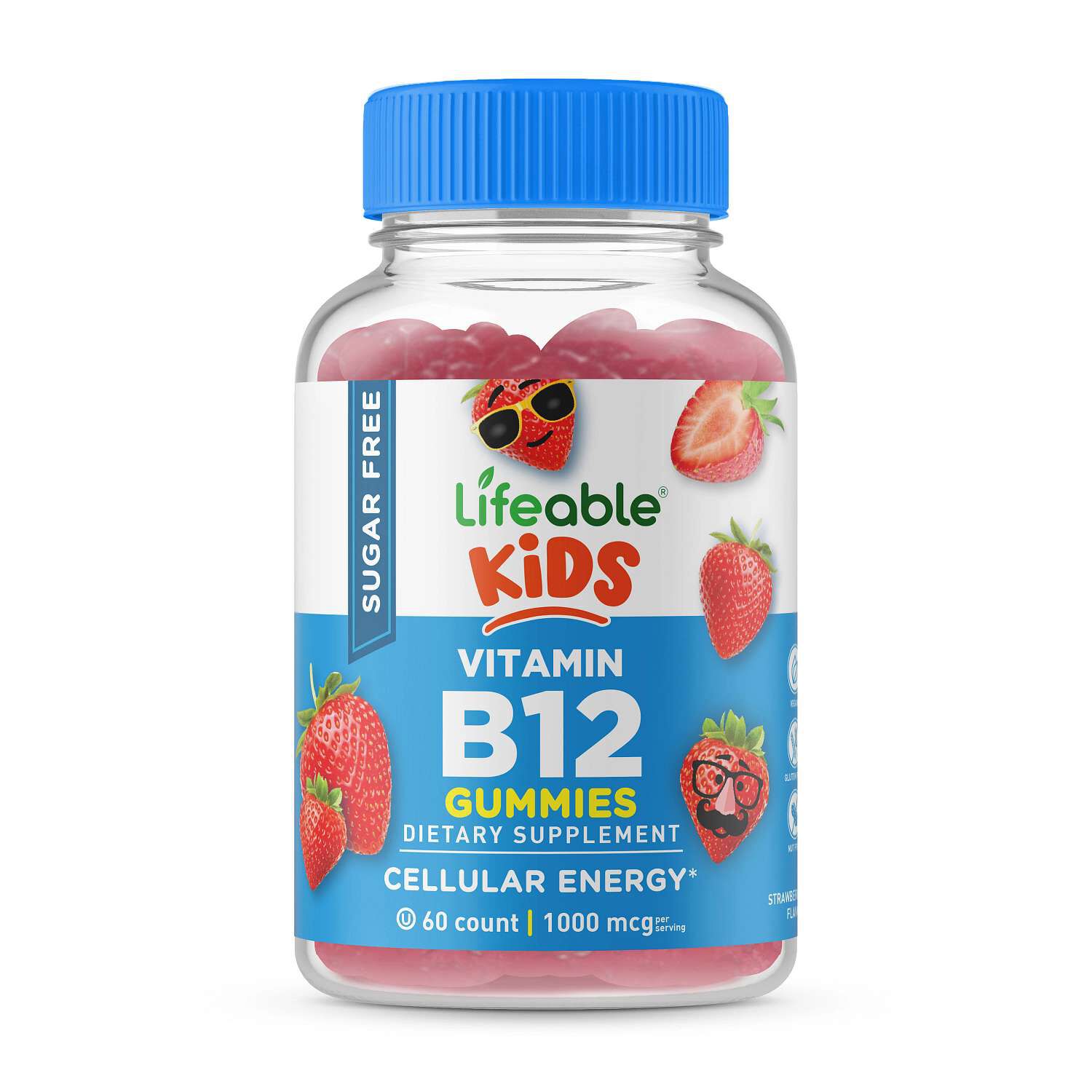
Format is another important part of comparing children’s vitamins for fall. Gummies, chewable tablets, and liquids differ in texture, serving method, packaging, and care requirements. A gummy has a different consistency from a chewable tablet, and both differ from a liquid measured with the device specified on its label. The format itself does not establish age suitability; that information belongs to the individual formula. Flavor descriptions offer another distinction, from berry and citrus profiles to mixed-fruit combinations, although a flavor name does not describe every ingredient. Some children have strong preferences about tartness, sweetness, or texture, making those details relevant alongside the formula’s contents. Serving information deserves similar attention because a serving is not necessarily one piece or one unit. Two bottles with similar front labels may list different serving sizes, different nutrient amounts, and different intended age groups. The Supplement Facts panel places that information together, while the ingredient list identifies other components used in the formula. For gummies, those components may include pectin or gelatin; other formats may use different binders, flavorings, or sweeteners. Added sugar information, allergen statements, and dietary designations provide further details for households with particular ingredient preferences. A fruit-shaped gummy is not necessarily made from the fruit it resembles, and a fruit flavor does not establish the presence of fruit juice. Likewise, a vitamin-only formula is distinct from a formula that also contains minerals. Clear labeling matters more than broad front-of-bottle language when making those comparisons. If packaging mentions independent testing or a certification, the named organization and the stated scope provide context for what that designation covers. Neither a playful presentation nor a long list of nutrients tells the full story on its own. Taken together, the age statement, serving information, ingredient list, and format create a more meaningful picture than bottle color, shape, or flavor imagery alone.
Everyday handling adds another dimension to children’s fall vitamin shopping, particularly when a household moves between school mornings, weekend outings, and winter-break travel. A bottle that stays in a designated place at home has different practical considerations from one packed for an overnight visit with relatives. Container dimensions, closure design, the readability of directions, and any included measuring device are worth noticing before a purchase. Original packaging carries the age information, serving directions, ingredient details, lot information, and date marking together. Those details are part of the product’s intended use, rather than information conveyed by appearance or flavor. Storage requirements also vary by formula, so the label is the reference for temperature, moisture, refrigeration, and handling after opening. A kitchen windowsill, a steamy bathroom, and a bag left in a vehicle are different storage environments; the printed instructions establish the conditions intended for that particular product. Gummies, tablets, and liquids also differ in how they respond to their surroundings, making package care relevant beyond the first opening. Any stated period for use after opening is separate from assumptions based on bottle size or how often the household travels. Children’s vitamins belong in adult-managed storage, not in a candy dish or an unsupervised snack container, even when their colors and shapes resemble treats. Where more than one caregiver is involved, the original label provides a shared reference rather than relying on a remembered description such as “the orange ones.” For the shopping decision itself, practical fit often comes down to straightforward details: an appropriate labeled age range, a suitable format, ingredients that align with household preferences, and packaging with clear care instructions. Fall-to-winter routines may change, but those comparison points remain relevant throughout the season. Children’s fall vitamins are a varied product category, and their differences are most visible in the specifics of formulation and labeling. Looking beyond seasonal artwork keeps the focus on what the product is, whom it is intended for, and how its packaging directs it to be used and stored.
Best Sellers


Related Pages
Top Collections
- Joint Mobility Supplement Packs
- Daily Collagen Supplements | Top Brands & Deals | GNC
- GLP 1 Support For Adults
- Zinc Supplements | Top Brands at Great Prices | GNC
- Supplements For Yoga Joint Flexibility
- Supplements For Balance
- Capsule Supplements For Energy And Stamina
- Adult Mobility Supplements
- Chronic Fatigue Supplements
- Vitamins For Hair Loss