Child Bone Health Supplements
(0 Results)
Ensuring the healthy development of children's bones is crucial for their overall growth and well-being. Child bone health supplements could provide the necessary nutrients to support strong and healthy bones during these formative years. With a variety of options available, choosing the right supplements might help in promoting optimal bone health for your child. Explore our range of child bone health supplements to find products that may contribute to your child's developmental needs.
-
 $18.99
 -
-
 $20.99
 -

-

-

-
 10$17.99
 -

-
-

-

-
-

-

-
-

-

-

-
 $15.99
 -
-
-

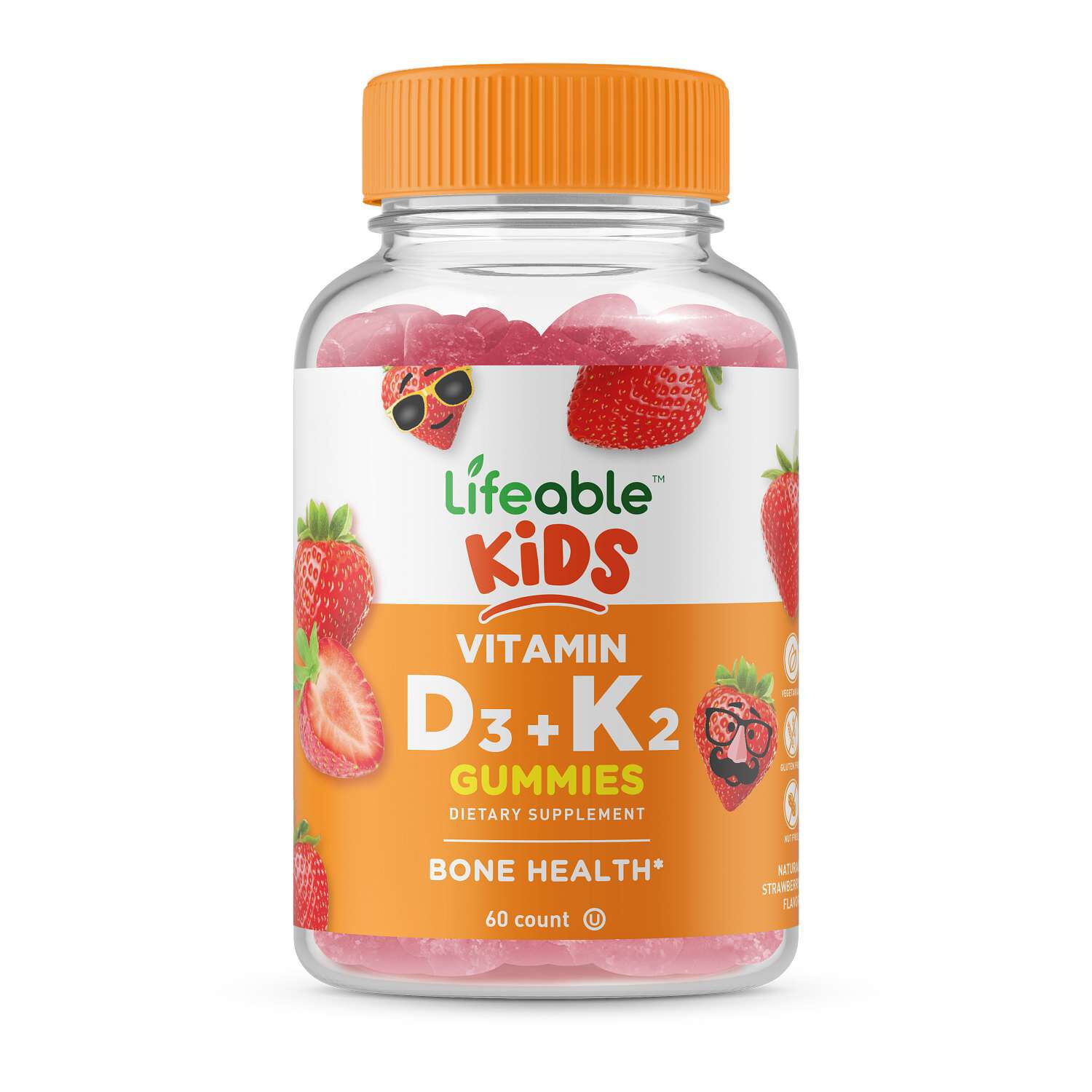

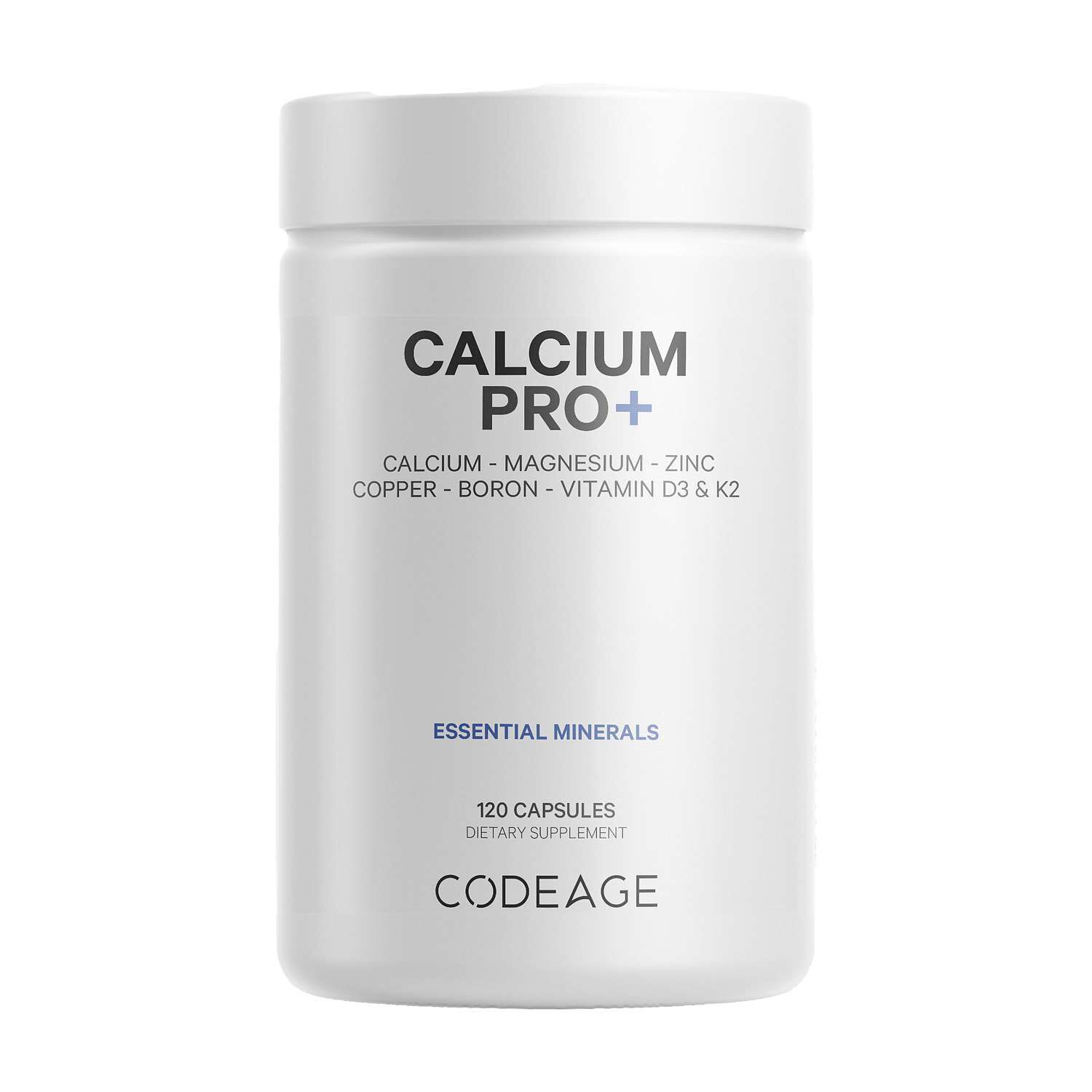
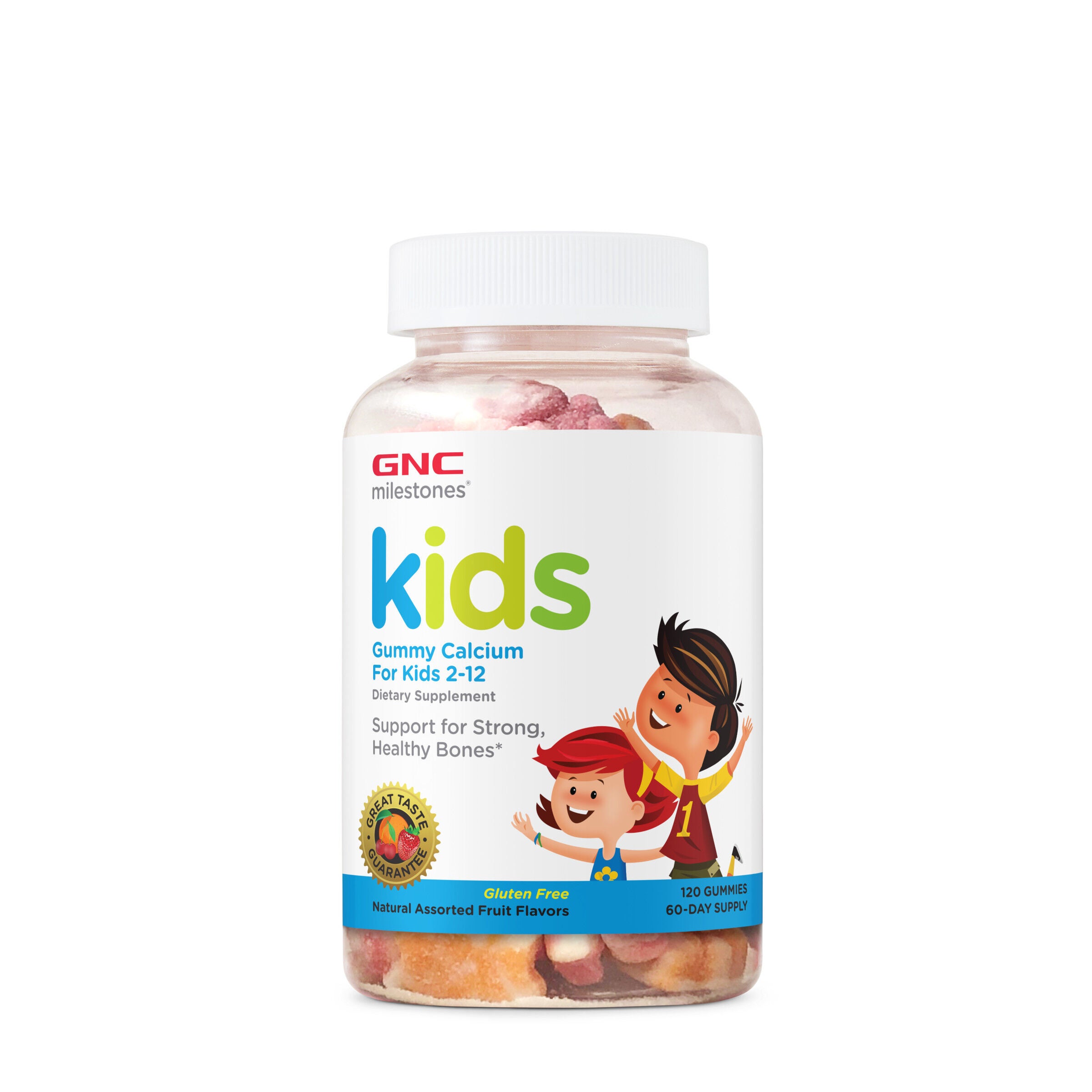
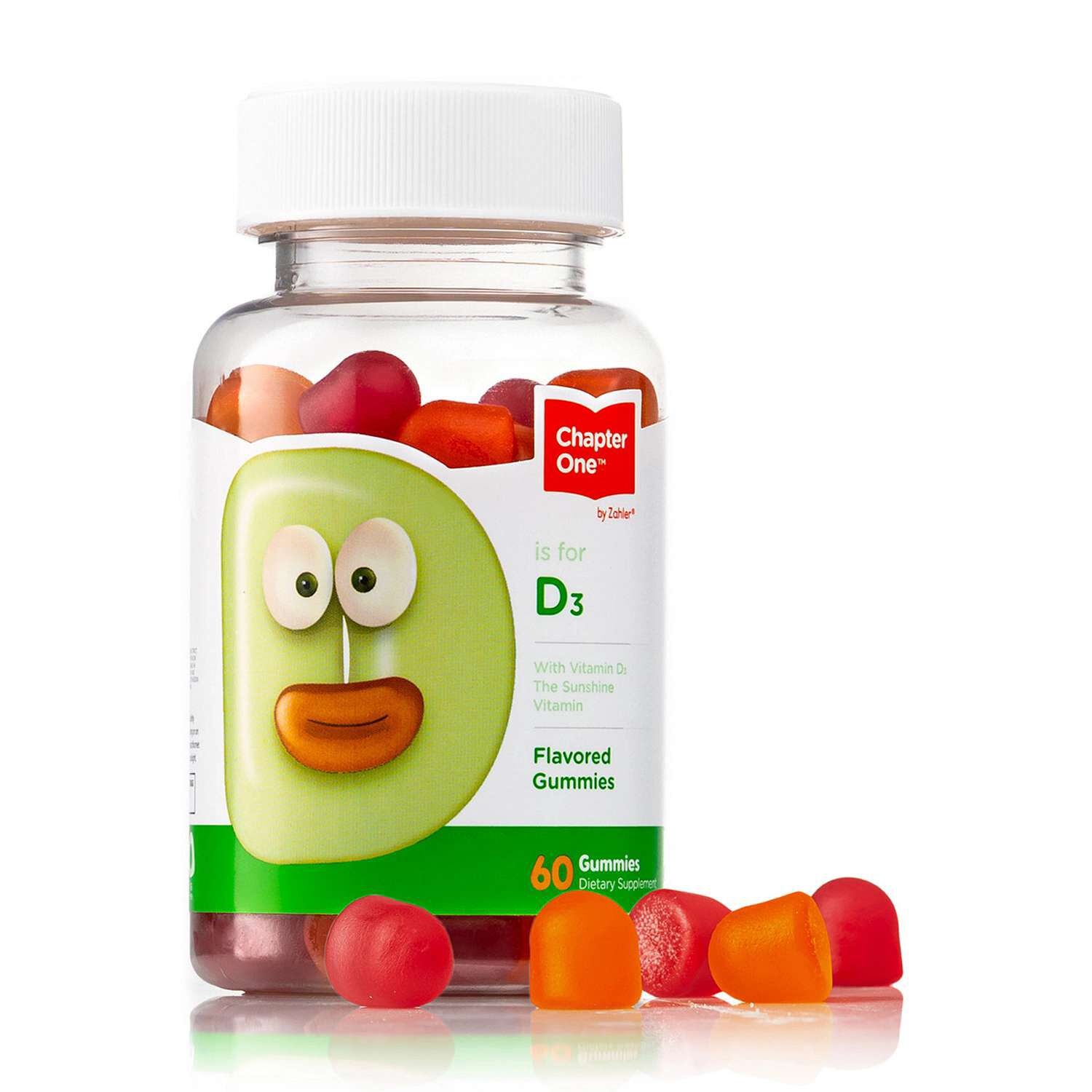
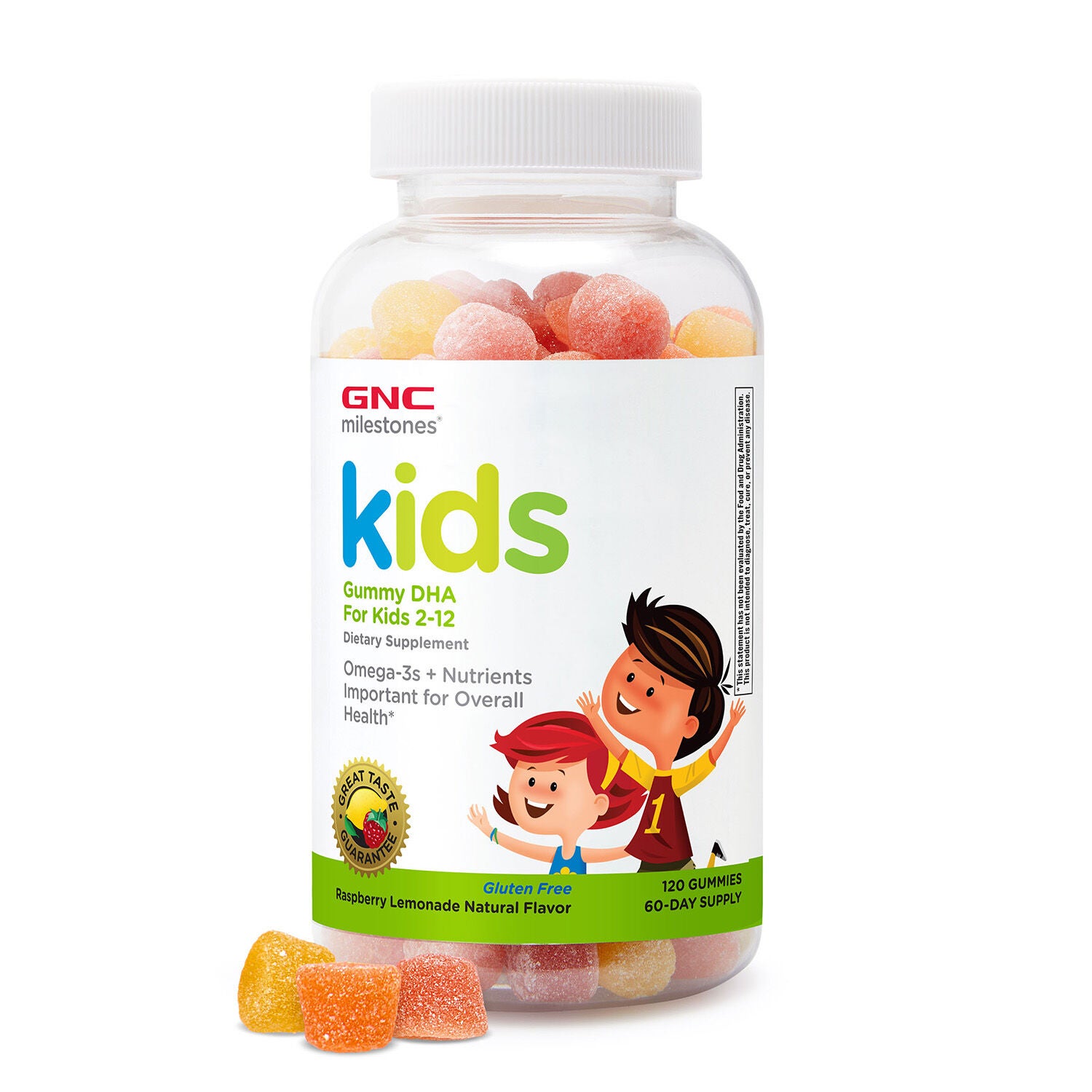
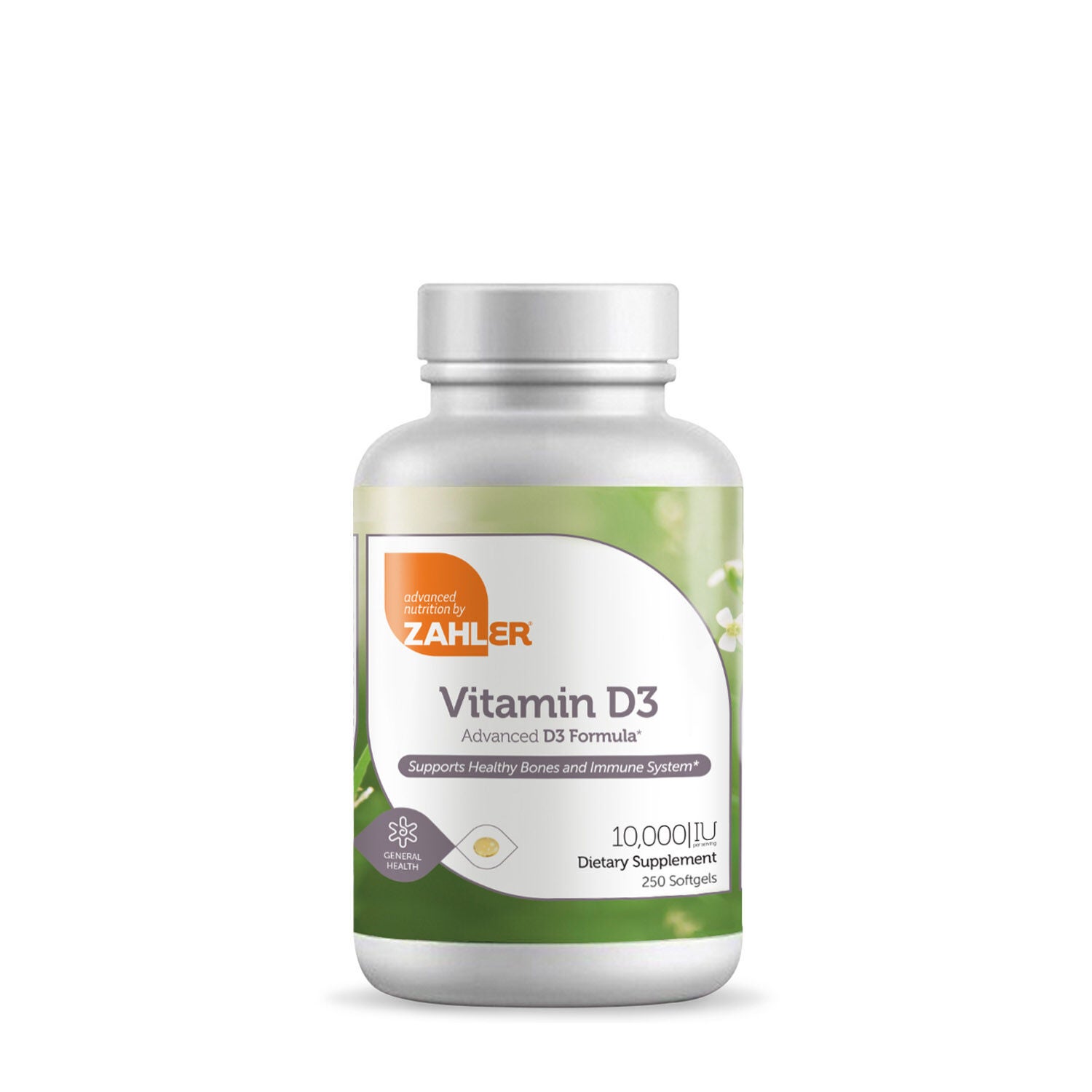
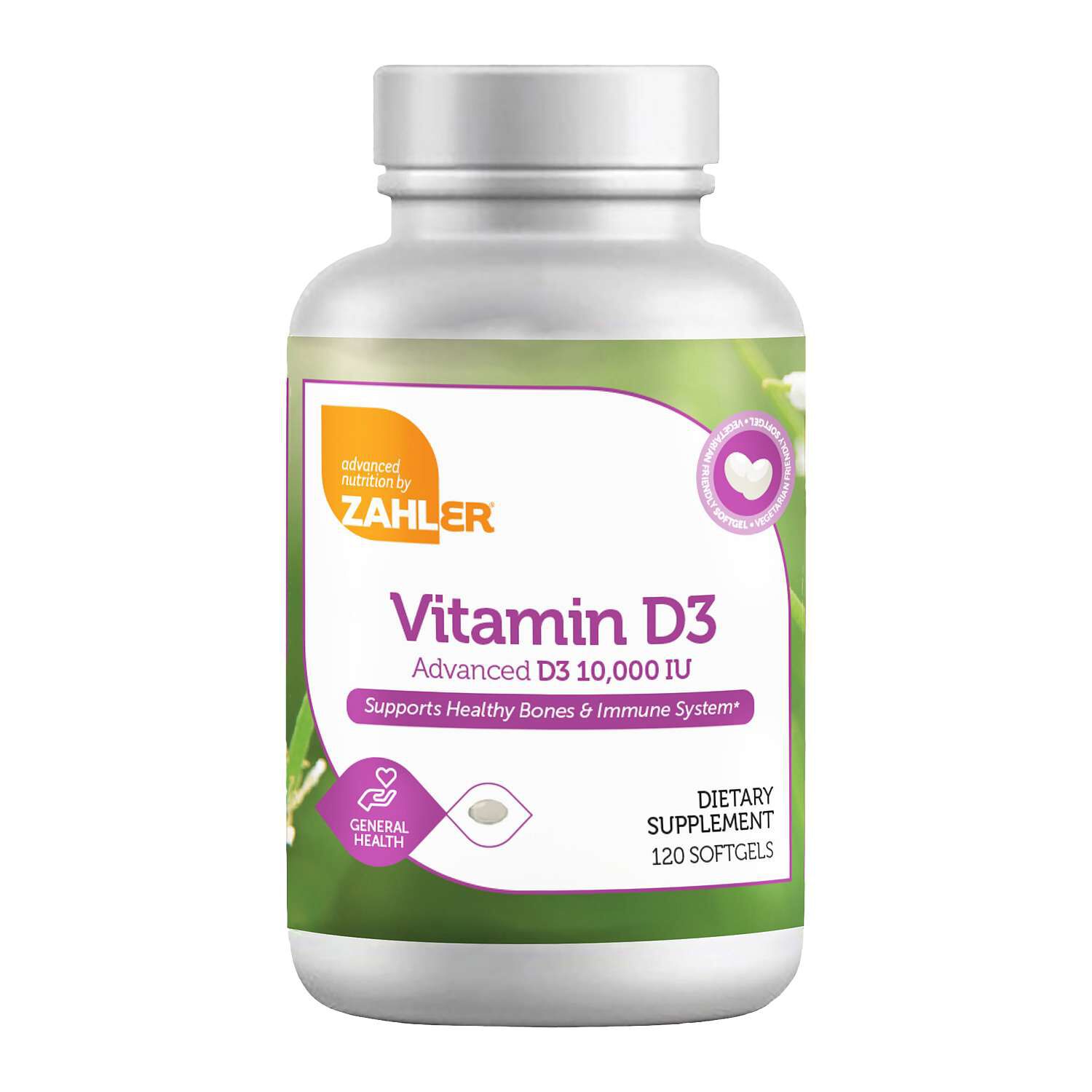
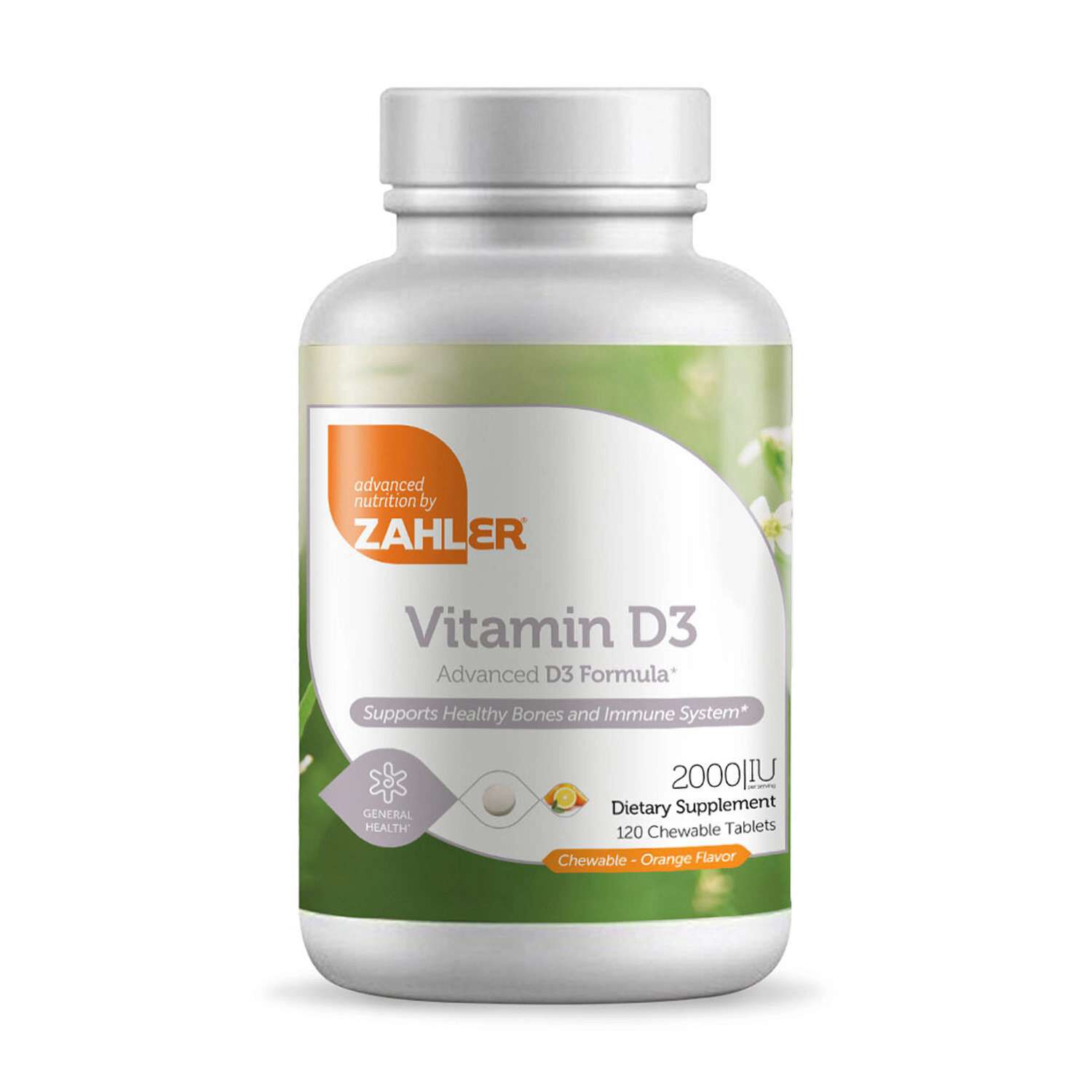
Child bone health supplements may offer a convenient way for families to add selected nutrients to a child’s daily routine when food choices, dietary preferences, or professional guidance make that appropriate. Most children can get the nutrients needed for growing bones through a varied eating pattern that includes foods such as milk, yogurt, cheese, fortified soy beverages, fortified juices, beans, tofu, leafy green vegetables, and fish. Outdoor play and active movement may also support a healthy routine, especially activities that involve walking, running, jumping, climbing, or other gentle weight-bearing movement. Supplements are not intended to replace nourishing meals, and a pediatrician or other qualified healthcare professional may help determine whether a child needs one, which nutrients suit the child’s age, and how much may be appropriate. This guidance can be especially helpful for families managing dairy-free or vegan eating patterns, lactose intolerance, food allergies, selective eating, or digestive conditions that may affect nutrient intake. Parents and caregivers may also wish to review the Nutrition Facts panel, serving size, age guidance, ingredient list, and form of the supplement before making a purchase. Chewables, gummies, tablets, and powders may each fit different routines, but the best choice often depends on a child’s ability to use the product safely and consistently.
Calcium and vitamin D are commonly associated with children’s bone health, while magnesium and vitamin K may appear in some multi-nutrient formulas. Calcium may help support the structure of bones and teeth, and vitamin D may help the body use calcium. Magnesium may support normal muscle function, while vitamin K may be included in formulas designed to complement a broader bone-health routine. Since children have different dietary patterns and nutrient needs as they grow, more ingredients do not necessarily make a product a better fit. Look for clear age guidance and serving directions, and consider whether the product complements foods already served at home. A child who enjoys yogurt, fortified cereal, leafy greens, or soy foods may have different nutritional considerations from a child with a narrow food selection. Families may find it useful to keep a simple record of regularly served foods when discussing supplement choices with a pediatrician. Professional guidance may be particularly valuable for children with ongoing digestive concerns, highly restricted diets, or other health considerations. Parents shopping for a back-to-school routine, a thoughtful present for a growing child, or a convenient addition to a family wellness basket may appreciate options that are easy to store and simple to include alongside breakfast or another familiar part of the day. For families exploring additional formats, Kids Supplements Tablets may provide another way to compare age-appropriate choices.
Safe storage deserves the same attention as ingredient selection. Children may mistake colorful gummies or chewables for candy, so caregivers should keep all supplements in their original containers and place them somewhere young children cannot reach. Following the serving instructions matters because vitamins and minerals may be harmful when taken in excessive amounts. Avoid combining several products with overlapping nutrients unless a pediatrician or qualified healthcare professional has reviewed the full routine. It can also help to introduce a new supplement during a calm period when caregivers have time to observe how the child manages the format and follows directions. Some children prefer a chewable after breakfast, while others may do better with a tablet or powder used according to the label. During the warmer season, active outdoor play may naturally become part of the day; as cooler months arrive, indoor movement, family walks, and play-based activity may help maintain a balanced routine. Good bone-health habits develop through many small choices, including varied meals, regular movement, adequate rest, and thoughtful product use. A pediatrician can help families decide whether supplementation may be suitable and can offer guidance based on the child’s diet, age, growth stage, and individual circumstances.


 Chewable Tablets_Front.jpg?sw=305&sh=305&sm=fit "ChildCalm - 60 Chewable Tablets (30 Servings) | GNC")