





Children's Energy Vitamins
(0 Results)
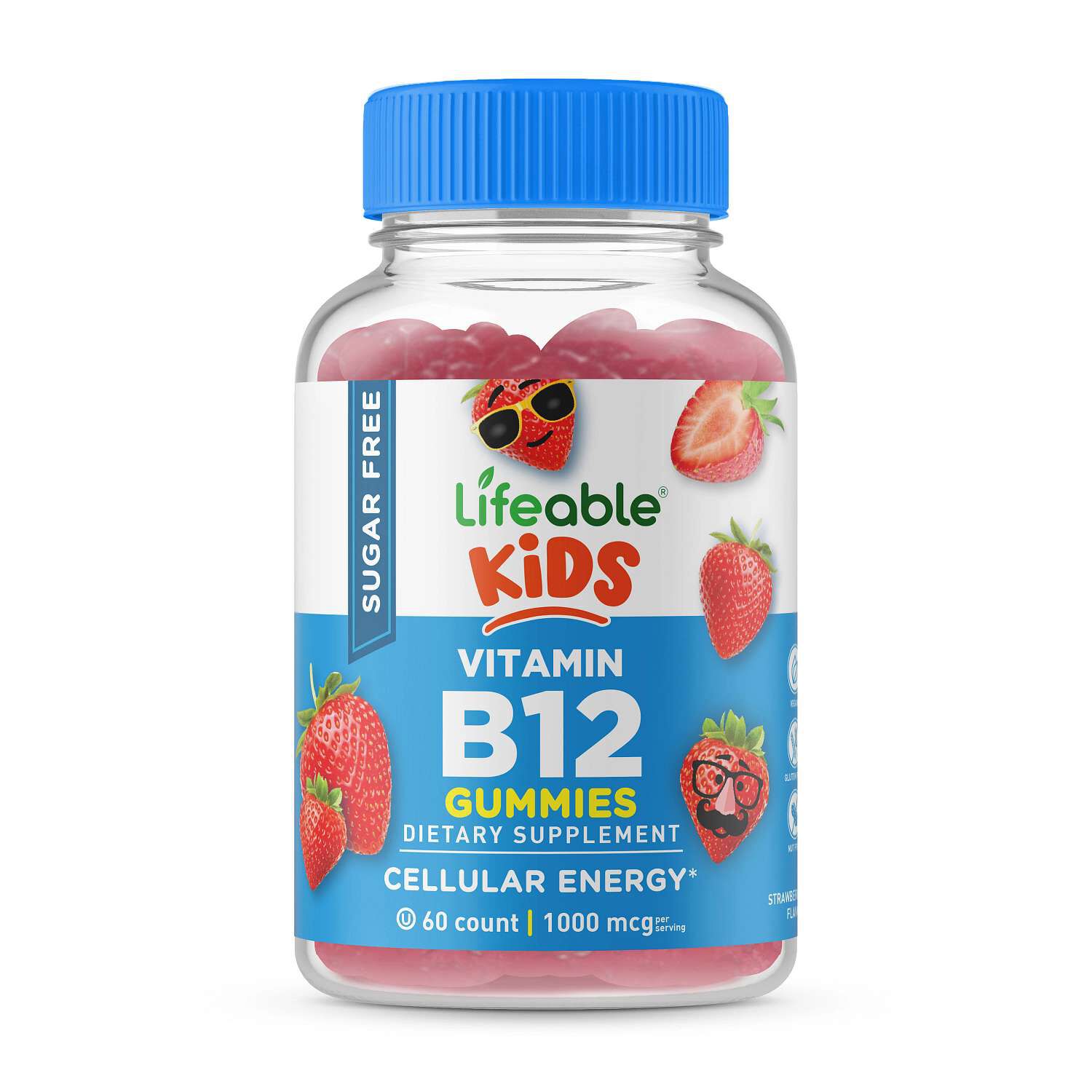
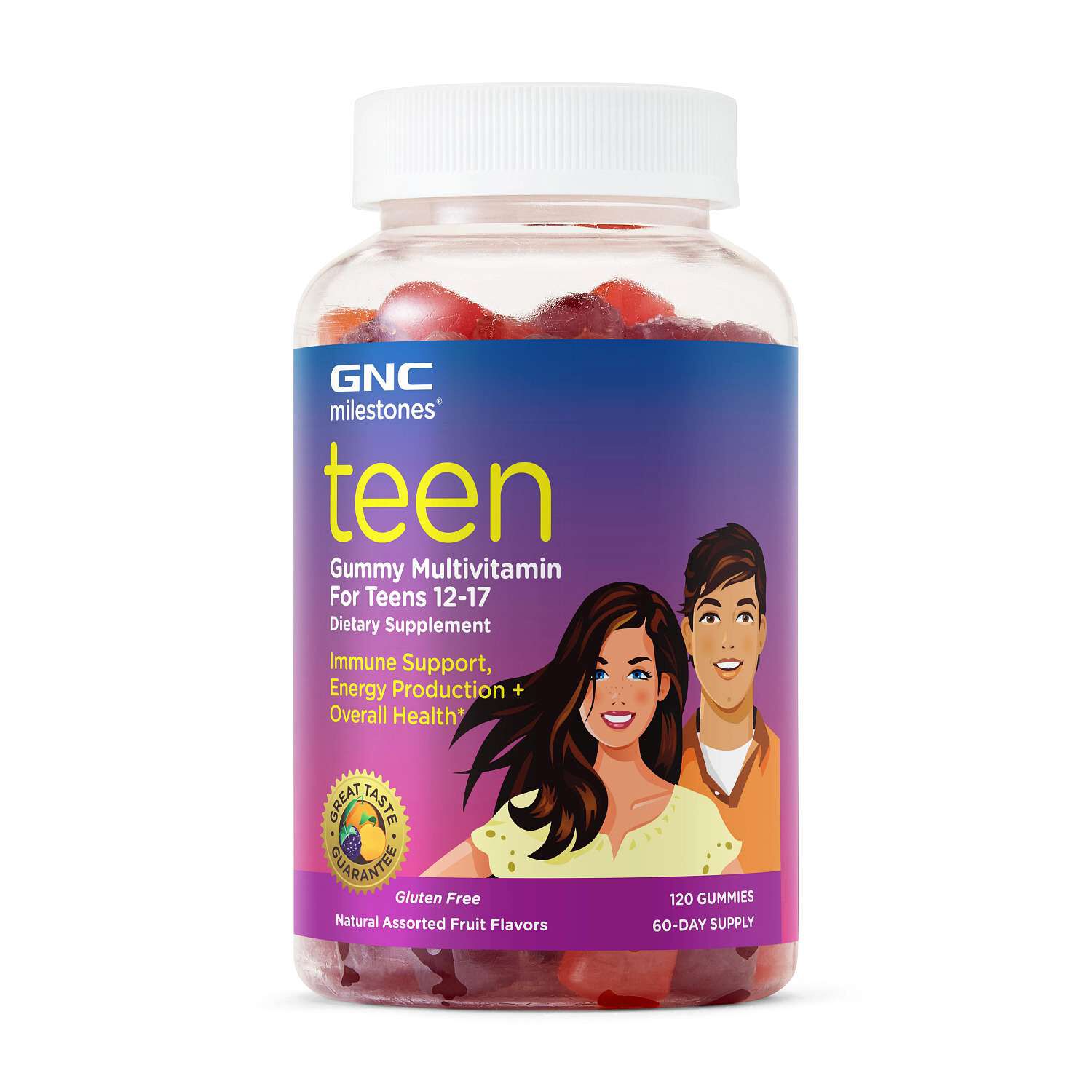
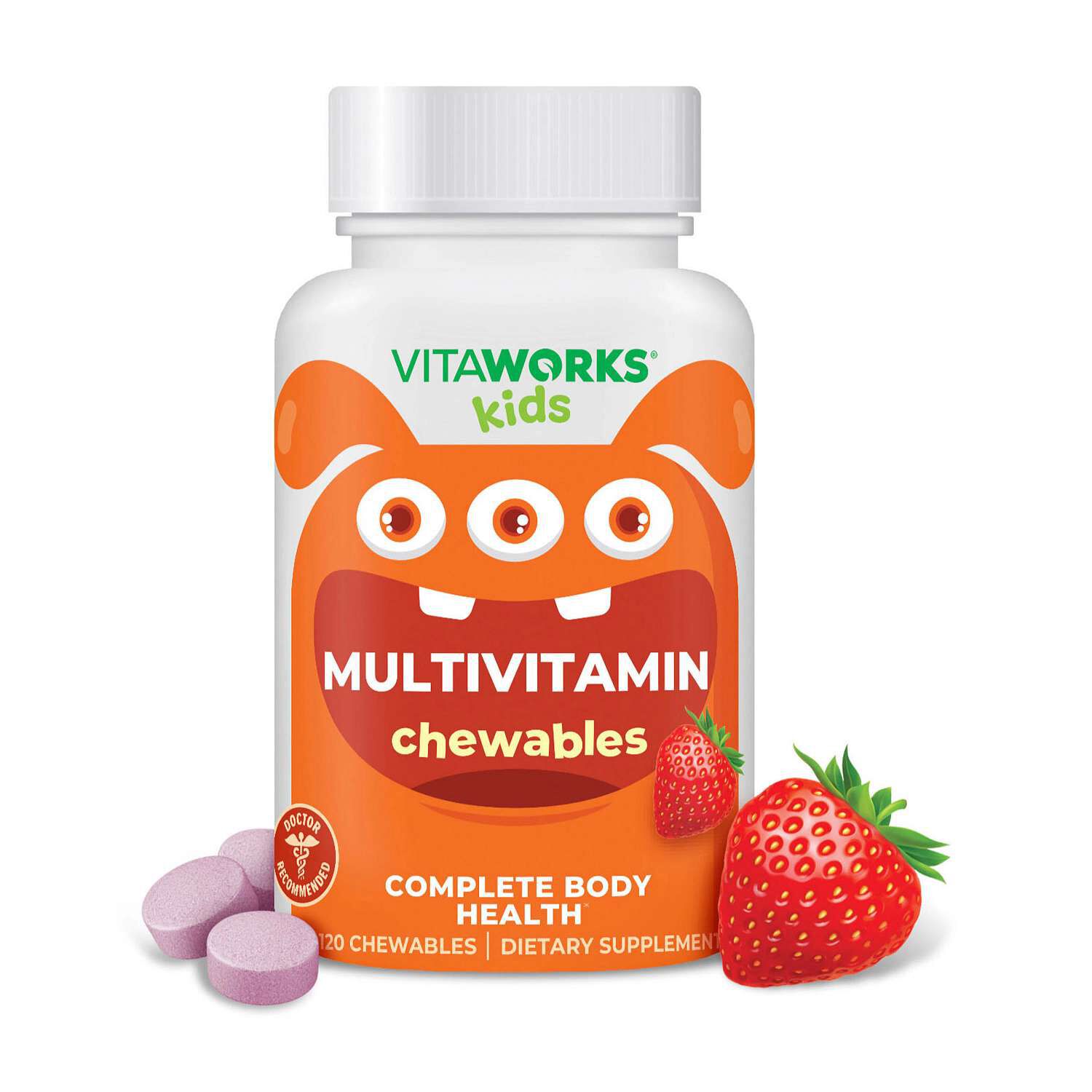
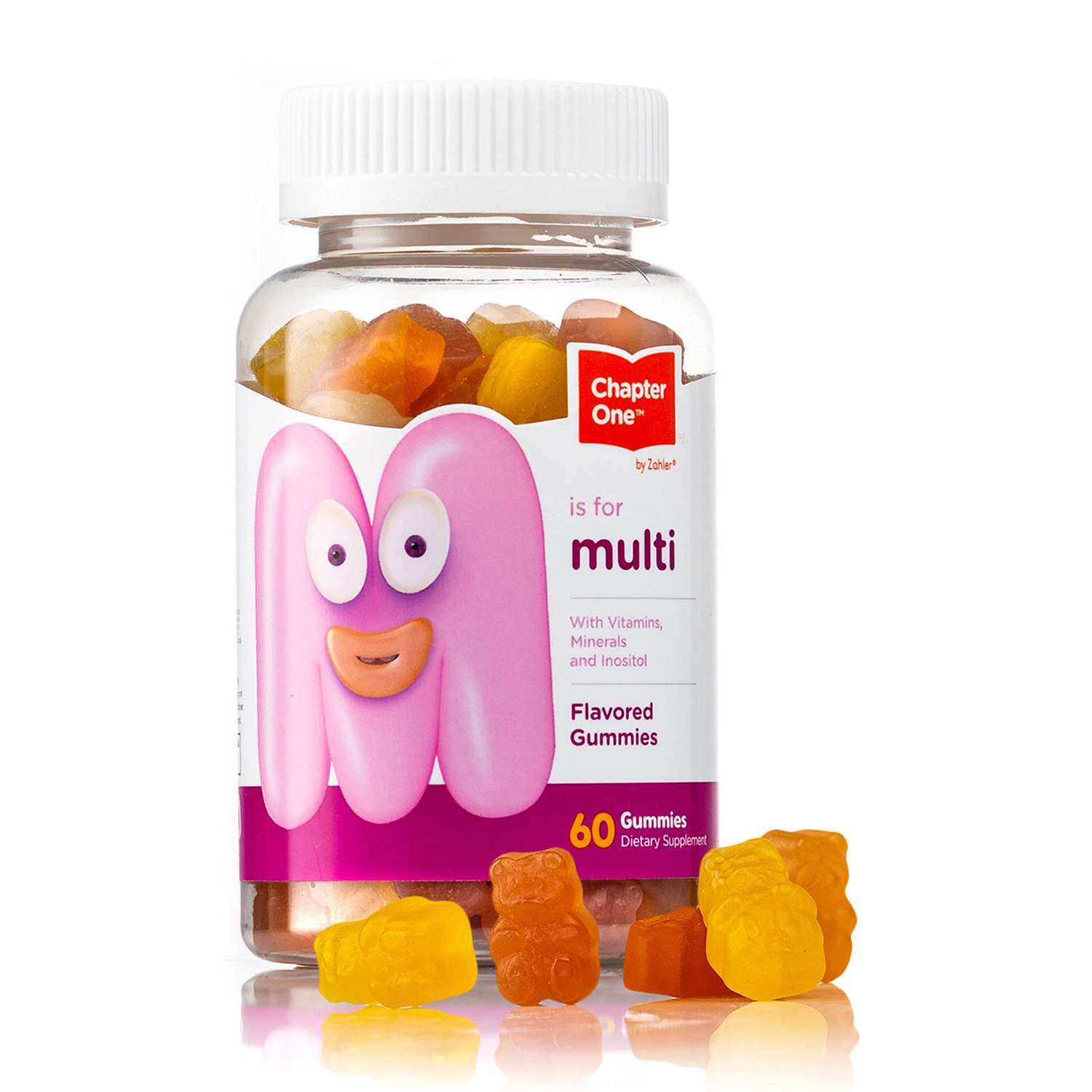
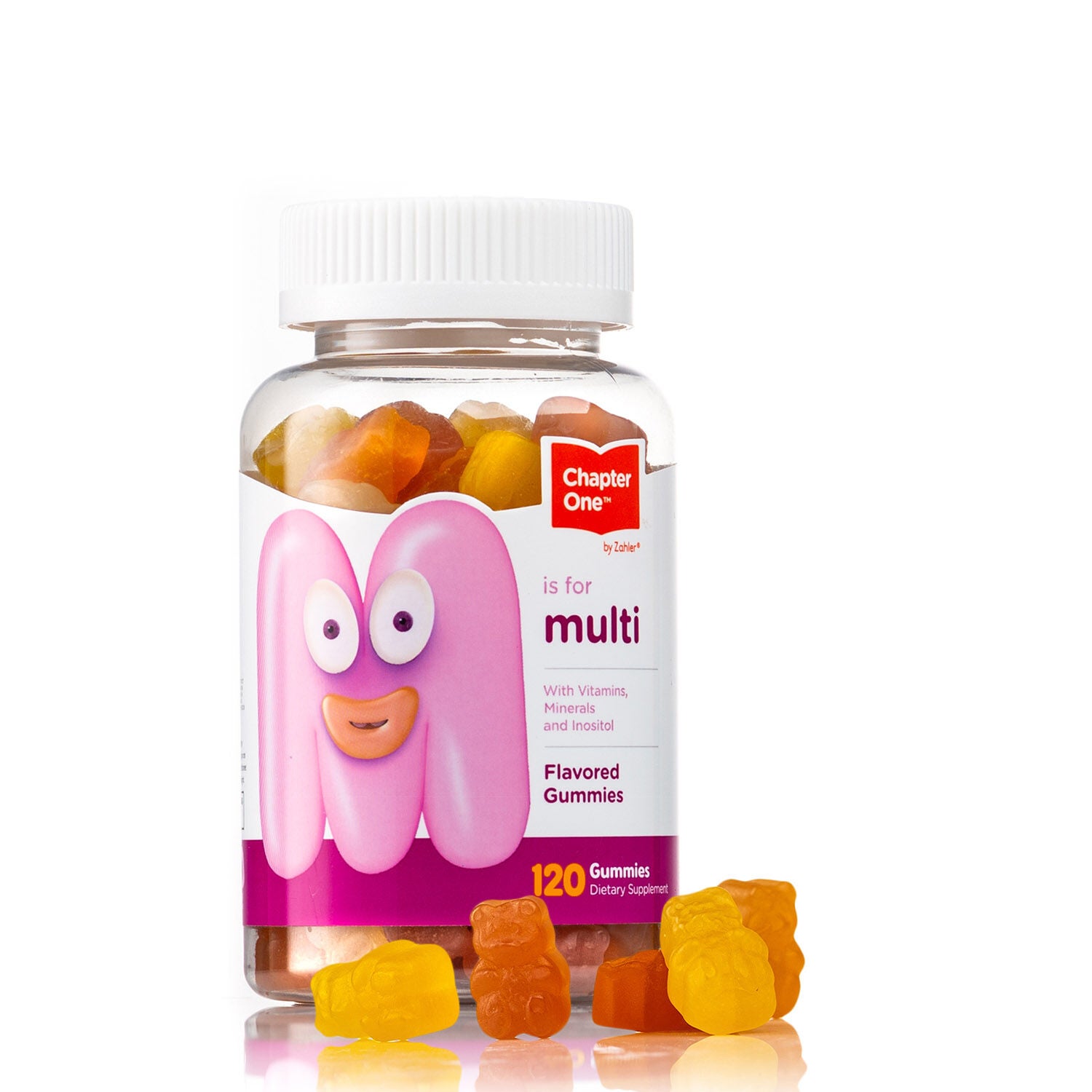
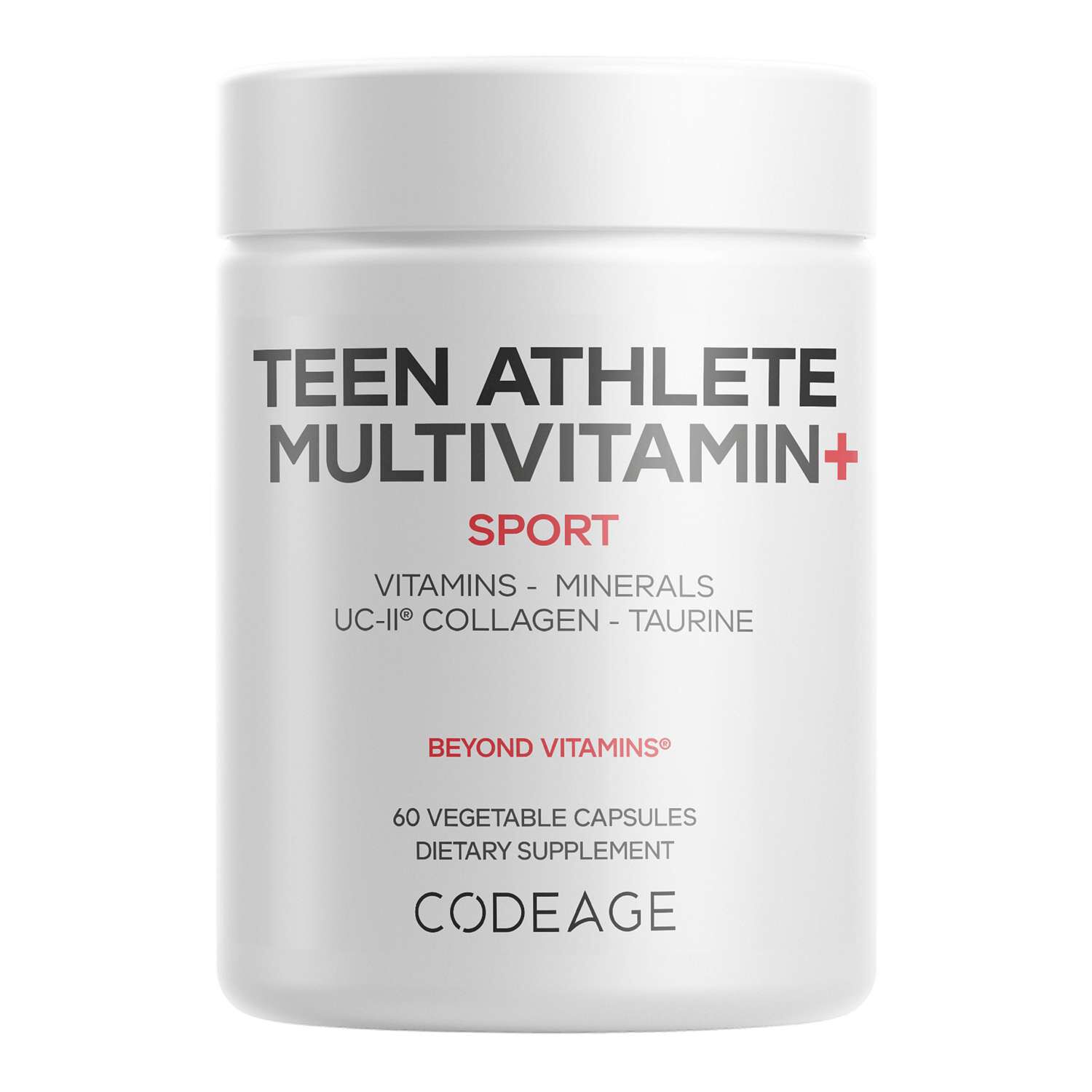
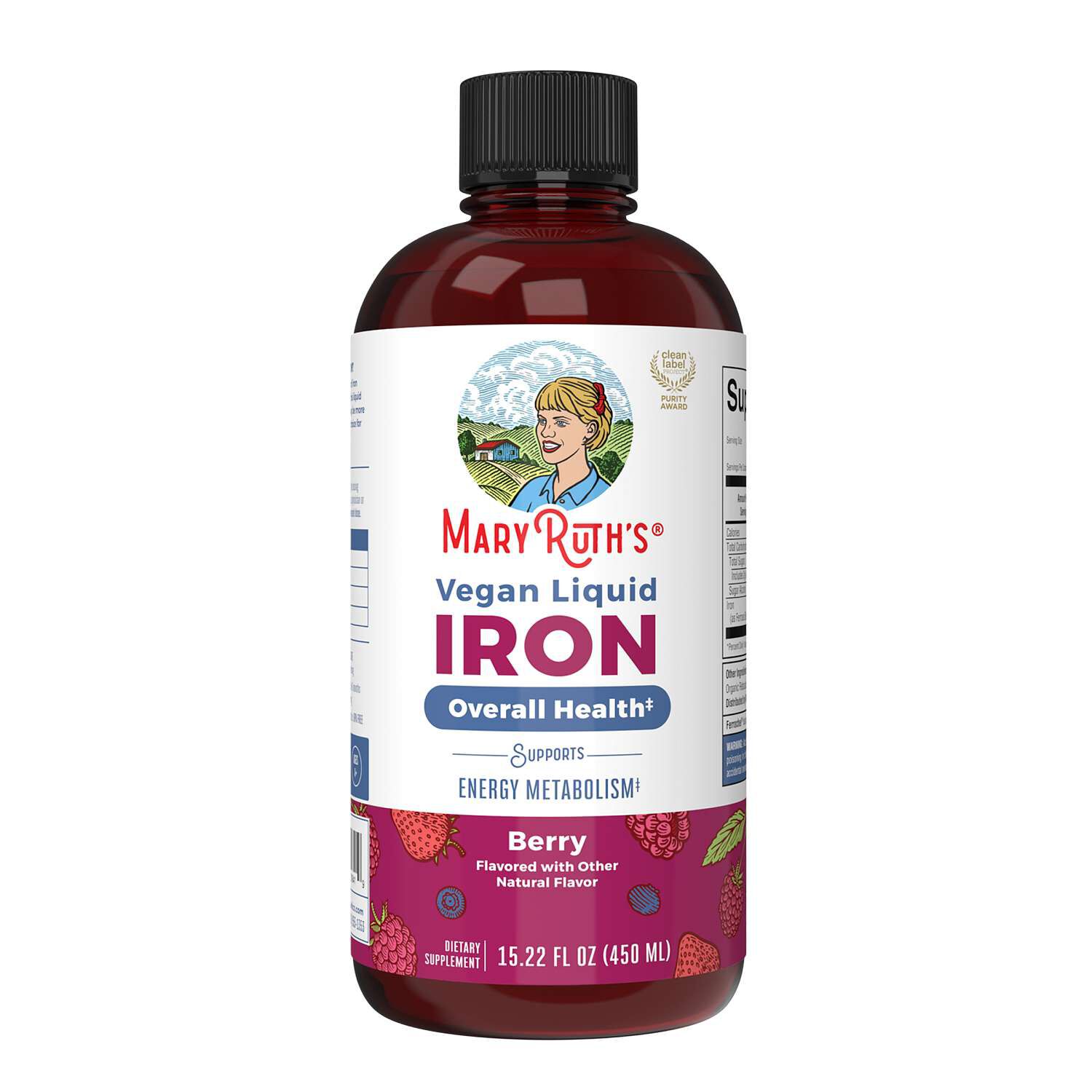
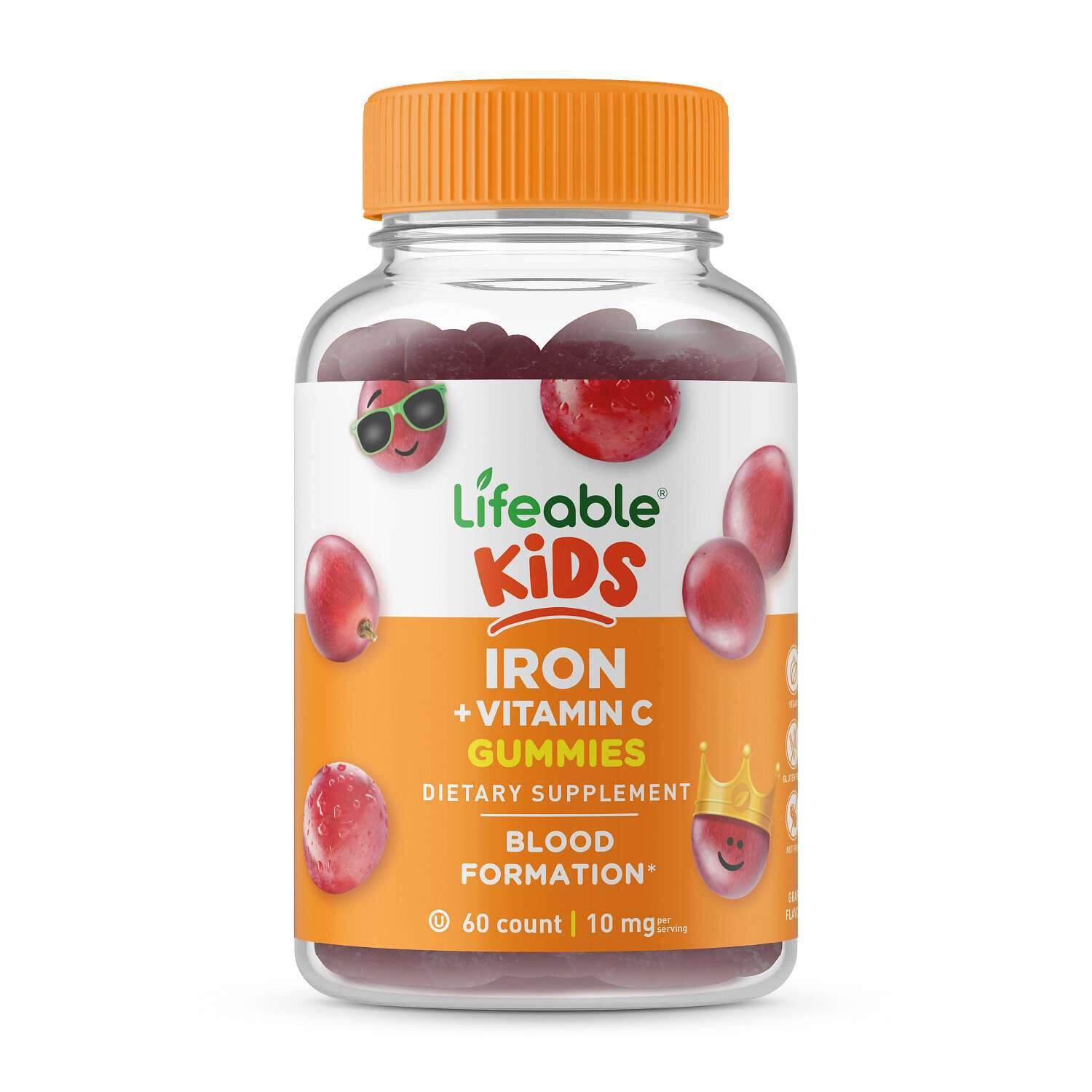
Children's energy vitamins could be an excellent addition to your child's daily routine, providing the necessary nutrients to support their active lifestyle. Packed with a blend of vitamins and minerals, these supplements might help fuel their day, whether they're at school, playing sports, or engaging in other activities. Discover a variety of options designed to cater to the unique needs of growing children, potentially promoting overall well-being and vitality. Explore our selection of children's energy vitamins to find the perfect fit for your little one's health regimen.
-

-

-

-

-
 $15.99
-
-
 $14.99
-
 10$17.99
-

-

-
 $17.99
-
-
-
_Front.jpg?sw=305&sh=305&sm=fit "Junior Multi - 180 Tablets - 180 Tablets (180 Servings) | GNC")
-
_Front.jpg?sw=305&sh=305&sm=fit "Junior Multi - 90 Tablets - 90 Tablets (90 Servings) | GNC")
-
 $24.99
-

-
-

-

-
-
 $15.99
-
 Orange_Front.jpg?sw=305&sh=305&sm=fit "Junior C - 180 Tablets (180 Servings) | GNC")

Children’s energy vitamins are dietary supplements marketed around nutrients involved in the body’s use of food for fuel. The word “energy” describes a nutritional focus, not a substitute for meals, sleep, or everyday movement. Vitamins do not provide calories the way carbohydrates, fats, and protein do. Instead, certain B vitamins may support normal energy metabolism, which is how the body converts nutrients from food into usable fuel. That distinction matters when comparing a children’s vitamin with an energy drink or a snack: the categories have different purposes, and a vitamin is not a source of instant get-up-and-go. A varied diet remains the foundation of children’s nutrition, and many children receive the vitamins they need from their usual foods. Supplements are intended to complement that eating pattern rather than replace it. Depending on the formula, this category may include individual nutrients or multivitamin combinations with several vitamins and minerals. Ingredients such as thiamin, riboflavin, vitamin B6, and vitamin B12 may appear on labels, but the amounts and combinations differ. The category name alone does not establish that a child needs extra vitamins or that every formula serves the same purpose. A child who enjoys yogurt at breakfast, beans at lunch, and eggs at dinner has a different eating pattern from one whose menu includes a narrower range of foods. Those differences provide context for discussions about nutrition without making a supplement the automatic answer. School days, playground visits, and afternoons spent building forts can look busy, but activity alone does not reveal a child’s nutrient intake. For families browsing children’s energy vitamins, the most useful background is an understanding of what the category describes: supplemental nutrients, age-specific labeling, and formats designed for children. The focus is nutritional context, not a claim that a bottle can change how a child feels or performs throughout the day.
The format of a children’s vitamin is a practical part of its intended use. Gummies, chewable tablets, and liquids differ in texture, serving size, packaging, and the amount of adult involvement their labels describe. A gummy may have a soft, springy texture, while a chewable tablet may be firmer and more powdery. Liquid formulas have their own flavor and consistency, along with directions that may specify a measuring device. None of these formats is automatically suitable for every child; the labeled age range and directions distinguish the intended audience more clearly than a fruit shape or colorful package. A child’s familiarity with a texture is separate from whether a formula matches the age stated on its label. Ingredient lists add another layer of detail. Gummy bases may use gelatin or pectin, and formulas may contain different sweeteners, flavors, colors, or ingredients relevant to household food preferences. Allergen statements and dietary designations provide information that front-label descriptions may not capture. A fruit flavor, for example, describes taste rather than the full ingredient profile. Serving size also deserves context because one serving may consist of more than one gummy or tablet, and a liquid serving is expressed differently. These details can make two bottles look similar while presenting quite different label information. Packaging and care matter as well. Resealable lids, clearly printed directions, and readable expiration dates are practical features for a product used over time. The storage conditions printed on the package describe how the formula is meant to be kept; moisture, exposure to light, and storage location may affect its condition. Original packaging preserves access to the ingredient list, serving directions, and other label details that a separate container would not carry. In a household with children of different ages, those details distinguish one formula’s intended use from another. Familiar flavors and appealing shapes are part of the experience, but children’s vitamins remain supplements rather than candy or ordinary snacks.
Beyond format, children’s energy vitamins differ in how much information sits behind a short front-label description. The Supplement Facts panel identifies the nutrients in a serving and their stated amounts, while the ingredient list describes the other components of the formula. Percentage Daily Value figures are label reference points, not a personalized assessment of an individual child’s needs. Age designations matter because a formula intended for one age group is not interchangeable with every other children’s supplement. There may also be overlap between an energy-focused formula, a multivitamin, and other supplements already used in the household. Seeing the same nutrient on several labels does not mean the products have separate, unrelated purposes, and a longer ingredient list does not by itself establish a better match. The same is true of flavor variety, bottle size, or a familiar character on the package: those features describe presentation, not nutritional suitability. Questions about a child’s diet or supplement use belong in a conversation with a pediatrician who knows that child’s circumstances. Useful context for that conversation includes typical meals and snacks, dietary restrictions, and the labels of supplements already being used. This keeps the discussion connected to the child rather than to a broad marketing term. For families browsing by nutrient rather than by a general energy theme, Childrens' Vitamin C is a related category with a more specific focus. Across children’s supplement categories, clear labeling, an appropriate age designation, ingredient transparency, and straightforward storage directions provide concrete points of comparison. A bottle may become part of an adult-managed household routine, but it does not replace the nutritional variety of meals or the daily rhythm of rest and play. Children’s energy vitamins are best understood through that broader context: what the formula contains, whom the label identifies as its intended user, and how its stated purpose relates to the rest of a child’s eating pattern.
Best Sellers

Related Pages


Top Collections
- Daily Collagen Supplements | Top Brands & Deals | GNC
- Natural Collagen Supplements | Top Brands & Deals | GNC
- Top Rated Collagen | Shop Customer Favorites | GNC
- Cortisol Supplements
- Vitamins For Hair Loss
- Spirulina Tablets
- NAD+ Supplement Tablets
- Peptide Supplements
- Best Brand of Magnesium Glycinate
- Vitamins That Help Support Weight Gain