Children's Fiber Vitamins
(0 Results)
Looking for a way to support your child's digestive health? Children's fiber vitamins could be the perfect addition to their daily routine. These specially formulated supplements might help ensure your little ones get the fiber they need in a tasty and convenient form. Explore our selection of children's fiber vitamins designed to fit seamlessly into any diet and lifestyle.
-
 $15.99
-

-

-
 $22.99
-
 $17.97
-
-

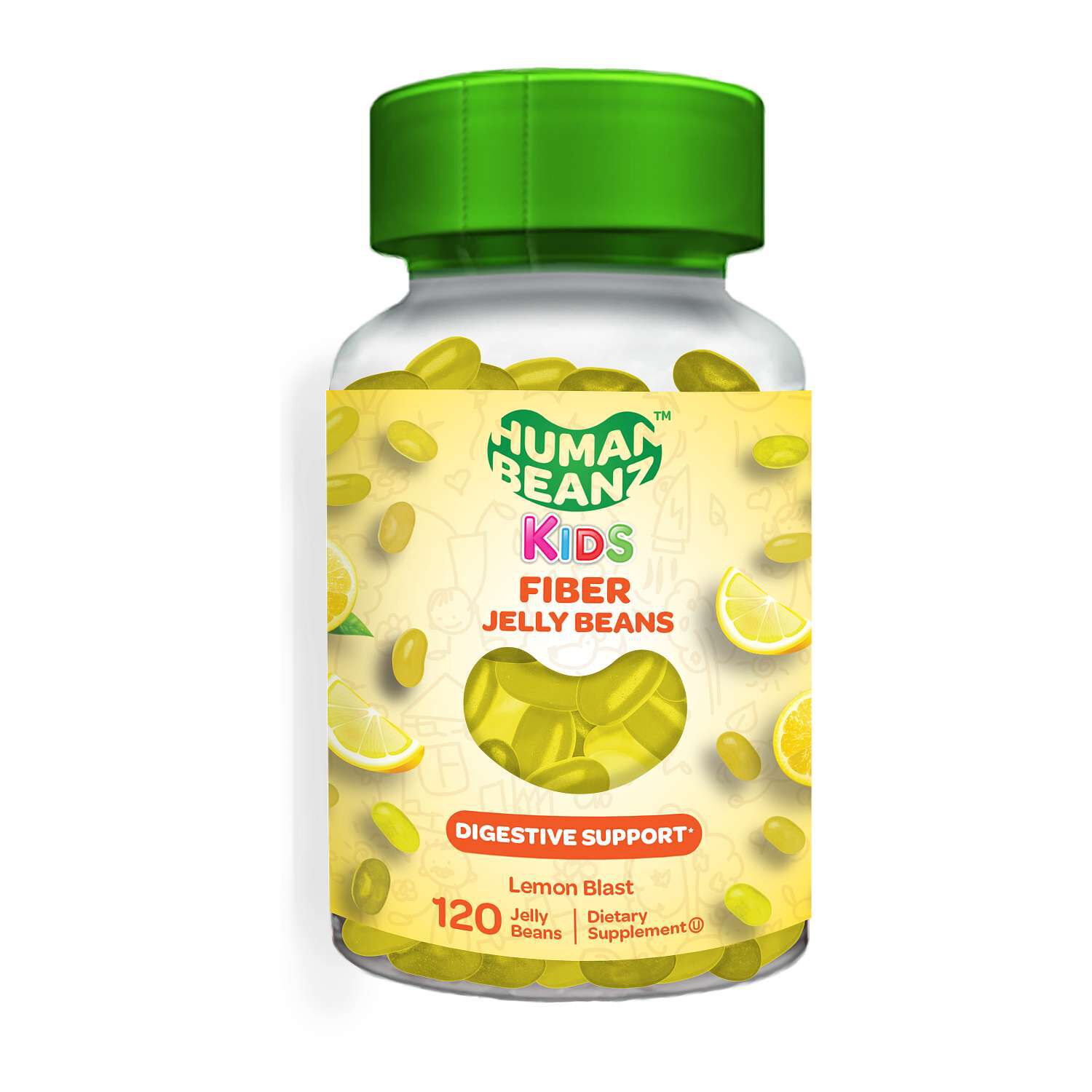
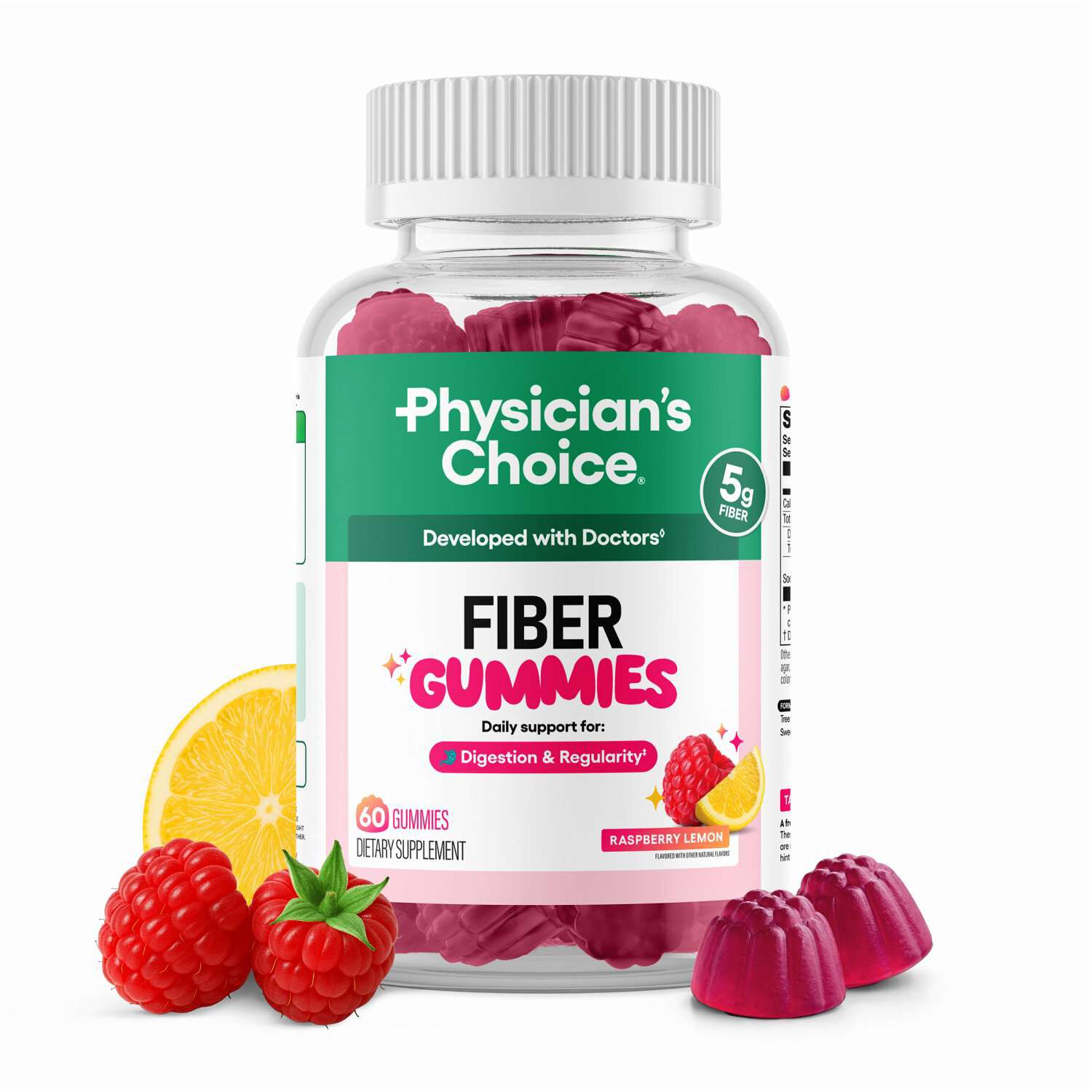
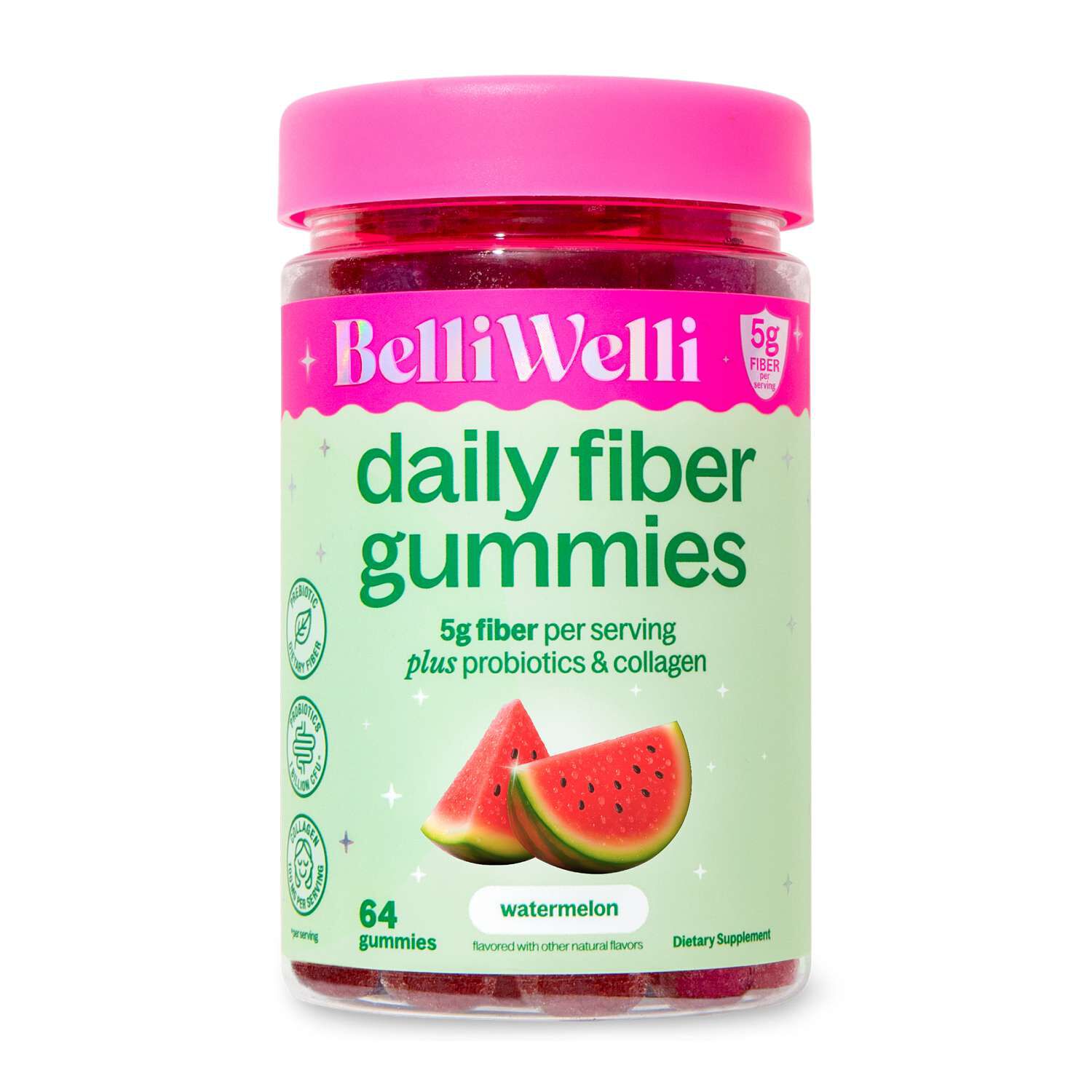
Children's fiber vitamins is a common shopping term for fiber supplements formulated for kids, including gummies, chewables, and powders. Fiber itself is not a vitamin, and a product described as a fiber supplement does not necessarily contain added vitamins or minerals. These supplements may complement dietary fiber from food and may support digestive regularity, depending on their ingredients and intended use. Fruits, vegetables, beans, lentils, and whole grains are familiar food sources of fiber, with each bringing its own mix of nutrients, textures, and flavors to the table. Supplements have a more focused purpose and are not substitutes for a varied diet. Within this category, the distinctions start with the type and amount of fiber in each labeled serving. Soluble fiber dissolves in water, while insoluble fiber does not dissolve in the same way. Some formulas contain prebiotic fiber, which may nourish certain bacteria naturally present in the digestive tract. Inulin from chicory root and soluble corn fiber are examples of ingredients that may appear on supplement labels, although formulas differ. A fruit-flavored gummy and a powder mixed into food can look very different while both being described as children's fiber supplements. Conversely, two similarly shaped gummies can contain different fiber sources, serving amounts, and additional ingredients. The Supplement Facts panel and ingredient list provide a clearer comparison than the front label alone. For families comparing children's fiber vitamins, the most useful details are the labeled age range, fiber grams per serving, serving size, and whether the formula includes other nutrients. A multivitamin is not automatically a source of fiber, just as a fiber supplement is not automatically a multivitamin. That distinction matters when a caregiver is comparing packages with similar colors, fruit illustrations, or descriptions aimed at children. The category is best understood by what each formula contains and how it is intended to be used, rather than by a familiar shape or flavor name.
Format is another meaningful difference among children's fiber supplements, particularly in households where taste and texture influence everyday routines. Gummies typically have a chewy texture and fruit-inspired flavors, while chewable tablets have a different feel in the mouth. Powders have their own preparation requirements, including the foods or beverages named in the package directions. A child who prefers a familiar chewable format may have different preferences from one whose family already mixes powdered supplements into a labeled food or drink. These are practical distinctions, not signs that one format is universally better. The age designation on the package remains important regardless of how familiar or appealing the format looks. Children's formulas are not automatically interchangeable with adult versions, and a playful shape does not establish suitability for every age. Ingredient preferences also vary from household to household. Some caregivers compare added sugars, sweeteners, flavorings, and colors; others pay particular attention to gelatin, pectin, or ingredients derived from foods their family avoids. Pectin and gelatin are different gelling ingredients used in gummies, so the ingredient list can be especially relevant for households with vegetarian preferences. Allergen statements and manufacturing disclosures provide separate information and deserve their own review rather than assumptions based on the front of the package. Flavor descriptions are useful, but they do not describe every aspect of taste: sweetness, aroma, texture, and serving size all contribute to the experience. With powders, preparation directions can also influence the final texture and how the supplement fits into a meal. An unflavored description does not necessarily mean a powder will be unnoticeable in every food or beverage. For a caregiver comparing options around a breakfast routine or an afternoon meal, those small details can matter more than decorative packaging. The most relevant match is a format intended for the child's age, with ingredients that align with household preferences and directions that are clear to the adult overseeing its use.
Packaging and storage deserve attention alongside ingredients and format. A bottle kept in its original container retains the serving directions, age information, ingredient disclosures, and expiration date in one place. Gummies, chewables, and powders can have different storage requirements, so the package directions are more useful than a single rule for every supplement. Containers with securely closing lids are a practical consideration, and a powder's scoop or measuring instructions are part of its serving information rather than an optional detail. For households using more than one children's supplement, similar-looking containers make careful label reading especially relevant. The number of gummies or tablets in a package is not the same as the number of servings, and a serving may consist of more than one piece. Likewise, the weight of a scoop of powder is not necessarily the amount of dietary fiber it contains. Comparing fiber grams per labeled serving keeps the focus on the nutrient rather than package size, piece count, or scoop size. Any added vitamins and minerals belong in that comparison as well, particularly when another supplement is already part of the household routine. When browsing related children's supplements, ingredient lists and serving information remain useful points of comparison. Clear distinctions between categories make product descriptions easier to interpret without assuming that similarly presented formulas have the same contents. Children's fiber supplements are caregiver-selected products intended for use according to their labels, not candy or casual snacks. Their place in a household depends on the individual formula, its age guidance, and the routine around it. Whether the comparison starts with a familiar flavor, a preferred texture, or a particular fiber source, the clearest picture comes from considering those details together. That approach keeps attention on what the supplement actually contains, how its serving is measured, and the intended use described on the package.