





Fiber Gummies For Constipation In Kids
(0 Results)
Fiber gummies for constipation in kids may offer a convenient and enjoyable way to support your child’s digestive wellness. These chewable supplements are often designed with kid-friendly flavors and textures, making it easier to include fiber as part of a daily routine. Whether you’re exploring options to help maintain regularity or simply looking for an approachable way to add more fiber, fiber gummies for constipation in kids could be a helpful addition to your family’s wellness journey.
-

-

-

-

-
 $22.99
 -
 $17.99
 -
 $22.99
 -
 $15.99

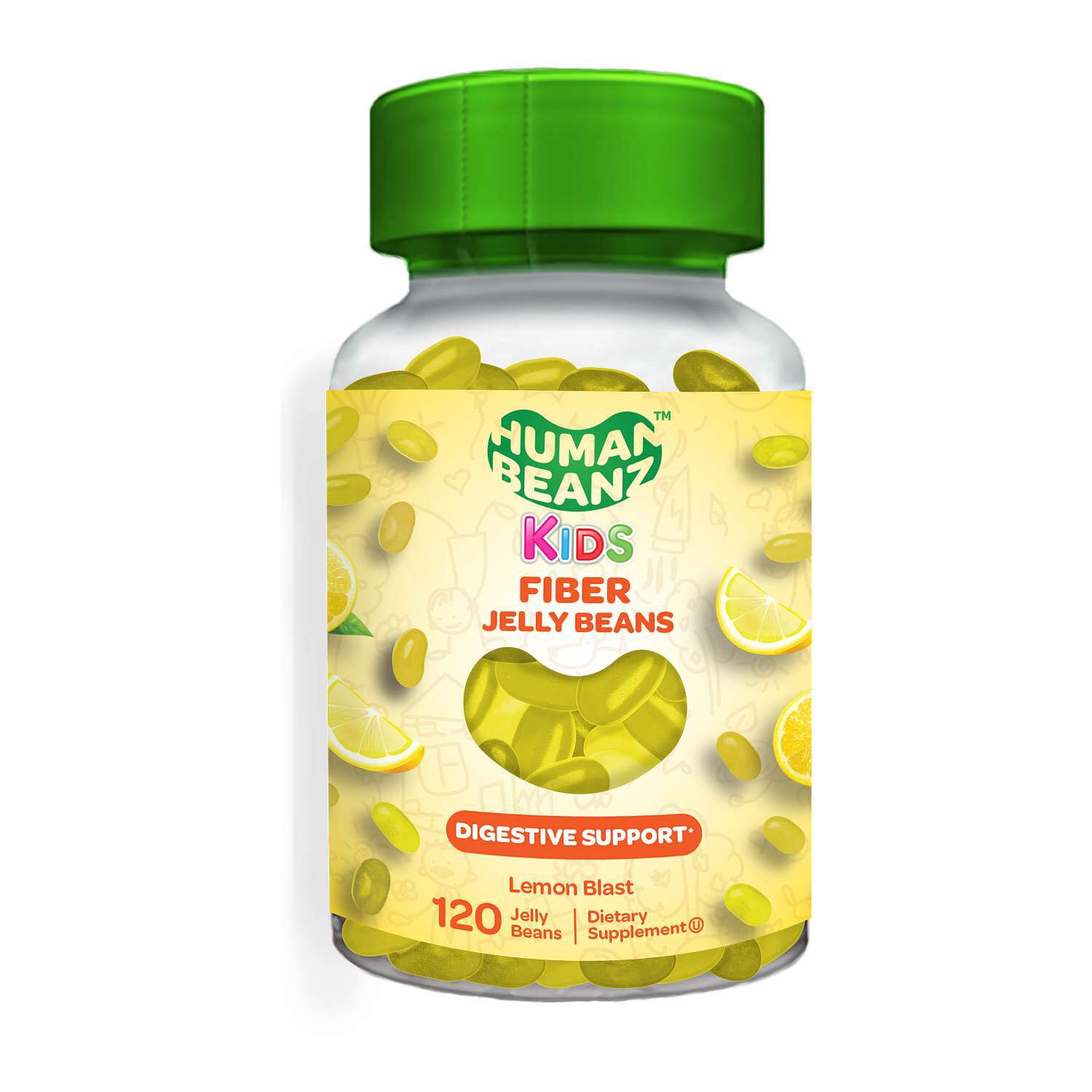
Families shopping for fiber gummies for kids with constipation often look for a simple, familiar format that fits naturally into a child’s daily routine. Gummies may offer a convenient way to add a measured amount of dietary fiber, especially for children who are selective about textures, flavors, or new foods. Dietary fiber comes from plant foods and may support regular bowel habits when included as part of an age-appropriate eating pattern. Since children have different needs, product labels should be reviewed carefully for serving size, fiber type, added sugars, flavor ingredients, and recommended age. Many products in this category are labeled for children ages 4 and older, while some are designed for ages 2 and older; the package directions should guide the selection. Common formulas may provide soluble corn fiber, prebiotic plant fiber such as FOS, or other fiber ingredients in one to three gummies per serving. A lower-sugar or sugar-free option may suit families who are limiting added sugar, while a vegan formula may fit households that avoid animal-derived ingredients. Children with food allergies, sensitivities, or special dietary preferences may benefit from a closer look at the ingredient panel and manufacturing information. Families comparing options for these needs can also browse Fiber Gummies for Kids With Dietary Restrictions for products organized around common dietary considerations.
Fiber gummies are dietary supplements rather than substitutes for the varied foods children may enjoy throughout the day. Fruits such as pears, berries, peaches, and prunes, along with vegetables, beans, oats, and whole-grain foods, may contribute fiber to a child’s eating pattern. Water matters as well, because fiber generally works best alongside adequate fluids; offering water throughout the day may be more practical than relying on one large drink at mealtime. A bright cup near breakfast, a refillable bottle in a backpack, or a few sips after outdoor play can make hydration feel like an ordinary part of the day. Families may choose to introduce a fiber gummy according to the package directions and observe how the child responds to the routine, without exceeding the listed serving. A gradual approach may feel more comfortable for some children than adding several new fiber sources at once. For children who already eat a fiber-rich diet, a gummy may simply serve as a convenient addition during busy periods, travel, school breaks, or cooler months when routines shift indoors. For children who tend to pass over beans, vegetables, or whole grains, parents and caregivers may view a gummy as one small part of a broader food routine rather than the sole source of daily fiber. Storage also deserves attention: gummies should remain in their original container, away from young children, and used only according to the label.
Choosing a fiber gummy for a child can involve more than comparing the number printed on the front of the package. Serving size, fiber amount per serving, fiber source, sweeteners, allergens, texture, flavor, and age guidance all may shape the best fit for a household. Some labels may list 3 grams of prebiotic fiber in two gummies, while others may provide 3 grams in one gummy or 5 grams of soluble corn fiber in three gummies. Those numbers are not interchangeable, so families may find it useful to compare the fiber amount and serving instructions side by side. The word “prebiotic” refers to certain fibers that may be used by beneficial microorganisms in the digestive tract, though individual experiences can vary. Children who need a vegetarian, vegan, kosher, halal, gluten-conscious, or lower-sugar option may require a more detailed label review. Caregivers may also want to consider whether a child can comfortably chew the product and follow the age guidance shown on the package. A pediatrician or other qualified healthcare professional may provide individualized guidance before a child begins a new supplement, particularly when constipation continues, when a child has an ongoing health concern, or when other supplements or medicines are part of the routine. Product labels remain the best source for serving directions, storage information, and ingredient details. With thoughtful label reading, regular meals, water offered throughout the day, and a routine that feels manageable for both child and caregiver, fiber gummies may fit into a family’s approach to everyday digestive wellness.


 Chewable Tablets_Front.jpg?sw=305&sh=305&sm=fit "ChildCalm - 60 Chewable Tablets (30 Servings) | GNC")


