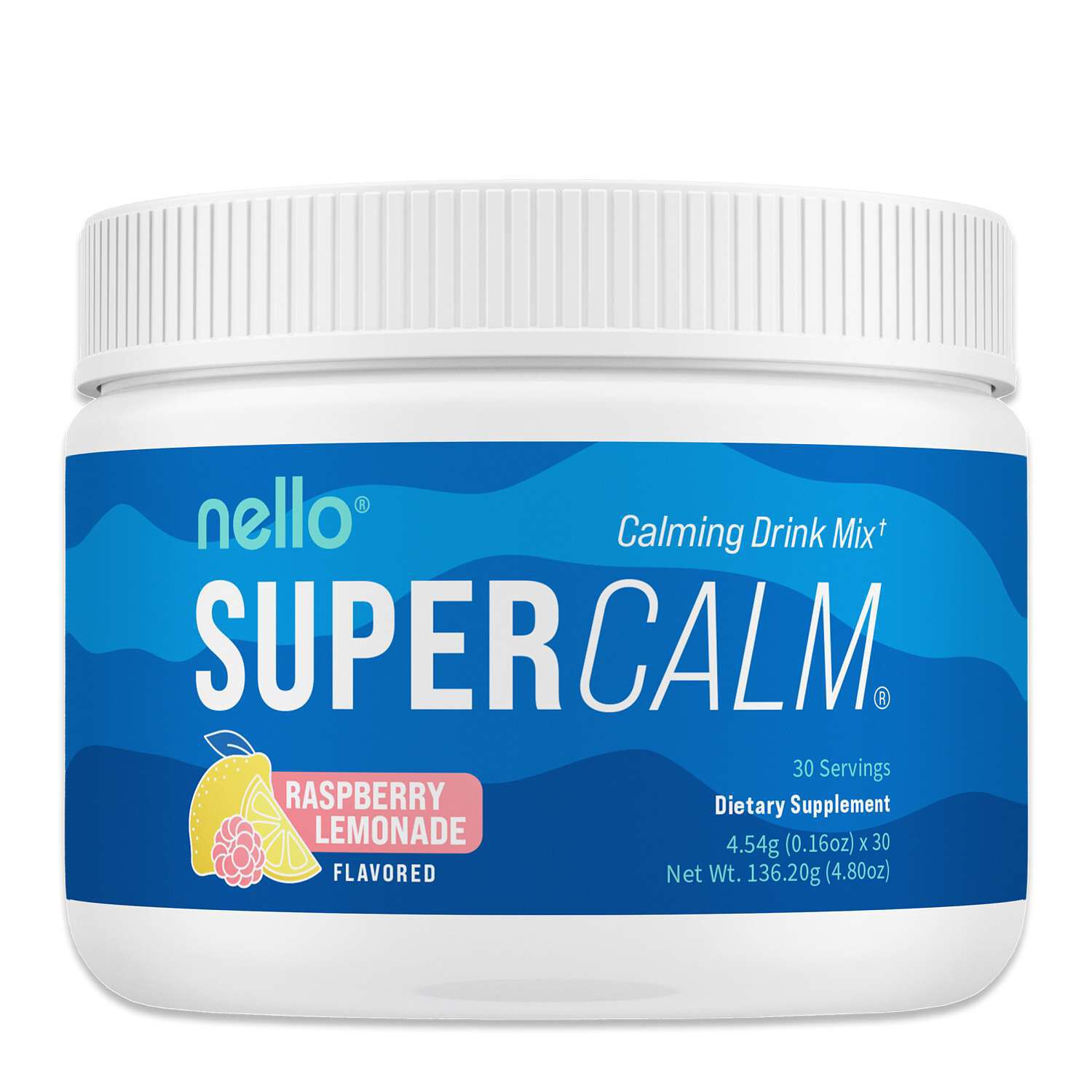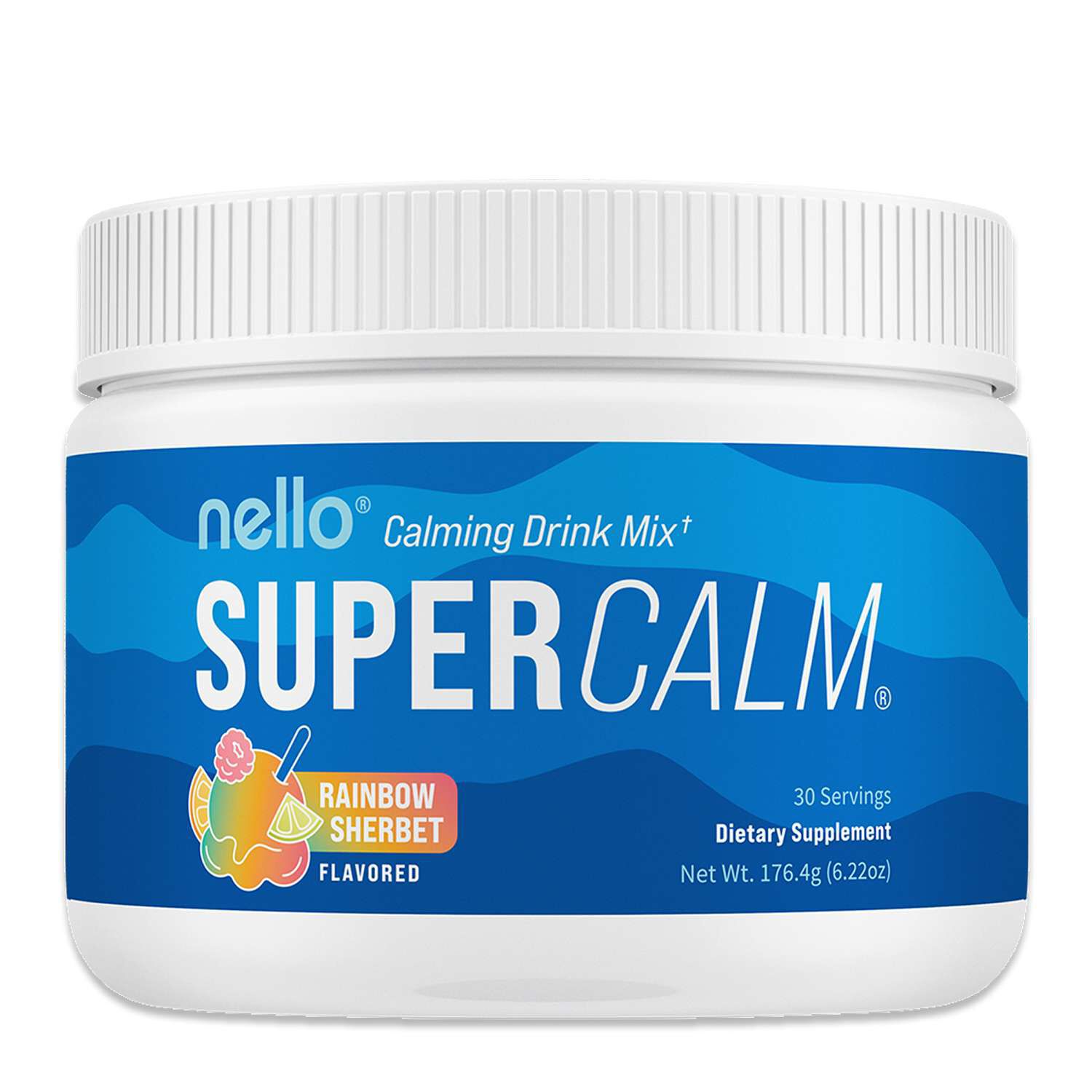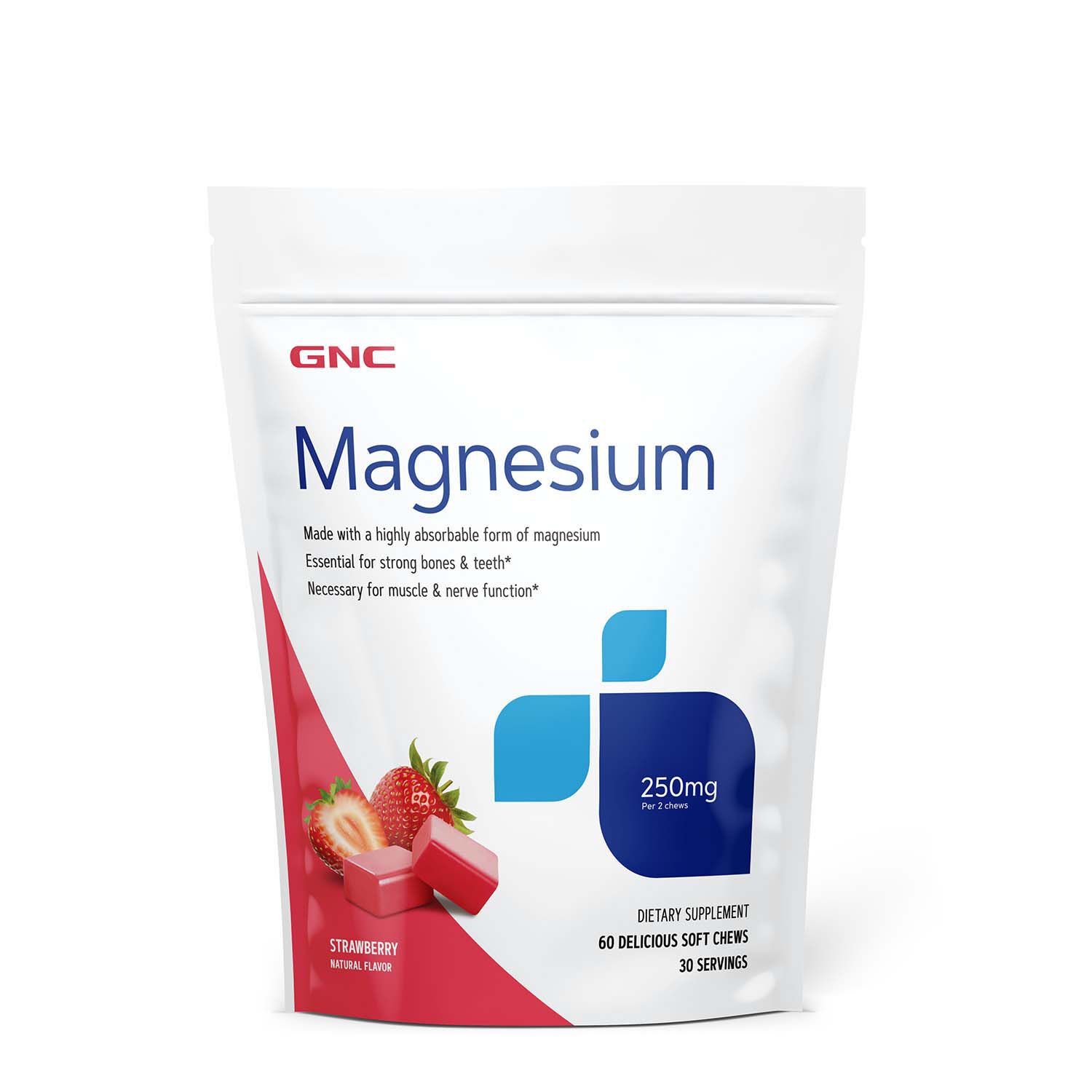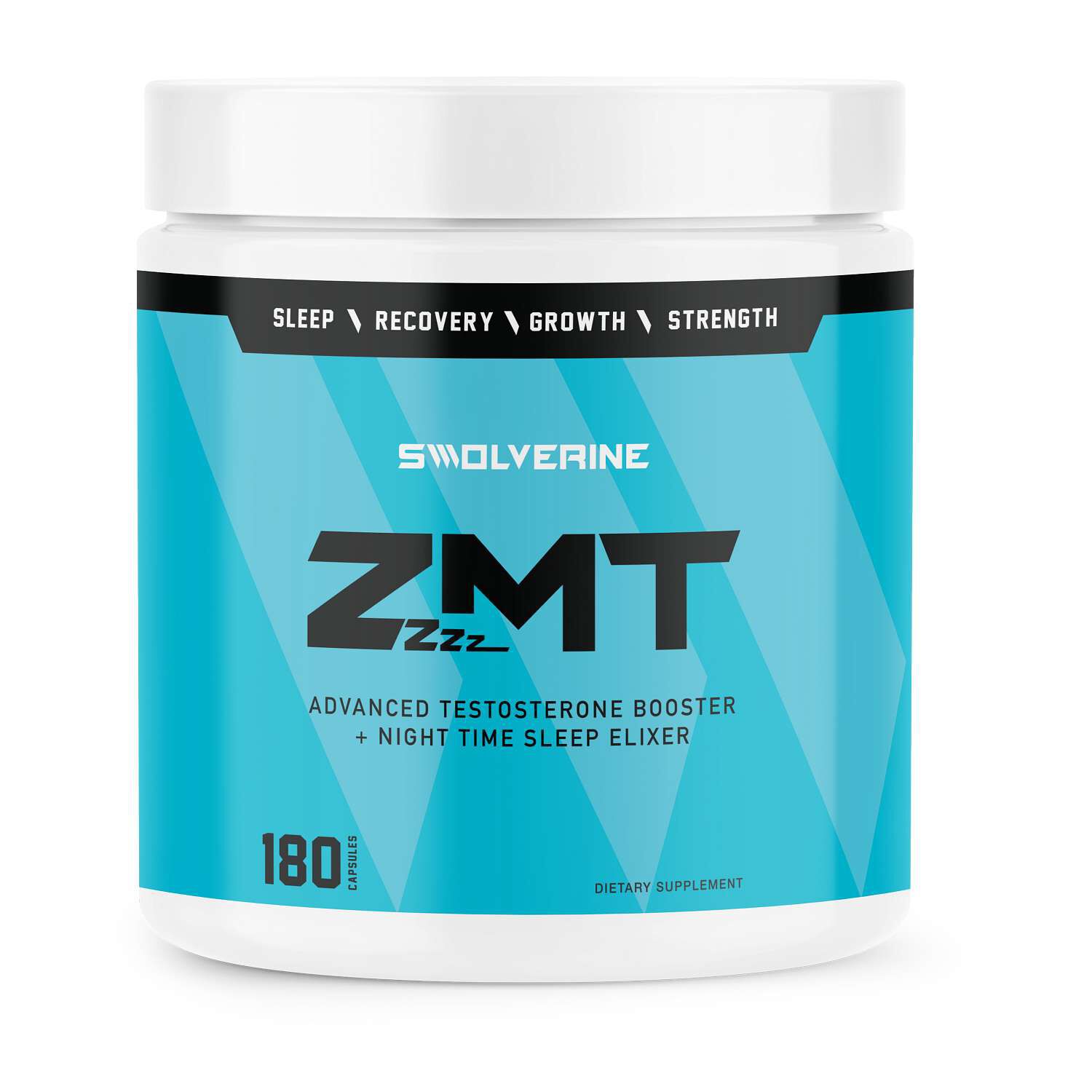


Magnesium Bisglycinate Supplements
(0 Results)
Magnesium Bisglycinate is a highly absorbable form of magnesium that is gentle on your stomach and easy for your body to utilize. Known for its calming properties, magnesium bisglycinate is a popular choice for those looking to support muscle function, promote relaxation, and maintain overall wellness. With its chelated form for optimal bioavailability, this essential mineral supplement is a must-have addition to your daily routine. Discover why magnesium bisglycinate is favored by many for its effectiveness and gentle nature.


Magnesium bisglycinate supplements feature magnesium bound to the amino acid glycine, offering a distinct form of this dietary mineral for an everyday supplement routine. In the bisglycinate compound, one magnesium ion is associated with two glycine molecules. This structure is described as a chelate, a term that refers to how the mineral is held by the surrounding molecules. Magnesium glycinate and magnesium bisglycinate are often used interchangeably on supplement labels, although the ingredient list remains important for understanding the composition of a particular formula. Some formulas identify magnesium bisglycinate as the sole magnesium source, while others combine it with additional forms of the mineral. A label that says “buffered,” for example, may indicate the inclusion of magnesium oxide alongside the chelated form. Those distinctions make the full ingredient description more useful than a prominent front-label phrase alone. Magnesium is found naturally in foods such as nuts, seeds, beans, and leafy greens; supplements provide another format for including the mineral in a nutrition routine, rather than a substitute for varied meals. Adults comparing magnesium bisglycinate capsules, tablets, and powders may be looking for a single-mineral formula, a particular serving format, or an ingredient list that matches their dietary preferences. The category also attracts attention for discussions of bioavailability, which describes how much of an ingested nutrient becomes available for the body to use. That term is not a blanket measure of how every person will experience a supplement, and a chelated ingredient name alone does not establish a particular outcome. Descriptions of absorption or digestive comfort should be considered in the context of the finished formula rather than treated as universal properties. For a useful comparison, focus on the magnesium source, the declared magnesium amount, the serving size, and the other ingredients. Together, these details offer a clearer picture of what is in the container and how the format could fit an established daily routine.
The Supplement Facts panel is especially helpful when comparing magnesium bisglycinate supplements because the weight of the chelated compound is different from the amount of elemental magnesium it provides. Elemental magnesium refers to the magnesium itself, not the accompanying glycine. On a U.S. Supplement Facts panel, the magnesium amount is listed per serving, with the source commonly identified in parentheses. A larger number elsewhere on the package may refer to the compound rather than the magnesium amount declared in that panel. Serving size adds another important distinction: a stated magnesium amount might correspond to two capsules rather than one, or to a measured portion of powder rather than an arbitrary spoonful. The number of servings per container is therefore a separate consideration from the number of capsules or the container’s net weight. These are practical label differences, not reasons to assume that a larger serving or a higher magnesium amount is a better match. The surrounding ingredients deserve similar attention. Capsules may use gelatin or a plant-derived shell, while tablets may contain ingredients that help hold their shape during manufacturing and handling. Powder formulas may be unflavored or include flavoring, sweeteners, and ingredients that influence texture. Unflavored does not necessarily mean tasteless, and the finished drink’s character may depend on both the formula and the liquid used according to its directions. Dietary statements and allergen information can help distinguish otherwise similar-looking formulas without relying on the front label’s design. For someone who already organizes several supplements, a clearly listed magnesium source and straightforward serving information may make the routine easier to review. Related Magnesium Glycinate Supplements for Supplement Stacks offer another way to browse this category with an existing supplement lineup in mind. “Stack” simply describes a group of supplements used within a routine; the term does not establish that a combination is appropriate for every person. Keeping each formula’s ingredient information accessible makes overlap more visible and comparisons less dependent on similar names or packaging.
Format is often where a magnesium bisglycinate supplement becomes a practical match for everyday life. A capsule offers a premeasured unit without requiring a mixing container, while a powder involves measuring and preparing a serving according to the package directions. Tablets have their own dimensions and surface finishes, so serving count and physical size can matter as much as the name of the mineral. Someone with a compact kitchen shelf may prefer a bottle that sits neatly beside other labeled containers; someone accustomed to preparing a beverage may find a powder format more familiar. A busy morning with a packed bag, a quiet evening at home, and an overnight stay each present different handling needs, but none of those occasions establishes a required time to use magnesium. Package directions remain the reference for intended use and preparation. With powders, scoop size, liquid amount, and stirring instructions can affect the preparation experience, and household spoons are not necessarily equivalent to an included measuring scoop. With capsules and tablets, keeping the original packaging preserves access to the ingredient list, serving information, and date markings. Storage is part of product care as well. Moisture, heat, and a loosely closed lid can compromise the condition of many supplements, making the package’s storage instructions worth checking before choosing a spot near a sink or in a humid bathroom. A dry cupboard away from direct sunlight is often more practical when consistent with those instructions. Containers should remain securely closed and out of children’s reach. For travel, the closure, container dimensions, and readable label are useful considerations alongside the format itself. Packaging durability matters primarily for protecting the contents during ordinary handling, not as evidence of the formula’s quality or effects. Ultimately, comparing magnesium bisglycinate supplements is about distinguishing clearly described formulas: the mineral source, elemental magnesium per serving, capsule or powder ingredients, preparation requirements, and storage needs. Those concrete details help narrow a broad category into options that may suit personal preferences without making assumptions about results.
Best Sellers
-
 Rho Nutrition
 -
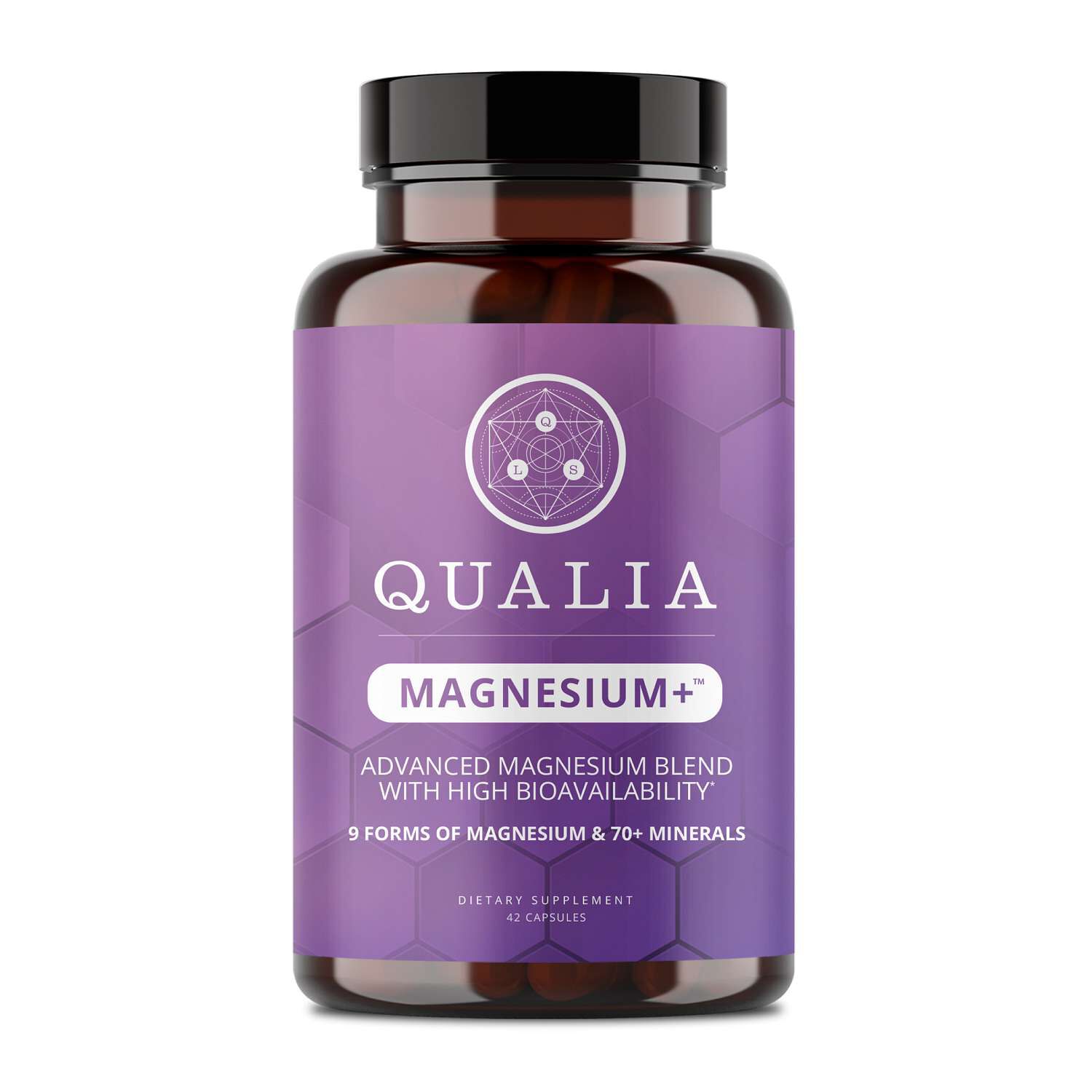 Qualia Life Sciences