





Magnesium Glycinate Powders
(0 Results)
Shop magnesium glycinate powders for a mixable alternative to capsules or tablets. Compare the magnesium amount per serving, ingredient lists, and mixing directions to find an option that fits your supplement routine.
-

-
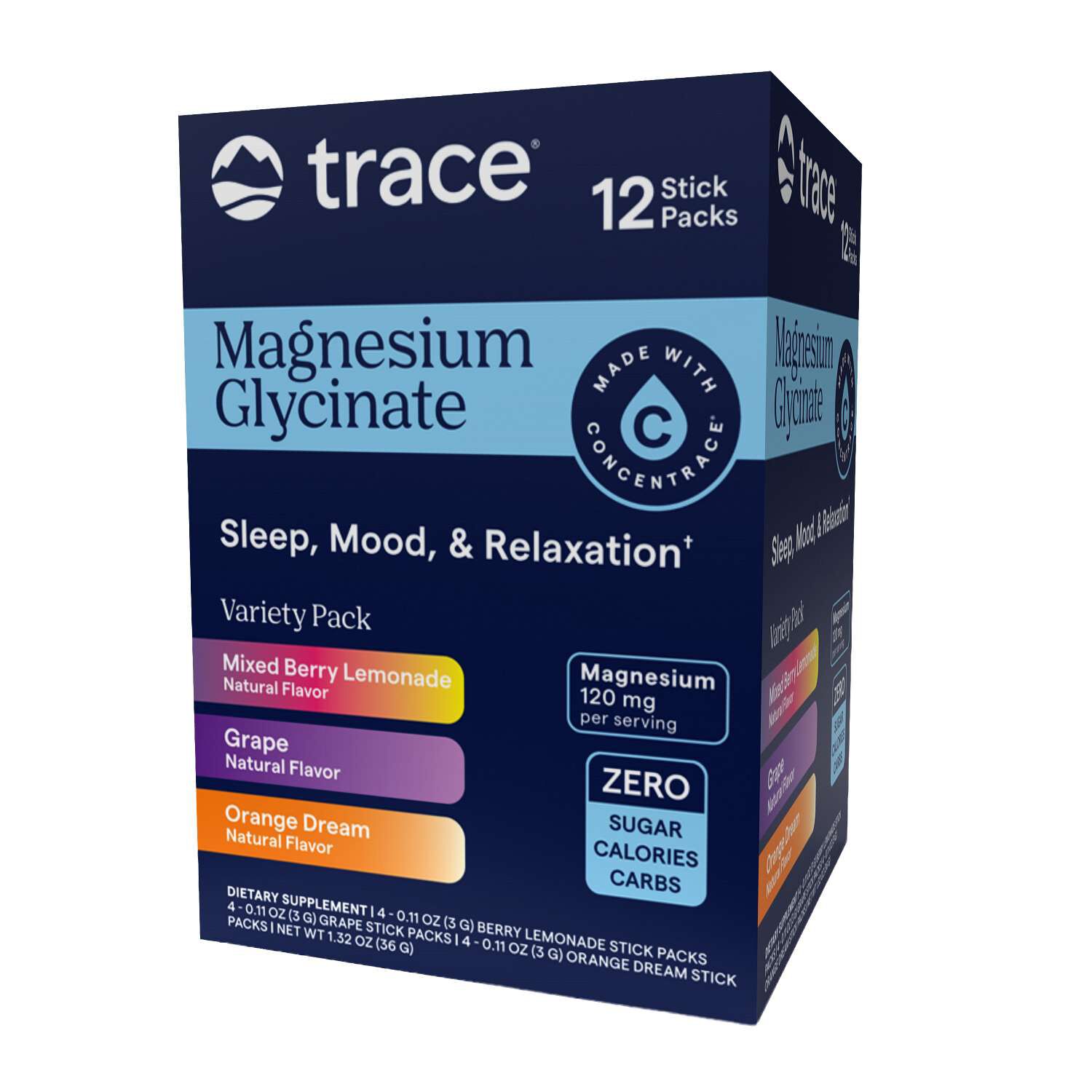 Trace Minerals$14.99
-
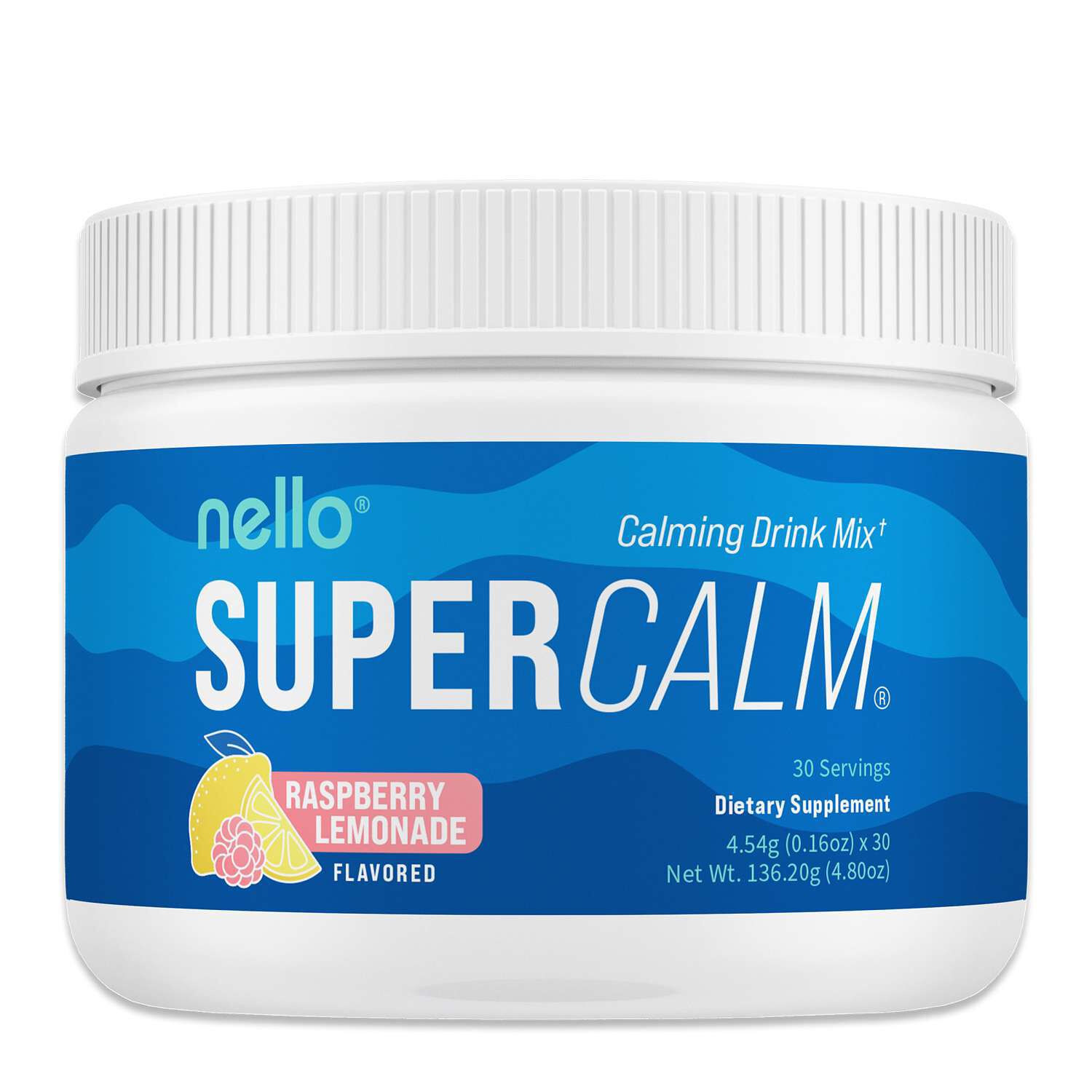
-
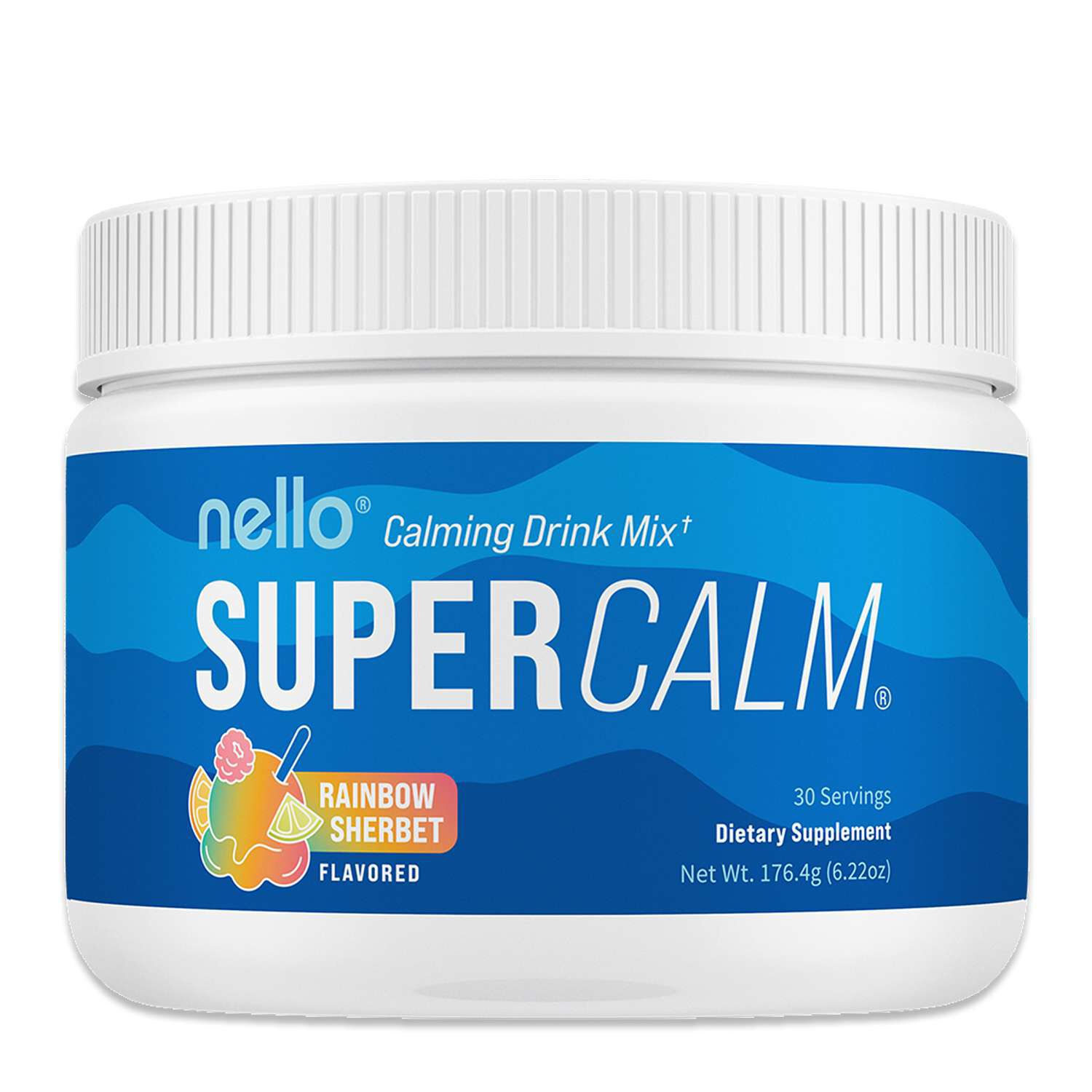
-
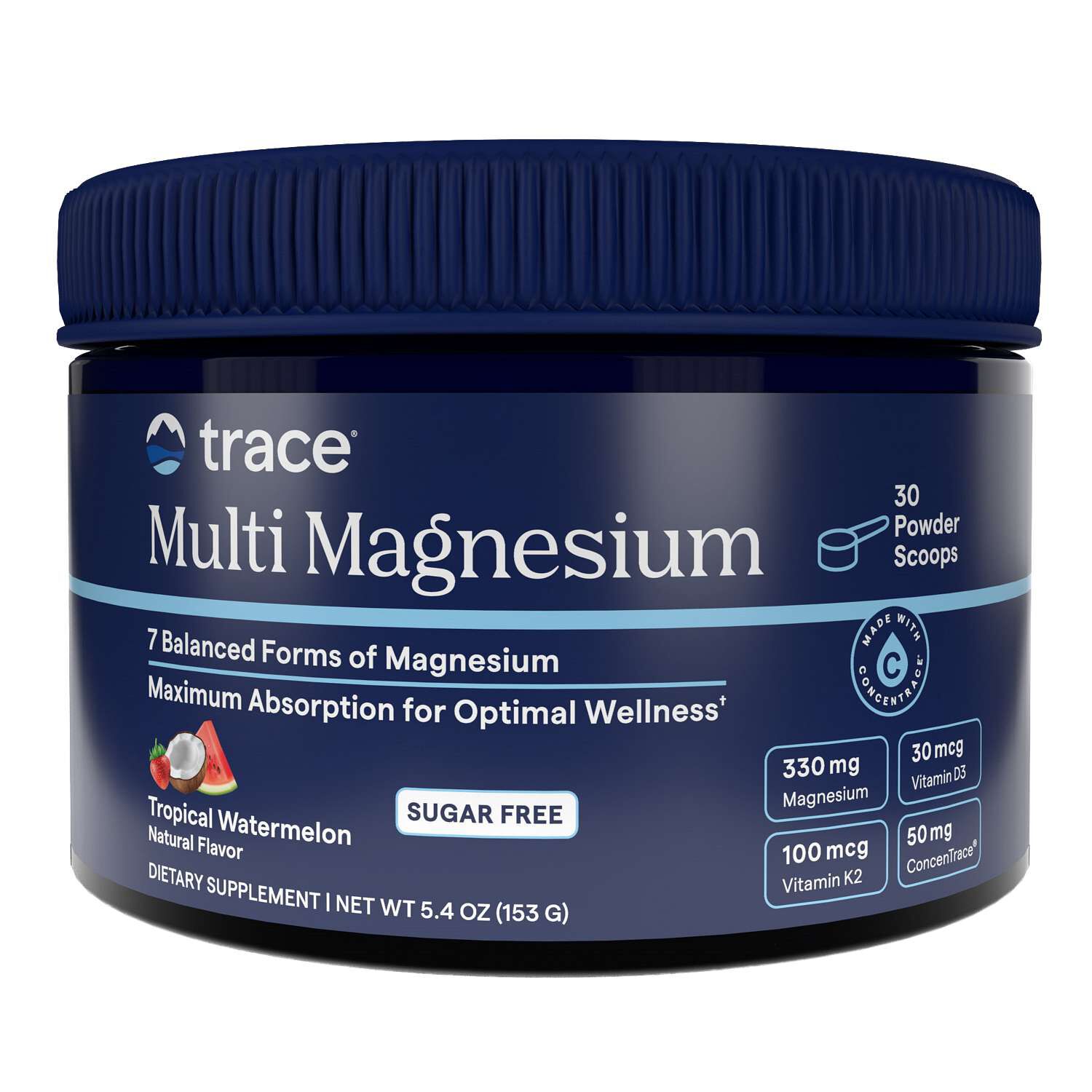
-
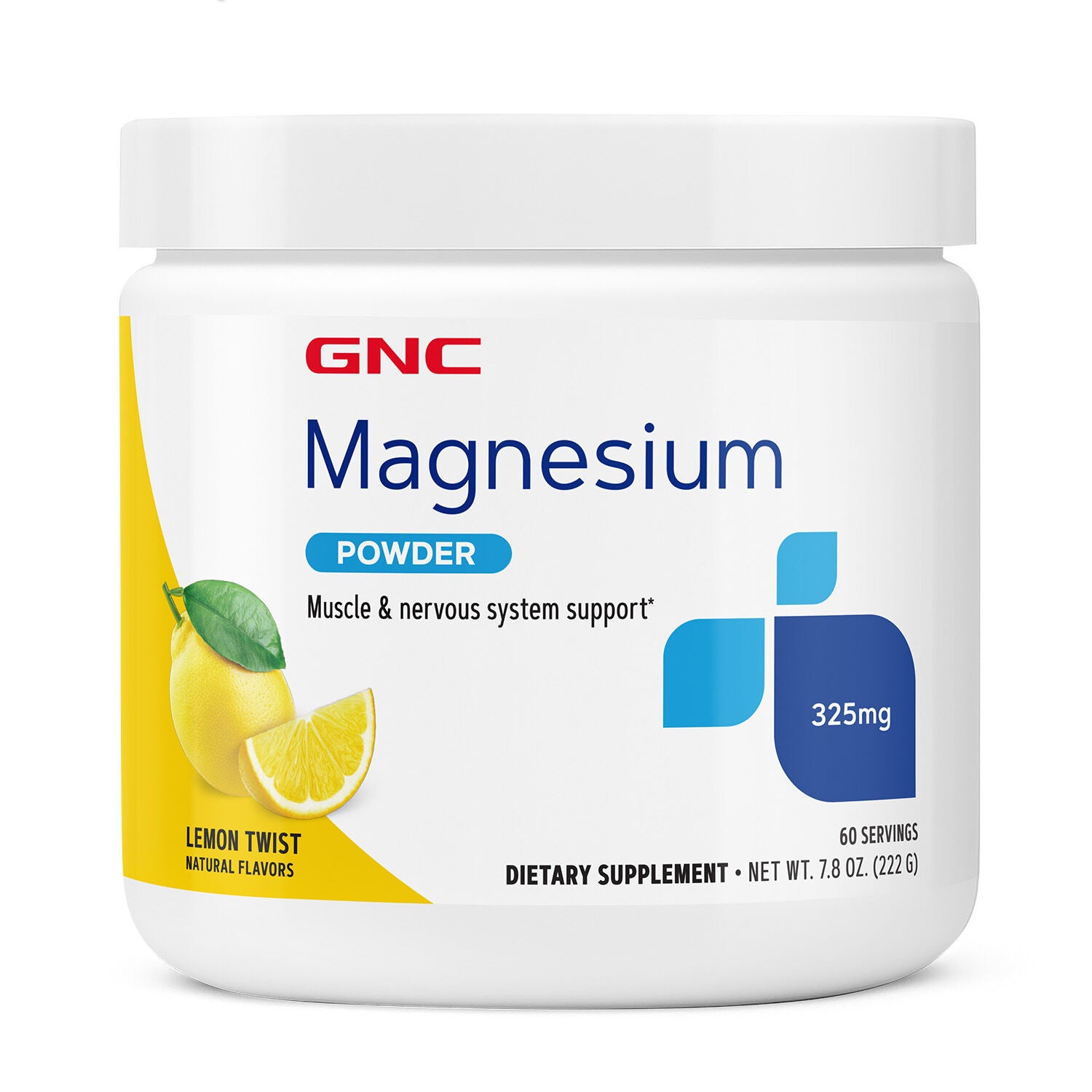
Magnesium glycinate powder is a dietary supplement made with magnesium bound to glycine, an amino acid. This pairing is commonly described as a chelated form of magnesium, and the powder format offers an alternative to capsules, tablets, and softgels. Magnesium itself is a mineral found in foods such as nuts, seeds, beans, and leafy greens; glycinate describes the form used in the supplement rather than a flavor or a type of packaging. Magnesium glycinate and magnesium bisglycinate are often used as closely related names, with bisglycinate referring more specifically to magnesium associated with two glycine molecules. Shoppers comparing these terms can also explore Magnesium Bisglycinate Supplements for the related supplement category. The name on the front of a container is only one part of the comparison, however. The Supplement Facts panel identifies the amount of elemental magnesium in a labeled serving, while the ingredient information provides context about its source. Elemental magnesium means the magnesium portion itself, not the weight of the entire magnesium-and-glycine compound. That distinction matters when comparing labels because a larger compound weight does not necessarily indicate more magnesium per serving. Some formulations contain magnesium glycinate alone as their magnesium source, while others combine it with additional forms. A description such as buffered deserves a closer look at the ingredient panel rather than an assumption that every formula has the same composition. Serving sizes also vary: one powder might list its serving by scoop, another by a different measured quantity, and the amount of magnesium in those servings may differ. Comparing the stated magnesium amount alongside the serving size gives a clearer picture than comparing container size or the prominence of a number on the front label. The most useful category comparison brings together the magnesium form, elemental amount, serving directions, and other ingredients rather than treating the word glycinate as the only meaningful detail.
The appeal of a powder often comes down to preparation and personal preference. For adults who prefer a drinkable supplement format, magnesium glycinate powders may fit more naturally into an established routine than another capsule or tablet. Preparation should follow the directions on the container, including the specified serving and the suggested liquid amount. A scoop is a measuring tool, not a universal unit shared across every formula, so the scoop supplied with one container should not be assumed to match another. The relationship between scoop size and serving size is worth checking before preparation, especially when a label calls for a fraction of a scoop or more than one scoop. Flavor is another practical distinction. An unflavored powder does not necessarily taste like plain water; it may have a noticeable mineral character or a slightly bitter finish. Flavored versions may include fruit notes, sweeteners, acids, or other ingredients that shape the drink’s taste. Someone who prefers a subtle beverage may evaluate those ingredients differently from someone who enjoys a more pronounced flavor. Texture deserves similar attention. Depending on the formulation and preparation method, a mixed powder may look clear, cloudy, or slightly opaque, and some formulas may leave fine particles at the bottom of the glass. Following the suggested mixing method is a better reference than expecting every magnesium powder to behave like a powdered drink mix. A spoon and an ordinary drinking glass may suit formulas intended for stirring, while other directions may specify a different preparation method. The label should also determine whether the powder is intended for water or another beverage. Adding extra powder to make a stronger-tasting drink is not a substitute for following the labeled serving. For a routine built around a familiar breakfast or evening beverage, the relevant considerations are straightforward: the preparation instructions, the flavor alongside that beverage, the measuring process, and the cleanup afterward. Those everyday details may matter as much as the format itself.
Ingredient preferences and storage needs round out the comparison between magnesium glycinate powders. Beyond the magnesium source, a formula may contain flavors, sweeteners, coloring ingredients, or ingredients used to help the powder flow. A shorter ingredient list and a more elaborate flavored blend represent different formulation approaches, not an automatic ranking of quality. Reading the full label makes it easier to distinguish the mineral source from the ingredients responsible for taste, texture, and handling. Shoppers with dietary preferences can review any vegetarian or vegan labeling, ingredient disclosures, and allergen information rather than making assumptions based on the powder format. When a package displays a certification or testing statement, the specific wording matters: a statement about manufacturing practices is different from one describing testing of a finished batch. Clear information about the manufacturer, lot identification, serving directions, and storage provides additional context when evaluating a supplement container. At home, the original packaging keeps those details together with the powder. Follow the storage instructions, close the container as directed, and use a clean, dry measuring utensil. A damp scoop or an open lid can introduce moisture, which may change how a powder pours or measures. A dry cabinet away from the sink is often a more practical storage location than a busy countertop where splashes are common, provided it matches the package directions. Keep the label readable and check any printed date information rather than relying on appearance alone. For travel or time away from home, retaining the original labeled packaging keeps the serving and ingredient information accessible; a loose scoop of powder in an unmarked container does not provide that same context. Container shape and closure style are practical considerations, too, particularly when storage space is limited or the powder is used in a shared kitchen. The right comparison is ultimately specific to the intended user’s preferences: a clearly identified magnesium source, understandable serving information, suitable ingredients, an acceptable flavor, and a preparation method that fits comfortably into an existing routine.
- Q: What is magnesium glycinate powder?
A: Magnesium glycinate powder is a dietary supplement containing magnesium bound to glycine, an amino acid. The powder format is intended to be mixed with a liquid according to the product label. - Q: How does magnesium glycinate powder differ from capsules or tablets?
A: The main difference is the format: powder is measured and mixed into a beverage, while capsules and tablets come in solid form. Ingredients and magnesium amounts can vary, so compare the Supplement Facts panels and serving directions. - Q: How do you mix magnesium glycinate powder?
A: Follow the label directions for the amount of powder and recommended liquid. Stir or shake as directed, and check whether the label specifies water or another beverage. - Q: What should I look for in a magnesium glycinate powder ingredient list?
A: Look for the listed magnesium source, along with any flavors, sweeteners, or other ingredients. Reviewing both the ingredient list and Supplement Facts panel can help you compare formulas based on your preferences. - Q: What does elemental magnesium mean on a magnesium glycinate powder label?
A: Elemental magnesium refers to the magnesium itself, rather than the combined weight of magnesium and glycine. On the Supplement Facts panel, the amount listed beside magnesium represents the elemental magnesium per serving.
Best Sellers
-
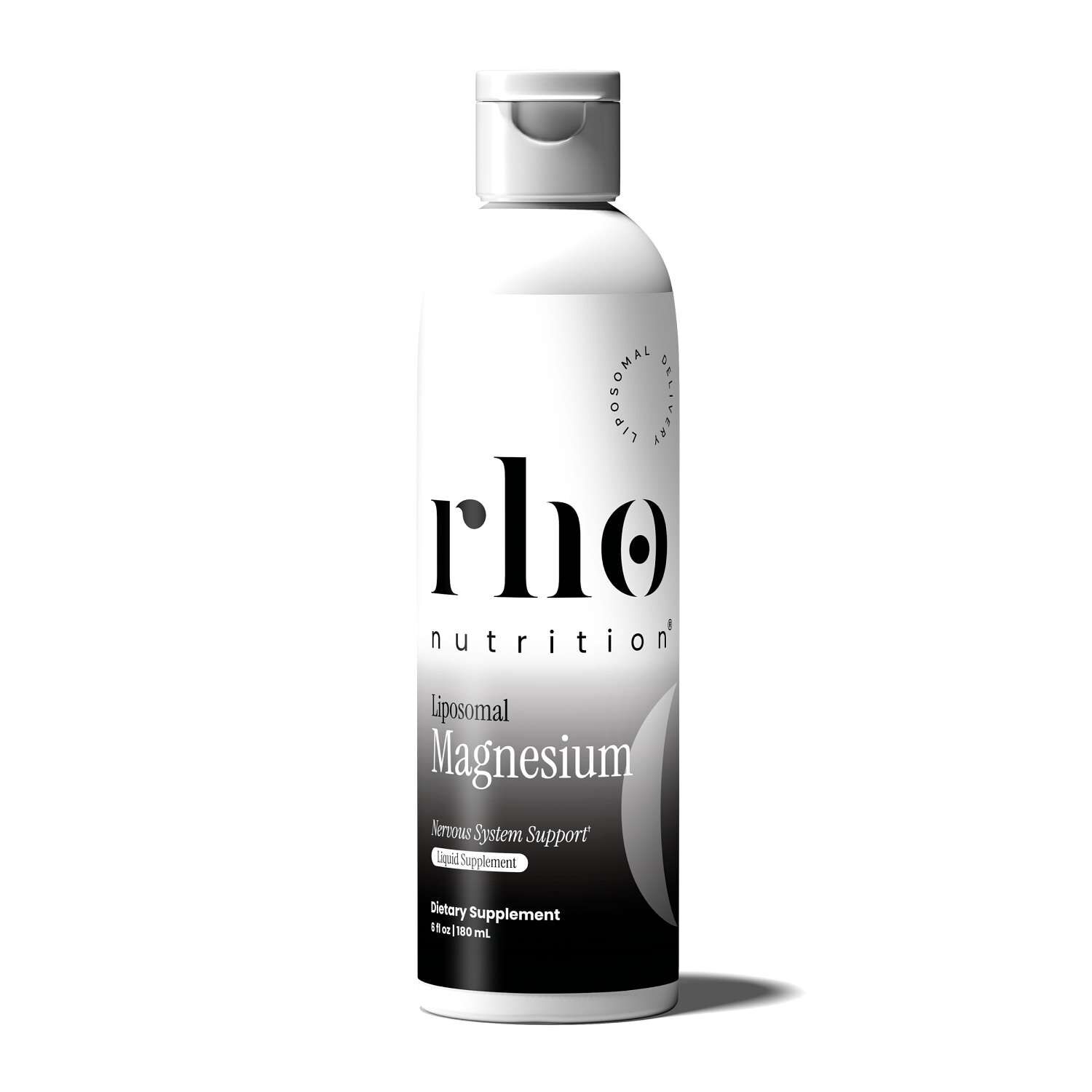 Rho Nutrition
-
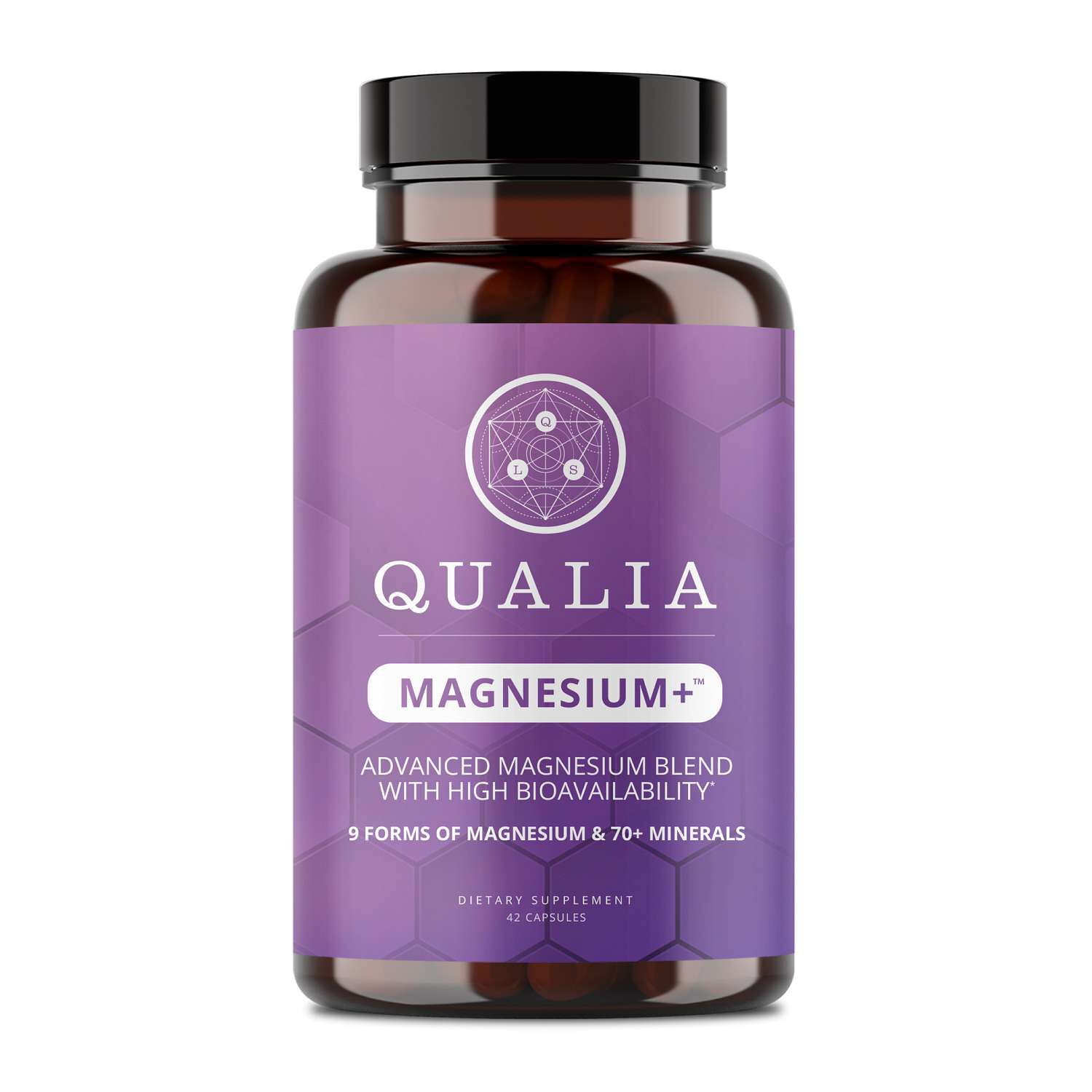 Qualia Life Sciences
Related Pages


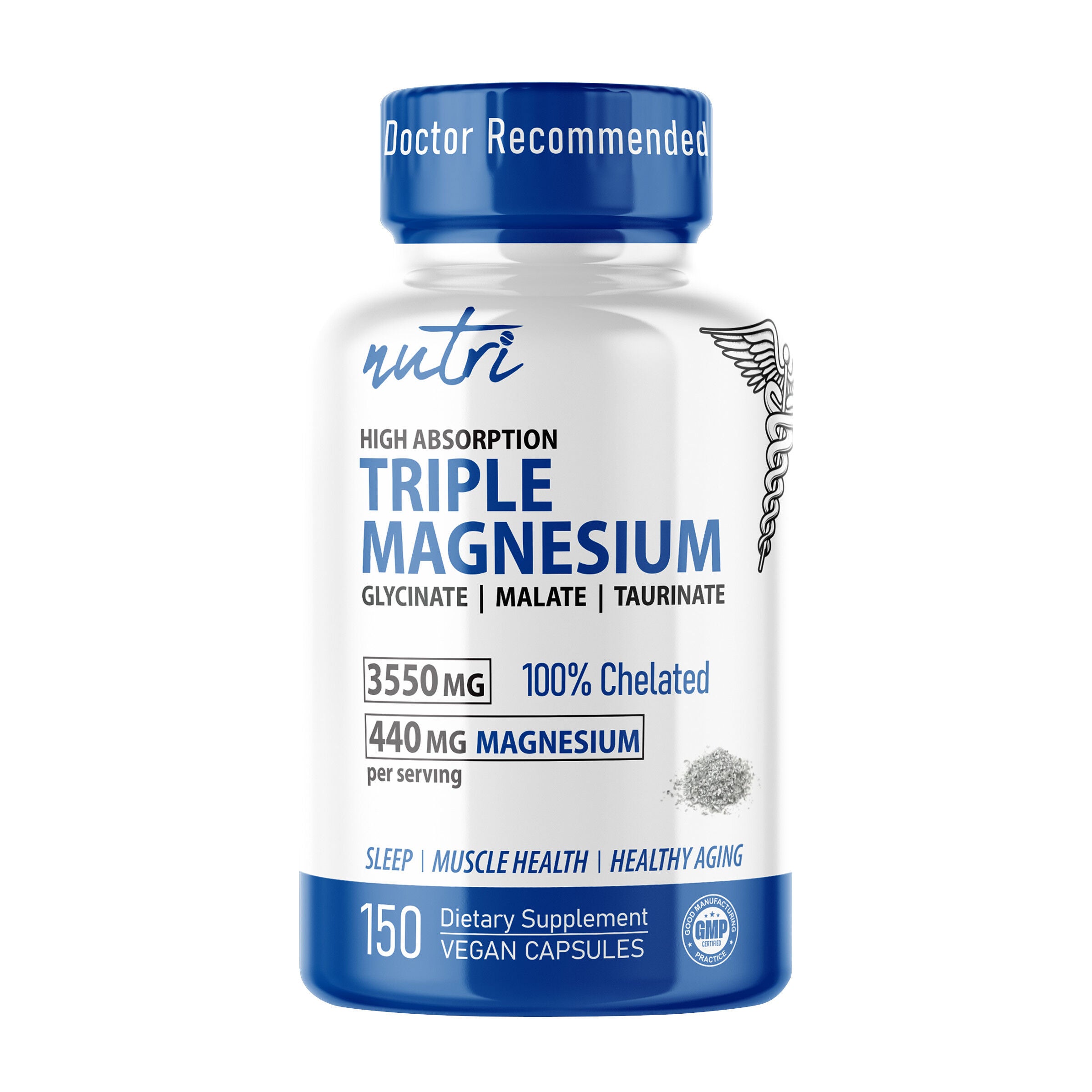
Top Collections
- Zinc Supplements For Men
- Chronic Fatigue Supplements
- Metabolism Boost For Weight Loss
- Daily Collagen Supplements | Top Brands & Deals | GNC
- Supplements For Yoga Joint Flexibility
- Capsule Supplements For Energy And Stamina
- Adult Vitamins
- Vitamins For Hair Loss
- Burnout Support Supplements
- Best Brand of Magnesium Glycinate