Magnesium Glycinate Supplements
(0 Results)
Magnesium Glycinate is a popular supplement known for its numerous health benefits. As a highly absorbable form of magnesium, it is often favored by individuals looking to support healthy muscle function, promote relaxation, and maintain overall well-being. Whether you're an athlete seeking to optimize performance or simply aiming to fill a nutritional gap in your diet, Magnesium Glycinate may be a valuable addition to your daily routine. Explore our selection of Magnesium Glycinate supplements to find one that suits your needs and preferences.


Magnesium glycinate supplements pair magnesium, a mineral found in foods such as beans, nuts, seeds, and leafy greens, with glycine, an amino acid. This pairing creates a chelated form of magnesium, meaning the mineral is bound to an organic molecule rather than simply mixed with it. The name describes the ingredient’s chemical form, not its serving size, delivery format, or suitability for every person. Magnesium glycinate and magnesium bisglycinate are closely related label terms; bisglycinate more specifically describes magnesium bound to two glycine molecules. Shoppers comparing these terms can also explore Bisglycinate Supplements for formulations identified by that name. The ingredient list remains important because a front label does not always describe everything inside. Some formulations contain magnesium glycinate as their magnesium source, while others combine it with another form, such as magnesium citrate or magnesium oxide. A product described as buffered may include another magnesium compound, so the name alone does not establish its composition. For an accurate comparison, the most useful details are the magnesium source, the amount of elemental magnesium per serving, and the number of capsules, tablets, or scoops in that serving. Elemental magnesium refers to the magnesium itself, separate from the glycine or other compounds attached to it. On a Supplement Facts panel, the magnesium entry identifies that mineral amount, while a larger compound weight elsewhere on the package may describe something different. For example, a serving listed as two capsules is not the same as a one-capsule serving, even when both containers display the same magnesium amount per serving. Those distinctions matter more than a prominent number on the front of a bottle. They also make magnesium glycinate supplements easier to compare on the basis of composition rather than packaging language. The percentage Daily Value offers another standardized label reference, although it is not a personalized intake target. Dietary supplements are intended to supplement food intake rather than replace a varied eating pattern.
The best format for a magnesium glycinate supplement depends partly on the practical details of an everyday routine. Capsules offer a premeasured format without a mixing step, while tablets have their own dimensions, coatings, and textures. A photograph rarely conveys capsule or tablet size accurately, so package descriptions can be useful when physical size matters. Capsule shells may be made from gelatin or plant-derived materials, and the other ingredients section can clarify that distinction for shoppers with dietary preferences. Powders bring a different set of considerations: serving measurement, flavor, texture, preparation directions, and the space needed for a container and measuring scoop. An unflavored powder is not necessarily tasteless, and a flavored option may contain sweeteners, acids, or other ingredients that influence its character when mixed as directed. Someone who prefers a simple bottle beside other daily-use items may favor capsules, while someone accustomed to preparing a measured drink may find a powder more compatible with that routine. These are differences in convenience, not evidence that one format produces better results. The same care applies to formulas that pair magnesium with additional vitamins, minerals, or botanical ingredients. A shorter ingredient list may appeal to shoppers seeking a straightforward magnesium supplement, while a combination formula calls for closer attention to each listed component. Dietary suitability also depends on the entire formula, including the shell, flavoring, and processing information provided on the package. Vegan labeling, allergen statements, and named testing certifications can offer useful context when they are present; none should be assumed from the words magnesium glycinate alone. A certification also has a defined scope, which may concern ingredient identity, manufacturing practices, or testing against a particular standard. It does not establish a personal outcome. For adults comparing supplements for their own routines, these concrete details may be more useful than broad lifestyle language. When choosing a supplement for another adult, knowing that person’s preferred format and dietary preferences matters more than selecting a bottle based on an assumed wellness goal.
Magnesium glycinate also differs from other magnesium supplements in ways that are easy to overlook when the packaging looks similar. Glycinate, citrate, and oxide identify different compounds, so equal weights of those compounds do not necessarily supply equal amounts of elemental magnesium. Likewise, a capsule and a powder with similar front-label wording may use different serving sizes or include different supporting ingredients. Comparing the Supplement Facts panel and the full ingredient list side by side keeps those differences visible. Labels may also specify an intended age group, preparation method, and directions for use; an adult formulation should not be assumed suitable for every household member. Package directions, rather than general descriptions of an evening or morning routine, are the relevant reference for intended use. No universal time of day follows from the ingredient name. Practical fit extends beyond the moment a serving is prepared. A bottle needs a designated storage location that follows its label conditions, and a powder needs careful handling so moisture does not enter the container. A steamy bathroom shelf, a sunny windowsill, or a bag left in a warm car may be inconsistent with those conditions. Keeping the original packaging preserves access to the ingredient list, lot information, expiration date, and directions. Secure closures and storage out of children’s reach are important household considerations, especially when supplements share a cupboard with food or drink mixes. For travel, packaging that stays securely closed and keeps identifying information attached may be more convenient than an unmarked container. During the cooler months, when schedules shift between workdays, indoor activities, and time away from home, those ordinary handling details still matter. Container size is worth considering in relation to the labeled serving count and expiration date, rather than appearance alone. A larger bottle does not necessarily contain more servings if its serving size is also larger. Taken together, the magnesium form, elemental amount, delivery format, ingredient profile, and storage requirements provide a grounded way to distinguish magnesium glycinate supplements. They describe what a formulation contains and how it is intended to be handled without treating the category name as a prediction of individual results.
Best Sellers
-
 Rho Nutrition
 -
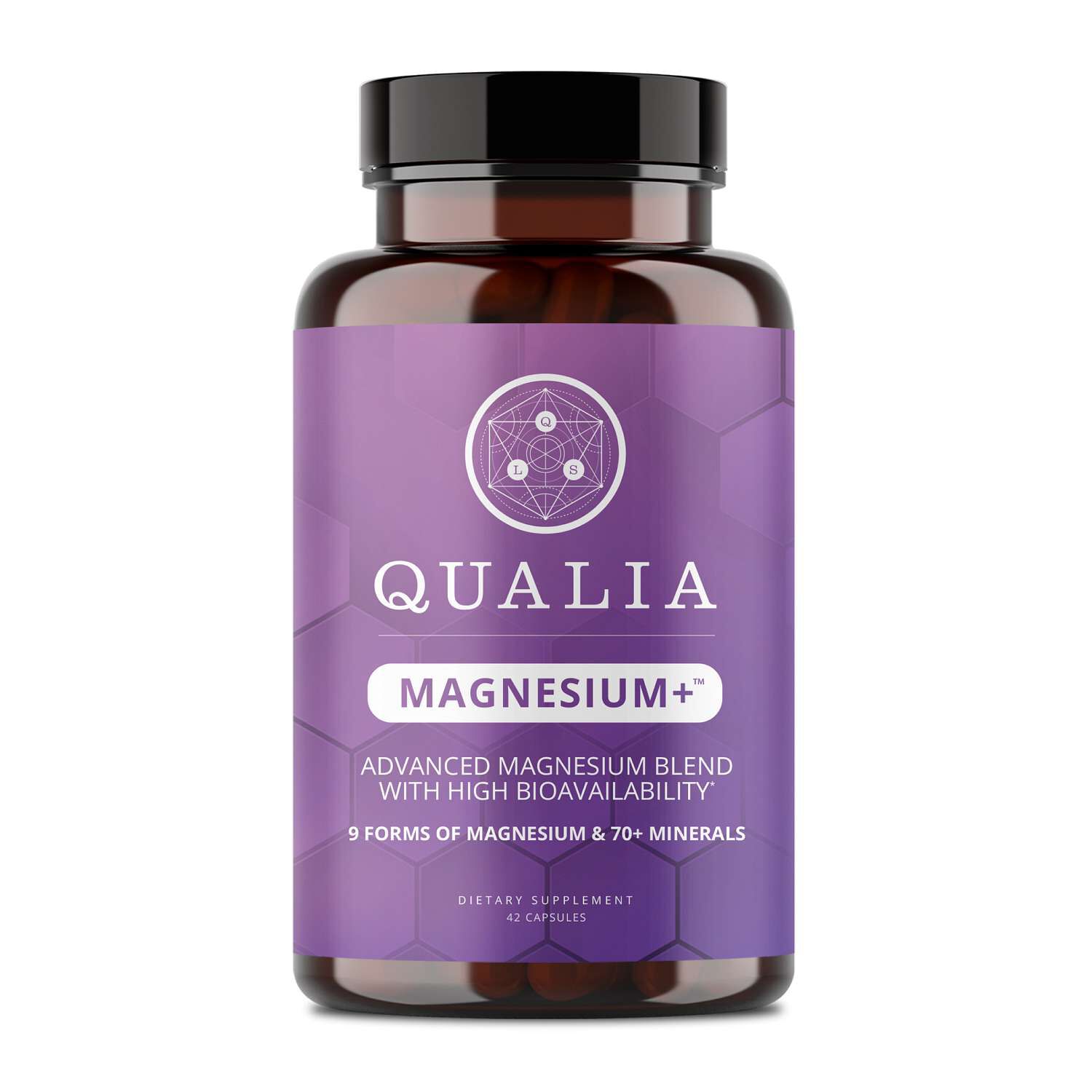 Qualia Life Sciences