





Fiber Gummies For Bloating
(0 Results)
Fiber gummies for bloating could be a convenient and delicious way to support your daily wellness routine. Many people look for easy-to-take options that fit into their busy lifestyles, and fiber gummies may offer a tasty alternative to traditional supplements. Whether you’re seeking a simple addition to your diet or exploring new ways to prioritize digestive comfort, fiber gummies for bloating might be a great choice to consider as part of your wellness journey.
-
-

-

-

-

-
 $17.99
-
 $17.97
-
 $22.99
-
 $15.99
-

-
 $29.99
-
 $16.99
-
 $22.99

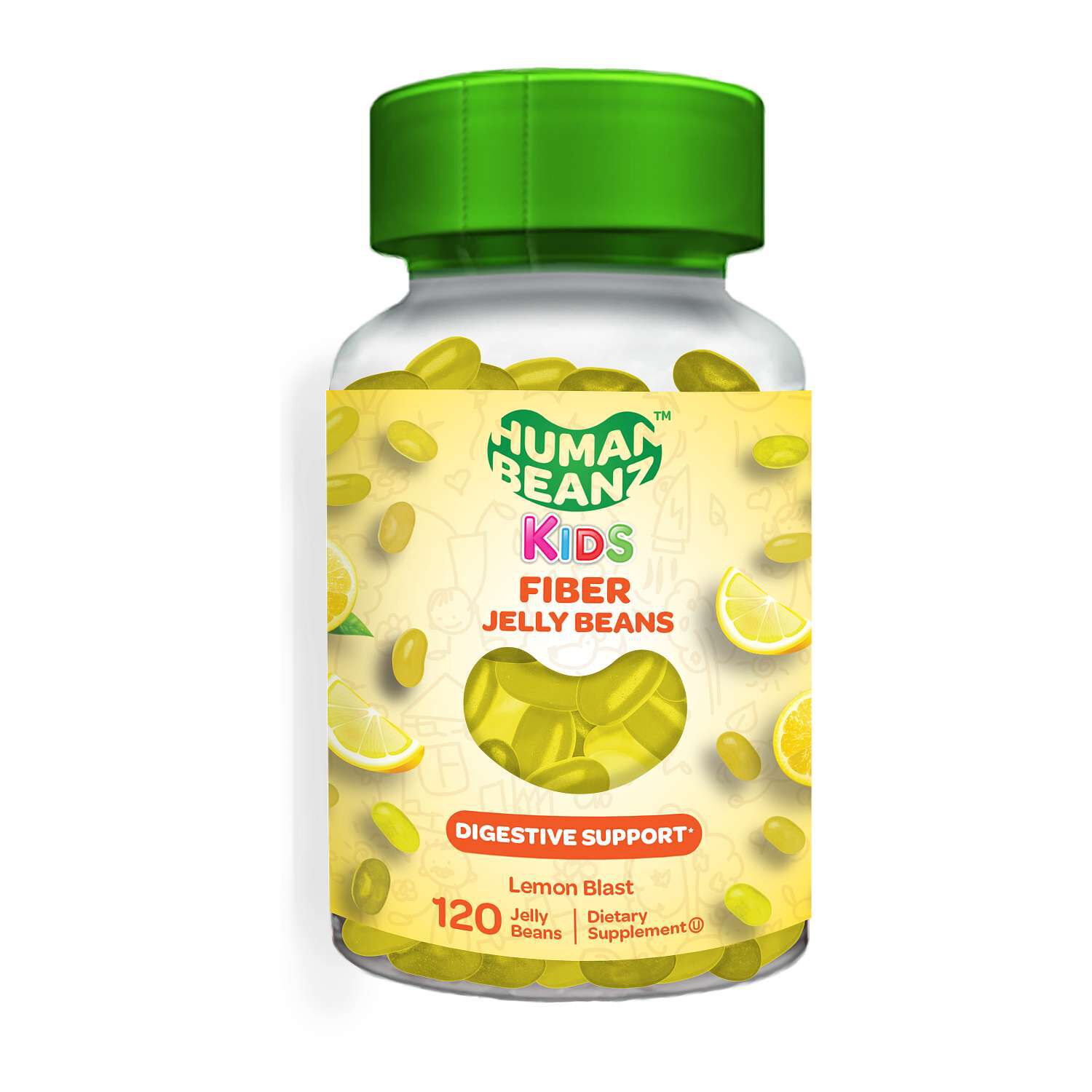
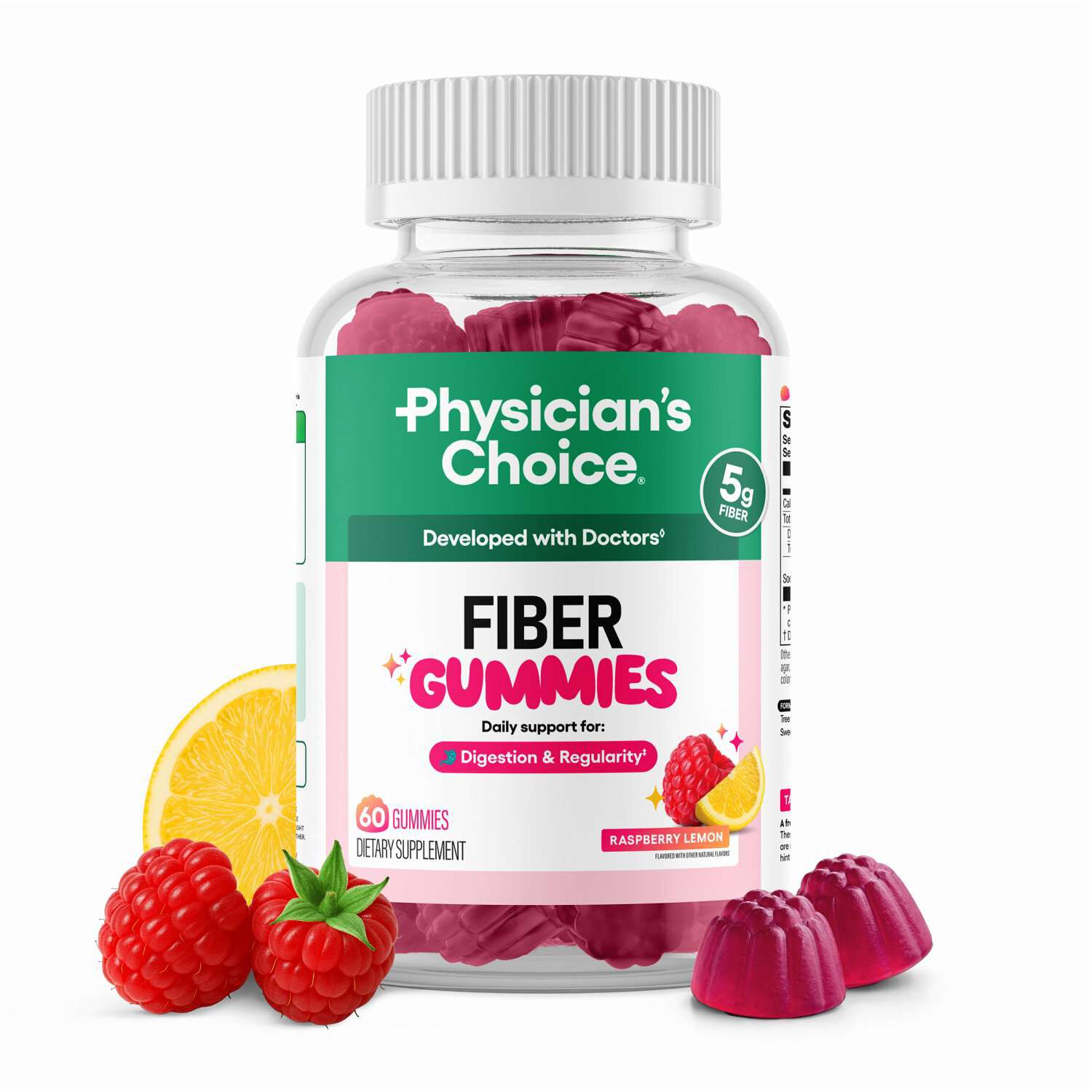
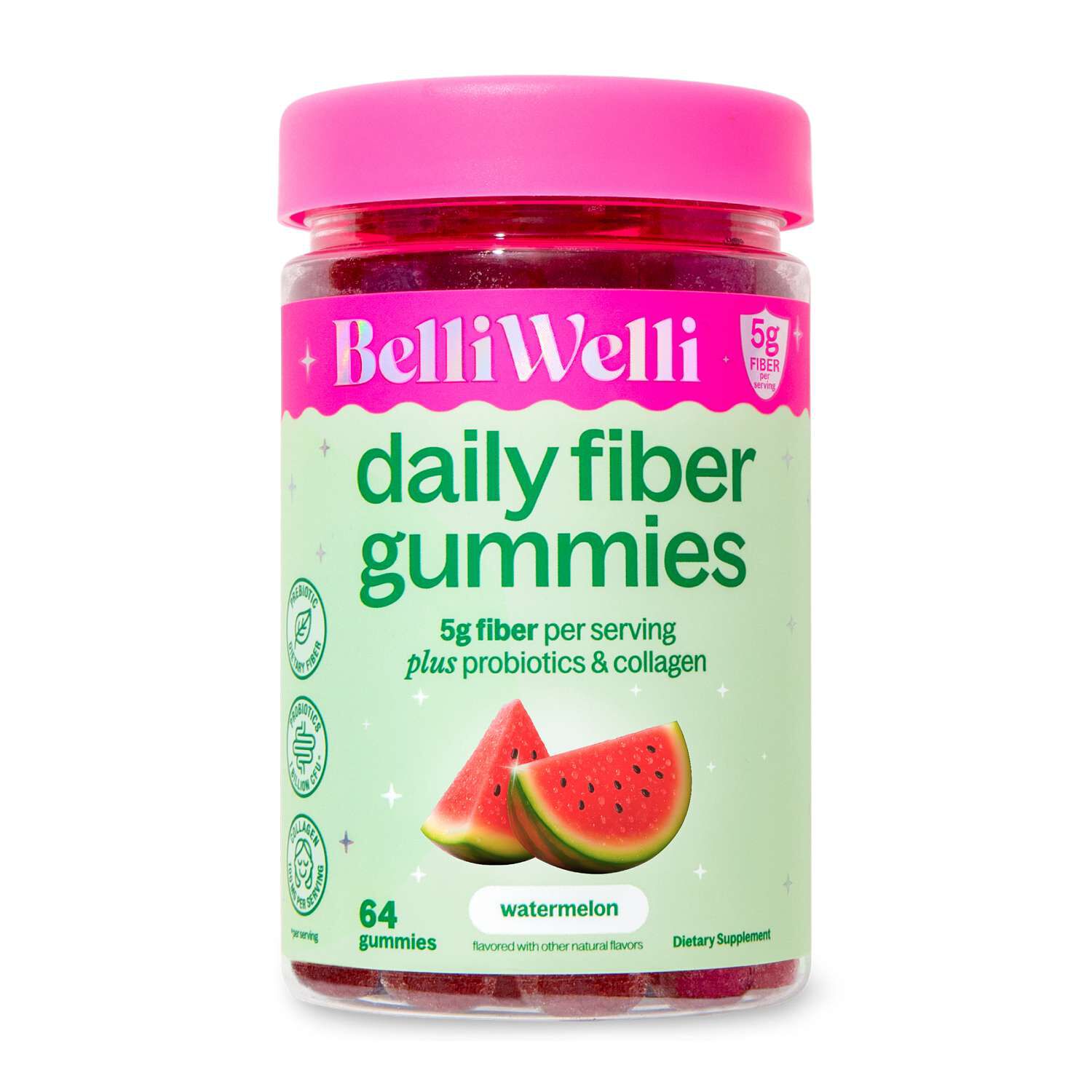
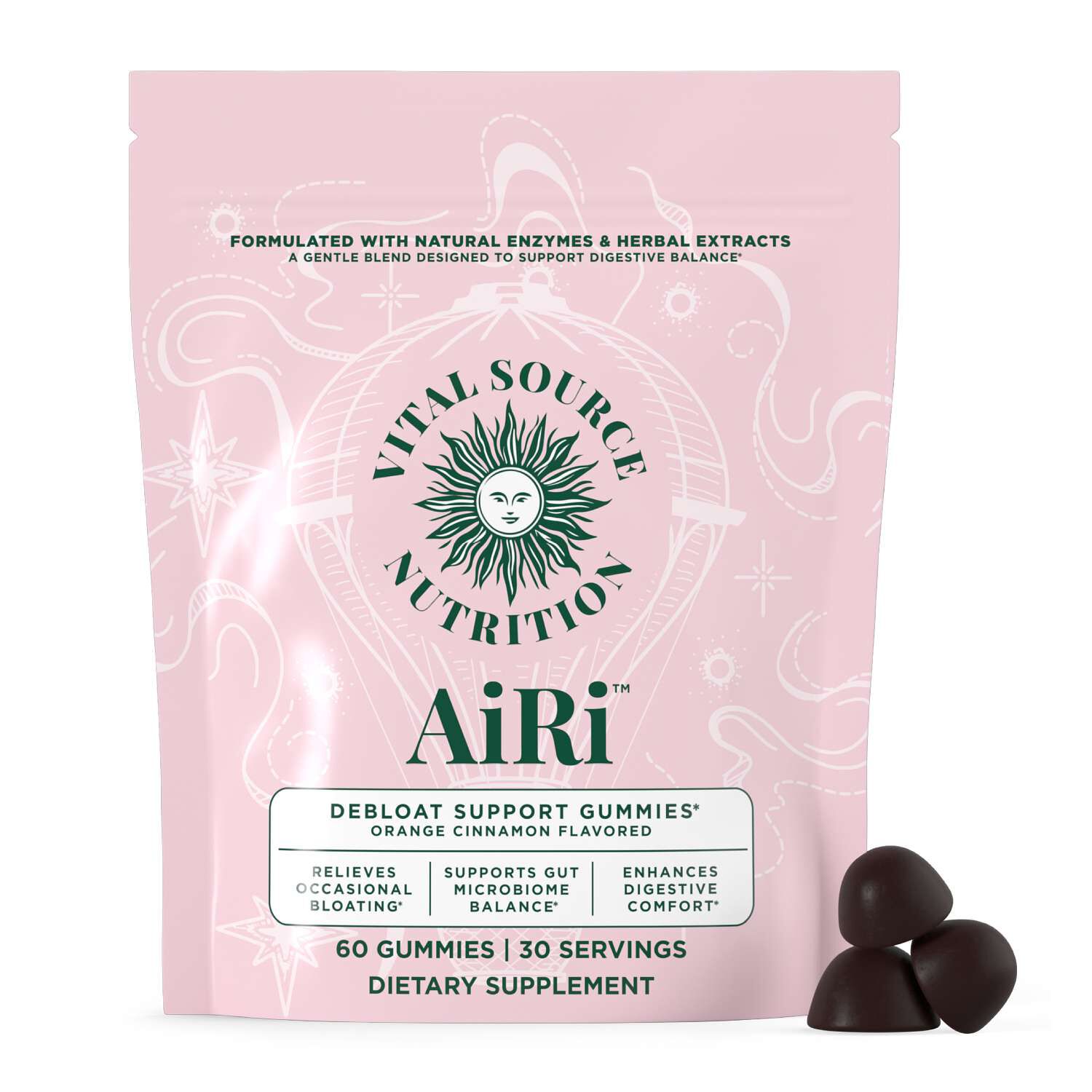
Fiber gummies for bloating are best understood as fiber supplements in a chewable format, rather than products that necessarily address a bloated feeling. Fiber gummies may contribute to gas or bloating for some people, particularly when a serving adds a substantial amount of fiber to their usual intake. Fermentable fibers may be used by bacteria in the digestive tract, and that process may produce gas. Certain sweeteners may also contribute to a bloated feeling, making the ingredient list just as relevant as the number of grams of fiber on the label. These distinctions matter when comparing gummies with similar flavors, shapes, or packaging. Two fruit-flavored options can contain different fiber sources, different sweeteners, and different amounts of fiber per serving. Inulin, chicory root fiber, soluble corn fiber, and other ingredients appear in this category, but the fiber source alone does not establish how an individual will feel after using a product. A gummy described as prebiotic is not automatically a better match for someone whose main concern is bloating. Prebiotic ingredients may support certain gut bacteria, but that description does not mean the formula will suit every digestive routine. Likewise, a soft texture or familiar fruit flavor says little about digestive tolerance. For shoppers comparing fiber gummies for bloating, useful background includes the distinction between fiber content, added ingredients, and the experience of taking the supplement. A product may offer a convenient way to add dietary fiber, while still differing from another formula in meaningful ways. Packaging language can draw attention to a particular ingredient, but the Supplement Facts panel and full ingredient list provide a more detailed picture. Together, those details help distinguish a straightforward fiber formula from one that also includes other supplement ingredients. The category offers several approaches to the same chewable format, without making any single formula a universal match.
The amount of fiber per serving is one of the clearest points of comparison, especially because a serving may consist of more than one gummy. A bottle’s gummy count and its number of servings describe different things: the first reflects the pieces inside, while the second reflects the portions defined on the label. Comparing fiber grams per labeled serving keeps the focus on the amount provided, rather than the size of the bottle or the appearance of the gummies. Ingredient details add another layer. Some formulas use sugar, some use alternative sweeteners, and others combine several sweetening ingredients to create their flavor and texture. Sugar alcohols such as sorbitol or maltitol may contribute to gas or bloating in some people, so a lower sugar number does not, by itself, describe how a gummy might fit someone’s preferences. Flavorings, colors, coatings, and setting ingredients also vary. Gelatin and pectin are common ways to create a gummy texture, although their presence does not necessarily identify the main source of supplemental fiber. For shoppers with vegetarian preferences, the setting ingredient can be an important distinction; for those avoiding particular food ingredients, the ingredient list and allergen statements offer relevant information. Texture is another practical consideration. A firmer chew, a softer bite, or a sugar-coated surface can make otherwise similar formats feel quite different. These are matters of preference rather than evidence of a different digestive outcome. The same applies to berry, citrus, and mixed-fruit flavors: an appealing taste may make the format more enjoyable, but it does not establish suitability for a particular concern. Clear labeling brings these separate details together. Fiber source, grams per serving, serving size, sweeteners, dietary suitability, and package directions each answer a different shopping question. Looking at them together offers a more useful comparison than relying on a single phrase on the front of a bottle, particularly when bloating is the reason for browsing the category.
The intended role of a fiber gummy also matters. This format may appeal to adults who prefer a chewable supplement to a capsule or a powder that requires mixing. A bottle can fit into a kitchen cabinet or another designated supplement storage space, without a shaker cup, measuring scoop, or separate mixing container. That simplicity concerns the format, not a different standard for use: gummies remain supplements with labeled serving directions, even when their flavor and appearance resemble candy. Keeping them in their original, closed container preserves access to the ingredient list, serving information, storage directions, and date information. Storage away from children and attention to the package instructions are important parts of handling the format. Texture can change with improper storage, and a gummy’s appearance alone does not establish its condition. For everyday routines, practical details such as an easy-to-read label, a manageable serving count, and a preferred chew can matter as much as flavor variety. Someone who already uses several supplements may value a clearly defined ingredient list, while someone comparing formats may be more interested in how many pieces make up a serving. Dietary fiber also comes from foods such as beans, lentils, oats, berries, vegetables, nuts, and seeds. Gummies provide a measured supplement serving, rather than the variety of nutrients and food experiences found across those choices. Their place in a routine is therefore distinct from the place of fiber-containing foods. For another adult-focused category, browse Fiber Gummies for Adults With Constipation. Across related categories, similar-looking gummies can differ in composition and intended use, so the label remains the reference point for understanding each formula. For shoppers focused on bloating, the most relevant distinctions are often straightforward: which fiber is included, how much a serving provides, what else is in the formula, and whether the chewable format fits their preferences. Those details offer a grounded way to compare fiber gummies without assuming that a familiar flavor or a prominent package description predicts a particular result.
Best Sellers
-
Physician's Choice
-
 Tomorrow's Nutrition
-
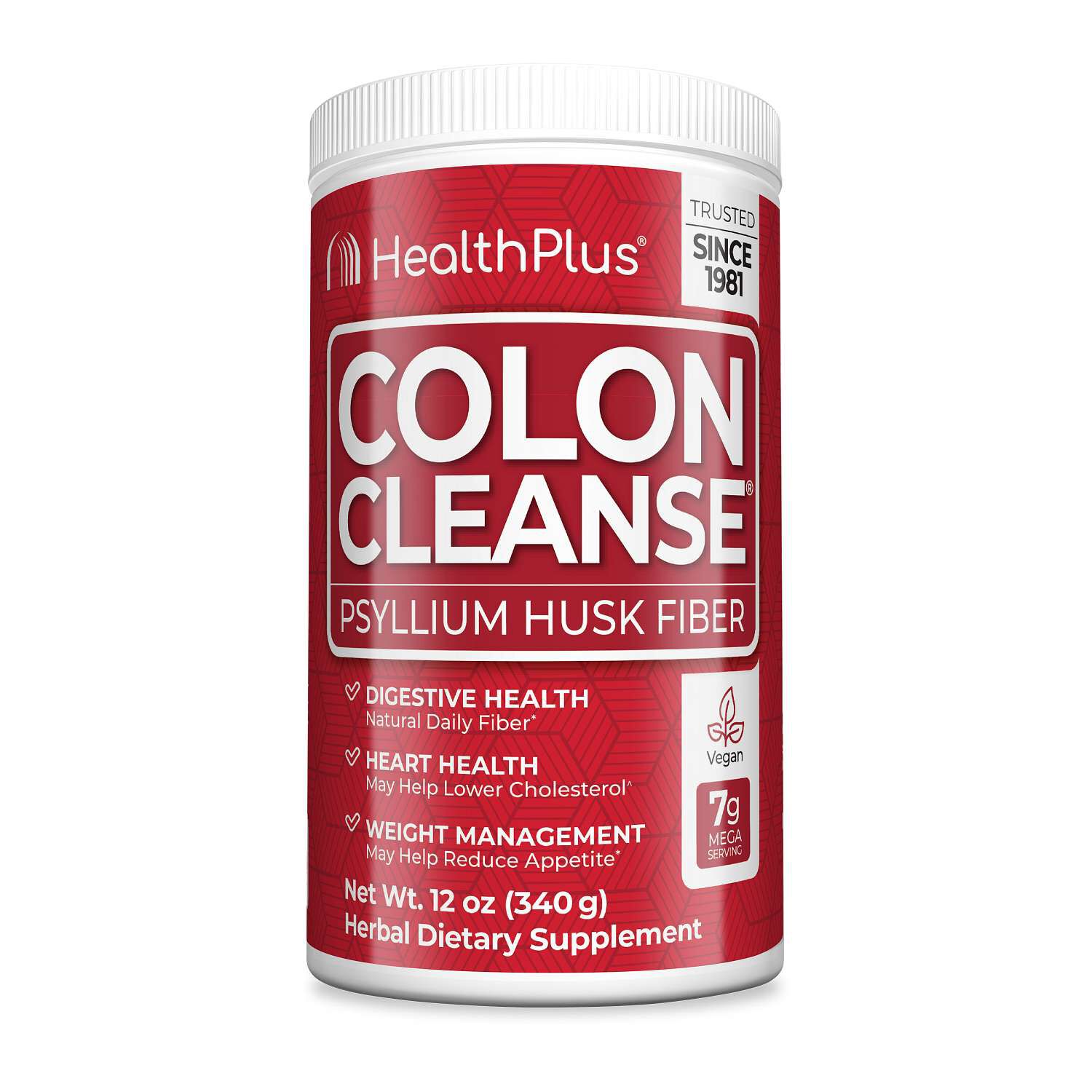 Health Plus

Related Pages

Top Collections
- Chronic Fatigue Supplements
- Vitamins For Hair Loss
- Zinc Supplements For Men
- Active Supplements
- Supplements For Yoga Joint Flexibility
- Capsule Supplements For Energy And Stamina
- Adult Vitamins
- Joint Mobility Supplement Packs
- Zinc Supplements | Top Brands at Great Prices | GNC
- Magnesium Bisglycinate Supplements