





Childrens Fiber
(0 Results)
Ensuring your child gets enough fiber in their diet can be a challenge, but it might be essential for their overall health and well-being. Children's fiber supplements may help support digestive health, promote regular bowel movements, and maintain balanced nutrition. These supplements could be an easy and convenient way to incorporate more fiber into your child's daily routine, especially if they are picky eaters or have dietary restrictions. Explore a variety of options that may suit your child’s preferences and nutritional needs, potentially making mealtime a little less stressful and a lot more beneficial.
-
 $15.99
-

-

-
 $26.99
-
 $22.99
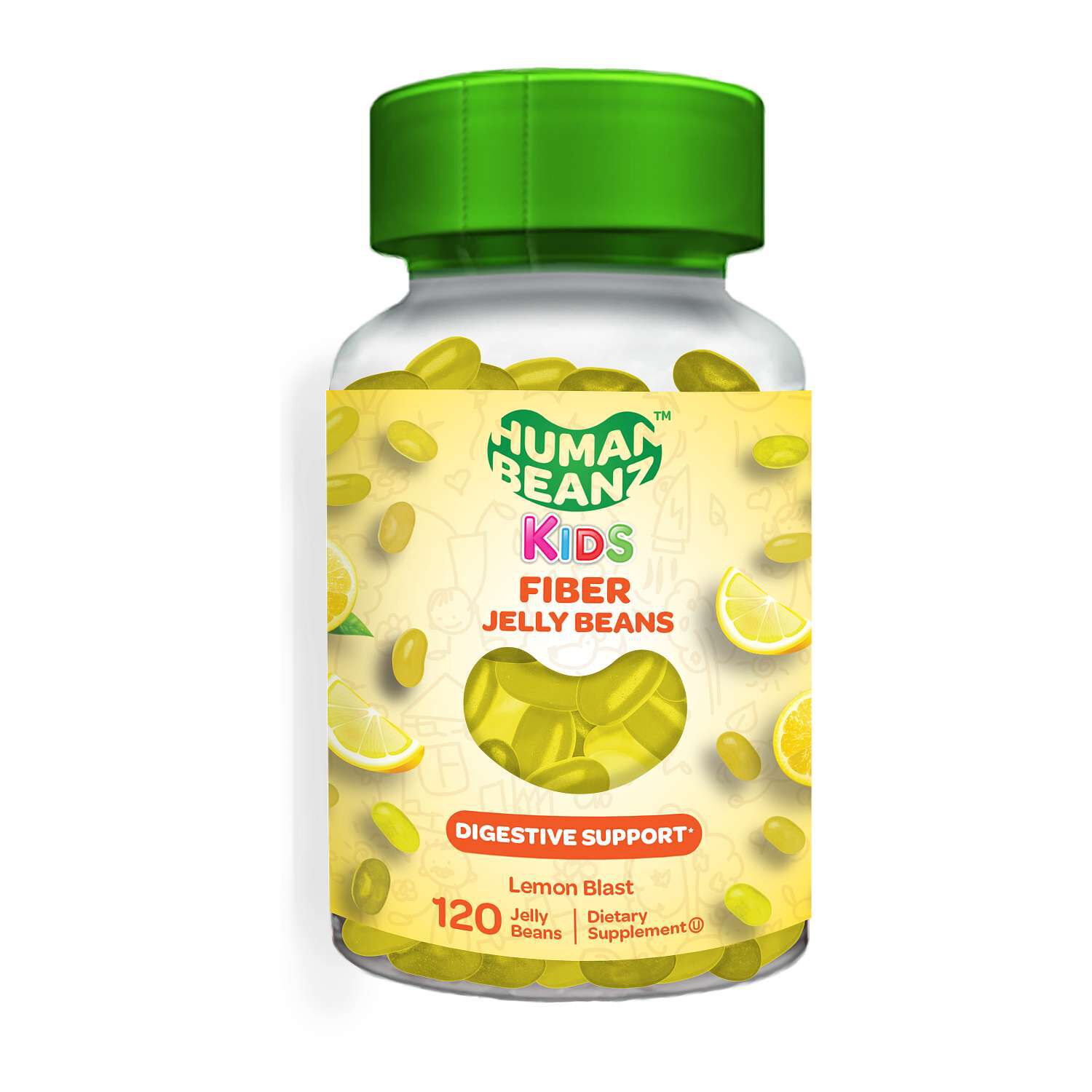

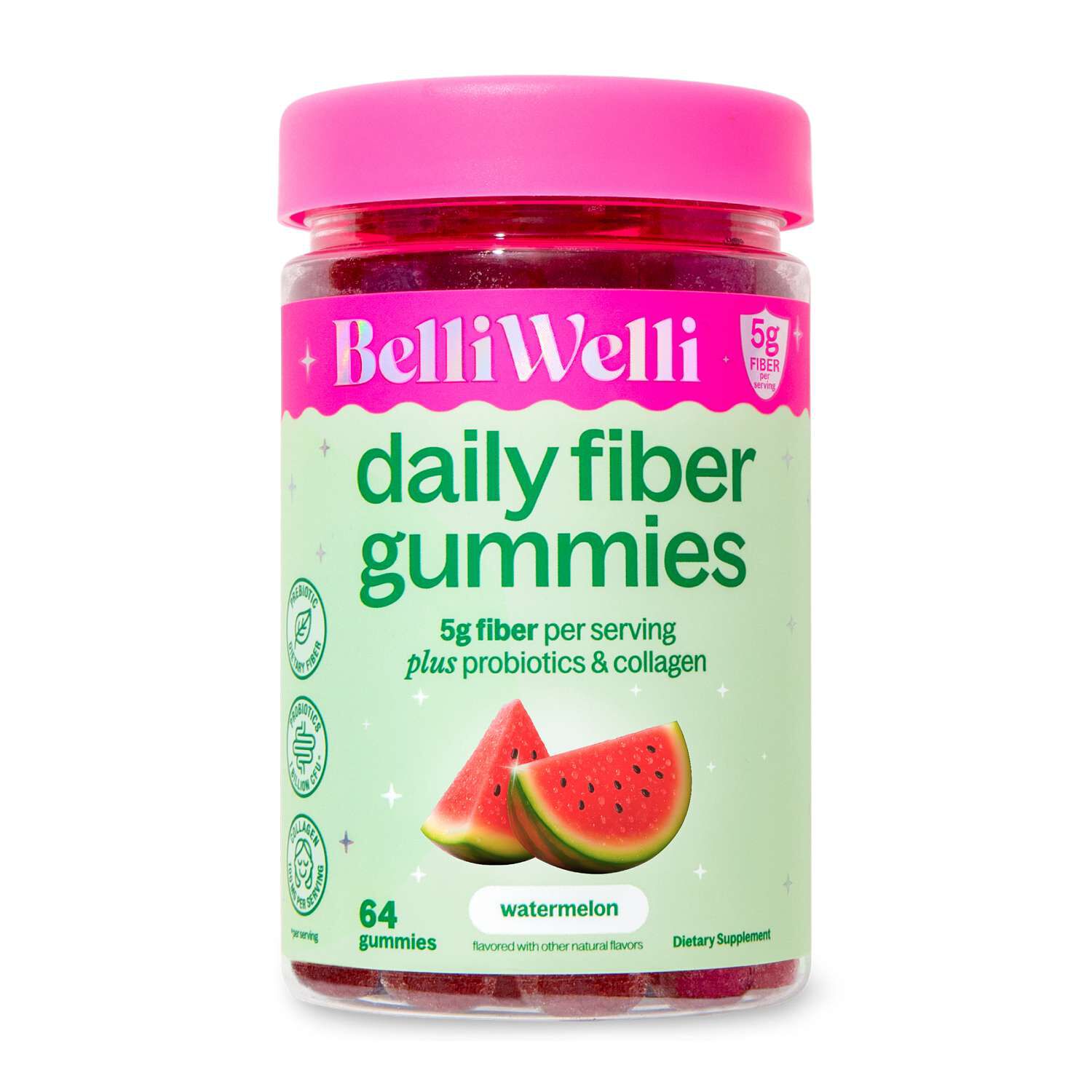
Children’s fiber products are supplements designed for younger age groups, with formats, flavors, and serving directions that differ from those made for adults. They may complement the fiber already present in a child’s usual meals and snacks, but they are not substitutes for the variety found in food. Dietary fiber is a type of carbohydrate found in plant foods, including oats, beans, lentils, pears, berries, vegetables, and whole grains. Those foods bring different tastes and textures to the table, from a soft bowl of oatmeal to crisp apple slices with the peel. A supplement offers a different format, often with the amount of dietary fiber stated in grams per serving. When comparing children’s fiber, the most useful details are the intended age range, the fiber amount, the serving size, and the ingredients that make up the formula. A serving is not necessarily one gummy or one scoop, and the number on the front of a package may refer to a serving rather than an individual piece. That distinction matters when comparing two formats side by side. Daily dietary fiber needs also vary by age, so a supplement’s labeled serving should not be read as a universal daily target for every child. Food labels and supplement labels provide different pieces of the picture: one describes what is in a food serving, while the other describes the supplement’s designated serving. For parents and caregivers browsing this category, that context makes it easier to understand what each format represents without treating every package as interchangeable. A child who enjoys fruit but rarely chooses beans has a different eating pattern from one who likes whole-grain toast but passes over vegetables. Children’s fiber shopping is therefore about more than a flavor preference; it involves understanding the product’s intended use alongside the foods, textures, and routines already familiar to the child.
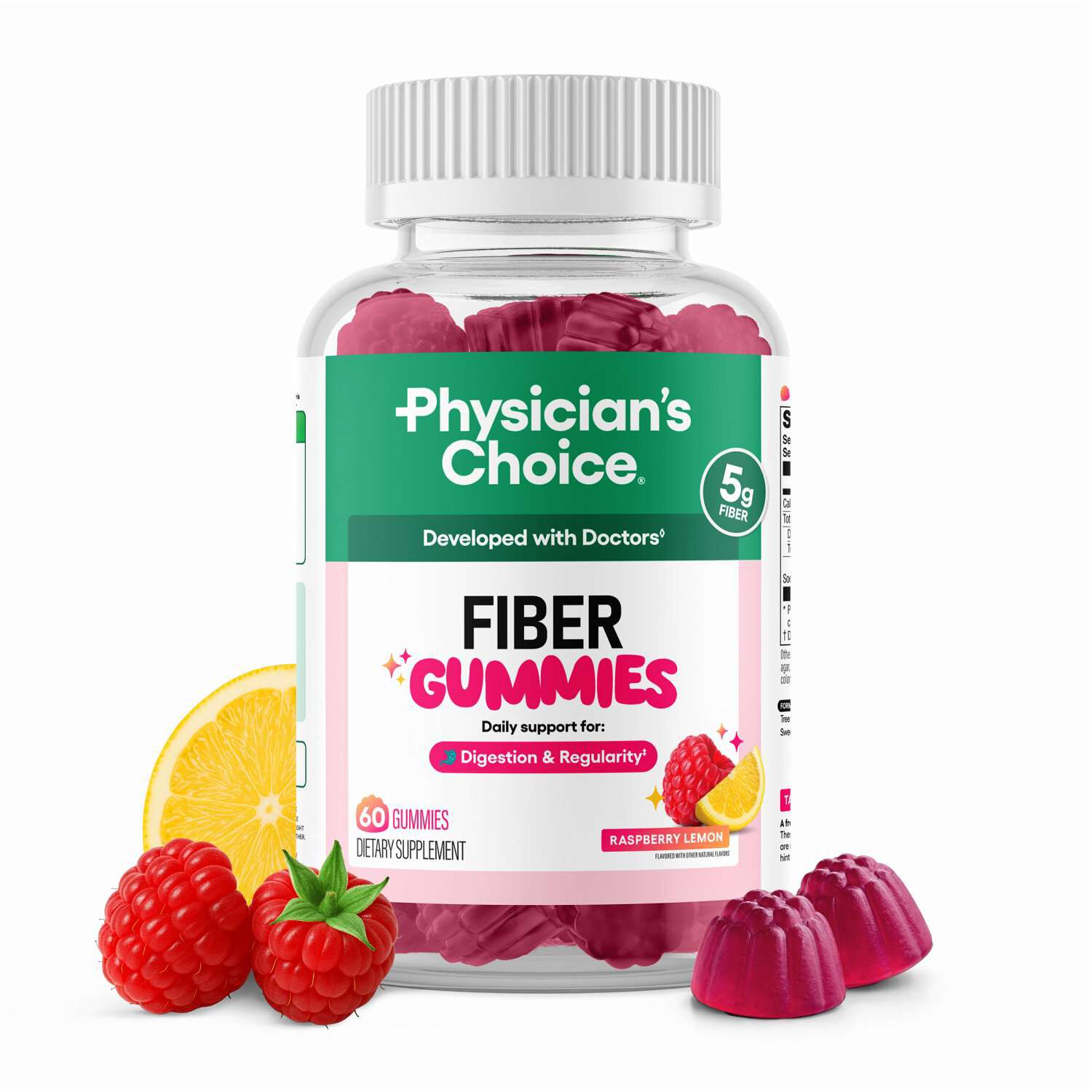
Format is often the most noticeable difference among children’s fiber supplements. Gummies offer a chewable option, while powders are designed for preparation according to their package directions. Some powders come in a larger container with a measuring scoop; others use individual packets. These packaging choices affect how the product is measured, carried, and stored, even when the front-label descriptions look similar. Gummies can differ in shape, firmness, coating, and fruit flavor, while powders can differ in flavor, particle texture, and mixing instructions. A berry-flavored chew and an unflavored powder present very different sensory experiences, and neither description alone tells the whole story. For a child who notices every change in a familiar breakfast, the taste and texture of the chosen format may be especially relevant. Ingredient lists add another layer of detail. Fiber sources may include inulin, chicory root fiber, soluble corn fiber, or other plant-derived ingredients, depending on the formula. Soluble and insoluble are terms that describe how different fibers interact with water; they do not identify a product’s flavor, serving size, or suitability for a particular age. The ingredient list also identifies sweeteners, colors, flavorings, and the materials used to create a chewable texture, such as pectin or gelatin. Those details can matter to households with particular dietary preferences. Allergen statements and other dietary labels offer additional information, though one front-label description does not replace the rest of the package information. Comparisons are clearest when they use the same basis: grams of dietary fiber per labeled serving, the number of pieces or amount of powder in that serving, and the stated age range. A larger container or a bigger gummy does not necessarily represent more fiber per serving. Families interested in the chewable format can also explore Fiber Gummies for Constipation in Kids while comparing age labeling, ingredients, and serving information. The product name and flavor are only starting points; the label supplies the more meaningful distinctions.
Intended use extends beyond the format itself to the practical details of a household routine. A powder’s directions may specify a particular amount of liquid, a preparation method, or when the mixture is meant to be consumed. A gummy’s directions may identify an age range and a serving expressed as several pieces. These details belong to the individual formula, rather than to children’s fiber as a whole. The same is true of storage: container closures, moisture precautions, and the printed storage instructions help define how the product should be kept between uses. A tightly closing tub, a readable serving panel, and a scoop that remains easy to locate are everyday design details worth noticing. Packaging durability matters when a container moves between a kitchen cabinet and a caregiver’s bag, but portable packaging does not change the product’s labeled directions. Children’s supplements also remain distinct from ordinary snacks, even when their shapes and flavors resemble familiar treats. For households where several adults share responsibilities, a clearly labeled original container keeps the age information, ingredients, and directions together. This is particularly useful when one caregiver handles breakfast and another manages the afternoon routine. Product descriptions can make different formulas sound alike, yet differences in serving size, fiber source, sweeteners, and preparation can be substantial. An unflavored label, for example, describes flavoring rather than an assurance of an undetectable texture, and a fruit flavor does not mean the formula contains the same range of nutrients as a serving of fruit. Likewise, a children’s label does not mean every age group is included in the directions. A thoughtful comparison keeps those distinctions visible. The most relevant children’s fiber format is one whose stated age range, ingredient profile, preparation requirements, and packaging match the intended use. Clear information makes the category easier to navigate, with attention on what the product contains, how its serving is defined, and how it fits alongside everyday food choices.
Best Sellers


 Chewable Tablets_Front.jpg?sw=305&sh=305&sm=fit "ChildCalm - 60 Chewable Tablets (30 Servings) | GNC")

Related Pages
Top Collections
- Zinc Supplements | Top Brands at Great Prices | GNC
- Cortisol Supplements
- Joint Mobility Supplement Packs
- NAD+ Supplement Tablets
- Best Brand of Magnesium Glycinate
- Top Rated Collagen | Shop Customer Favorites | GNC
- Iron Supplements
- Peptide Supplements
- Protein Powders For Muscle Growth Support
- Vitamins That Help Support Weight Gain