





Daily Fibers Supplement
(0 Results)
Looking to boost your daily fiber intake and support your digestive health? Our daily fiber supplement is here to help you meet your dietary needs with ease. Packed with a blend of high-quality fibers, this supplement is designed to promote regularity, support gut health, and keep you feeling your best every day. Whether you're looking to increase your fiber intake or simply maintain a healthy digestive system, our daily fiber supplement is a convenient and effective solution for all your dietary needs.
-
-
-
 $26.99
-

-
 $17.97
-

-

-
-

-
-

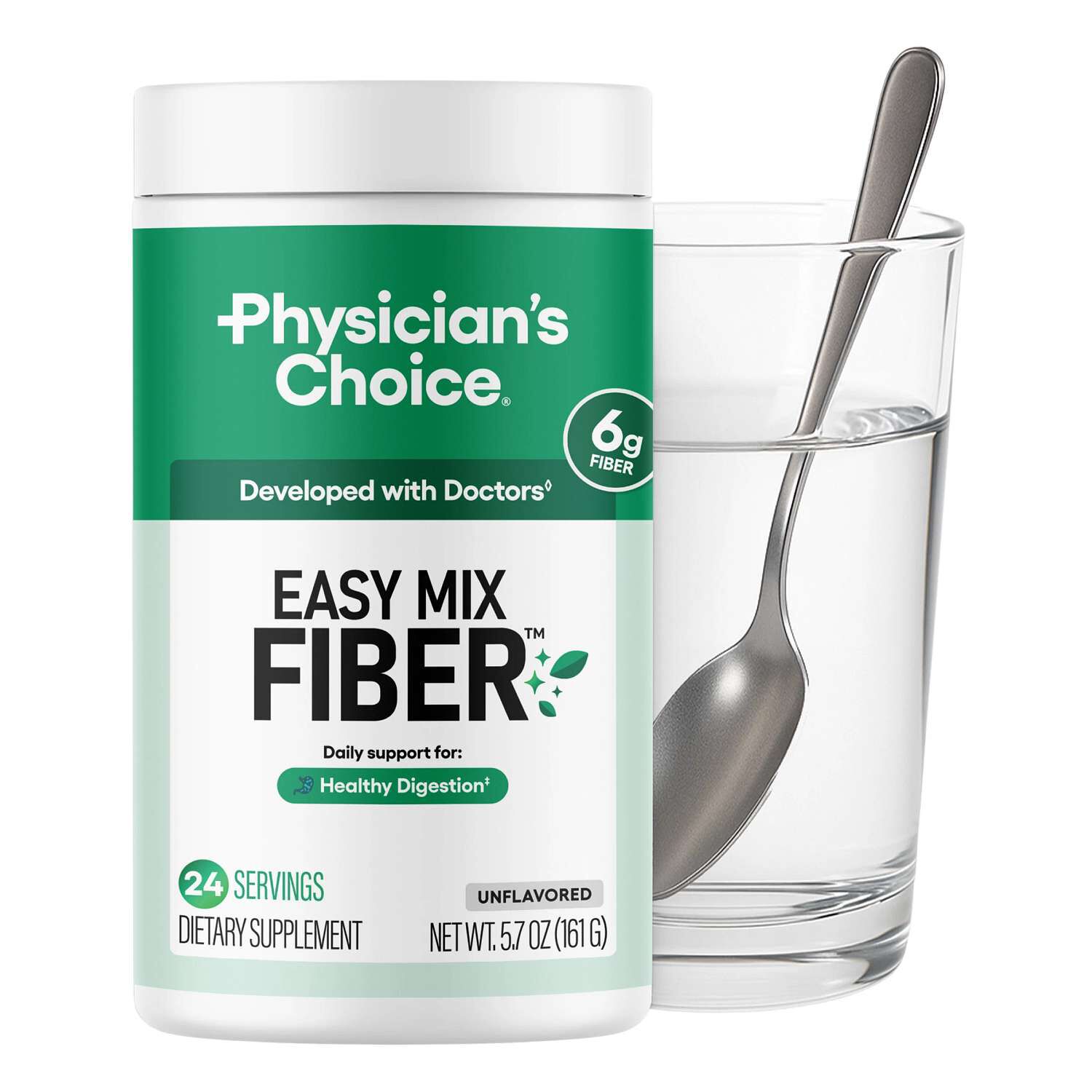
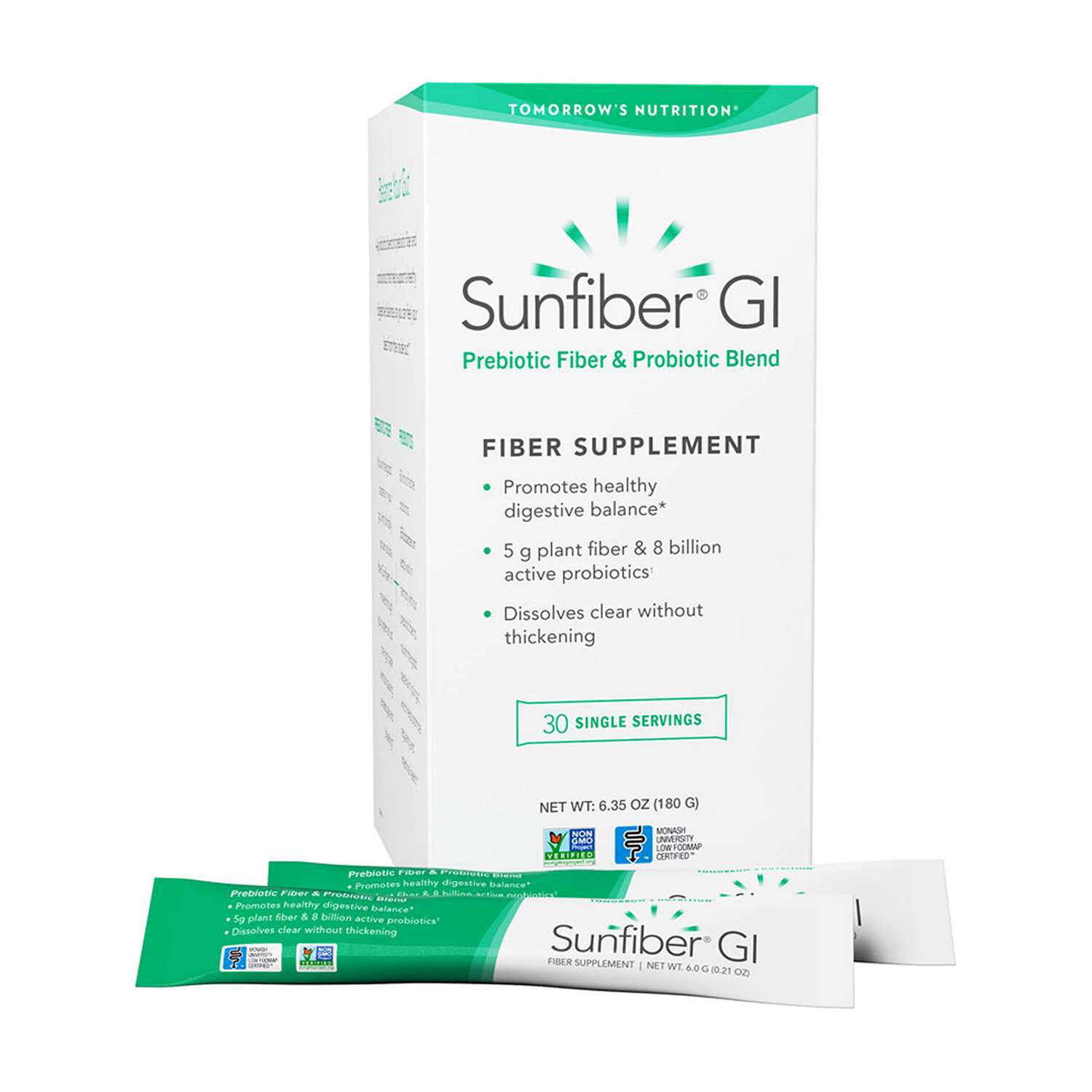
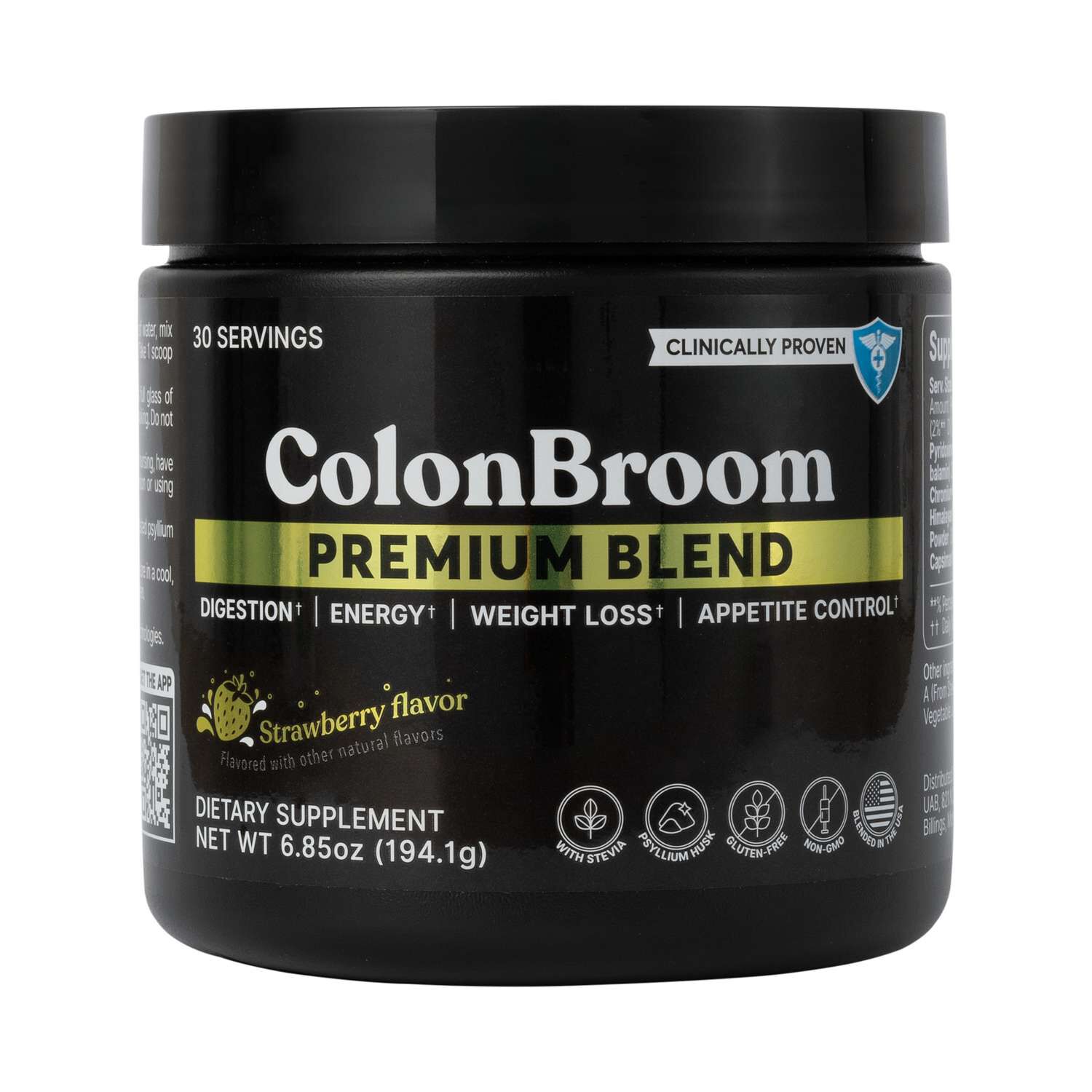
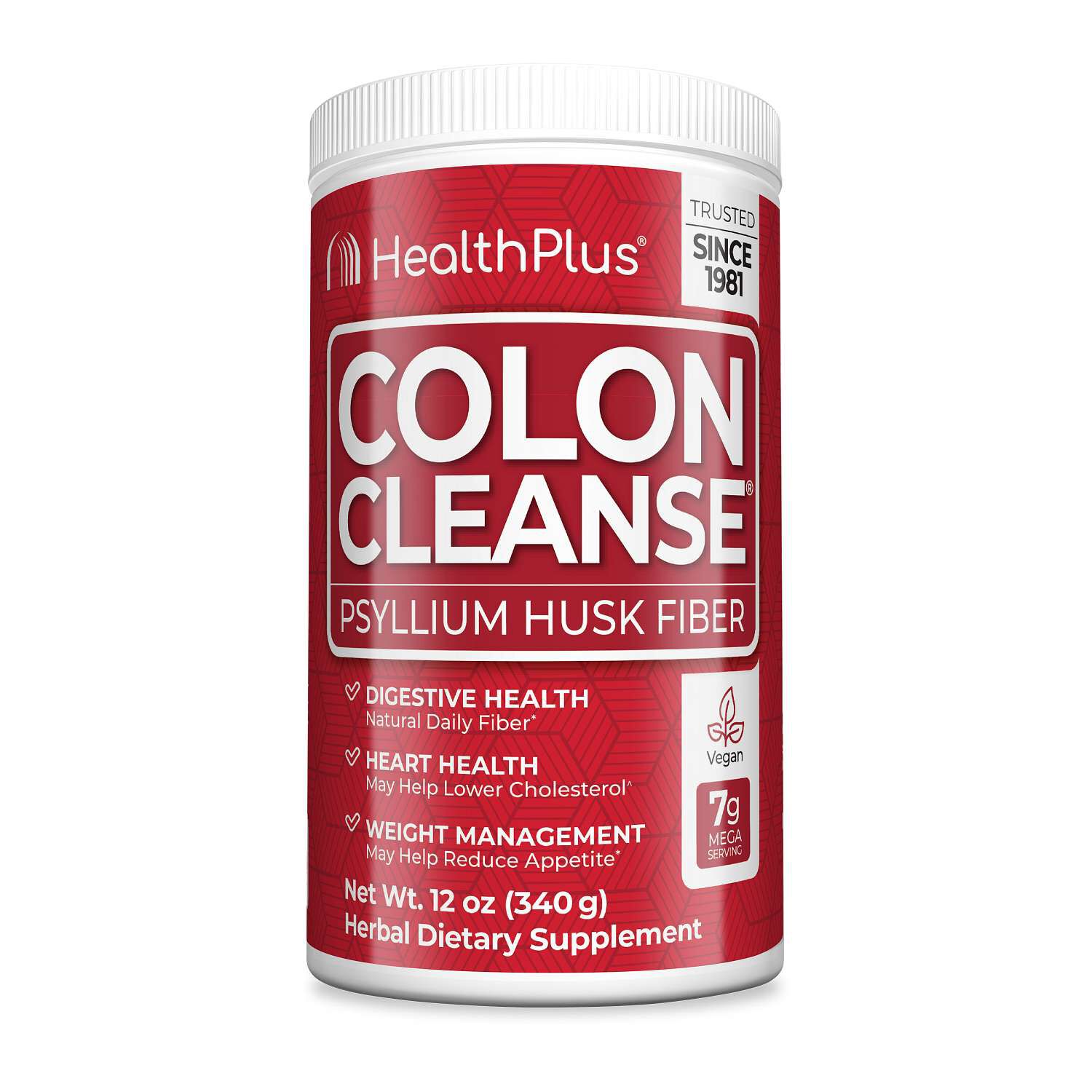
A daily fiber supplement is a concentrated source of dietary fiber intended to complement the fiber found in everyday foods. Vegetables, fruit, beans, lentils, nuts, seeds, and whole grains all contribute fiber, while supplements offer a measured amount in formats such as powders, capsules, and gummies. For adults whose meals vary between home cooking, packed lunches, and meals away from home, a supplement may provide another way to add fiber to an established eating routine. The word “fiber” on the front of a package is only the starting point. Psyllium husk, inulin, wheat dextrin, methylcellulose, and partially hydrolyzed guar gum differ in their source, texture, and behavior when mixed with liquid. Soluble fiber dissolves or disperses in water, and certain forms create a gel. Insoluble fiber does not dissolve in water. Psyllium contains both soluble and insoluble fiber and is known for its thickening properties, while inulin is a soluble fiber often derived from chicory root. Methylcellulose is a cellulose-derived ingredient, and partially hydrolyzed guar gum is processed from guar gum to change its viscosity. Some fibers are described as prebiotic because they may nourish beneficial bacteria in the digestive tract, but that description does not apply equally to every fiber ingredient. These distinctions matter when comparing products for everyday use: a powder that thickens noticeably creates a different drinking experience from one that disperses with little change in consistency. A daily fiber supplement may support digestive regularity, though individual experiences can vary with the ingredient and the broader eating pattern. Supplements are not substitutes for the variety of nutrients found in fiber-containing foods. Their role is narrower: providing dietary fiber in a labeled serving that can be considered alongside the rest of the day’s meals and snacks. That distinction is useful when comparing a fiber-focused formula with a broader nutrition powder that happens to contain some fiber.
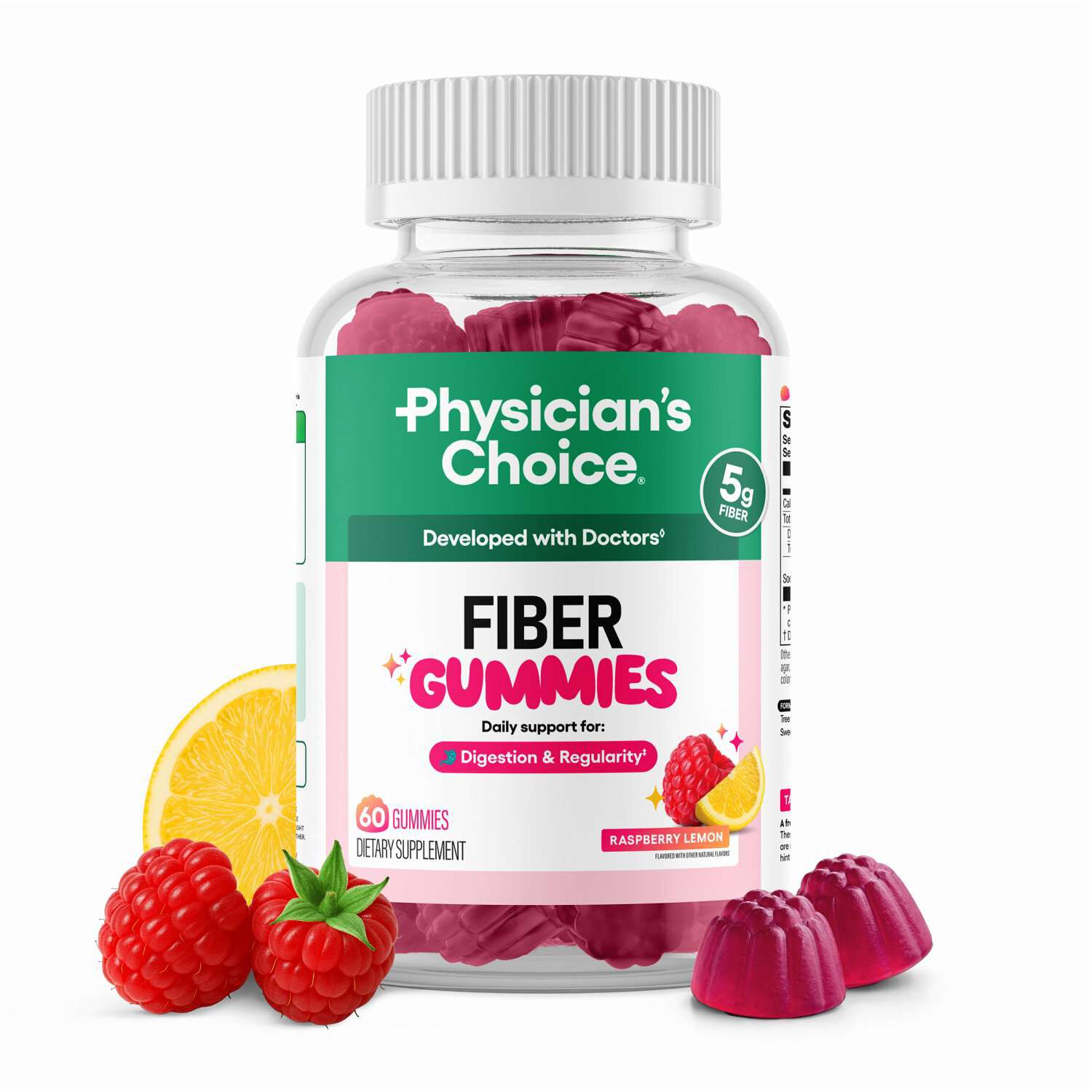
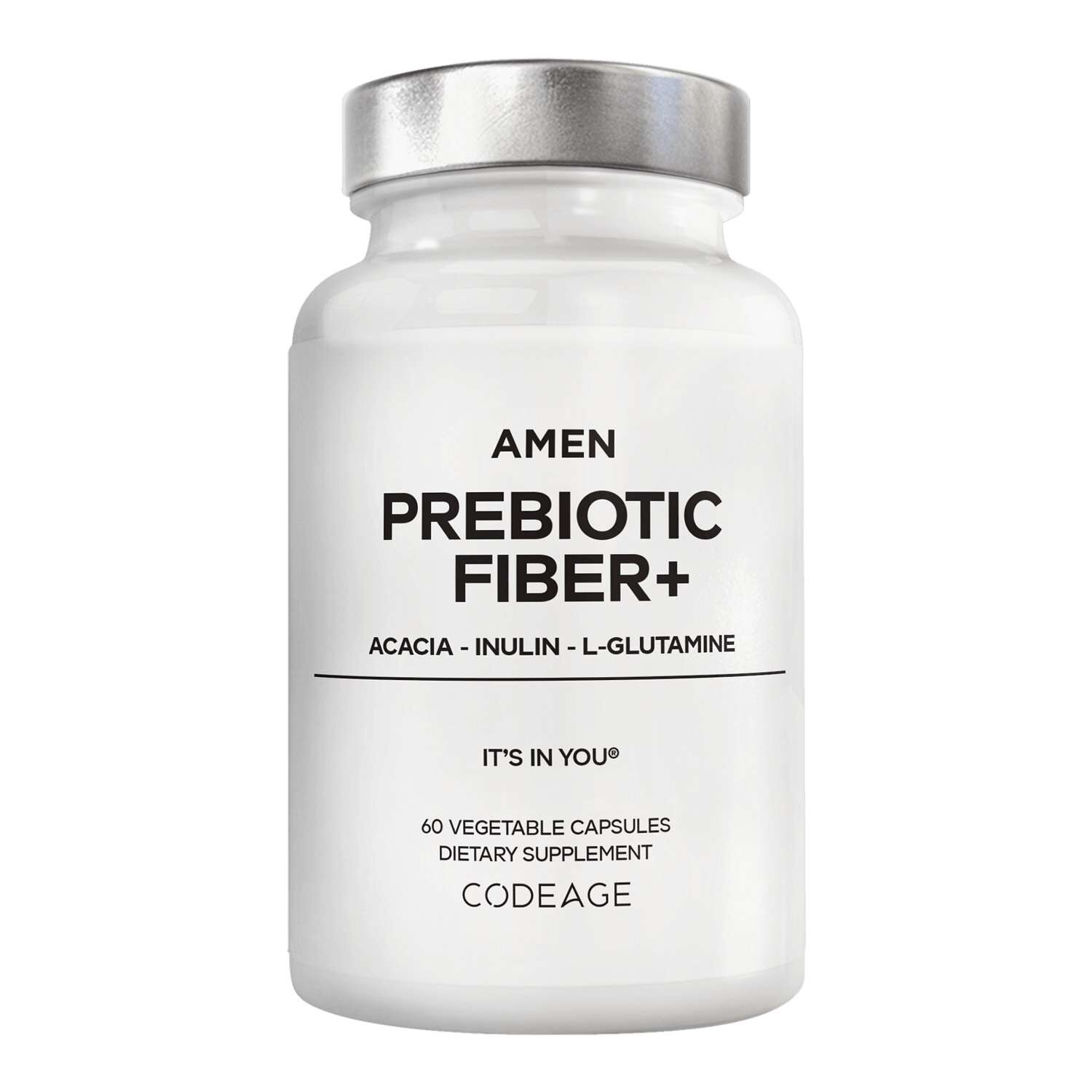
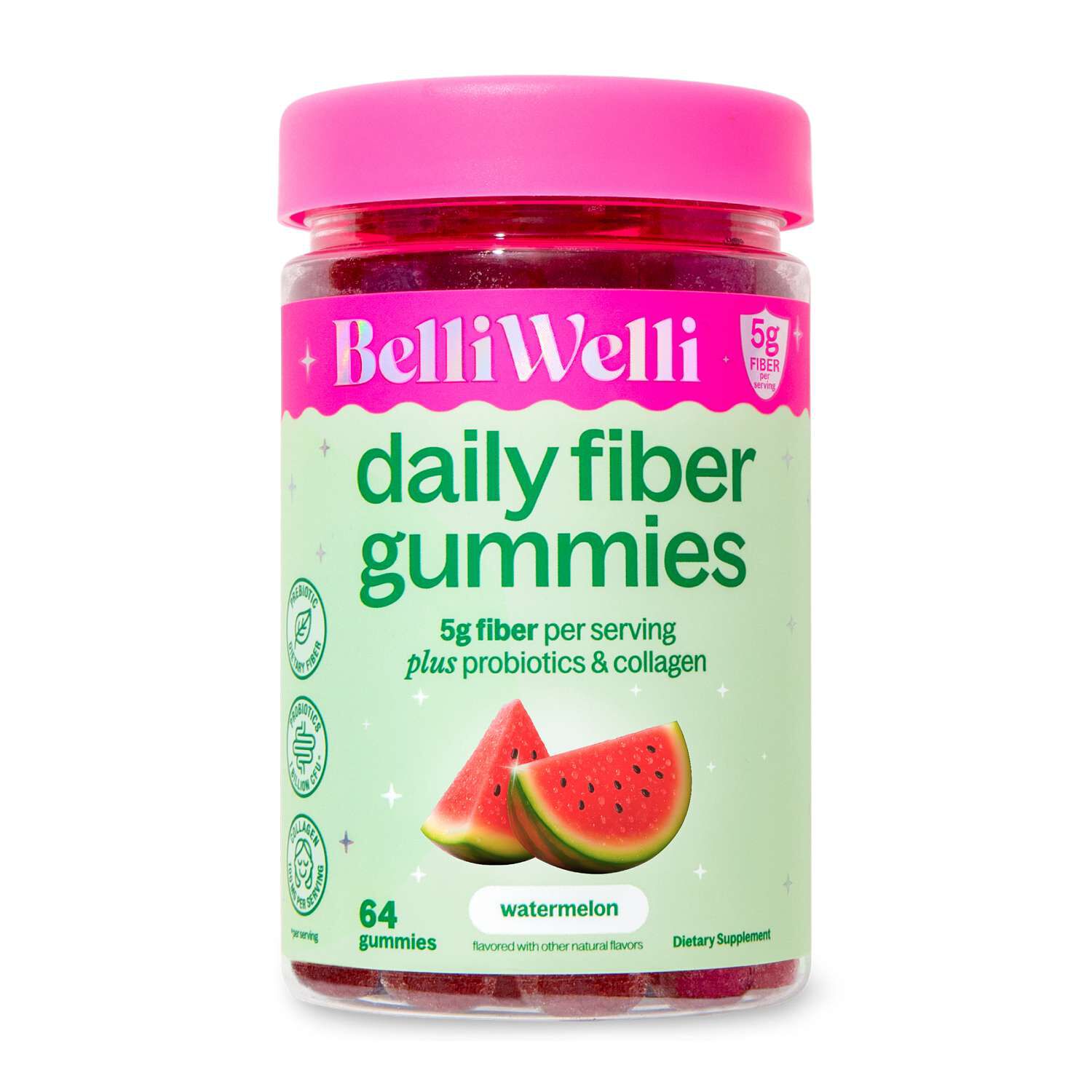
Format often determines how naturally a daily fiber supplement fits into an ordinary day. Powders involve measuring, mixing, and choosing a suitable beverage or food according to the package directions. Some are unflavored, while others have a distinct fruit flavor or sweetness that becomes part of the finished drink. An unflavored description does not necessarily mean an identical experience across formulas; aroma, mouthfeel, cloudiness, and thickness can still differ. Someone who eats breakfast at home may prefer a powder prepared beside a bowl of oatmeal, while someone who leaves early with a packed bag may place more value on a format that needs no measuring spoon. Where the label permits mixing with food, the consistency of yogurt or a smoothie may accommodate a powder differently than a thin beverage does. Preparation details matter because some ingredients continue to thicken after mixing, and the amount of liquid specified on the package is part of the intended preparation. Capsules offer another format for shoppers who prefer not to add flavor or texture to a drink. For Fiber Supplement Capsules, serving size and fiber grams remain important points of comparison. A serving may consist of several capsules rather than one, so the capsule count on the bottle and the number of servings are different measurements. Gummies provide a chewable alternative with their own flavor, texture, and ingredient considerations. Their fiber content varies, and added sugars or sugar alcohols may appear in the formula. Individually portioned powder packets provide a measured format, while larger containers allow servings to be measured as directed. None of these formats is automatically the right match for every routine. The practical distinction is often between stirring a drink at the kitchen counter, carrying a labeled container in a work bag, or choosing a chewable format with a familiar texture. Personal preference matters, but the amount of dietary fiber in the labeled serving remains a separate consideration.
Label details give daily fiber supplements much of their context. Dietary fiber grams per serving are more useful for comparison than the weight of the entire scoop or the size of the container, since a formula can contain flavoring and other ingredients in addition to fiber. Serving size, servings per container, and suggested use belong together when assessing how a package fits an established routine. Two containers with similar dimensions may represent very different numbers of servings, and two powders measured with similar scoops may supply different amounts of fiber. The ingredient list also identifies whether a formula uses one fiber source or a blend. For flavored options, sweeteners, colors, and flavor ingredients help describe the drinking or chewing experience. Capsule materials can matter to shoppers with dietary preferences, while allergen statements and suitability information provide details that a front label may not convey. Descriptions such as plant-based or unflavored address particular characteristics; they do not replace a close look at the full ingredient list. Packaging and storage are worth considering as well. A wide-mouth container may be easier to use with its enclosed scoop, whereas a narrow bottle takes up less space beside other daily supplements. Resealable closures and individually wrapped portions offer different ways to contain the product between uses. The package’s storage directions, expiration date, and instructions for closing the container are relevant to maintaining its intended condition. Moisture can affect the texture of powders, making a dry measuring utensil and a securely closed container practical details rather than afterthoughts. Any liquid requirements, age suitability statements, and preparation directions should remain part of the selection process. For shared households, keeping the original labeled packaging also preserves serving information and ingredient details. A thoughtful comparison brings these elements together: the fiber source, grams per serving, preferred format, taste or texture, dietary preferences, and preparation requirements. The most suitable daily fiber supplement is a personal match between those characteristics and the way it is intended to be used, with expectations grounded in the label rather than the size of the package.
Best Sellers
-
Physician's Choice
-
Tomorrow's Nutrition
-
 Health Plus

Related Pages


Top Collections
- Active Supplements
- Chronic Fatigue Supplements
- Supplements For Yoga Joint Flexibility
- Zinc Supplements | Top Brands at Great Prices | GNC
- Joint Mobility Supplement Packs
- Adult Mobility Supplements
- Supplements For Anxiety Relief Support
- Zinc Supplements For Men
- Capsule Supplements For Energy And Stamina
- Vitamins For Hair Loss