





Whole Food Fiber Supplements
(0 Results)
Whole food fiber supplements offer a convenient way to add more fiber from natural sources to your daily routine. With a variety of options to choose from, these supplements may support your wellness goals and fit seamlessly into a balanced lifestyle. Explore the selection of whole food fiber supplements to find the right option for your needs and preferences.
-

-
-

-
-

-

-

-
-
-

-

-
 Divine Health$44.99
-
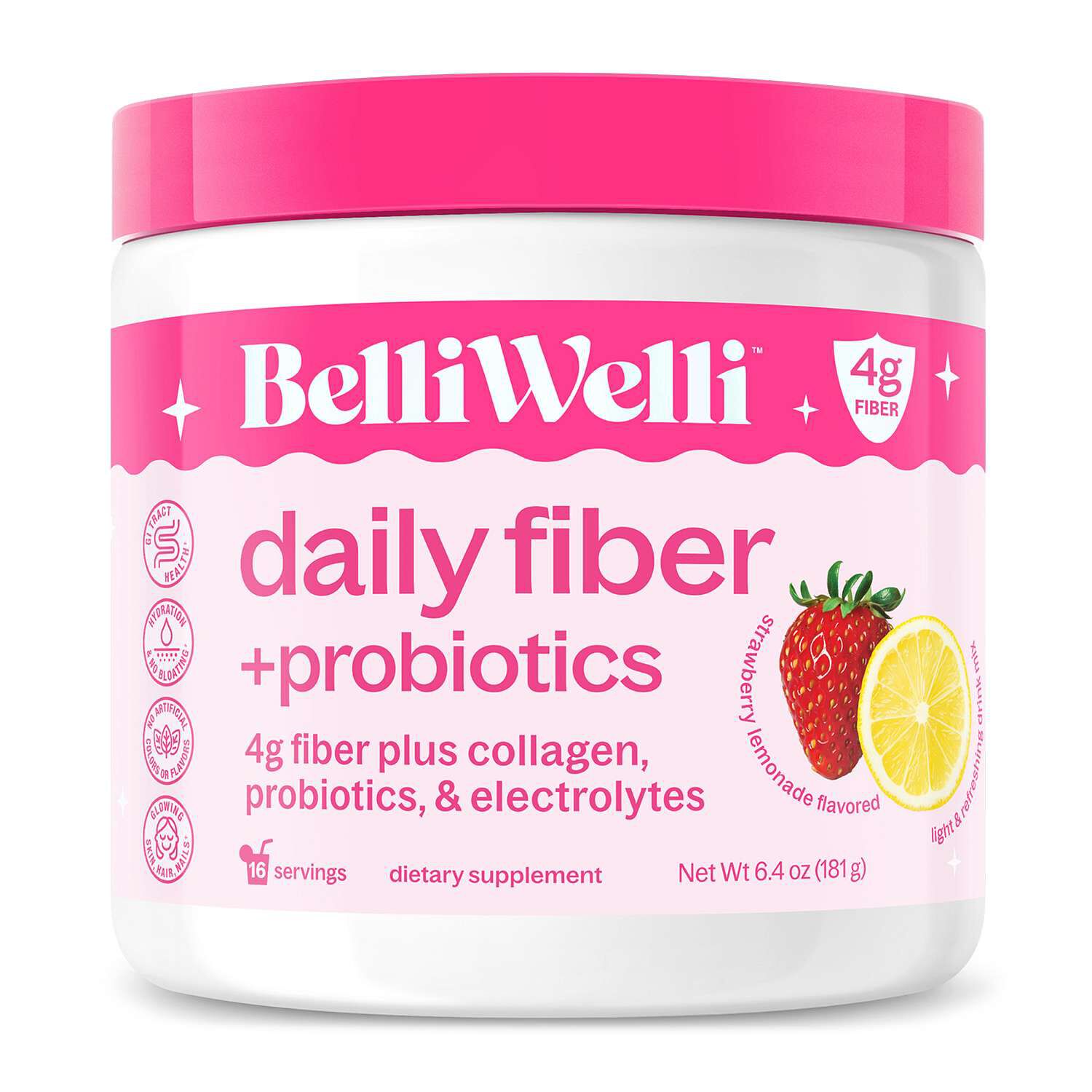 $17.97
-
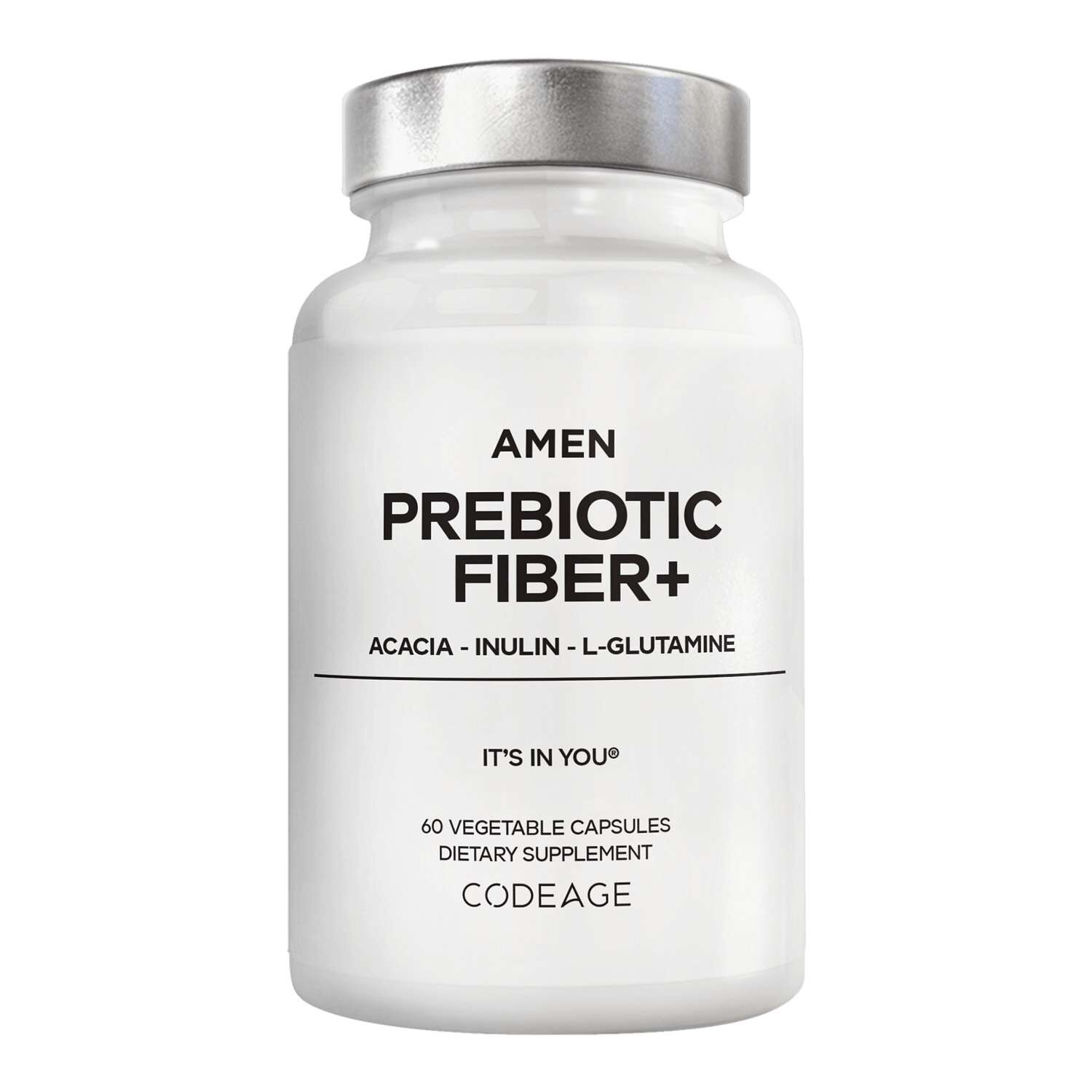 $26.99
-
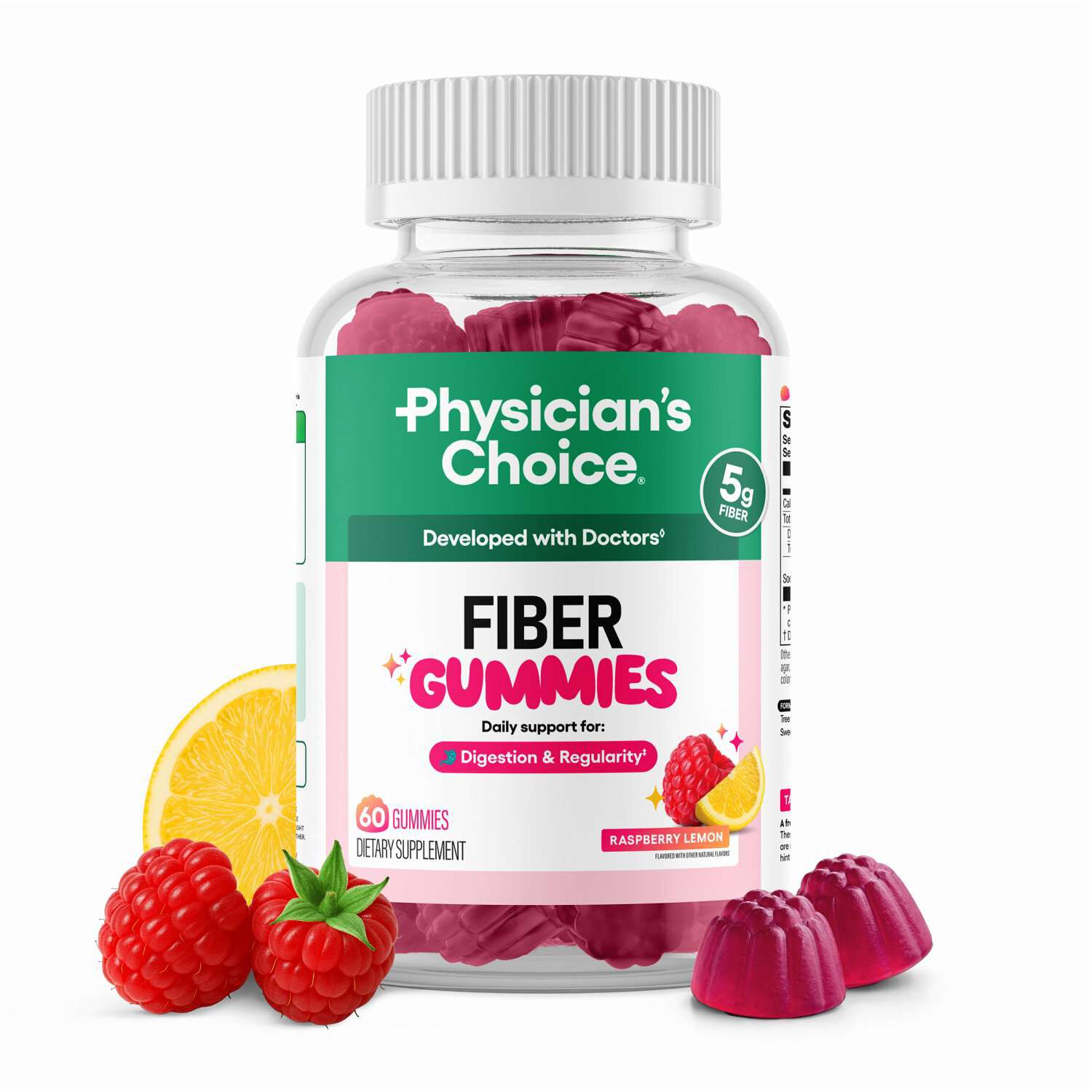
-
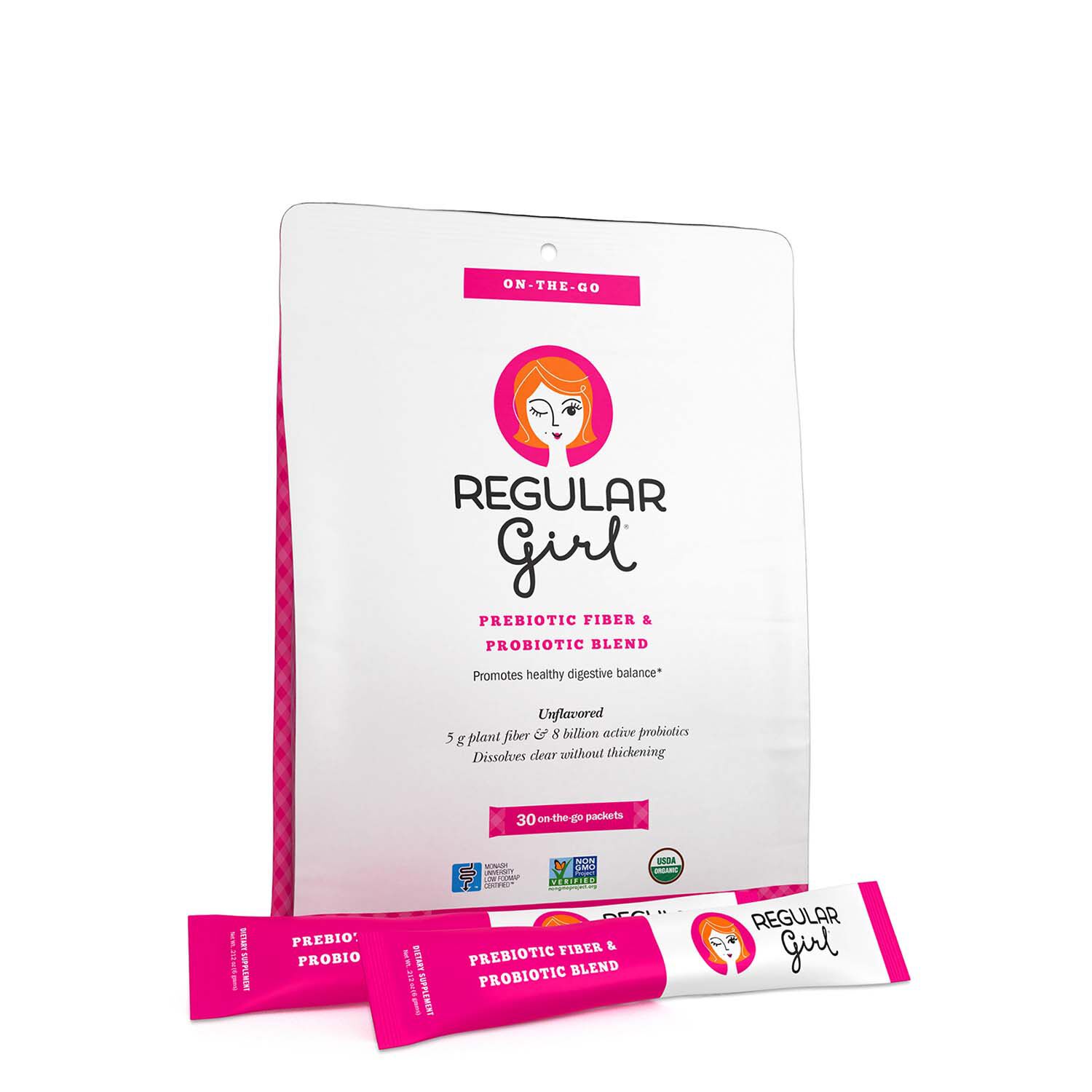 209$34.99
-

-
-

-

Whole food fiber supplements are dietary supplements made with fiber-containing plant ingredients, such as ground seeds, grain brans, and fruit or vegetable ingredients. They are intended to supplement an eating pattern rather than replace the variety found in everyday foods. The phrase whole food does not identify a single recipe or a uniform amount of fiber, so the ingredient list and Supplement Facts panel provide useful context. Ground flaxseed, chia seed, oat bran, and apple-derived ingredients illustrate the different sources that might appear in food-based fiber formulas. Some blends use recognizable ground ingredients, while others combine those ingredients with more concentrated plant fibers. Processing also matters: a finely milled seed, a bran ingredient, and an extracted fruit fiber are different materials, even when each comes from a familiar food. Dietary fiber includes soluble and insoluble types, terms that describe how those fibers behave in water. Soluble fiber dissolves in water, and some types may form a gel; insoluble fiber does not dissolve in the same way. A blend may contain both, although a label may not list their amounts separately. For context when reading labels, the Daily Value for dietary fiber is 28 grams for a 2,000-calorie eating pattern; individual needs vary. The grams of dietary fiber per serving are more informative than the weight of the scoop or the number of plant ingredients pictured on the package. A serving of powder includes everything in the formula, not just its fiber. Likewise, a fruit or vegetable ingredient does not automatically mean that a serving contains substantial amounts of the vitamins and minerals associated with that food. Those nutrients need their own label information. For shoppers comparing whole food fiber supplements, the most useful starting point is a clear connection between the named ingredients, the serving size, and the dietary fiber listed for that serving, rather than assumptions based on the product name alone.
Format makes a practical difference when choosing a fiber supplement for an everyday routine. Powders offer a way to incorporate food-derived ingredients into a beverage or food when the label allows that use. A plain, finely milled powder might fit a morning smoothie, while a coarser seed-based blend could be more noticeable in yogurt or oatmeal. Texture deserves attention alongside flavor: some ingredients may thicken a mixture, settle toward the bottom of a glass, or retain a grainy feel. A powder described as unflavored may still have an earthy, nutty, or lightly fruity character from its ingredients. Vanilla, berry, or citrus flavoring creates a different taste profile, and sweeteners are another point of comparison. Mixing directions help clarify the intended preparation, including the amount of liquid, whether stirring or shaking is suggested, and whether the mixture should be consumed promptly. A shaker bottle at a desk and a blender on a kitchen counter offer different preparation options, so the directions should match the equipment and time involved. Capsules require a different kind of comparison: the serving may consist of several capsules, and the fiber amount should be read for that serving rather than assumed from a single capsule. Capsule shells may contain gelatin or plant-derived materials, which matters to shoppers with particular ingredient preferences. Chewable formats have their own serving sizes, flavors, textures, and sweetener ingredients. Across formats, a short ingredient list is not the only useful measure of suitability. Flavorings, binding ingredients, capsule materials, and other components explain how the formula is put together. Someone who prefers minimal preparation might favor a different format from someone who enjoys adding ingredients to breakfast. Neither preference establishes which formula contains more fiber; that comparison belongs on the Supplement Facts panel. Serving size, dietary fiber grams, preparation requirements, and the full ingredient list together give a more accurate picture than format alone.
The intended place in a routine is another useful consideration. An adult who regularly prepares smoothies may find a label-directed powder format a practical match, while someone who eats breakfast away from home might prefer a format with fewer preparation steps. A familiar food source does not automatically make every supplement suitable for every person, so the intended age group, ingredient disclosures, and package directions remain important. Labels may identify wheat, milk, soy, or other ingredients relevant to personal dietary restrictions. Plant-derived fiber also does not necessarily mean that every component of a finished formula is plant-derived; capsule materials and additional ingredients deserve the same attention as the fiber source. Shoppers comparing food-based formulas with other plant-derived options may also explore Plant Fiber Supplements. Practical package details matter after a selection, too. A tub needs space for its lid to open and for the serving utensil to reach the powder, while a pouch needs a secure closure after each use. Keeping the original package preserves access to the directions, ingredient information, lot information, and printed date. Storage instructions vary, particularly for blends containing ground seeds or other food ingredients, so the package is the appropriate reference for storage conditions and any refrigeration directions. A clean, dry utensil and a securely closed container may help limit moisture exposure during everyday handling. Preparing only the amount specified for the intended serving also keeps the measuring process consistent with the label. For shared households, a clearly labeled container is more informative than an unmarked jar on a pantry shelf. The best match is not necessarily the blend with the longest list of plants or the largest scoop. It is a formula whose ingredient sources, fiber amount, taste, texture, preparation, and storage requirements align with the shopper’s preferences and the product’s stated use. Those concrete details keep the comparison grounded in what is actually in the package and how it is intended to be used.
Best Sellers
-
Physician's Choice
-
Tomorrow's Nutrition
-
 Health Plus

Related Pages
Top Collections
- GLP 1 Support For Adults
- Supplements For Yoga Joint Flexibility
- Joint Mobility Supplement Packs
- Supplements For Balance
- Zinc Supplements For Men
- Chronic Fatigue Supplements
- Capsule Supplements For Energy And Stamina
- Zinc Supplements | Top Brands at Great Prices | GNC
- Supplements For Anxiety Relief Support
- Adult Mobility Supplements