Fiber And Greens Supplements
(0 Results)
Explore the potential benefits of fiber and greens supplements, a versatile addition to any wellness routine. These supplements could support various aspects of health by providing a convenient source of dietary fiber and nutrient-rich greens. Whether you're looking to complement your diet or seeking an easy way to incorporate more plant-based nutrition, fiber and greens supplements might offer the solution you need. Discover how these supplements can fit into your lifestyle and possibly contribute to your overall well-being.
-

-

-

-
-
 4$59.99
 -

-

-

-
-
-

-

-
-

-
 $32.99
 -
-

-
-
-

-
-
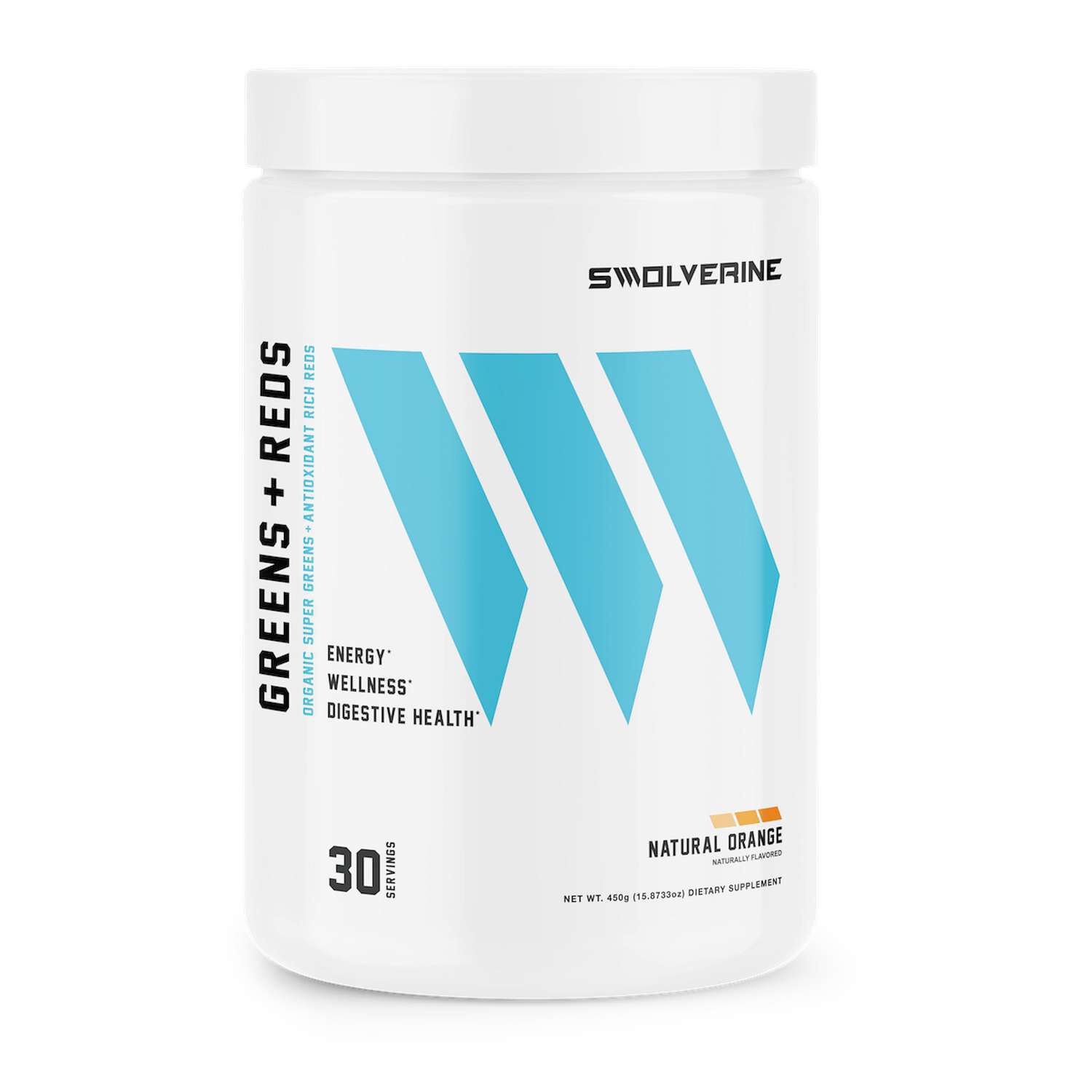

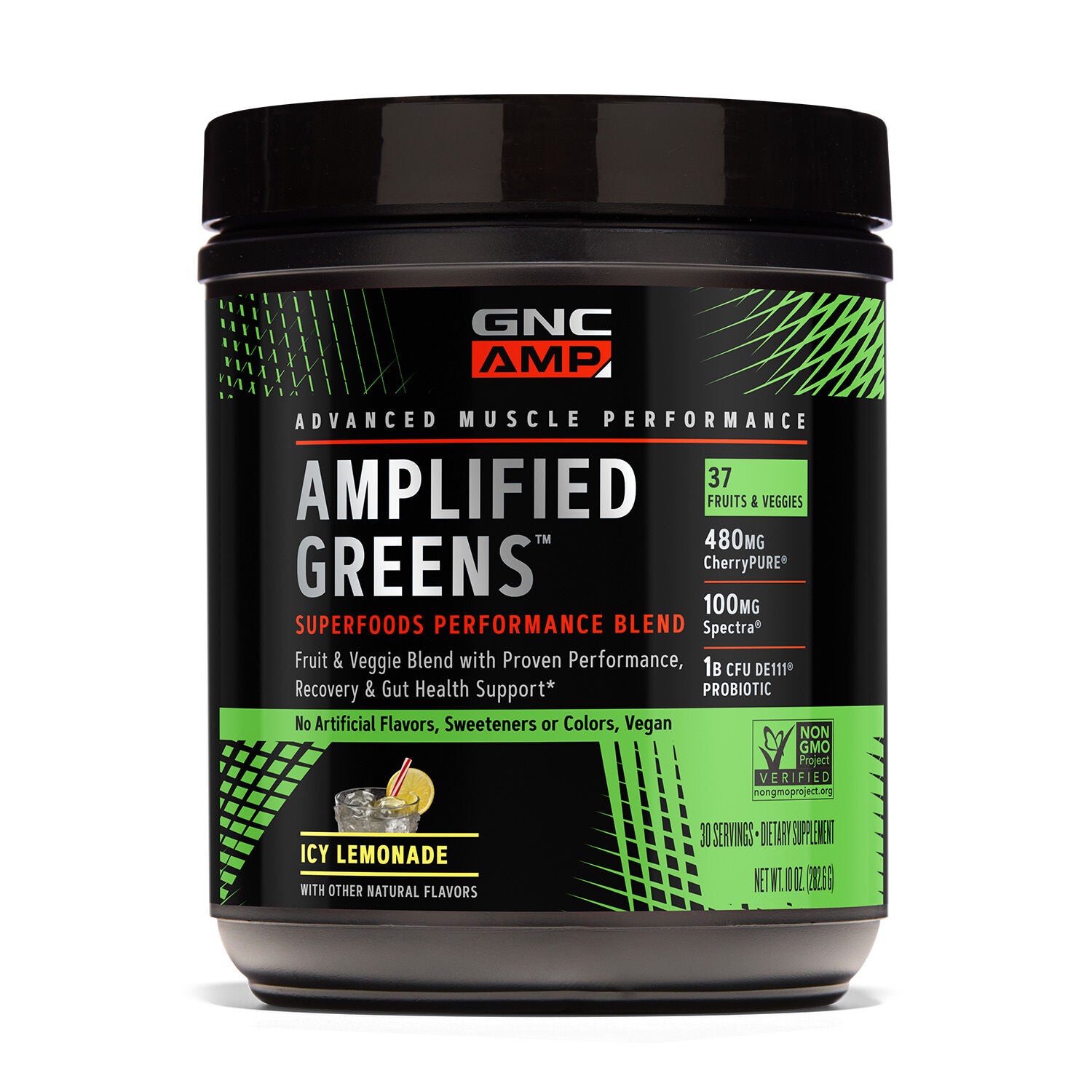
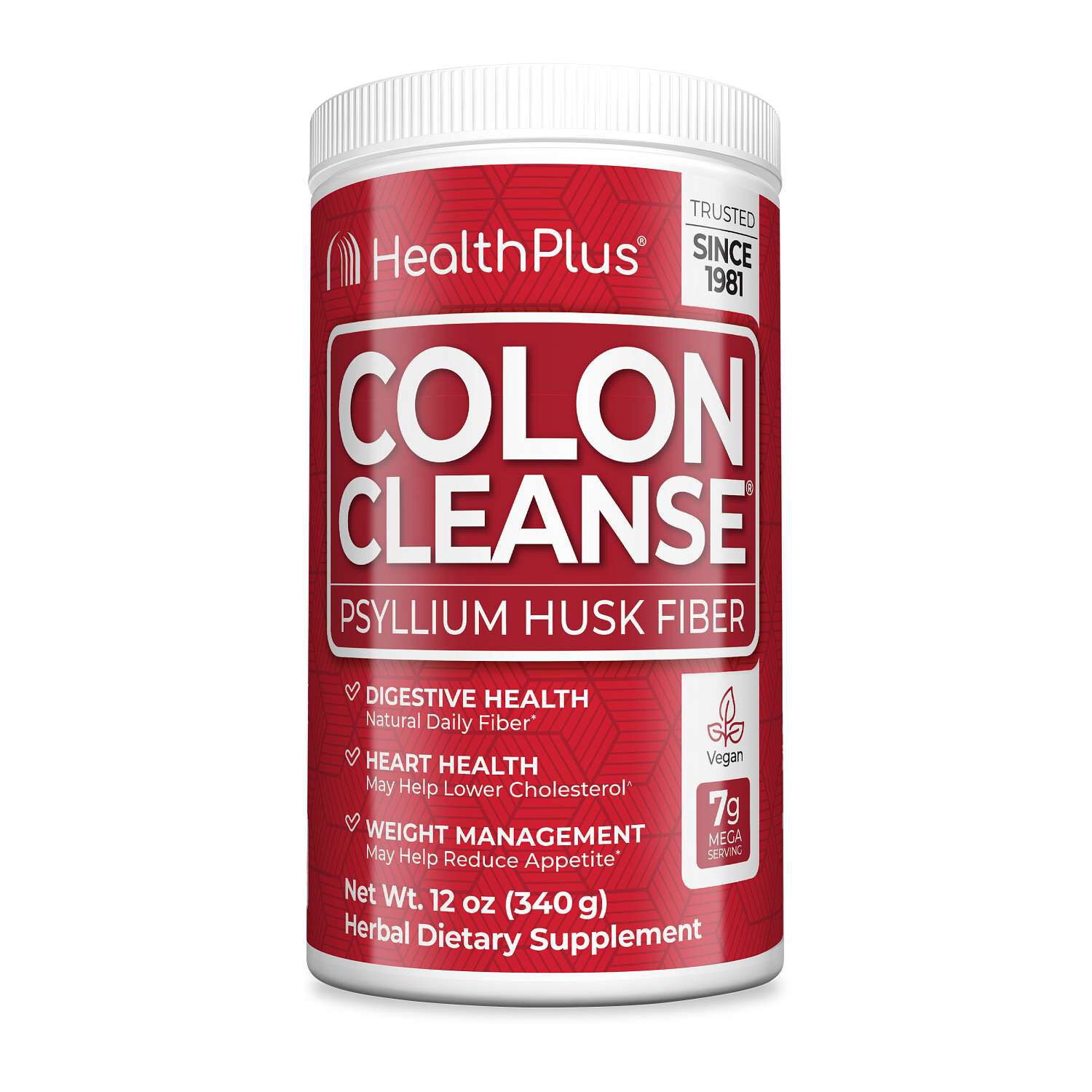
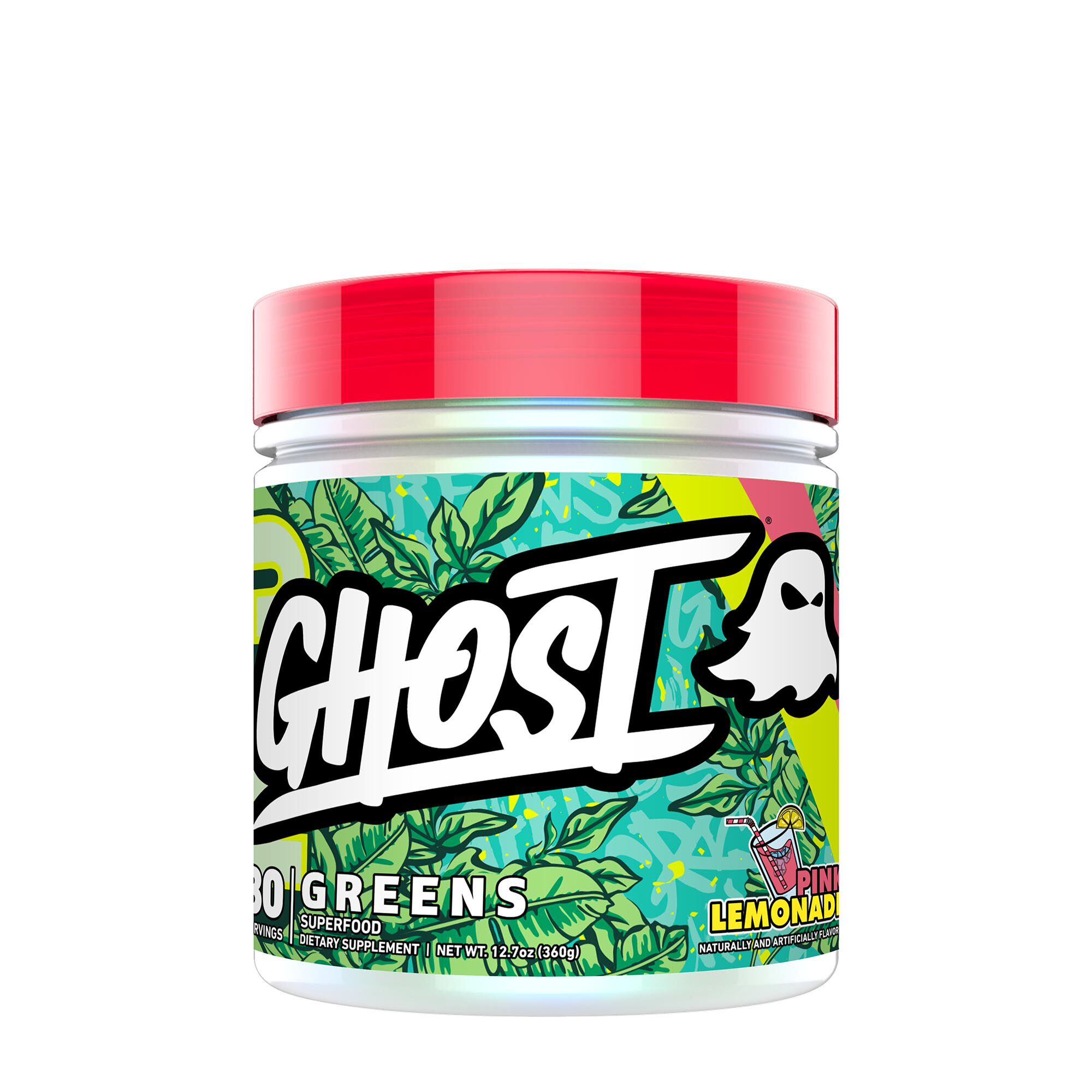
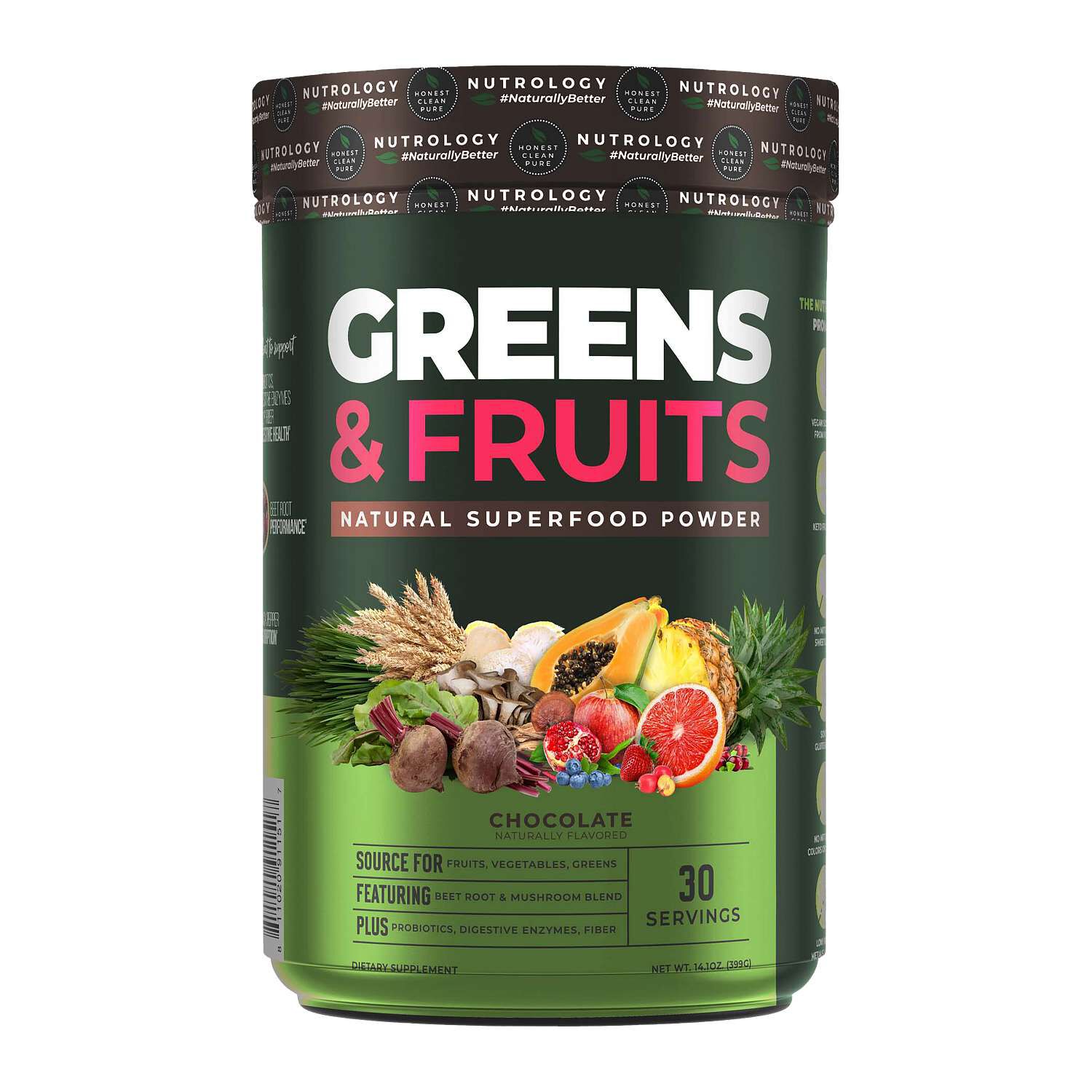
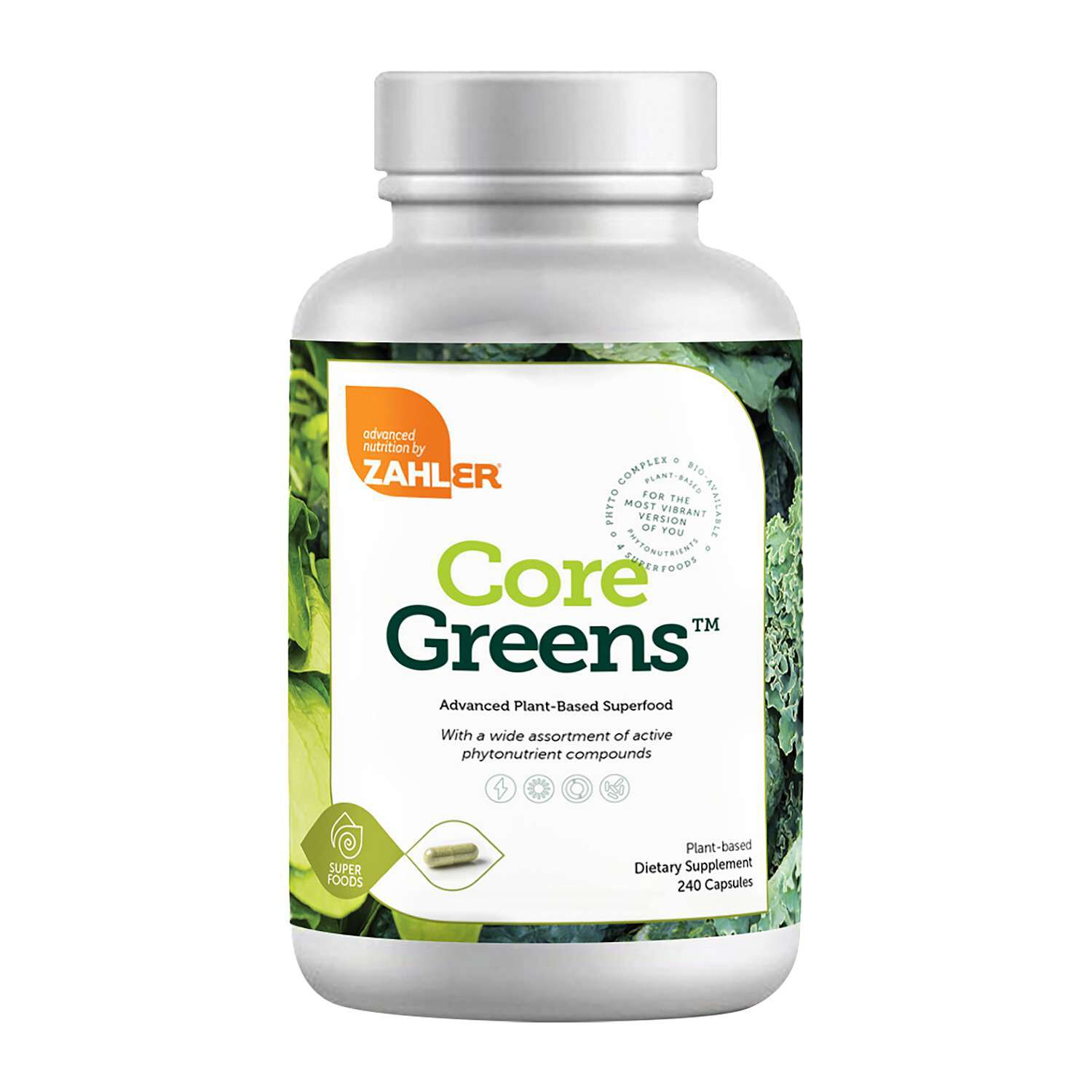
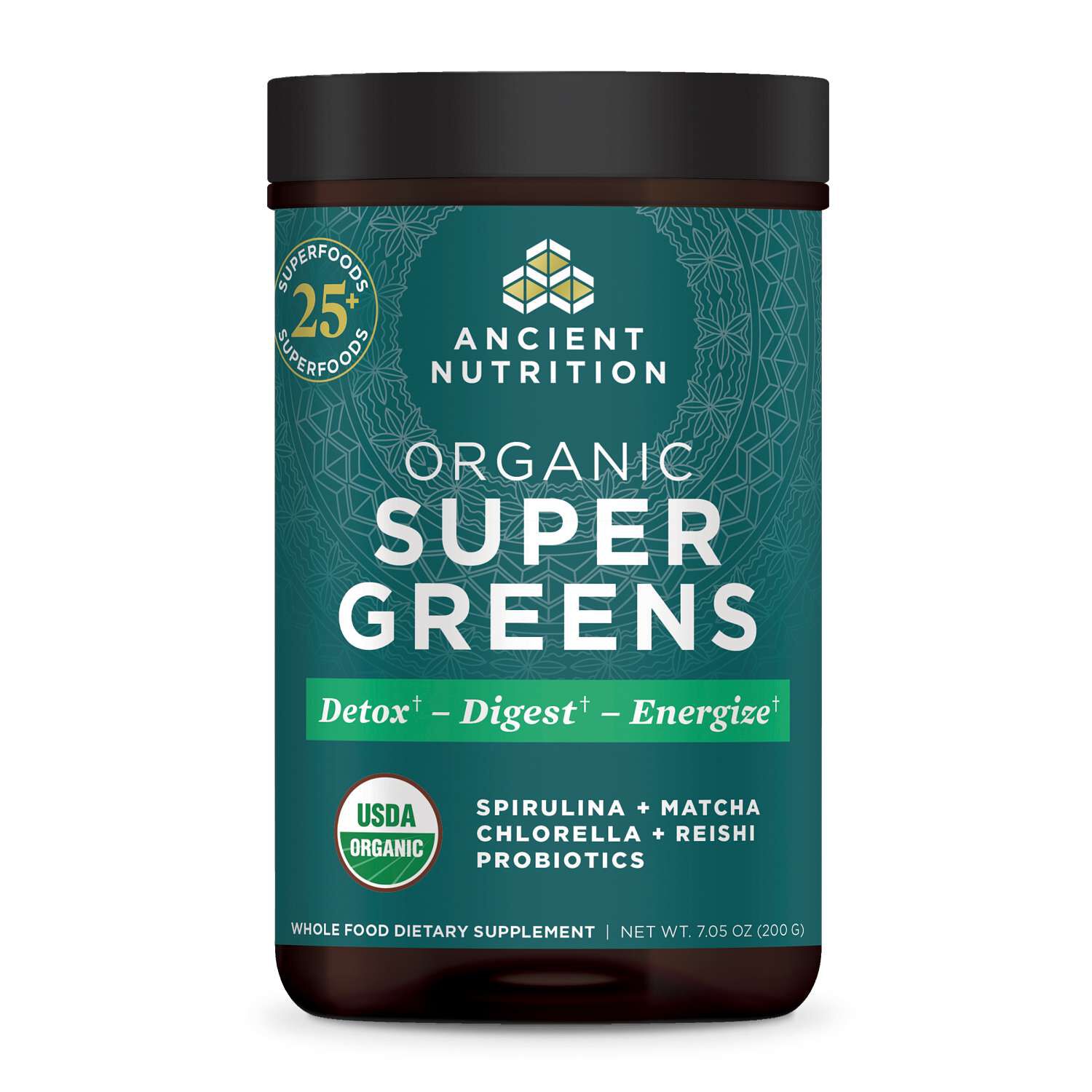
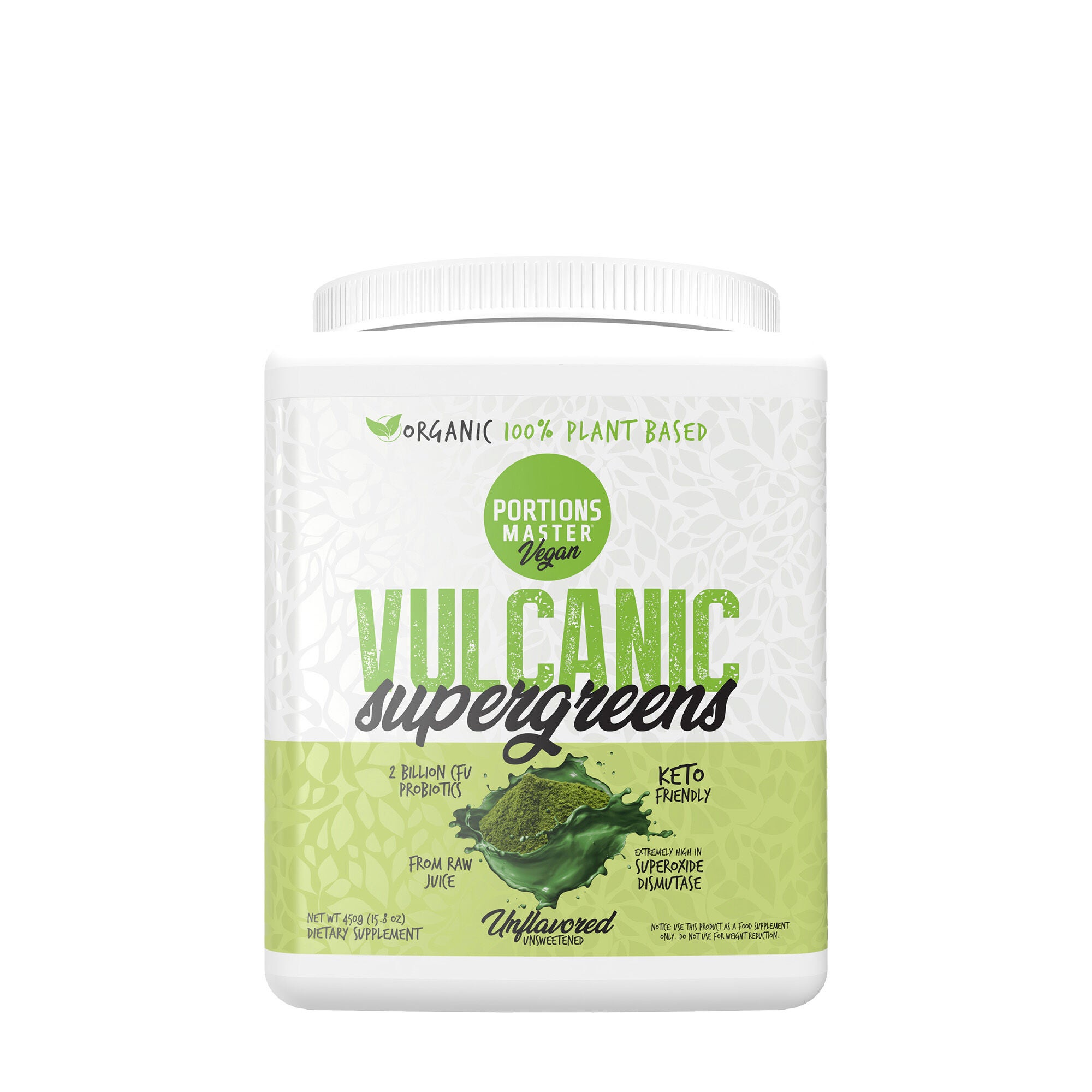
Fiber and greens supplements bring together plant-based ingredients in convenient powders, capsules, or drink mixes for shoppers who want a simple addition to an everyday routine. A formula may include dried vegetables, leafy greens, grasses, algae, fruit ingredients, and added prebiotic fiber, allowing several plant sources to fit into one serving. Common greens include kale, spinach, wheatgrass, spirulina, and chlorella, while fiber may come from acacia fiber, inulin, chicory root, psyllium, or other plant sources. Some products also feature probiotics or digestive enzymes, depending on the formulation. These options may appeal to people with busy schedules, frequent travelers, students, office workers, or anyone who enjoys the convenience of mixing a scoop into water or a smoothie. They may also suit a thoughtful gift basket for a friend who enjoys experimenting with colorful smoothie recipes, preparing packed lunches, or keeping practical pantry staples on hand. During warmer weather, a greens drink can fit naturally beside a chilled smoothie or a glass of water after an outdoor walk; during cooler months, an unflavored powder may blend easily into oatmeal, yogurt, soup, or a morning shake. Because these products vary considerably, reading the Supplement Facts panel and ingredient list can help shoppers compare serving size, fiber amount, flavoring, sweeteners, greens sources, and any added ingredients. A colorful label does not always tell the whole story, so shoppers may prefer to check whether the formula highlights the specific plants and fiber sources they recognize, along with directions that suit their routine. Products with a broad greens blend may appeal to those who like variety, while a simpler formula may be a better match for someone who prefers a short ingredient list and a more familiar taste.
Fiber content deserves close attention when comparing products in this category. Some greens powders contain only a small amount of fiber, while other formulas are designed to place plant fiber at the center of the serving. Shoppers looking specifically for that feature can browse Plant Fiber Supplements to compare additional options. Prebiotic fibers such as acacia, inulin, and chicory root may serve as food for beneficial bacteria in the digestive tract, and products containing these ingredients may support regularity as part of a balanced eating pattern. Individual preferences matter: inulin and chicory root can bring a mild sweetness, psyllium may create a thicker texture, and acacia fiber often mixes more subtly into a beverage. A greens formula may also contain spirulina or chlorella for an earthy, ocean-like note, wheatgrass for a grassy flavor, or leafy vegetable powders for a more familiar green taste. Flavor packets, naturally flavored blends, and unflavored options each have a place in the pantry. A flavored powder may work well in cold water, while an unflavored variety may disappear more easily into a berry smoothie or a bowl of yogurt. For texture, look for serving directions that mention the recommended amount of liquid and whether the product is intended for a shaker cup, blender, or spoon. Fiber absorbs liquid, so mixing with an appropriate amount of water may help create a more enjoyable consistency. People who are new to higher-fiber products may prefer to begin with the serving guidance on the label and give their routine time to adjust, particularly when several fiber-rich foods are already part of the day. Drinking enough fluid may also be useful when adding a fiber supplement to meals and beverages. Anyone managing a health condition, taking prescription products, or following special dietary instructions may wish to speak with a qualified healthcare professional before choosing a new supplement.
These supplements are best viewed as a convenient complement to meals rather than a replacement for the produce aisle. Whole vegetables, fruits, beans, lentils, seeds, and grains bring their own textures, flavors, water content, and naturally occurring plant compounds, while a powder may offer portability and quick preparation. A person might enjoy roasted vegetables with dinner, berries in a breakfast bowl, and a greens drink on a hectic afternoon, using each option for a different occasion. That balance can make a routine feel realistic instead of rigid. Shoppers may also want to consider dietary preferences and practical details such as vegetarian or vegan suitability, allergen statements, added sugars, artificial flavors, caffeine-containing ingredients, third-party testing information, package size, and the number of servings per container. For households with more than one person using the product, a larger container may be convenient, while individual packets may work well for travel, work bags, or a desk drawer. Storage matters too: many powders keep best in a cool, dry place with the lid closed, away from humidity that could affect texture. A shaker bottle can make preparation easy before a commute, and a blender may produce a smoother drink when combining greens with fruit, milk, or a dairy-free alternative. Whether the goal is adding more plant variety, finding a practical source of fiber, or creating a dependable morning ritual, the most suitable choice will come down to the ingredient profile, serving format, taste, and routine that feel manageable over time.
Best Sellers
-
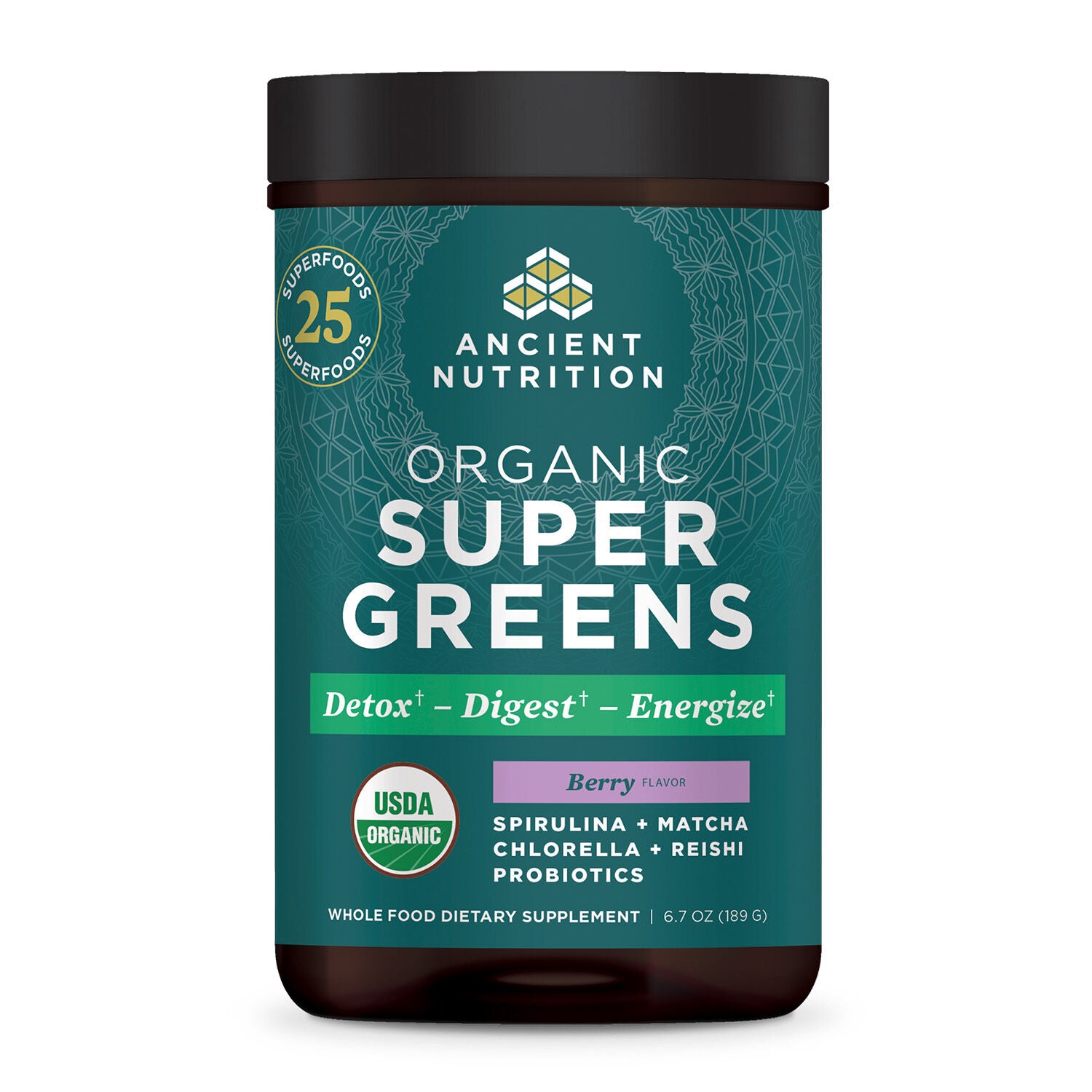
Ancient Nutrition
-
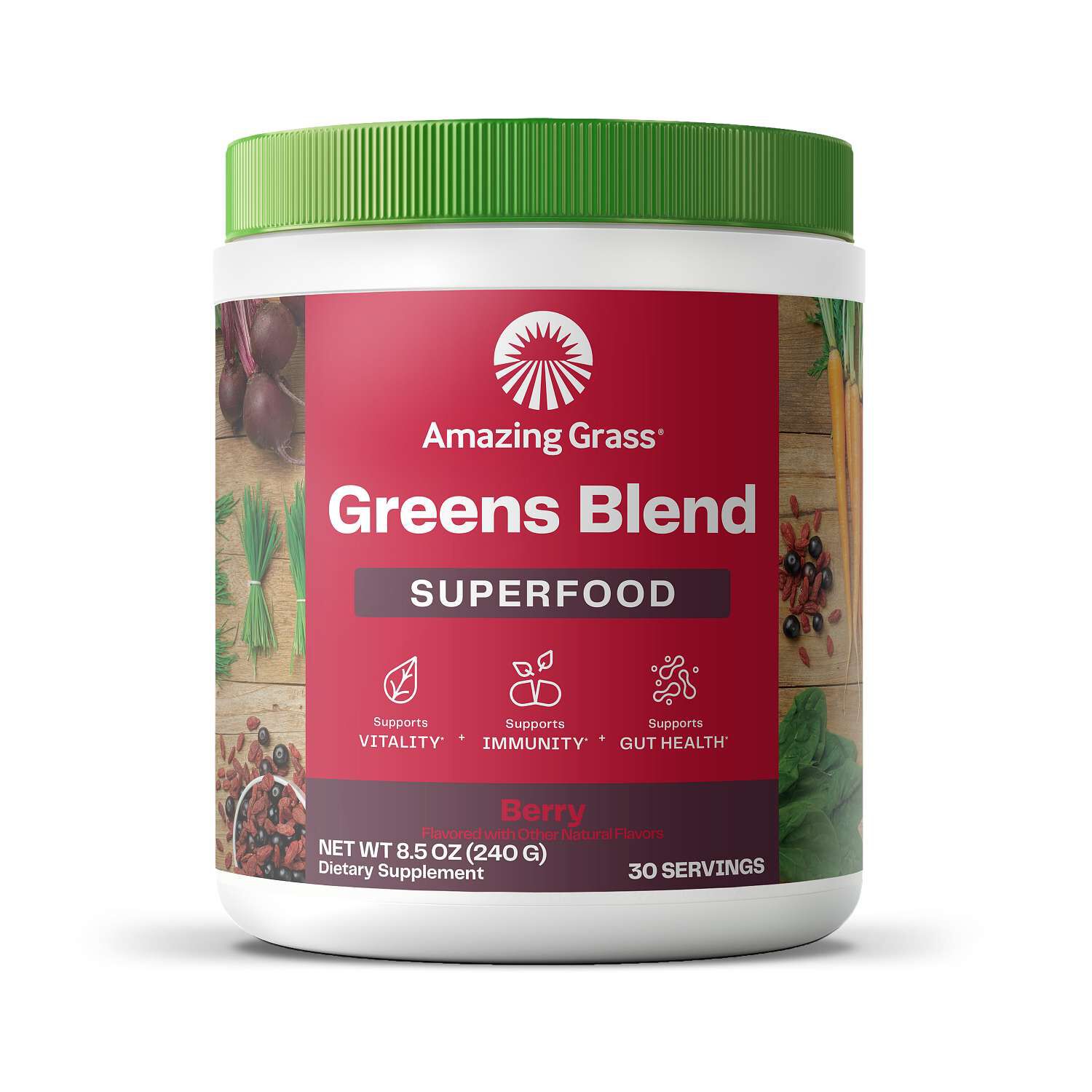
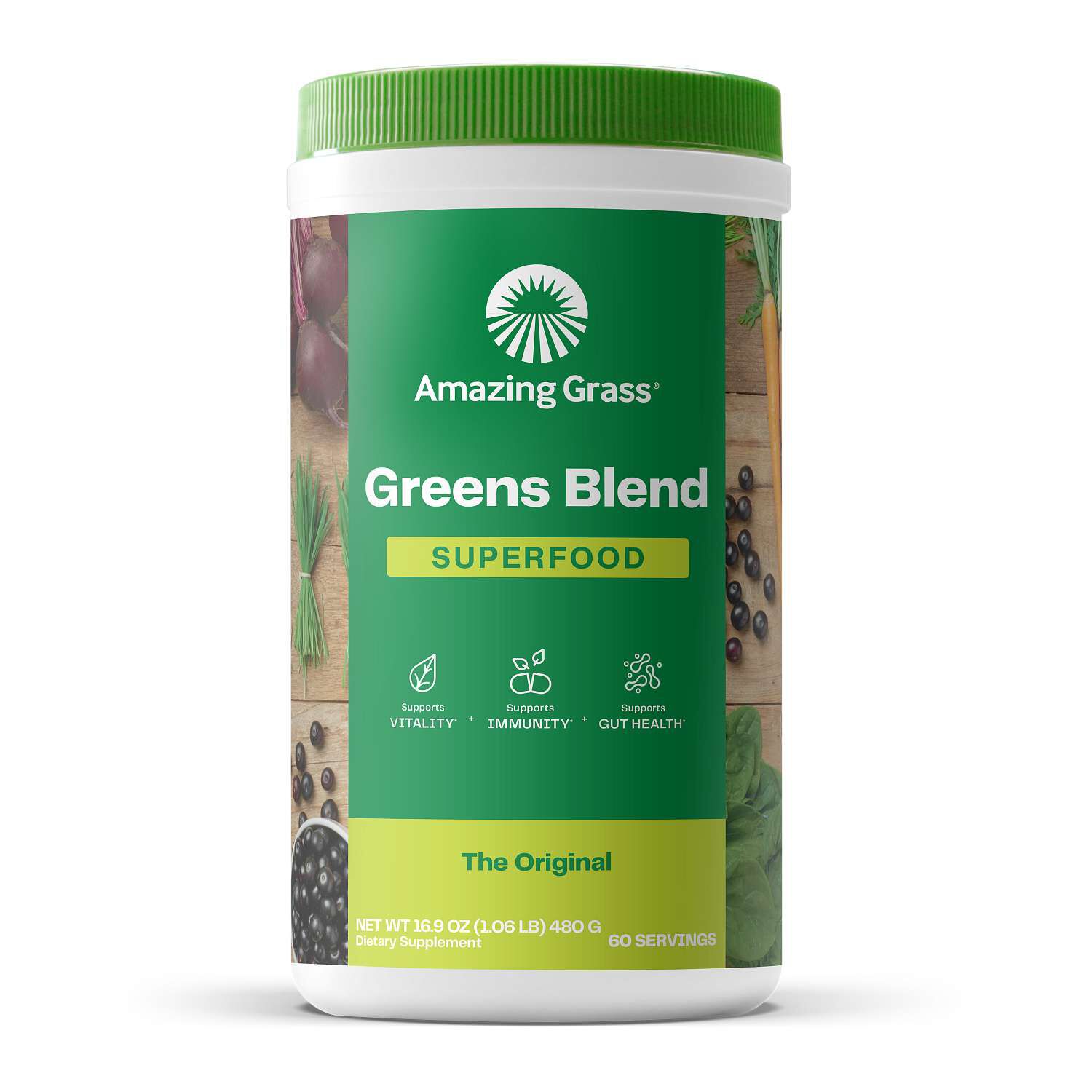
Amazing Grass