

Children's Vitamin C Supplements For Busy Families
(0 Results)
Children's vitamin C supplements for busy families offer a convenient way to help support your child’s nutrition routine, even on the go. Whether you’re navigating packed schedules, after-school activities, or family adventures, these options may fit easily into your daily routine. Explore a variety of formats and flavors designed with active lifestyles in mind, so your family can find the right match for their needs.
-
 Orange_Front.jpg?sw=305&sh=305&sm=fit "Junior C - 180 Tablets (180 Servings) | GNC")
-
 Orange_Front.jpg?sw=305&sh=305&sm=fit "Junior C - 90 Tablets (90 Servings) | GNC")
-

-
 Orange_Front.jpg?sw=305&sh=305&sm=fit "Junior C - 500 Tablets (500 Servings) | GNC")
-
 $11.99
 -

-
 $14.99
 -
 $13.99
 -
-

-
-

-
_Front.jpg?sw=305&sh=305&sm=fit "Junior Multi - 180 Tablets - 180 Tablets (180 Servings) | GNC")
-
_Front.jpg?sw=305&sh=305&sm=fit "Junior Multi - 90 Tablets - 90 Tablets (90 Servings) | GNC")
-

-

-

-

-


_Front.jpg?sw=305&sh=305&sm=fit "Pure Way-C Vitamin C and Bioflavonoids 1000+ mg - 90 Tablets (90 Servings) | GNC")


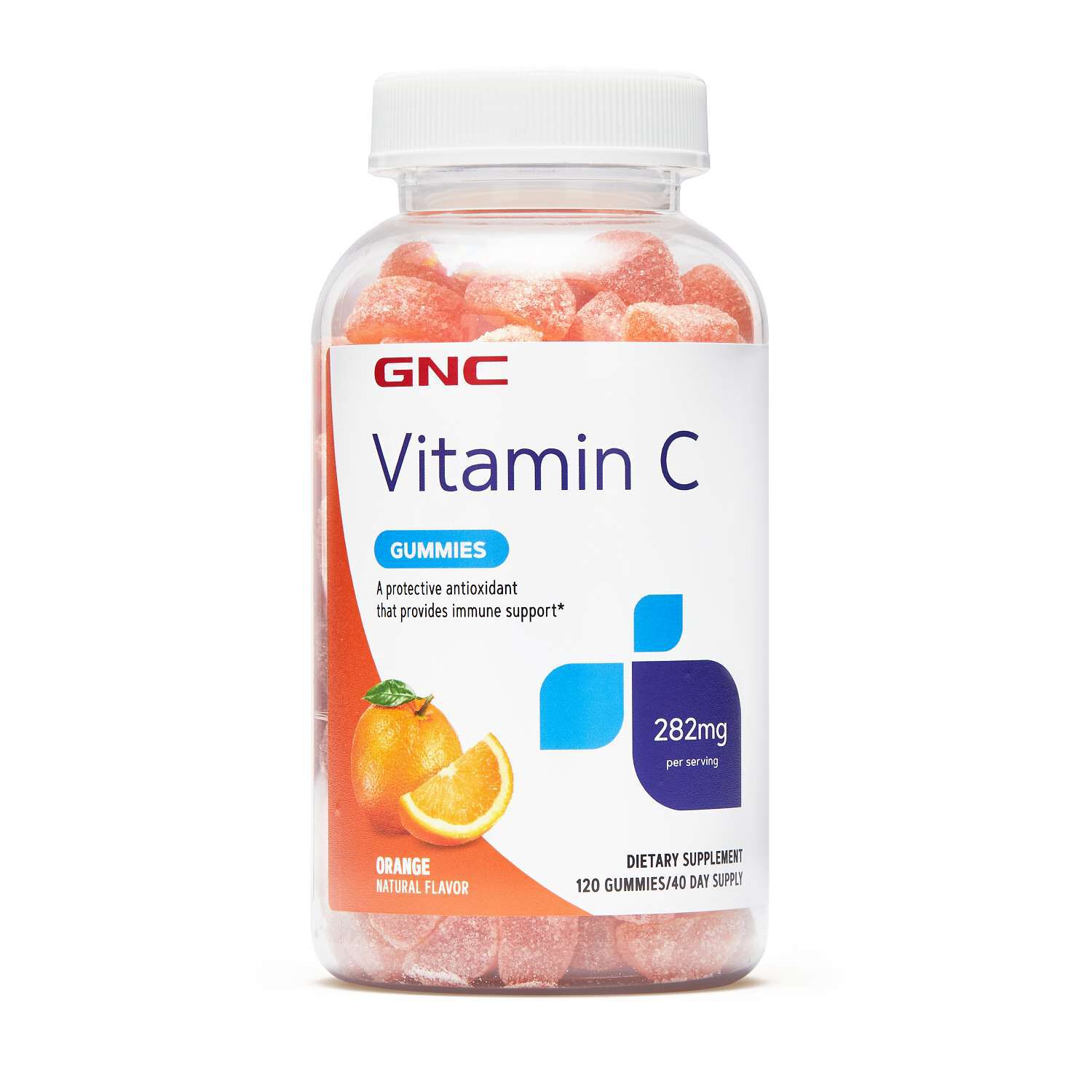
Children’s vitamin C supplements may offer a convenient option for families balancing school drop-offs, packed lunches, activities, travel and changing meal preferences. Vitamin C is a nutrient found in foods such as oranges, strawberries, kiwi, bell peppers and broccoli, although fresh produce does not always make it onto the plate during a hurried morning or a late evening. A supplement may help families add vitamin C to an established routine when food choices vary from day to day, and it may fit naturally alongside breakfast, an after-school snack or a bedtime wind-down, depending on the product directions. These products may be considered by parents and caregivers of children who have selective eating habits, families managing several schedules at once, or relatives looking for a practical present for a grandchild, niece or nephew. They may also suit households preparing for travel, school routines or the cooler months, when a simple, easy-to-store option can be useful to keep on hand. For more ideas designed around packed schedules, explore Supplements for Busy Families. When choosing a children’s vitamin C supplement, start with the child’s age and the serving guidance shown on the label. Products made for toddlers may differ from those intended for older children, and serving sizes can vary by format and concentration. A parent or caregiver may wish to speak with the child’s healthcare professional before introducing a new supplement, particularly when the child uses medication, has a special dietary requirement or has an ongoing health concern.
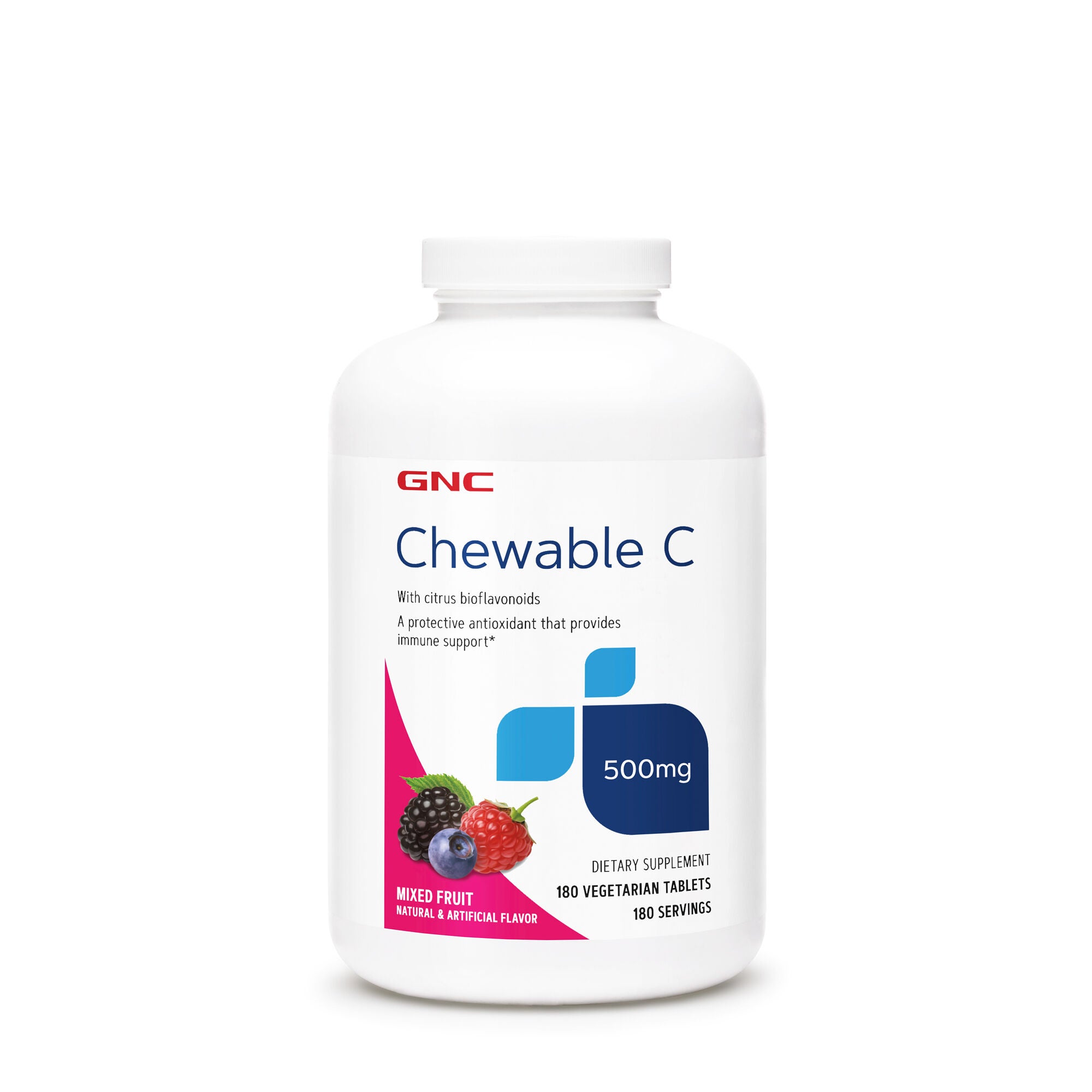
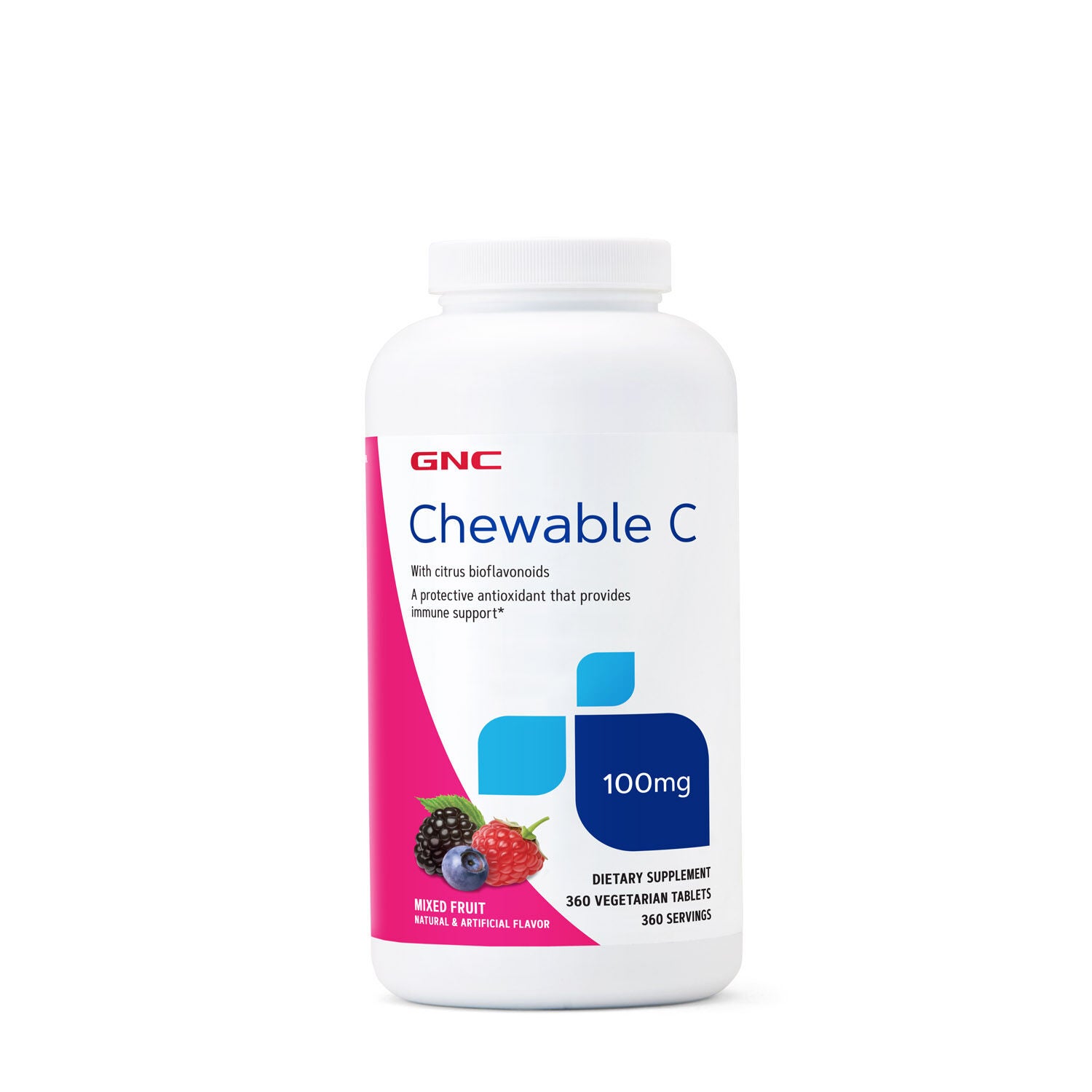
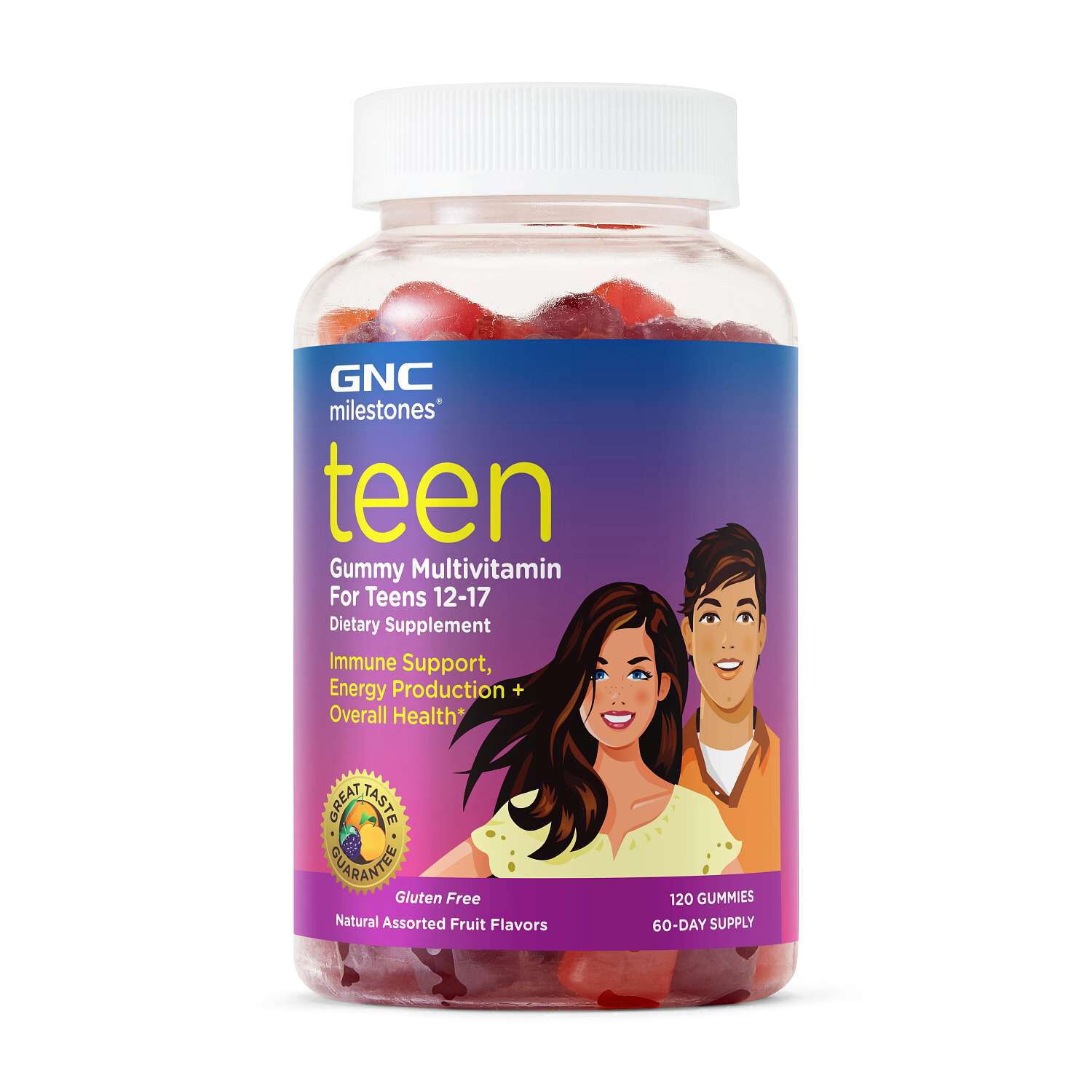
Format can make the difference between a product that fits smoothly into family life and one that stays at the back of a cupboard. Gummies may appeal to children who enjoy a soft texture and fruit-inspired flavors, while chewable tablets or melt tabs may suit older children who prefer something quick and compact. Liquid vitamin C may be convenient for caregivers who want to measure a serving and add it to a spoon or another approved food or beverage, provided the label allows that use. For young children, choose a format designed for the stated age range and follow the package directions for serving and supervision. Flavor matters, too: citrus, berry and orange notes may feel familiar, but children can have strong preferences, so a flavor that matches their usual tastes may be more likely to become part of the daily rhythm. Families may also compare sugar content, sweeteners, serving size, ingredient lists and dietary labels. Those seeking vegetarian, vegan, organic or allergen-conscious options may find that product formulas differ, making a careful label review worthwhile. A small container with a secure lid may work well in a kitchen cabinet, travel bag or desk drawer, while liquid products may require different storage. For households moving from warm days into cooler weather, checking storage instructions before placing a product near a sunny window or in a frequently heated room may help preserve the intended quality.
A reliable family routine usually depends on simplicity. Some caregivers place a children’s vitamin C supplement beside the breakfast dishes, while others pair it with an afternoon snack after school, when backpacks land by the door and everyone pauses before the evening rush. The best timing may be the one that aligns with the product label and the family’s schedule, rather than a complicated plan that is difficult to repeat. Keep supplements in their original packaging, use the provided measuring tool for liquids and avoid treating a children’s supplement like a sweet or snack. Serving guidance may differ by age, and taking more than directed may cause digestive discomfort, so families should follow the label and keep the product out of children’s reach. It can also help to review the full ingredient panel for sweeteners, flavorings and other components, especially when a child has dietary preferences or sensitivities. Vitamin C supplements may complement a varied eating pattern that includes fruits, vegetables, grains and other everyday foods, but they are not a substitute for meals or a balanced routine. Whether selected for a selective eater, a child with a packed activity calendar or a family member who appreciates useful gifts, the right product may provide a straightforward way to include vitamin C in daily life. As routines shift from outdoor play and travel toward school projects, indoor afternoons and cooler-weather gatherings, an age-appropriate format, clear serving guidance and a flavor the child enjoys may help make the supplement easier for the whole household to manage.

 Chewable Tablets_Front.jpg?sw=305&sh=305&sm=fit "ChildCalm - 60 Chewable Tablets (30 Servings) | GNC")